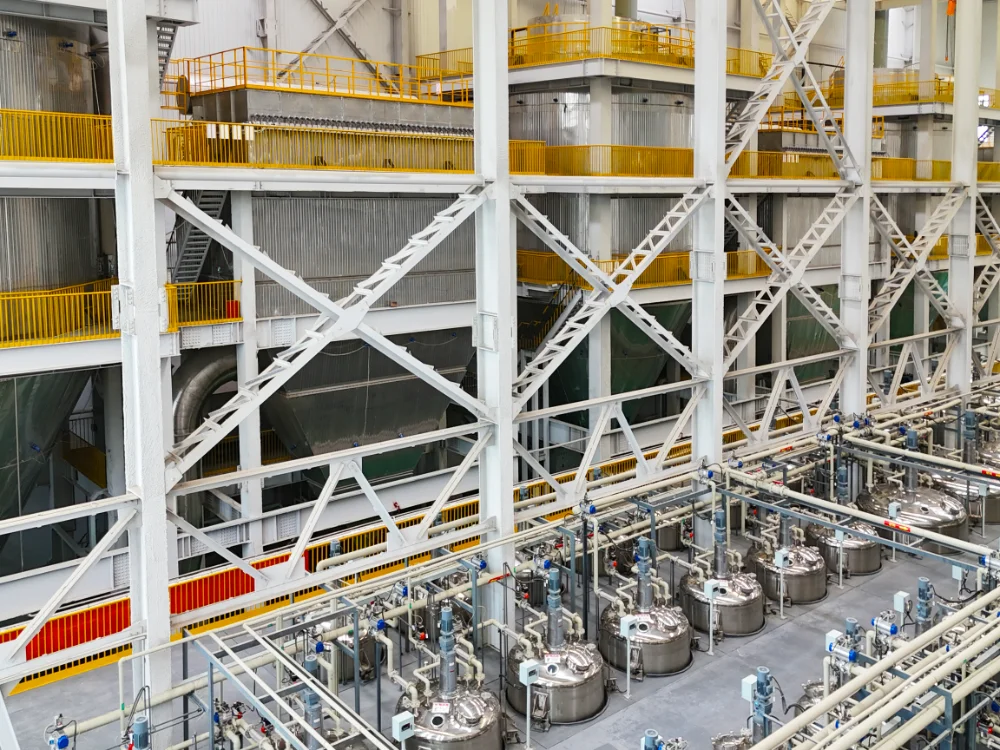
The new-energy vehicle industry has broad development prospects. With continuous technological upgrades, greater economies of scale, and improved cost-performance, electric vehicles are becoming increasingly competitive. This will strongly drive development across the supply chain and create substantial growth opportunities for the ternary cathode precursor market. To meet consumer expectations for vehicle performance and driving range, increasing the nickel content of ternary cathode materials has become an important development trend. High-nickel ternary precursors can increase battery energy density and extend the driving range of electric vehicles. The market share of high-nickel ternary precursors is expected to continue increasing.
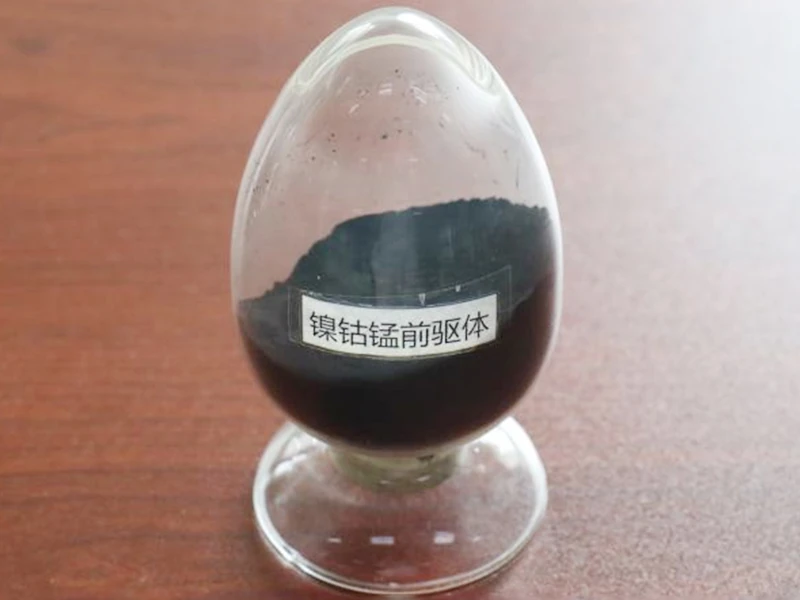
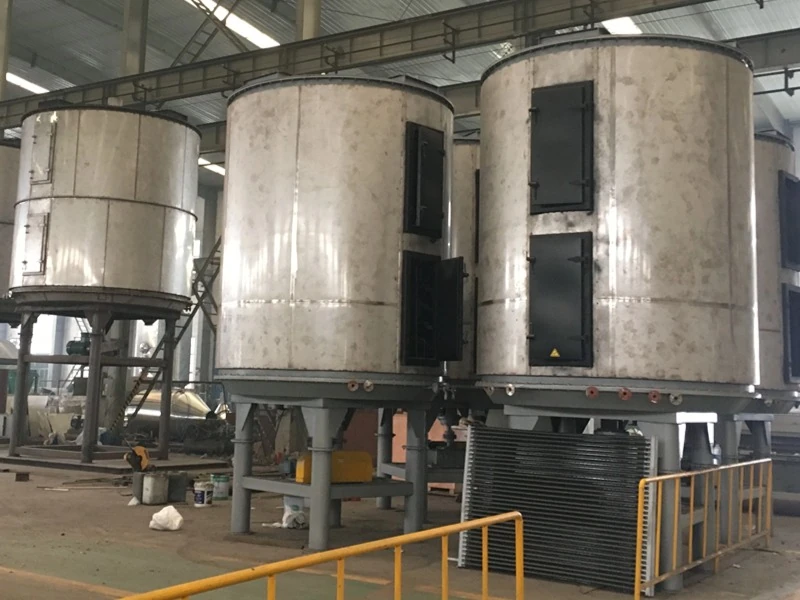
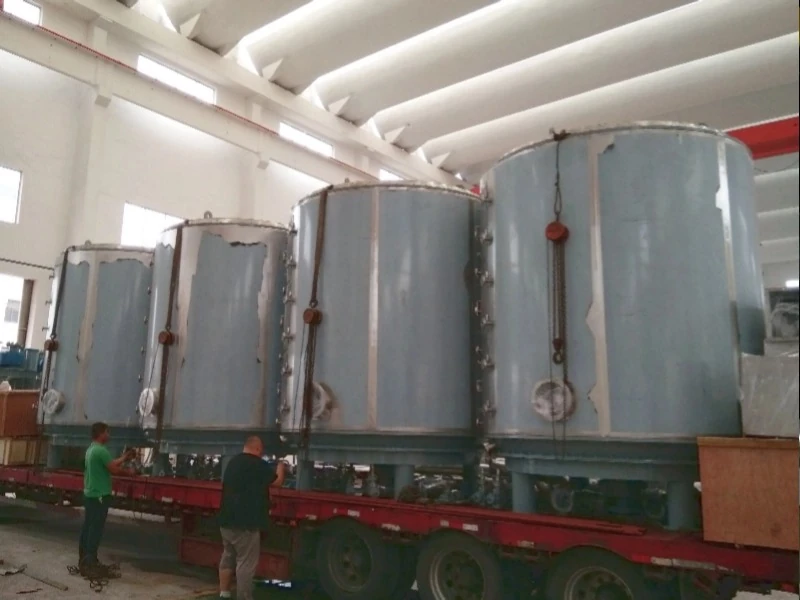
The performance of ternary cathode precursors directly affects that of the final ternary cathode material and, in turn, key performance indicators of lithium-ion batteries, including energy density, cycle life, and safety. Jiangsu Longxin Smart’s purpose-built plate dryer for ternary cathode precursor materials strictly controls the introduction of impurities during production, helping improve the structural stability and performance of cathode materials while effectively enhancing battery cycle life and safety. As plate dryer technology for ternary cathode precursors continues to advance, production processes for ternary precursors will be further optimized, costs will gradually decline, and the range of market applications will continue to expand.
Working Principle of the Plate Dryer for Ternary Cathode Precursor Materials
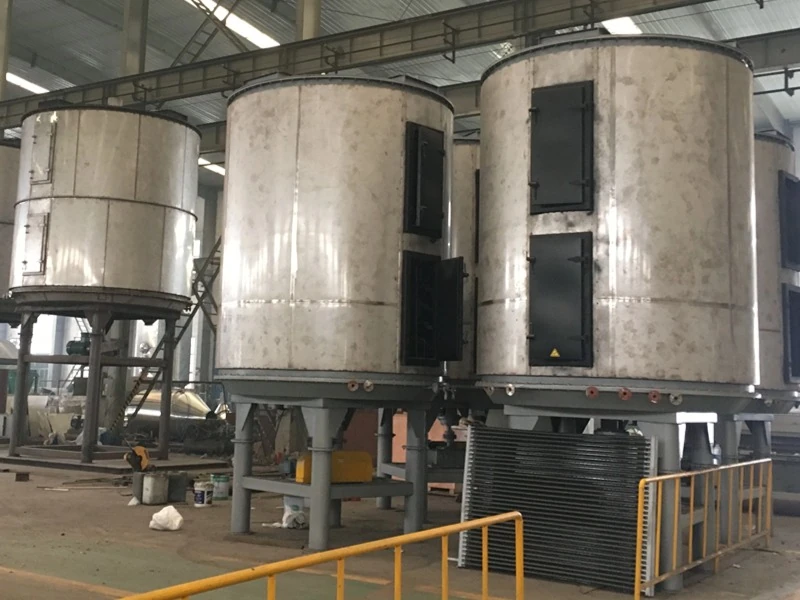
Plate dryers for ternary cathode precursor materials are widely used in the production of ternary precursors and are designed to dry precursor materials containing metal elements such as nickel, cobalt, and manganese. Continuous material movement, turnover by rake blades, and heat conduction from the heating medium enable efficient drying of wet materials. This drying method offers high thermal efficiency, low energy consumption, uniform drying, high product quality, a small footprint, few auxiliary systems, low pollution, continuous production, easy operation, and broad applicability.
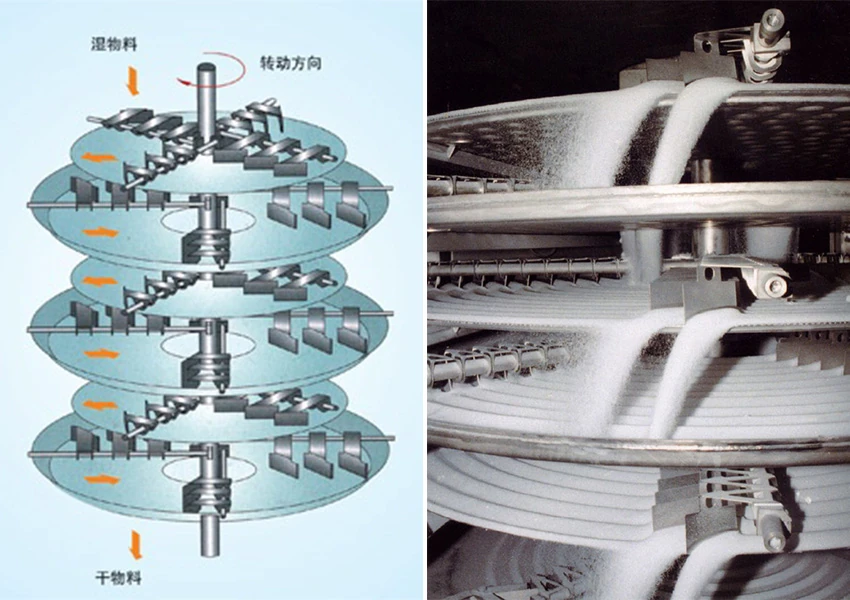
(1) Wet material is continuously fed by the feeder onto the first drying plate at the top of the dryer. Rake arms fitted with rake blades rotate, causing the blades to turn the material continuously.
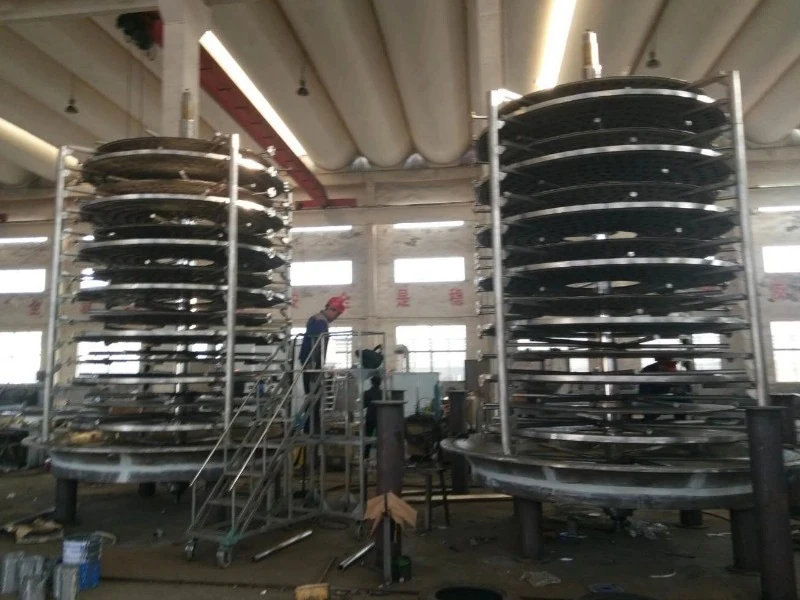
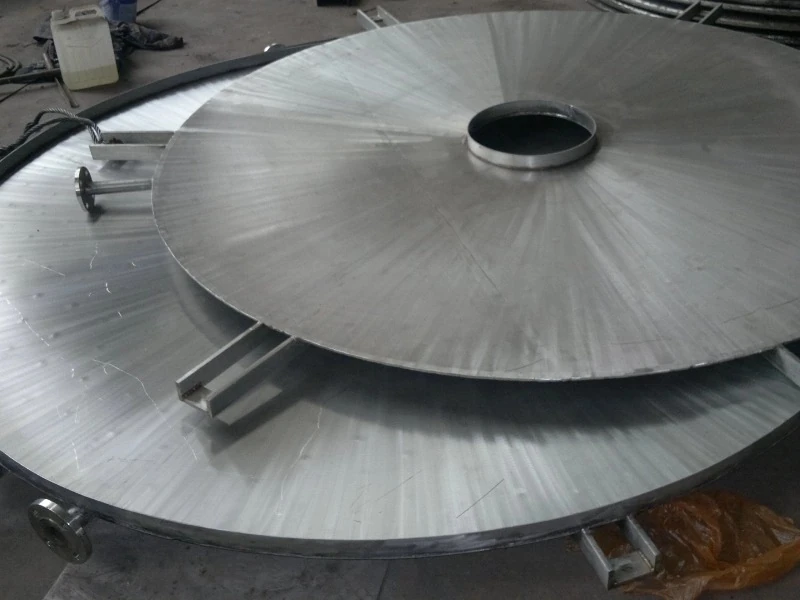
(2) The material travels across the drying plate along an exponential spiral path. Material on a small drying plate is moved to its outer edge and falls onto the outer edge of the large drying plate below. On the large plate, the material moves inward and falls through the central discharge opening onto the next small plate. Because the large and small plates are arranged in alternating layers, the material moves continuously through the entire dryer.
(3) A heating medium—such as saturated steam, hot water, or thermal oil—flows through the hollow drying plates. The medium enters at one end of each plate and exits at the other. Dried material falls from the final drying plate onto the bottom of the shell and is then moved by the rake blades to the discharge outlet. Moisture released from the material exits through the moisture-removal port in the top cover. In vacuum plate dryers, moisture is withdrawn through the vacuum-pump port in the top cover.
Structural Features of the Plate Dryer for Ternary Cathode Precursor Materials
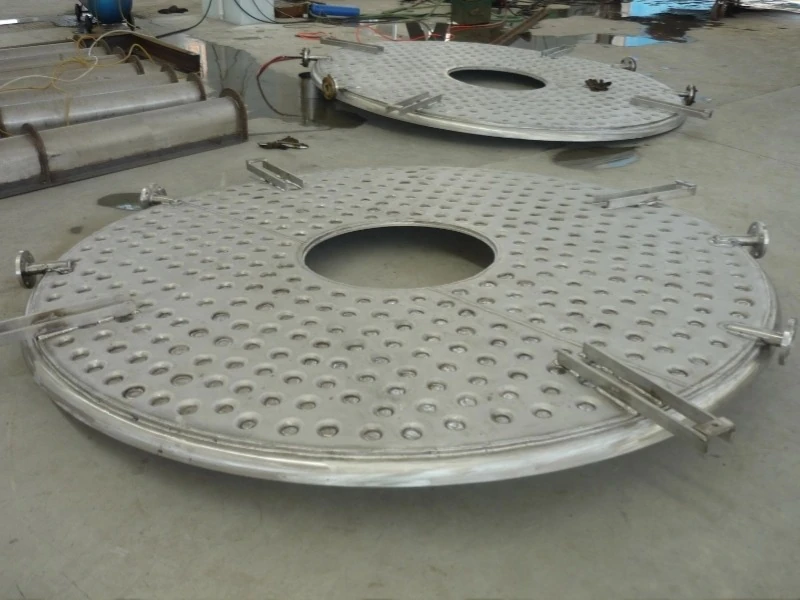
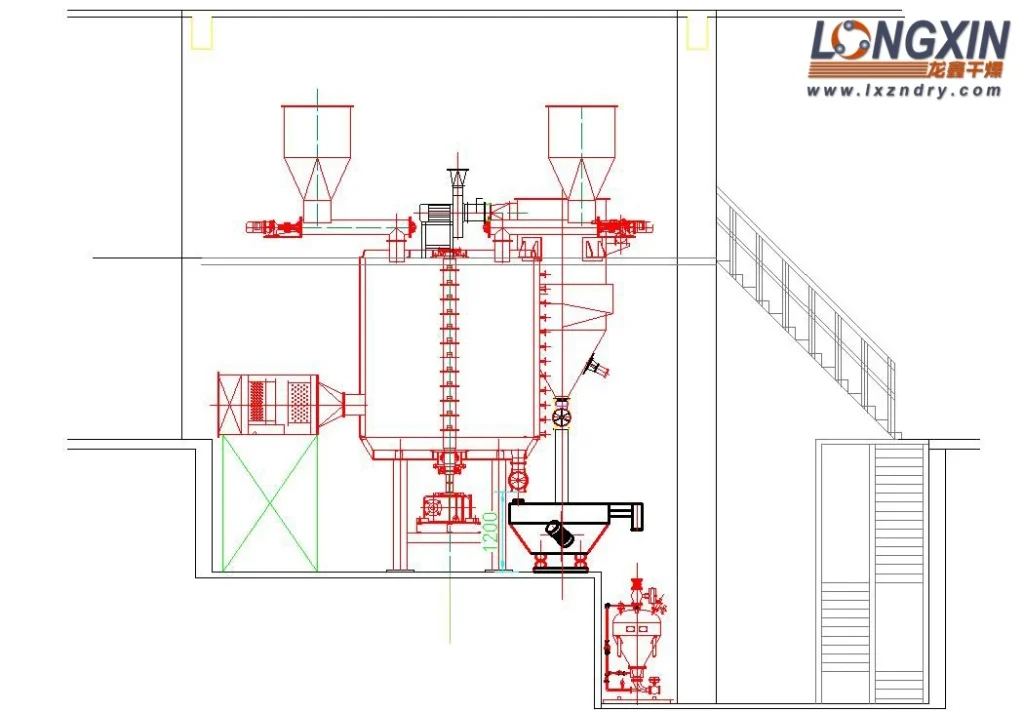
(1) Drying Plates: The drying plates are the core components of a plate dryer. They are usually arranged in multiple horizontal layers and remain stationary during operation. Plates are available in various specifications and materials—including carbon steel, stainless steel, and titanium—to meet different production requirements and material characteristics.
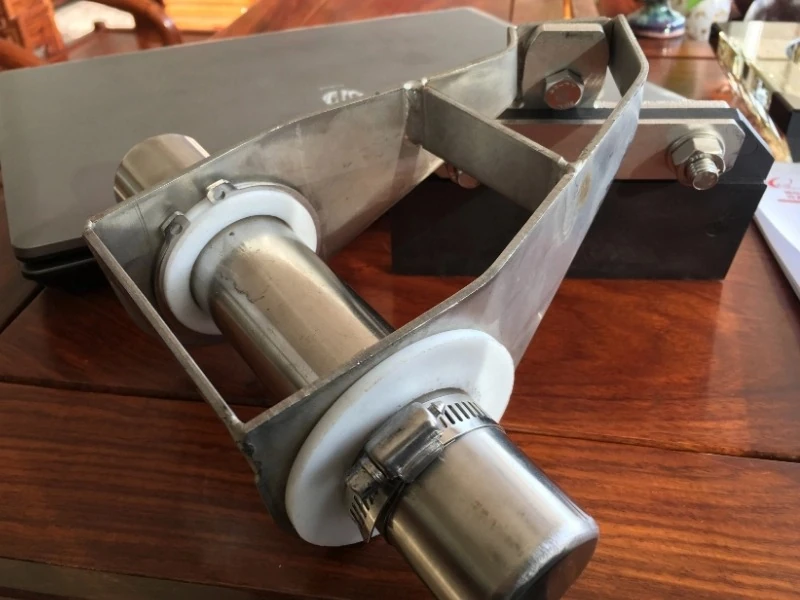
(2) Rake Arms and Rake Blades: The rake arms are mounted on the main shaft, and multiple rake arms are usually installed on each drying plate. Rake blades attached to the arms push the material across the drying plates, allowing it to be heated evenly and improving drying efficiency.
(3) Main Shaft: The main shaft connects and drives the rake arms. Its rotational speed can be adjusted according to the material’s drying characteristics and is generally 1–10 rpm.
(4) Shell: The shell provides structural support and sealing. Three configurations are available: atmospheric, enclosed, and vacuum. The atmospheric type is suitable for general drying applications. The enclosed type can withstand a certain internal pressure and is suited to drying in a closed environment or applications with strict gas-emission requirements. The vacuum type is suitable for drying heat-sensitive materials.
(5) Drive System: The drive system rotates the main shaft and typically consists of a motor, reducer, and coupling to ensure stable equipment operation.
Technical Improvements to the Plate Dryer for Ternary Cathode Precursor Materials
(1) Structural Design Optimization
Improved rake-arm structure: Higher-strength materials and more robust structural designs can increase the rake arms’ load-bearing capacity and resistance to bending deformation, ensuring stable material movement during long-term operation. For example, heavy-wall steel tubes can be reinforced by inserting a solid round steel bar inside.
Optimized plate surfaces: Uneven plate surfaces can be addressed by improving flatness. Advanced manufacturing methods can be used, such as forming the outer retaining ring of a large plate and the inner discharge ring of a small plate in a single press-forming operation from steel plate and forming a curved edge at the plate rim. This increases plate rigidity and helps reduce material accumulation on the plate surface.
Improved scraper blades: Scrapers can be designed for closer conformity to the plate surface to prevent material buildup. For example, upright scraper blades can be fabricated by hand-welding thick steel plates, with curved transitions on the blade surface and round steel supports between two steel plates to improve scraping performance and service life.
(2) Heating System Upgrades
Selection of heating media: Higher-efficiency heating media, such as high-temperature molten salt, can be evaluated to improve heating efficiency and temperature-control accuracy. The effects of different heating media on ternary cathode precursor drying should also be studied to determine the most suitable medium for each application.
Improved heating-plate structure: Internal plate structures can be optimized to increase the heating area and heat-transfer efficiency. Examples include finned structures and additional heat-conduction channels that distribute the heating medium more evenly within the plate and improve heating performance.
(3) Drive System Improvements
Motor optimization: High-efficiency, energy-saving motors with variable-frequency drives can precisely adjust main-shaft speed according to material characteristics and drying requirements, enabling precise control of material residence time and drying level.
Improved transmission method: More advanced transmission methods, such as magnetic drive systems, can reduce mechanical wear and energy losses during transmission while improving transmission efficiency and operational stability.
(4) Drying Process Optimization
Coordinated operation of multiple drying plates: The temperature distribution and material flow path across the plates can be designed according to the material’s drying characteristics and process requirements. This allows the material to receive the most suitable drying conditions at each stage, improving drying efficiency and product quality.
Introduction of auxiliary drying technologies: Microwave drying, infrared drying, and other auxiliary technologies can be combined with the dryer’s conduction-based drying method to leverage their respective advantages and improve drying speed and effectiveness.
(5) Automation and Control Upgrades
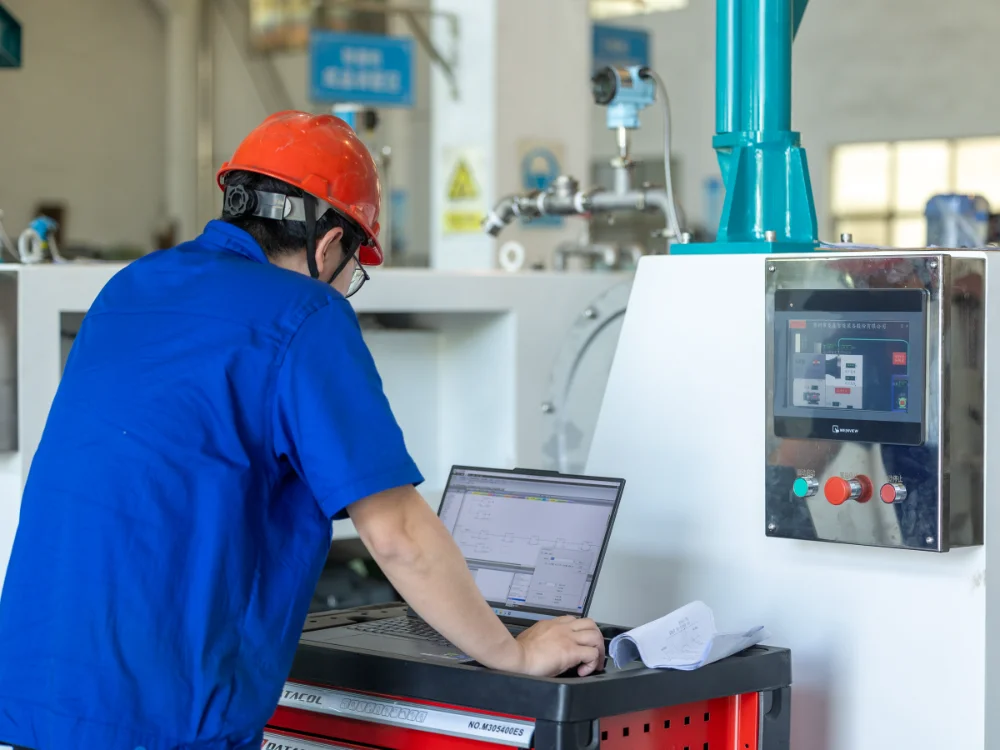
Intelligent control system: An advanced automated control system can monitor and automatically adjust parameters such as temperature, main-shaft speed, and feed rate in real time. Sensors collect operating data, which can be analyzed using artificial intelligence and machine-learning algorithms to optimize drying parameters and improve equipment intelligence and production efficiency.
Remote monitoring and operation: Remote monitoring and operating functions can allow personnel to monitor equipment status over a network, identify and resolve faults promptly, and improve operational reliability and maintenance convenience.
(6) Energy-Saving and Environmental Improvements
Waste-heat recovery: A waste-heat recovery system can capture heat from exhaust gases generated during drying and use it to preheat feed material or supply heat to other processes, improving energy utilization and reducing energy consumption.
Exhaust-gas treatment: An efficient exhaust-treatment system can purify gases generated during drying and reduce pollutant emissions. Dust collectors, condensers, and other equipment can be used to recover and treat dust and solvents in the exhaust stream.
(7) Equipment Wear and Magnetic Foreign-Matter Control
Selection of wear-resistant materials: Wear-prone components such as rake blades and agitators can be made from materials with high wear resistance, such as high-hardness alloy steel or ceramic materials. This improves wear resistance and reduces magnetic foreign matter generated by component wear.
Optimized structural design: Appropriate structural design can reduce friction and wear between components. Gap-adjustment devices and lubrication systems, for example, can lower friction coefficients, extend component service life, and reduce equipment wear.
Installation of magnetic filters: Magnetic filters can be installed at the dryer inlet, outlet, and circulation system to remove magnetic foreign matter from the material promptly and prevent it from affecting product quality. These filters should also be cleaned regularly to maintain filtration performance.