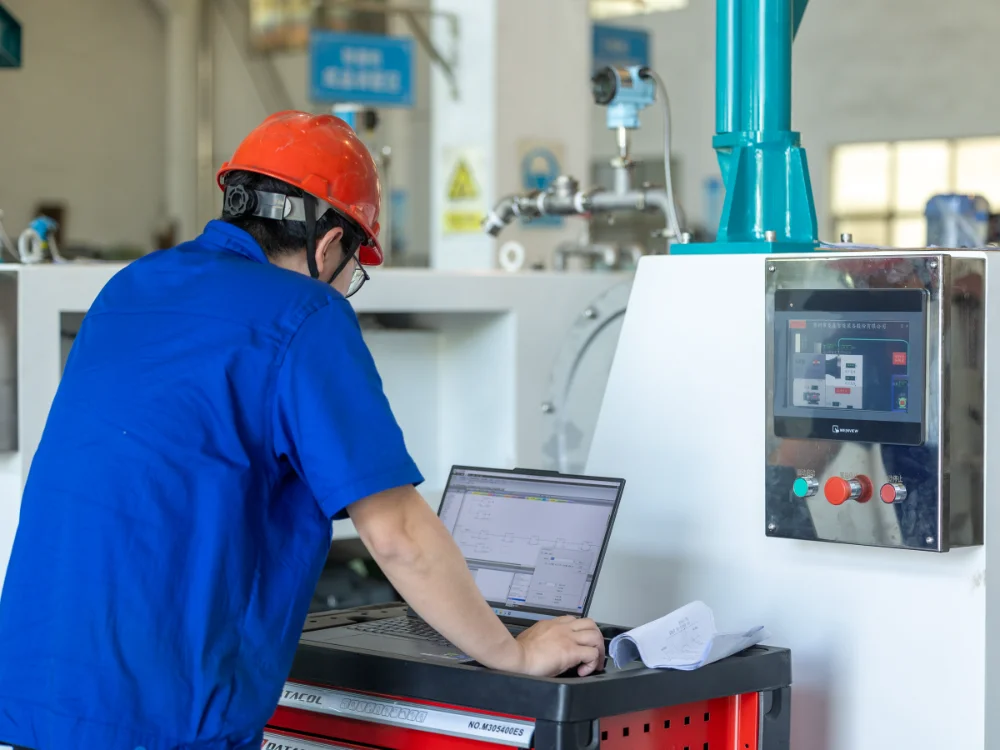
Vacuum processing lowers the solvent’s boiling point and excludes oxygen, enabling low-temperature drying while preserving material quality.
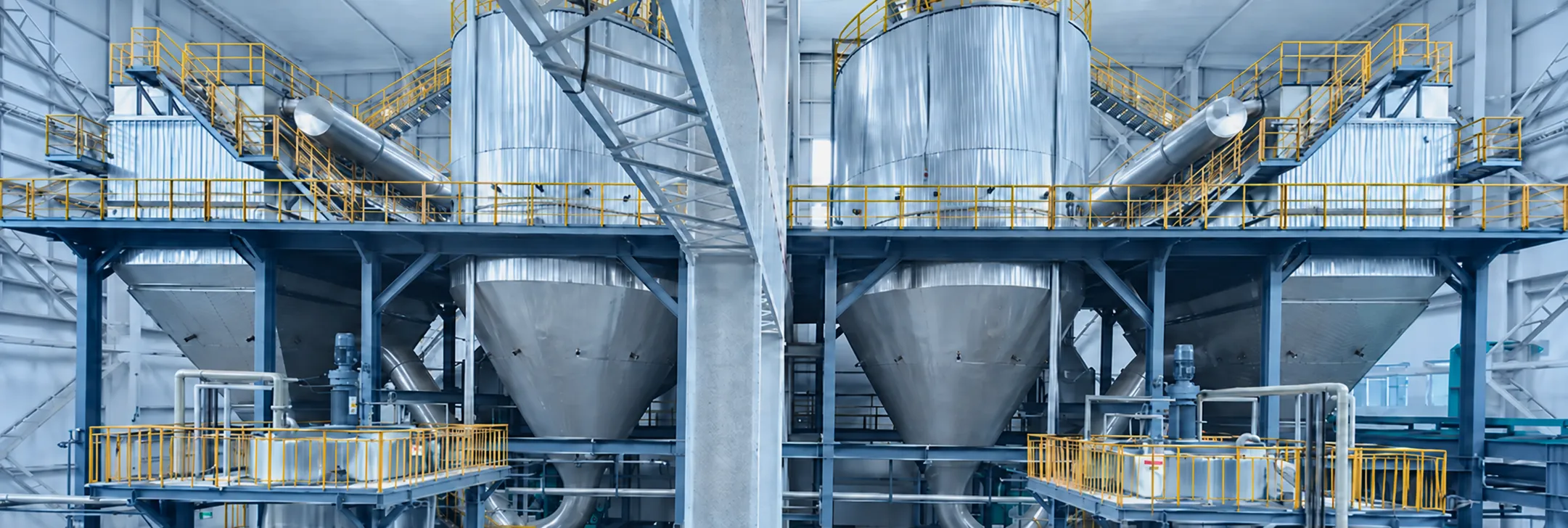
Vacuum processing lowers the solvent’s boiling point and excludes oxygen, enabling low-temperature drying while preserving material quality.
Vacuum processing lowers the boiling point of solvents, enabling efficient drying at lower temperatures. It delivers significant advantages in drying heat-sensitive materials, preserving product quality, saving energy, reducing environmental impact, and increasing production efficiency. These benefits make vacuum dryers indispensable in many industries, especially where high-quality drying is required. Although conventional dryers are less expensive, they cannot match vacuum dryers in many of these respects.
Vacuum dryers can be divided into various types according to their structural design and operating principle, with each type offering distinct advantages and suitability for specific applications. Selecting the right equipment therefore depends on the material characteristics and process requirements. Throughout the drying process, controlling parameters such as temperature, pressure, and time is essential to achieving the desired results. In addition, process parameters must be adjusted for different materials to achieve optimal drying performance.
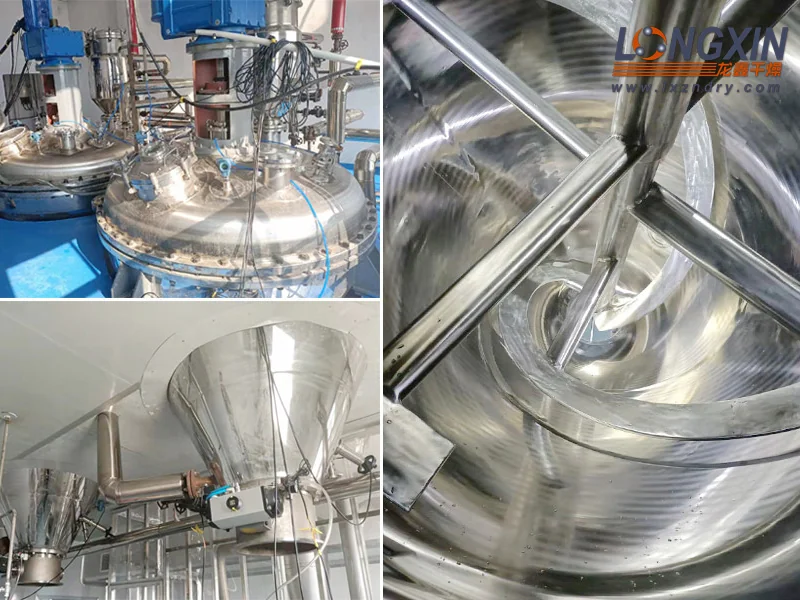
Vacuum processing lowers the solvent’s boiling point and excludes oxygen, enabling low-temperature drying while preserving material quality.