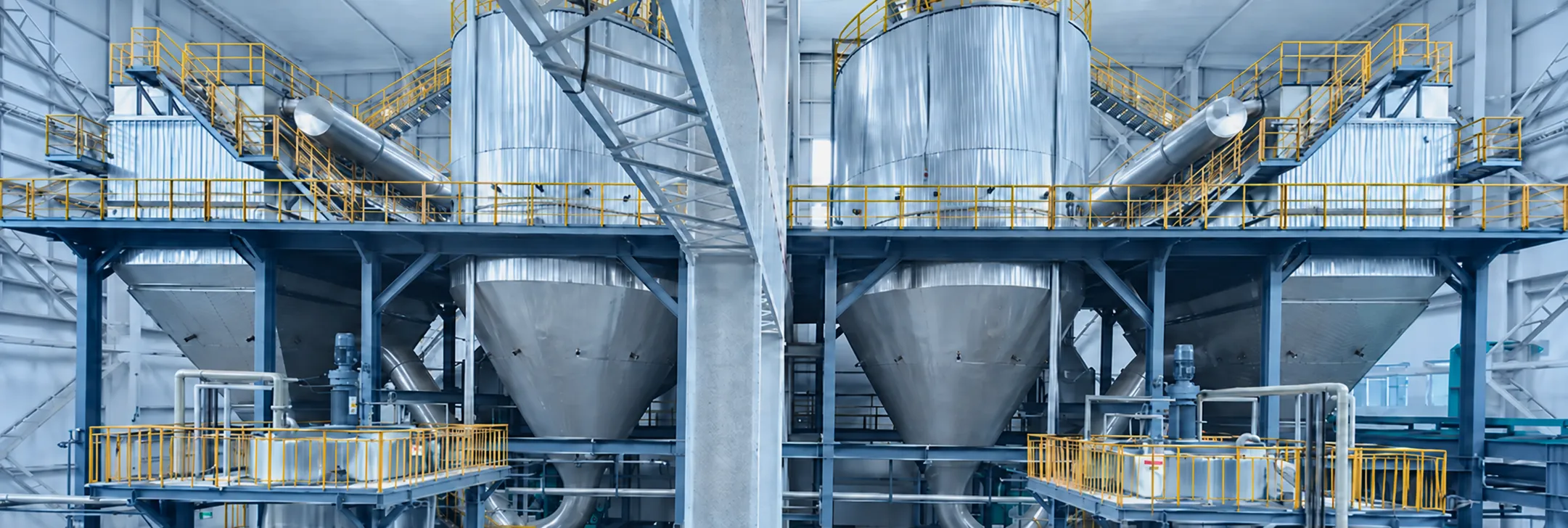
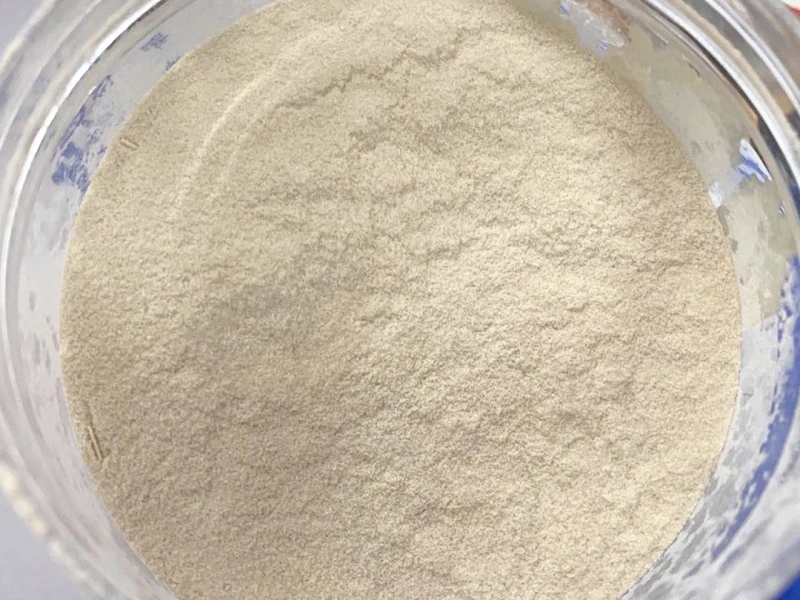
Gellan gum is an anionic linear polysaccharide composed of glucose, rhamnose, and glucuronic acid in specific proportions. It can form gels at low concentrations. In the food industry, demand for gellan gum as a thickener and stabilizer is expected to grow steadily with the continued development of food manufacturing. In products such as yogurt, pudding, and jelly, for example, gellan gum improves texture and mouthfeel, and rising consumer demand for these products is expected to increase market demand for gellan gum. Demand in the pharmaceutical industry is also expanding, including applications as a sustained-release drug carrier and medical gel. Gellan gum can enable the gradual release of drugs, extend their duration of action, and improve therapeutic efficacy. Its use in tissue-engineering scaffolds is also being explored and may provide innovative solutions for the pharmaceutical field. As technology advances and emerging industries develop, gellan gum is expected to find more applications in 3D printing, biomedical engineering, and other fields, creating new growth opportunities for the industry.
Image Placeholder
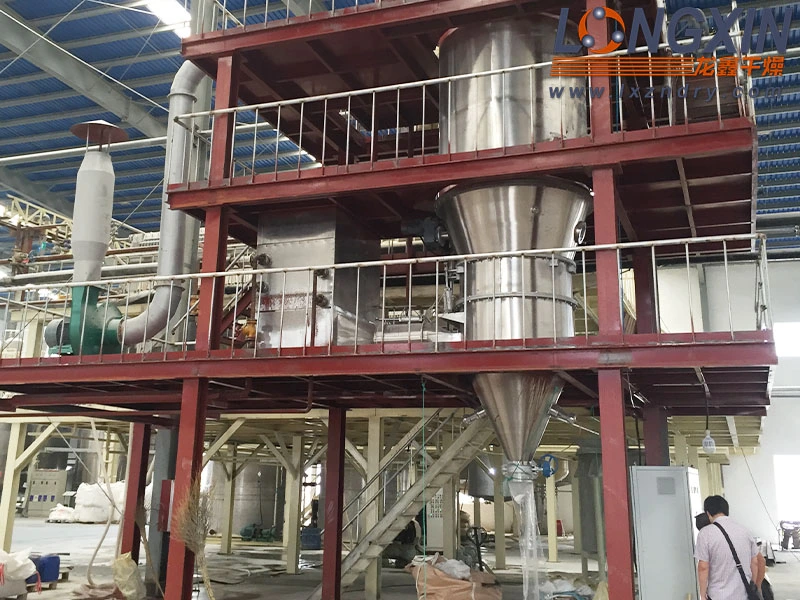
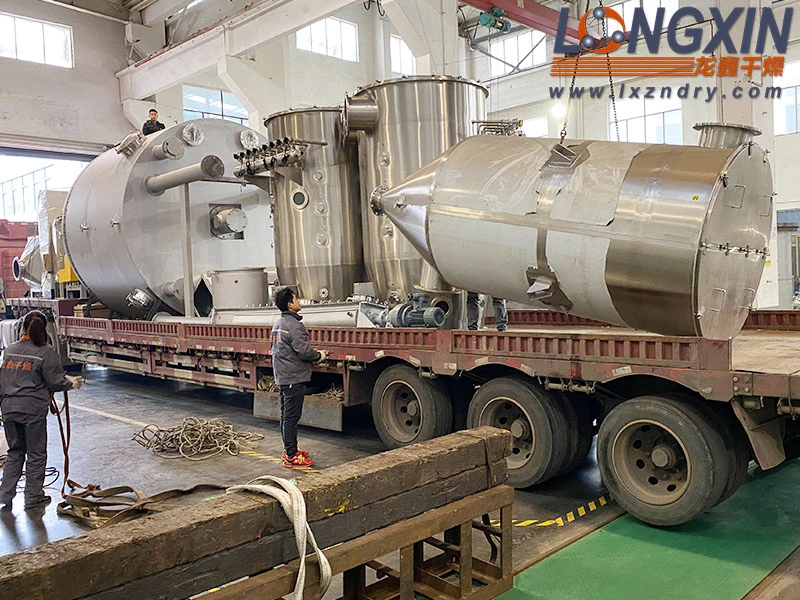
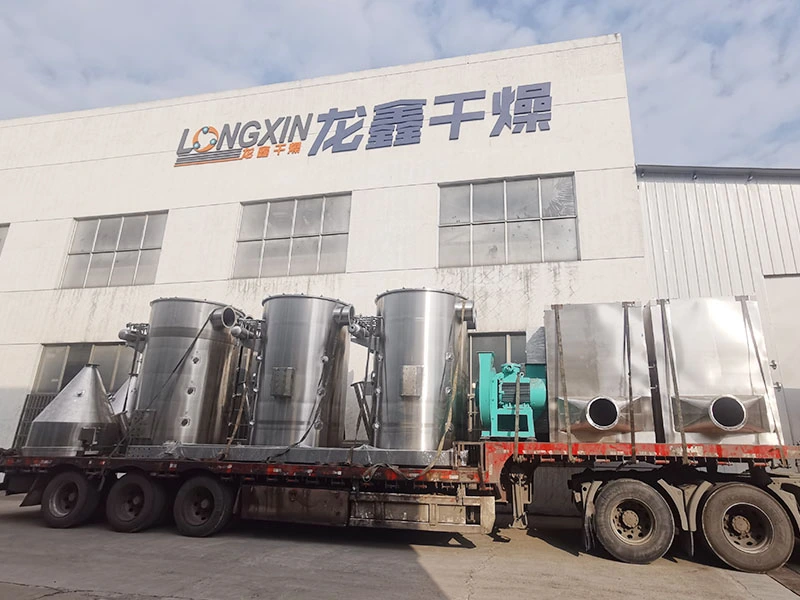
Consumers are placing increasingly high demands on the health attributes and quality of food, pharmaceuticals, and other products, and they are more likely to choose products made with natural, safe, high-quality additives and raw materials. As a natural biological gel, gellan gum offers good safety and stability and aligns with consumer preferences for health and quality, supporting continued growth in market demand. The trend toward large-scale production in the gellan gum industry is also placing higher demands on the throughput and production efficiency of drying equipment. The gellan gum closed-loop fluidized-bed dryer manufactured by Longxin Smart can complete drying quickly and efficiently, meet the requirements of large-scale production, and help improve manufacturers’ production efficiency. The closed-loop system enables precise control of drying temperature, humidity, and time, helping ensure drying quality and product stability and supporting compliance with stringent food-additive production requirements. The system’s closed-loop design effectively reduces exhaust emissions and solvent evaporation, lowers environmental impact, and improves energy utilization, aligning with the sustainable-development goals of the fine-chemical industry and making the equipment a preferred choice among gellan gum producers.
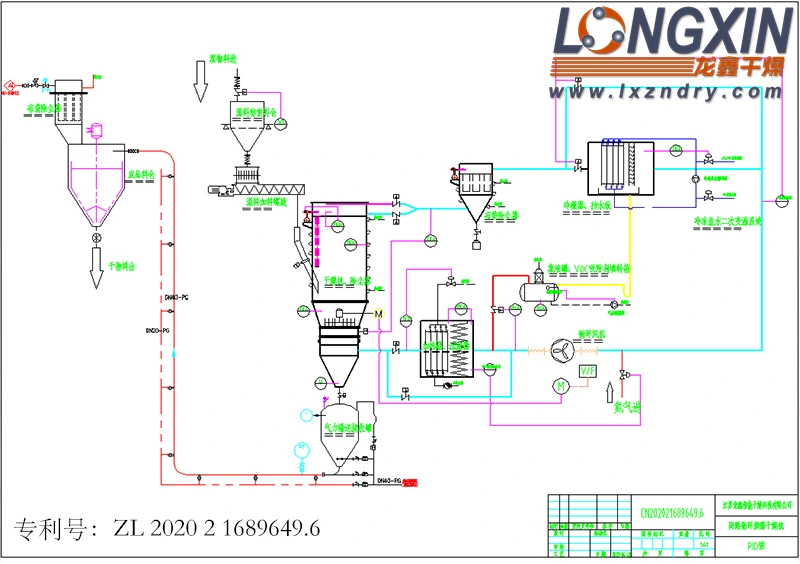
Gellan Gum Closed-Loop Fluidized-Bed Dryer — Working Principle
1. Nitrogen Purging and System Preheating
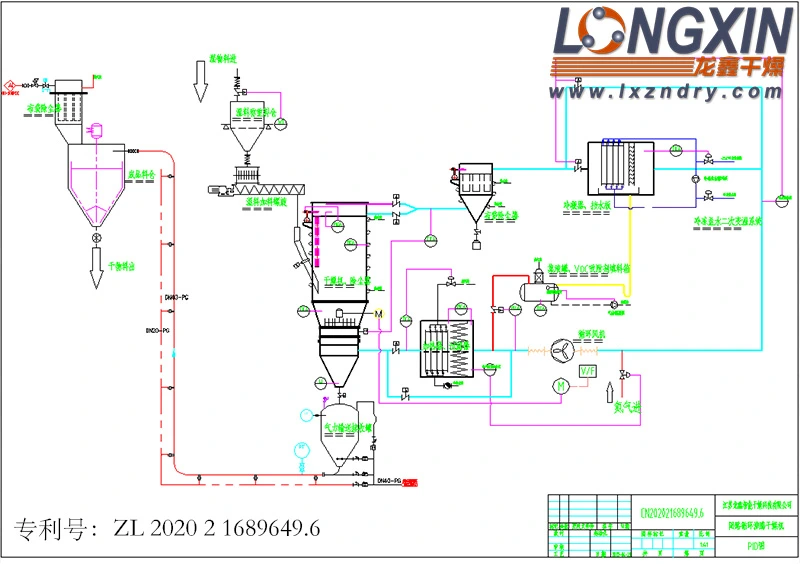
The fan is started, the exhaust valve is opened, and the changeover valve is closed. An inert gas, typically nitrogen, is introduced into the system to displace the existing air. Oxygen concentration is closely monitored during purging. Once the oxygen content falls to the preset very low threshold, the exhaust valve is closed and the changeover valve is opened, placing the system in a stable ready-to-dry condition.
At the same time, the nitrogen entering the system is preheated to the required temperature to provide heat for the subsequent drying process.
2. Material Drying and Medium Circulation
Wet-material feeding:
Wet gellan gum is fed into the dryer through a feeder.
Fluidized drying:
The preheated nitrogen is distributed through damper plates and enters the main drying chamber. The pressure of the gas fluidizes the material, causing it to tumble and mix continuously like a liquid and to come into full contact with the nitrogen. As the heat- and mass-transfer medium, the nitrogen rapidly transfers heat to the material and causes moisture to evaporate, enabling efficient drying.
Cylindrical fluidized-bed dryer:
Nitrogen enters the cylindrical chamber through a special gas distributor at the bottom, creating a uniform airflow and a well-fluidized material bed.
Box-type fluidized-bed dryer:
Heated nitrogen forms a stable circulating airflow inside the chamber, vaporizing the organic solvent in the material and carrying away moisture.
Vibrating fluidized-bed dryer:
The combined action of nitrogen flow and vibration creates a fluidized bed on the bed plate, ensuring that each particle is heated uniformly.
Solvent recovery and nitrogen recirculation:
After the organic solvent in the wet gellan gum vaporizes, it enters a condenser together with the nitrogen. Under the condenser’s low-temperature conditions, the organic solvent changes from vapor to liquid and flows into a storage tank for collection and reuse. Nitrogen, which has a lower boiling point, does not liquefy. It is driven by the fan into the next circulation cycle and continues to serve as the drying medium, ensuring continuous and stable drying.
3. Drying Monitoring and Control
Temperature sensors, humidity sensors, and other monitoring instruments installed in the dryer continuously monitor the material’s drying condition as well as temperature, humidity, oxygen concentration, and other parameters within the system. Once the material reaches the specified drying target, the control system automatically adjusts nitrogen flow, temperature, and other parameters to ensure stable, accurate drying and to ensure that the finished gellan gum meets quality requirements.
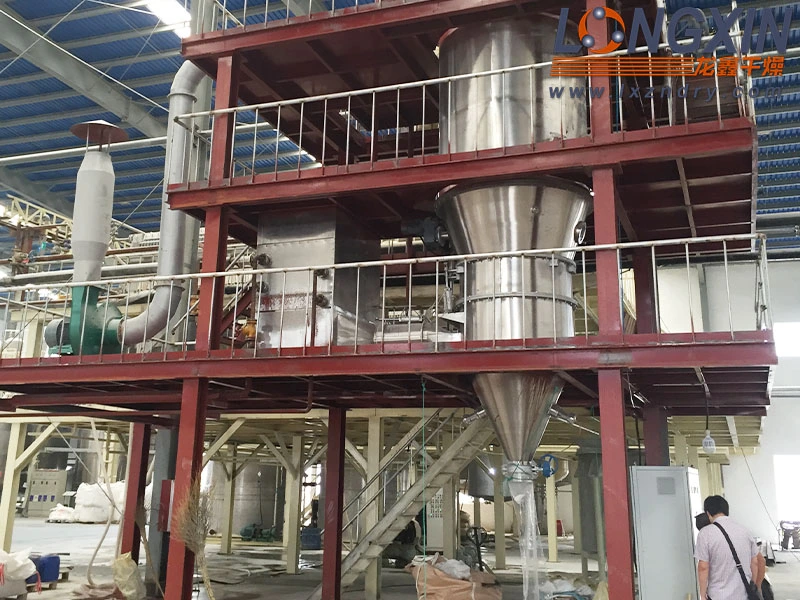
Gellan Gum Closed-Loop Fluidized-Bed Dryer — Performance Features
1. High Product Quality
Uniform drying:
The dryer provides uniform drying, preventing localized overheating, caking, sticking, and similar problems. The dried material has stable quality, uniform particles, and good solubility.
Contamination prevention:
Drying takes place in an enclosed environment that isolates the material from the outside. This effectively prevents external contaminants from entering the system and ensures high product purity, meeting high-quality production requirements.
2. High Drying Efficiency
Fluidized-bed drying:
The system can use cylindrical fluidized-bed, box-type fluidized-bed, vibrating fluidized-bed, airflow, or other fluidized drying technologies. The material is maintained in a fluidized state and comes into extensive gas–solid contact with the drying medium, providing high heat- and mass-transfer efficiency and high drying intensity. Drying can be completed within a relatively short time, improving production efficiency.
Low airflow pressure with strong penetration:
The system requires only a slight positive pressure during operation. Hot gas flows upward through the perforated plate at the bottom of the material hopper with strong penetration. Although the fluidized-bed height is relatively low, contact between the hot gas and material is more complete, further increasing the drying rate while reducing fan power, noise, and energy consumption.
3. Excellent Solvent Recovery
After the organic solvent contained in the wet material vaporizes, it enters the condenser together with the nitrogen. The solvent is condensed into a liquid and flows into a storage tank. Solvent recovery can reach more than 98%. The recovered solvent can be reused, reducing costs while preventing environmental pollution from exhaust emissions.
4. High Operational Safety
Fully enclosed system:
The equipment operates in a fully enclosed condition. Strict sealing is applied to pipeline connections, chamber air inlets and outlets, positive- and negative-pressure areas, and both static and dynamic components to prevent gas leakage. Oxygen concentration inside the system can be actively controlled and is kept at an essentially oxygen-free level, effectively preventing material fires or explosions during drying. The system is particularly suitable for drying anaerobic materials and materials containing flammable or explosive solvents.
Comprehensive safety protection:
Automatic control and over-limit alarms are provided for temperature, oxygen concentration, system pressure, and other parameters. PLC-based control automatically issues alarms and initiates appropriate protective actions when parameters exceed preset ranges, ensuring safe equipment operation.
5. High Level of Automation
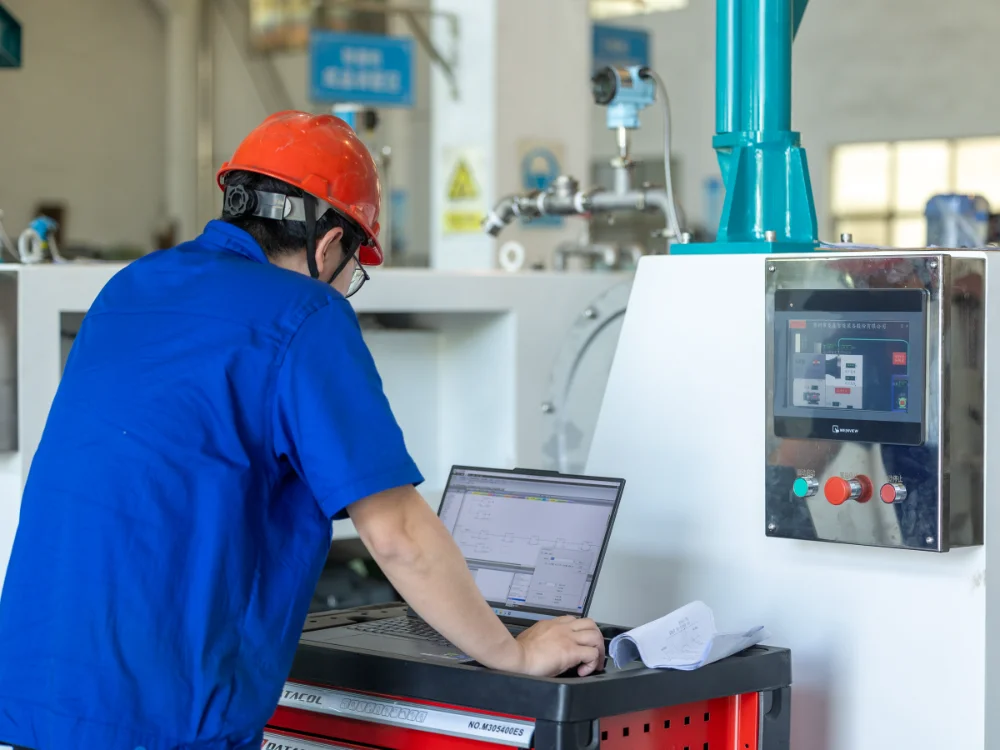
The PLC control system provides automatic control and monitoring of temperature, oxygen concentration, system pressure, and other parameters during drying. Operation is convenient, safe, and reliable. Operators only need to set the required parameters on the interface, after which the equipment operates automatically. This reduces manual intervention and labor intensity while improving production stability and product-quality consistency.
6. Low Maintenance Costs
The main unit uses a pulse-jet bag-filter dust-removal system with high filtration efficiency. Dust does not readily adhere to the filter elements, which are easy to remove, install, and clean. Whole-machine reverse-blow technology extends the interval between bag-cleaning operations, reducing maintenance workload and costs.
Closed-Loop Fluidized-Bed Drying for Safe, Uniform, and Sustainable Gellan Gum Production
The closed-loop fluidized-bed dryer combines nitrogen circulation with uniform fluidized drying to prevent oxidation, improve heat and mass transfer, and recover more than 98% of organic solvents. PLC control of temperature, humidity, oxygen concentration, and system pressure ensures consistent product quality and safe operation, while solvent reuse and strong gas penetration reduce energy consumption, emissions, labor, and maintenance costs.