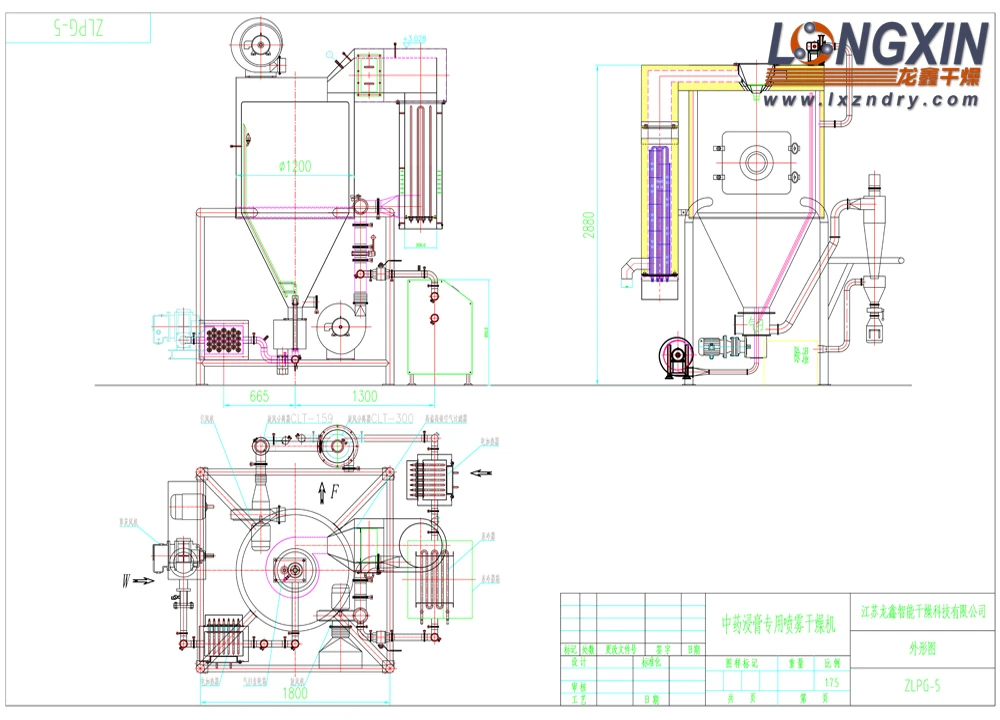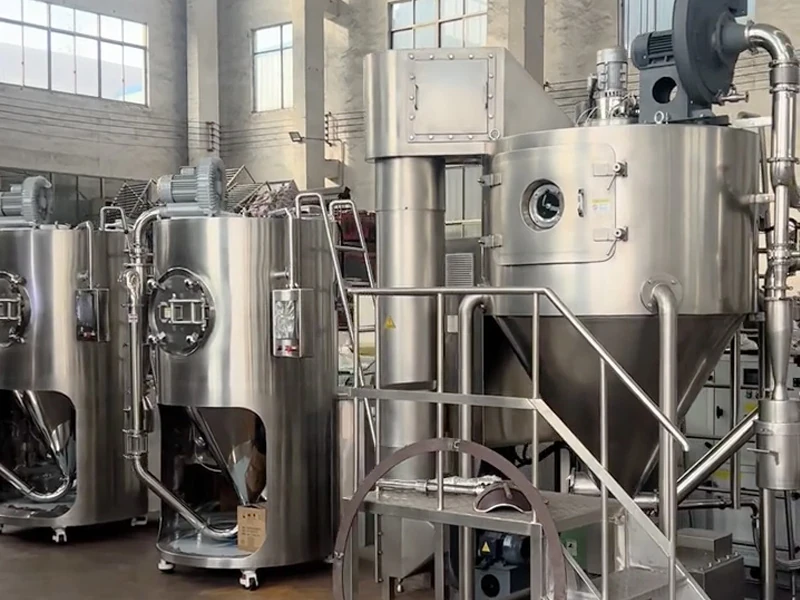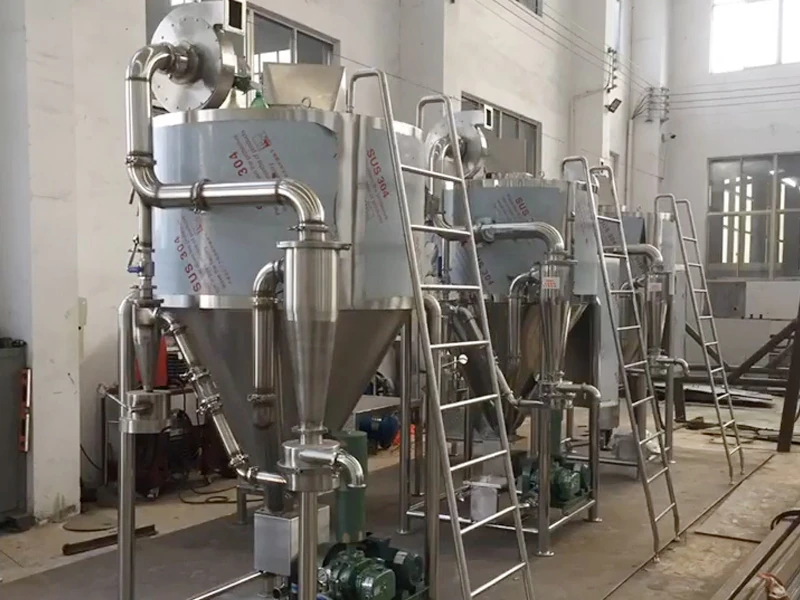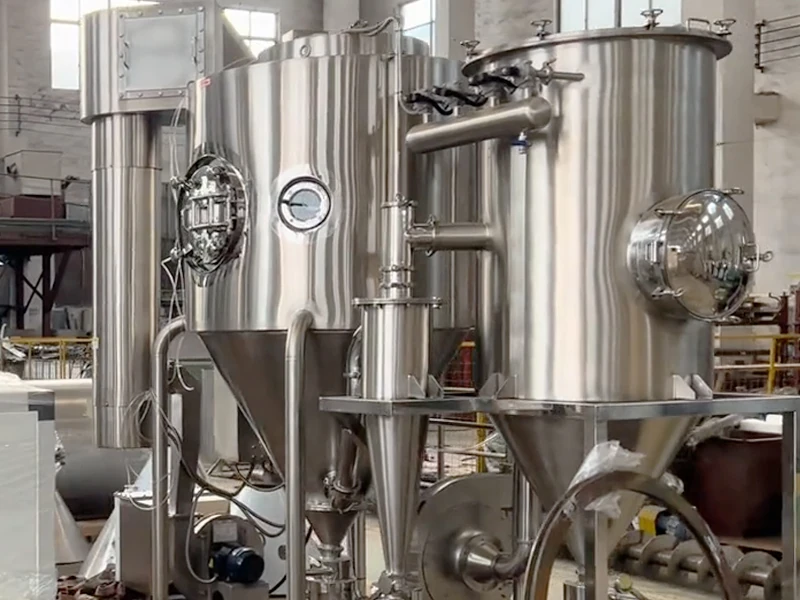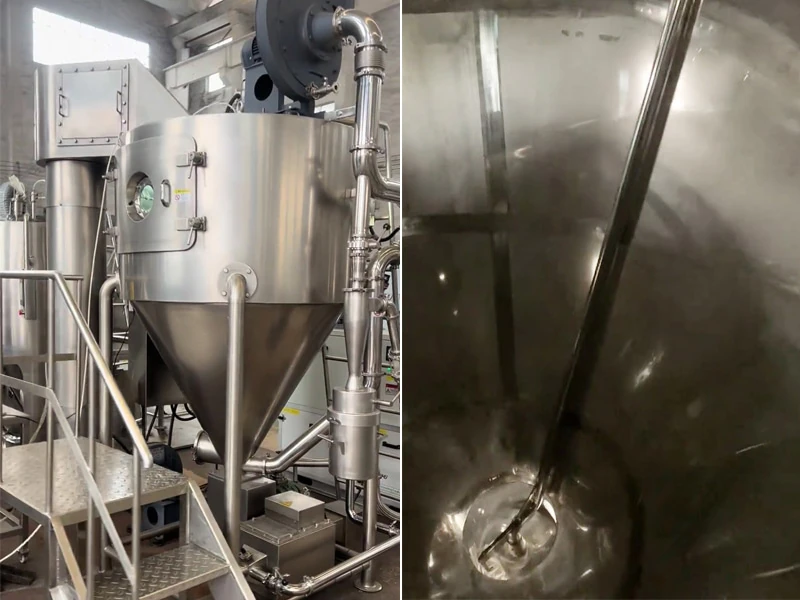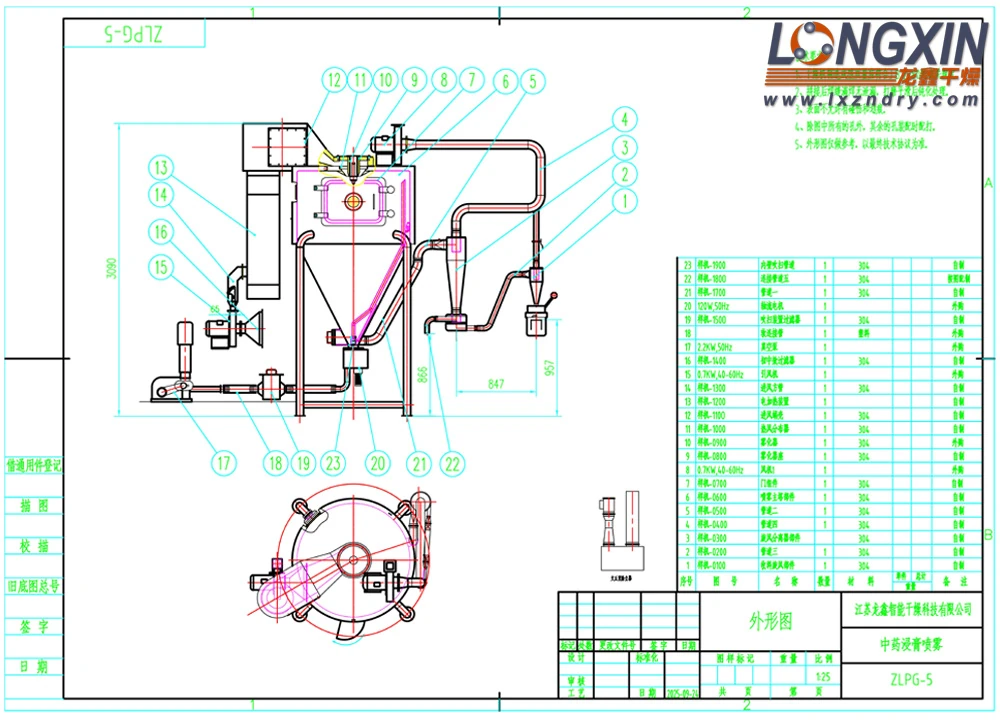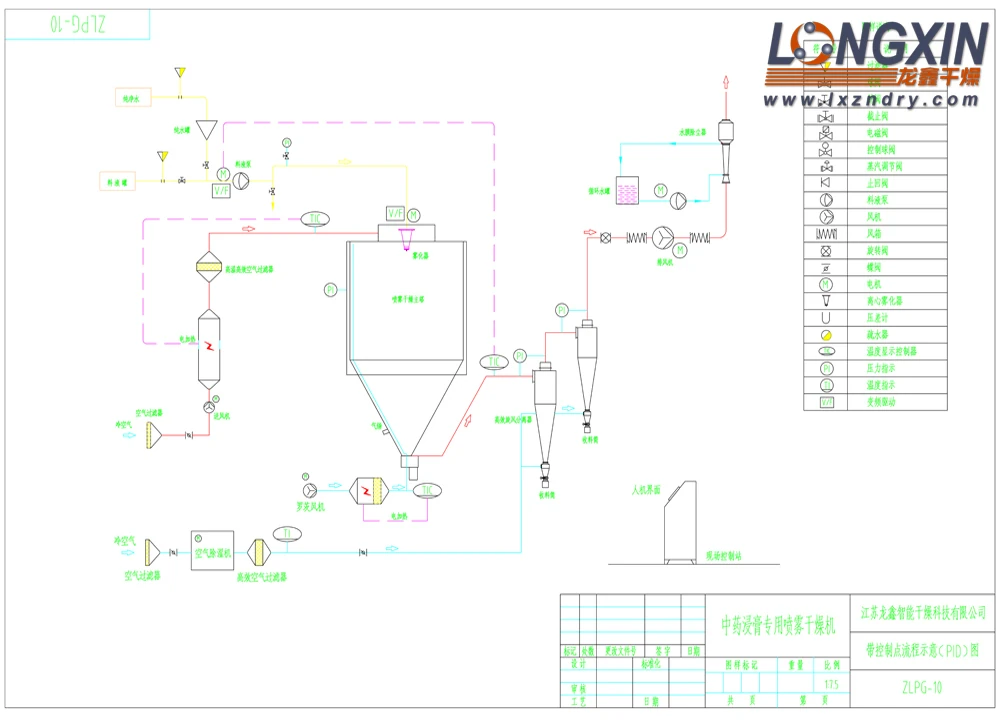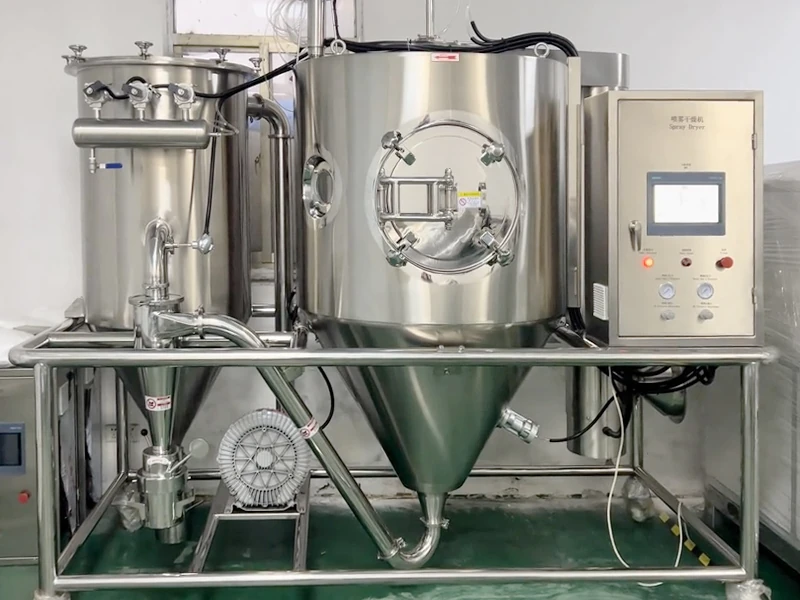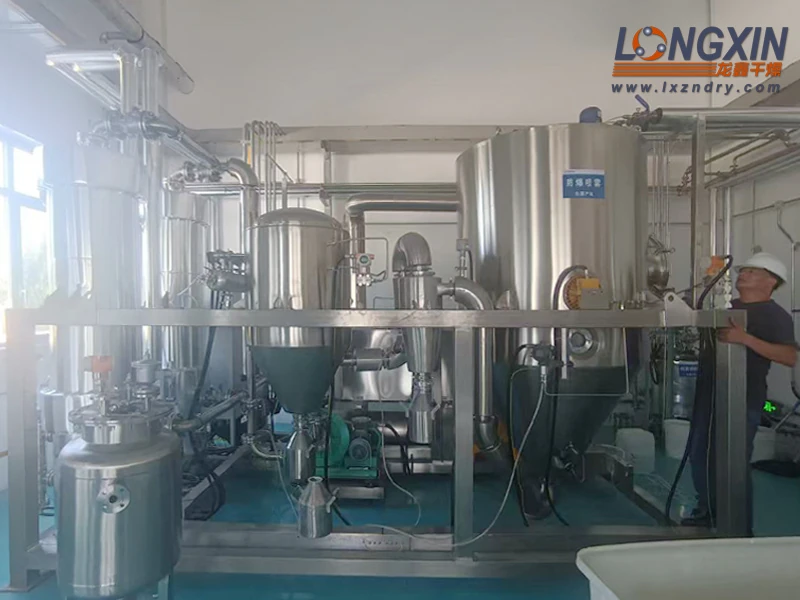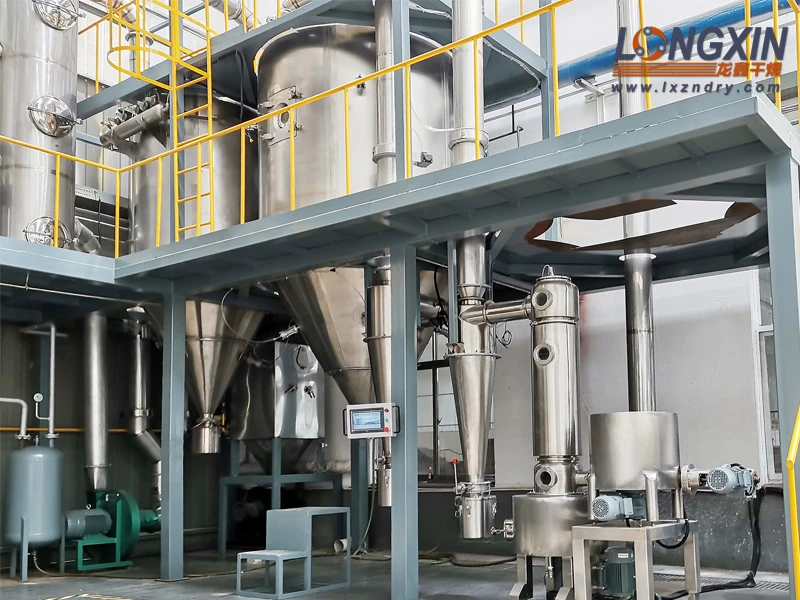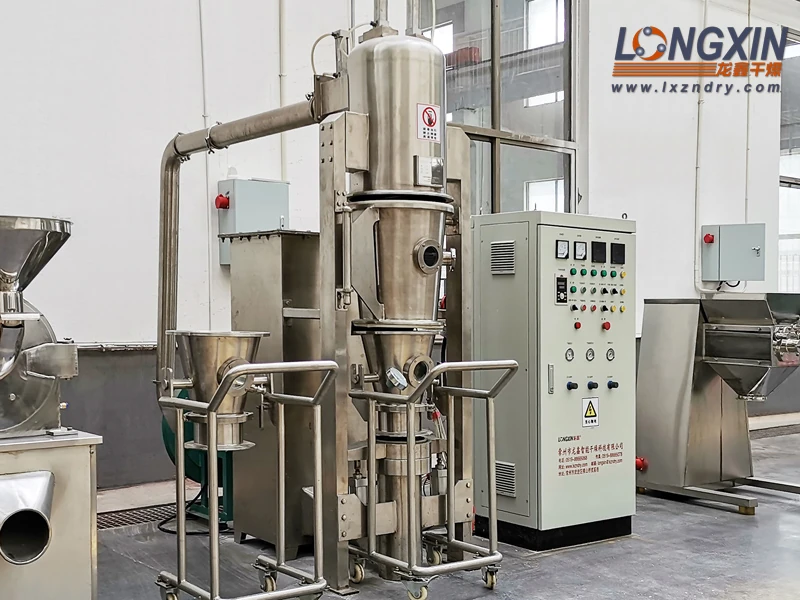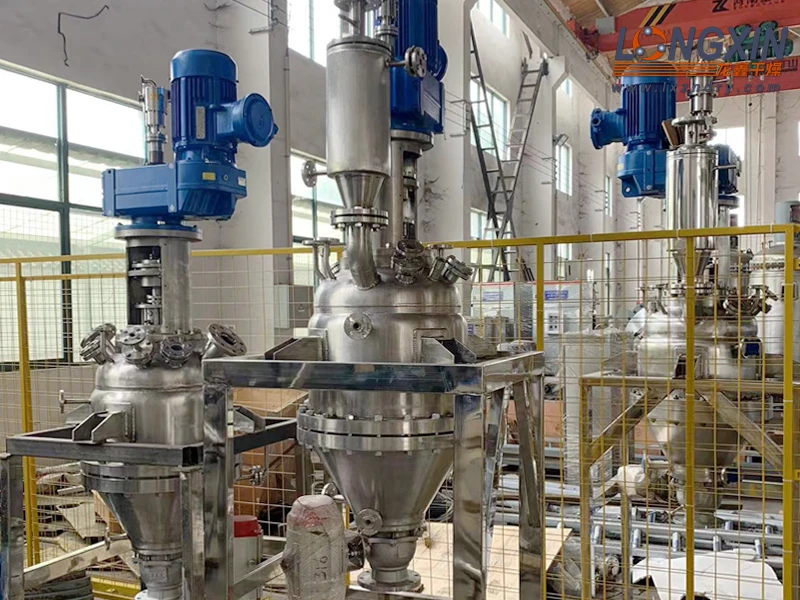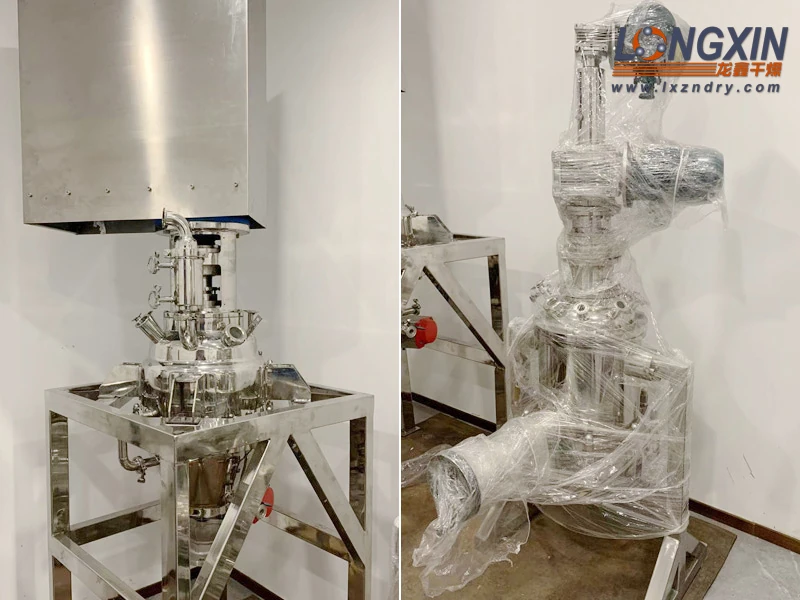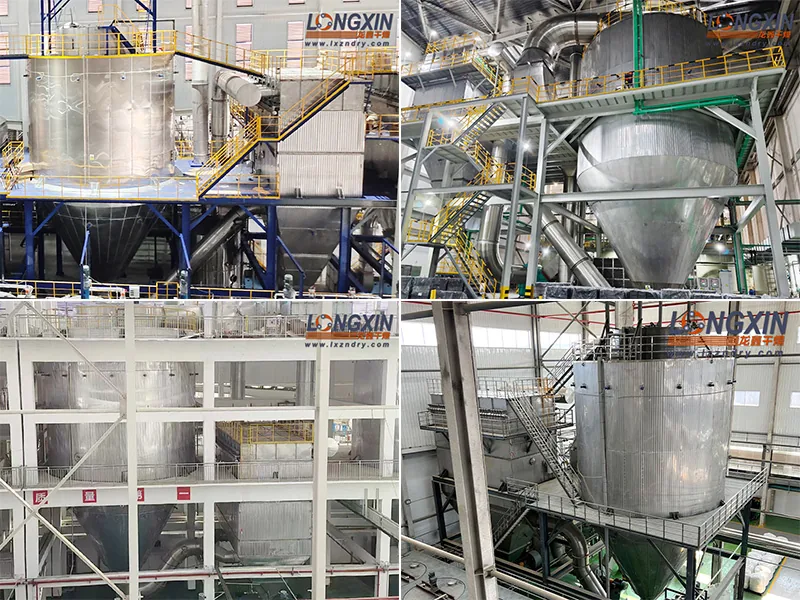
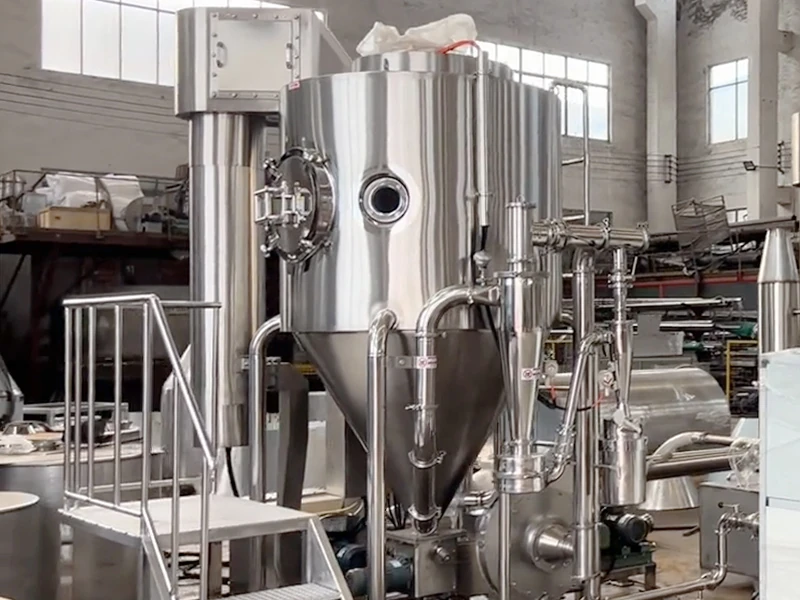
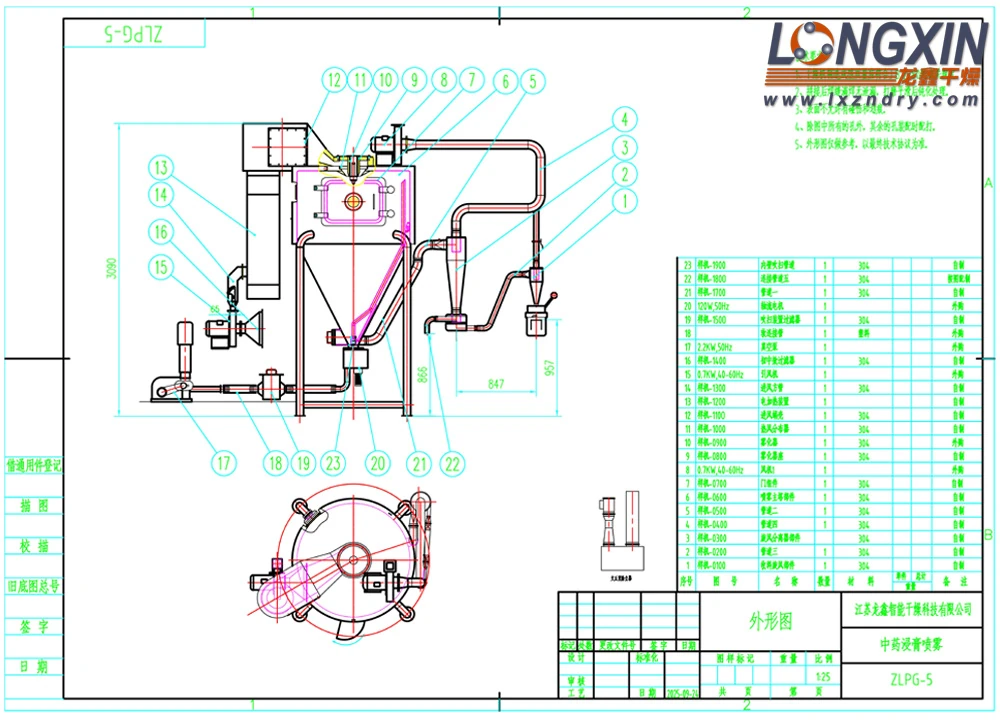
As traditional Chinese medicine (TCM) manufacturing and botanical extraction move toward standardization and regulatory compliance, drying has become a critical area for technology upgrades because it directly affects product yield, retention of active ingredients, and batch-to-batch consistency. To address the low softening point and high hygroscopicity of TCM extracts, Jiangsu Longxin has developed the ZLPG-5 Herbal Extract Spray Dryer Test System. Its systematic design incorporates anti-wall-adhesion, moisture-protection, and precise temperature-control features, providing pharmaceutical and food companies with verifiable equipment support for R&D trials, formulation screening, and process optimization.
Drying Challenges and Evolving Compliance Requirements: Low-Softening-Point, Highly Hygroscopic Materials
TCM extracts naturally have low softening points and high hygroscopicity.
(1) TCM extracts are rich in sugars. The polyhydroxy structures in these molecules readily bind with water molecules in the air, making the dried powder highly prone to moisture absorption.
(2) The feed liquid has high viscosity, creating significant challenges in atomization and powder collection during spray drying.
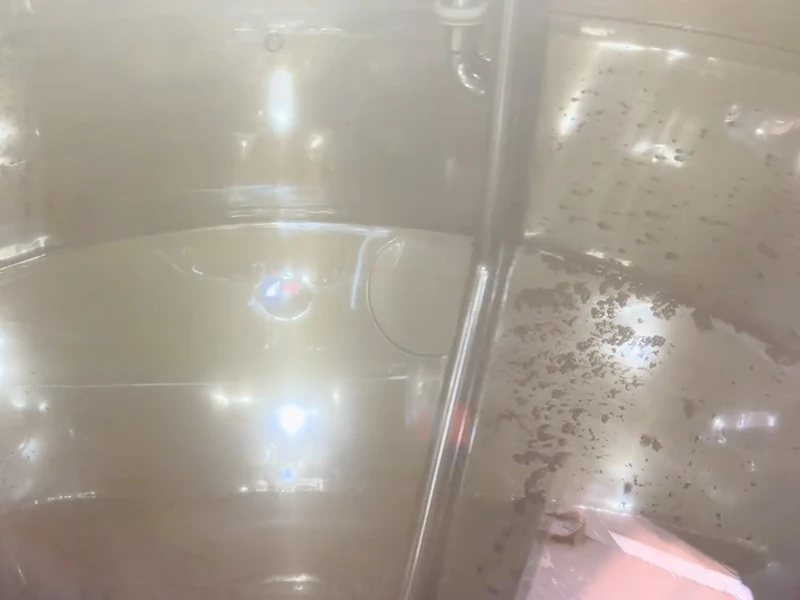
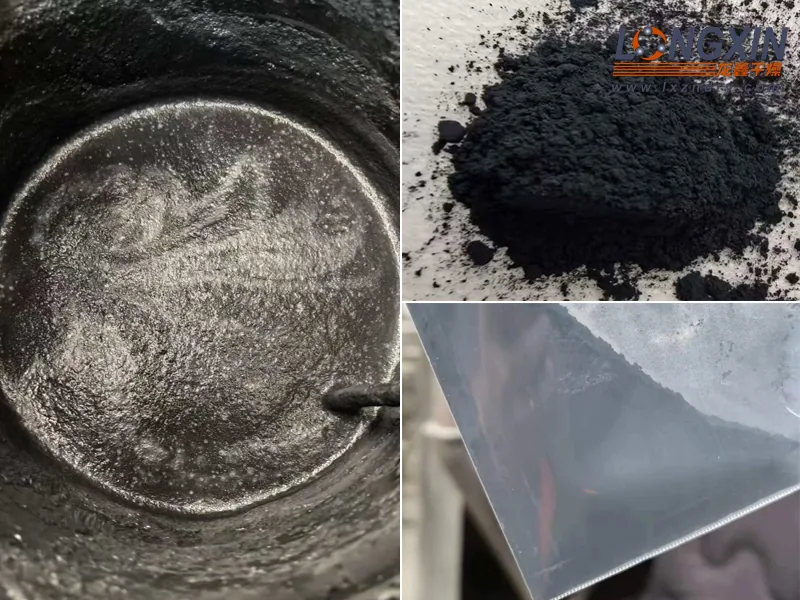
(3) When conventional spray dryers are used to process such materials, caramel-like powder often adheres to the drying-chamber walls and the collection bin beneath the cyclone separator. In some cases, the product cannot even be collected as a dry powder.
A common approach is to add excipients such as dextrin or starch before drying to raise the material’s softening point. However, during prolonged operation, wall adhesion and burnt deposits near the hot-air distributor, as well as duct blockages, can still recur. These issues reduce product quality, necessitate frequent shutdowns for cleaning, lower production yields, waste energy, and reduce capacity utilization.
An evolving regulatory landscape has also raised the requirements for drying operations. China issued the Special Provisions on the Supervision and Administration of Traditional Chinese Medicine Production in 2025, and the newly revised Regulations for the Implementation of the Drug Administration Law came into force in 2026. By July 2026, China had issued 11 batches of national standards for TCM formula granules, covering more than 400 varieties. The new rules impose mandatory requirements for low-temperature processing, fixed process parameters, and end-to-end traceability, making the upgrade of drying equipment an urgent industry requirement.
Market Demand: R&D-Scale Equipment Becomes Essential to Industry Upgrading
The TCM formula granule and Kampo granule industries have entered a period of strengthened regulation and standardization, and companies continue to increase R&D investment. During the development of new pharmaceutical and food products, formulation screening, process optimization, and small-scale trial production, pharmaceutical companies—including TCM manufacturers—and food companies have a clear need for small, precise, test-scale spray dryers capable of processing heat-sensitive extracts.
As the small-scale model in this series, the ZLPG-5 bridges laboratory, pilot, and industrial scale-up, supporting customized requirements across the full chain from laboratory trials and pilot testing to commercial production. Before committing to large-scale manufacturing, users can use the system to validate drying processes, determine and fix key parameters, and evaluate batch consistency, reducing scale-up risks and trial-and-error costs.
Working Principle: Rotary Atomization and Co-Current Drying for Instantaneous Dehydration
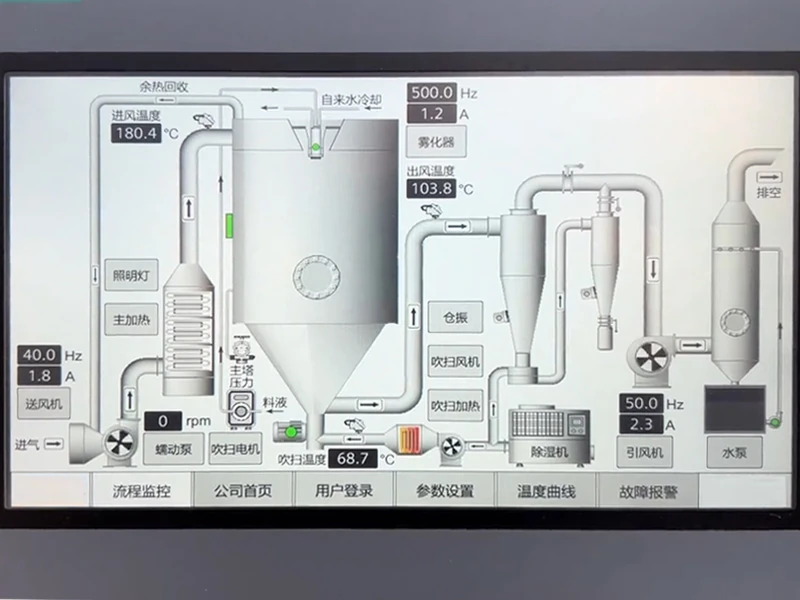
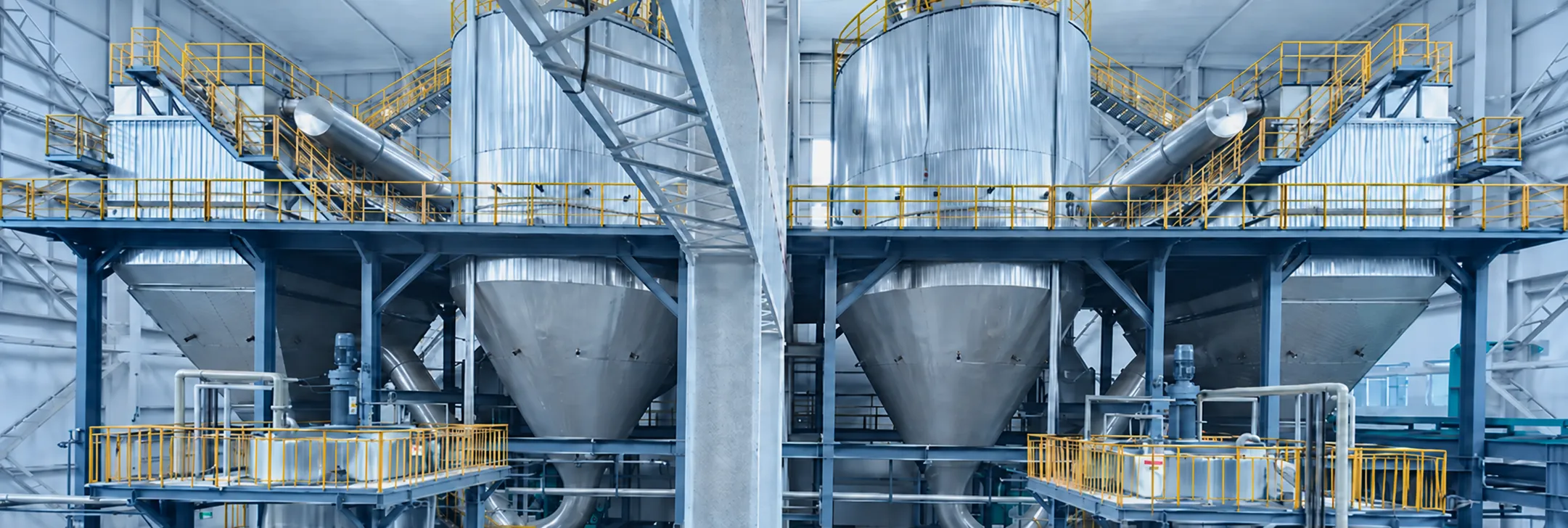
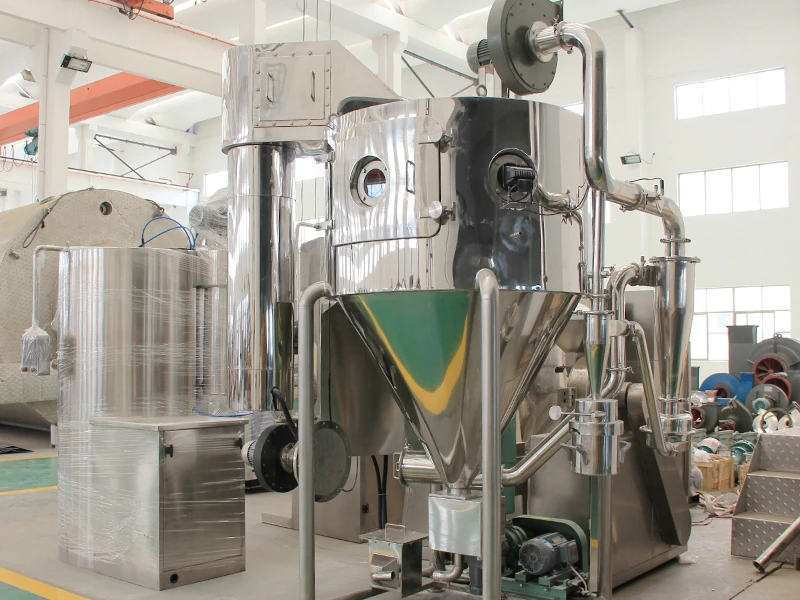
The ZLPG-5 uses rotary atomization and co-current drying technology. Air is filtered to remove impurities and heated to the set temperature by a heater, then enters the air distributor at the top of the drying chamber in a uniform spiral flow. After filtration, the feed liquid is pumped to the rotary atomizer at the top, where centrifugal force generated by high-speed rotation atomizes it into fine droplets. The droplets contact the hot air in a co-current flow, and moisture evaporates rapidly within 5–35 seconds, achieving 90%–98% moisture removal. The finished product is discharged from the bottom of the drying tower and the cyclone separator, while the exhaust air is dedusted and filtered before discharge.
Thanks to its instantaneous drying characteristics, the material has a short residence time in the high-temperature zone. This helps preserve heat-sensitive active ingredients as well as the product’s color, aroma, and flavor, meeting the requirements of gentle drying processes for TCM extracts, Kampo granules, and herbal extracts.
Performance Features: Anti-Wall-Adhesion, Moisture Protection, and Precise Temperature Control
The ZLPG-5 has been specifically designed around the properties of TCM extracts. Its main performance features are as follows:
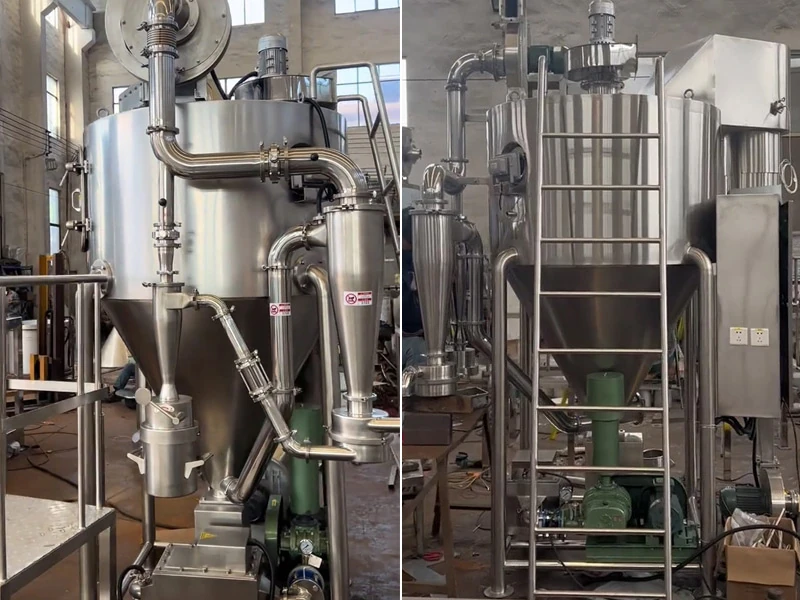
(1) Air-jacket protection against wall adhesion. The drying-chamber walls and top are equipped with an air-jacket cooling system that reduces wall temperature and helps prevent material from softening, adhering to the walls, caramelizing, or degrading because of localized overheating.
(2) Internal air-sweep system. The system includes a built-in air sweep that directs airflow along the internal walls to eliminate or reduce material adhesion. This addresses wall-adhesion issues while minimizing the use of excipients, helping maintain product purity and improve yield.
(3) Dehumidified cooling and powder collection. A pneumatic dehumidified-air system regulates product temperature and maintains the dried powder in a low-humidity environment, helping prevent moisture absorption and caking while improving storage stability.
(4) Precise temperature control. Inlet and outlet air temperatures are adjustable, with proportional control across a range of 100–200°C and a control accuracy of ±1°C.
(5) Compact design for R&D applications. The system has a small footprint and is suitable for laboratory and R&D environments. Drying-air cleanliness is better than Class 100,000, and the design is intended to meet GMP requirements. Parts in contact with the material and hot air are made from SUS304 or SUS316L stainless steel, making the system easy to clean and operate.
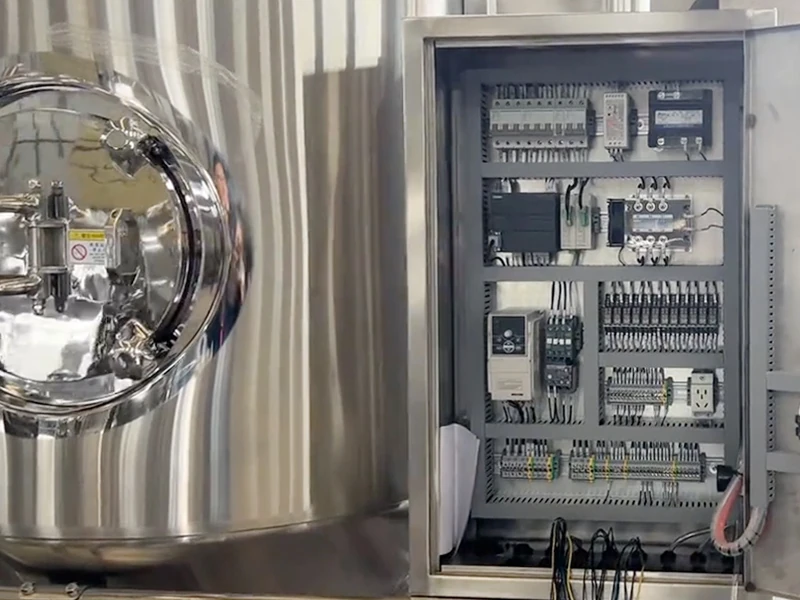
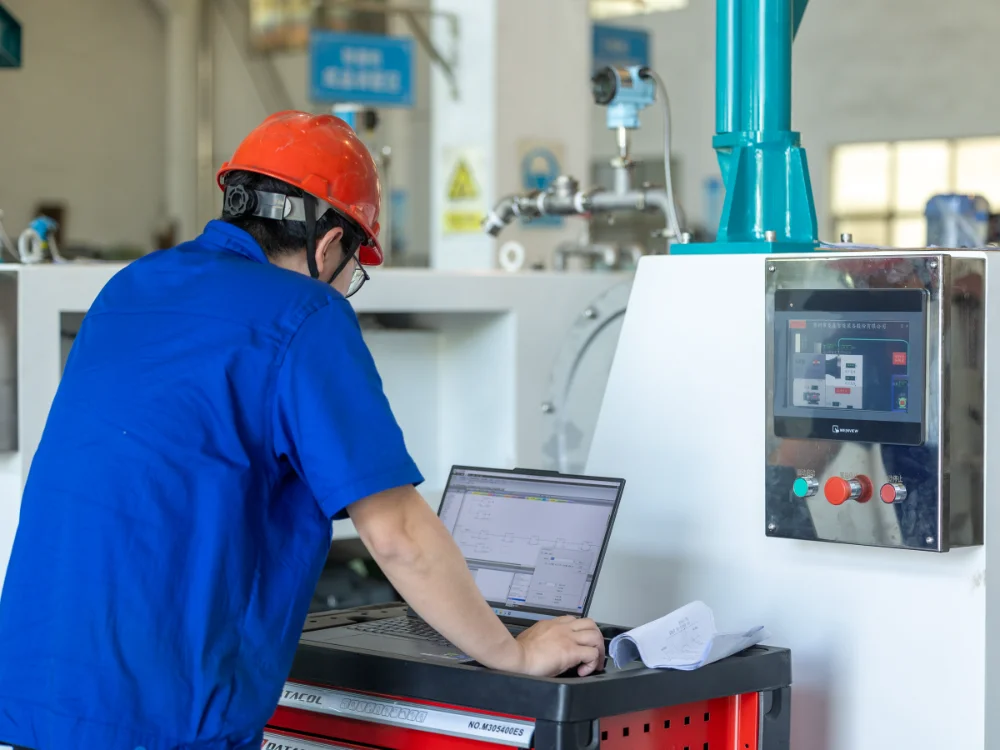
(6) High level of automation. The system uses a PLC controller with an HMI touchscreen for inlet-air temperature display, pneumatic temperature display, automatic control, and alarms. Outlet-air temperature can be controlled manually or automatically and is equipped with alarms. The electric heater includes interlock protection, reducing the level of manual intervention required.
Technical Improvements: Systematic Structural Optimization for Extract Properties
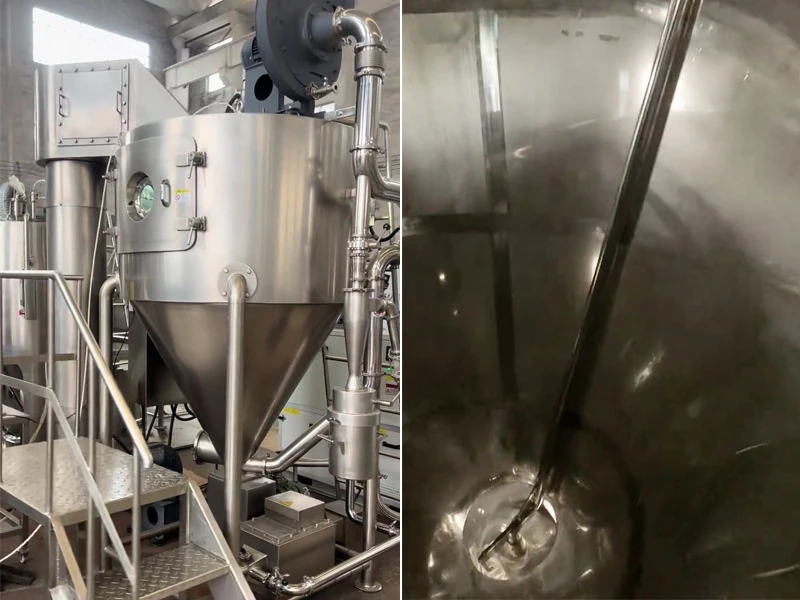
To address the low softening point and high hygroscopicity of TCM extracts, the ZLPG-5 incorporates targeted structural improvements. These form an integrated design for preventing wall adhesion, degradation, and moisture absorption, with improvements applied across the feed, atomization, drying-chamber, powder-collection, and control systems. Together, these changes move equipment operation from an experience-based process toward precise, intelligent manufacturing.
For hygiene and cleanliness, drive components that come into contact with the material are effectively sealed. A sealed butterfly valve is used at the discharge point, and the induced-draft discharge pipe section uses quick-release connections for easy disassembly, cleaning, disinfection, and sterilization. These features help prevent cross-contamination during product changeovers and meet pharmaceutical production hygiene requirements.