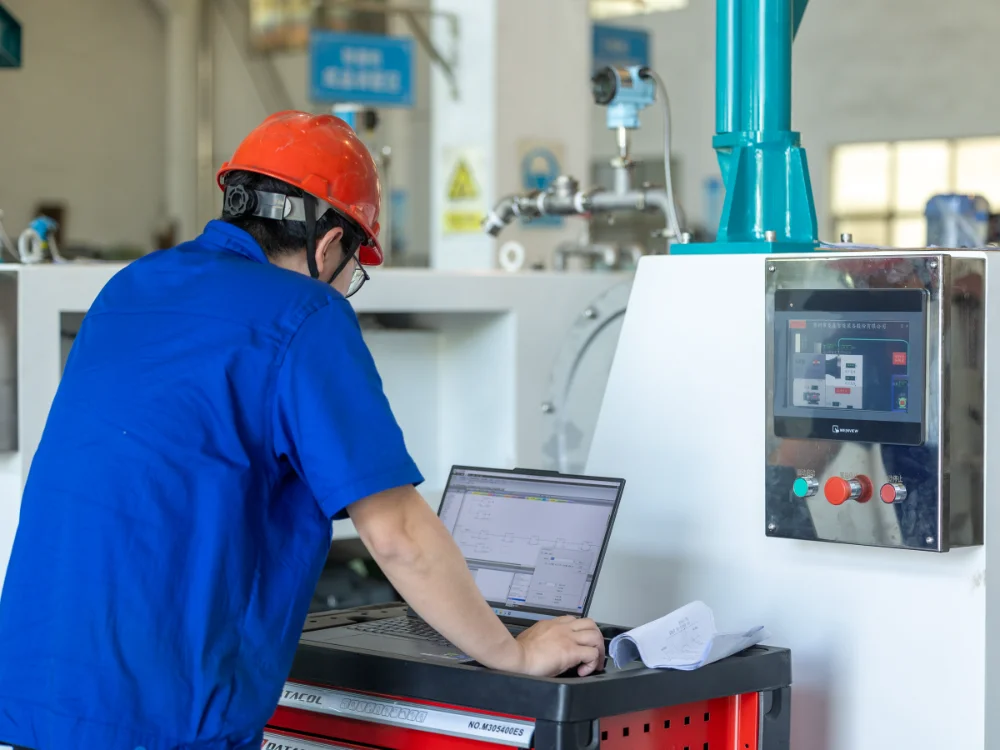
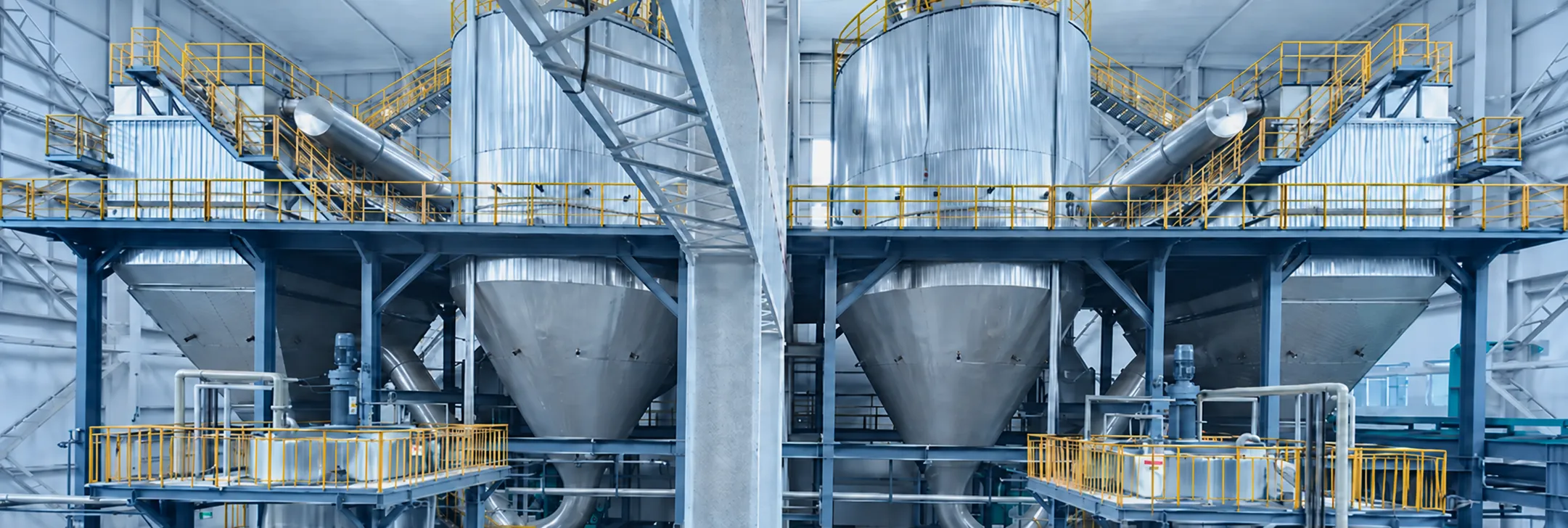
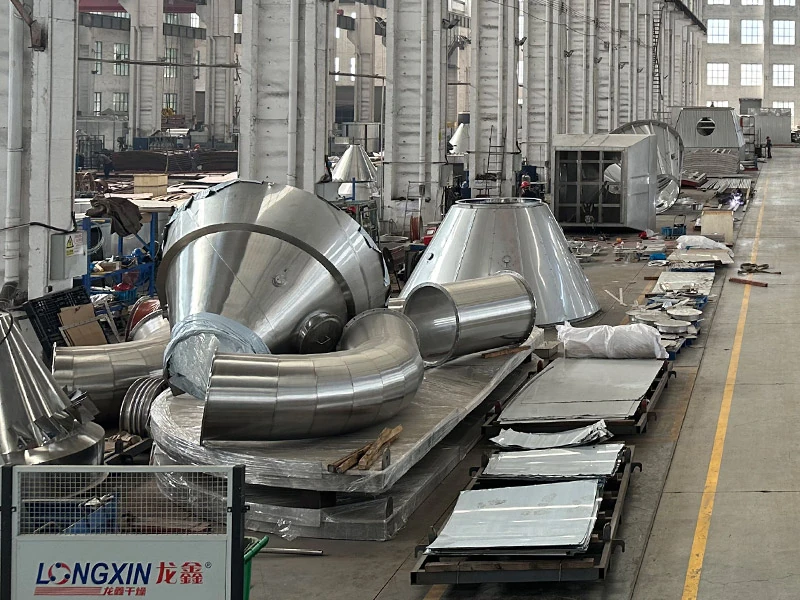
As the energy density of power batteries approaches its theoretical limit and the safety limitations of liquid-electrolyte batteries become increasingly apparent, solid-state batteries are regarded as a key technology pathway for next-generation high-energy-density batteries. As the core of solid-state batteries, the selection of solid electrolyte materials and their manufacturing processes directly determine battery energy density, safety, cycle life, and rate performance. Oxide solid electrolytes, with their excellent thermal stability, chemical stability, and intrinsic safety, have become one of the mainstream routes for the industrialization of hybrid solid–liquid batteries and all-solid-state batteries. To address the challenges of large-scale manufacturing for this core material, Longxin Smart is using its Battery Material Nano-Grinding and Spray-Drying Unit as a key technology platform to advance oxide solid electrolytes from laboratory development to scalable production.
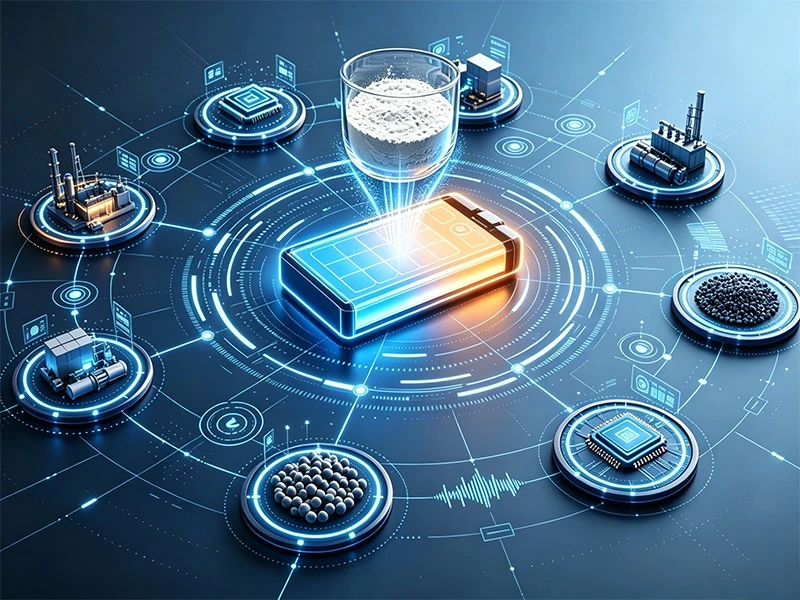
Focusing on Oxide Solid-State Electrolytes to Address the Industrialization Challenges of All-Solid-State Batteries
In solid-state battery systems, the solid electrolyte performs the essential function of transporting lithium ions between the positive and negative electrodes. The main material systems include garnet-type electrolytes such as LLZO, NASICON-type electrolytes such as LATP, perovskite-type electrolytes such as LLTO, and amorphous electrolytes such as LiPON. Among these, LLZO has attracted considerable attention because of its stability against lithium-metal anodes and its wide electrochemical window. LATP is suitable for high-voltage cathode systems because of its relatively low cost and good air stability.
As industrialization accelerates, the industry’s focus is shifting from individual electrochemical performance indicators toward coordinated control of powder characteristics, sintering behavior, and grain-boundary structure. For oxide solid electrolytes to achieve industrial deployment, the materials must provide not only high ionic conductivity but also a narrow particle-size distribution, good sphericity, low impurity content, and batch-to-batch consistency. Achieving these properties depends heavily on the stable performance of front-end manufacturing equipment and processes.
From “Making the Material” to “Manufacturing It Consistently”: Equipment Is Key to Scaling
Moving a solid electrolyte from laboratory research to large-scale production requires multiple stages, including materials research, process validation, equipment adaptation, and engineering scale-up. Under conventional operating models, insufficient manual feeding accuracy, low dispersion and grinding efficiency, and reliance on manual transfer between process steps can lead to poor batch consistency, higher risks of impurity introduction, and long production cycles. These limitations make it difficult to meet the stringent purity and consistency requirements of solid-state battery materials.
Breakthroughs in material manufacturing processes are therefore critical to commercializing the technology. This reflects the industrial principle of “one generation of materials, one generation of equipment”: without high-end manufacturing equipment that is closely matched to the material system, even the most promising material formulation cannot be reliably converted into a consistent mass-production product.
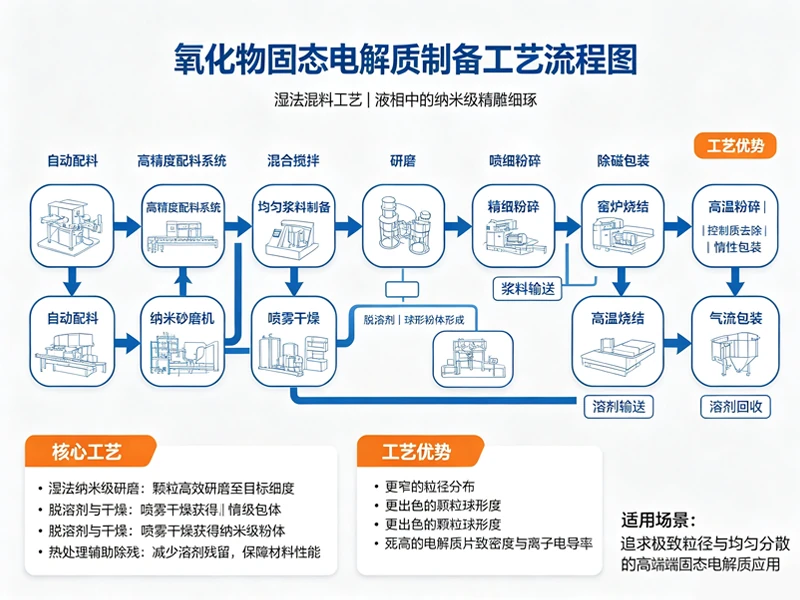
One Generation of Materials, One Generation of Equipment: The Technical Pathway of the Integrated Battery-Material Nano-Grinding and Spray-Drying Unit
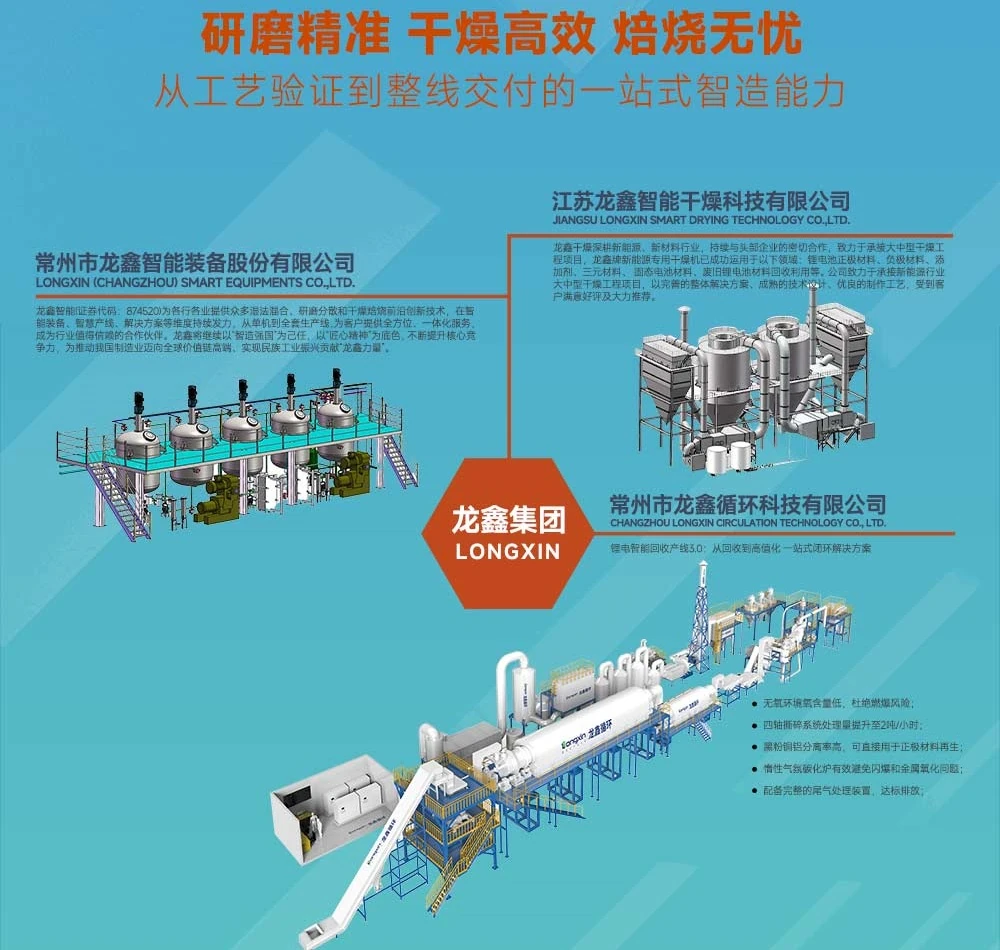
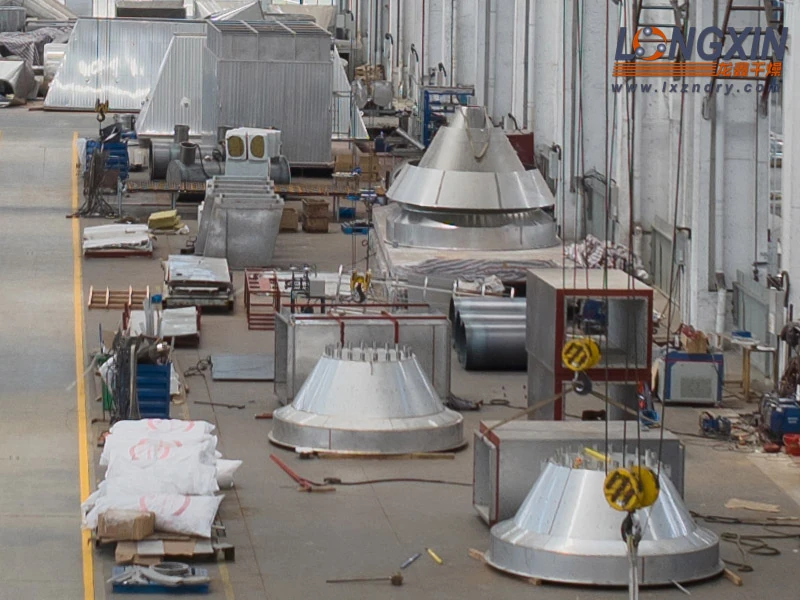
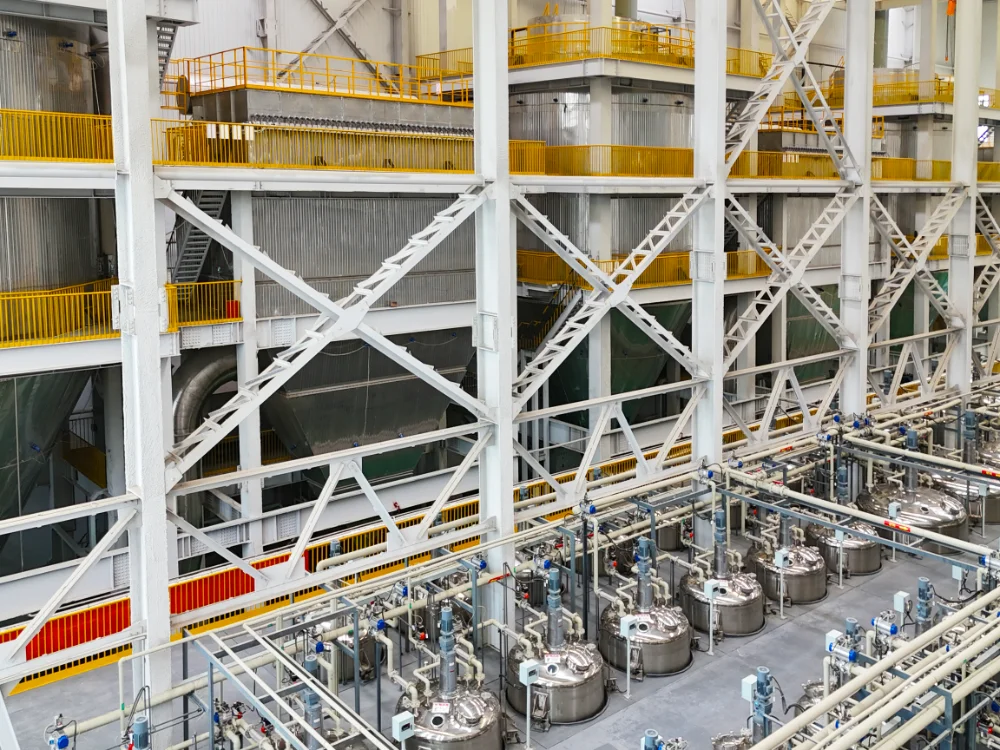
To meet the manufacturing requirements of high-end battery materials such as oxide solid-state electrolytes, Longxin Smart has integrated the core technologies of its nano bead mill and ultrafine-powder spray dryer to create an integrated process route based on wet nano-grinding followed by solvent removal and drying.
(1) Wet mixing process: Nanoscale precision processing in the liquid phase
This process is suitable for high-end applications that require strict particle-size control and uniform dispersion. After metering, the slurry is pumped into a Longxin Smart nano bead mill. Grinding media such as zirconia beads rotate at high speed to create a strong shear field that efficiently grinds particles to the target fineness. The turbine-pin composite structure and modular grinding components enable stable control of D50 particle size and provide an excellent particle-size distribution width.
(2) Solvent removal and drying process: Rapid particle formation
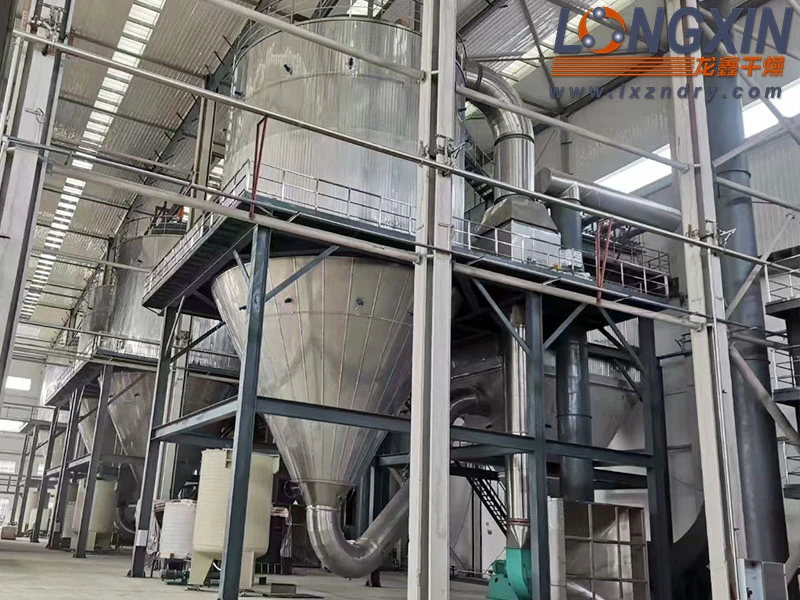
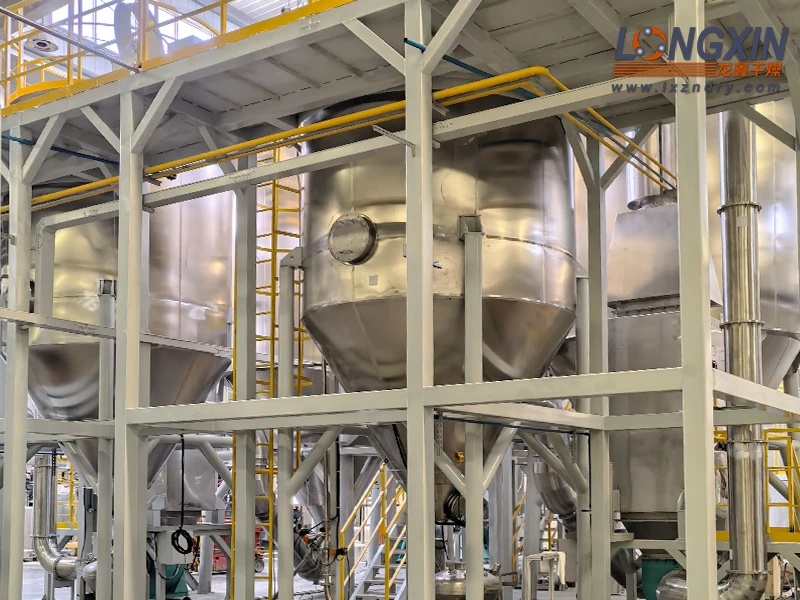
Slurry that has reached the required grinding specification is rapidly processed through spray drying to remove the solvent and obtain dried nanoscale solid electrolyte powder. The Longxin Smart ultrafine-powder spray dryer uses a high-speed centrifugal atomizer to convert the feed into uniform droplets. After contact with hot air, drying is completed within seconds, producing powder with high sphericity and a concentrated particle-size distribution.
(3) Process advantages that directly support battery performance
The wet nanoscale process can achieve a narrower particle-size distribution and better particle sphericity, both of which are important for improving the density and ionic conductivity of electrolyte sheets. Careful selection and optimization of the solvent system support efficient dispersion while minimizing residual solvent. Residual solvent can also be fully removed through subsequent heat treatment to prevent adverse effects on battery performance.
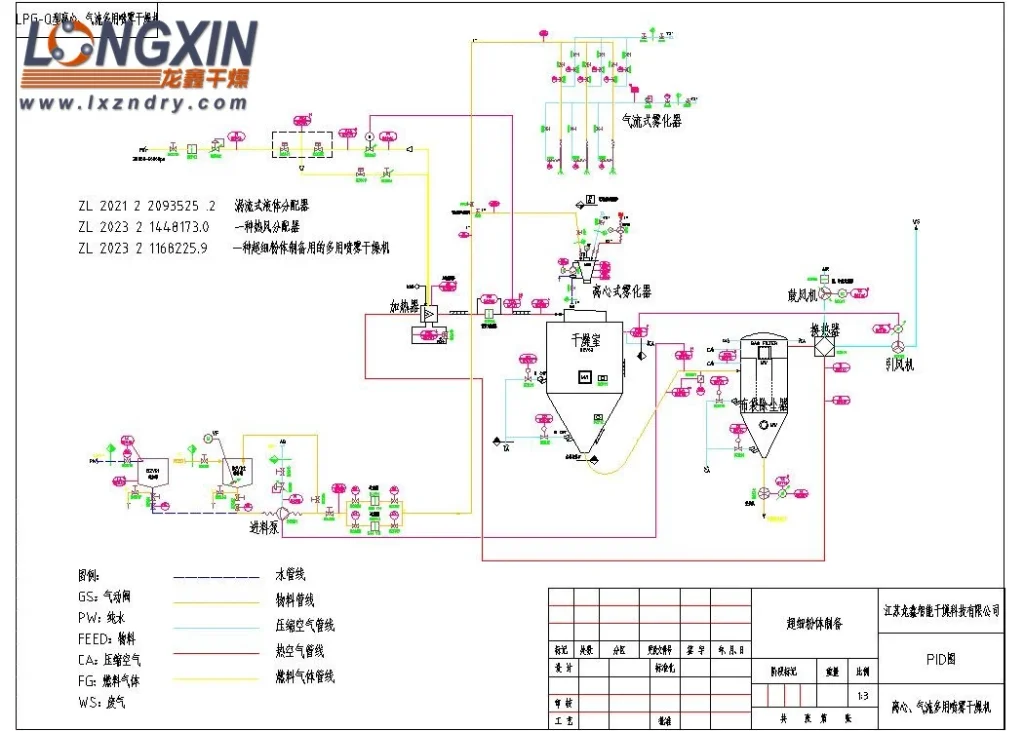
(4) A centrifugal and air-flow multi-purpose spray dryer for multiple processes
To meet the requirements for manufacturing ultrafine powders of multicomponent composite oxide solid electrolytes, Longxin Smart has developed a centrifugal and air-flow multi-purpose spray dryer equipped with centrifugal, air-flow, and pressure atomizers. Users can switch atomization methods according to material characteristics or add spray lances to increase capacity as production requirements grow, combining process flexibility with equipment cost efficiency.
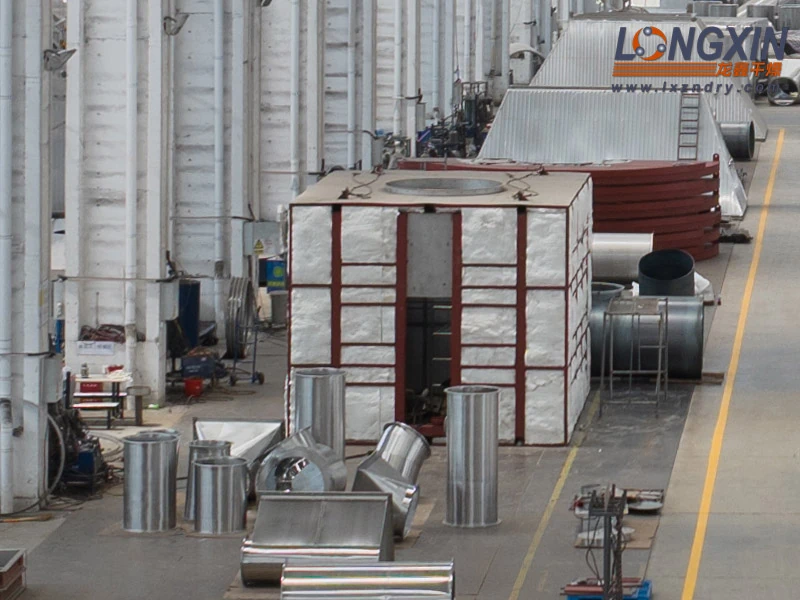
The system is equipped with an efficient pulse-jet bag filter and heat-recovery unit. Dust-capture efficiency is high, and waste heat is recovered and reused, supporting both environmental compliance and reductions in energy consumption.
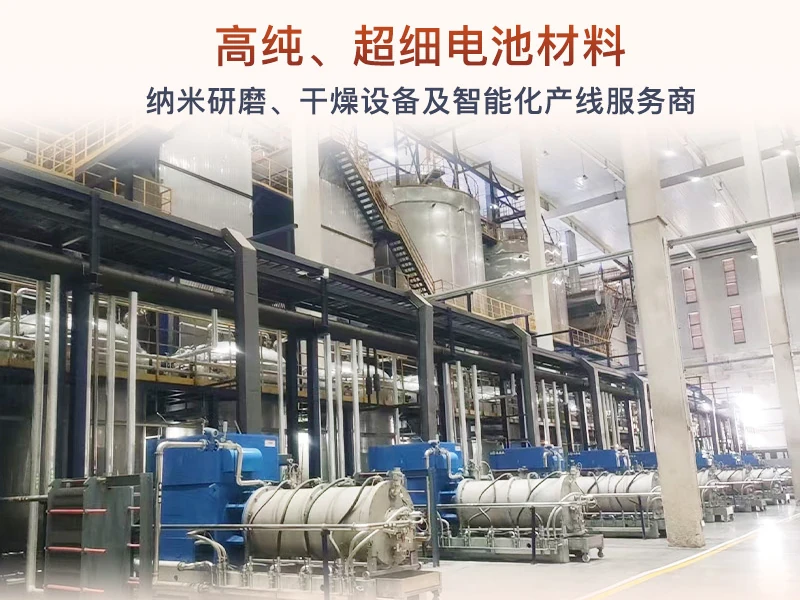
Full-Material Coverage: One Technology Platform for Diverse Requirements
Solid-state battery materials are developing along multiple parallel technology routes, and different materials have significantly different manufacturing requirements. Building on its two core technologies—nano grinding and dispersion and spray drying—Longxin Smart has developed equipment solutions covering a range of critical materials:
(1) Sulfide electrolytes
Because sulfide electrolytes are sensitive to air and moisture and prone to oxidation, the closed-loop spray dryer uses an inert gas such as nitrogen as the circulating medium and operates as a fully enclosed process. Evaporated organic solvents are condensed, separated, and recovered for reuse. This helps prevent material degradation while enabling solvent recycling. Laboratory, pilot-scale, and large industrial models are available to meet requirements at every stage from research through mass production.
(2) Polymer electrolytes
The air-flow spray dryer can produce ultrafine powder with a micron-scale particle size and concentrated particle-size distribution. Its atomizer nozzle is made from wear-resistant materials, and the control system supports precise adjustment of key parameters such as inlet-air temperature, providing a process-validation platform for new formulations and processes.
(3) Lithium-rich manganese-based cathode materials, LMFP, silicon–carbon anodes, and binders
The nano-grinding system supports aqueous, oil-based, and solvent-based systems and can store multiple process recipes. When combined with spray drying and full-line automated control, it enables flexible changeovers between multiple product types, meeting material companies’ R&D and production requirements for small batches and multiple specifications.
Industry–Academia–Research Collaboration: Building a Full-Chain Path from Technology to Industry
In recent years, Longxin Smart has continued to collaborate with universities, research institutes, and specialized technical teams on industry–academia–research initiatives. Work has focused on technical research and commercialization in advanced battery materials, nano grinding and dispersion, carbon nanotubes, solid electrolytes, nanocellulose, and other fields. These efforts have gradually established a technology-transfer pathway spanning material research, process validation, core equipment, process scale-up, and industrial application.
Supported by its nano-grinding and ultrafine spray-drying production-line technologies, experimental validation platform, core equipment development capabilities, and full-line engineering expertise, Longxin Smart works to closely connect scientific research with industrial requirements. The company provides systematic support at the equipment, process, and engineering levels for moving solid-state battery core materials from experimental research to large-scale manufacturing.
Building the “Lithium” Future Together: Exploring a New Path for Intelligent Manufacturing of Next-Generation High-Energy Solid-State Battery Materials
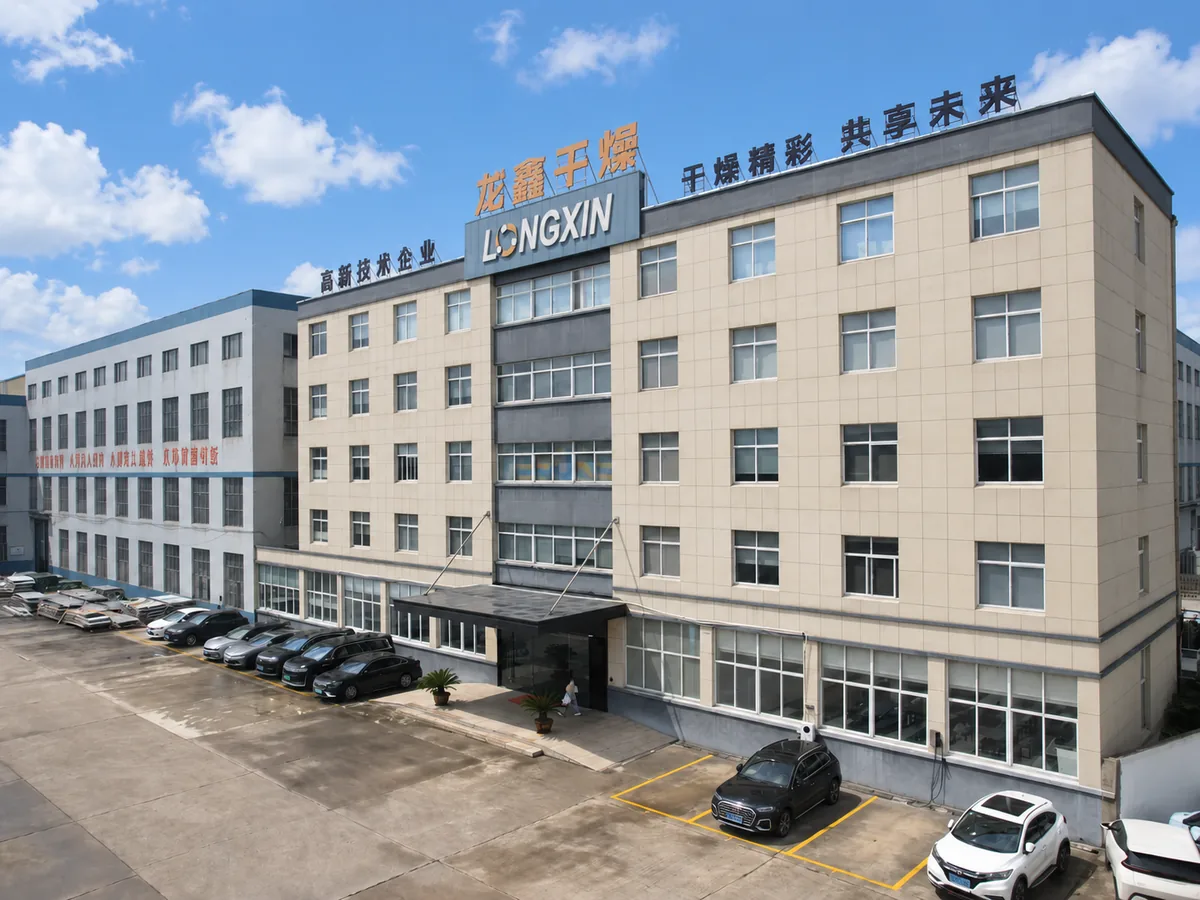
At the surface, the industrialization race in solid-state batteries is a competition among material systems. Beneath the surface, however, it is a competition in manufacturing processes and equipment capabilities. From nano grinding and ultrafine spray drying for oxide electrolytes to closed-loop inert-gas drying for sulfide electrolytes, Longxin Smart has drawn on more than a decade of technical experience to continue advancing drying equipment, industrial thermal systems, and intelligent equipment. The company provides efficient, energy-saving, and intelligent manufacturing solutions for the solid-state battery core materials industry.
Looking ahead, Longxin Smart will continue to strengthen its full-chain solution portfolio, using technological innovation to support industrial upgrades and green, intelligent manufacturing to drive future development. Working alongside industry partners, the company will explore new intelligent-manufacturing pathways for key materials used in next-generation high-energy solid-state traction batteries and help advance the new energy industry toward greater efficiency, environmental responsibility, and sustainability.