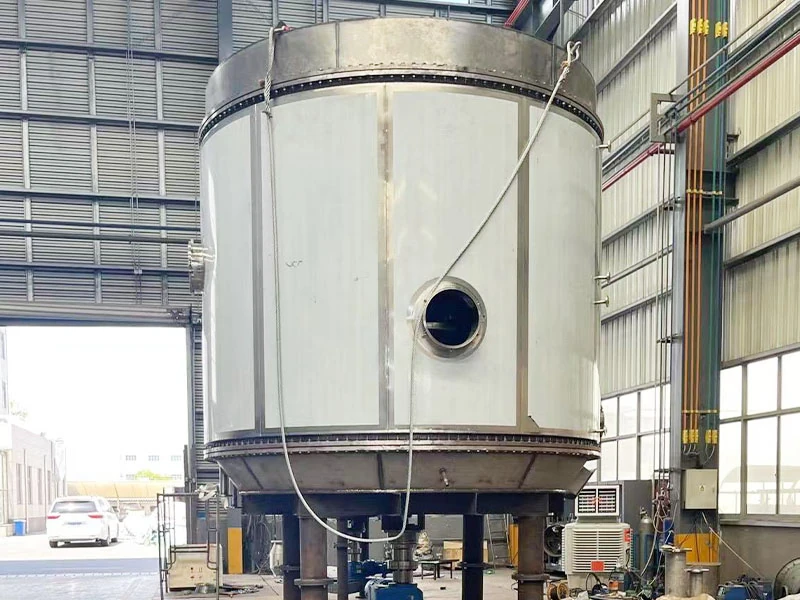
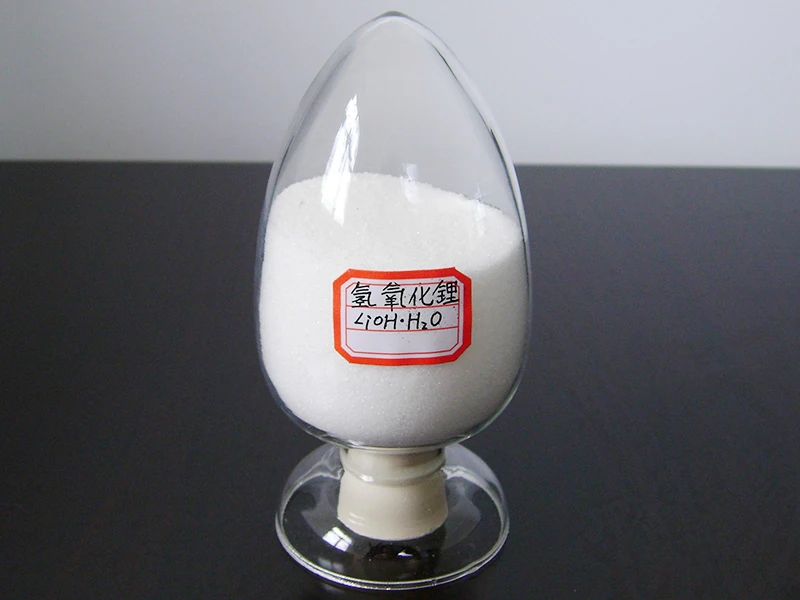
As global attention to environmental protection increases and restrictions on emissions from conventional internal combustion engine vehicles become stricter, the electric vehicle industry is developing rapidly. Lithium hydroxide monohydrate is an important raw material for lithium-ion batteries and plays a critical role in the production of high-nickel ternary cathode materials. High-nickel ternary batteries offer advantages such as high energy density and long driving range, helping meet the electric vehicle industry’s demand for high-performance batteries. The rapid growth of the electric vehicle market is therefore expected to continue driving demand for lithium hydroxide monohydrate.
To promote the development of new energy vehicles and energy storage, governments around the world have introduced supportive policies such as subsidies, tax incentives, and vehicle licensing measures. These policies directly support the growth of the lithium-ion battery industry and, in turn, drive expansion of the lithium hydroxide monohydrate market.
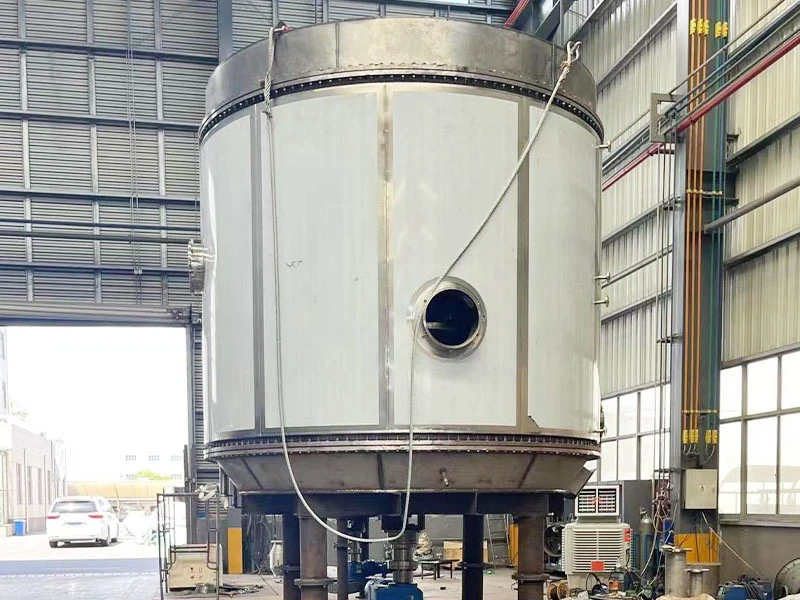
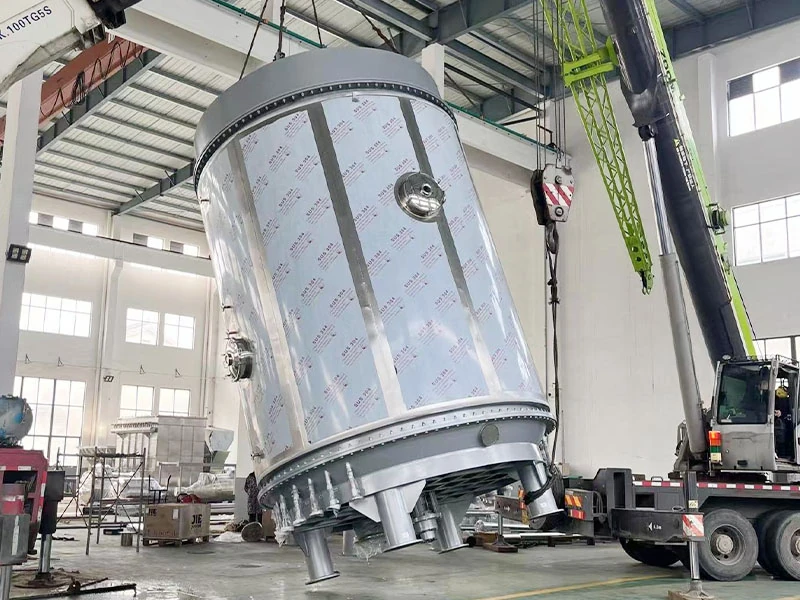
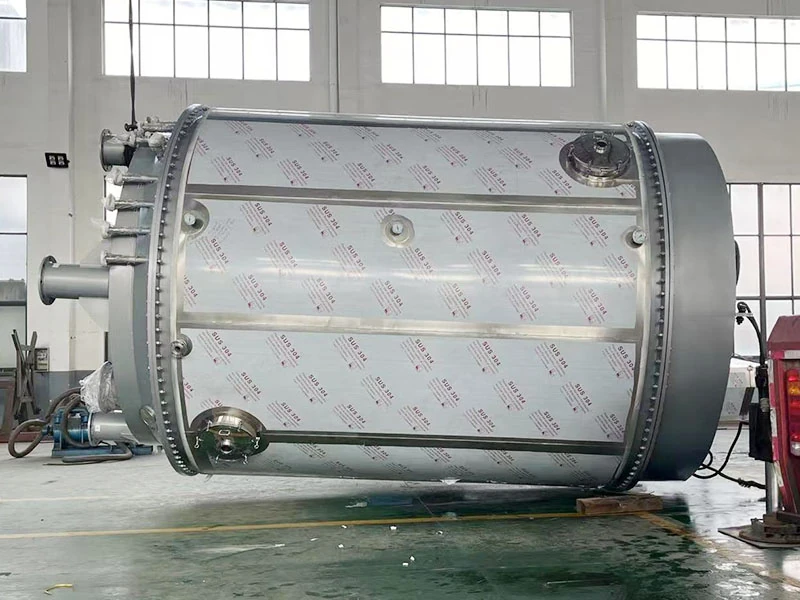
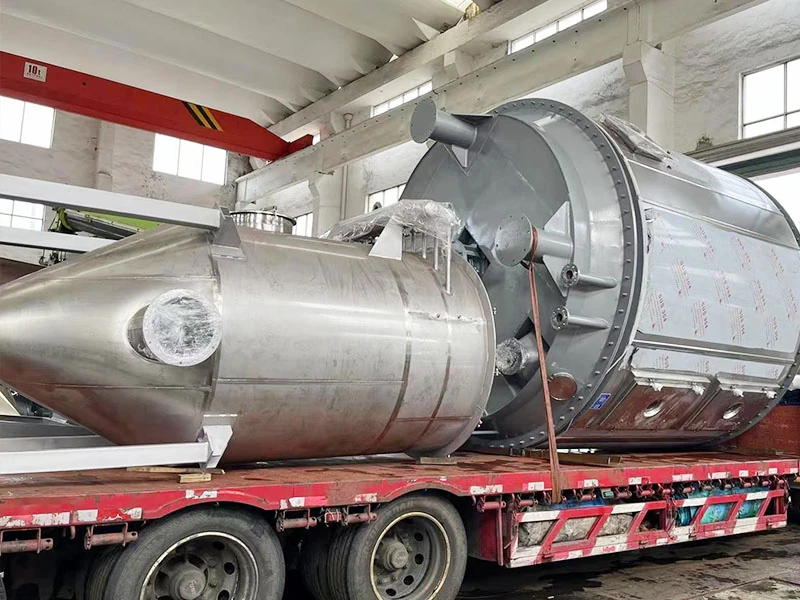
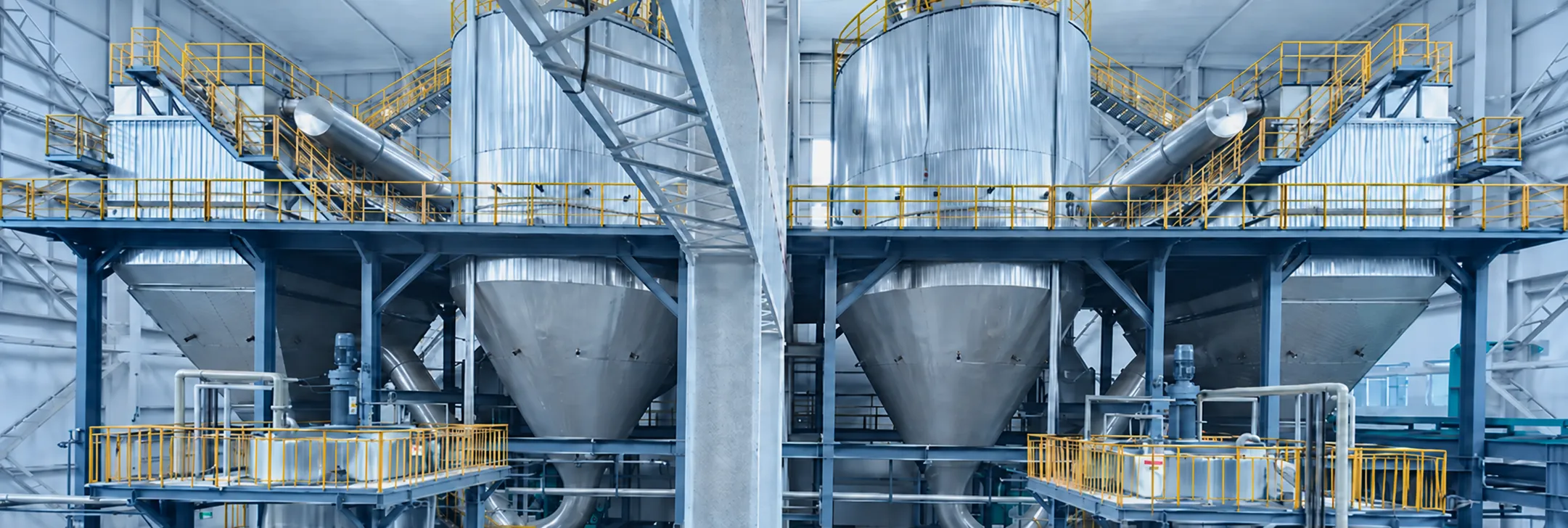
As technology continues to advance, production technologies for lithium hydroxide monohydrate are also steadily improving. Manufacturers are strengthening product competitiveness by optimizing processes, increasing production efficiency, and reducing costs. The vacuum plate dryer developed by Jiangsu Longxin can improve product quality and purity to meet the more demanding requirements of various applications. This will help support the sustainable development of the lithium hydroxide monohydrate industry and enhance its overall competitiveness.
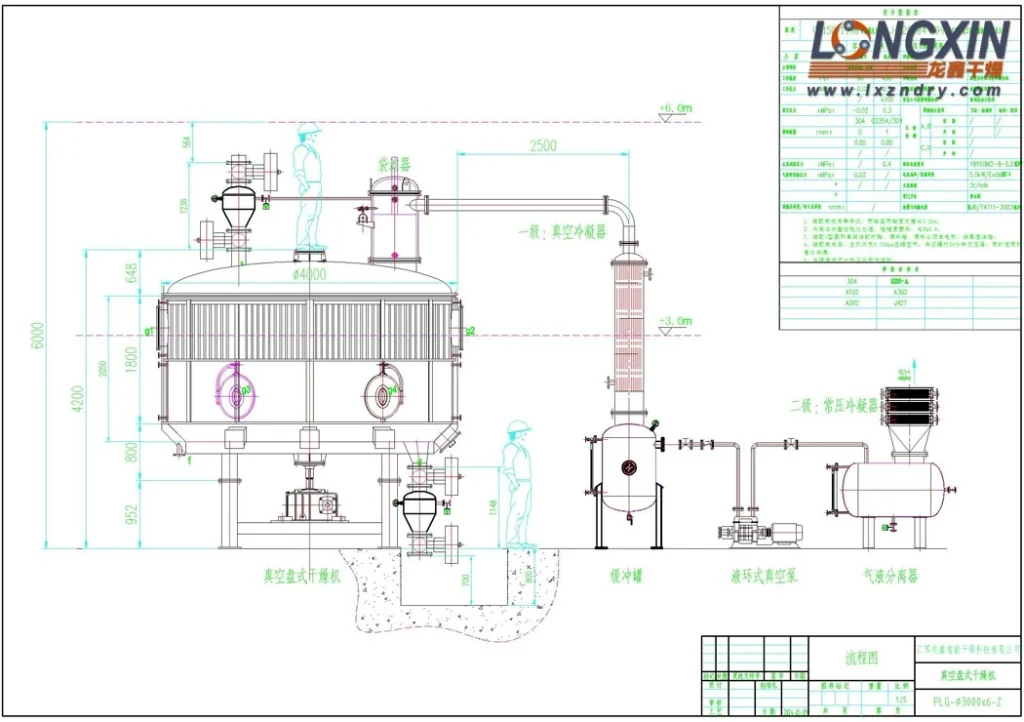
Working Principle of the Vacuum Plate Dryer for Lithium Hydroxide Monohydrate
(1) Material distribution and transfer
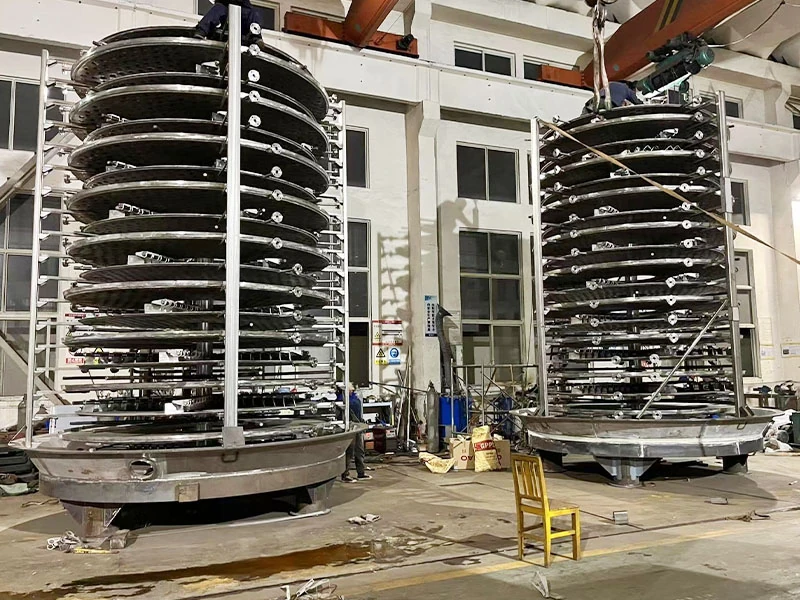
Wet lithium hydroxide monohydrate is continuously fed by a feeder onto the first drying plate at the top of the dryer. The drying plates are arranged in alternating large and small sizes, forming a tower-like structure. Rake arms fitted with blades rotate continuously to turn and distribute the material evenly across the drying plates and move it along an exponential spiral path over the plate surface.
Material on a small drying plate is moved toward the outer edge and falls onto the outer edge of the larger plate below. On the large plate, the material moves inward and falls through the central discharge opening onto the next smaller plate. This process repeats continuously, allowing the material to pass through the entire dryer.
(2) Heating and drying
A heating medium circulates through the hollow drying plates. Typical heating media include saturated steam, hot water, and thermal oil. The heating medium enters one end of each plate and exits from the other, transferring heat through the plate surface to the material. Moisture in the material evaporates after being heated, thereby drying the material.
(3) Vacuum-assisted drying
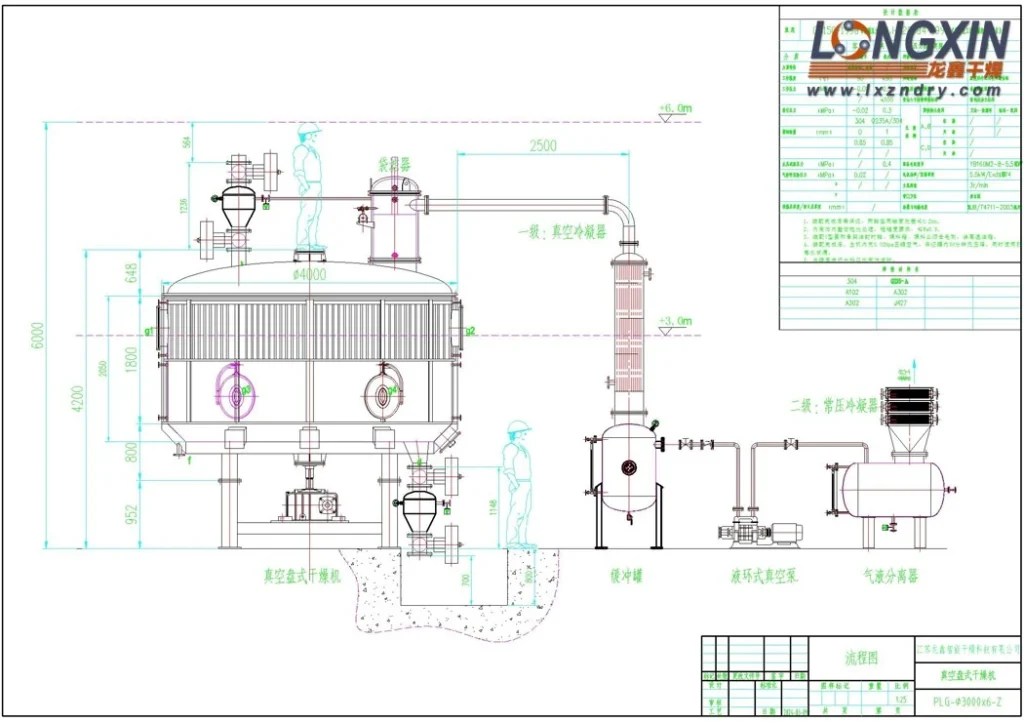
The interior of the dryer is maintained under vacuum by a vacuum pump installed on the top cover, which continuously removes gas. Under vacuum, the boiling point of water decreases, allowing moisture in the material to evaporate rapidly at a lower temperature. The evaporated water vapor is extracted by the vacuum pump, accelerating the drying process and helping prevent adverse reactions such as degradation or decomposition at high temperatures. This makes the process particularly suitable for temperature-sensitive materials such as lithium hydroxide monohydrate.
(4) Discharge
The dried material falls from the final drying plate onto the bottom of the shell and is then moved by the rake blades to the discharge port, completing the drying process.
Technical Improvements in the Vacuum Plate Dryer for Lithium Hydroxide Monohydrate
(1) Improved rake-blade structure
Conventional rake-blade structures may not turn material flexibly or efficiently enough. An improved blade connection can provide greater flexibility and allow adjustment according to material characteristics such as particle-size distribution and viscosity. This helps ensure uniform distribution and thorough turning of the material on the drying plates, improving drying uniformity and efficiency. The improved connection also simplifies inspection and blade replacement, allowing maintenance without removing the rake shaft and reducing maintenance difficulty and downtime costs.
(2) Improved drying-plate structure
The internal flow channels of the drying plates can be optimized so that heating media such as hot water and thermal oil flow more uniformly through each plate. This improves heat-transfer efficiency and helps prevent local temperature variations. Special surface-treatment processes can be applied to improve wear and corrosion resistance and extend plate service life. Sealing structures can also be added between plates to reduce material leakage and cross-contamination and protect product quality.
(3) Heat-source selection and optimization
More efficient and stable heat sources can be explored, including new heat-transfer media and waste-heat recovery technologies. For example, waste heat generated during production can be used to heat the dryer, reducing energy consumption and improving overall energy utilization. For conventional steam heating, the steam supply and regulation system can be improved to increase steam utilization and provide more precise temperature control during drying.
(4) Temperature monitoring and control
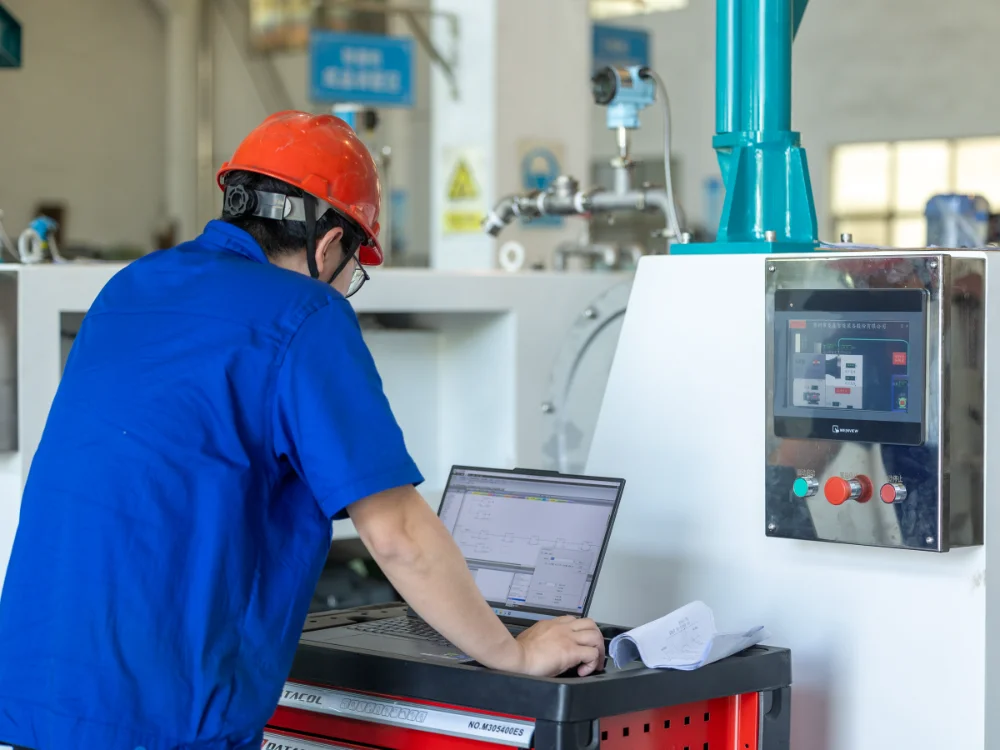
Multiple temperature sensors can be installed at different positions in the dryer to monitor changes in material temperature and drying-plate temperature in real time. An advanced control system can automatically adjust heating-medium flow, temperature, and other parameters according to temperature feedback to achieve precise drying control and maintain suitable drying temperatures. Intelligent temperature-control algorithms can also use factors such as initial moisture content and feed rate to automatically optimize the temperature profile, improving drying efficiency and product quality.
(5) Improved vacuum-pump performance
Higher-performance vacuum pumps with greater pumping speeds can improve the evacuation capacity of the vacuum system, enabling the dryer to reach and maintain the required vacuum level more quickly. This further lowers the boiling point of water, accelerates moisture evaporation, and improves drying efficiency. Noise-reduction measures can also be applied to the vacuum pump to reduce noise pollution and improve the working environment.
(6) Vacuum monitoring and control
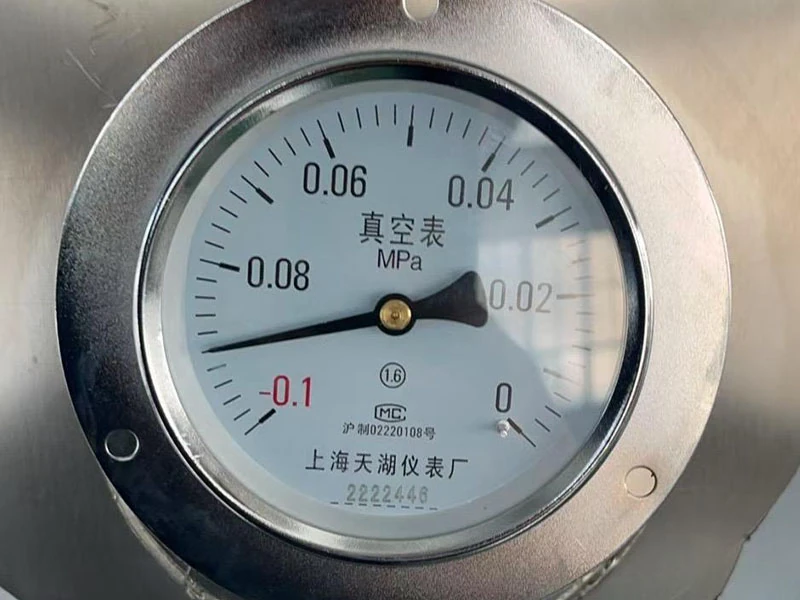
High-precision vacuum sensors can monitor changes in the dryer’s internal vacuum level in real time. The control system can be linked with the vacuum pump to automatically adjust its operating status and maintain a stable vacuum, preventing fluctuations from affecting drying performance. An automatic protection mechanism can sound an alarm and initiate protective measures if the vacuum level rises or falls abnormally, helping prevent equipment damage and safety incidents.
(7) Improved feeding system
A more effective feeding system can ensure that material enters the dryer uniformly and stably while preventing accumulation or interrupted feed. Screw feeders or vibratory feeders can be used with variable-speed drives to adjust feed rate according to dryer operating status and material characteristics. A pretreatment device such as a screening or crushing unit can be installed at the feed inlet to remove impurities and oversized particles, improving drying performance and product quality.
(8) Improved discharge system
The discharge structure can be optimized to ensure smooth discharge of dried material and prevent blockage or material retention. Rotary discharge valves or scraper dischargers can be used, with the appropriate discharge method selected according to material characteristics. A material-cooling device can be installed at the discharge port to reduce the temperature of the dried material, facilitating subsequent packaging and storage.