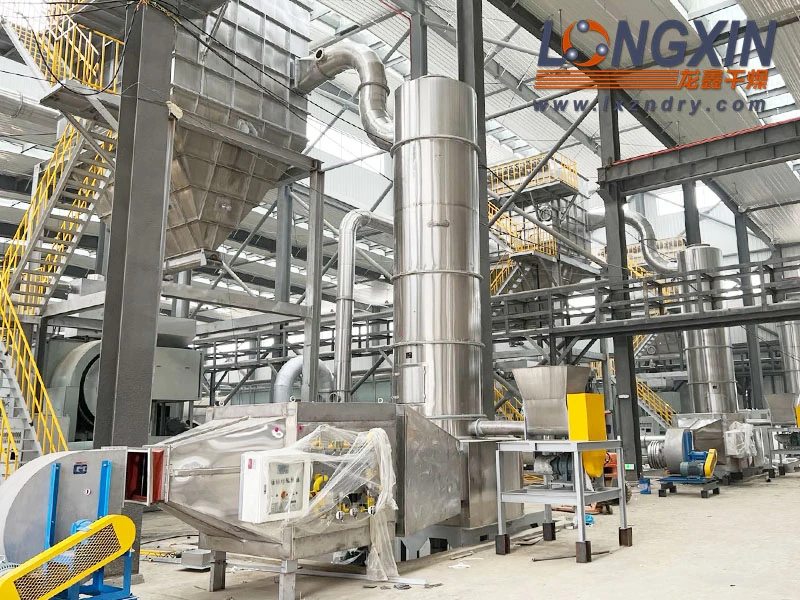
In the new energy vehicle industry, lithium iron phosphate (LFP) batteries continue to gain market share due to advantages such as high safety, relatively low cost, and long cycle life. As countries around the world promote new energy vehicles and global sales continue to rise, demand for iron phosphate is expected to maintain strong growth. The rapid expansion of the new energy vehicle market, for example, creates substantial demand for iron phosphate. In the future, as more countries and regions introduce stricter bans on the sale of internal combustion engine vehicles and extend subsidy policies for new energy vehicles, production and sales are expected to continue increasing, further driving demand for iron phosphate.
Energy storage is another important application market for iron phosphate. The rapid development of renewable energy sources such as wind and solar power has created a need for energy storage systems to store and regulate electricity because of the variable nature of renewable generation, ensuring a stable power supply. LFP batteries offer strong performance and cost advantages in energy storage systems. The rapid growth of the energy storage market is therefore expected to create broad opportunities for iron phosphate.
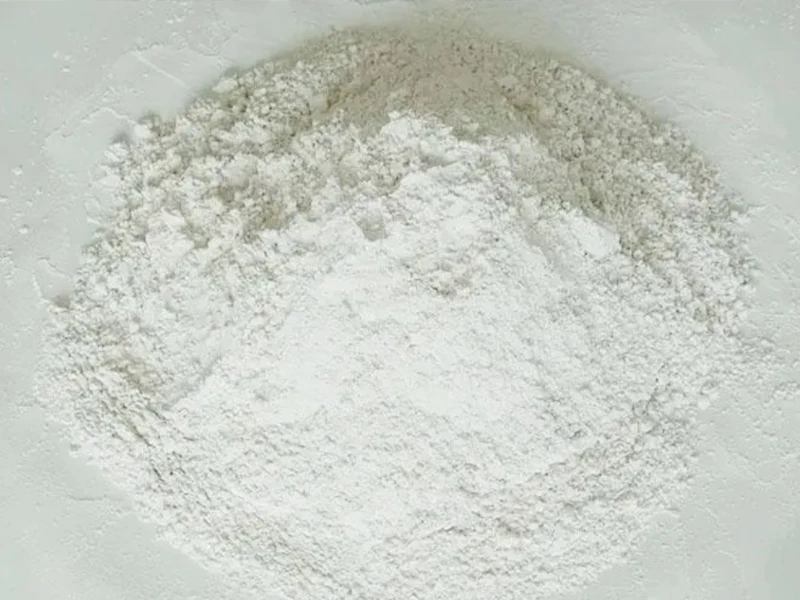
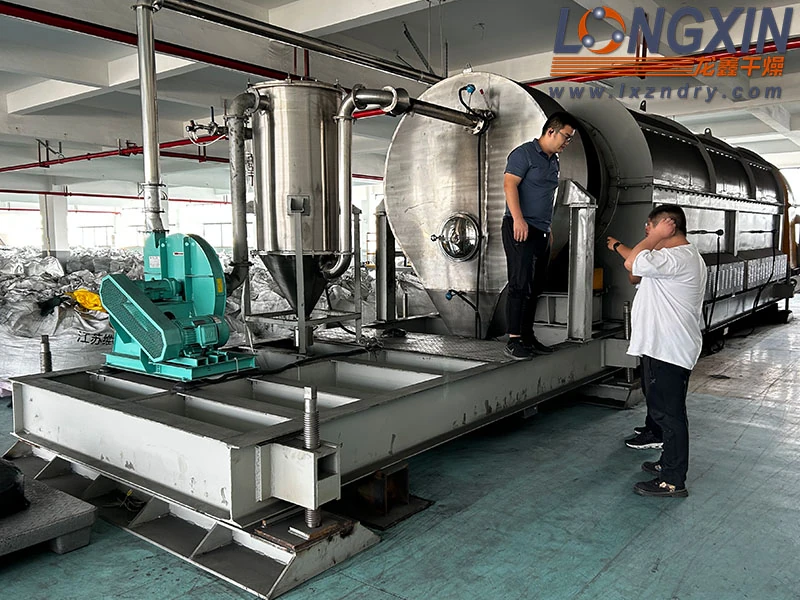
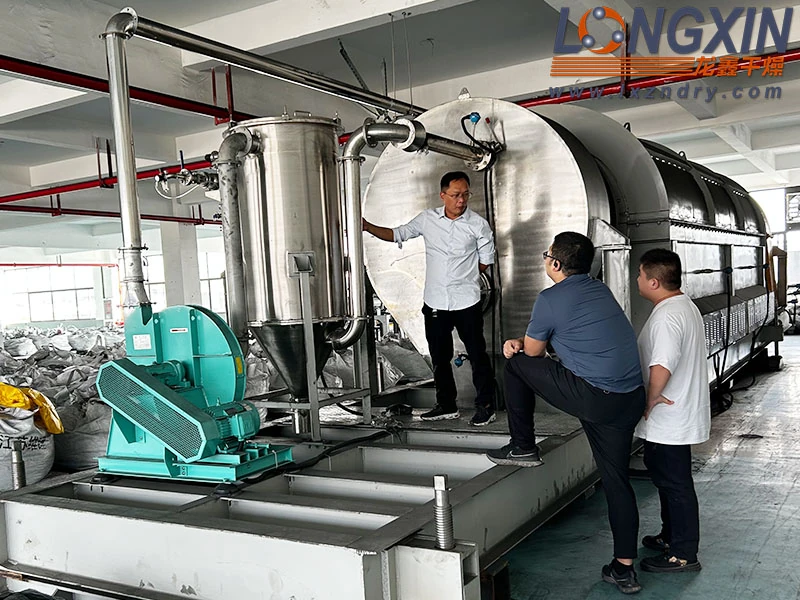
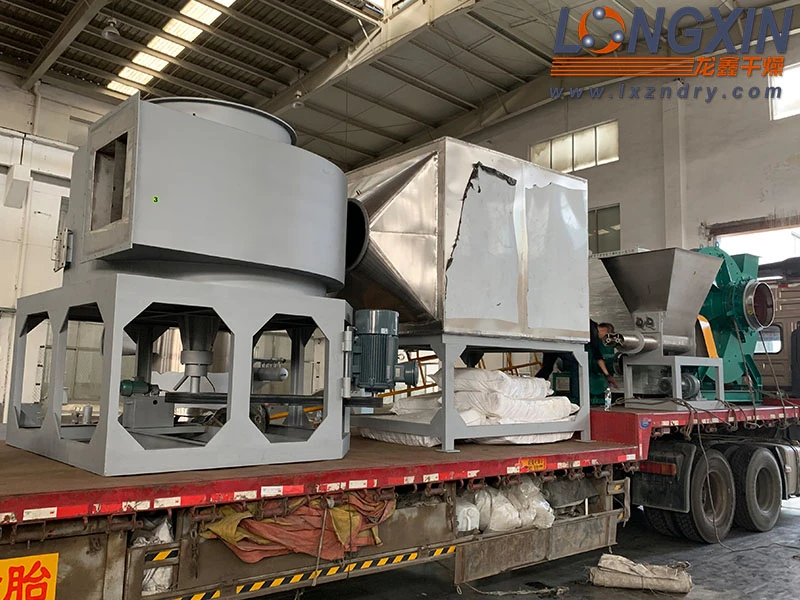
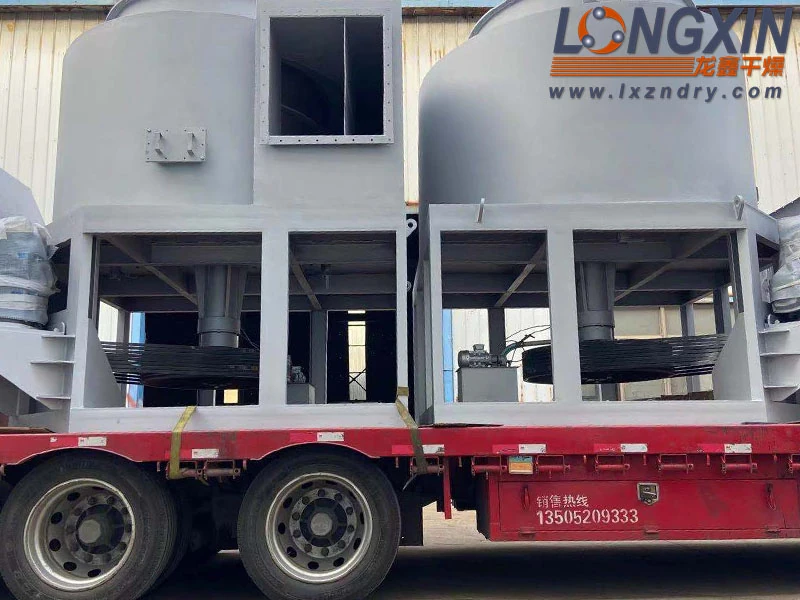
As production technologies continue to improve and optimize, iron phosphate production efficiency is steadily increasing while production costs decline. This will further strengthen the market competitiveness of iron phosphate and expand its range of applications. With the application of Jiangsu Longxin’s drying and sintering system for iron phosphate production, raw-material utilization has improved and energy consumption during production has been reduced, thereby lowering production costs. At the same time, in response to environmental protection and resource-utilization requirements, the development of more efficient and environmentally responsible iron phosphate drying and sintering equipment remains a key direction for the future.
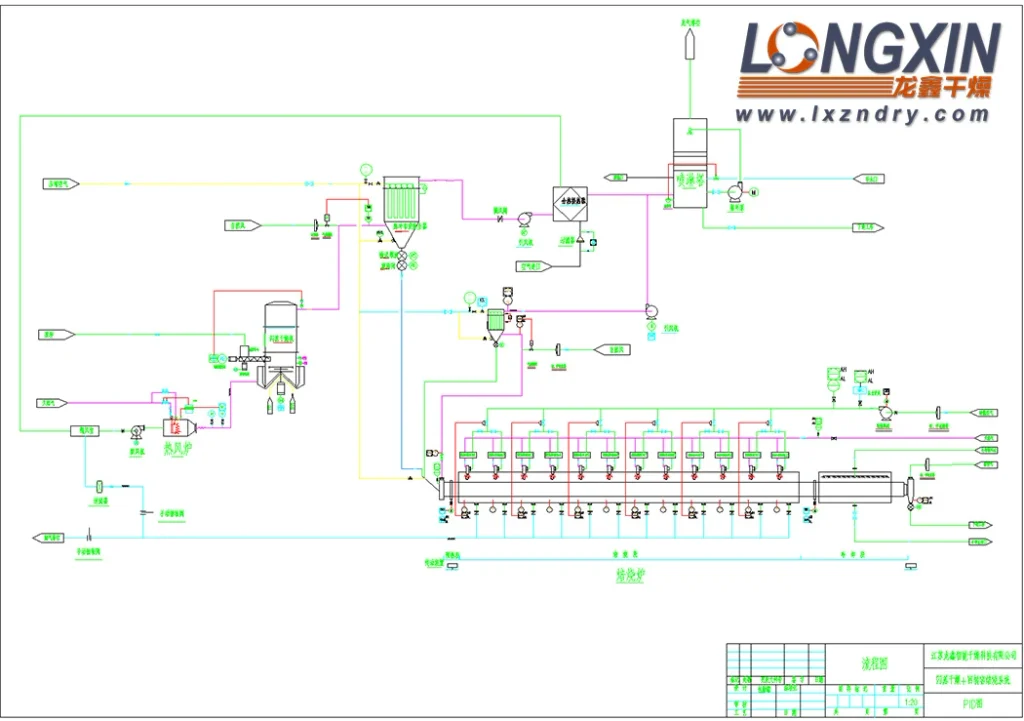
Drying and Sintering System for Iron Phosphate Production: Components, Working Principle, and Features
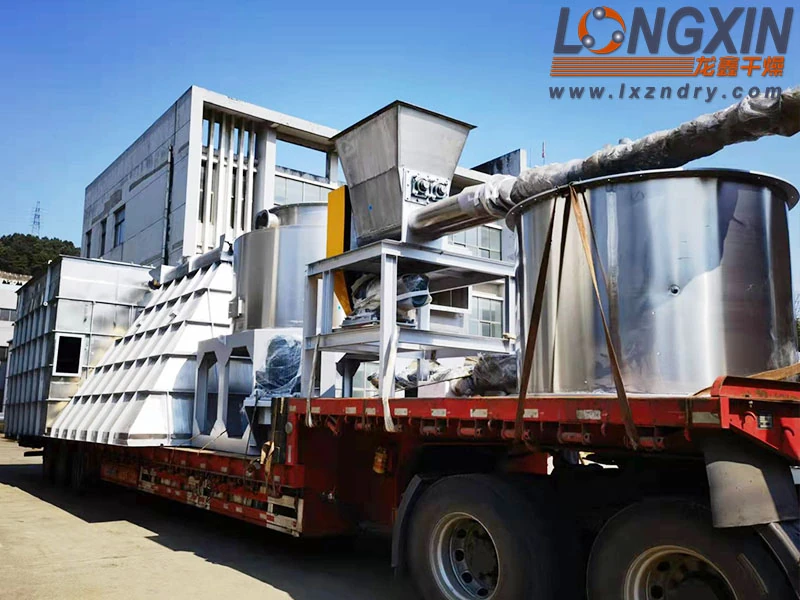
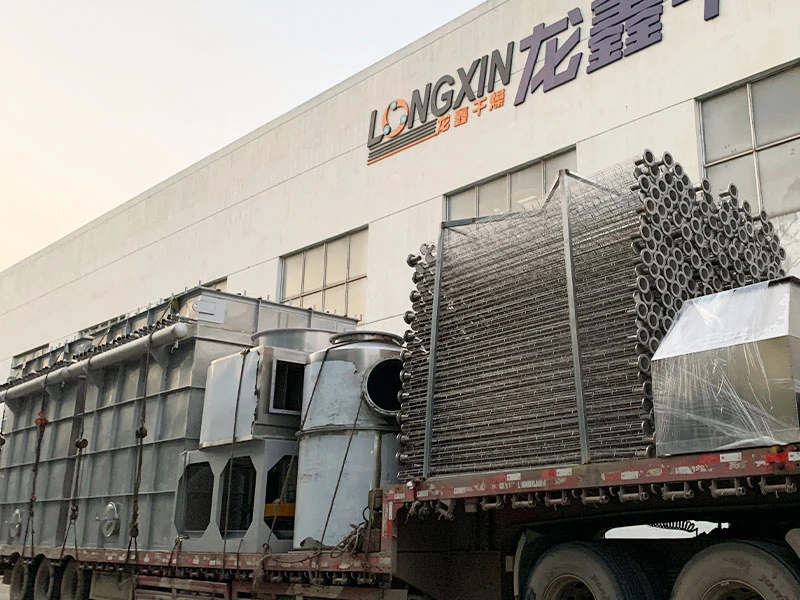
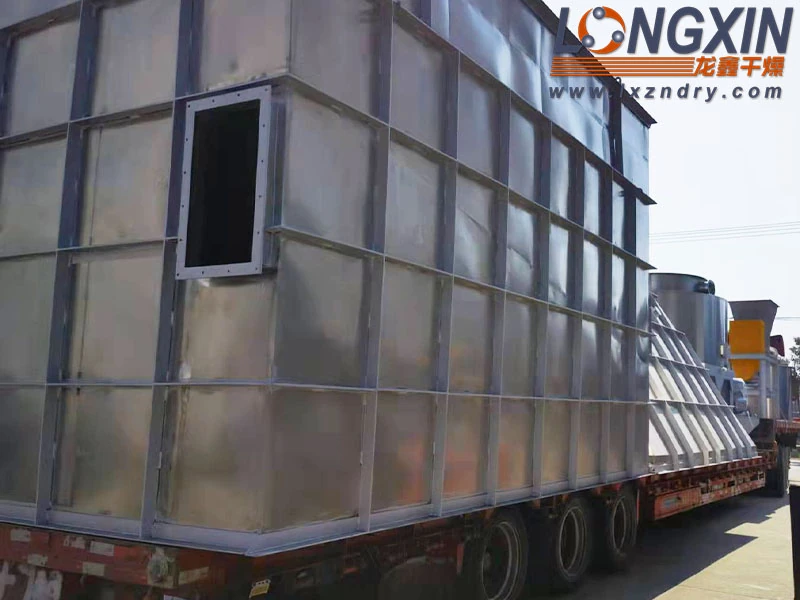
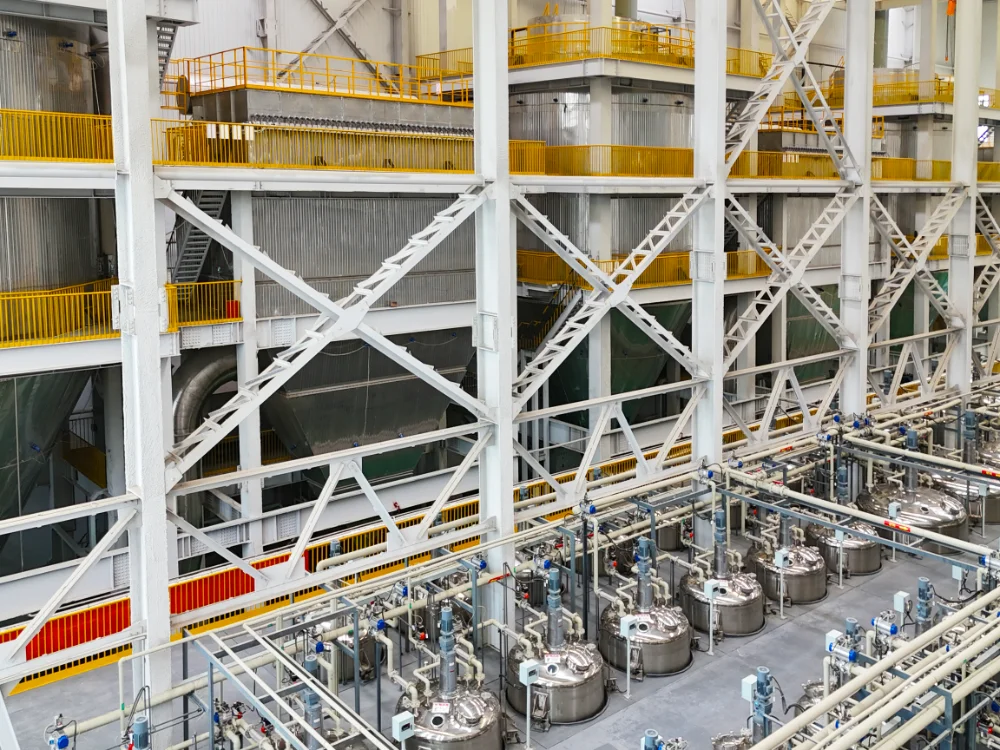
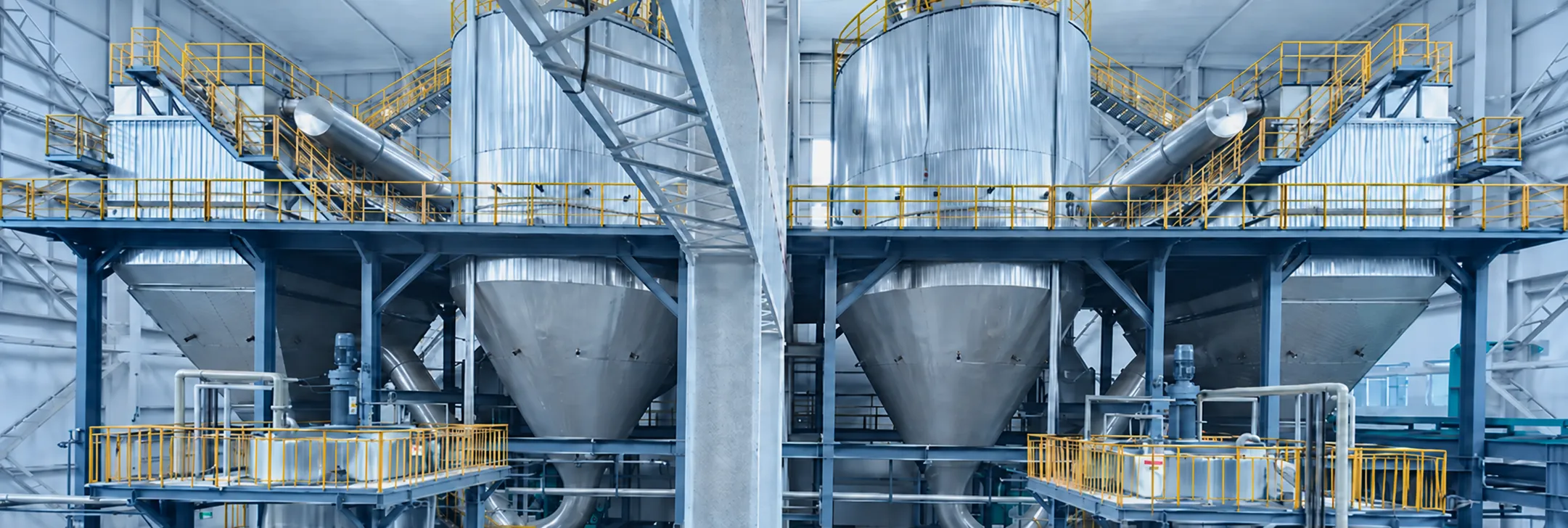
The drying and sintering system for iron phosphate production is an integrated equipment system used for drying and calcining iron phosphate. Its main components, working principles, and technical features are described below.
(1) Components of the drying system
Heater:
The heater supplies heat for drying. Common options include steam heaters and electric heaters, which offer high thermal efficiency and operational safety. The appropriate heating method can be selected according to actual requirements.
Feeder:
The feeder delivers iron phosphate material to the drying equipment. Its design generally considers material characteristics such as adhesion and flowability to ensure uniform and stable feeding.
Dryer:
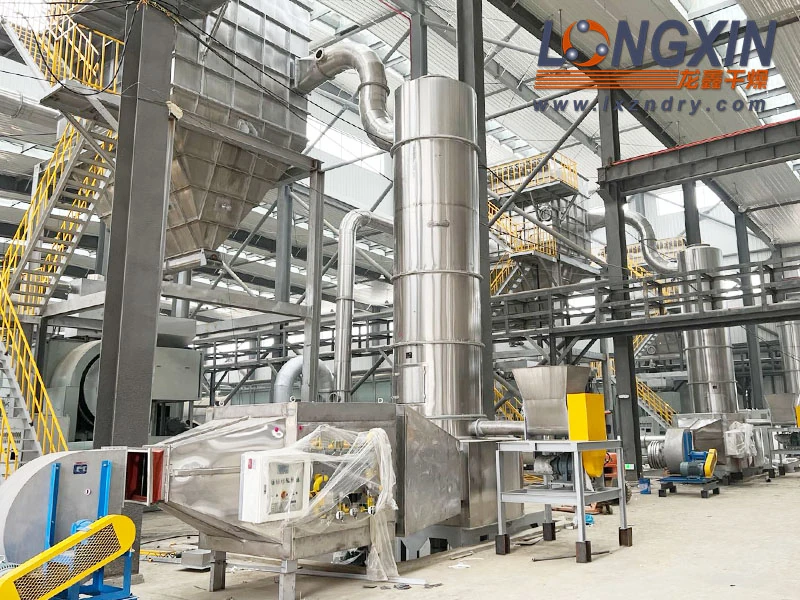
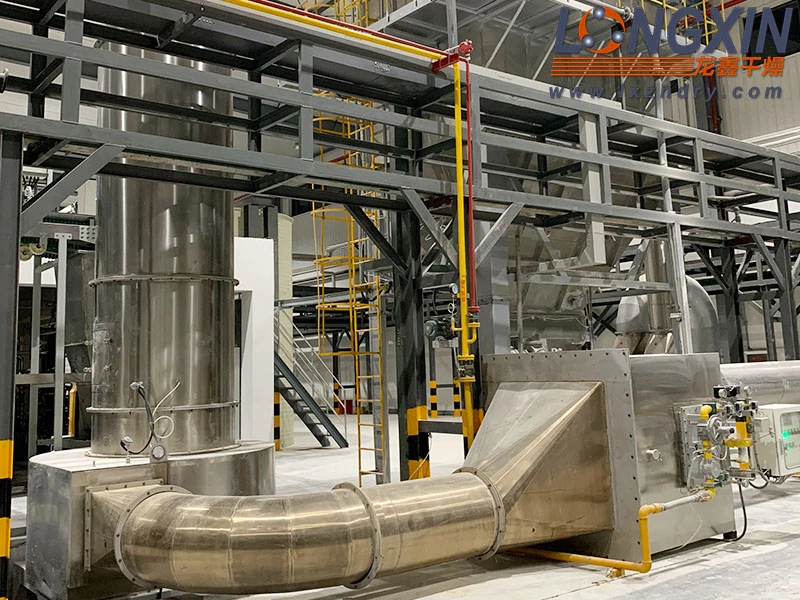
The dryer is the core component of the drying system and may include flash dryers, fluidized-bed dryers, and other types. A flash dryer rapidly disperses, breaks up, and dries material under the action of high-speed rotating hot air. A fluidized-bed dryer uses airflow to create a fluidized material bed, enabling efficient heat and mass transfer and improving drying efficiency.
Dust collector:
The dust collector captures dust generated during drying to protect the environment and reduce material loss. Common options include cyclone separators and pulse-jet bag filters, which can be selected according to actual requirements.
Fan:
The fan provides the driving force for circulating hot air through the drying system, ensuring sufficient contact between the material and hot air and improving drying performance.
(2) Components of the calcination system
Rotary calcination kiln:
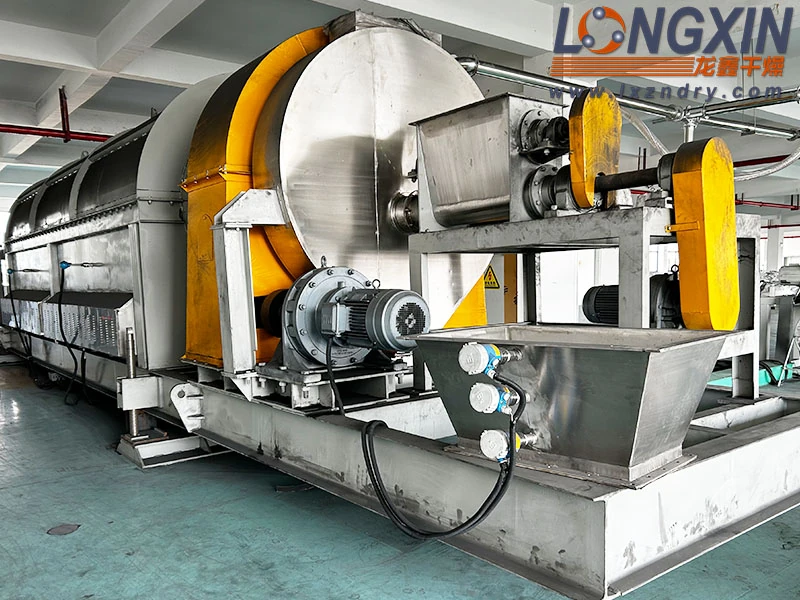
The rotary calcination kiln is the main equipment in the calcination system and generally consists of a kiln shell, heating device, drive mechanism, and support system. The kiln shell is typically made from high-temperature-resistant and wear-resistant materials. Its rotation continuously tumbles and advances the material to ensure uniform heating. Electric or gas-fired heating can be used to provide the high-temperature environment required for calcination.
Cooling system:
The cooling system reduces the temperature of calcined iron phosphate to a suitable level for subsequent processing and packaging. Air cooling and water cooling are available and can be selected according to actual conditions.
Control system:
The control system monitors and regulates parameters such as temperature, rotational speed, and feed rate during calcination to ensure process stability and consistent product quality.
(3) Working principle of the iron phosphate drying and sintering system
Drying principle:
Iron phosphate material containing a certain amount of moisture is fed into the dryer. Under the action of hot air supplied by the heater, moisture in the material evaporates rapidly. At the same time, special internal structures—such as the dispersion device in a flash dryer or the air-distribution plate in a fluidized-bed dryer—ensure thorough material dispersion, increase the contact area with hot air, and improve drying efficiency. The moisture content of the dried material is reduced to the required level.
Calcination principle:
The dried iron phosphate enters the rotary calcination kiln, where chemical reactions and crystal-form transformations occur at high temperature. The kiln’s rotation continuously tumbles and moves the material, ensuring uniform heating. After a specified calcination period, the physical and chemical properties of the material change to deliver the required product performance.
(4) Technical features of the drying and sintering system
Efficient and energy-saving:
Advanced technologies and equipment are used in both drying and calcination to achieve efficient heat and mass transfer, improve energy utilization, and reduce energy consumption.
High product quality:
Precise temperature control and uniform material heating help ensure stable iron phosphate quality, complete crystal development, high crystallinity, and uniform particle size.
Simple operation:
An automated control system provides convenient operation and real-time monitoring and adjustment of the production process, reducing the difficulty of manual operation and labor intensity.
Strong adaptability:
The system can be adapted to different production scales and can effectively dry and calcine iron phosphate materials with different moisture contents and particle sizes.
Technical Improvements in Iron Phosphate Drying and Sintering Equipment
(1) Optimization of dryer structure
Improved feeding device:
A more effective feed structure helps ensure that iron phosphate enters the dryer uniformly and stably while preventing feed blockages or uneven material distribution. Screw feeders or vibratory feeders can be used, with feed speed and angle adjusted according to material characteristics and production requirements.
Improved dispersion device:
High-efficiency dispersion devices can be added inside the dryer, such as specially shaped agitator blades or high-speed rotating dispersion wheels. These devices thoroughly disperse the material during drying, increasing the contact area with hot air and improving drying efficiency and results.
Enhanced heat-exchange structure:
The internal structure of the dryer can be improved to increase heat-exchange area and efficiency. For example, multilayer heating coils or finned heating structures can improve heat transfer between hot air and material and accelerate drying.
(2) Optimization of the rotary calcination kiln
Improved kiln-shell structure:
The kiln shell can be optimized to improve sealing and thermal insulation and reduce heat loss. New sealing materials and structures can be used, and the kiln’s insulation layer can be enhanced to lower energy consumption.
Improved support system:
Optimizing the rotary kiln’s support system can improve operating stability and precision. High-precision bearings and support structures reduce vibration and sway during rotation, ensuring uniform heating and effective calcination.
Optimized internal lining:
High-temperature-, wear-, and corrosion-resistant lining materials can be selected, with the lining structure and thickness designed appropriately to extend kiln service life and reduce contamination of the material by the lining.
(3) Heating-system upgrades
New heating methods:
Microwave heating technology can be introduced for iron phosphate drying and calcination. Microwave heating offers rapid and uniform heating and high energy utilization. It can bring materials to the required temperature in a relatively short time, improving production efficiency while potentially improving product quality and performance. Infrared heating can also be used to apply radiant energy directly to the material. Infrared heating provides fast response and precise temperature control, enabling targeted heating and reducing energy waste.
Optimized heating-element layout:
For conventional electric or gas-fired heating, the layout and installation of heating elements can be optimized to distribute heat more uniformly in the dryer and rotary calcination kiln. This helps prevent localized overheating or underheating and improves heating performance and product quality.
(4) Intelligent control system
Precise temperature control:
Advanced temperature sensors and control systems provide precise monitoring and control of the drying and calcination temperatures. Real-time temperature feedback enables automatic adjustment of heating power or heating time, ensuring that the material remains within the specified temperature range and improving product stability and consistency.
Optimization of operating parameters:
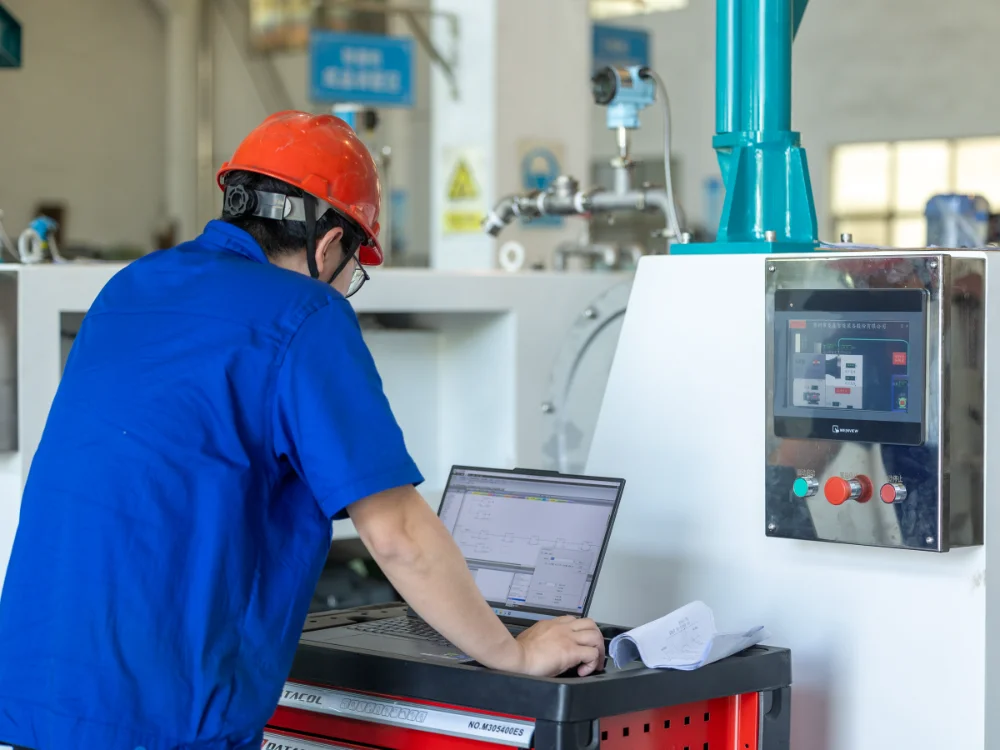
An intelligent control system can automatically optimize operating parameters such as feed rate, drying time, calcination temperature, and kiln rotational speed according to material characteristics, process requirements, and equipment status, improving production efficiency and product quality.
Fault warning and diagnosis:
A comprehensive fault-warning and diagnostic system can monitor and analyze equipment status in real time. When abnormal conditions or faults occur, the system can issue timely alarms and provide diagnostic information to help operators perform maintenance and repairs, reducing downtime and maintenance costs.
(5) Process-parameter optimization
Optimized drying parameters:
A detailed study of the drying characteristics of iron phosphate can help determine optimal drying temperature, drying time, air velocity, and other parameters. Optimizing these parameters improves drying efficiency and lowers the material’s moisture content while helping prevent performance degradation or agglomeration caused by overdrying.
Improved calcination parameters:
The effects of calcination temperature, calcination time, heating rate, and other parameters on iron phosphate performance can be studied to determine optimal conditions. For example, a staged calcination process can apply different heating rates and holding times at different temperature stages, allowing the material to react and crystallize fully and improving crystallinity and purity.
(6) Waste-heat recovery
Installation of waste-heat recovery equipment:
Waste-heat recovery units such as waste-heat boilers or heat exchangers can be installed in the exhaust ducts of the dryer and rotary calcination kiln. Heat from high-temperature exhaust gas can be recovered and used to preheat air, heat water, or supply other thermal requirements, improving energy utilization and reducing production costs.
Optimized system flow:
The overall process flow of the drying and calcination system can be optimized, with the positions and connections of waste-heat recovery equipment arranged to ensure effective heat recovery without affecting normal equipment operation or product quality.
(7) Enhanced environmental measures
Exhaust-gas treatment:
High-efficiency exhaust-gas treatment equipment, including dust collectors, desulfurization towers, and NOx abatement systems, can be installed to treat emissions from drying and calcination. This reduces the discharge of pollutants such as particulate matter, sulfur dioxide, and nitrogen oxides.
Dust recovery:
Dust-collection devices such as cyclone separators and bag filters can be installed at various process stages to capture and recover generated dust. This reduces environmental pollution while recovering material and lowering production costs.