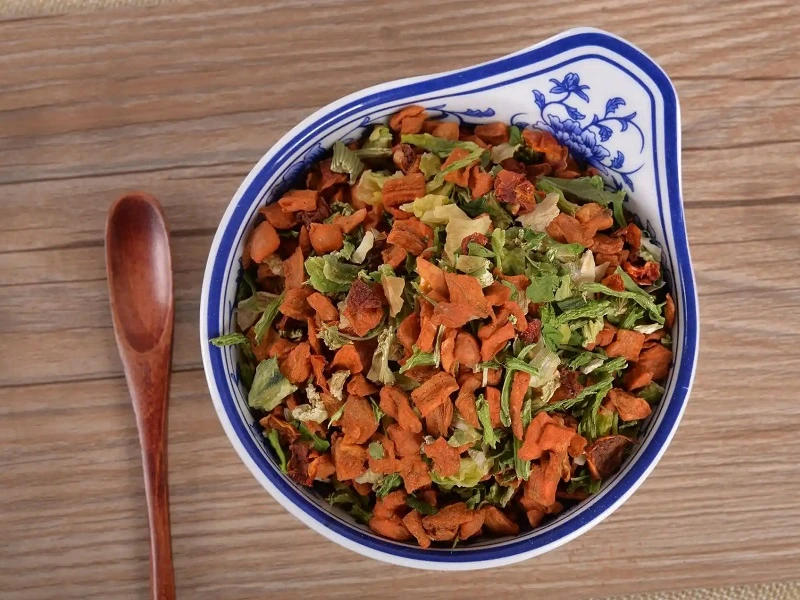
Dehydrated vegetables are dried products made by processing fresh vegetables through controlled dehydration to remove most of their moisture. Dehydration significantly reduces the weight and volume of vegetables, making storage, transportation, and distribution easier while extending shelf life to a certain extent. Although a large amount of water is removed during processing, many important nutrients remain, including vitamins such as vitamin C and B vitamins, minerals such as potassium, calcium, and magnesium, and dietary fiber. Because the water content is reduced, the remaining nutrients become more concentrated on a dry-weight basis. Fresh spinach, for example, contains approximately 30 mg of vitamin C per 100 g, while dehydrated spinach has a higher vitamin C content when calculated on a dry-weight basis. As a result, a relatively small quantity of dehydrated vegetables can provide a concentrated source of nutrients.
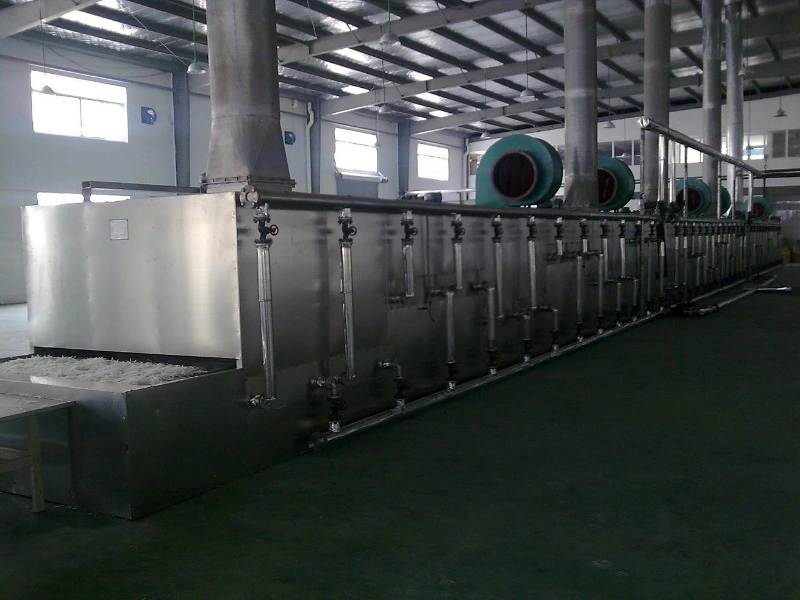
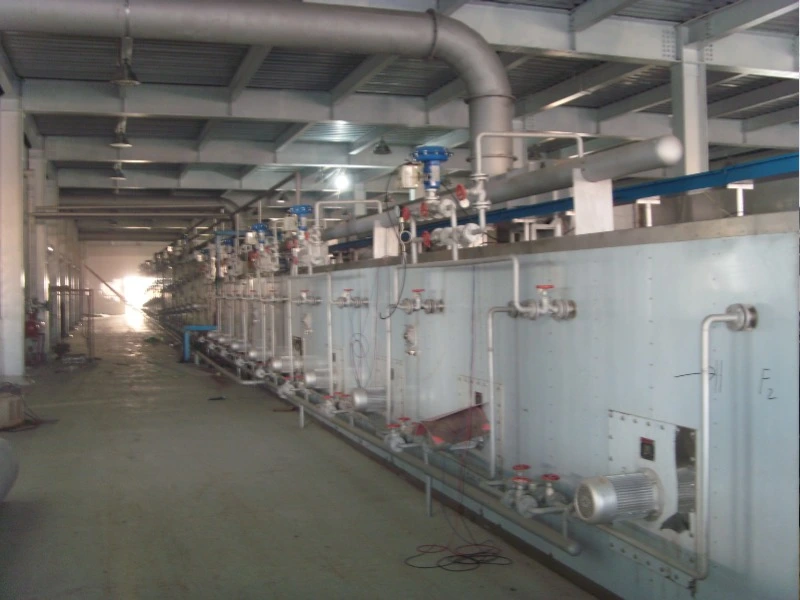
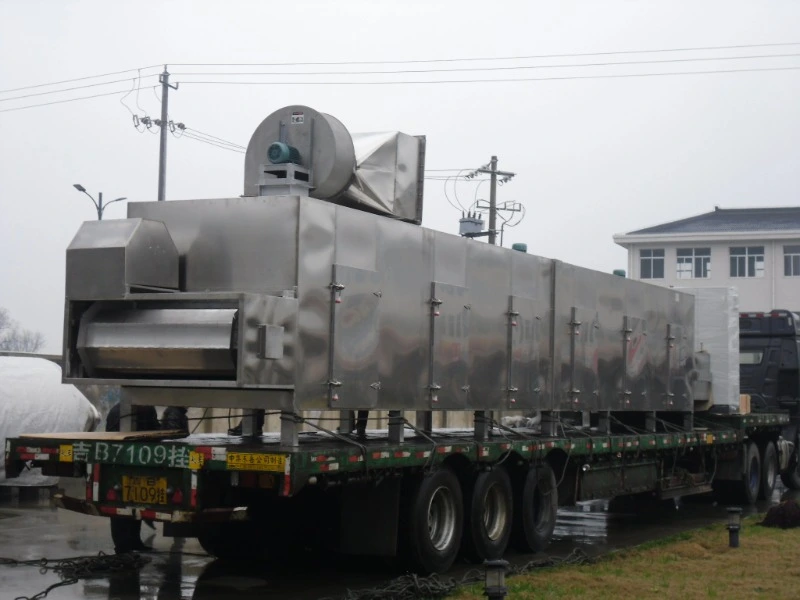
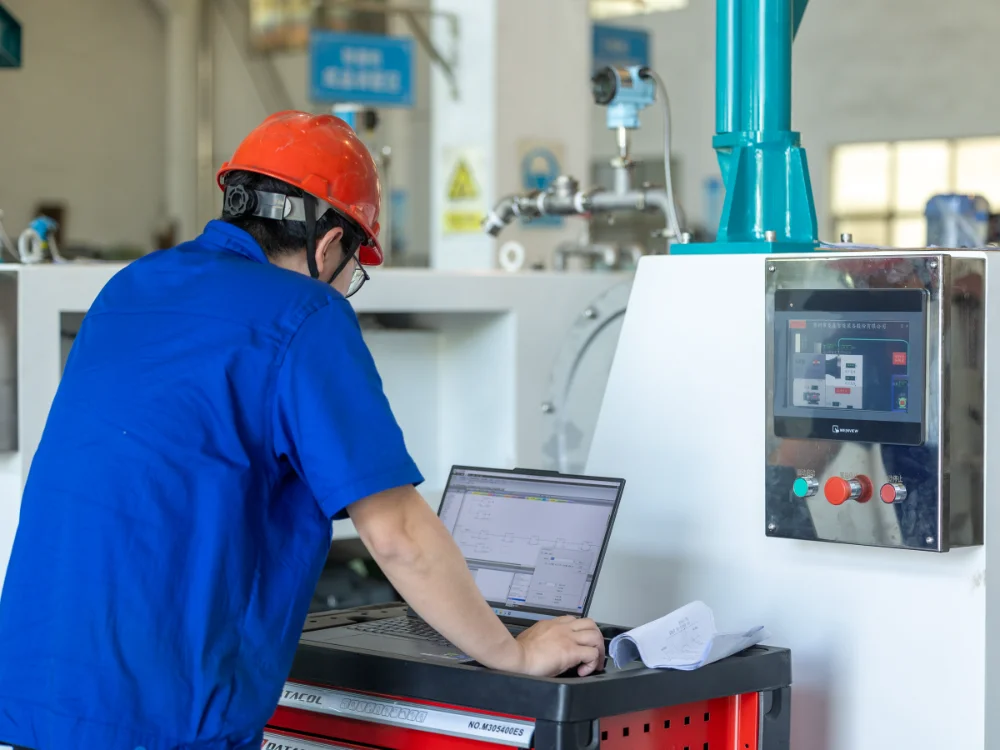
As the applications for dehydrated vegetables continue to expand, demand for low-temperature belt dryers is expected to grow. Jiangsu Longxin continuously improves and optimizes its low-temperature belt dryer for dehydrated vegetables by upgrading the heating, ventilation, and material-conveying systems. These improvements distribute heat more evenly across the material surface, accelerate moisture evaporation, and reduce energy consumption, thereby improving drying efficiency and product quality. The new low-temperature belt dryer uses intelligent control technology, with advanced sensors, controllers, and automation software to provide real-time monitoring and precise control of temperature, humidity, air velocity, material-layer thickness, and other process parameters. This improves production efficiency and product-quality consistency, reduces labor costs and physical workload, and supports intelligent production management.
Low-Temperature Belt Dryer for Dehydrated Vegetables — Working Principle
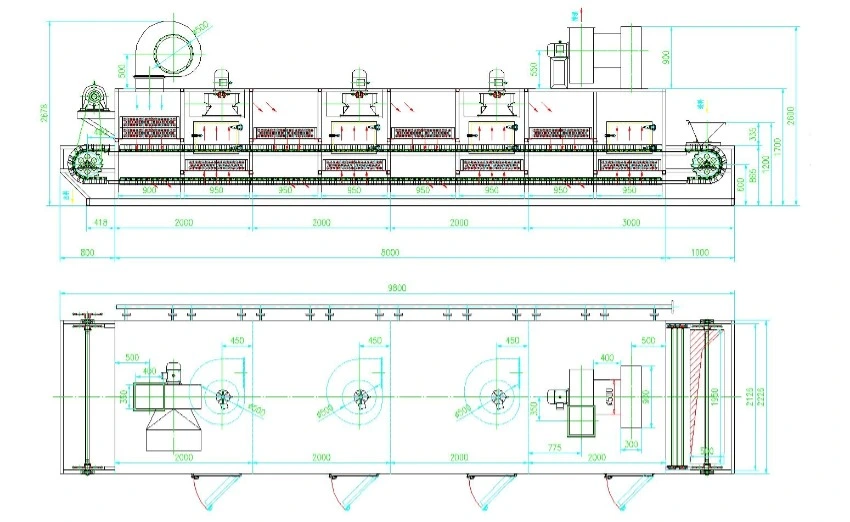
1. Air Heating and Circulation System
Air first passes through an air filter, which removes dust, impurities, and other particles to ensure that only clean air enters the dryer. The air then enters a heater, where steam, electric heating, or another heating medium such as thermal oil supplies the required heat. The heated air is generally maintained at a relatively low temperature, typically around 40–80°C, to prevent high temperatures from damaging the nutritional value, color, and flavor of the vegetables.
The heated air is delivered to the drying chamber by a circulation fan, which ensures uniform distribution of hot air throughout the chamber and maintains an appropriate airflow velocity. The circulation system continuously recirculates the hot air, improving energy utilization while maintaining a stable drying temperature.
2. Material Conveying System
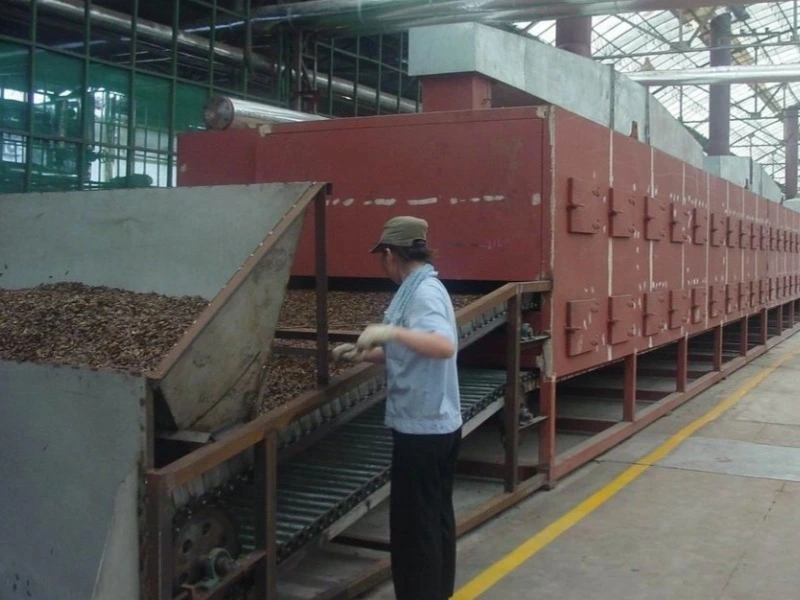
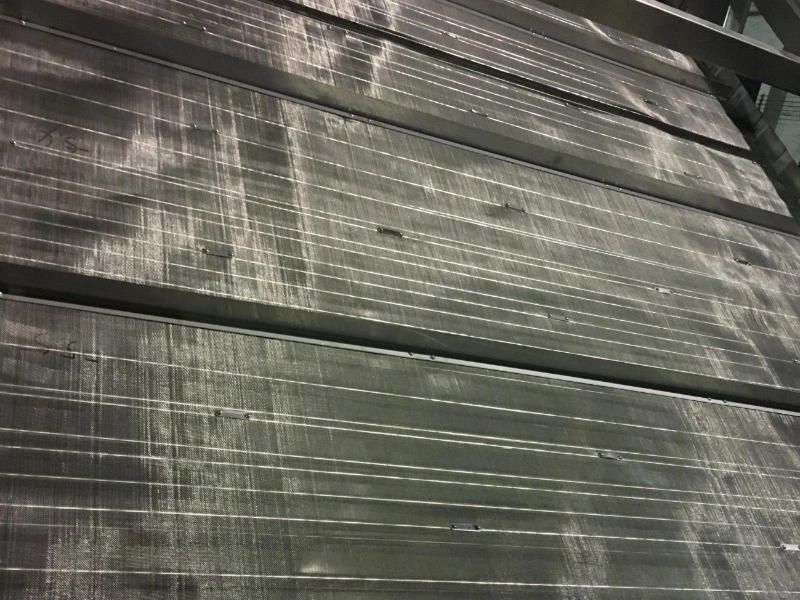
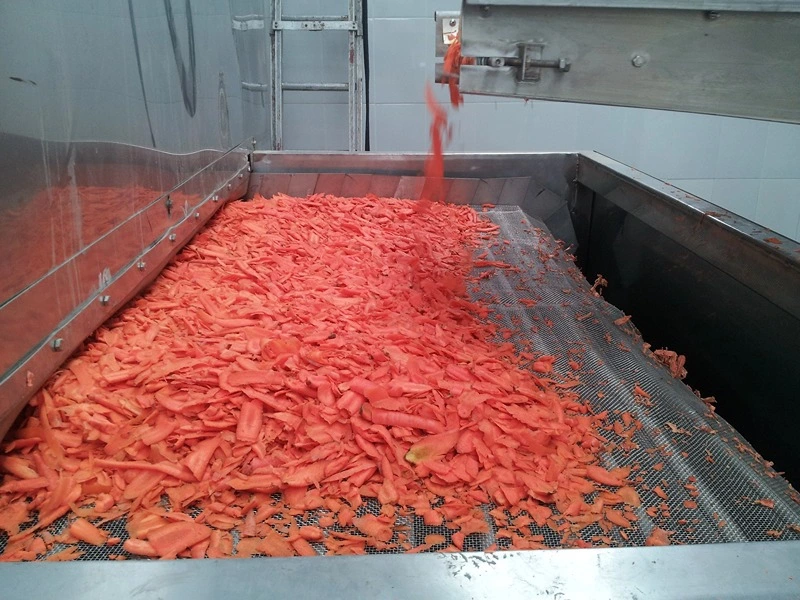
The vegetables are spread evenly onto a conveyor system consisting of one or more belts. The belts are generally made of high-temperature-resistant and corrosion-resistant materials, such as stainless steel wire mesh or polyester fiber belting, to ensure that they do not react chemically with the vegetables during prolonged drying and can withstand the required load and friction.
The conveyor belt moves slowly at a controlled speed, carrying the vegetables from the dryer inlet to the outlet. During this process, the vegetables pass through different zones of the drying chamber, ensuring sufficient contact with the hot air and uniform drying.
3. Drying Process
As the vegetables enter the drying chamber on the conveyor belt, heat and moisture are exchanged between the hot air and the material surface through convection. The hot air transfers heat to the vegetables, causing moisture inside the vegetables to absorb heat and evaporate into water vapor. Because the hot air has a relatively low humidity, the water vapor diffuses from the vegetable surface into the surrounding air.
As the conveyor belt continues to move, the vegetables remain in the drying chamber long enough for most of their moisture to evaporate. This drying process is slow and gentle. Low-temperature drying helps prevent surface hardening, nutrient loss, color changes, and other quality problems caused by high temperatures, thereby preserving the vegetables’ original quality more effectively.
4. Humidity Control and Moisture-Exhaust System
During drying, the humidity of the air inside the chamber gradually increases. To maintain drying efficiency, the dryer is equipped with humidity-control and moisture-exhaust systems. Humidity sensors continuously monitor the air inside the drying chamber and automatically activate the exhaust system when humidity reaches a preset threshold.
The moisture-exhaust system discharges a portion of the high-humidity air from the chamber while heated replacement air enters the system. This maintains the humidity inside the drying chamber within an appropriate range and ensures continuous, stable drying.
5. Discharge and Product Collection
The dried vegetables reach the dryer outlet on the conveyor belt after their moisture content has been reduced to the required level. The finished dehydrated vegetables can fall directly from the outlet into a collection container or be transferred by another conveying system to the next processing stage, such as a packaging area.
Low-Temperature Belt Dryer for Dehydrated Vegetables — Performance Features
1. High Product Quality
Effective nutrient retention:
Low-temperature drying, typically at 40–80°C, minimizes damage to vitamins such as vitamin C and B vitamins, minerals, bioactive compounds, and other nutrients compared with high-temperature drying systems. When spinach is dried, for example, low-temperature processing helps prevent substantial vitamin C loss, allowing the dehydrated spinach to retain high nutritional value.
Excellent color and flavor retention:
A low-temperature environment helps preserve the vegetables’ natural color and flavor. High temperatures can cause browning, damage color, and drive off volatile flavor compounds. This dryer helps dehydrated vegetables retain natural colors and rich vegetable aromas. Dehydrated broccoli, for example, can retain a bright green color, with texture and flavor closer to those of fresh vegetables.
Good rehydration performance:
Because the drying process is relatively gentle, the cellular structure of the vegetables is not severely damaged, giving the dehydrated products good rehydration properties. When soaked in water, they can absorb moisture relatively quickly and return to a condition close to that of fresh vegetables, allowing them to perform well in cooking and further processing.
2. Gentle Drying Process
Uniform temperature distribution:
The circulation fans distribute heated air evenly throughout the drying chamber, ensuring that vegetables at every position on the conveyor belt receive stable and uniform heat. This uniform temperature field prevents localized overheating and uneven drying, maintaining a stable drying environment and ensuring consistent product quality.
Minimal damage to vegetables:
The low temperature and stable drying conditions prevent physical damage such as surface hardening and internal cracking caused by high temperatures. This is particularly important for tender vegetables such as leafy greens, helping the dried products retain their complete shape and favorable physical properties.
3. High Efficiency and Energy Savings
High energy utilization:
The air-circulation system recirculates hot air and reduces heat loss. During operation, only a relatively small amount of supplemental heat is needed to compensate for heat lost through moisture exhaust and absorbed by the material. This improves energy efficiency and reduces drying costs.
High drying efficiency:
Although the process uses low temperatures, appropriately designed drying-chamber structures, conveyor speeds, air-circulation parameters, and ventilation settings enable relatively high drying efficiency while maintaining product quality. The system can reduce vegetable moisture to the required level within a comparatively short time, meeting the requirements of large-scale production.
4. High Operational Flexibility
Multiple adjustable parameters:
Operators can adjust drying temperature, conveyor speed, air-circulation velocity, moisture-exhaust volume, and other parameters according to vegetable type, moisture content, texture, size, and target final moisture content. For vegetables with high moisture content, for example, conveyor speed can be reduced and exhaust volume increased to ensure effective drying.
Suitable for a wide range of vegetables:
The dryer can process leafy vegetables such as spinach and lettuce, root vegetables such as carrots and radishes, and fruit vegetables such as tomatoes and peppers. With appropriate parameter adjustments, it can achieve effective drying results and meet the dehydration requirements of different vegetable varieties.
5. High Level of Automation
Intelligent control system:
An advanced automatic control system continuously monitors and controls key drying parameters such as temperature, humidity, and air velocity. Data collected by sensors enables the control system to adjust operating conditions automatically and maintain optimal drying performance. When chamber humidity exceeds the set value, for example, the system automatically activates the moisture-exhaust device.
Reduced manual intervention:
Automated operation improves production efficiency while reducing errors and physical workload associated with manual operation. Operators only need to set the required parameters on the control panel. The equipment then operates automatically and provides timely alarms in the event of abnormal conditions, facilitating maintenance and corrective action.
6. Hygiene and Environmental Performance
Easy cleaning and maintenance:
The equipment has a well-designed structure, and components such as the drying chamber and conveyor belts are easy to clean without excessive accumulation of vegetable residue or dirt, meeting food-processing hygiene requirements. When switching between production batches or vegetable varieties, the equipment can be conveniently cleaned and sanitized to prevent cross-contamination.
Favorable environmental performance:
Low-temperature drying reduces the exhaust emissions associated with high-temperature processing. The equipment also operates at low noise levels, minimizing environmental disturbance. In addition, efficient energy utilization helps reduce the environmental pressure associated with energy consumption.
Gentle Low-Temperature Drying for Superior Quality and Energy Efficiency
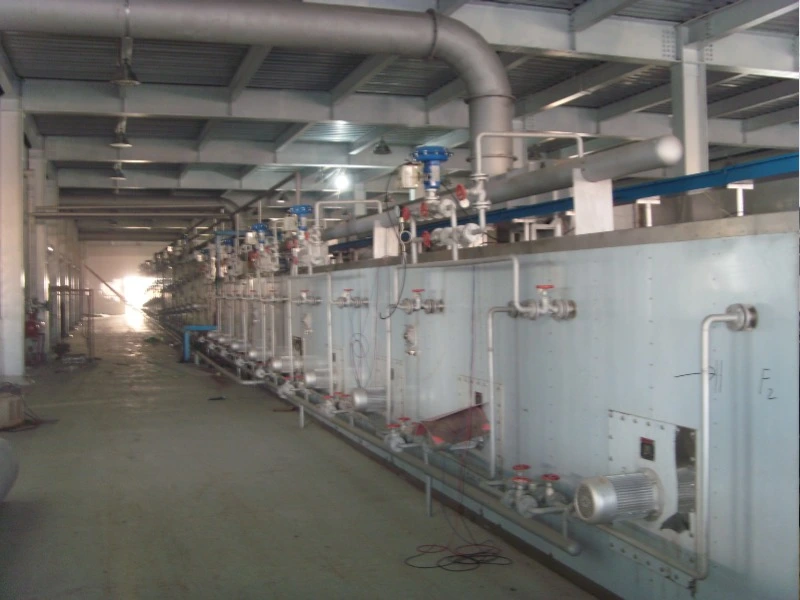
The low-temperature belt dryer combines uniform hot-air circulation and precise humidity control with adjustable conveyor speed to gently dry a wide range of vegetables. Operating at 40–80°C, it helps preserve nutrients, natural color, flavor, and rehydration performance while reducing heat damage. Recirculated air, intelligent automation, and controlled moisture exhaust further improve energy efficiency, product consistency, and continuous production flexibility.