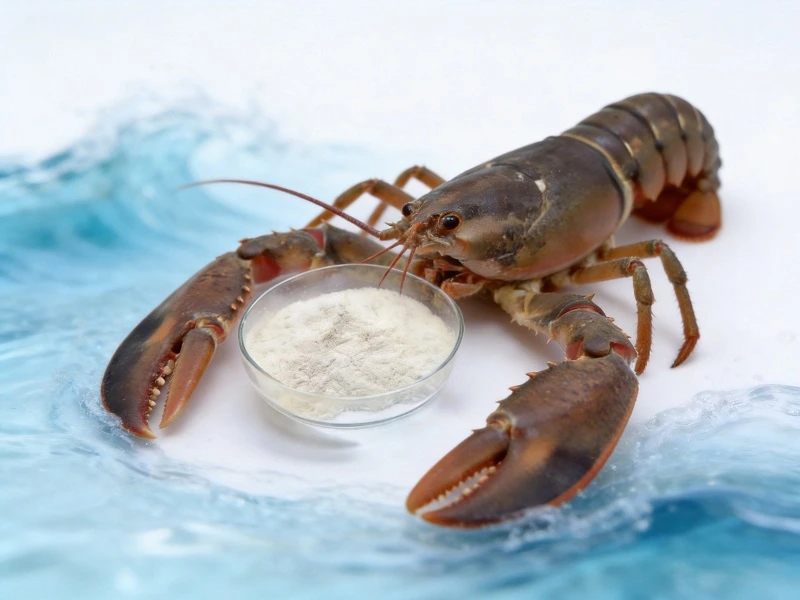
As natural cationic polysaccharides derived from marine crustaceans, chitosan and its related marine polysaccharide biomaterials—including chitosan polysaccharides, functional chitosan, carboxymethyl chitosan, and water-soluble chitosan—have become key raw materials in pharmaceuticals, food, cosmetics, water treatment, agriculture, and other industries. Their excellent biocompatibility, biodegradability, antimicrobial properties, and film-forming ability have driven continuous growth in market demand. High-end development, functionalization, and green manufacturing have become core trends in the industry.
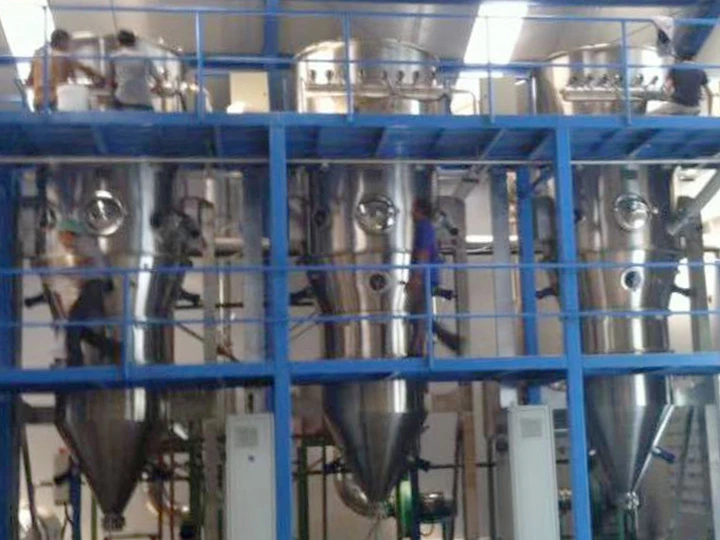
Longxin Drying has extensive experience in drying equipment for sugar alcohols and biological polysaccharides. Addressing the challenges across the entire chitosan extraction and drying process, the company has developed a dedicated chitosan closed-loop fluidized-bed dryer. Built around fully enclosed operation, inert-gas processing, efficient heat and mass transfer, solvent recovery, and intelligent control, the system overcomes the limitations of conventional drying processes and provides safe, efficient, energy-saving, and compliant industrial drying solutions for the marine polysaccharide industry. It helps customers upgrade to high-quality, low-cost, and sustainable production.
Chitosan Industry Market Demand and Development Trends
1. Market Demand: Continued Expansion and Rapid Growth in High-End Applications
As the only naturally abundant alkaline polysaccharide, chitosan supports a value chain spanning industrial-grade, food-grade, pharmaceutical-grade, and cosmetic-grade products with high added value. The global market continues to grow steadily.
- In pharmaceuticals, demand is rising rapidly for chitosan-based hemostatic dressings, drug carriers, tissue-engineering scaffolds, absorbable sutures, and other products. The medical-grade chitosan market has an annual compound growth rate exceeding 10.5%.
- In agriculture, chitosan is used as a biological pesticide, seed coating, and soil conditioner, with the market expected to exceed USD 5.1 billion by 2032.
- In food, chitosan is used as a preservative, thickener, and dietary fiber. In cosmetics, it serves as a moisturizing, antimicrobial, and anti-allergy active ingredient, while in water treatment it is used as a high-efficiency flocculant. Application scenarios continue to expand.
In the domestic Chinese market, demand for medical-grade and functional chitosan is growing faster than demand for industrial-grade products. The market share of modified derivatives such as carboxymethyl chitosan and water-soluble chitosan continues to rise. High deacetylation degree, high purity, low residue, and low moisture content have become core product differentiators. These requirements place stringent demands on the precision, safety, and environmental performance of the drying stage.
2. Development Trends: Functionalization, Green Manufacturing, Intelligent Operation, and Regulatory Compliance
- High-end products:
Medical-grade chitosan with a deacetylation degree above 90%, precisely controlled molecular weight, and residual organic solvent content of no more than 1,500 ppm is becoming mainstream. Its heat sensitivity and susceptibility to oxidation require low-temperature, oxygen-free drying. - Green processes:
Recovery of organic solvents such as ethanol, zero exhaust emissions, and reduced energy consumption are becoming key competitive advantages, aligning with environmental policies and dual-carbon goals. - Intelligent production:
GMP compliance, automated control, data traceability, and inline monitoring are becoming standard requirements for the pharmaceutical and food industries. - Application-specific equipment:
Because chitosan has high viscosity, tends to cake, contains solvents, and is heat-sensitive, dedicated drying systems are replacing general-purpose equipment.
Existing Chitosan Drying Processes and Key Challenges
The standard chitosan extraction process is as follows: pretreatment of Rhizopus oryzae mycelium → deproteinization with dilute alkali → washing to neutral → deacetylation with concentrated alkali → washing to neutral → extraction with acetic acid → pH adjustment and precipitation → ethanol washing → drying → finished product. As the final key process step, drying directly determines product moisture, residual solvent, color, activity, and yield. Current mainstream processes face several limitations.
1. Vacuum Drying: Common but Inefficient
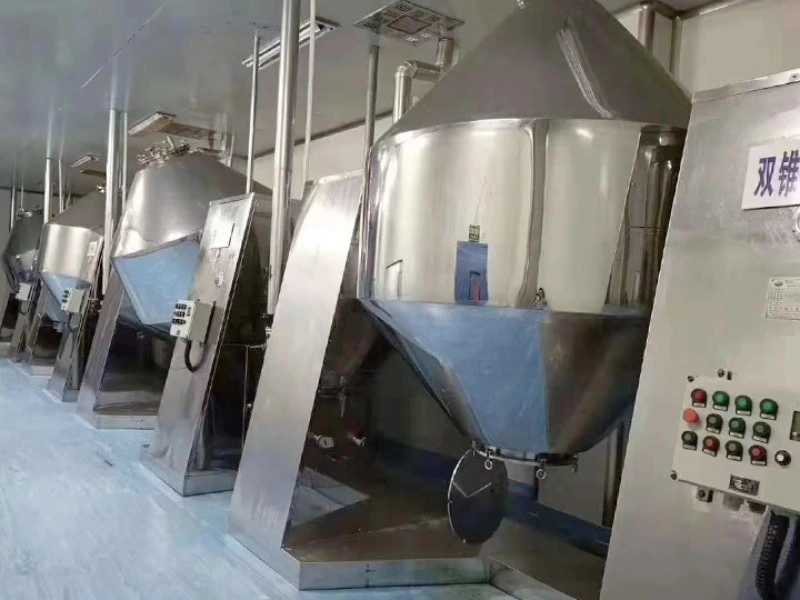
Vacuum drying is currently the mainstream choice for chitosan. Its low-temperature environment is suitable for heat-sensitive materials and helps prevent high-temperature degradation.
- Static drying provides no material turning or fluidization. Material stacking leads to uneven heat and mass transfer, allowing the surface layer to dry quickly while solvent and moisture inside the material are difficult to remove. Drying time is long and energy consumption is high.
- The process is prone to caking, uneven dryness, excessive moisture, and high residual solvent, making it difficult to meet pharmaceutical-grade residual-alcohol requirements.
- The equipment has no solvent recovery system. Ethanol evaporates directly, wasting raw materials and causing environmental pollution.
2. Spray Drying: Limited Applicability and High Quality Loss
- Spray drying is fast, but inlet-air temperatures of 120–180°C can deactivate chitosan amino groups and cause degradation and discoloration. It is unsuitable for high-viscosity liquids and heat-sensitive functional chitosan.
- The process produces a broad particle-size distribution, a high proportion of fine powder, low yield, and substantial material loss.
- Solvents cannot be recovered, and exhaust emissions may not meet standards, making the process difficult to align with GMP and environmental requirements.
3. Freeze Drying: High Cost and Limited Scalability
Freeze drying preserves activity to the maximum extent, but equipment investment and operating costs are extremely high, and batch capacity is small. It is suitable mainly for laboratories and high-value micro-samples and cannot meet the requirements of large-scale industrial production or support rapid capacity expansion.
4. Common Challenges Across Existing Processes
- High safety risk:
Wet chitosan after ethanol washing contains 15%–20% alcohol. Evaporation during the initial drying stage can form an explosive gas mixture. Conventional equipment lacks explosion and static protection, creating fire and explosion hazards. - Unstable product quality:
Uneven heat transfer, localized overheating, and oxidative discoloration can reduce deacetylation degree and biological activity and cause large batch-to-batch differences. - Environmental noncompliance:
The absence of solvent recovery and direct exhaust discharge conflict with environmental regulations and create the risk of penalties. - High energy and production costs:
Long drying times, low thermal efficiency, and high energy consumption increase manufacturing costs. - Insufficient regulatory compliance:
The lack of inline monitoring, data traceability, and explosion-protection design makes GMP compliance difficult.
Chitosan Closed-Loop Fluidized-Bed Dryer — Working Principle
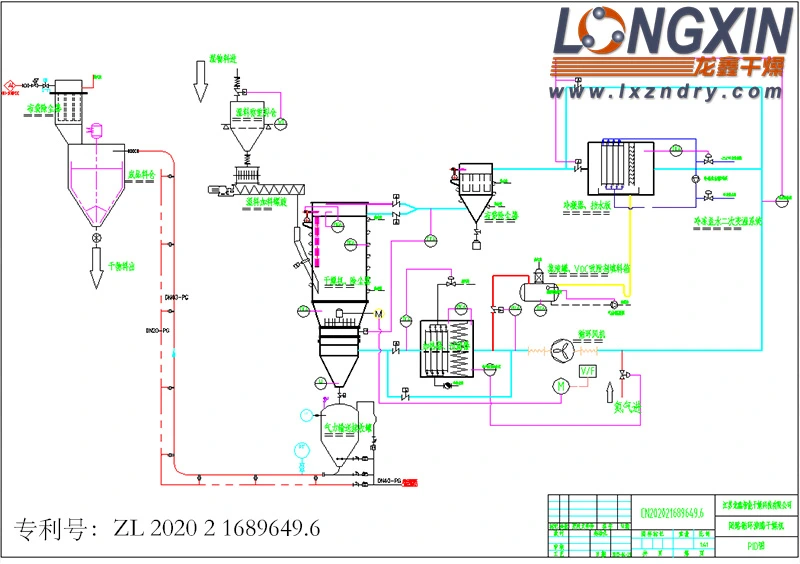
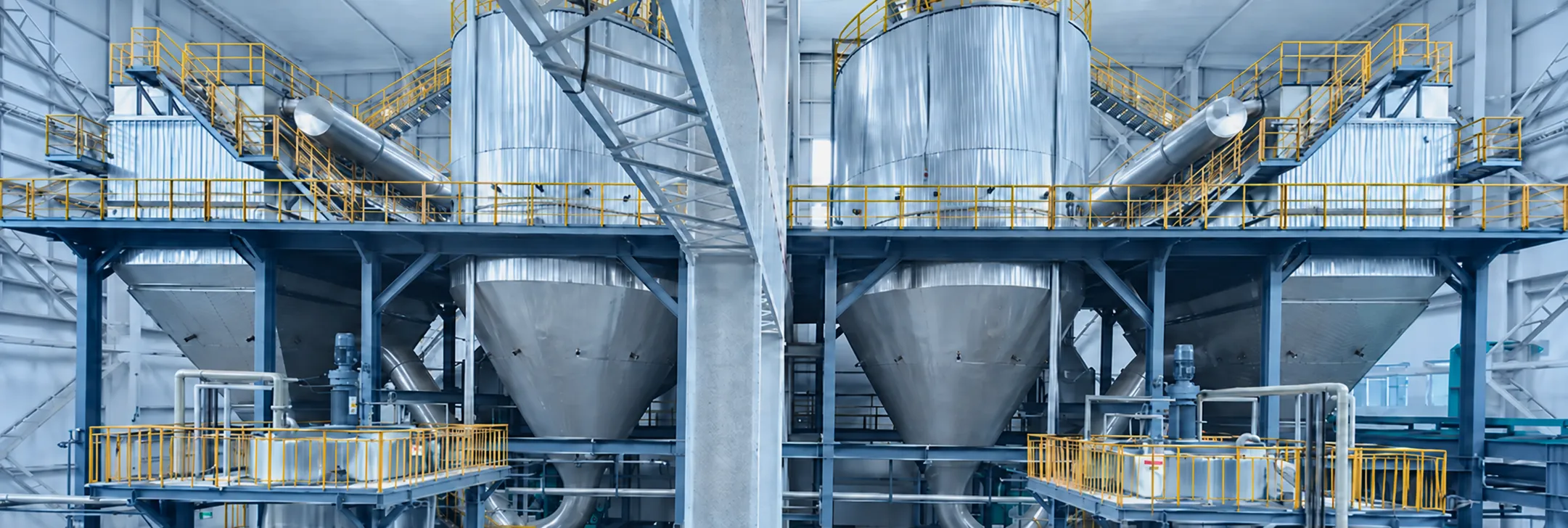
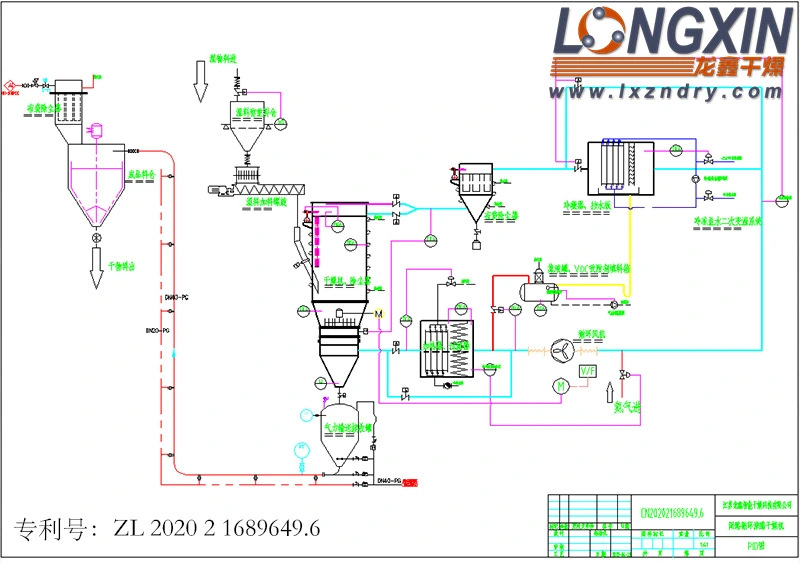
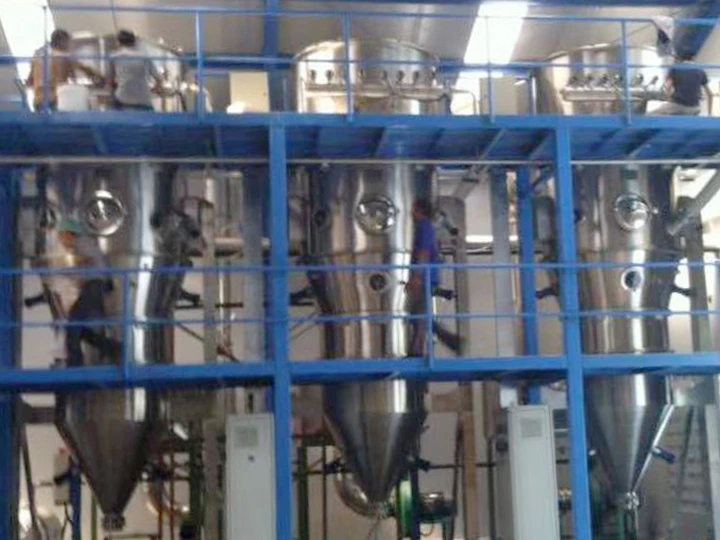
The Longxin chitosan closed-loop fluidized-bed dryer combines fully enclosed nitrogen circulation, highly efficient fluidized heat and mass transfer, solvent condensation and recovery, intelligent explosion protection, and static protection. It is designed for wet chitosan containing ethanol and addresses the material’s heat sensitivity, tendency to cake, and high viscosity, enabling safe, efficient, high-quality drying.
1. Core Process Flow
- Enclosed feeding and nitrogen purging:
Ethanol-washed wet chitosan is transferred into the main drying unit through vacuum loading in a sealed system. The system automatically introduces nitrogen to displace air. Inline oxygen concentration is monitored and controlled, and high-oxygen conditions trigger an alarm and safety interlock, preventing the formation of explosive gas mixtures. - Nitrogen heating and fluidized drying:
Clean nitrogen passes through three-stage filtration—primary, intermediate, and high-efficiency—to meet Class D cleanliness requirements. It is then heated and enters the drying chamber uniformly through the bottom air-distribution plate, placing the chitosan particles in a fully fluidized state. The extensive gas–solid contact rapidly removes moisture and ethanol, shortening drying time. - Exhaust treatment and solvent recovery:
Nitrogen containing ethanol vapor passes through pulse-jet filter bags that capture fine powder and then enters a two-stage condenser. Ethanol is condensed into a liquid for recovery at a high recovery rate. After condensation and dehumidification, the nitrogen returns to the heating system for reuse, supporting zero exhaust emissions and comprehensive solvent recovery. - Inline monitoring and intelligent discharge:
The system continuously monitors inlet-air temperature, material temperature, outlet-air temperature, oxygen concentration, system differential pressure, airflow, and other parameters. Once drying targets are reached, the system shuts down automatically and discharges the product in a sealed manner, preventing dust contamination and material oxidation.
2. Core Principle Advantages
- Fluidized drying:
The material remains suspended without dead zones, heat- and mass-transfer efficiency is improved, and drying is uniform without caking. Finished products have low moisture and low residual alcohol. - Closed-loop nitrogen circulation:
The oxygen-free environment prevents oxidative degradation and discoloration of chitosan, preserves amino-group activity, and supports high-end pharmaceutical-grade products. - Closed-loop solvent recovery:
Ethanol is recovered and reused, reducing raw-material costs and eliminating exhaust emissions, aligning with green production requirements. - Fully enclosed GMP design:
The system prevents dust leakage, is easy to clean, and has no dead corners, meeting clean-production requirements in the pharmaceutical and food industries.
Chitosan Closed-Loop Fluidized-Bed Dryer — Performance Features
1. Safe and Reliable: Triple Explosion and Static Protection
- Inert-gas protection:
The fully enclosed system maintains a low oxygen concentration under a nitrogen atmosphere, eliminating the risk of explosions involving organic solvent vapors and dust. - Static-control system:
The main equipment is constructed from conductive 304 stainless steel, filter bags contain anti-static fibers, pipelines and flanges are bonded with copper braid, and the entire system is equipotential-grounded. Static is discharged rapidly to eliminate spark ignition sources. - Explosion relief and interlocks:
The main unit is equipped with a rupture disc for automatic pressure relief. If oxygen concentration exceeds the limit, temperature becomes abnormal, or differential pressure becomes excessive, the system automatically shuts off heating, stops operation, and activates an alarm.
2. Controllable Quality: Precise Temperature Control Preserves Activity
- Low-temperature precision drying with minimal temperature error prevents high-temperature degradation and preserves the deacetylation degree and biological activity of chitosan.
- Uniform fluidization without dead zones produces material with consistent particle size, a white color, no caking, and no cross-contamination. Batch stability is high, and the dryer is suitable for modified products such as carboxymethyl chitosan and water-soluble chitosan.
- Finished product characteristics include low moisture, low loss on drying, low residual alcohol, and high yield, meeting pharmaceutical-grade and food-grade requirements.
3. Green and Energy-Efficient: Solvent Recovery and Heat Recirculation
- Ethanol recovery is high, and recovered solvent can be returned directly to the washing process, substantially reducing raw-material costs.
- Closed-loop nitrogen circulation enables repeated heat utilization. Energy consumption is lower than that of vacuum drying, reducing operating costs.
- The fully enclosed process produces no exhaust or dust emissions and supports environmental acceptance and dual-carbon objectives.
4. GMP Compliance: Intelligent Automated Production
- The equipment uses 304 stainless steel. The internal surface is polished to Ra ≤ 0.4 μm, the external surface to Ra ≤ 0.8 μm, and all transitions use rounded corners to eliminate dead spots, facilitate cleaning, and prevent residue.
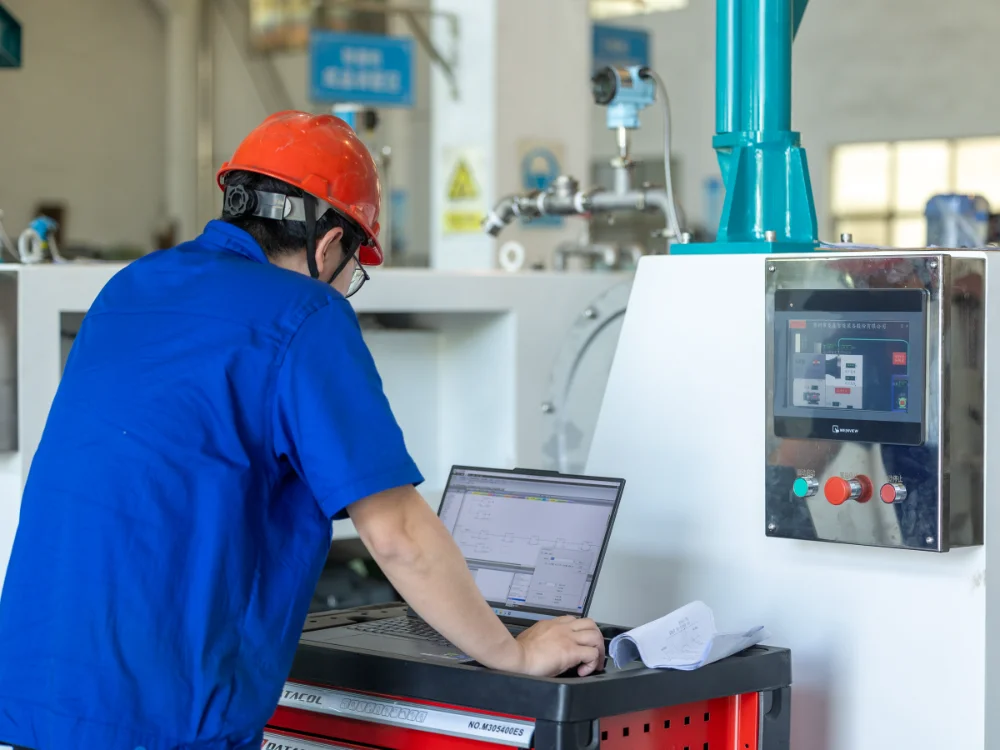
- PLC/DCS automatic control and a visual touchscreen interface provide inline monitoring, alarms, data recording, and audit trails for temperature, oxygen concentration, differential pressure, and airflow, supporting GMP validation requirements.
- A CIP inline cleaning system and quick-release piping make cleaning convenient and help prevent cross-contamination.
5. Broad Applicability: Full Chitosan Product Range
The dryer is suitable for chitosan, chitosan polysaccharides, functional chitosan, carboxymethyl chitosan, water-soluble chitosan, and other marine polysaccharide materials. Processing parameters can be customized according to material viscosity, particle size, and solvent content, and batch capacity can be configured flexibly for pilot-scale through large-scale industrial production.
Core Technical Improvements in the Longxin Chitosan Closed-Loop Fluidized-Bed Dryer
1. Process Improvements: Optimized for Chitosan Characteristics
- Upgraded fluidization distributor:
A spiral-inclined distribution plate creates an upward swirling airflow, resolving bed collapse and caking problems associated with high-viscosity wet chitosan. Fluidization is more uniform, with no dead zones or material accumulation. - Optimized low-temperature drying curve:
A gradient heating process matched to chitosan’s heat-sensitive characteristics uses low temperature for initial solvent removal and constant-temperature drying in the later stage. This balances drying efficiency and product quality while preventing activity loss. - Nitrogen reuse process:
An innovative closed-loop nitrogen circulation and reuse design reduces nitrogen consumption and the cost of maintaining an inert atmosphere.
2. Structural Improvements: Fully Enclosed, GMP-Compliant, Dead-Corner-Free Design
- Modified chamber lining:
Material-contact surfaces are lined with anti-static, corrosion-resistant PTFE with a thickness of at least 3 mm. The lining is easy to clean and prevents the release of metal ions. - Dual-stage pulse-jet dust removal:
The system combines sealed pulse-jet dust collection in the main unit with secondary sintered-filter-cartridge filtration. The quick-release, high-temperature-resistant, anti-static filter bags achieve high dust capture and improved product recovery. Reverse-pulse cleaning does not rely on negative pressure. - Enhanced inline monitoring:
Dual oxygen probes provide comparative real-time measurements. Pressure sensors are interlocked with the pressure-relief valve, and differential pressure across the filters is displayed inline to provide early warning of bag blockage and support continuous operation.
3. Control Improvements: Intelligent Interlocks Ensure Safety and Compliance
- Multiple safety interlocks:
If oxygen concentration is out of specification, the fan cannot start. Excessive temperature automatically cuts off heating, and excessive pressure triggers automatic pressure relief, supporting inherently safe operation. - Digital data management:
Permission management, data backup, audit trails, and report printing preserve complete production records and support compliance with GMP and FDA requirements. - Variable-frequency energy-saving control:
Variable-speed control of the circulation fan precisely matches airflow requirements, reduces energy consumption, and adapts to different batches and materials with varying moisture content.
4. Environmental Improvements: Solvent Recovery and Zero Emissions
- Multistage condensation recovery:
A stainless steel finned-tube condenser efficiently condenses ethanol, achieving a recovery rate of at least 95%. The recovered liquid meets purity requirements for direct reuse. - Water-film absorption and liquid sealing:
Exhaust gas passes through falling-film absorption and a water seal, helping maintain emission concentrations well below the lower explosive limit and supporting zero-pollution discharge.
Technical Value and Industry Impact
The Longxin chitosan closed-loop fluidized-bed dryer aligns with development trends in the marine polysaccharide biomaterial industry. It provides comprehensive value to customers producing chitosan, chitosan polysaccharides, functional chitosan, carboxymethyl chitosan, water-soluble chitosan, and related products:
- Safety value:
The system eliminates solvent-explosion, dust-explosion, and static-spark risks at the source, enabling intrinsically safe production. - Quality value:
Low-temperature, oxygen-free, uniform fluidized drying helps ensure high deacetylation degree, high activity, low residue, and low moisture, increasing product added value and market competitiveness. - Cost value:
Shorter drying times, lower energy consumption, and annual solvent-recovery savings deliver clear overall economic benefits. - Compliance value:
Full-process GMP design, intelligent monitoring, and data traceability help meet the requirements of the pharmaceutical and food industries. - Environmental value:
Zero exhaust emissions and solvent recycling align with environmental policies and support sustainable development.
The marine polysaccharide biomaterial industry is entering a golden period of high-end, large-scale, and green development. Drying equipment is a core factor determining product quality, cost, and safety and is critical for companies seeking to overcome technical bottlenecks and strengthen their market position. With the chitosan closed-loop fluidized-bed dryer as a core platform, Longxin Drying continues to advance drying technologies for sugar alcohols and biological polysaccharides. By integrating explosion protection, static control, solvent recovery, intelligent control, and GMP compliance, the company provides end-to-end solutions covering process design, customized equipment, installation and commissioning, validation, and operator training.
Looking ahead, Longxin Drying will continue to drive industrial upgrading through technological innovation, helping chitosan manufacturers address drying challenges, improve product quality, reduce production costs, and achieve compliant green manufacturing. Together with its customers, the company is advancing China’s marine polysaccharide biomaterial industry toward the mid- and high-end of the global value chain and building a nationally recognized Chinese brand in drying equipment for the sugar-alcohol industry.
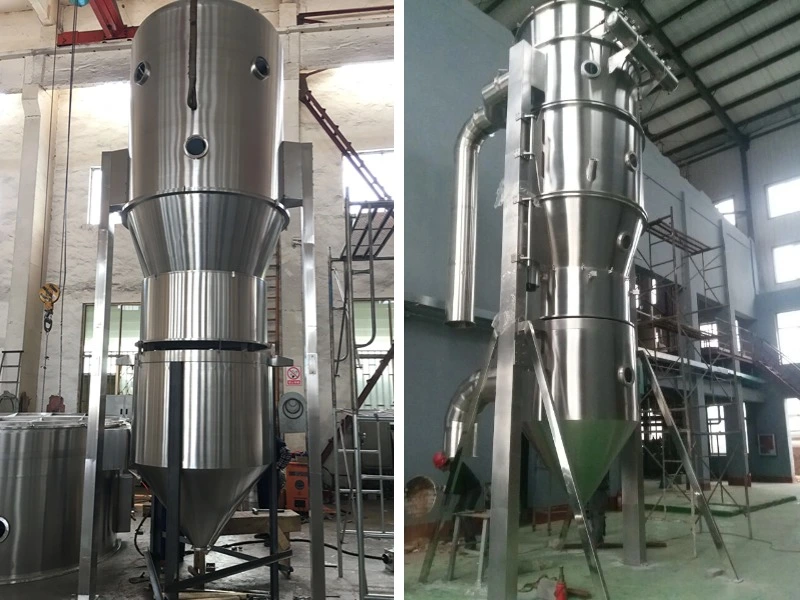
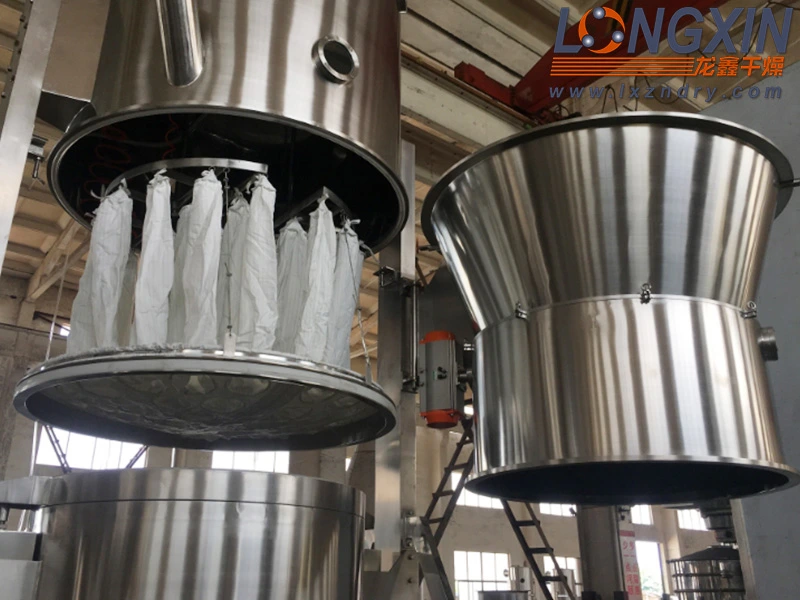
Closed-Loop Nitrogen Drying for Safe, High-Purity Chitosan Production
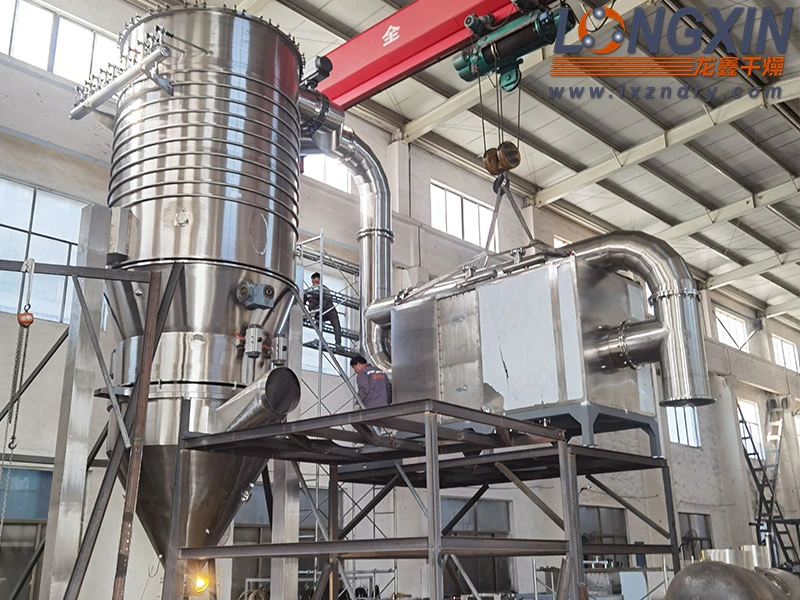
The closed-loop fluidized-bed dryer combines nitrogen circulation, precise low-temperature control, and uniform fluidization to protect chitosan’s activity, color, and deacetylation degree while minimizing moisture, residual solvent, and caking. Its integrated explosion and static protection, enclosed material handling, and inline monitoring support GMP-compliant production, while multistage condensation recovers at least 95% of ethanol and reduces energy use, emissions, and operating costs.