From Broken Rice to High-Value Ingredients: Integrated Equipment Solutions for Rice Protein, Peptides, and Starch
As one of the world’s largest rice producers, China generates vast quantities of broken rice, rice residue, rice bran, and other byproducts across the rice-processing value chain. For years, these materials have circulated primarily as low-cost feed ingredients, leaving their resource value significantly underestimated. At the same time, rapid growth in plant-based foods, special dietary products, sports nutrition, and infant complementary foods is driving strong demand for rice protein, rice protein peptides, rice oligopeptides, and food-grade rice starch—ingredients prized for low allergenicity, balanced amino acid profiles, and good digestibility. Conventional processing equipment, however, often falls short in separation and purification precision, drying loss, and product functionality, creating persistent bottlenecks in the high-value utilization of rice byproducts.
Longxin Drying has built extensive expertise in the development of extraction, separation, and drying equipment for plant-based ingredients. The company has developed an integrated rice protein purification, filtration, and washing system, complemented by a complete series of spray-drying and granulation towers. Together, these systems address the key process bottlenecks across the entire chain from broken rice to rice starch, rice protein powder, and rice protein peptides or oligopeptides, enabling rice byproducts to be recovered and converted into higher-value commercial ingredients at industrial scale.
Rice Reimagined: Converting a Staple-Processing Byproduct into a Cross-Industry Material
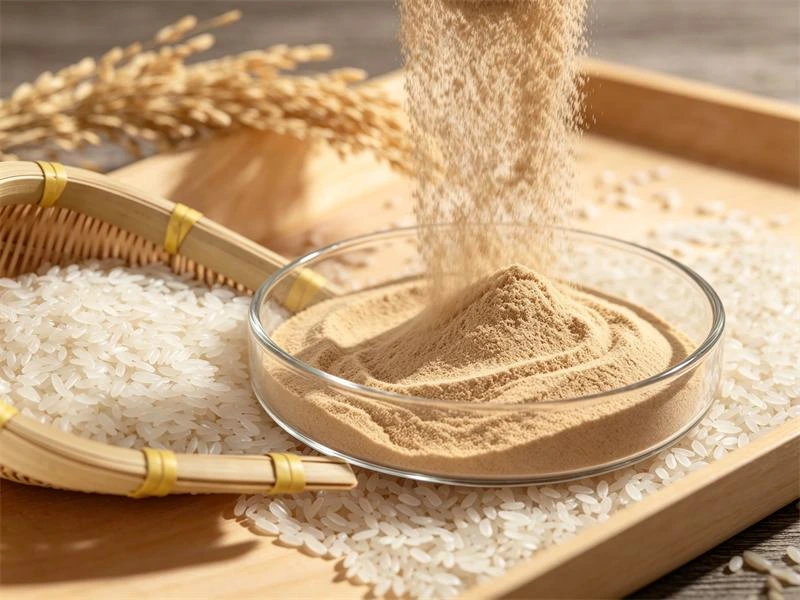
Broken rice can account for up to 10% of total output during rice milling. In conventional value chains, it is used mainly for winemaking, animal feed, and low-cost starch syrup, resulting in limited economic value, inefficient use of resources, and additional pressure related to waste disposal. From a nutritional and raw-material perspective, however, broken rice is an excellent composite feedstock from which rice starch and rice protein can be separated and converted into a broad range of high-value plant-derived ingredients. This creates a new economic model for the rice industry.
Rice Protein Powder: A Critical Ingredient for the Low-Allergen Plant Protein Market
Balanced nutrition and low allergenicity
The amino acid composition of rice protein closely aligns with the WHO/FAO reference pattern for ideal protein nutrition. It is gluten-free and free of common cereal allergens. Its true digestibility in infants reaches 88.8%, making it a globally recognized, hypoallergenic dietary protein that is suitable for a wide range of sensitive consumer groups, unlike soy and wheat proteins.
- Plant-based meat products: Leading international plant-based meat brands combine rice protein powder with pea protein to improve texture and overcome the pronounced off-flavors and dry, fibrous mouthfeel of formulations based solely on pea protein. This supports the development of clean-label plant-based meat and seafood.
- Sports nutrition supplements: Rice protein is rich in branched-chain amino acids and is used in powders and tablets for post-exercise muscle recovery. It is suitable for athletes and active consumers with lactose intolerance.
- Infant complementary foods: Its low-allergenicity profile makes it suitable for infant rice cereal, rice crackers, and fortified complementary-food powders, helping avoid the allergenic risks associated with wheat and dairy proteins.
- Clinical and special dietary foods: Rice protein can serve as a nitrogen-balance ingredient for people with impaired digestion, celiac disease, or wheat intolerance. It is widely used in postoperative support diets and adjunct nutritional products for osmotic diuresis.
Rice Protein Peptides and Rice Oligopeptides: Small-Molecule Functional Nutritional Ingredients
Targeted enzymatic hydrolysis converts rice protein into low-molecular-weight rice protein peptides and rice oligopeptides with a concentrated molecular-weight distribution. These peptides are absorbed much more efficiently than intact protein: their absorption rate is 20 times that of ordinary protein and 2–3 times that of amino acids. They also offer multiple physiological activities.
- They are rich in branched-chain amino acids, supporting fatigue resistance and muscle recovery in active consumers.
- Their high arginine content supports vascular function, making them suitable for health-food products positioned around blood-lipid management and blood-pressure regulation for middle-aged and older consumers.
- Their antioxidant and immune-regulatory activities can be leveraged in functional foods focused on healthy aging and microcirculation improvement.
- They contain no hormones or antibiotics and cause minimal irritation. Applications include children’s nutritional oral liquids and powders, as well as active ingredients for skin-care cosmetics.
Rice Starch: A Clean-Label, Multifunctional Food Base Ingredient
Rice starch granules measure only 3–8 μm, placing them in the smallest-particle category among natural starches. The starch has a smooth texture and develops a creamy, fat-like mouthfeel after gelatinization. It can therefore serve as a natural fat replacer, offering a neutral taste and strong gel stability across diverse applications.
- Infant foods and bakery products: Applications include gluten-free biscuits, cakes, infant puddings, and complementary-food pastes. Rice starch improves softness and helps extend shelf life.
- Plant-based food improvement: When added to plant-based meat and plant-based milk, it binds water and increases viscosity, helping replicate the succulent texture of meat and address the dry mouthfeel of plant-based products.
- Frozen foods and cold desserts: Applications include ice cream bars, ice cream, and frozen sauces. Rice starch can reduce fat usage and improve texture stability at low temperatures.
- Industrial and personal-care uses: Rice starch serves as a papermaking and textile sizing agent, a substrate for biodegradable films, and a raw material for edible packaging films, supporting the shift toward greener packaging.
- Carrier for food additives: It can carry emulsifiers, flavors, and nutrients, supporting clean-label production requirements.
The domestic rice protein market is growing at a compound annual rate above 16%. Demand for functional rice peptides and oligopeptides remains highly dependent on imported high-end ingredients, while domestic materials have historically been confined to lower-value markets because of shortcomings in purity, solubility, and granule formation. The core bottlenecks lie in purification and separation on the one hand, and drying and granulation on the other. Complete, high-end production systems are therefore a critical gap that must be addressed to support industry upgrading.
Industry Pain Points: The Purity, Quality, and Cost Challenges Facing the Rice Protein Value Chain
Broken-rice processing comprises four main stages: starch–protein separation, protein purification, targeted protein hydrolysis, and material drying and granulation. Conventional combinations of standalone equipment have systemic shortcomings that limit the development of high-end products.
Purification and Washing: Insufficient Purity, High Ash Content, and Significant Losses
- Conventional centrifuges and basic filtration systems provide only coarse separation. Starch, cellulose, lipids, and other impurities in broken rice or rice residue are difficult to remove thoroughly. The resulting rice protein powder generally has a low protein content, while ash and residual sugar levels exceed applicable limits, preventing the product from meeting national standards for special dietary and infant foods.
- Conventional processes require multiple washing and separate processing steps, consuming large volumes of water. Protein solids are also lost at a high rate, leaving the overall raw-material yield below 70%.
- In alkaline extraction, basic separation equipment can cause protein denaturation and yellowing. In enzymatic processing, proteins may become encapsulated by impurities, substantially reducing solubility and restricting applications in beverages and instant powders.
Peptide Drying: Heat-Sensitive Materials Are Prone to Inactivation and Poor Solubility
- Rice protein peptides and oligopeptides are highly heat-sensitive. Conventional hot-air ovens and general-purpose dryers expose them to heat for extended periods, causing peptide-chain cleavage and significant losses in functional activities such as antioxidant and antihypertensive effects.
- Conventional centrifugal spray dryers produce only fine powders with a high dust load and poor dispersibility. These powders cannot be converted directly into instant granules and require a separate granulation step downstream, adding processing costs and material losses.
- A single dryer cannot reliably process high-solids, high-viscosity enzymatic hydrolysates. Pipeline blockages and wall adhesion occur frequently, reducing product recovery.
Rice Starch Drying: Low Capacity, Severe Agglomeration, and High Energy Consumption
- Rice starch slurry has strong water-holding properties. Conventional dryers provide insufficient heat-transfer efficiency, and the resulting product is prone to agglomeration and uneven moisture distribution.
- Batch drying requires extensive manual intervention and produces significant variation in color and particle size between batches, making it difficult to ensure the consistency required for high-end food-grade starch.
- Exhaust heat is not recovered, leading to high steam and electricity consumption per unit of output and eroding manufacturer profitability.
Fragmented Equipment and Limited Automation
- Filtration, washing, drying, and granulation equipment on the market is generally supplied as separate standalone machines. Material transfer between stages can introduce microbial contamination and may not satisfy the clean-production requirements of food GMP systems.
- Independent equipment controls prevent coordinated adjustment of temperature, pH, solids content, and other parameters. Manual operating variability causes fluctuations in finished-product specifications and makes continuous, large-scale production difficult.
The Solution: An Integrated Filtration and Washing System Combined with a Complete Spray-Drying and Granulation Line
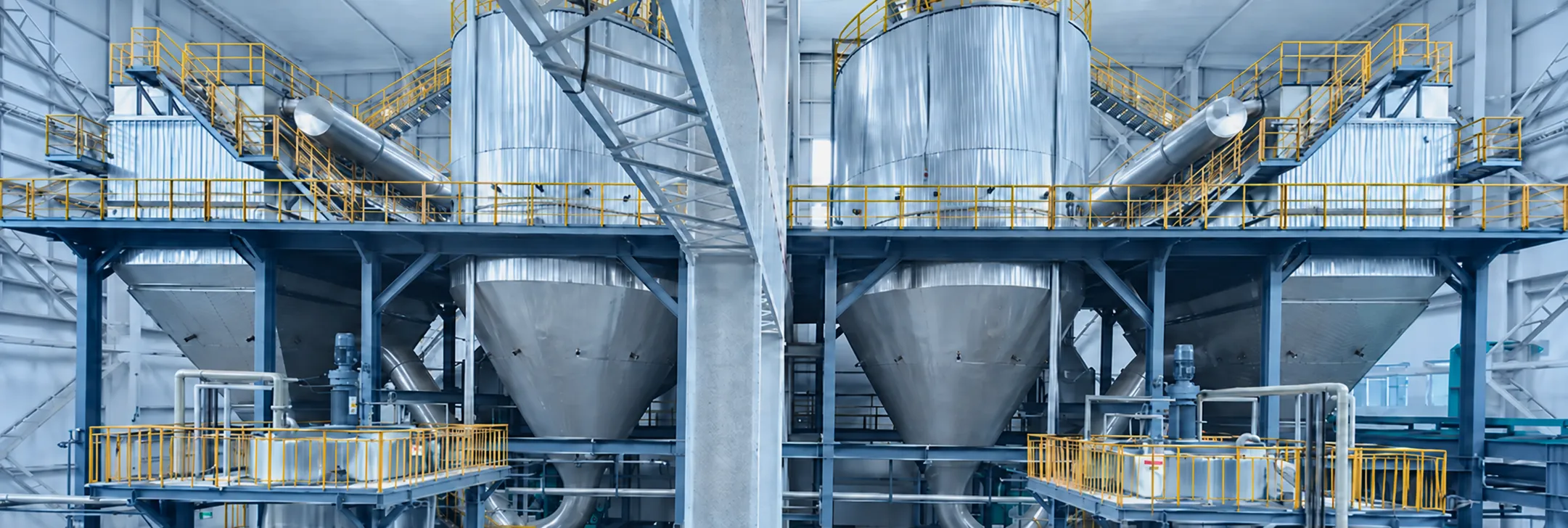
To address process challenges across the entire value chain for extracting starch, protein, and peptides from broken rice, Longxin Drying independently developed an integrated rice protein purification, filtration, and washing system. This system is paired with four core equipment platforms: the LPG Centrifugal Spray Dryer, YPG Pressure Spray Granulation Dryer, DPG Multistage Fluidized-Bed Spray Granulation Dryer, and Starch-Specific Flash Dryer. Together, they form an integrated production line covering front-end purification and refining, midstream drying and dehydration, and downstream granulation and forming, providing a single-source solution for the full range of broken-rice processing challenges.
Rice Protein Powder Purification: An Integrated Filtration and Washing System for High-Purity Upstream Processing
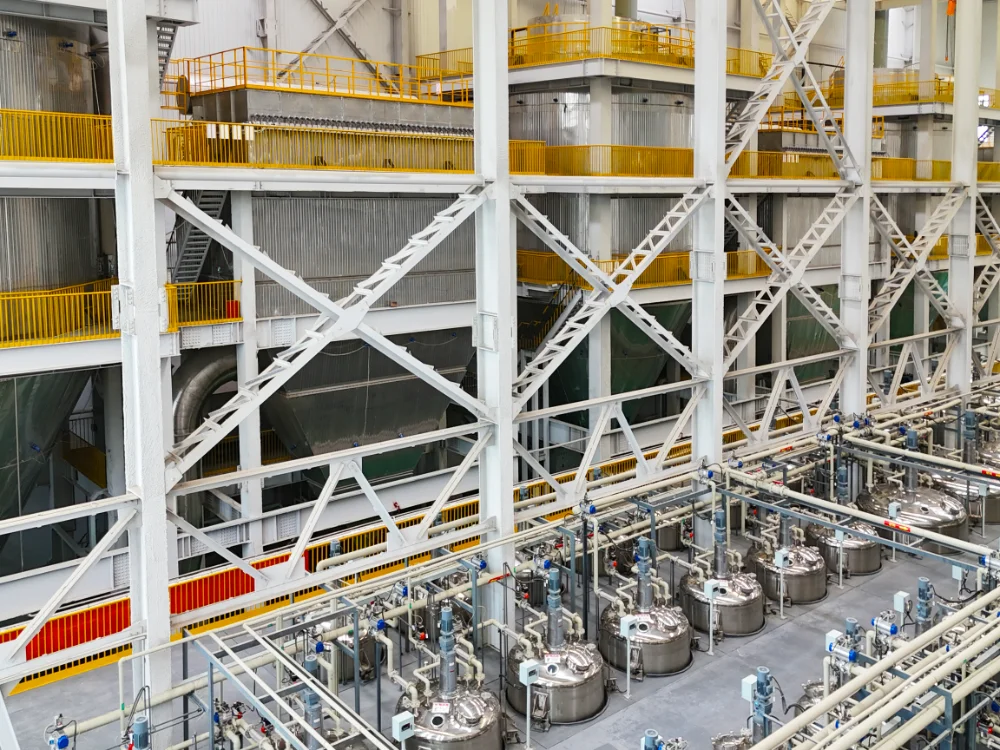
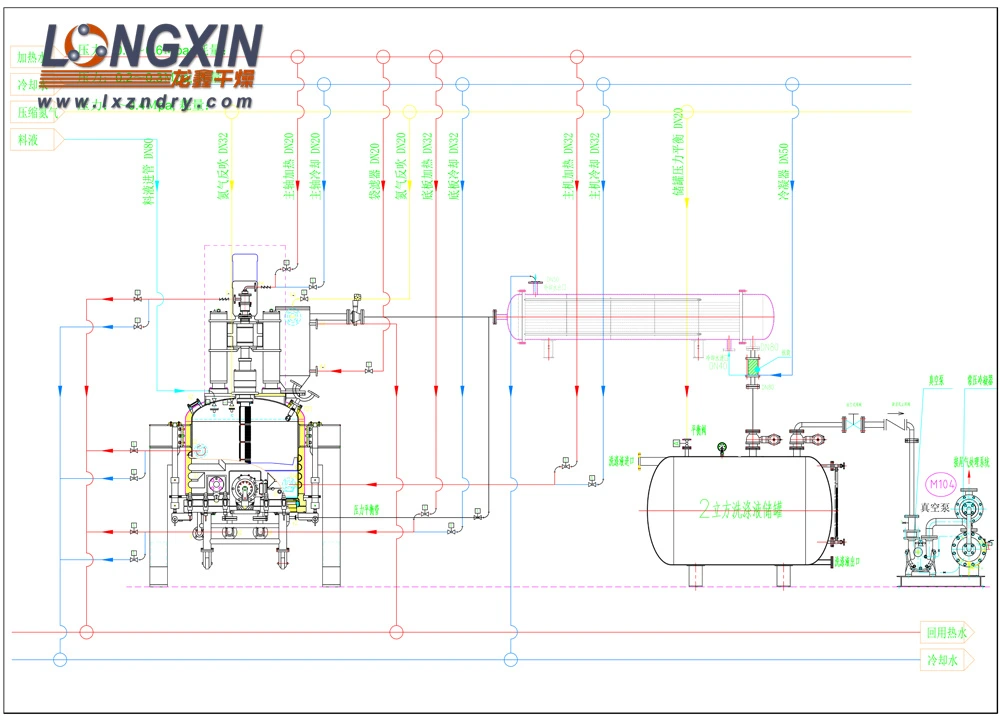
The Longxin Integrated Rice Protein Purification, Filtration, and Washing System supports enzymatic, alkaline, and hybrid extraction processes. It connects directly to the pretreatment stage for rice residue and broken rice and integrates multistage precision filtration, countercurrent water washing, solids concentration, and automatic residue discharge. It replaces conventional combinations of centrifuges and multiple washing tanks.
① Multistage classification and separation for higher finished-product purity
The system uses precision filter elements with a gradient pore structure to remove residual starch, cellulose, free lipids, and soluble reducing sugars in stages. A multistage countercurrent washing design controls the soluble solids in the wash effluent. After processing, the crude protein has a consistently high protein content, low fat content, and substantially reduced ash content, meeting the material requirements for food-grade and special-dietary products.
② Low-loss, water-saving processing for higher raw-material utilization
The closed-loop washing system uses less water than conventional processes. Continuous solids recovery reduces protein-solids losses and improves overall raw-material yield. The system can also connect to the subcritical degreasing stage used in proprietary processes and integrate with sterilization and fine-grinding operations.
③ Gentle separation protects the native protein structure
Operating pressure and mixing intensity can be precisely adjusted to prevent protein denaturation caused by high mechanical shear. The resulting rice protein powder offers better solubility, emulsifying capacity, and foaming performance than products from conventional separation equipment, making it suitable for emulsifiers, instant nutritional powders, and other applications.
④ GMP-compliant hygienic design for continuous automated production
The system is constructed from 316L mirror-polished stainless steel and features a no-dead-corner design. It is equipped with a CIP clean-in-place system and closed material transfer to reduce the risk of microbial contamination. The PLC system connects with upstream enzymatic hydrolysis reactors and automatically regulates wash-water flow and the solid-to-liquid ratio, enabling continuous automated operation around the clock while reducing labor requirements.
Rice Protein Peptide and Oligopeptide Granulation and Drying: Three Spray-Drying Platforms for Different Quality Requirements
Following enzymatic hydrolysis, rice protein peptide and oligopeptide solutions have high viscosity and are highly heat-sensitive. Longxin offers three spray-drying platforms tailored to different product strategies, covering conventional powders, instant granules, and high-end functional peptide ingredients.
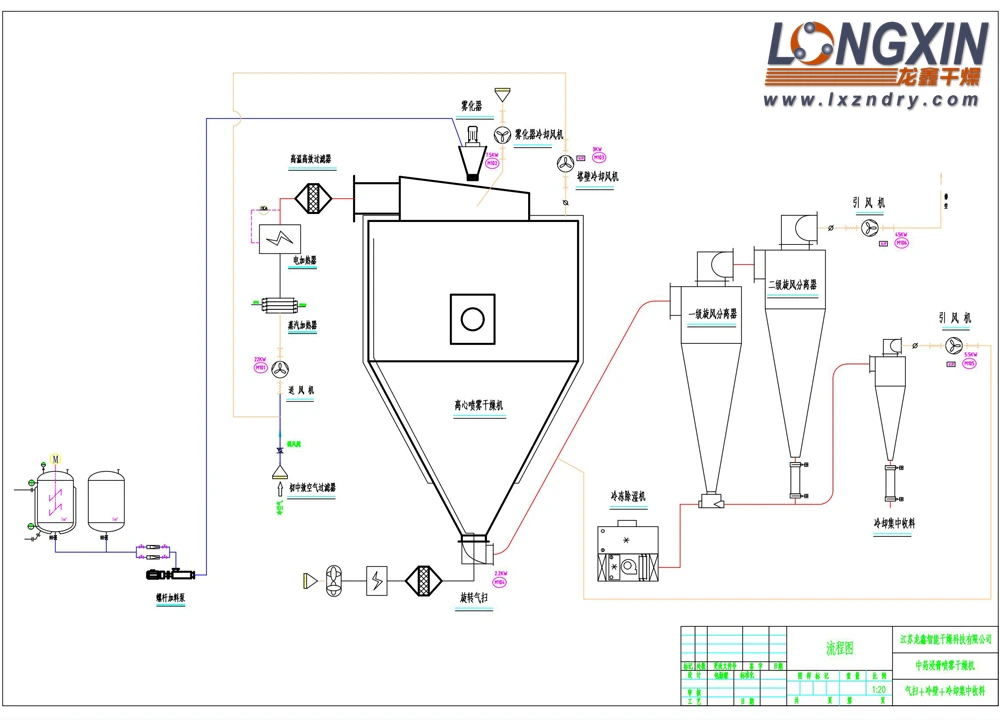
① LPG Centrifugal Spray Dryer: Low-temperature drying that preserves peptide bioactivity
- The parallel-flow instantaneous drying process atomizes the feed solution and completes moisture evaporation in only 3–15 seconds, minimizing heat exposure. Low-temperature inlet and exhaust air control strategies help prevent the thermal degradation of small-molecule peptides and preserve physiological activities such as ACE inhibition and antioxidant capacity.
- The system is suitable for small- and medium-scale peptide powder production. It produces hollow fine powders with good dispersibility and requires a moderate capital investment, making it appropriate for manufacturers of health-food and cosmetic ingredients.
- A heat-recovery system reduces energy consumption, while two-stage cyclone and bag-filter separation supports high material recovery.
② YPG Pressure Spray Granulation Dryer: Spherical instant granules formed in a single process
- A high-pressure diaphragm pump delivers the peptide solution, which is atomized under pressure into uniform droplets. Drying and granulation occur simultaneously, producing regular spherical granules with controllable particle size and moderate bulk density. The granules are dust-free and highly dispersible, eliminating the need for secondary granulation and making them suitable for sports-nutrition powders and solid ingredients for children’s oral liquids.
- The system supports both hot- and cold-air drying. Its low-temperature granulation mode provides a low discharge temperature and is suitable for highly active, heat-sensitive peptides.
- A modular vibrating fluidized bed provides secondary cooling, resulting in stable and uniform finished-product moisture and meeting clean food-production requirements.
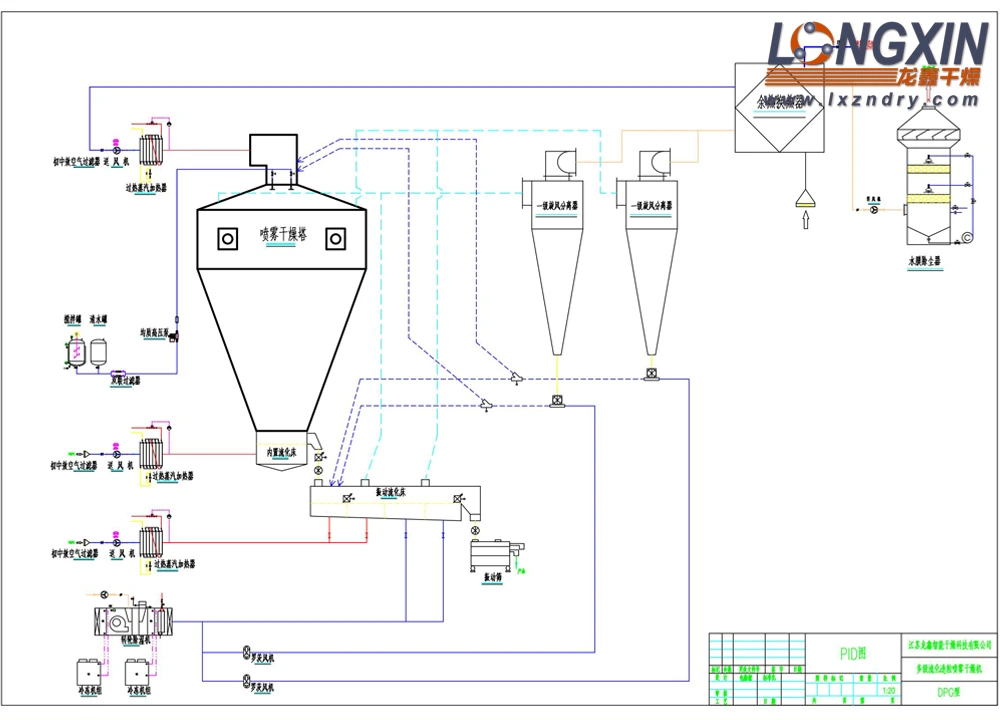
DPG Multistage Fluidized-Bed Spray Granulation Dryer: A Dedicated Platform for High-End Special Dietary and Infant Peptide Ingredients
- Longxin’s solution combines top-exhaust mixed-flow drying with an integrated fluidized-bed agglomeration structure. Fine particles are automatically returned to the atomization zone for secondary agglomeration, producing highly spherical granules with a narrow particle-size distribution and advanced solubility and flowability.
- The low-temperature, high-negative-pressure drying system substantially reduces the risk of thermal denaturation in proteins and peptides while improving the retention of vitamins and active peptides.
- An annular air curtain inside the tower reduces powder buildup, extending cleaning intervals while saving water, energy, and steam.
- The system is designed for high-value production lines for infant complementary-food peptides and premium oligopeptide ingredients for older adults, and is suitable for clean-production requirements applicable to exports to Europe and North America.
Efficient Rice Starch Drying: A Starch-Specific Flash Dryer Designed for Slurry Characteristics
Rice starch slurry separated from broken rice has a high moisture content and tends to agglomerate. Longxin’s Starch-Specific Flash Dryer optimizes the hot-air field and breaking structure for the fine particle size and gelatinization behavior of rice starch.
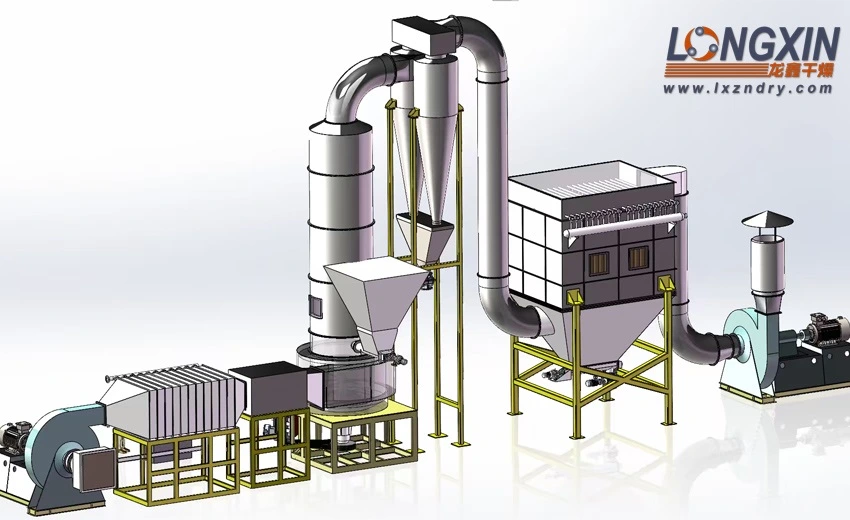
- A high-speed rotating breaker disperses wet starch agglomerates while a hot-air stream instantly removes moisture. The finished starch is loose and free-flowing, with high whiteness and uniform moisture.
- The system offers high heat-transfer efficiency and can process high-moisture starch slurry continuously without pre-drying, simplifying the production process.
- The resulting rice starch has a uniform particle size and stable gel performance. It is suitable for bakery products, frozen foods, and edible films, supporting large-scale production of both food-grade and industrial-grade starch.
Driving Innovation: Next-Generation Rice Protein Peptide Spray-Drying Technology
Longxin Drying has accumulated years of experience in drying equipment for plant-derived ingredients and has completed multiple technology iterations tailored to rice protein, peptides, and starch. These advances improve equipment performance across four dimensions—thermal efficiency, product quality, sustainable production, and intelligent control—helping rice processors build differentiated product advantages.
Gradient Temperature Control and Low-Temperature Drying Protect Nutritional Value
- All spray-drying systems are equipped with staged hot-air distribution, with separate temperature settings for drying and cooling zones to precisely control the maximum temperature experienced by the material.
- The DPG multistage fluidized-bed system uses a cold-air protective structure at the top of the tower and maintains low-temperature protection for returned fine particles throughout the process. This helps prevent high-temperature denaturation of rice proteins and peptides, as well as Maillard browning, yielding a bright white product without burnt or off-flavors and creating more room for premium product positioning.
Integrated Agglomeration and Granulation Address Instant Solubility Challenges
- Conventional dryers produce fine powders that tend to clump when reconstituted. Longxin’s pressure granulation and multistage fluidized-bed systems incorporate fine-particle recycling and agglomeration. The resulting granules have an internal capillary structure and dissolve rapidly in both cold and warm water.
- The technology is suitable for instant protein powders, solid beverages, and functional peptide powders. It eliminates downstream secondary granulation and screening, reducing material losses and equipment investment.
Integrated Energy-Saving and Environmental Design Reduce Long-Term Operating Costs
- All integrated systems come standard with exhaust-heat recovery exchangers that use residual heat in the exhaust air to preheat incoming air, reducing overall energy consumption.
- Dust-collection systems use multistage cyclone separators and pulse-jet bag filters to recover material and meet applicable national environmental-emission requirements.
- The integrated washing system recycles wash water, while low-wall-deposit dryer designs substantially reduce wastewater and solid-waste generation, supporting the green-production objectives of the grain-processing sector.
Fully Integrated Intelligent Control Ensures Consistent Batch Quality
- The complete line uses an integrated PLC central-control system to coordinate the filtration and washing system, enzymatic hydrolysis reactors, spray-drying towers, fluidized beds, and screening equipment. It continuously monitors critical parameters including feed-solution solids, pH, dryer inlet and outlet temperatures, atomization pressure, and fluidization air velocity.
- The system supports data storage, remote monitoring, and automatic fault alarms, resolving the parameter disconnection and product variability associated with separate standalone machines. It helps manufacturers consistently meet the stringent batch-consistency requirements for infant foods and special dietary products.
Flexible Modular Configuration for Different Capacities and Raw-Material Strategies
- Complete systems can be customized according to a manufacturer’s raw-material strategy, production capacity, and product positioning.
- Optional modules include 316L stainless steel construction, CIP cleaning, explosion protection, inert-gas protection, and aseptic closed processing. These options support both capacity expansion at small and medium-sized plants and the construction of intelligent new facilities by advanced manufacturers.
Turning Rice into Gold: From Resource Utilization to Value Restructuring
Supported by policy initiatives covering food conservation, the bioeconomy, and national nutrition, the high-value utilization of rice byproducts has become a major pathway for the transformation and upgrading of grain and oil processing. Longxin’s Integrated Rice Protein Purification, Filtration, and Washing System and complete spray-drying and granulation portfolio break through the value ceiling of conventional broken-rice processing and create value across three levels.
Resource Value: Converting Waste Byproducts into High-Value Core Ingredients
Conventionally, broken rice is used only as low-cost feed and has an economic value of less than RMB 1,000 per metric ton. Longxin’s integrated system separates and purifies it into food-grade rice starch and high-purity rice protein powder. Further enzymatic hydrolysis and spray drying convert the protein into rice protein peptides and rice oligopeptides. This can increase the comprehensive revenue generated from each metric ton of broken rice severalfold, address the disposal challenges associated with rice residue and broken rice at starch-syrup and rice-milling operations, reduce solid-waste pressure, and support a closed-loop circular agricultural processing model.
Product Value: Helping Domestic Rice Ingredients Compete in High-End Markets
China’s high-end, low-allergen rice protein and functional rice peptide markets have long depended on imports. The main gaps involve purification purity, granule dispersibility, and retention of biological activity. Longxin’s integrated systems improve both upstream separation and downstream drying, enabling manufacturers to produce special-dietary ingredients independently, reducing reliance on imported processing technology, and strengthening the competitiveness of domestic plant-derived ingredients. This supports a shift from low-value exports toward a dual strategy of high-end domestic sales and exports.
Industry Value: Connecting the Entire Rice Value Chain
The integrated systems are suitable for rice mills, starch-syrup producers, plant-extract manufacturers, and functional health-food factories. They can support the construction of new integrated broken-rice processing lines or the technical upgrading of existing standalone equipment. A single line can be configured to switch flexibly among rice starch, rice protein powder, and peptide production. This broadens each manufacturer’s product portfolio, reduces exposure to price volatility in a single raw-material market, extends profit opportunities across the rice value chain, and supports the transition from conventional grain and oil processing to the production of nutritional and health-oriented ingredients.
From low-cost broken rice to hypoallergenic rice protein powder, bioactive rice oligopeptides, and clean-label rice starch, the upgrading of rice processing depends on specialized separation and drying technologies. Longxin Drying continues to advance integrated extraction, separation, and drying systems for plant-derived ingredients. Centered on the Integrated Rice Protein Purification, Filtration, and Washing System and the complete range of multistage fluidized-bed, pressure, and centrifugal spray-drying and granulation towers, the company delivers integrated solutions for the full-component utilization of broken rice. Through equipment innovation, these systems help grain processors and plant-extract manufacturers convert rice byproducts into higher-value products and advance the sustainable, high-quality development of China’s functional plant-ingredient industry.
Technological Advantages of the Corn Starch Flash Dryer
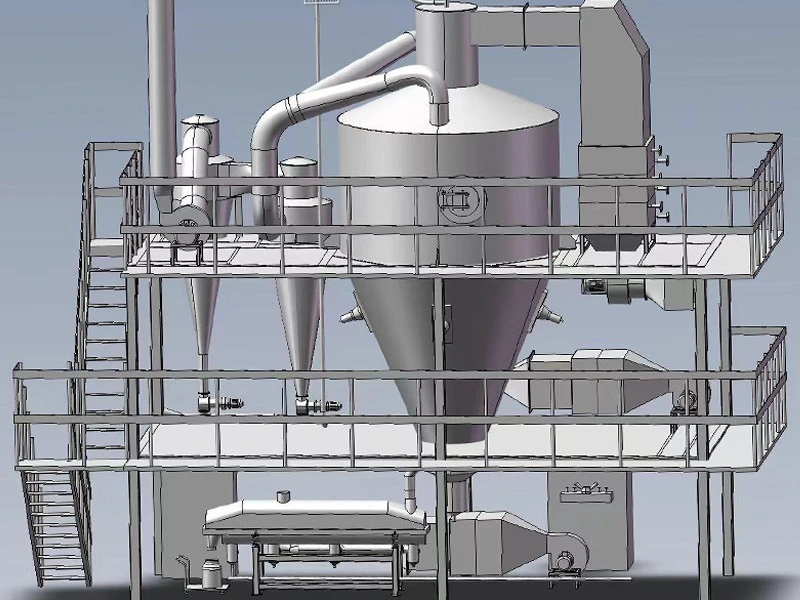
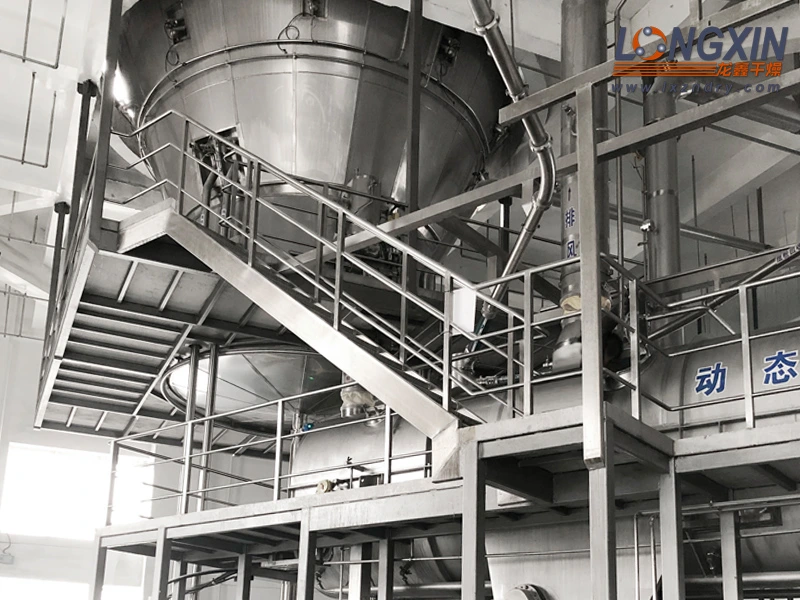
The corn starch flash dryer combines high-speed heat and mass transfer with continuous, automated operation to deliver fast, uniform drying in a compact footprint. Its negative-pressure drying system minimizes heat exposure, helping prevent gelatinization, discoloration, and nutrient degradation while supporting high throughput and efficient moisture evaporation. Precise control of feed rate, air temperature, airflow velocity, and system pressure ensures consistent product quality, while the enclosed design reduces contamination and dust leakage. With high thermal efficiency, a relatively simple mechanical structure, low maintenance requirements, and integrated temperature, pressure, and safety alarms, the system offers a reliable and cost-effective solution for large-scale corn starch production.