Hard Carbon Anodes: A Key Pillar for Accelerating Sodium-Ion Battery Industrialization
Amid the global energy transition, sodium-ion batteries are becoming an important complement to lithium-ion batteries due to their abundant resources, low cost and high safety, with broad prospects in energy storage, low-speed electric vehicles and other applications. As the “heart” of sodium-ion batteries, the hard carbon anode directly determines a battery’s energy density, cycle life and fast-charging capability.
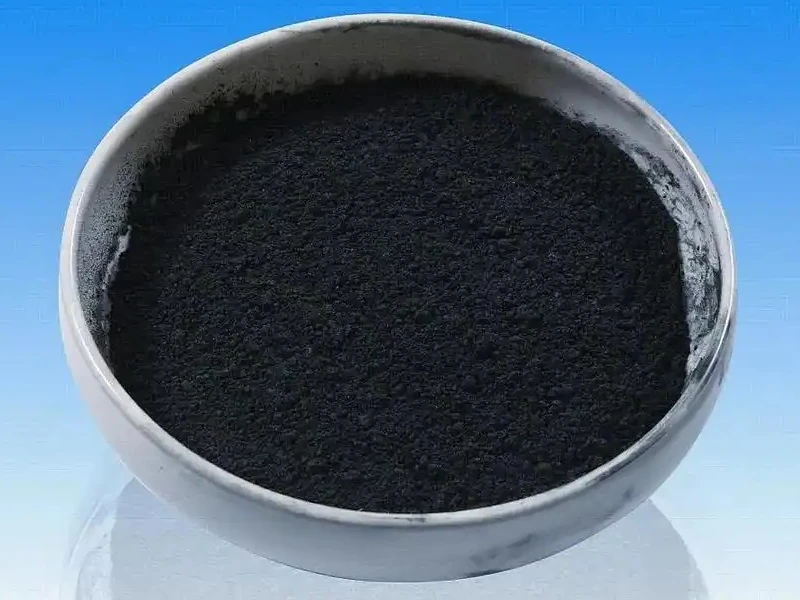
Hard carbon offers major performance advantages. It provides reported capacities of 350–400 mAh/g, significantly higher than the sodium-storage capacity of soft carbon. Its large interlayer spacing of 0.36–0.48 nm and porous structure enable rapid sodium-ion insertion and extraction to support fast charging. It also provides excellent overdischarge safety, maintaining stable cycling even when discharged to 0 V. These characteristics have made hard carbon the mainstream choice for sodium-ion battery anodes. However, hard carbon currently accounts for approximately 25% of battery cost, while limited domestic production capacity and import prices exceeding RMB 200,000 per metric ton continue to constrain the large-scale development of sodium-ion batteries.
Mass-Production Bottlenecks: Equipment Complexity and Material Consistency
The industrialization of hard carbon anodes faces four core bottlenecks, with equipment and process complexity among the most significant:
1. Precursor Selection and Supply Stability
Biomass materials such as coconut shells and crop straw have become mainstream precursors because they are renewable and low-cost. However, raw materials from different regions vary considerably in ash content and structure and therefore require precise screening. Domestic supplies of carbonized coconut-shell feedstock are insufficient, increasing reliance on imports. Long transport distances and seasonal availability further weaken supply-chain resilience.
2. Material Consistency Control
Parameters such as carbonization temperature, humidity and atmosphere directly affect pore structure and electrical conductivity. Different precursors require specific carbonization temperature profiles, which the source identifies as above 2,800°C. Temperature fluctuations can reportedly cause differences of more than 10% in initial Coulombic efficiency.
3. Diversified Process Equipment
Hard carbon production involves multiple stages, including crushing, ball milling, reactor processing, spray drying and atmosphere-protected furnace treatment. Equipment must be selected to suit different precursors. Resin-based materials require crosslinking and oxidation, while biomass materials require acid washing and purification, resulting in limited production-line compatibility. Some equipment, including nano bead mills and calcination furnaces, is still imported.
4. Environmental and Cost Pressures
Pretreatment and purification generate waste gas and wastewater containing pollutants such as sulfur compounds, increasing environmental-compliance costs. Imported equipment is expensive, while the development of domestic equipment has lagged, further hindering cost reduction.
Longxin Smart’s Full-Chain Solution: Redefining Hard Carbon Production
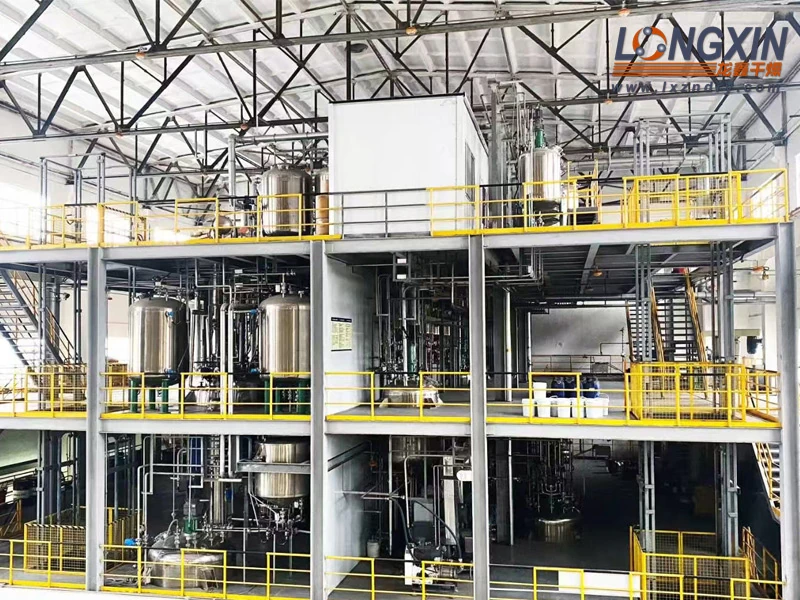
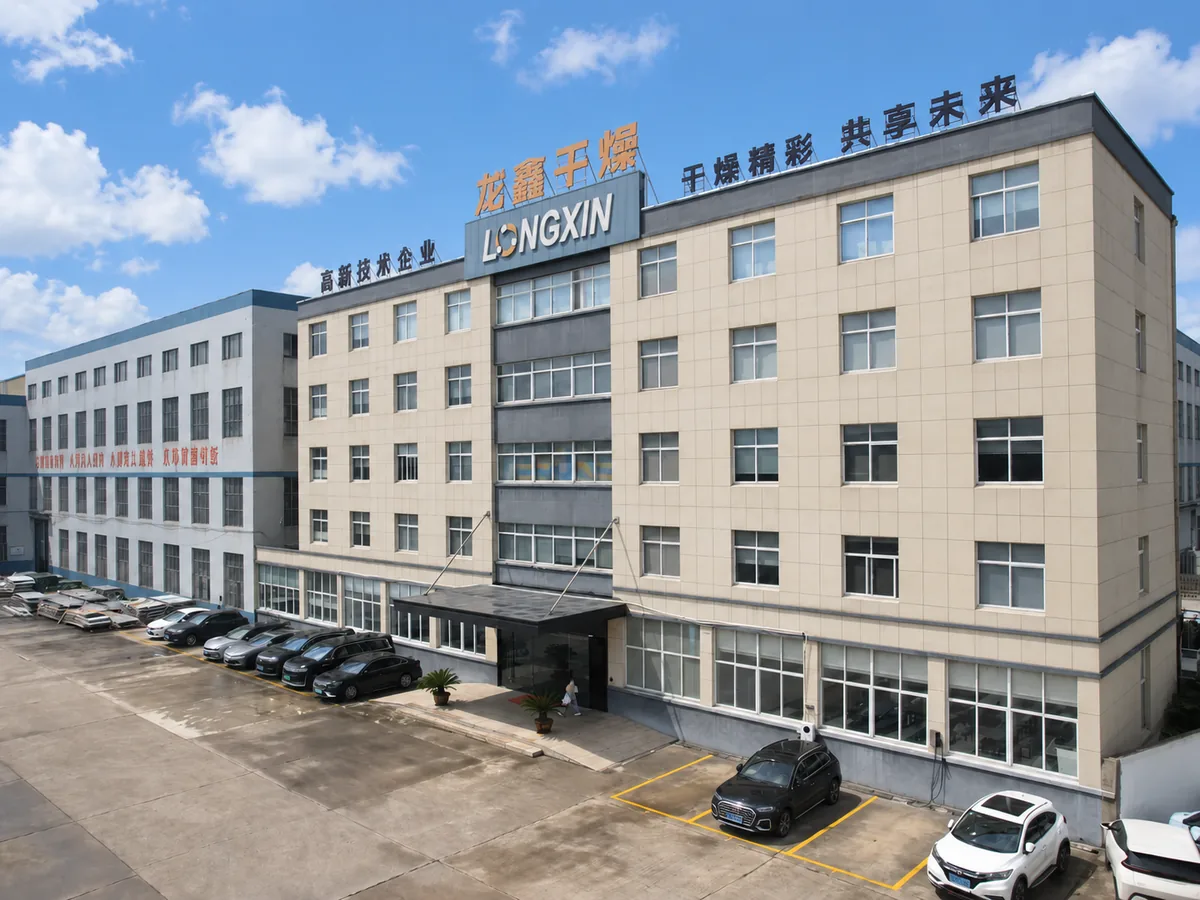
As an innovator in sodium-ion battery material equipment, Longxin Smart has developed an integrated full-chain solution covering grinding and dispersion, drying, coating and pyrolysis, and intelligent production-line control. It helps customers overcome capacity and performance bottlenecks.
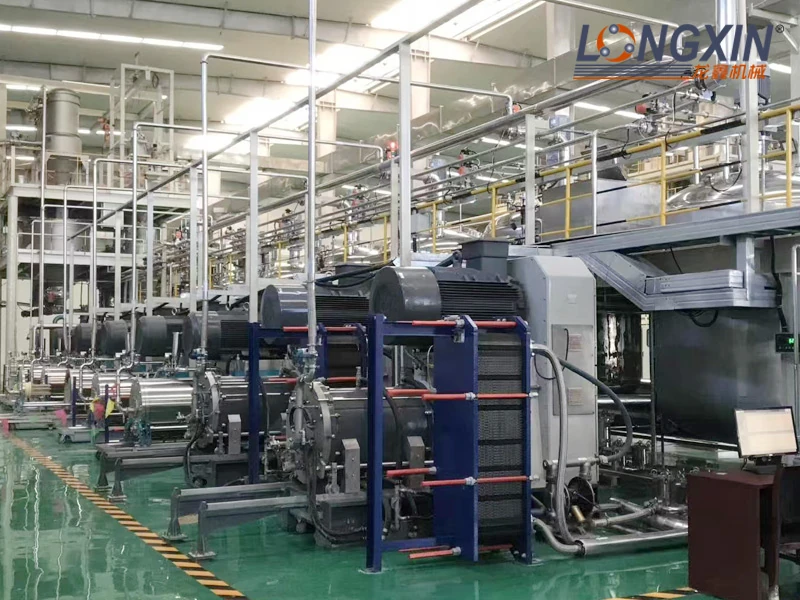
1. Grinding and Dispersion: Precise Nanoscale Particle-Size Control
Longxin Smart’s laboratory pin-type nano bead mills and high-flow bead mills are designed for the ultrafine grinding of hard carbon precursors such as biomass particles and resins, enabling particle-size control from 300 to 800 nm.
High-efficiency grinding: A dual-drive centrifugal discharge design supports zirconia grinding media as small as 0.05 mm, while a high-speed rotor delivers a peripheral speed of 20 m/s. Grinding efficiency is more than twice that of conventional equipment, reducing the number of passes from four to only one or two.
Low consumption and stable operation: Wear-resistant alloy steel and zirconia ceramic components extend service life far beyond the approximately three months typical of conventional equipment, reducing maintenance costs. Fully enclosed intelligent controls reduce energy consumption by 15% and prevent dust contamination.
Broad material compatibility: Customized grinding parameter packages are available for layered oxide and Prussian blue cathode materials, as well as hard carbon and silicon-carbon anodes, ensuring consistent particle-size distribution.
2. Drying: Precise Control of Micron-Scale Powder Morphology
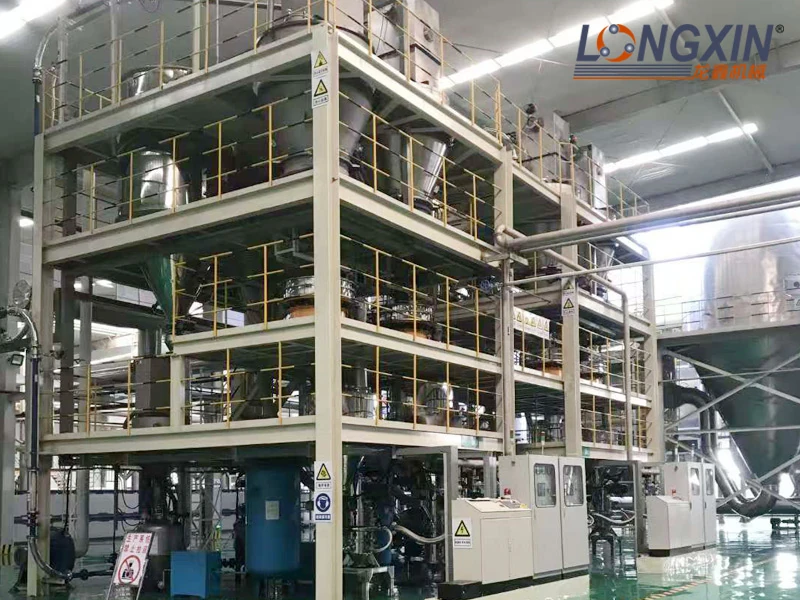
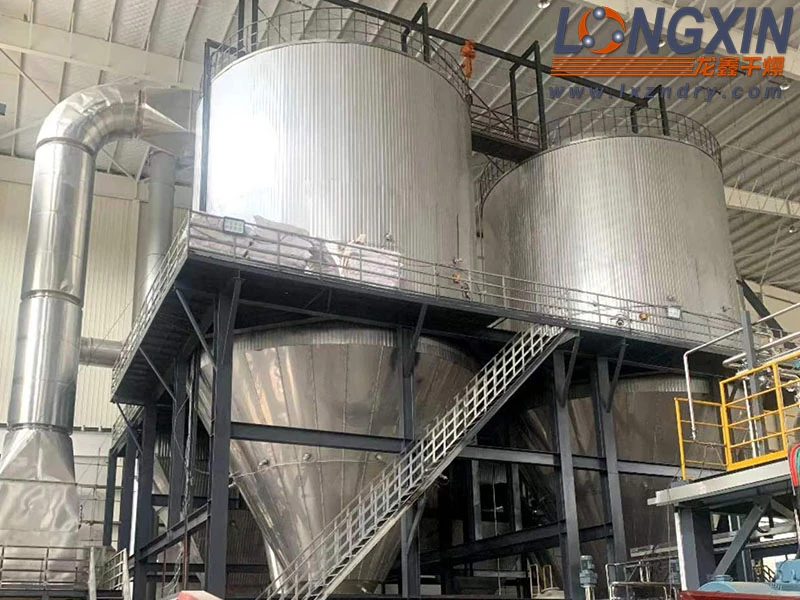
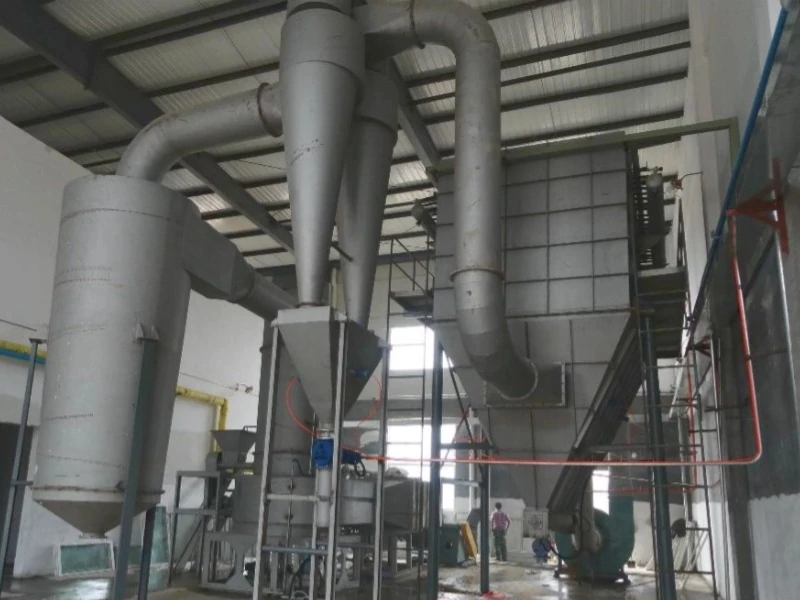
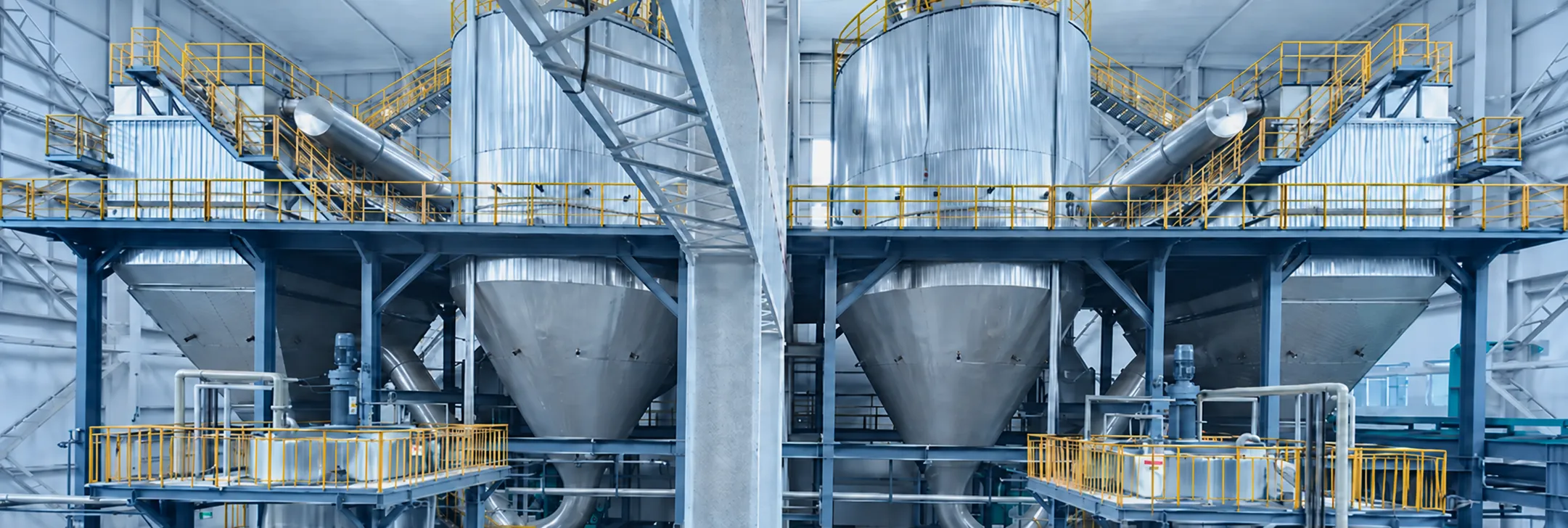
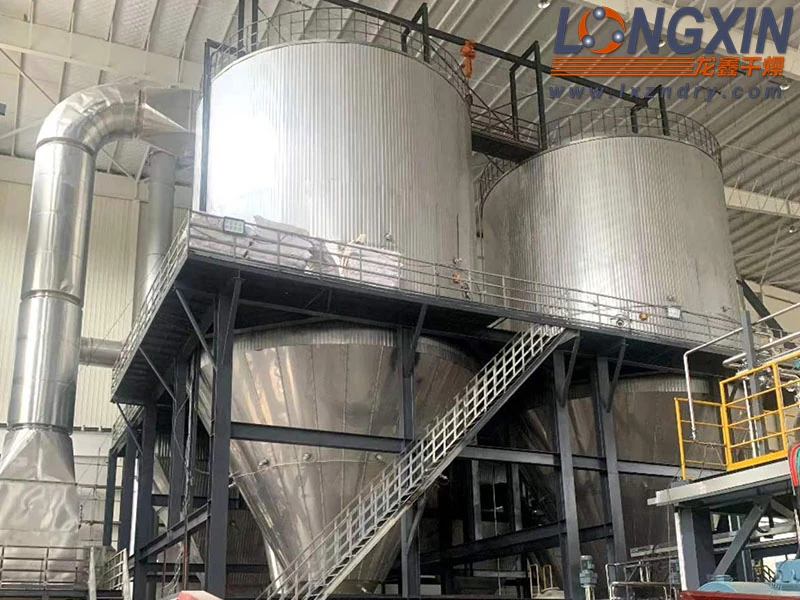
Longxin Smart’s high-purity centrifugal and pneumatic spray dryer for ultrafine battery materials addresses particle-size fluctuation and contamination during hard carbon precursor drying.
Spherical morphology control: A two-fluid nozzle combines compressed air and feed slurry to produce droplets ranging from several micrometers to several tens of micrometers. Combined with controlled hot-air temperature (150–300°C) and airflow velocity, this produces highly spherical particles, increases tap density and supports higher battery energy density.
Producción continua: The system supports uninterrupted 24-hour operation, increases throughput by 10% compared with conventional processes and dries material in just 10–30 seconds, helping prevent high-temperature oxidation. Bag filters and a heat-recovery system ensure compliant exhaust emissions while improving thermal-energy utilization by 10%.
Alta pureza: Fully enclosed piping prevents contamination from external impurities. Combined with feed filtration and impurity removal, the system meets the stringent sulfur and ash limits required for high-quality hard carbon.
3. Coating and Pyrolysis: Structural Modification and Performance Enhancement
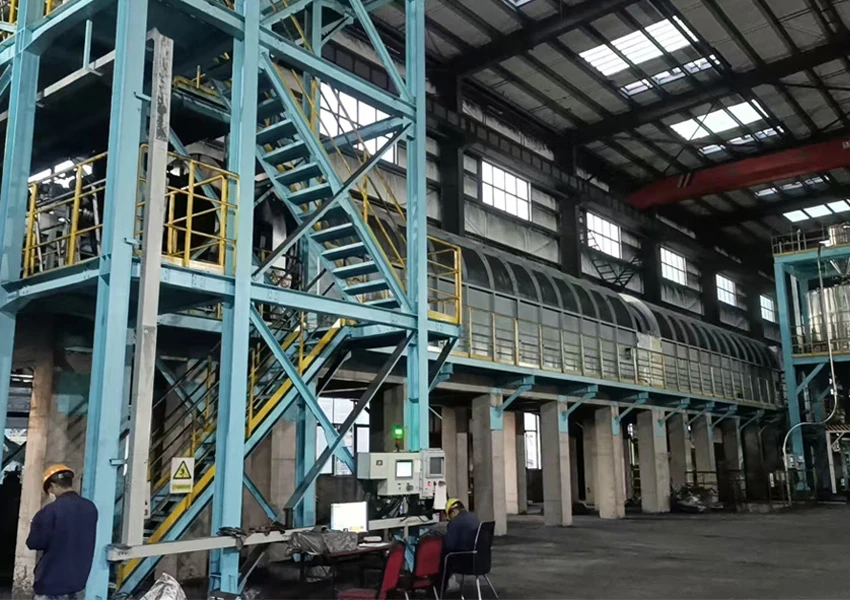
Longxin Smart’s continuous atmosphere rotary calcination kiln provides precise environmental control for hard carbon coating and pyrolysis.
Multi-stage temperature control: The system supports heating rates of 1–15°C per minute and temperatures from ambient to 1,000°C under protective nitrogen or argon atmospheres. This enables uniform pyrolysis of coating materials such as pitch and resin, supporting the formation of a stable solid electrolyte interphase (SEI) during battery operation and improving initial Coulombic efficiency.
Scalable production: The rotary-kiln design provides a high material-fill rate and supports ton-scale production while shortening pyrolysis time. An intelligent control system continuously monitors temperature and gas flow to ensure batch-to-batch consistency.
Low-carbon process: Energy-efficient heating elements and an exhaust-gas treatment system reduce carbon emissions and support customers in building greener supply chains.
4. Intelligent Production Lines: Full-Process Digitalization
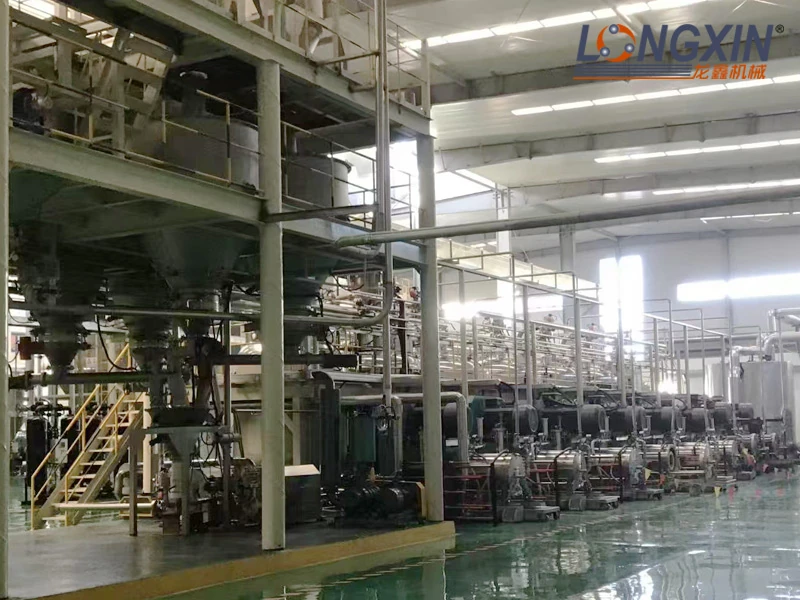
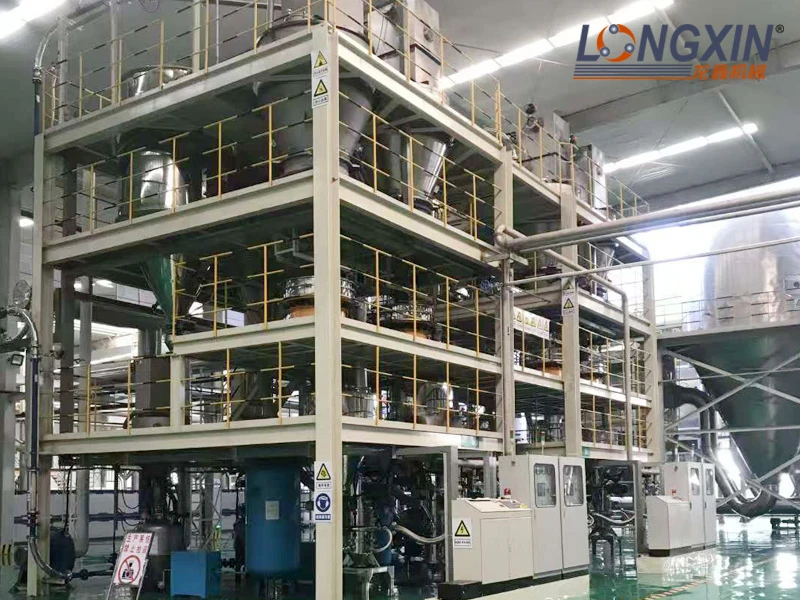
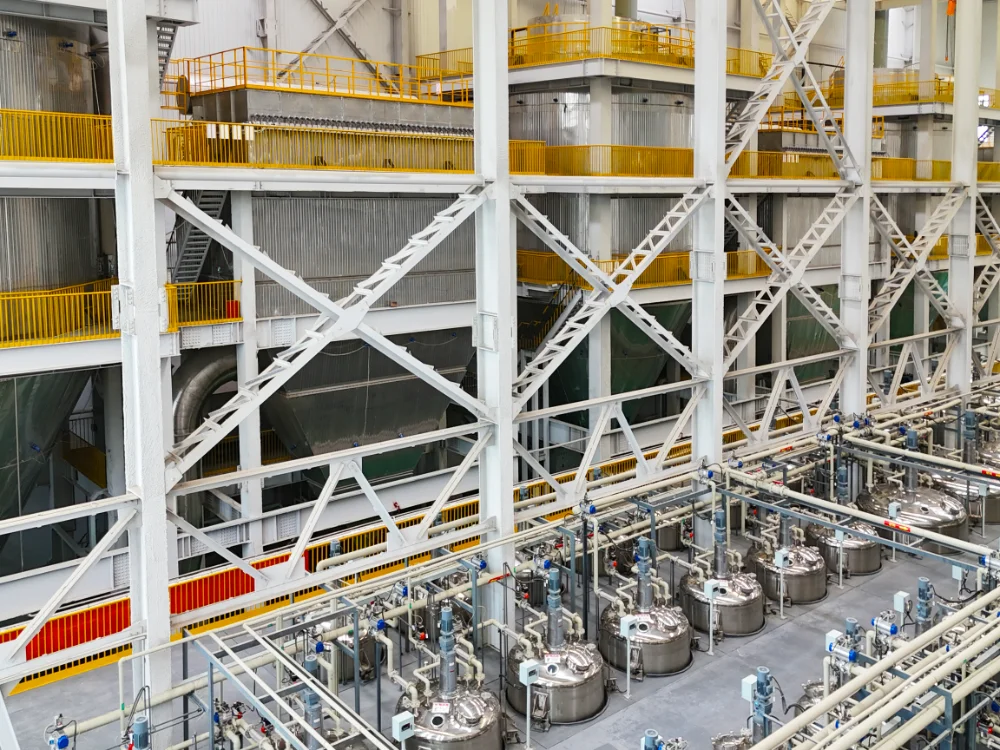
Longxin Smart integrates grinding, drying, calcination and other standalone systems into turnkey intelligent production lines that provide:
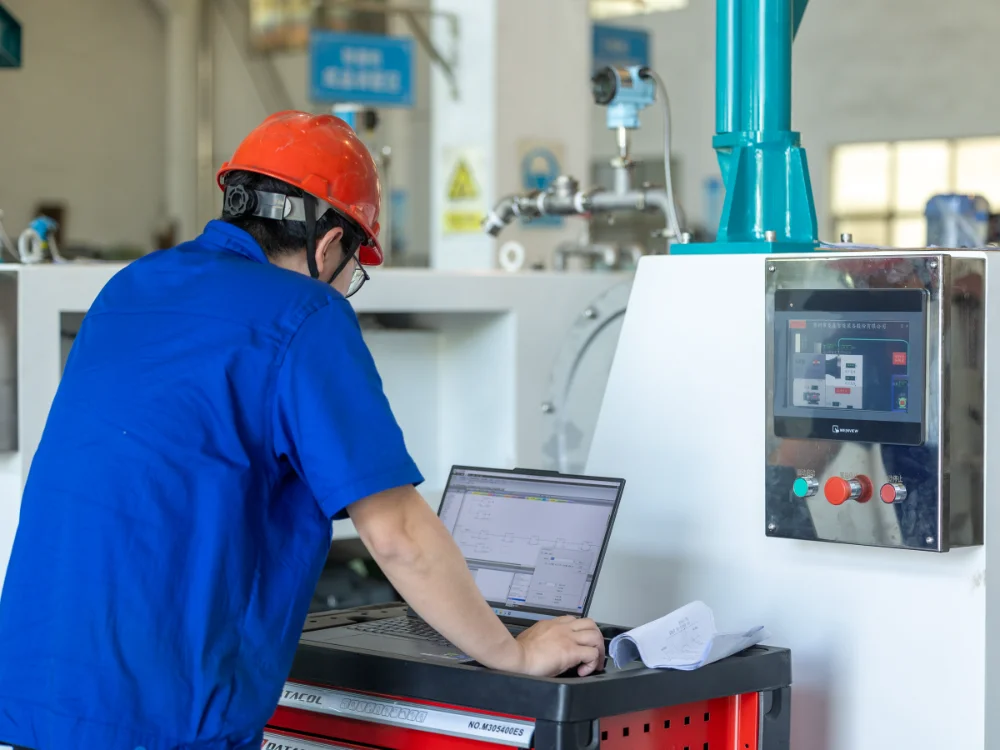
Closed-loop process control: A PLC-based intelligent system coordinates parameters such as milling speed, drying temperature and calcination time. A process database enables rapid recipe switching and shorter product changeover times.
Full-process traceability and optimization: Inline particle-size monitoring and composition analyzers provide real-time production data. Intelligent algorithms optimize process parameters to improve yield, while remote equipment monitoring enables rapid alarm response.
Flexible production: The lines are compatible with biomass-, resin- and pitch-based precursors and support capacity scaling from kilogram-scale trials to 10,000-ton-scale production, reducing customers’ initial investment risk.
As the sodium-ion battery value chain matures, the hard carbon anode market was expected to exceed RMB 5 billion in 2025. Longxin Smart will continue to increase investment in research and development and introduce dedicated ultra-fast-charging hard carbon equipment for 4680 large-cylindrical batteries. Through full-chain technology innovation, the company will help the sodium-ion battery material industry advance toward higher energy density, greater safety and lower cost in support of the green energy transition under the dual-carbon goals.
Longxin Smart’s full-chain solution addresses both the technical difficulties and equipment challenges involved in hard carbon anode production while driving significant improvements in material performance and high-quality industry development. Looking ahead, Longxin Smart will remain committed to technological innovation and industrial upgrading in the new-energy sector, contributing further expertise and capabilities to the sustainable development of the battery materials industry.