With the rapid global expansion of the new energy vehicle industry, power batteries have become a core component, and growing requirements for performance and large-scale production are driving continuous breakthroughs in upstream material technologies. Polyvinylidene fluoride (PVDF) binders, which are key materials for lithium-ion battery electrodes, are increasingly used in cathode binders, anode binders, and supercapacitor binders. However, technical bottlenecks in drying ultrafine PVDF binder powders have become a critical challenge affecting efficient production and consistent product performance.
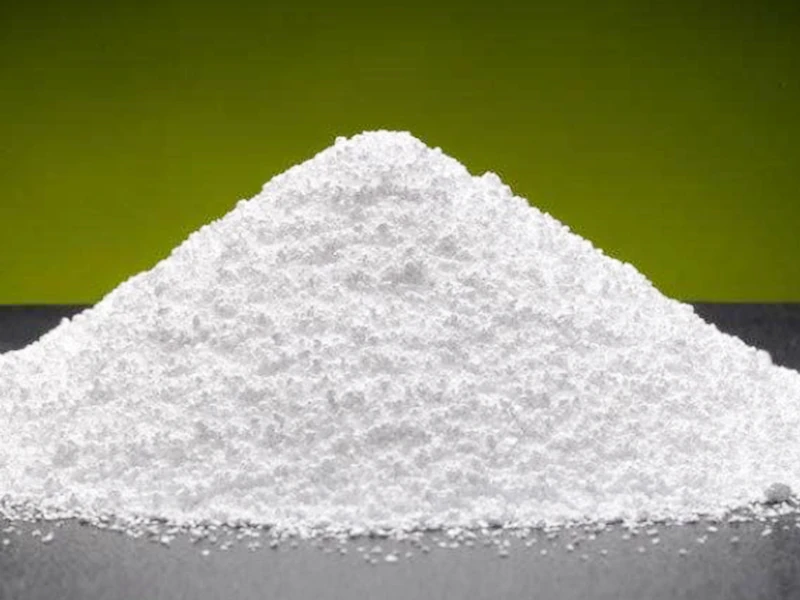
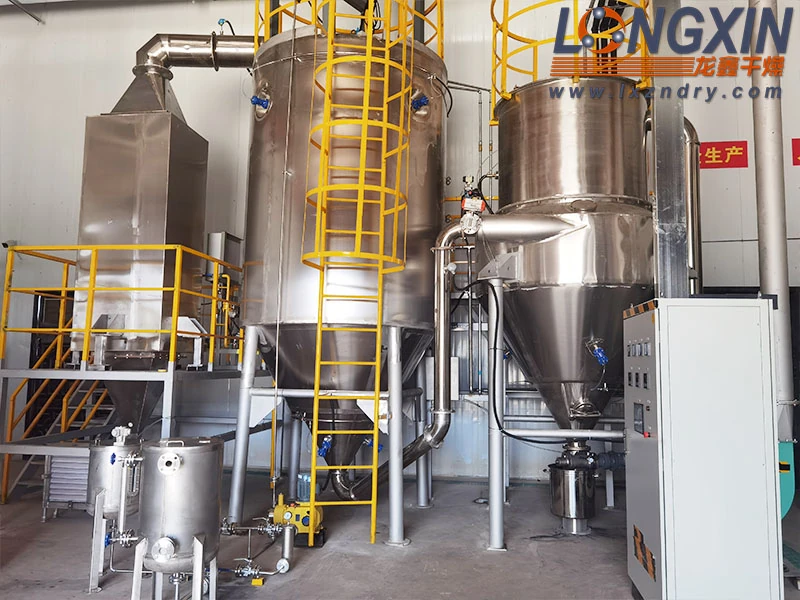
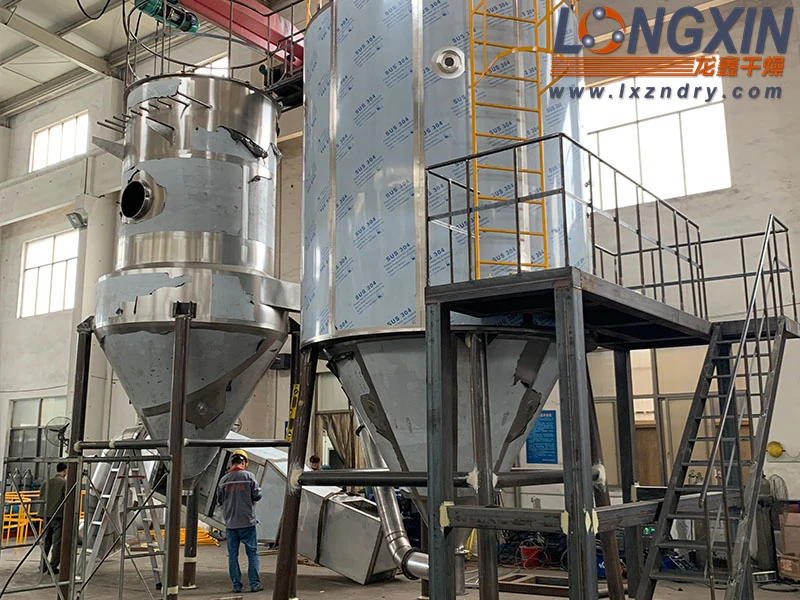
Drawing on its extensive experience in drying technology, Jiangsu Longxin has successfully developed a new air-flow spray dryer. Through process innovation and equipment upgrades, the company provides a complete drying solution for ultrafine PVDF binder powders, helping battery material production enter an era of greater precision and efficiency.
New Energy Industry Upgrades Drive a Transformation in PVDF Binder Drying Technology
In lithium-ion batteries, PVDF binders play a critical role in stabilizing the electrode structure and enhancing adhesion between active materials and current collectors. The properties of the binder powder directly affect battery cycle life, rate performance, and safety. With the growing adoption of new electrode materials such as high-nickel ternary cathodes and silicon-based anodes, PVDF binders are moving toward ultrafine particle sizes, narrow particle-size distributions, and high purity. This trend imposes more demanding requirements on the drying process:
(1) Temperature sensitivity:
PVDF molecular structures are highly sensitive to temperature. Conventional drying equipment often lacks sufficient temperature-control accuracy, with fluctuations of ±5°C or more. This can cause high-temperature degradation—including molecular-chain scission at temperatures above 180°C—or low-temperature wall adhesion, where residual solvent may cause caking. Both conditions can degrade material performance.
(2) Particle-size uniformity:
Conventional atomization methods, such as pressure atomization, struggle to control the particle-size distribution of ultrafine powders in the 5–20 μm range. Poor particle-size uniformity can lead to poor electrode-slurry dispersion and affect battery internal resistance and ionic conductivity.
(3) The trade-off between production efficiency and energy consumption:
PVDF slurries generally have high viscosity, often exceeding 5,000 mPa·s. Conventional equipment offers relatively low throughput, usually below 50 kg/h, while evaporating solvents such as NMP requires substantial energy. These limitations make it difficult to meet the requirements of kiloton-scale annual production.
(4) Environmental and safety risks:
Drying fluoropolymers may generate trace amounts of hazardous gases. If exhaust gas treatment in conventional equipment is inadequate, it can create safety hazards and environmental compliance risks.
Longxin Drying Technology Development: From Process Research to Equipment Innovation
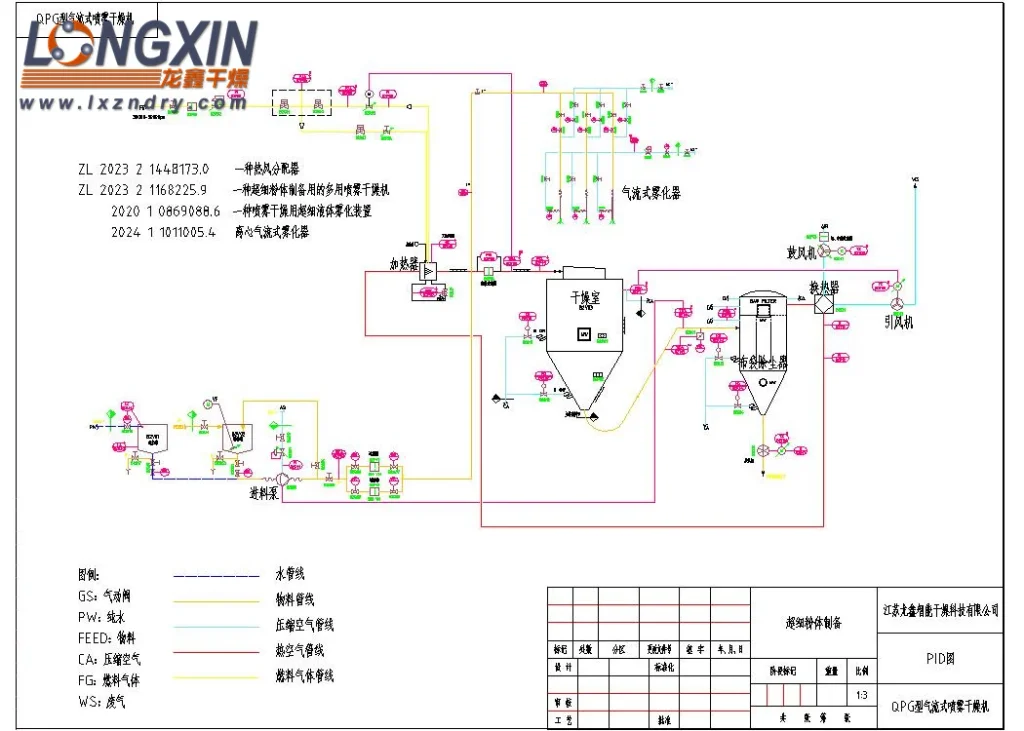
To address these industry-wide challenges, the Longxin Drying technical team collaborated with university research institutions on a three-year program dedicated to ultrafine PVDF binder powder drying. Using orthogonal experimental design, the team systematically analyzed how 32 process variables—including drying temperature, atomization pressure, hot-air velocity, and feed concentration—affect powder properties. The project established a “process parameters–powder properties” database and achieved precise control over the shape, particle-size distribution, moisture content, and electrochemical performance of dried PVDF powder.
On this basis, the Longxin technical team carried out a comprehensive technical upgrade of the air-flow spray dryer, creating a core technology system supported by proprietary intellectual property.
End-to-End Technical Breakthroughs: Core Advantages of the New Longxin Air-Flow Spray Dryer
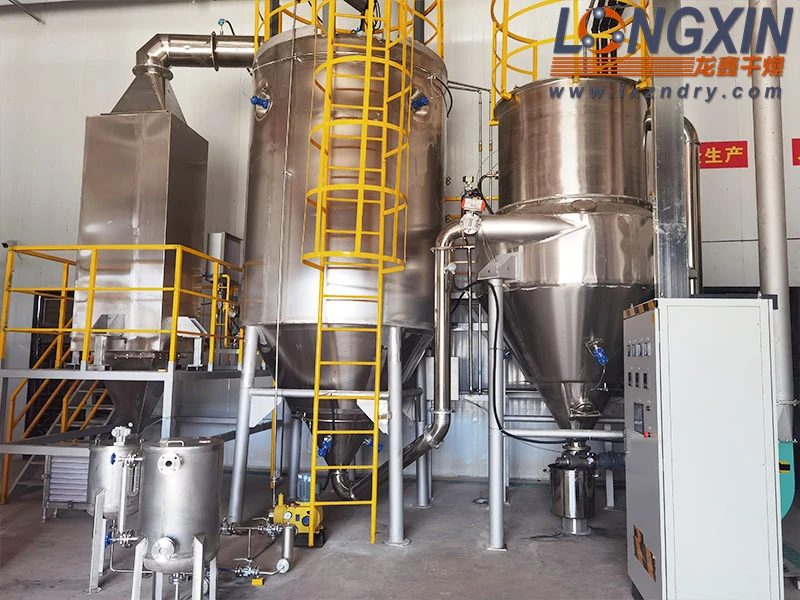
(1) Atomization system: Micron-level precision dispersion
Innovative two-fluid atomization nozzle:
The system uses a three-channel atomization nozzle made from aviation-grade titanium alloy. High-speed airflow exceeding 300 m/s creates shear forces with the slurry, enabling uniform dispersion of micron-sized primary droplets. Atomization efficiency is 20% higher than that of conventional two-fluid nozzles, and the system supports dynamic adjustment of ultrafine droplet size.
Intelligent slurry pretreatment:
The system integrates a multistage dynamic high-shear mixing device and a 200-mesh precision filtration system. This combination improves the dispersibility of high-viscosity PVDF slurries up to 10,000 mPa·s, helps prevent nozzle clogging, and supports continuous, stable production.
(2) Hot-air system: Precise temperature control and energy optimization
Gradient temperature control:
A PID intelligent temperature-control module provides precise control of the drying-chamber temperature and supports a three-stage temperature profile: a preheating stage at 150–250°C, a constant-rate drying stage at 120–150°C, and a falling-rate drying stage at 100–120°C. This profile is matched to the stability requirements of PVDF molecular chains.
Waste-heat recovery system:
An efficient heat exchanger recovers 70% of the waste heat in the exhaust gas for inlet-air preheating. Energy consumption is 15% lower than that of conventional equipment, supporting carbon-reduction goals.
(3) Drying tower: Optimized airflow and anti-adhesion design
Aerodynamic tower structure:
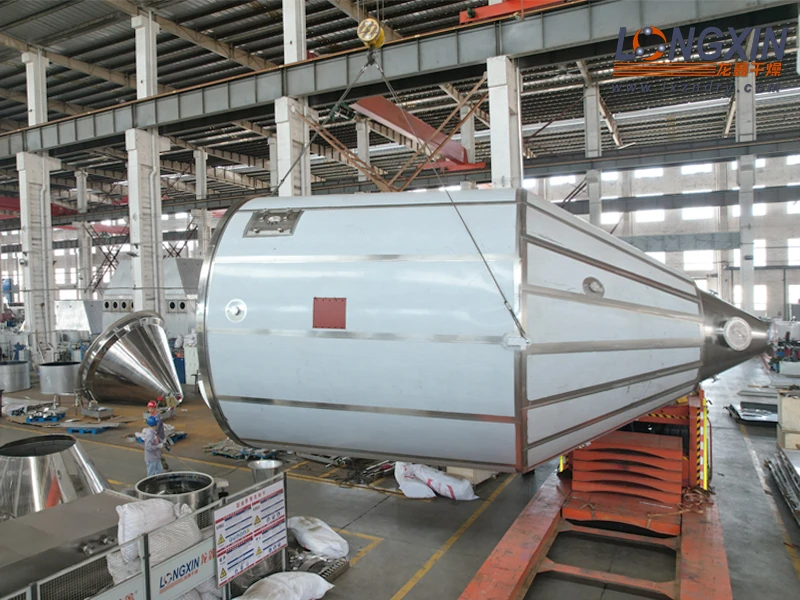
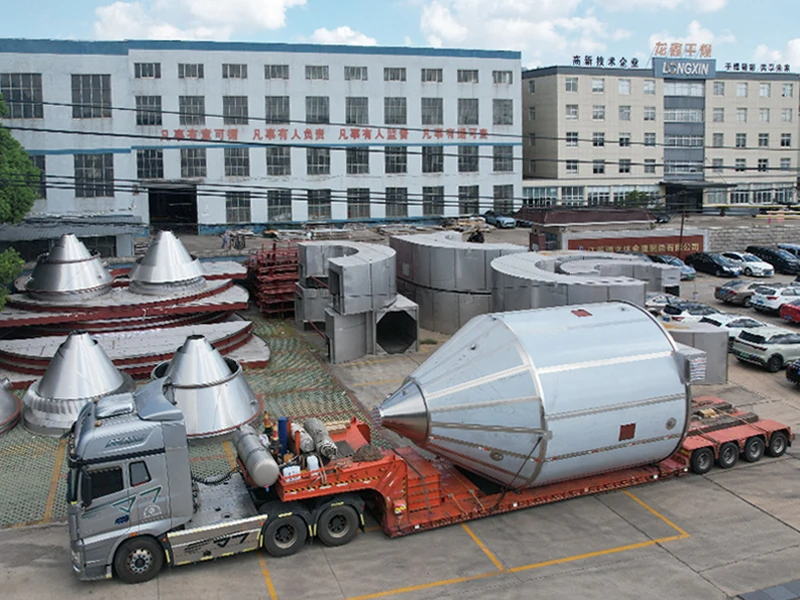
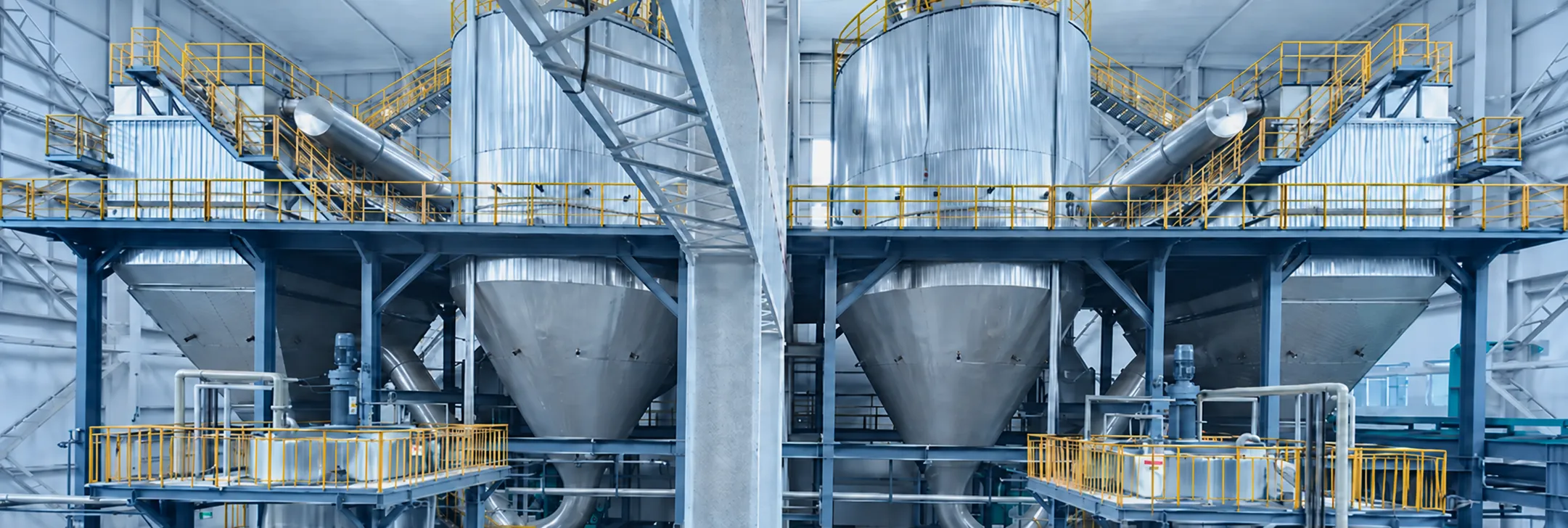
The dryer uses an upper conical and lower cylindrical tower design with a 60° cone angle. Helical guide vanes inside the tower extend the contact time between hot air and droplets by 20%, increase heat-exchange efficiency to 92%, and help prevent wall adhesion caused by localized vortices.
Superhydrophobic coating technology:
An optional nanoscale PTFE coating is applied to the inner wall, providing a surface tension below 18 mN/m. This design helps reduce the dry-powder adhesion rate from approximately 15% in conventional equipment to below 3%. An automatic rapper at the top of the tower helps detach material adhering to the wall, reducing cleaning-related downtime.
(4) Collection system: Efficient separation and impurity control
Three-stage filtration system:
The system combines a primary cyclone separator with a separation efficiency above 95%, a secondary bag filter using PTFE membrane filter bags with a filtration rating of 0.5 μm, and a final electrostatic collection unit. This configuration helps achieve a dry-powder recovery rate above 99.5% and an impurity content below 50 ppm, meeting the purity requirements of high-end battery binders.
Solvent recovery module:
A condensation recovery unit recovers NMP solvent from the drying exhaust gas at a recovery rate above 90%. This reduces production costs while supporting compliance with VOC emission regulations.
(5) Control system: Integrated digital and intelligent operation
Full-process PLC control:
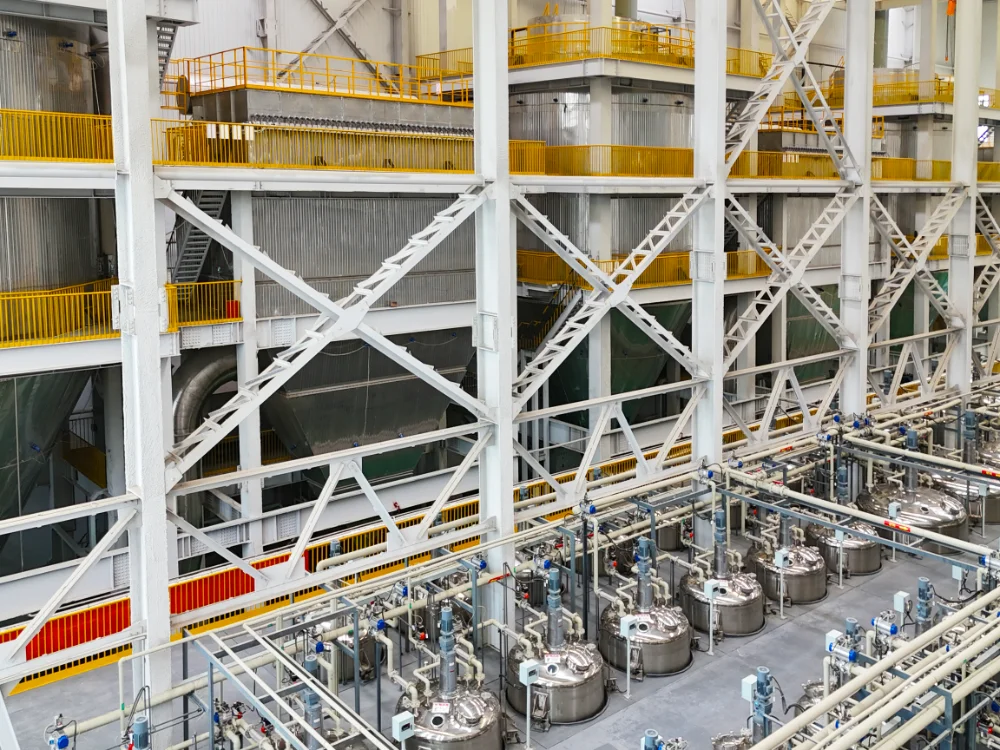
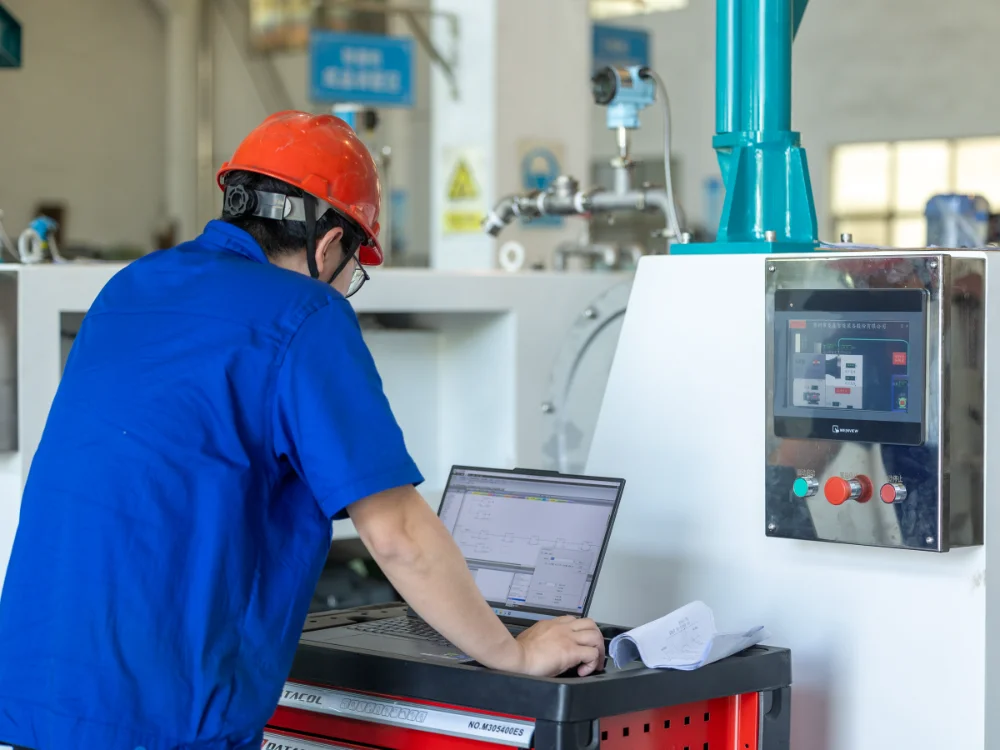
The human–machine interface (HMI) provides real-time monitoring of more than 20 key parameters, including feed flow, atomization pressure, and tower negative pressure. The system also supports remote commissioning and fault diagnosis.
Big-data process library:
The system contains more than 50 drying process recipes and can automatically select the optimal parameters for different PVDF grades, including homopolymers and copolymers, as well as different binder applications, including cathode, anode, and supercapacitor binders. This supports one-click production changeovers and reduces the cost of manual trial and error.
Industry Value: Redefining PVDF Binder Drying Standards
(1) Performance indicators:
Average dry-powder particle size, particle-size distribution, sphericity, moisture content, electrochemical impedance, and other performance parameters show clear advantages over conventional processes, helping meet the demanding binder requirements of high-energy-density batteries.
(2) Production efficiency:
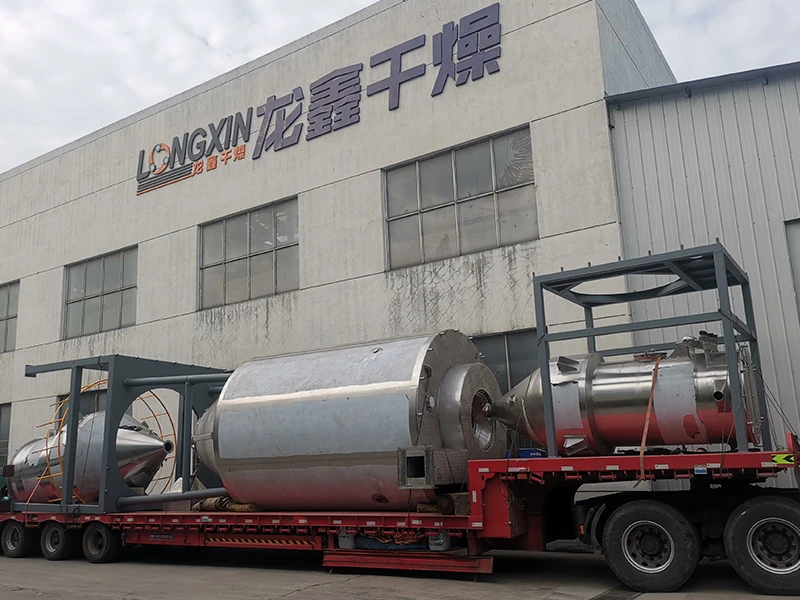
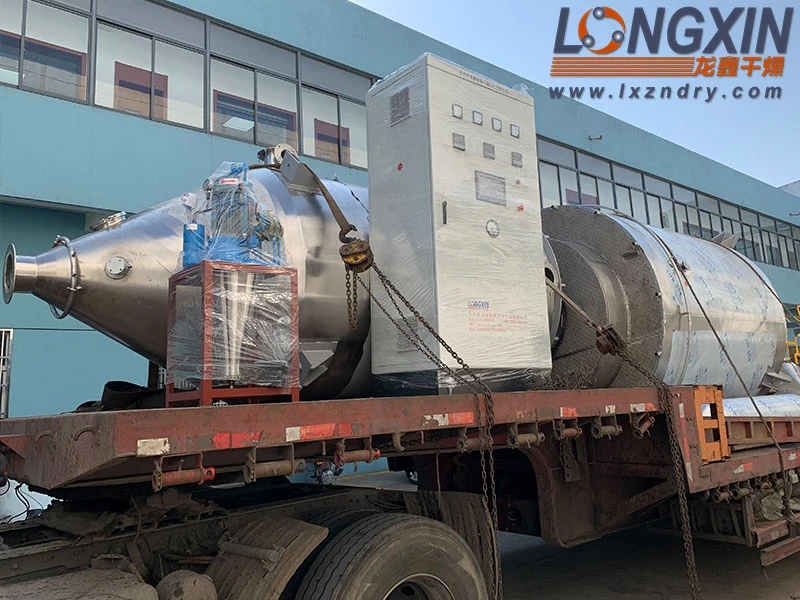
Large-scale PVDF binder spray dryers with annual capacities of 1,000, 2,000, and 5,000 metric tons are continuing to be delivered. The systems support continuous, stable operation for 24 hours and offer an unscheduled downtime rate below 0.5%.
(3) Total cost:
Energy consumption is reduced by 10%, labor and maintenance costs are significantly lowered, and overall production costs are more than 15% lower than those associated with conventional equipment.
Outlook: Advancing New Energy Materials Through Technological Innovation
As a key equipment supplier to the new energy industry chain, Longxin Drying remains focused on customer challenges. The successful application of the new air-flow spray dryer not only addresses the technical difficulties of drying ultrafine PVDF binder powders, but also provides a reproducible solution for drying high-value battery materials through an integrated approach combining process research, equipment innovation, and intelligent control.
In the future, Longxin Drying will continue to advance drying technology for lithium battery materials and develop more efficient and intelligent drying equipment for emerging materials such as PVDF-based solid electrolytes for solid-state batteries and binders for silicon-based anodes. These efforts are intended to help China’s new energy industry strengthen its technological leadership in global competition.