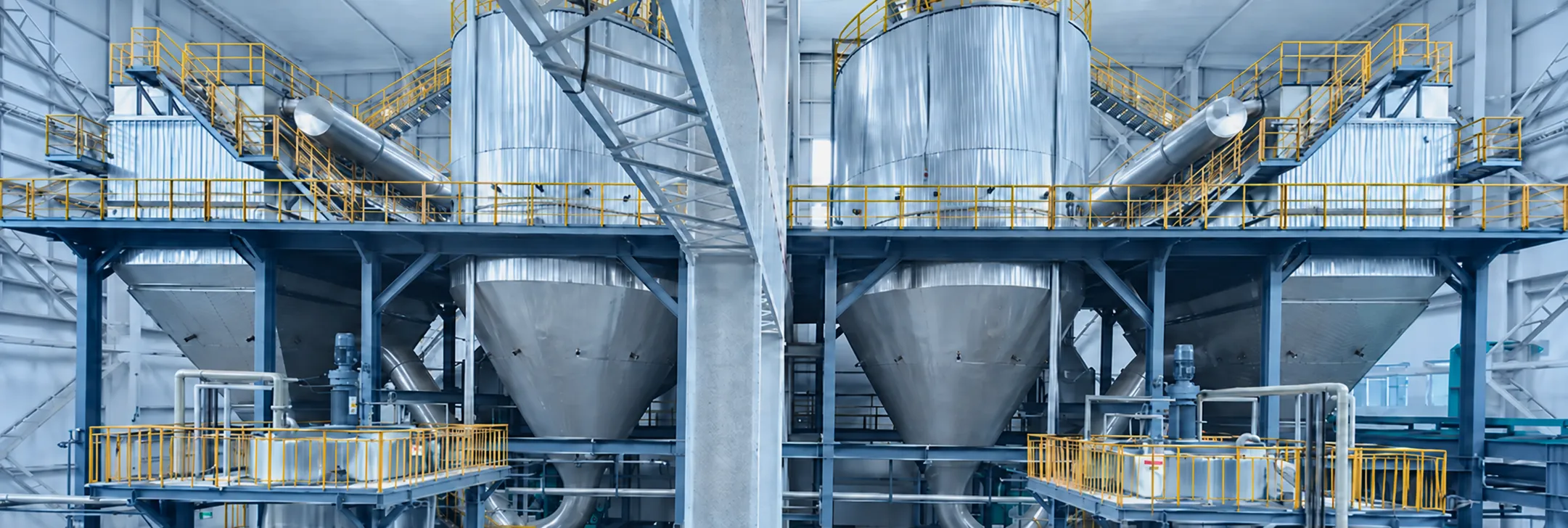
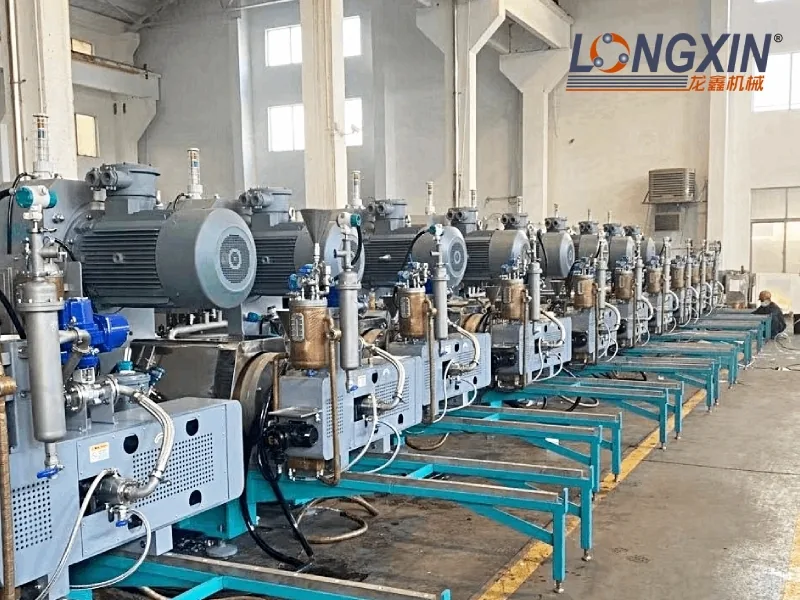
With the new energy battery industry growing explosively, lithium iron phosphate (LFP) has become the mainstream cathode material, and the quality of its grinding process directly determines battery energy density, cycle life and production cost. The industry currently faces three core pain points. First, conventional grinding equipment lacks capacity: a single machine handles only tens of litres per hour, far short of what 10,000-ton-scale production lines require. Second, particle size control is not precise enough, with D50 fluctuations often exceeding ±0.5 μm and causing poor batch-to-batch consistency. Third, high-temperature grinding — with chamber temperatures above 60 °C — oxidises the material and reduces first-cycle charge-discharge efficiency by 3%–5%. At the same time, demand continues to rise for equipment that combines high-flow continuous production, nanoscale precision control and a low-temperature grinding environment. Industry data show that the market for LFP-specific nano grinding equipment grew 72% year on year in 2023, making it a core growth area in new energy equipment.
Longxin Smart has built more than a decade of expertise in nanoscale grinding technology. Its High-Flow Pin-Type Bead Mill, developed specifically around the characteristics of LFP, redefines the grinding standard for cathode materials through breakthroughs in efficiency, precision and energy savings, and gives lithium-battery manufacturers a complete process solution from laboratory formulation to industrial-scale production.
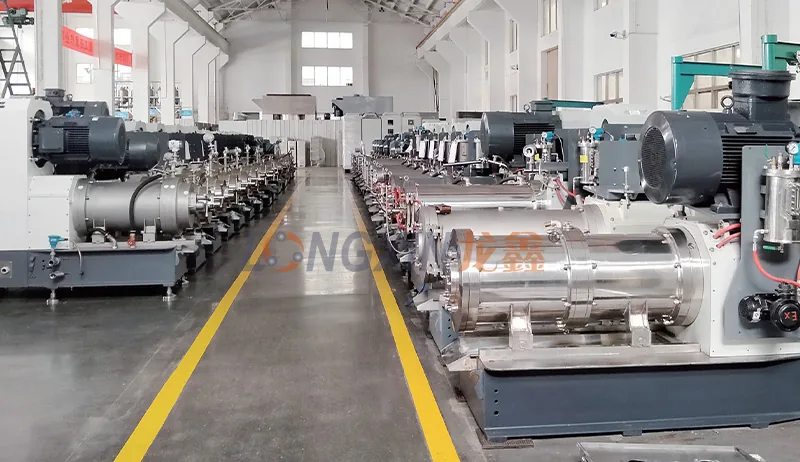
Innovative Working Principle and Equipment Design — Breaking Through Conventional Grinding Bottlenecks
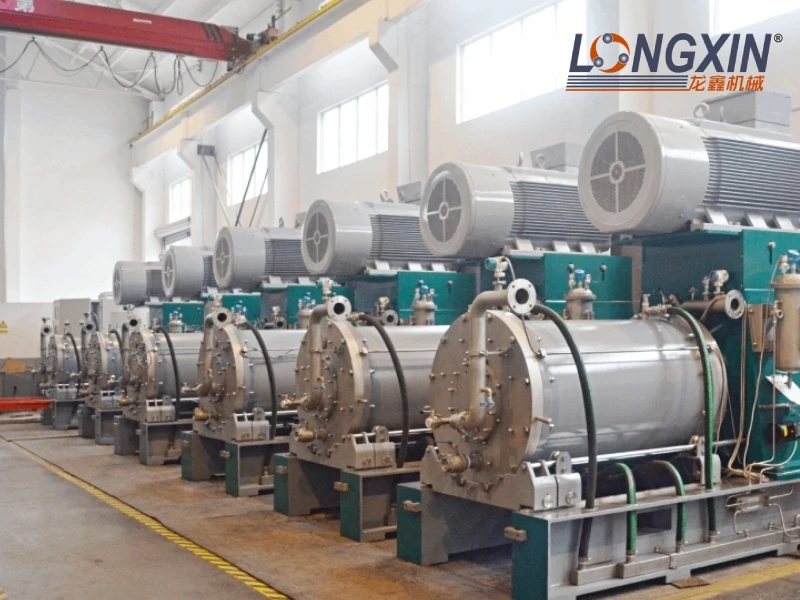
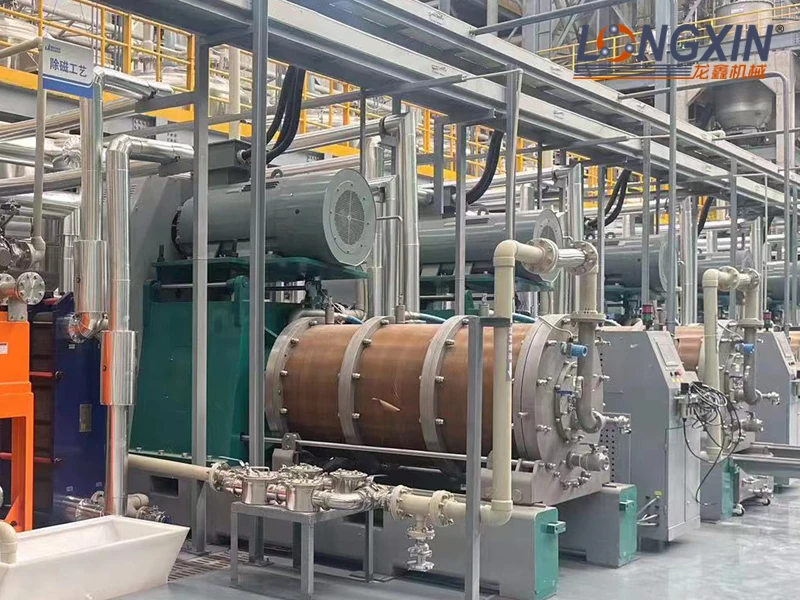
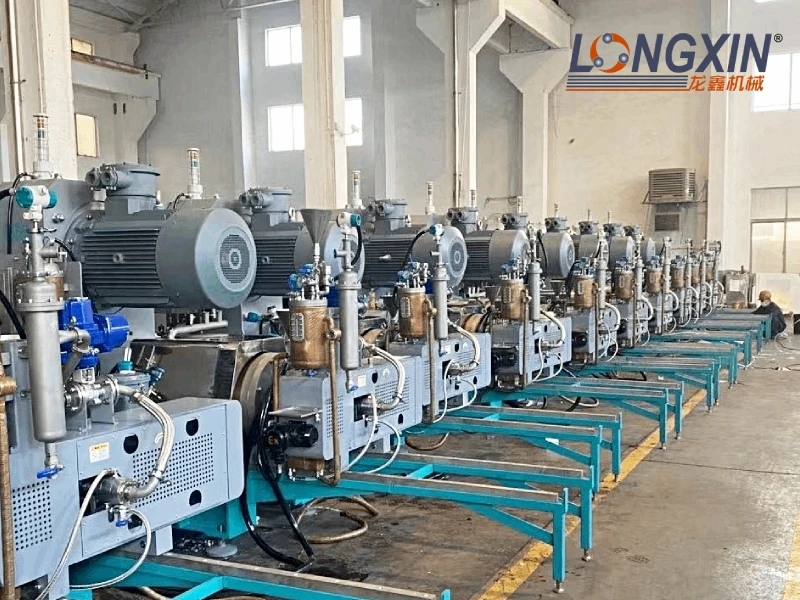
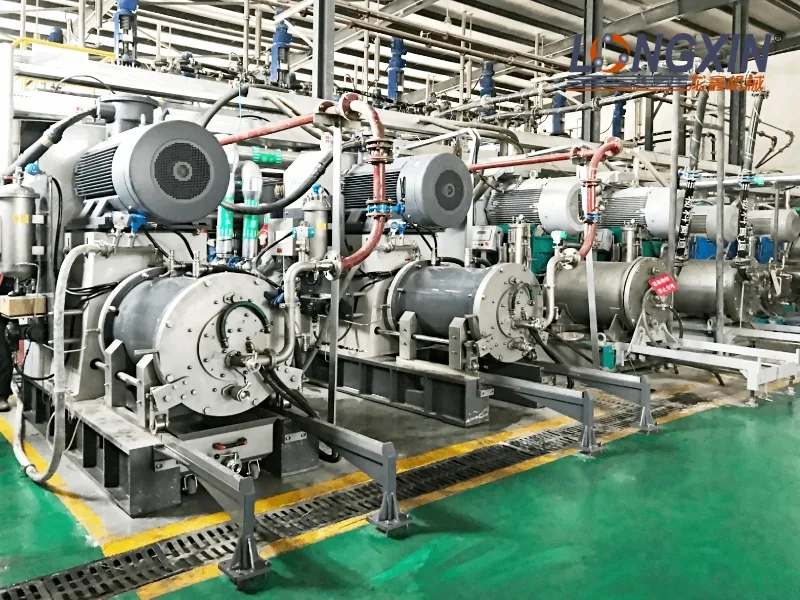
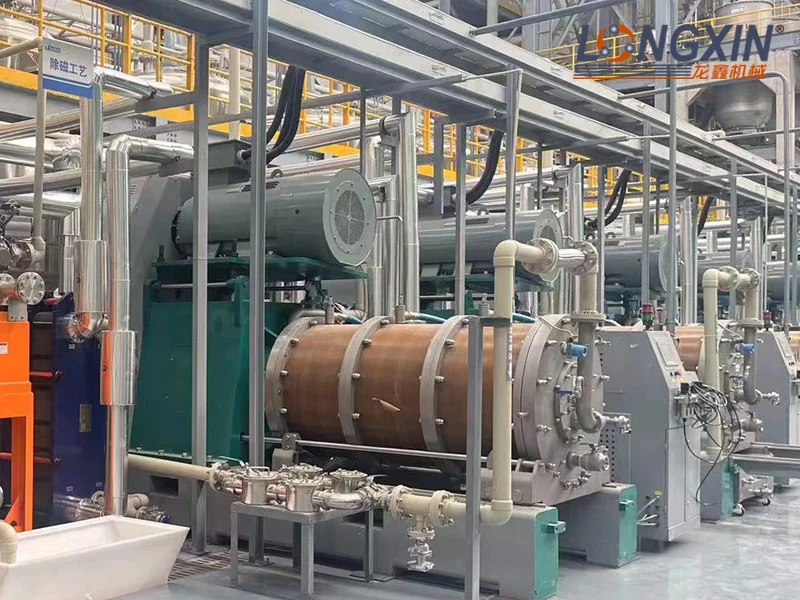
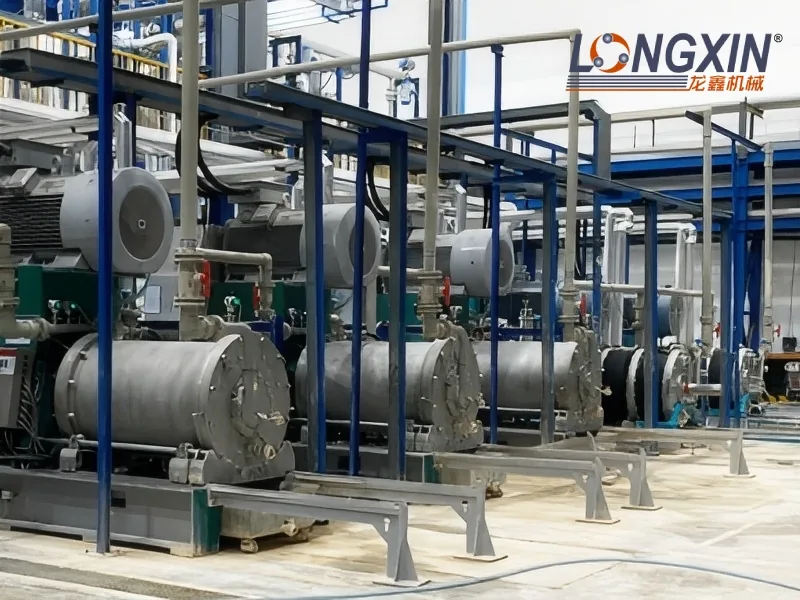
Longxin Smart’s high-flow nano grinding mill for lithium iron phosphate (LFP) adopts an integrated “modular grinding plus intelligent separation” design, achieving a dual breakthrough in grinding efficiency and separation precision through structural innovation.
(1) Princípio de funcionamento fundamental
After the material enters the grinding chamber through a precision feeding system, the machine’s turbine-pin composite structure generates a three-dimensional energy field. The turbine assembly drives 0.3–0.5 mm zirconia grinding media in a high-speed circumferential circulation at 1,200–1,800 rpm, producing continuous shear. At the same time, the radial projections of the tungsten carbide pins create high-frequency impact waves, so LFP particles are progressively refined under the combined actions of shear, collision and extrusion. This design extends the effective processing time of the material inside the chamber to 1.8 times that of conventional equipment, ensuring uniform comminution down to the nanoscale.
Separation is handled by a combination of large-surface-area screening and centrifugal assisted separation. The screen’s flow area is 40 % larger than that of conventional designs, and precise regulation of the centrifugal field enables efficient separation of grinding media from the product. In LFP grinding, this eliminates the screen-blocking shutdowns that affect conventional screen-type machines, greatly extending continuous operating time and raising line availability.
(2) Componentes estruturais essenciais
Silicon carbide grinding chamber. The chamber is integrally formed from silicon carbide with a hardness of HV1800+, giving wear resistance more than five times that of conventional stainless steel. Its excellent thermal conductivity — three times that of stainless steel — rapidly removes grinding heat; combined with the chamber-wall cooling system, it holds the LFP grinding temperature steady and prevents high-temperature oxidation of the material.
Turbine-pin assembly. The pins can be made of tungsten carbide at HRC90 with a specially coated surface, producing a uniform energy density distribution at high speed. Because of the layered structure of LFP, the pin arrangement density can be adjusted to optimise the shear distribution and reduce particle agglomeration.
Intelligent temperature control system. Spiral baffles are welded between the inner and outer shells of the grinding cylinder, forcing the cooling medium into turbulent circulation and improving heat exchange efficiency by 30 %. Multi-point temperature sensors feed chamber temperature changes back in real time and automatically adjust the cooling flow, keeping the grinding environment stable.
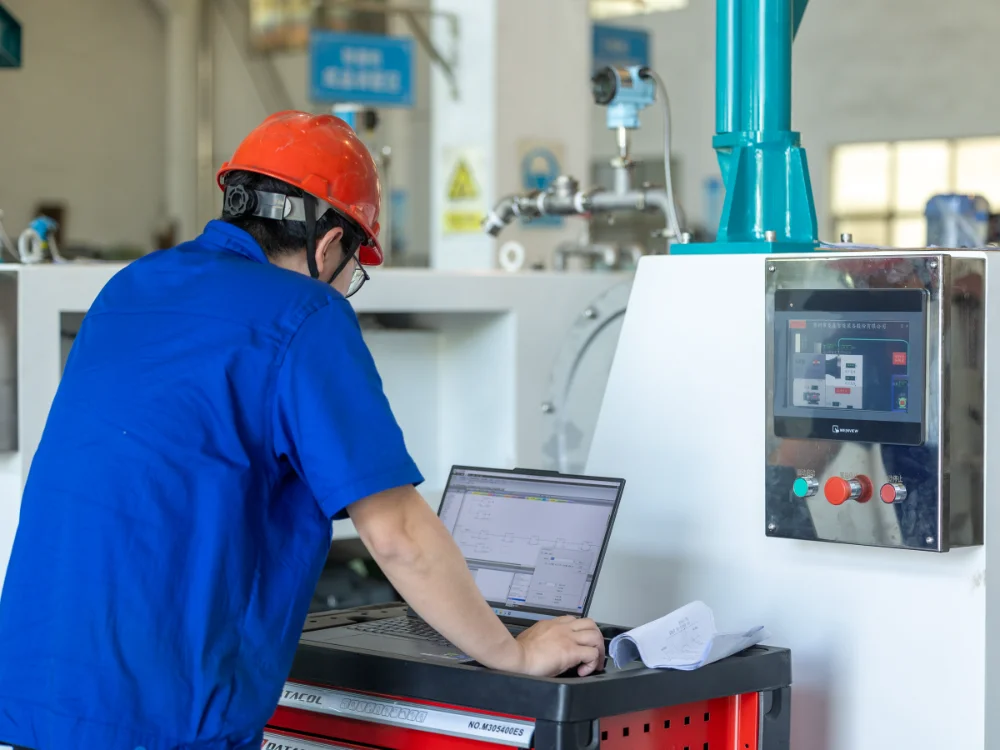
PLC control module. The system provides real-time monitoring of twelve process parameters, including flow rate, rotational speed and temperature. It can store up to 30 LFP grinding recipes, and recipe switching during product changeover takes as little as five minutes, meeting the needs of flexible multi-product production.
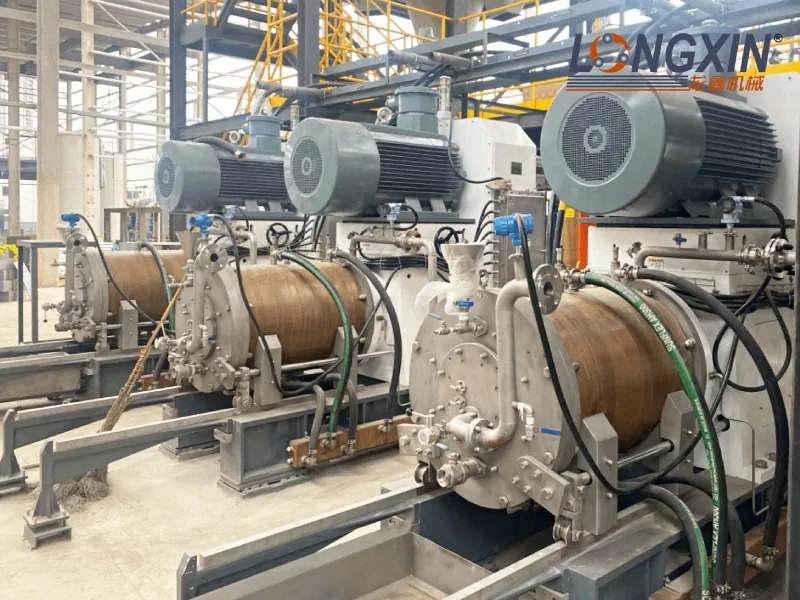
Core Performance Features and Technical Improvements — A Solution That Excels on Two Fronts
Through five technological breakthroughs, Longxin Smart’s high-flow nano grinding mill for lithium iron phosphate (LFP) delivers multiple benefits: higher capacity, tighter precision control and lower cost.
(1) A leap in capacity: throughput above 100 litres per hour
The integrated design of the modular grinding assembly and the high-efficiency separation system gives a single machine a throughput of 100–500 L/h, two to three times that of conventional equipment.
(2) Controllable precision: D50 held at 100–500 nm
The composite energy field of the turbine-pin assembly ensures uniform shear on the particles. Combined with 0.3 mm high-roundness zirconia beads, it holds the LFP particle size at a D50 of 100–500 nm with a highly consistent size distribution.
(3) Energy savings and lower cost: overall energy consumption reduced by 15 %
Energy optimisation: a permanent-magnet synchronous direct-drive motor improves transmission efficiency and saves 15 % of energy compared with a conventional induction motor. The high thermal conductivity of the silicon carbide grinding chamber reduces additional cooling energy, cutting overall energy consumption by 35 %.
Lower media loss: the high grinding efficiency of the small grinding beads reduces media consumption per unit of output by 10 %, saving more than RMB 10,000 per machine per year in media costs.
Lower maintenance cost: the long service life of the silicon carbide chamber and tungsten carbide pins extends maintenance intervals and reduces maintenance costs.
(4) Low-temperature grinding: lower discharge temperature
The dual temperature control design — efficient heat conduction through the silicon carbide chamber plus forced cooling by the spiral baffles — keeps the grinding chamber temperature stable.
Industry Value: Redefining the LFP Grinding Standard
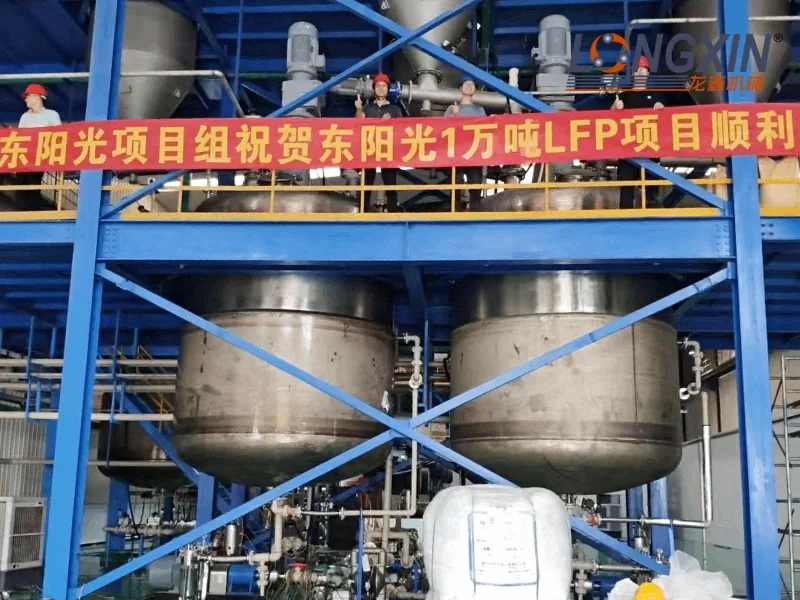
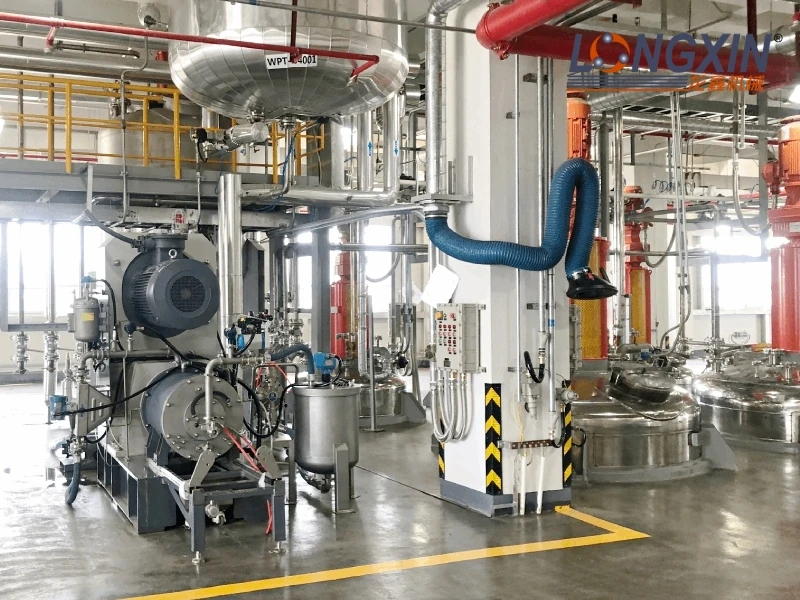
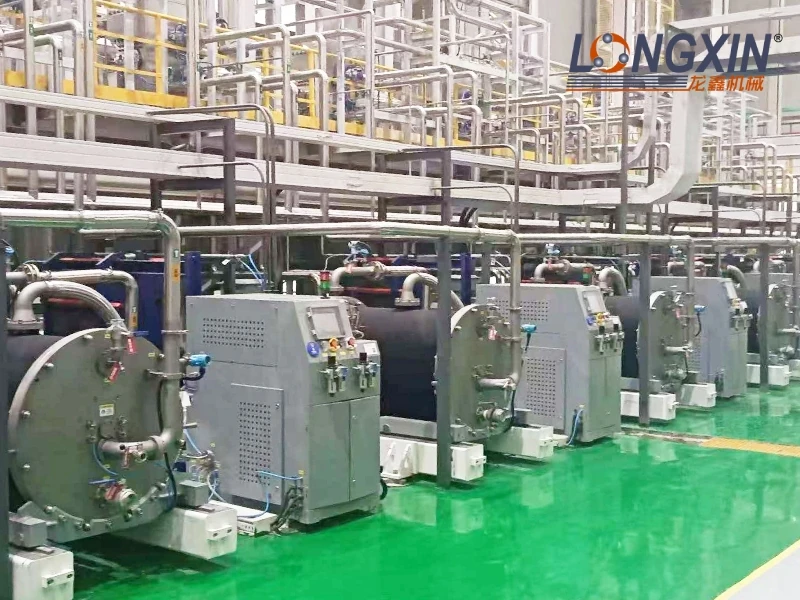
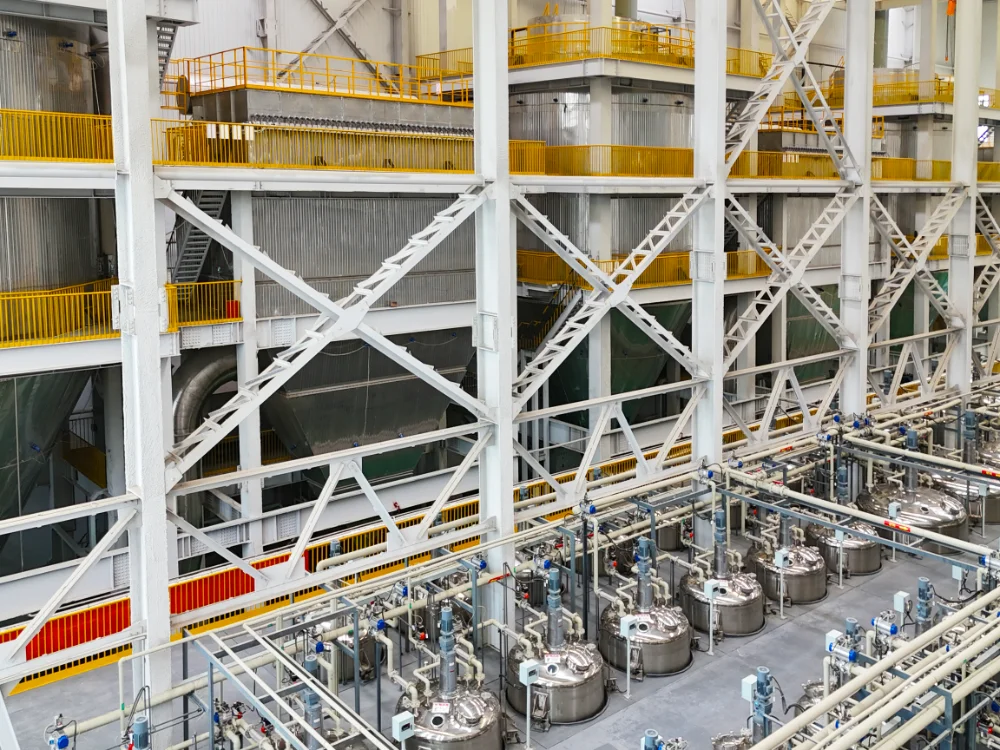
Longxin Smart’s high-flow nano grinding mill for LFP is already in large-scale use at several leading lithium battery material companies. Its technical innovation brings three changes to the industry:
(1) Higher performance. Precise particle size control and a low-temperature grinding environment raise the energy density of LFP batteries and extend cycle life, helping manufacturers meet the latest requirements for power batteries.
(2) Lower cost. Overall energy consumption is reduced by 15 % and media loss by 20 %; together with the economies of scale from higher capacity, this lowers the unit production cost of LFP.
(3) Process upgrade. Production moves from batch to continuous operation, raising equipment availability. Intelligent recipe switching enables flexible production of multiple LFP grades and substantially shortens the time to market for new products.
Looking ahead, Longxin Smart will continue to advance nano grinding technology, integrating material innovation, algorithm optimisation and production-line engineering more deeply to launch intelligent equipment better suited to the new energy industry. By helping lithium battery manufacturers gain an early advantage in the drive for lower cost and higher efficiency, the company will continue to contribute to the high-quality development of the new energy industry.