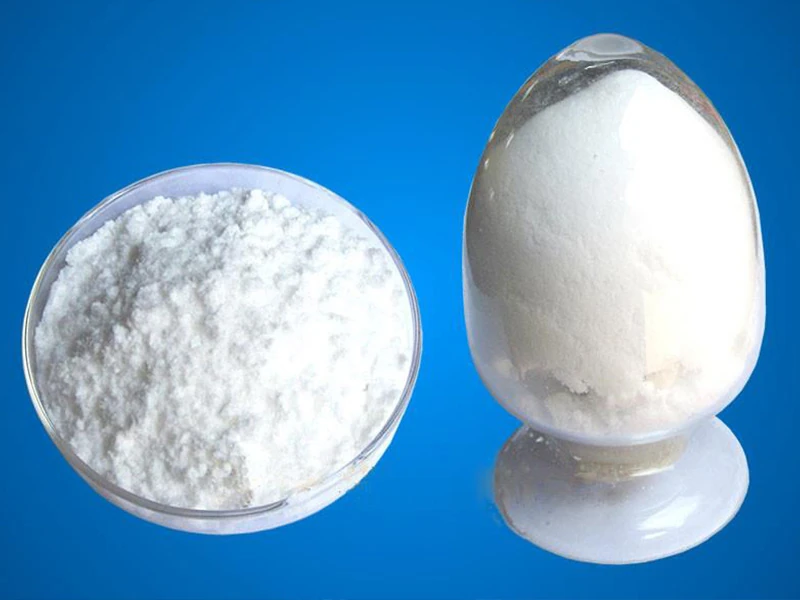
Lithium hexafluorophosphate (LiPF6) has long been the primary electrolyte lithium salt used in commercial lithium-ion batteries. As the new energy sector continues to expand, demand for LiPF6 is expected to keep growing. At the same time, the market faces expanding production capacity, intensifying competition, and increasing pressure on profitability and market share.
In recent years, the LiPF6 market has attracted numerous new entrants, further intensifying competition. Market concentration remains relatively high, with leading companies benefiting from advantages in scale, technology, and customer resources, while small and medium-sized enterprises continue to emerge. As production capacity is released, a market situation in which supply exceeds demand may persist, making price competition increasingly intense. This is expected to affect companies’ profitability and market share to a certain extent.
As environmental policies become stricter, LiPF6 manufacturers face increasingly demanding environmental requirements. LiPF6 production generates wastewater, waste gas, solid waste, and other pollutants, requiring substantial investment in treatment technologies and facilities to meet environmental regulations. These requirements increase production costs and can affect profitability.
Current Filtration and Drying Process for Lithium Hexafluorophosphate
LiPF6 decomposes when exposed to air or heated. In air, water vapor can cause rapid decomposition, releasing PF3 and producing white fumes. At 70°C, hydrolysis may occur, producing lithium fluoride, hydrofluoric acid, and phosphorus pentafluoride.
At low temperatures, anhydrous hydrogen fluoride (AHF) must be effectively removed from LiPF6 to ensure product quality. Residual AHF must be reduced below the specified limit while maintaining the chemical stability of LiPF6 and preventing decomposition or other adverse chemical reactions.
(1) Drying equipment
A dedicated vacuum drying vessel with low-temperature drying capability is used. The equipment requires precise temperature control, with accuracy down to ±1°C; reliable vacuum regulation, with vacuum levels down to 10−3 Pa or lower; and stable operating performance. Materials of construction should be corrosion-resistant, such as a PTFE lining or Hastelloy, to prevent corrosion by anhydrous hydrogen fluoride.
(2) Auxiliary equipment
The system is equipped with a vacuum pump, gas circulation system, temperature sensor, pressure sensor, humidity sensor, and other instrumentation. The vacuum pump maintains the vacuum environment during drying. The gas circulation system helps discharge AHF gas and improve the uniformity of the drying environment. The sensors provide real-time monitoring and feedback on key process parameters.
(3) Packaging materials
High-barrier aluminum foil bags or sealed PTFE-lined containers are prepared for packaging dried LiPF6. These materials help prevent the product from absorbing moisture or re-adsorbing AHF during packaging.
(4) Personal protective and emergency equipment
Personal protective equipment includes corrosion-resistant gloves, face shields, and protective clothing. Emergency equipment and materials for handling AHF leaks should also be provided, including neutralizing agents such as limewater and adsorbent materials.
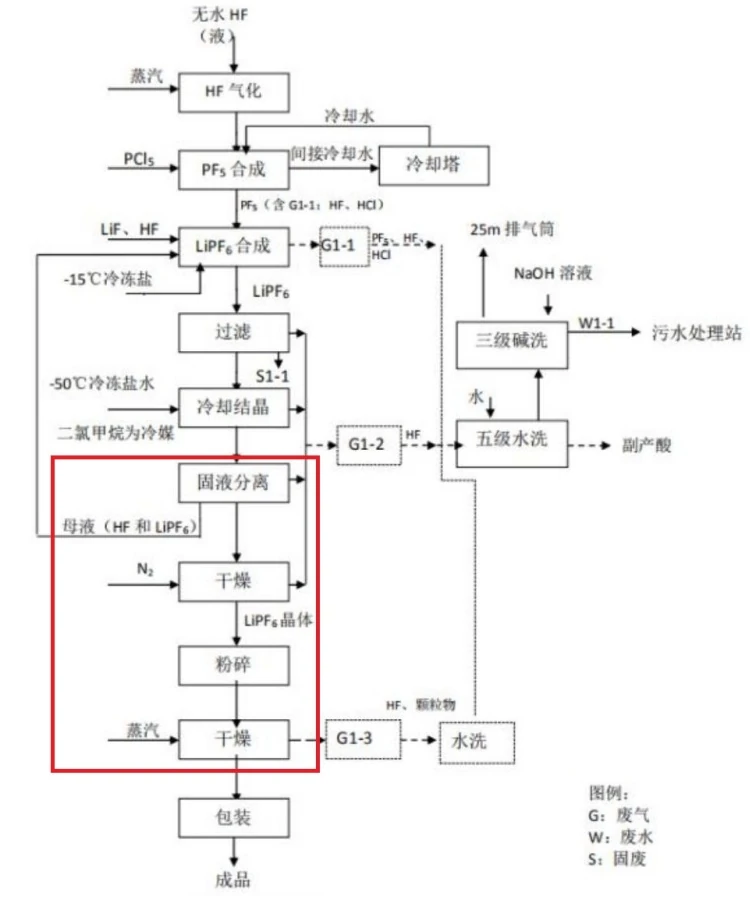
Challenges of the Current Filtration and Drying Process
(1) Conventional purification processes require separate filters, mills, dryers, and supporting equipment. This results in high capital costs and a large equipment footprint.
(2) The process involves numerous steps and multiple pieces of equipment. Although the individual equipment may be structurally simple, operation is complex and labor-intensive.
(3) The system may not operate fully reliably and requires considerable manual effort. Long production cycles, high energy consumption, and low efficiency can also affect product quality.
(4) Material transfer is difficult and labor-intensive, and may also result in material loss and waste.
(5) Repeated material transfers can cause cross-contamination and make it difficult to meet fully enclosed processing requirements.
(6) Flammable, explosive, and highly toxic materials present significant safety risks.
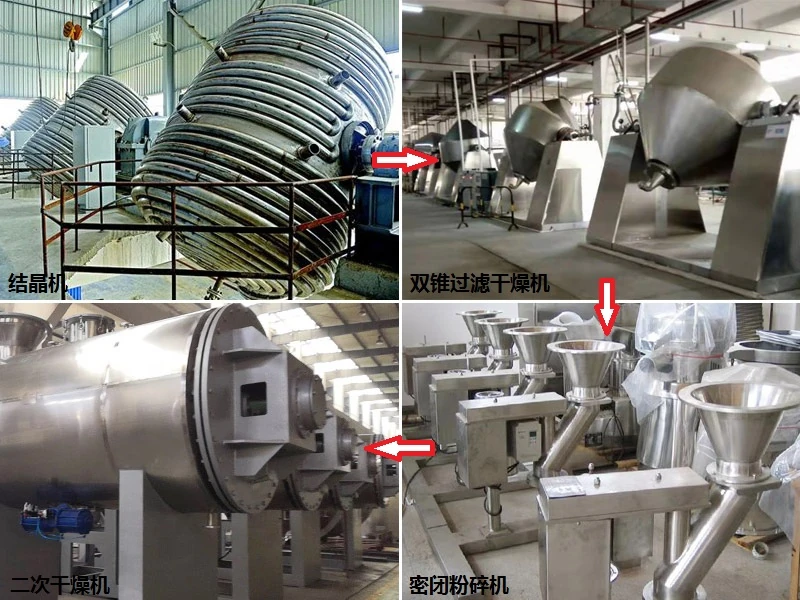
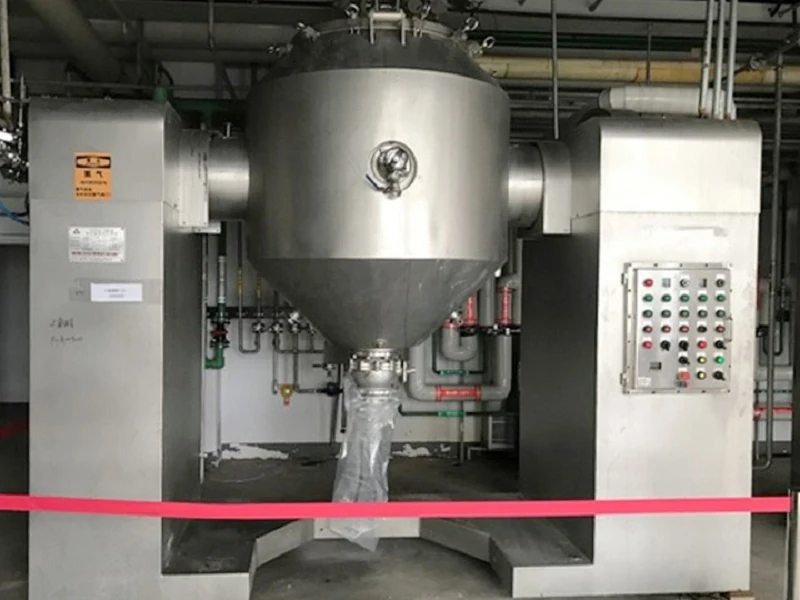
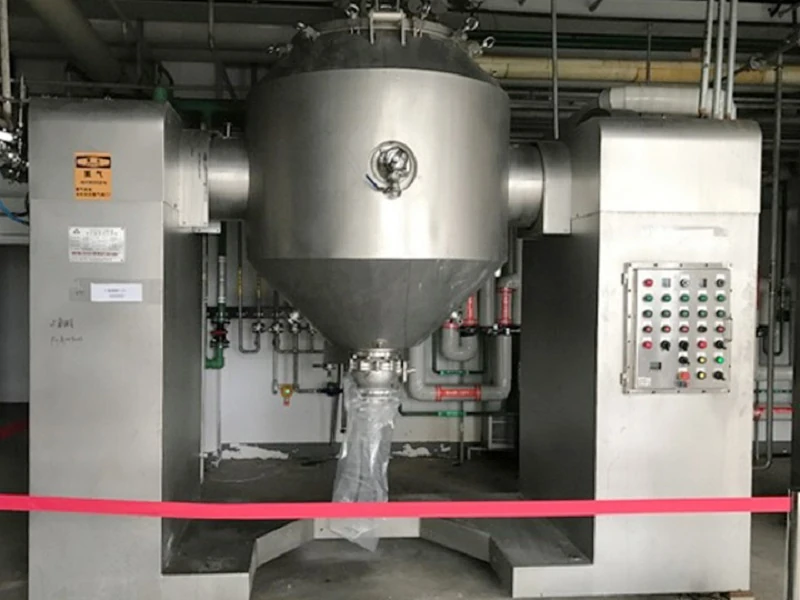
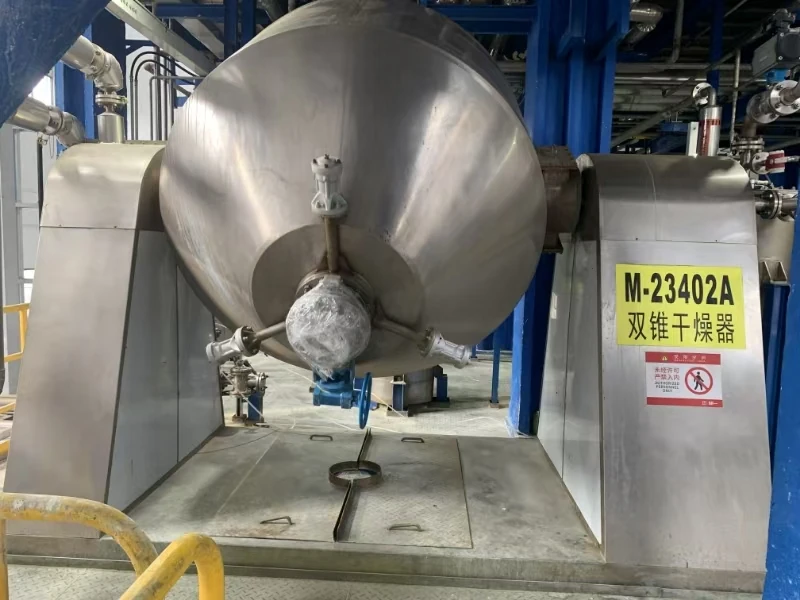
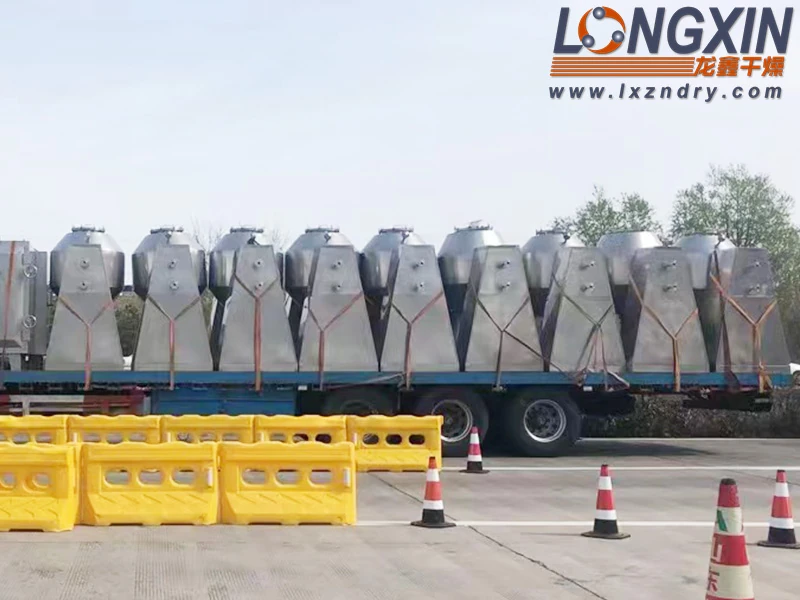
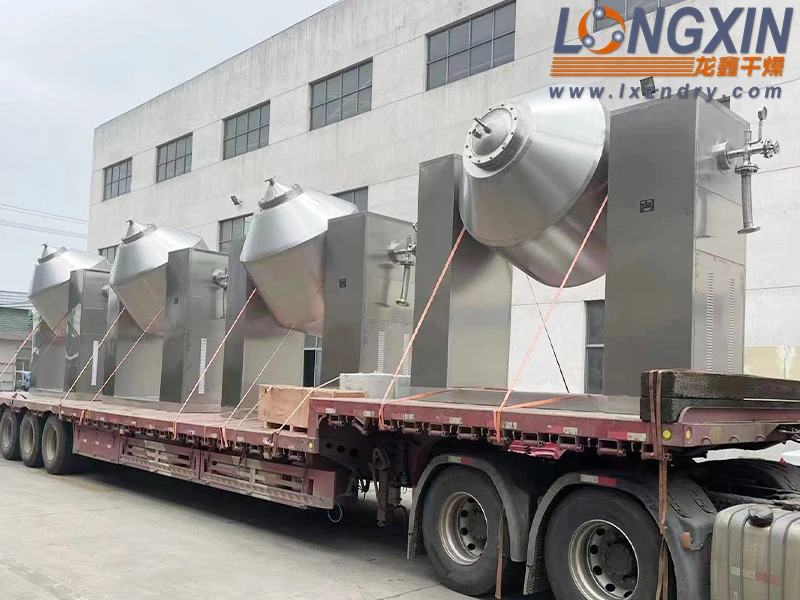
As environmental requirements become increasingly stringent, LiPF6 manufacturers need to increase environmental investment and adopt greener processes and technologies to meet applicable regulations. In response to rising battery-performance requirements, Jiangsu Longxin has developed a low-temperature drying machine for LiPF6 electrolyte. The system is designed to address increasingly demanding requirements for LiPF6 purity and performance, helping customers advance product innovation and upgrades and develop high-end products that meet market demand.
Integrated Filtration and Drying Process for Lithium Hexafluorophosphate Electrolyte
(1) Solid–liquid separation (filtration)
Preparation: Prepare the LiPF6-containing slurry and confirm that its concentration and composition are suitable for filtration.
Filtration: Feed the slurry into the integrated LiPF6 filtration and drying machine. Pressure is applied so that the liquid passes through a filter cloth or screen while LiPF6 solid particles are retained, achieving solid–liquid separation.
(2) Primary drying
Drying parameters: Set the appropriate drying temperature, duration, vacuum level (when vacuum drying is used), and other parameters according to the characteristics of LiPF6 and the product requirements. The drying temperature should generally not be too high, to avoid decomposition or other chemical reactions. Drying time should be determined according to the quantity of material and equipment performance so that LiPF6 is thoroughly dried.
Process monitoring: During drying, closely monitor the operating status of the equipment and the condition of the LiPF6. Drying completion can be assessed by monitoring changes in temperature and vacuum level and by periodically sampling the product to test its moisture content and other indicators.
(3) Deep drying
When very strict limits apply to the moisture content of LiPF6, deep drying may be required. This can be achieved using a higher drying temperature, a higher vacuum level (lower absolute pressure), or a longer drying time. Drying conditions must be carefully controlled to avoid adverse effects on product quality.
(4) Cooling and packaging
Cooling: After drying, LiPF6 must be cooled to room temperature or close to room temperature. Cooling may take place naturally inside the drying equipment, or the product may be transferred to dedicated cooling equipment.
Packaging: Cooled LiPF6 must be packaged to prevent absorption of atmospheric moisture and impurities. Packaging materials should provide good sealing and moisture-barrier performance, such as plastic bags or aluminum foil bags. Air should be removed from the package as far as practicable to improve seal integrity.
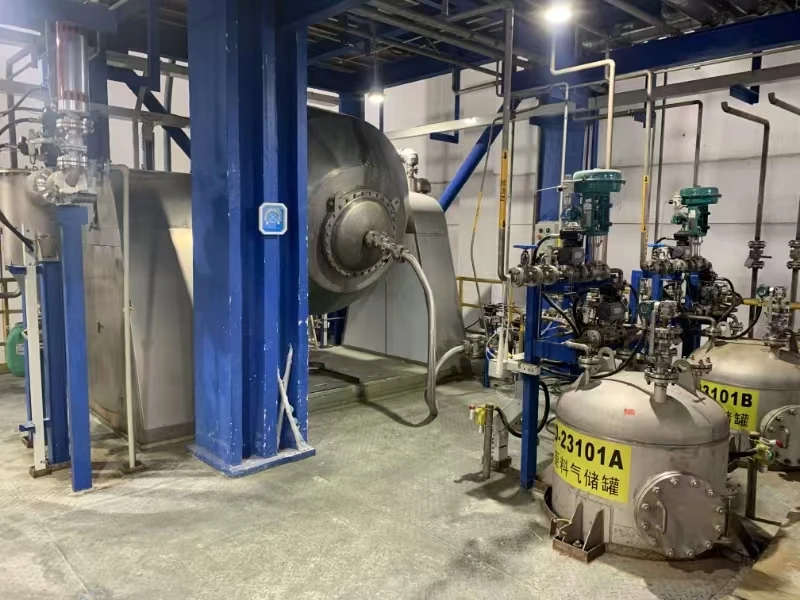
Advantages of the Integrated LiPF6 Filtration and Drying Machine for Lithium-Ion Battery Electrolyte
(1) Improved production efficiency
Integrated operation: By combining filtration and drying in a single machine, the system eliminates material transfer, loading, and unloading between separate equipment, significantly reducing operating time and labor costs. In a conventional process, filtration is completed in a filter before the material is transferred to a dryer for drying. This process may take considerable time and can lead to material leakage and loss. An integrated machine completes the entire process from filtration to drying within one unit, improving process continuity and efficiency.
Rapid filtration and drying: Integrated filtration and drying machines generally use advanced filtration technology and efficient drying systems, enabling LiPF6 to be filtered and dried within a relatively short time. Special filter media and structures can rapidly remove impurities and moisture from the material. An optimized drying system can also dry the material at a lower temperature, reducing the effects of high temperature on LiPF6 performance.
(2) Product quality assurance
High-precision filtration: High-precision filtration can effectively remove solid impurities and particles from LiPF6, improving product purity. In lithium battery electrolytes, impurities can affect electrolyte conductivity and battery performance stability, making high-precision filtration critical to product quality. The filtration system in an integrated machine generally provides high filtration accuracy and efficiency to meet the stringent LiPF6 purity requirements of lithium battery electrolytes.
Secagem uniforme: Uniform heating and drying help avoid localized overheating and uneven drying. This is important for consistent LiPF6 quality because non-uniform drying can cause variations in product performance and affect the consistency and reliability of lithium batteries. Integrated machines are generally equipped with effective mixing and heat-transfer systems that enable thorough mixing and uniform heating during drying.
Reduced contamination and oxidation: The integrated machine operates in a relatively enclosed environment, reducing contact between the material and the surrounding environment and lowering the risk of contamination and oxidation of LiPF6. In lithium battery electrolyte production, oxidation and contamination of LiPF6 can seriously affect electrolyte performance, making protection from external factors essential to product quality.
(3) Energy efficiency and environmental protection
Efficient energy use: Because filtration and drying take place in the same equipment, energy losses associated with transfer between separate machines are reduced, improving energy efficiency. Integrated machines can also use energy-saving technologies such as optimized heating systems and waste-heat recovery to further reduce energy consumption. For example, intelligent temperature-control systems can automatically adjust heating power according to the material’s drying condition, helping prevent energy waste.
Reduced solvent emissions: During filtration and drying, an integrated machine can effectively recover and treat solvents, reducing solvent emissions and waste. In lithium battery electrolyte production, recovering and treating organic solvents can both lower production costs and reduce environmental pollution.
(4) Simple operation and low maintenance costs
Elevado nível de automatização: The equipment generally includes an advanced automatic control system, allowing operators to complete the entire filtration and drying process through simple setup and monitoring. This reduces technical requirements for operators and lowers labor intensity while improving production safety and stability. The control system can monitor equipment status, temperature, pressure, and other parameters in real time and automatically adjust and control the process according to preset programs.
Fácil manutenção: The integrated machine has a relatively simple structure and a high degree of integration, reducing the number of components and connection points and lowering maintenance difficulty and cost. Modular design in some units further facilitates disassembly and repair, improving serviceability.