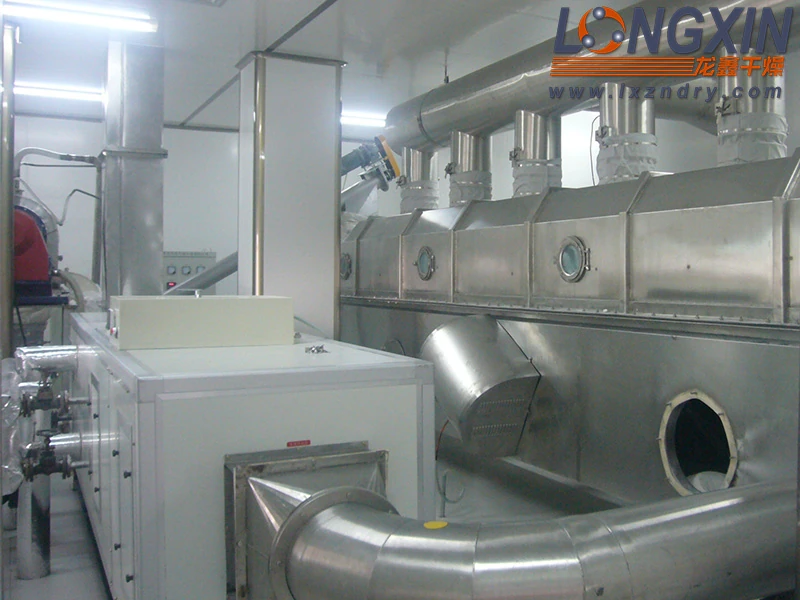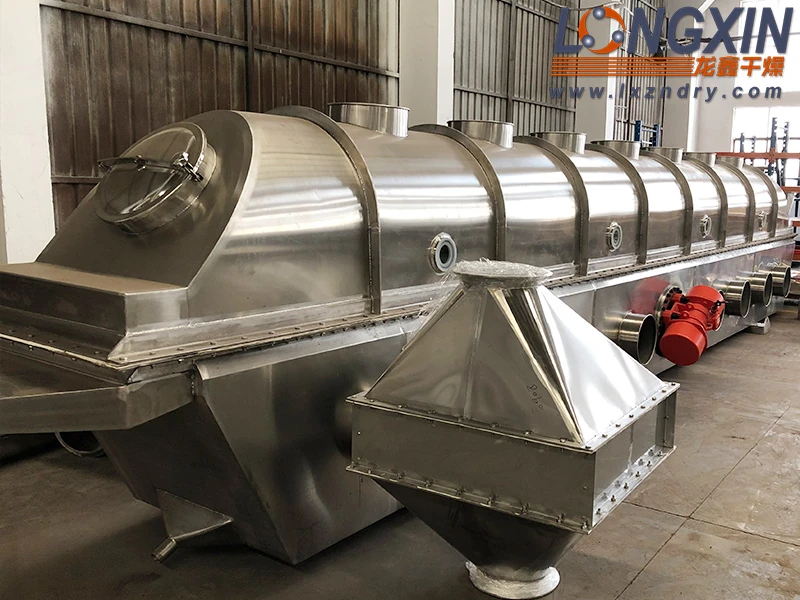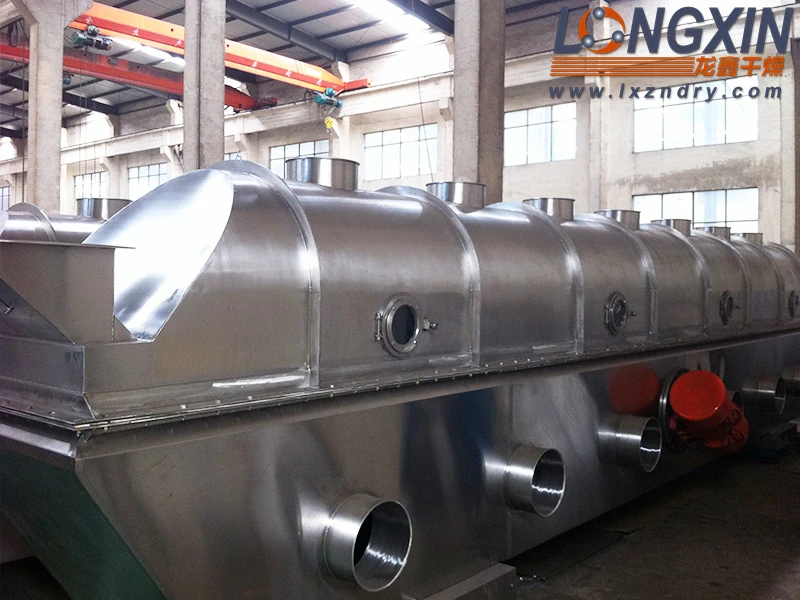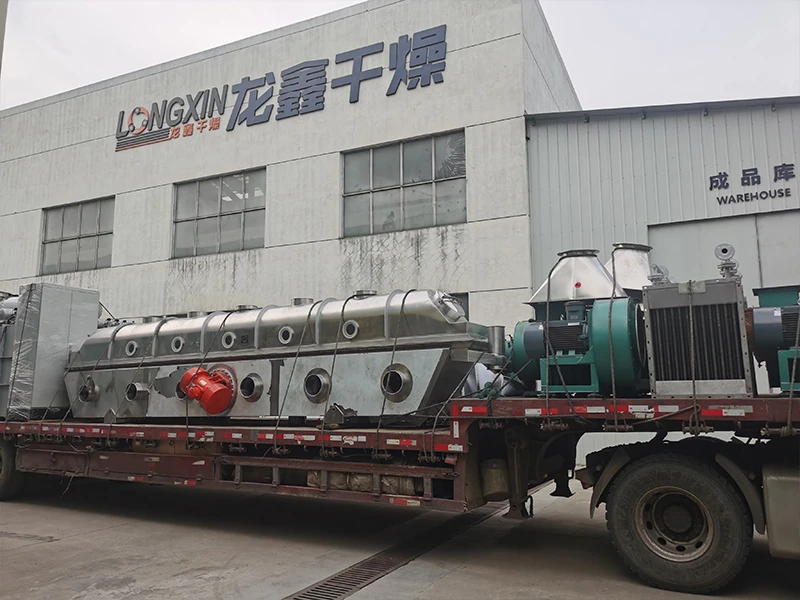
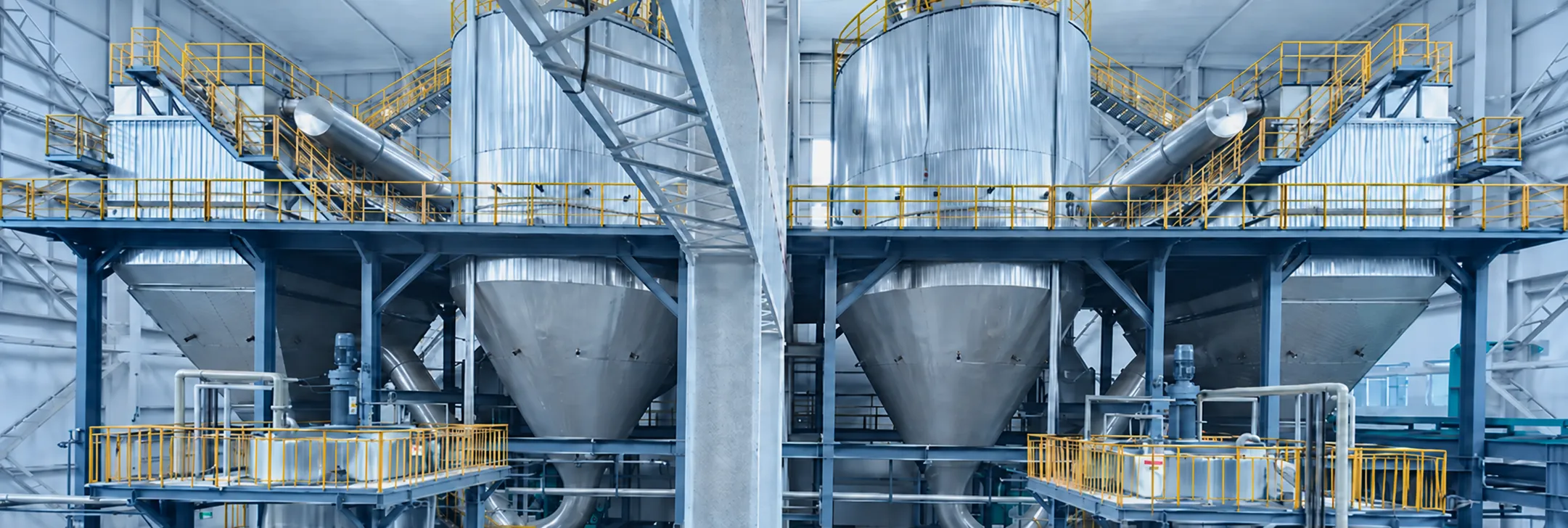
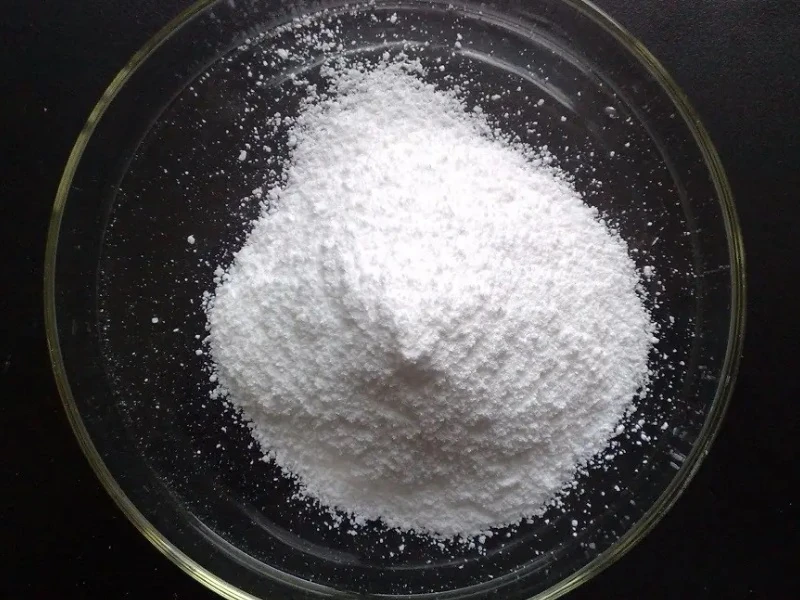
Sodium gluconate is a white crystalline granule or powder and the sodium salt of gluconic acid. As consumers pay increasing attention to food safety and shelf life, demand for sodium gluconate as a food additive and flavoring agent continues to grow steadily in applications such as food preservation and taste improvement. It can be used in meat products, beverages, health foods, and many other food products. With global population growth and rising demand for healthier diets, the market for food-grade sodium gluconate is expected to expand further. China is a major producer and consumer of sodium gluconate, with strong domestic demand. As the economy continues to develop and industries advance, demand for sodium gluconate is growing across application areas. Economically developed regions such as East China, North China, and South China have large demand for sodium gluconate due to their strong industrial foundations and rapid urbanization. These regions also have relatively high requirements for product quality and performance.
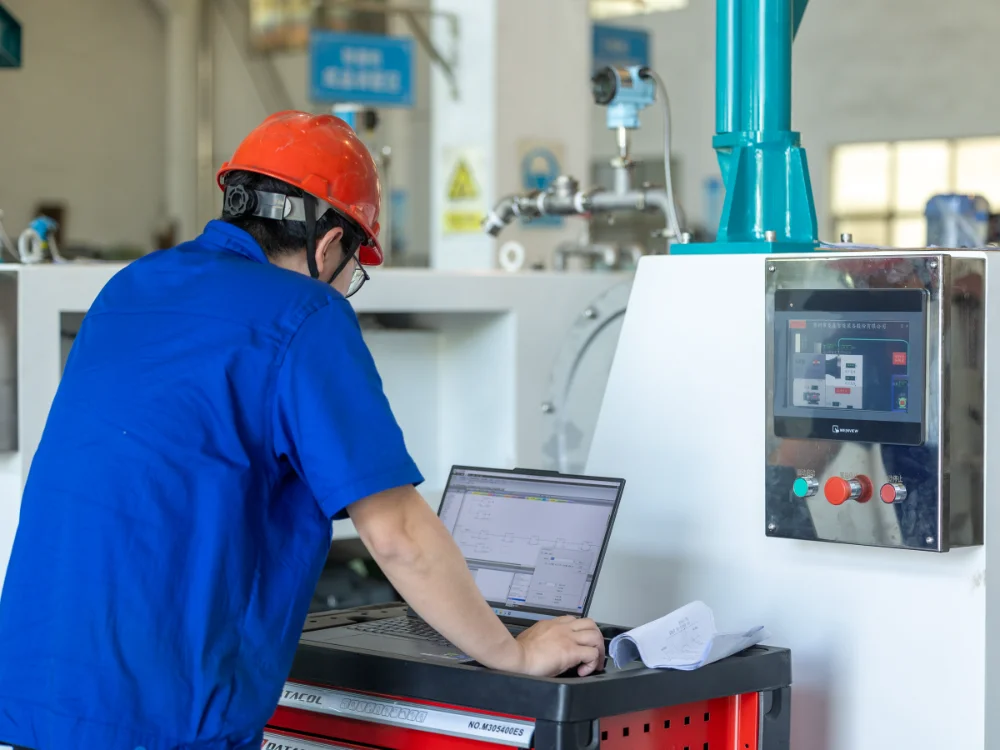
In industries with demanding quality requirements, such as food and pharmaceuticals, standards for sodium gluconate continue to rise, creating a need for more efficient and precise drying equipment to ensure product quality. Jiangsu Longxin’s fluidized-bed dryers, with their effective drying performance and uniformity, are designed to meet the requirements of high-quality sodium gluconate production. Longxin Smart continues to increase investment in research and development to improve the technical level and quality performance of its sodium gluconate fluidized-bed dryers. The equipment is equipped with an advanced control system that supports automated operation and remote monitoring, helping improve production efficiency and management, reduce manual intervention and labor intensity, lower production costs, and improve process stability and quality controllability to meet the requirements of modern production.
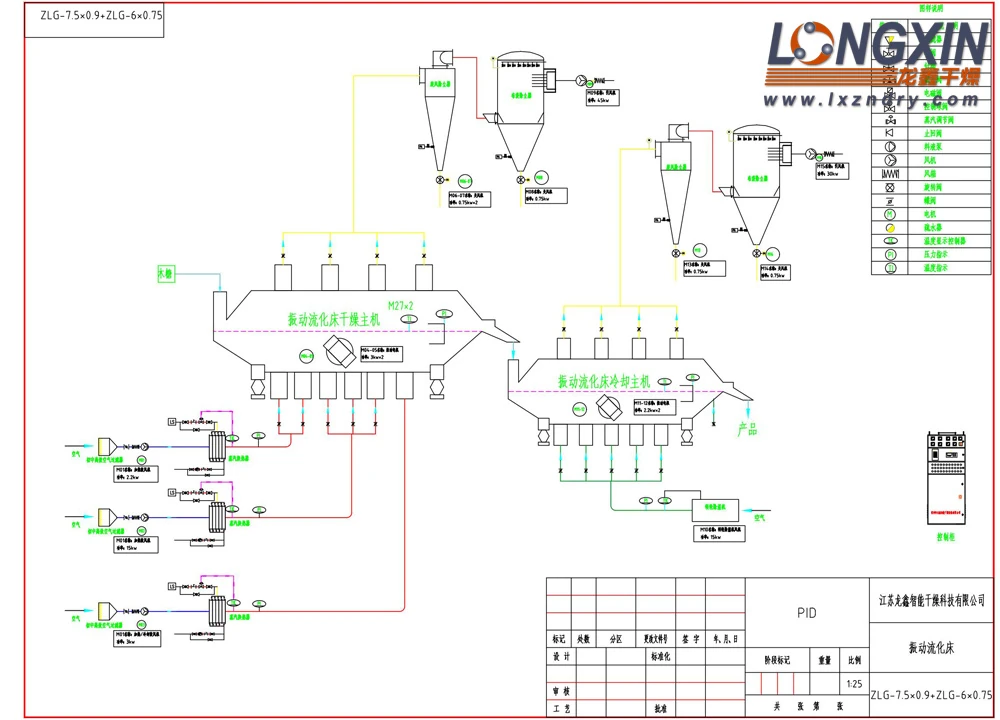
Process Flow of the Sodium Gluconate Fluidized-Bed Dryer
(1) Feeding
Material preparation: The sodium gluconate to be dried is typically in a wet state and may be the product of pretreatment steps such as crystallization and centrifugation. Its moisture content generally falls within a certain range—for example, approximately 3%.
Uniform feeding: A feeding device, such as a screw feeder or rotary star feeder, delivers sodium gluconate uniformly to the feed inlet of the fluidized-bed dryer. This helps ensure an even material distribution across the bed and supports stable drying.
(2) Drying
Hot-air supply: Air passes through a filter to remove impurities and dust, then enters a heater and is heated to the set drying temperature. For sodium gluconate drying, the inlet-air temperature is generally controlled below 70°C to prevent excessively high temperatures from altering material properties or causing decomposition.
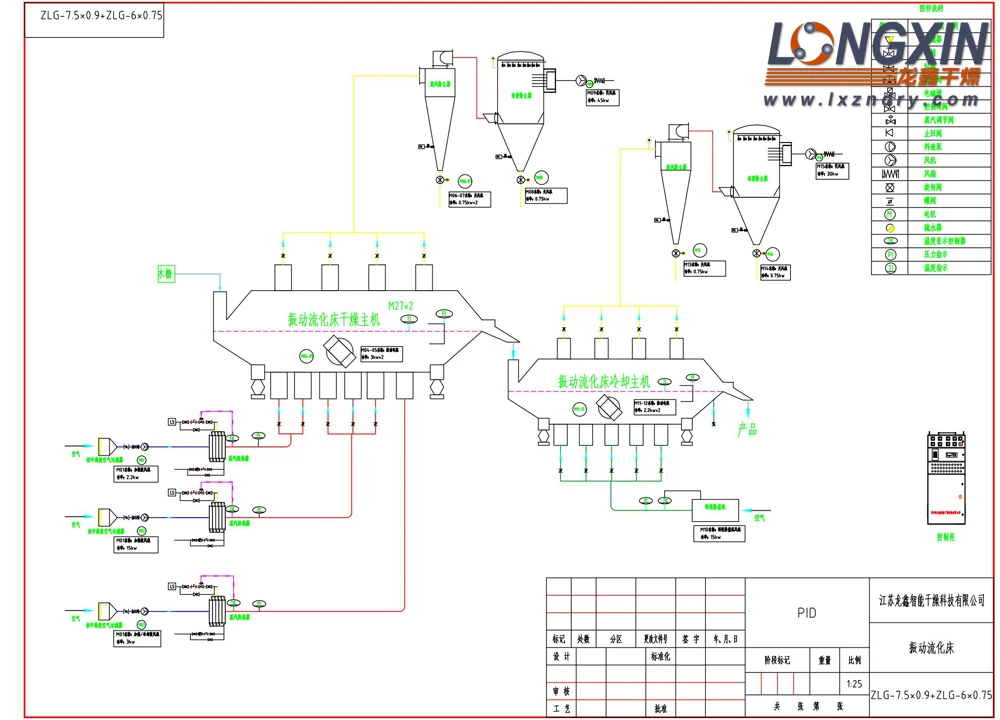
Fluidized drying: Heated air flows upward from the air plenum at the bottom of the fluidized bed and passes uniformly through the air-distribution plate into the material bed. The material particles are suspended by the hot air and continuously tumble and jump within the bed, ensuring thorough contact with the hot air. Moisture in the material evaporates rapidly, enabling heat and mass transfer. In a vibrating fluidized-bed dryer, the excitation force generated by vibration motors also causes the material to move forward in a jumping motion along the horizontal direction. This further enhances fluidization and heat- and mass-transfer efficiency and accelerates drying.
Parameter control: Key parameters—such as inlet-air temperature, outlet-air temperature, material temperature, bed pressure, and air velocity—must be monitored and controlled in real time during drying. Temperature sensors, pressure sensors, and other instruments measure these parameters and send feedback to the control system. The control system automatically adjusts heater power, fan speed, and other operating variables according to the set values to maintain stable, efficient drying and ensure the required final moisture content. Sodium gluconate is generally dried to a moisture content of ≤0.5%.
(3) Discharge
Dried-material discharge: After drying for a sufficient period, the sodium gluconate is discharged by gravity from the outlet of the fluidized-bed dryer and transferred to subsequent storage or packaging processes.
Moisture removal and dust collection: Moist air and a small amount of entrained material dust generated during drying are drawn out by an induced-draft fan. The gas first passes through a cyclone separator for preliminary gas–solid separation. Most material particles are collected and returned to the dryer or transferred to a recovery system to reduce material losses. The gas then passes through further dust-removal equipment, such as a bag filter and a water-mist scrubber, for deep purification so that exhaust emissions comply with environmental standards and do not cause environmental pollution.
(4) Equipment Cleaning and Maintenance
Regular cleaning: After a certain number of drying batches, the fluidized-bed dryer must be cleaned to remove residual material, dust, and other impurities and prevent them from affecting the quality of the next batch. Appropriate cleaning solutions and tools can be used to thoroughly clean the bed body, air-distribution plate, feed inlet, discharge outlet, and other areas. The equipment must be dried after cleaning and contain no residual moisture.
Equipment maintenance: The equipment should be inspected and maintained regularly. Checks should include the operating condition of vibration motors, wear on fan impellers, heating performance, and sensor accuracy. Damaged or aged components should be replaced promptly to ensure normal operation and support equipment service life.
Performance Features of the Sodium Gluconate Fluidized-Bed Dryer
(1) High Drying Efficiency
Uniform heating: Hot air passes uniformly upward from the bottom of the fluidized bed through the material layer, ensuring thorough contact between the particles and the hot air. The vibration of the vibrating fluidized-bed dryer also causes the material to tumble and jump continuously, further enhancing heat and mass transfer. This supports uniform heating and thorough heat exchange, increasing drying intensity and efficiency and enabling rapid, effective removal of moisture from sodium gluconate.
Adjustable residence time: Residence time can be adjusted conveniently according to moisture content, particle size, drying requirements, and other factors to achieve the required degree of drying. In general, sodium gluconate can be dried to a moisture content of ≤0.5%, meeting the requirements of different production processes.
(2) High Product Quality
Reduced material damage: Vibration helps disperse the material. Materials that tend to agglomerate or develop channeling in a conventional fluidized bed can be fluidized and dried smoothly when appropriate vibration parameters are selected. Air velocity can also be lower than in a conventional fluidized bed, reducing stress on material particles during drying. This makes the system suitable for fragile materials and particularly suitable for drying sodium gluconate when crystal shape and particle-surface gloss must be maintained. Product quality and appearance can therefore be protected.
Excellent drying uniformity: Uniform fluidization without dead spaces or air channeling helps produce uniformly dried, cooled, or humidified products. The resulting sodium gluconate has stable quality and consistent performance indicators, which is beneficial for subsequent processing and use.
(3) Significant Energy Savings
Lower air velocity: Because vibration is applied in a vibrating fluidized-bed dryer, the minimum fluidization velocity can be reduced, significantly decreasing air demand and reducing dust entrainment. The heat source, fans, cyclone separators, and other auxiliary equipment can also be specified at smaller sizes, substantially reducing the cost of the complete system and delivering clear energy savings.
Higher thermal efficiency: Uniform material heating and thorough heat exchange enable more effective use of heat. Compared with conventional dryers, energy consumption can be reduced by approximately 30–50%, lowering energy use and production costs.
(4) Stable and Reliable Operation
Vibration-motor drive: Vibration is generated by vibration motors, which provide balanced operation, low noise, and long service life. This reduces equipment failures and maintenance frequency, improves reliability and service life, and lowers maintenance costs.
Fully enclosed structure: The fully enclosed structure helps prevent cross-contamination between the material and the external atmosphere, maintain a clean working environment, and prevent impurities from entering the material and affecting product quality. It also supports the hygiene requirements of the pharmaceutical, food, and other industries.
(5) Broad Applicability
Wide material compatibility: The dryer is suitable for drying various loose powders and granular materials and can accommodate materials with different specific gravities, particle sizes, moisture contents, and forms of moisture. It can be widely used in food, chemicals, pharmaceuticals, building materials, and other industries—for example, pharmaceutical tablet granules and traditional Chinese medicine granules, as well as plastic resins, boric acid, and borax in chemical processing. It is also suitable for drying sodium gluconate.
Wide parameter-adjustment range: Bed depth, material movement speed within the dryer, and overall vibration amplitude can all be steplessly adjusted. Operation can therefore be adapted flexibly to different material properties and drying requirements to achieve optimal drying results and meet diverse production needs.
Technical Improvements to the Sodium Gluconate Fluidized-Bed Dryer
(1) Optimized Air-Distribution Plate
Improved airflow distribution: Conventional air-distribution plates may produce uneven airflow, affecting fluidization and drying efficiency. New plate structures—such as added flow-guide devices and adjusted ventilation-hole sizes and spacing—can distribute hot air more uniformly through the material layer, improving heating uniformity and reducing localized overheating or incomplete drying.
Prevention of material leakage and blockage: The air-distribution plate is designed to prevent material from falling through the ventilation holes and to prevent particles from accumulating on and blocking the plate, supporting stable operation. A two-layer structure, for example, can use a fine-hole upper plate and a coarse-hole lower plate to prevent both material leakage and blockage.
(2) Upgraded Vibration System
Precise control of vibration parameters: Advanced control systems can precisely control vibration amplitude, frequency, direction, and related parameters. Vibration parameters can be adjusted automatically according to material properties and drying requirements to achieve optimal fluidization, improving drying performance and product quality.
Optimized vibration-motor mounting position: The mounting positions of vibration motors can be adjusted to reduce lateral forces generated during vibration and prevent problems such as cracking caused by uneven stress on the bed structure. This improves equipment stability and service life.
(3) Waste-Heat Recovery
Waste heat generated during drying can be recovered to preheat cold air or material entering the dryer, reducing energy consumption. For example, a heat exchanger can transfer heat from the exhaust moist air to incoming cold air so that the cold air is preheated before entering the heater, improving energy utilization.
(4) Application of an Intelligent Control System
Process-parameter monitoring and automatic adjustment: Advanced sensors continuously monitor key parameters during drying—such as material temperature, humidity, bed pressure, and air velocity—and send the data to the control system. The control system automatically adjusts heater power, fan speed, vibration parameters, and other operating variables according to preset values to maintain optimal drying conditions and consistent product quality.
Fault diagnosis and early warning: A fault-diagnosis model can be established to analyze equipment operating data, identify potential problems in advance, and issue warnings. Corresponding troubleshooting recommendations can also be provided to help maintenance personnel locate and resolve problems quickly, reducing equipment downtime and improving production efficiency.
(5) Optimized Equipment Materials and Structure
Selection of high-quality materials: Based on the properties of sodium gluconate and the requirements of the drying process, key components—such as the bed body, air-distribution plate, and heat exchanger—can be made from corrosion-resistant, heat-resistant, and wear-resistant materials. This improves equipment reliability and service life and reduces maintenance costs.
Compact design: The overall structure can be optimized to be more compact and efficient, reducing the equipment footprint. It also facilitates installation, disassembly, and maintenance, helping lower operating costs.