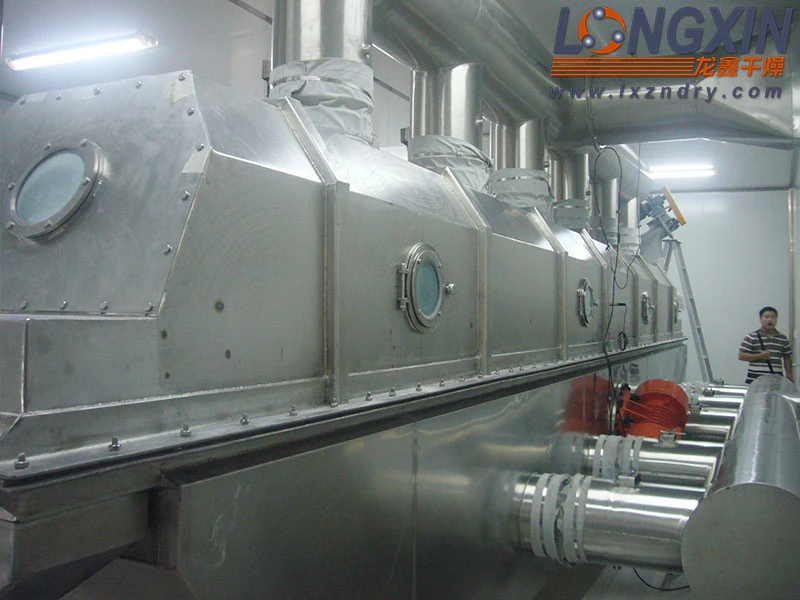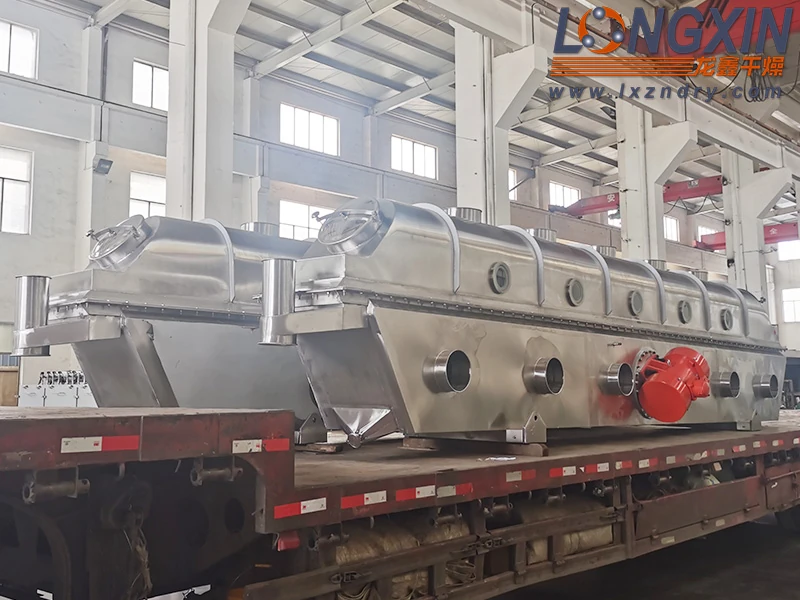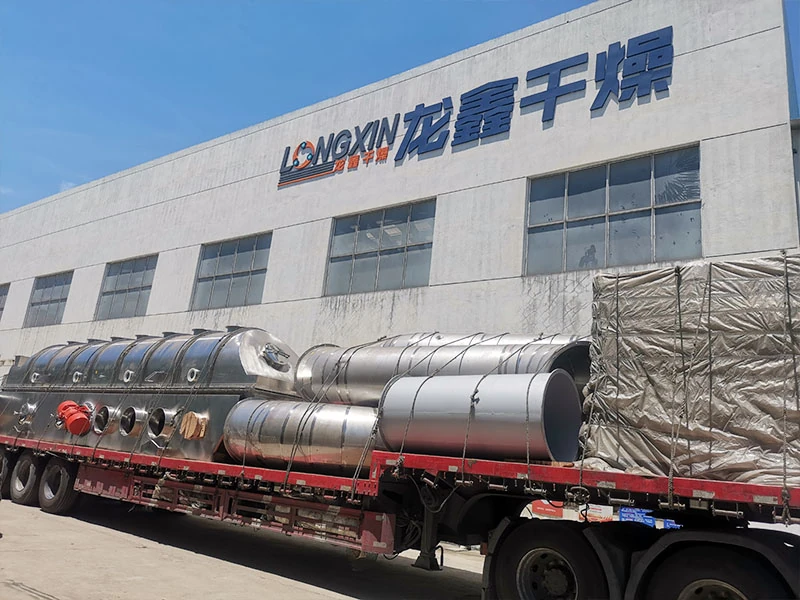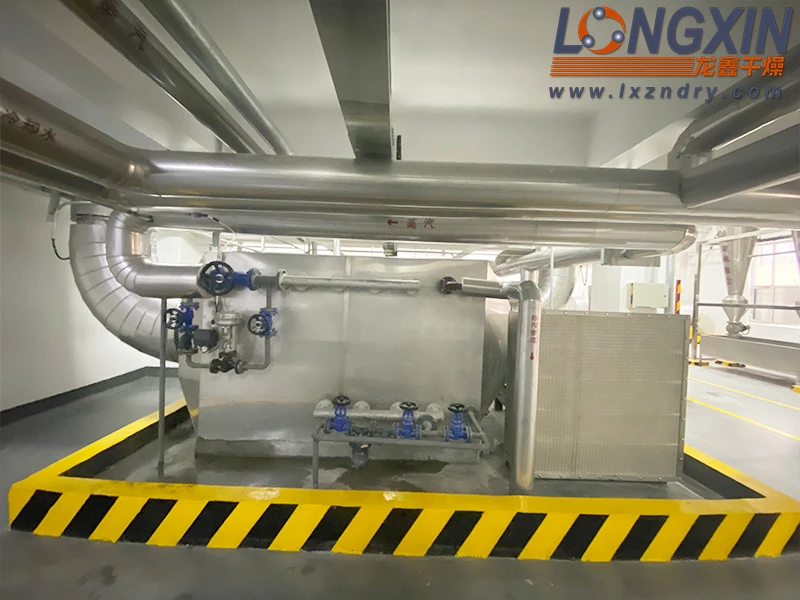
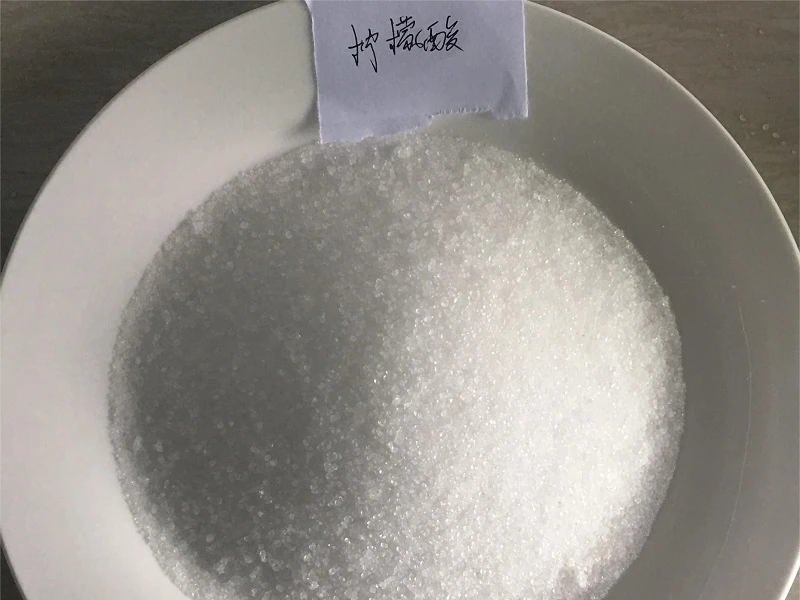
Anhydrous citric acid is a colorless crystalline or white crystalline powder. As an acidulant, it enhances the acidity and improves the taste of food and is commonly used in jams, confectionery, carbonated beverages, juices, and other food products. It can also serve as a preservative, helping inhibit microbial growth and extend food shelf life. In juices, carbonated beverages, tea drinks, and similar products, it is used as an acidifier to maintain a refreshing taste and adjust pH while helping with the dissolution and release of carbon dioxide. As consumer demand grows for healthier and more natural food additives, anhydrous citric acid—used as an acidulant, flavoring agent, and preservative—is expected to find applications in more new food and beverage products, such as functional beverages and healthier snacks, helping manufacturers meet consumer expectations for taste and quality. Its use in the pharmaceutical field is also continuing to expand, with demand showing steady growth. It can be used for pH adjustment, antioxidant protection, and acidification in pharmaceutical formulations and as a raw material for producing antacids, vitamin C, and other medicines. As the global pharmaceutical market continues to expand—particularly with increased healthcare spending in emerging economies and rising requirements for drug quality and stability—demand for anhydrous citric acid from the pharmaceutical industry is expected to increase further.
Food and beverage, pharmaceutical, and other industries are imposing increasingly stringent quality requirements on anhydrous citric acid. To meet the expanding production capacity needs of anhydrous citric acid manufacturers, vibrating fluidized-bed dryers will continue to develop toward larger scale and higher efficiency. Jiangsu Longxin continuously optimizes the structure and operating parameters of its vibrating fluidized-bed dryers and adopts new energy-efficient motors and high-efficiency heating and air-handling systems to reduce energy consumption, improve energy efficiency, process more material per unit of time, and lower unit production costs. The new equipment operates smoothly, is easy to maintain, produces low noise, and offers a long service life. It provides uniform fluidization without dead zones or airflow blow-through, enabling uniformly dried and cooled products. The system also offers excellent adjustability and broad applicability; bed depth, material travel speed, and overall vibration amplitude can all be steplessly adjusted.
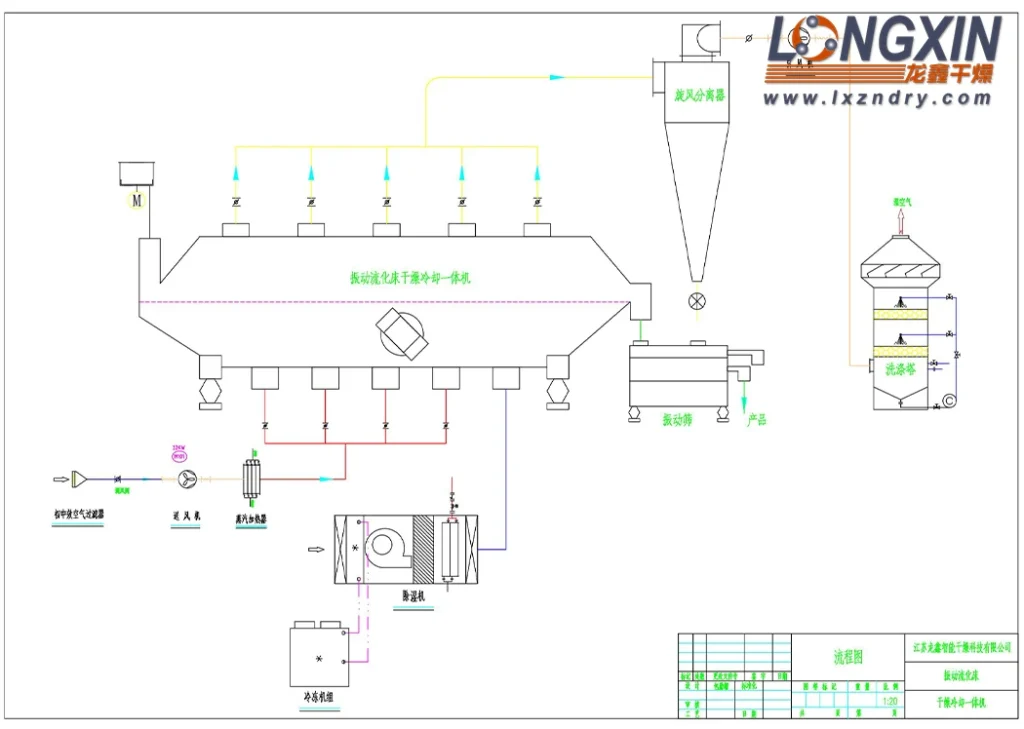
Working Principle of the Anhydrous Citric Acid Vibrating Fluidized-Bed Dryer
(1) Material Feeding
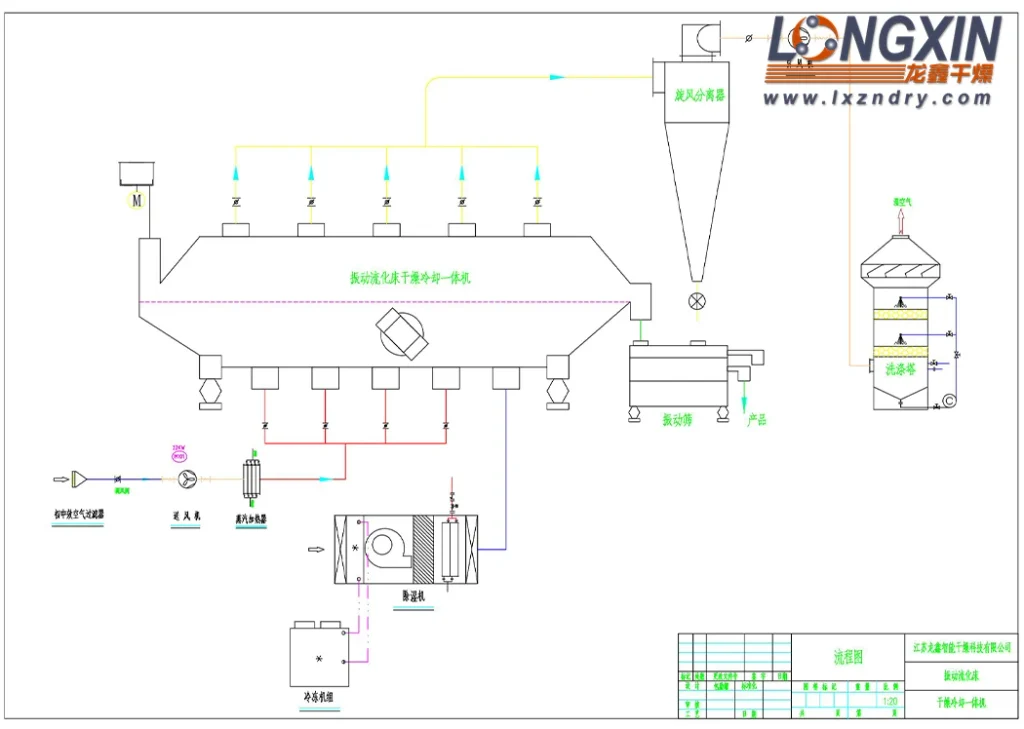
Anhydrous citric acid material enters the vibrating fluidized bed through the feed inlet.
(2) Vibrating Fluidization
Vibration motors generate an excitation force that throws the material in the horizontal direction, causing it to move continuously forward along the fluidized bed. At the same time, hot air flows upward from below the perforated bottom plate and passes through the fluidized bed, suspending the material and bringing the particles into thorough contact with the hot air. Under the combined action of vibration and hot air, the material achieves uniform fluidization that resembles the flow of a liquid. This enables effective fluidization at a relatively low air velocity, significantly reducing energy consumption, particle-to-particle wear, and dust entrainment.
(3) Heat Exchange and Drying
The hot air acts as the heating medium and exchanges heat with the wet material, causing moisture in the material to vaporize into water vapor. Because the material is continuously tumbling and fluidizing in the vibrating fluidized bed, it contacts the hot air thoroughly, supporting uniform heating and effective heat exchange. The result is high drying intensity and rapid, effective moisture removal to achieve the required degree of drying.
(4) Gas–Solid Separation
Moist air carrying water vapor evaporated from the material and a small amount of dust travels upward through a cyclone separator. The cyclone uses centrifugal force to separate and collect dust particles from the moist air, while the purified air is discharged through the exhaust outlet.
(5) Discharge of Dried Material
Under the action of vibration and gravity, the dried anhydrous citric acid continues to move forward and is finally discharged through the discharge outlet as finished dried product.
Main Advantages of the Anhydrous Citric Acid Vibrating Fluidized-Bed Dryer
(1) High Drying Efficiency
Uniform heating: Hot air flows upward through the perforated bottom plate and through the fluidized bed, while vibration causes the material to tumble and fluidize continuously. This ensures thorough contact between the material and hot air and supports uniform heating and effective heat exchange, resulting in high drying intensity and rapid, efficient moisture removal.
Significant energy savings: Under vibration, an appropriate volume of hot air is sufficient to achieve dynamic drying of the material. Compared with conventional dryers, the system offers higher thermal efficiency and can reduce energy consumption by approximately 30%, lowering energy costs and supporting energy-saving production requirements.
(2) Stable Operation
Uniform fluidization: Mechanical vibration brings the material into a fluidized state, helping prevent problems such as channeling, stagnant zones, caking, and agglomeration that may occur in conventional fluidized beds. Fluidization is uniform and stable, without dead zones or airflow blow-through, enabling uniform drying, cooling, and humidification and supporting consistent product quality.
Reliable vibration source: The vibration source uses vibration motors that operate in a balanced manner and offer convenient maintenance, low noise, and long service life. This reduces equipment failures and maintenance costs while improving operational stability and reliability for long-term continuous production.
(3) High Operational Flexibility
Excellent adjustability: Bed depth, material travel speed within the dryer, and overall vibration amplitude can all be steplessly adjusted. Operating conditions can therefore be adapted flexibly to different production requirements and material properties. The broad adjustment range supports drying, cooling, humidification, and other operations for various crystalline granular materials and mixed powder–granular materials.
High material compatibility: The system causes minimal surface damage to the material and can be used to dry fragile materials. It also performs effectively when material particles are irregularly shaped. This makes the dryer well suited to crystalline or powdered anhydrous citric acid and helps preserve product integrity and quality.
(4) Environmental Performance
The fully enclosed structure effectively helps prevent cross-contamination between the material and the external atmosphere, avoiding the introduction of external impurities while reducing dust emissions and improving the working environment. This supports environmental compliance and contributes to operator health and the sustainable development of manufacturing operations.