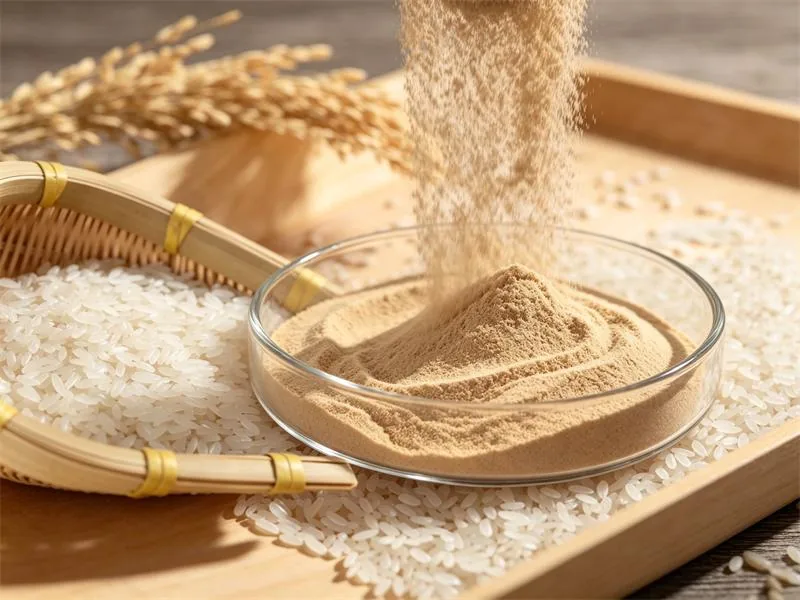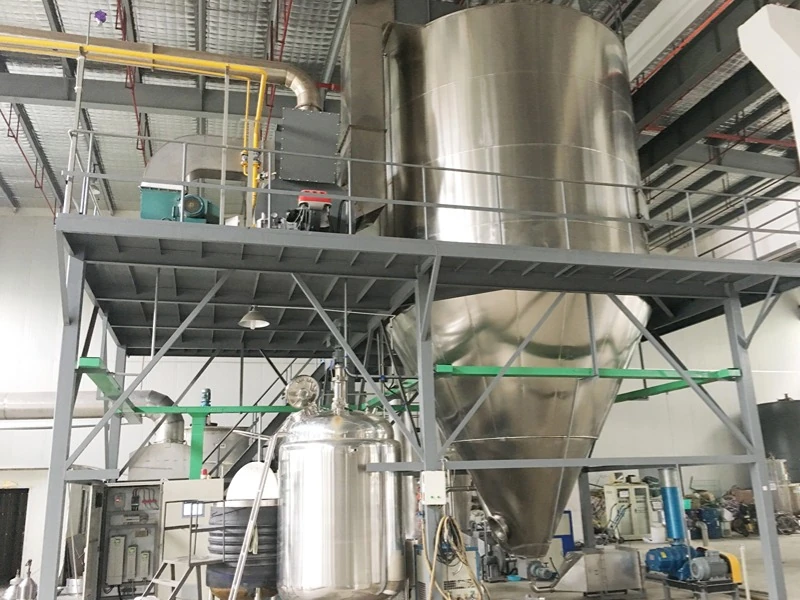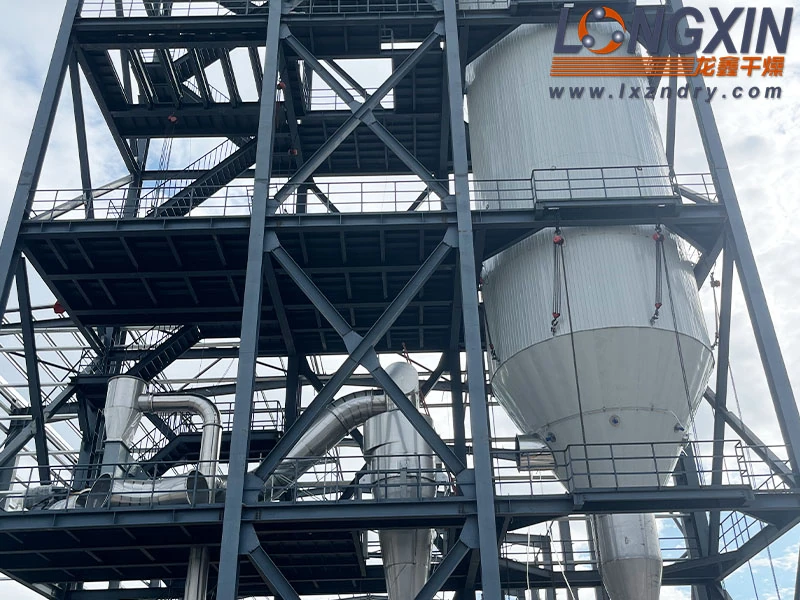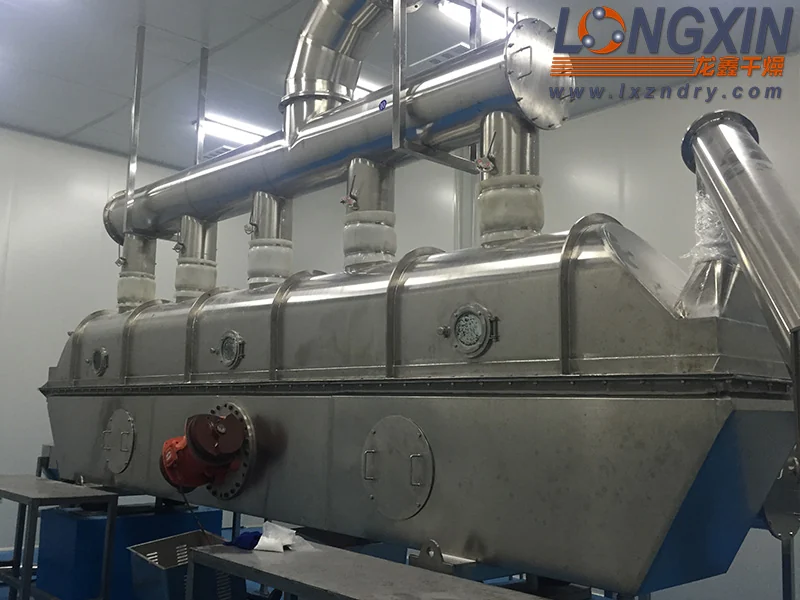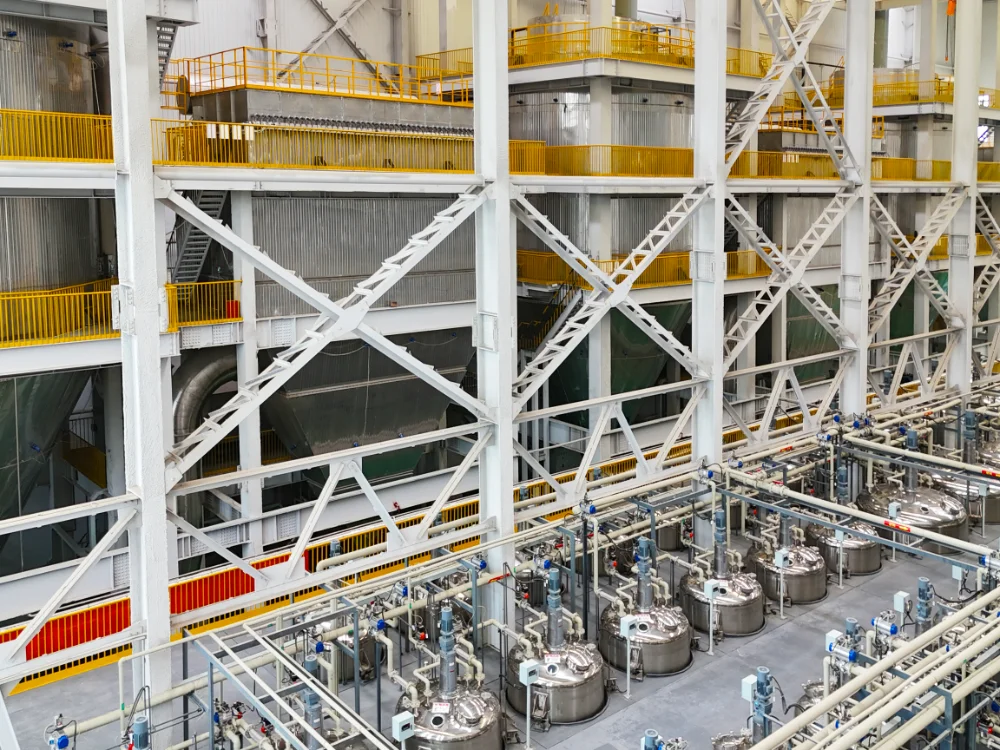

Savory flavors and seasoning concentrates are widely used in instant foods, snacks, soups, sauces, processed meat products and other food applications. Spray drying converts liquid flavor formulations into free-flowing powders that are easier to store, transport, dose and disperse in downstream food processing.
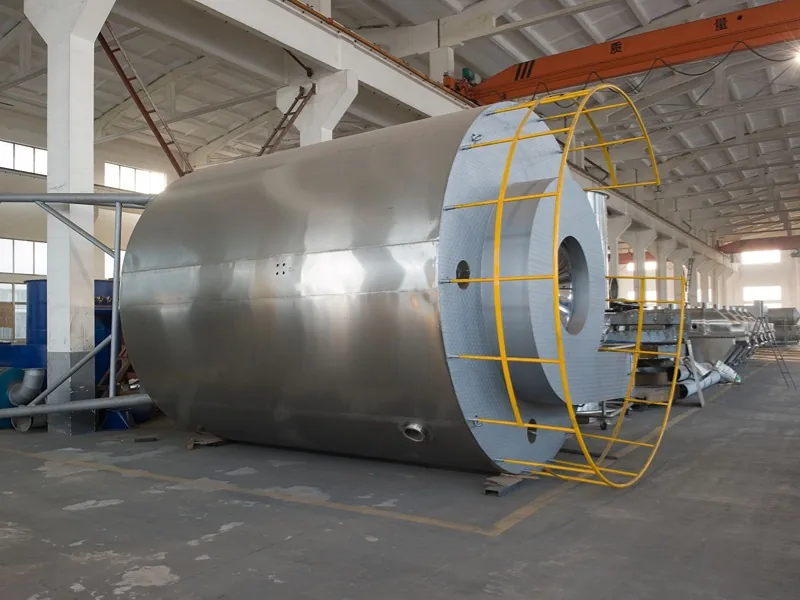
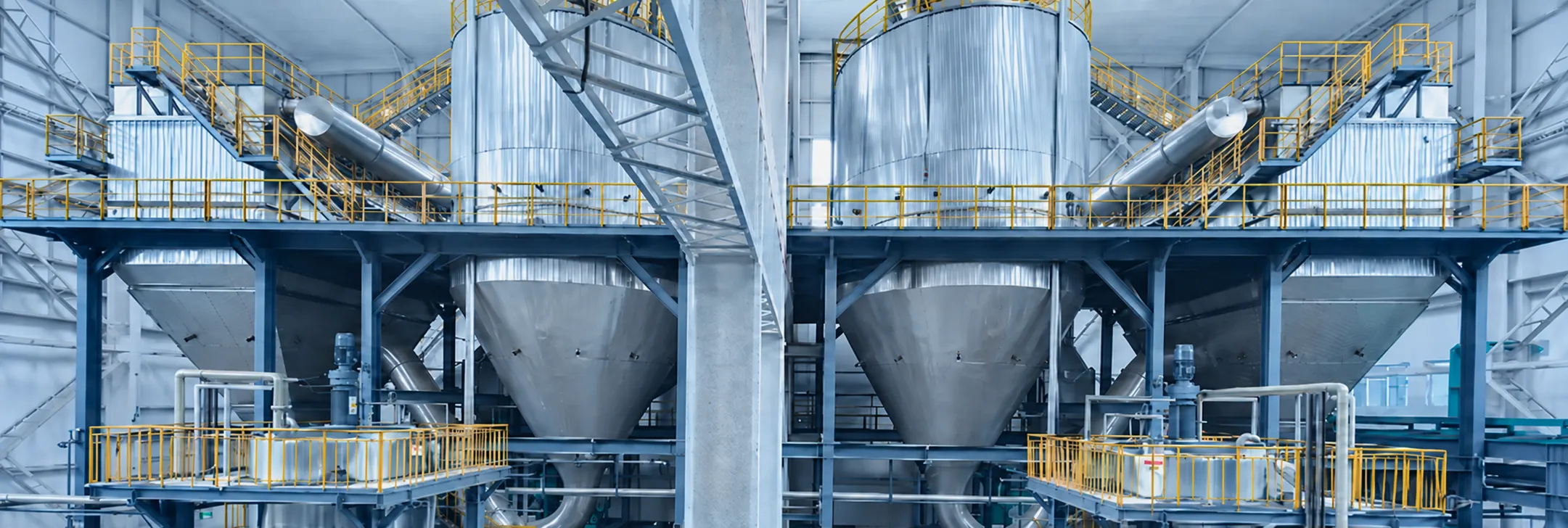
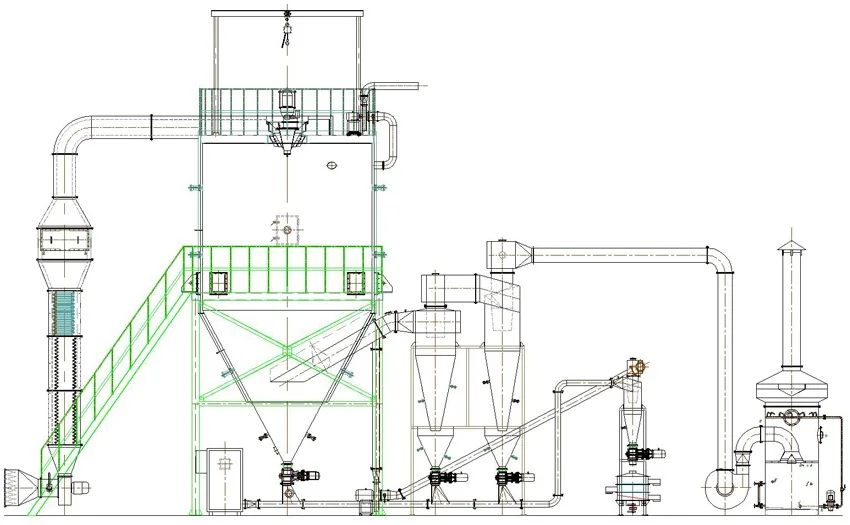
Longxin's centrifugal spray drying system is designed around controlled atomization, rapid moisture removal, flavor retention and stable powder recovery. The system can be adjusted for different feed viscosities, solids contents, heat sensitivities and target powder properties.
Typical Process Flow
1. Feed Preparation and Filtration
The liquid flavor or seasoning feed is prepared to the required concentration, viscosity and flowability, then filtered to remove unsuitable particles that could affect atomization or block the feed system.
2. Process Air Filtration and Heating
Incoming air passes through staged filtration according to the hygiene requirements of the project and is heated to the required inlet temperature. Heating may be provided by steam, electricity, gas or another suitable heat source.
The supplied process description gives approximately 160–220°C as a reference inlet-air range. The actual operating window must be determined according to the formulation and thermal sensitivity of the product.
3. Centrifugal Atomization
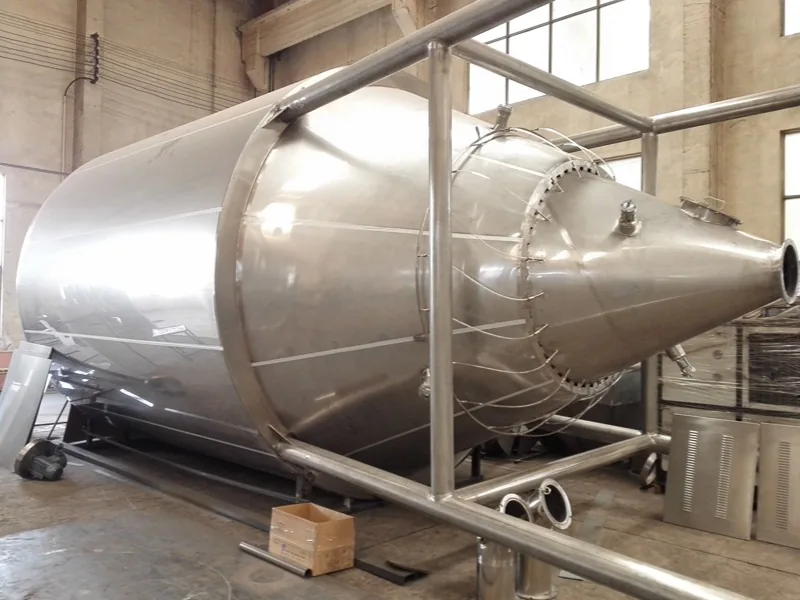
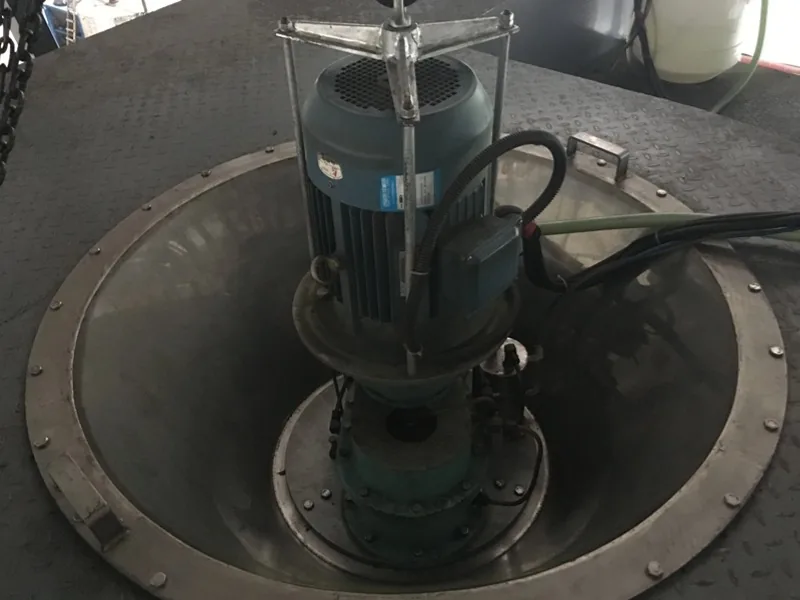
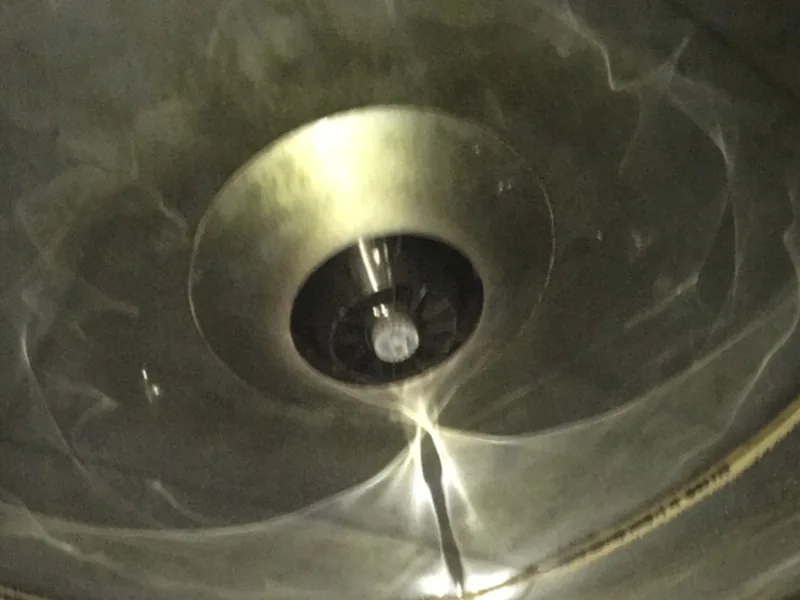
The feed is pumped to a high-speed centrifugal atomizer at the top of the drying chamber. The atomizer converts the liquid into fine droplets, greatly increasing the surface area available for heat and mass transfer.
4. Rapid Co-current Drying
The droplets contact the hot process air in a co-current flow. Moisture evaporates rapidly as the droplets travel through the drying chamber. This short exposure time is particularly useful for flavor products where excessive thermal history can affect aroma and product quality.
The supplied process description indicates a typical drying time on the order of 5–15 seconds. Final residence time depends on tower geometry, airflow, droplet size and feed characteristics.
5. Powder Collection
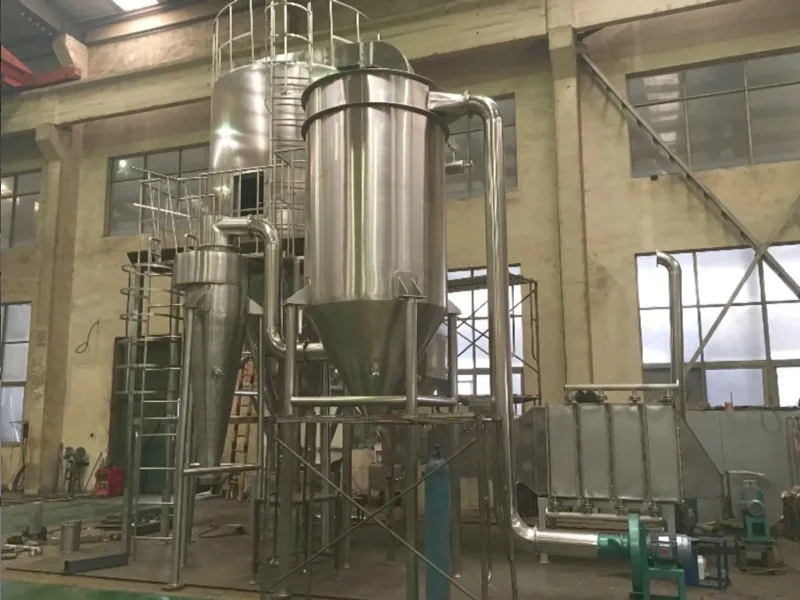
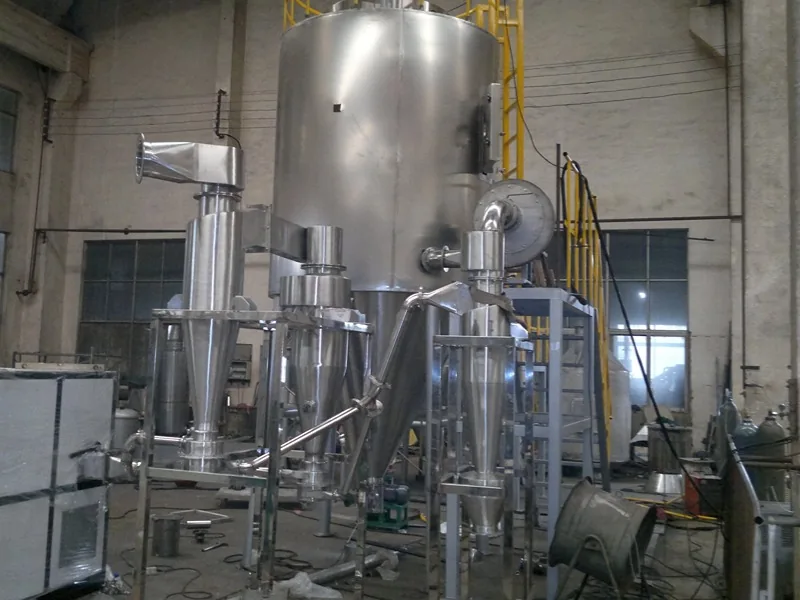
Coarser product is discharged from the drying chamber while entrained fine powder is separated from the exhaust air using a cyclone and, where required, a secondary collection system such as a bag filter. The collection configuration is selected according to powder properties and recovery requirements.
6. Exhaust-Air Treatment
Exhaust air can be connected to suitable downstream treatment equipment according to product odor, particulate load and local environmental requirements.
7. Cooling and Transfer
The collected powder can be cooled using conditioned air during pneumatic transfer or a dedicated cooling stage before entering the packing area. Controlled cooling helps reduce caking and supports stable storage properties.
Key System Advantages
- Rapid drying: fine atomization provides a large evaporation surface and short drying time.
- Flavor-sensitive processing: co-current drying and controlled outlet conditions help limit unnecessary thermal exposure.
- Uniform powder formation: atomizer speed and feed conditions can be adjusted to influence particle size and bulk properties.
- Flexible feed handling: the system can be configured for different flavor formulations, viscosities and solids contents.
- Efficient powder recovery: tower-bottom collection, cyclone separation and optional secondary filtration can be combined according to the application.
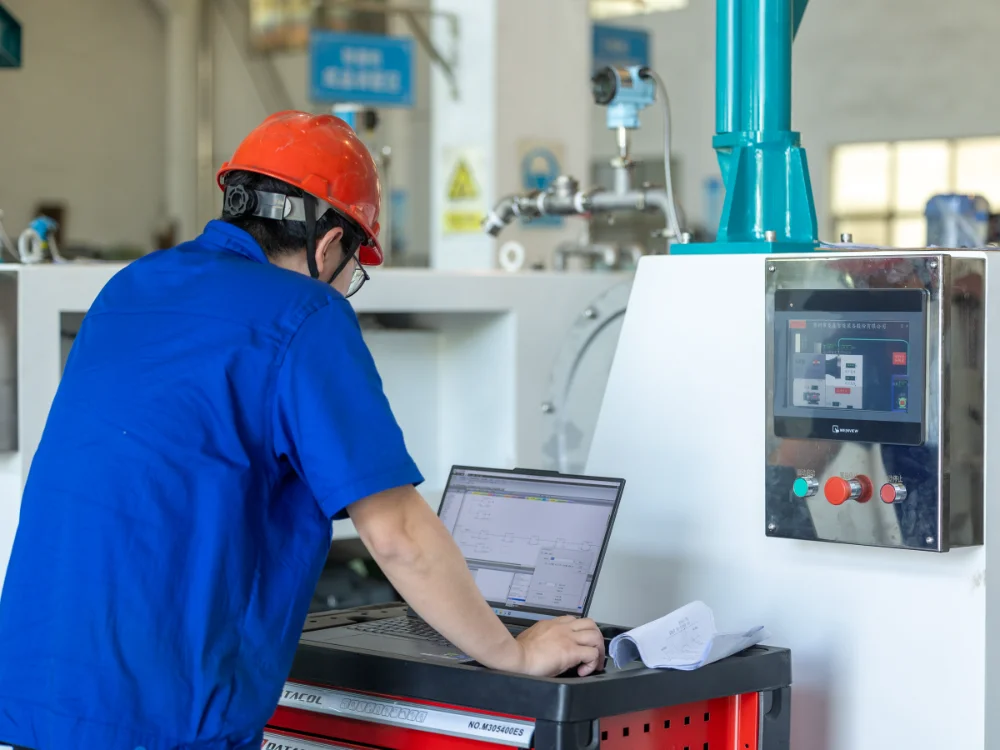
- Automated operation: inlet and outlet temperatures, feed rate, atomizer operation and system status can be monitored and controlled.
- Food-process configuration: filtered process air, suitable material-contact surfaces and enclosed powder handling can be incorporated according to hygiene requirements.
Typical Applications
- Savory flavors
- Meat and seafood flavor powders
- Seasoning powders
- Soup and broth flavor bases
- Instant-food flavor ingredients
- Other heat-sensitive food flavor formulations
Engineering Support
Feed solids, viscosity, emulsion stability, aroma sensitivity, target moisture, powder density and required throughput all affect spray dryer configuration. Longxin can support material testing and process evaluation to determine suitable atomization and drying conditions before final equipment selection.