Why Is Allulose Being Called the “New Sweetheart” of Sugar Alternatives?
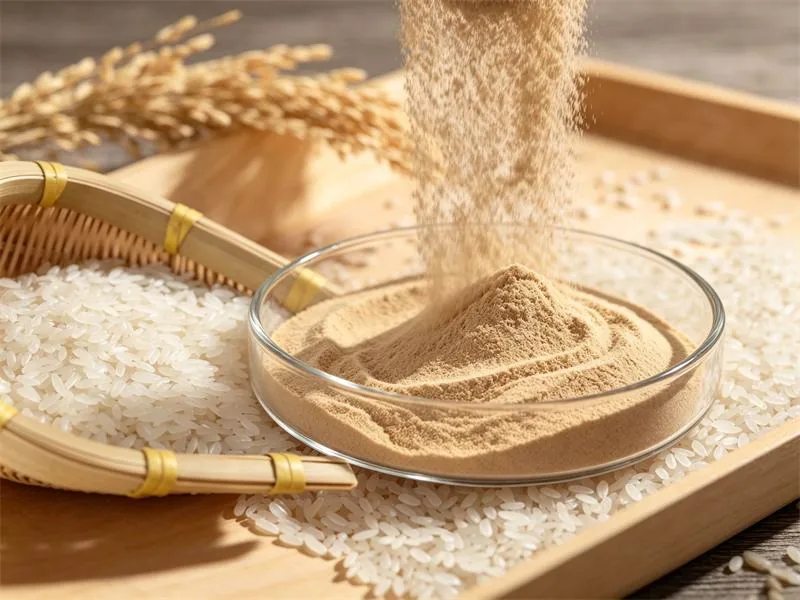
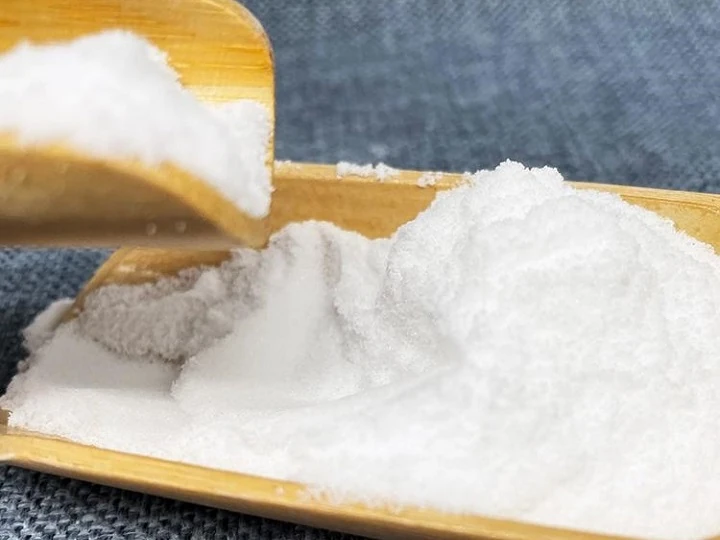
In July 2025, China’s National Health Commission officially approved D-allulose as a new food raw material, marking the entry of this naturally occurring rare sugar into China’s food industry. Thanks to its natural origin, low calorie content—only about one-tenth that of sucrose—high stability, and Maillard reaction properties, allulose has been called a “disruptor in the sugar-alternative sector.” Its sweetness is close to that of sucrose, at approximately 70%, and it can participate in baking reactions, giving foods a golden color and desirable flavor. It also has minimal impact on blood glucose and insulin levels, making it an attractive choice for consumers managing blood sugar and body weight.
Market Demand and Growth Potential
The global sugar-substitute market has surpassed USD 10 billion. As a new-generation healthy sweetener, allulose is expanding rapidly, with an annual compound growth rate above 30%. According to a forecast by Bojian Fanglue, the international market is expected to reach RMB 6.96 billion by 2030, with China accounting for more than 80% of the market. Domestic companies such as Bailong Chuangyuan and Baolingbao have already established 150,000 metric tons of production capacity, and demand is expected to surge following regulatory approval. Allulose’s broad range of applications—including beverages, baked goods, dairy products, and functional foods—will further establish it as a core growth driver in the sugar-substitute market.
Allulose Production and Drying Technology Challenges
The industrial production of allulose mainly relies on enzymatic conversion through fructose isomerization or microbial fermentation, such as the AS10 strain developed by Weiyuan Synthesis. During production, drying is critical to finished-product quality. However, conventional drying technologies present several challenges:
High-Temperature Crystal Damage
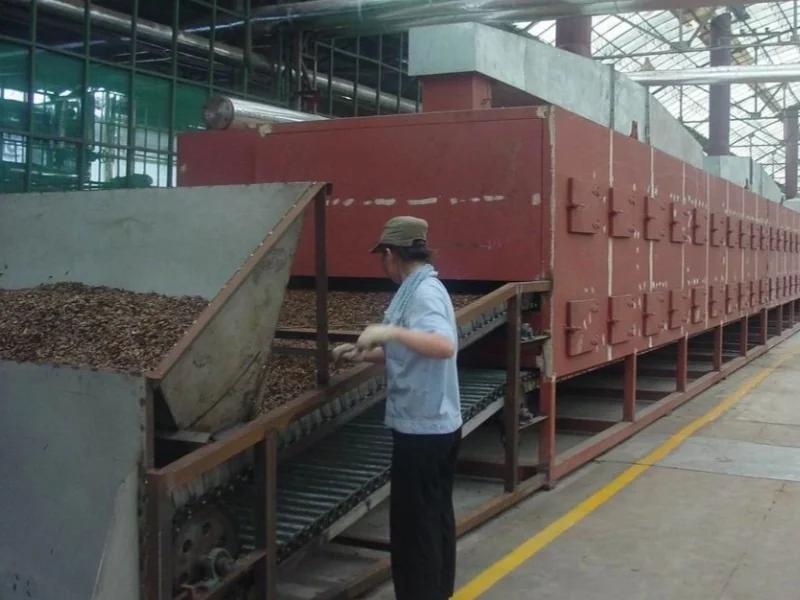
Conventional hot-air drying can cause charring on the surface of allulose crystals, damaging their regular crystal morphology and flowability.
Hygroscopicity
If cooling is not properly controlled after drying, fluctuations in humidity can cause the product to cake or absorb moisture.
Energy and Efficiency Tradeoff
Conventional equipment requires long drying cycles and consumes large amounts of energy, making it difficult to meet the requirements of large-scale production.
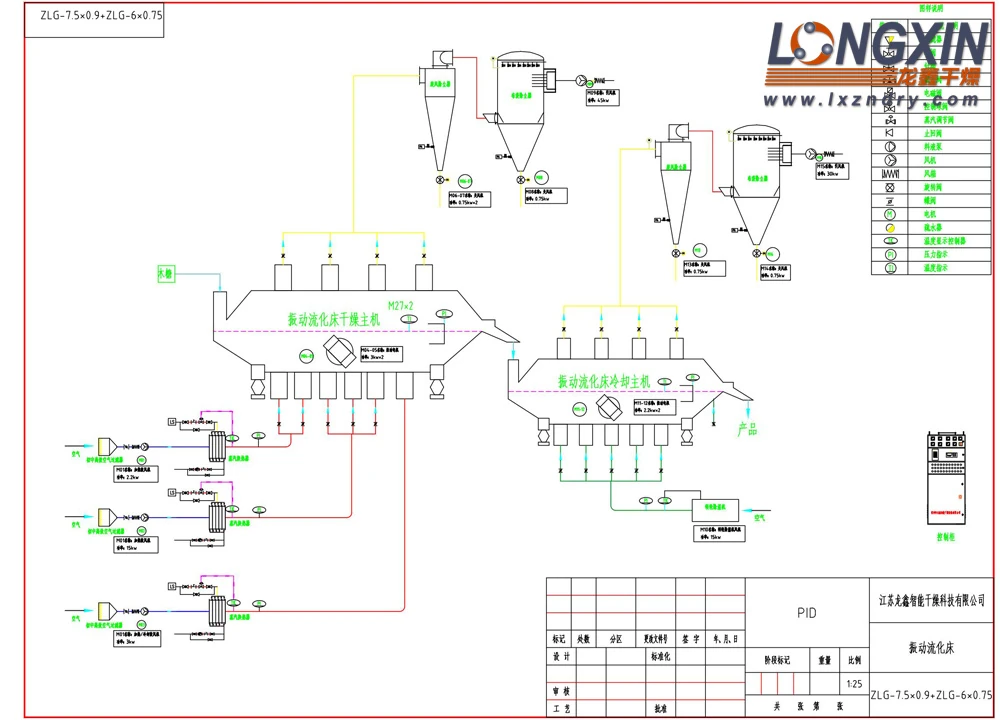
Longxin Drying’s Technological Breakthrough in Low-Temperature Fluidized-Bed Drying
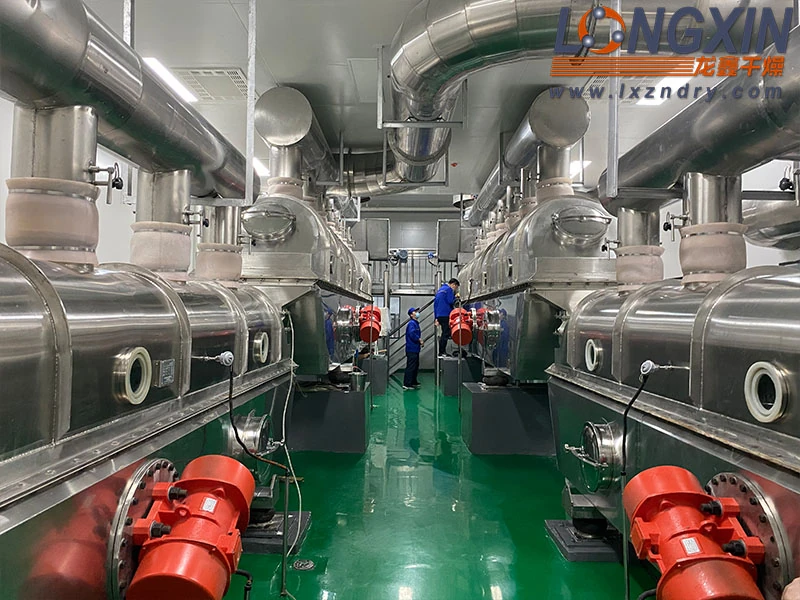
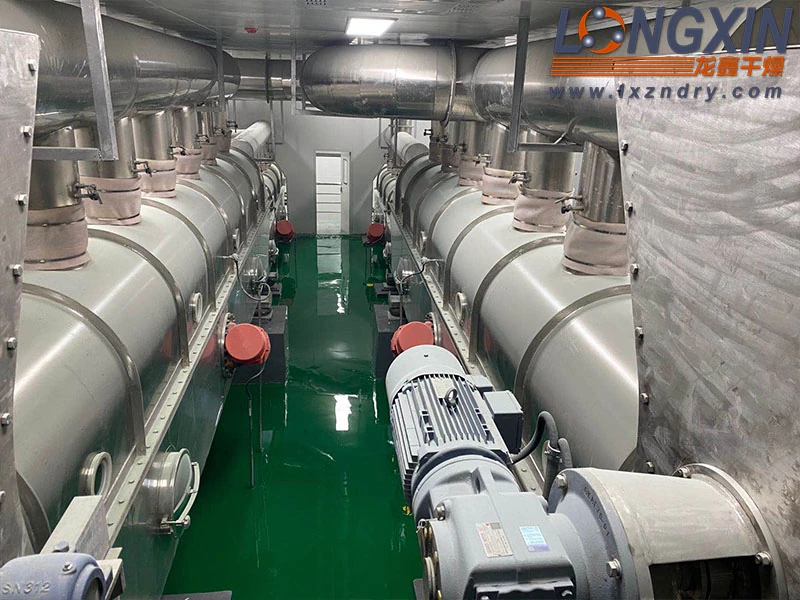
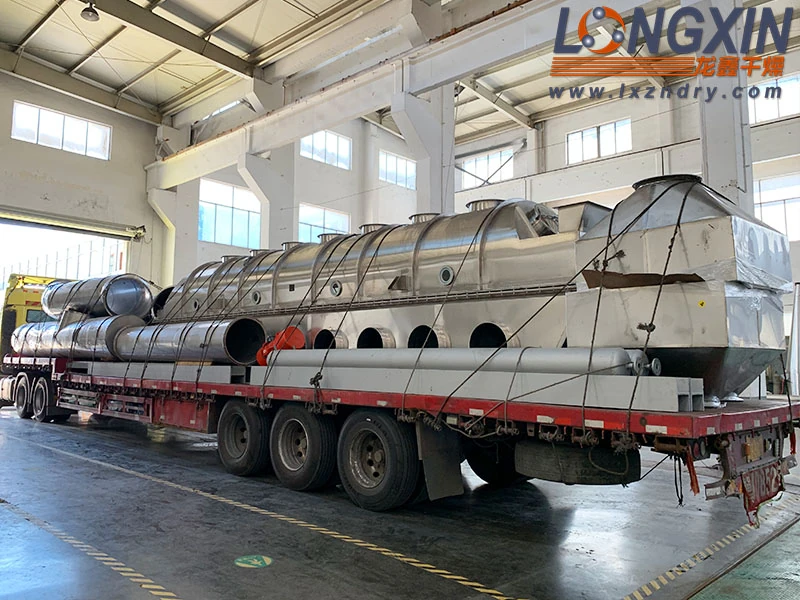
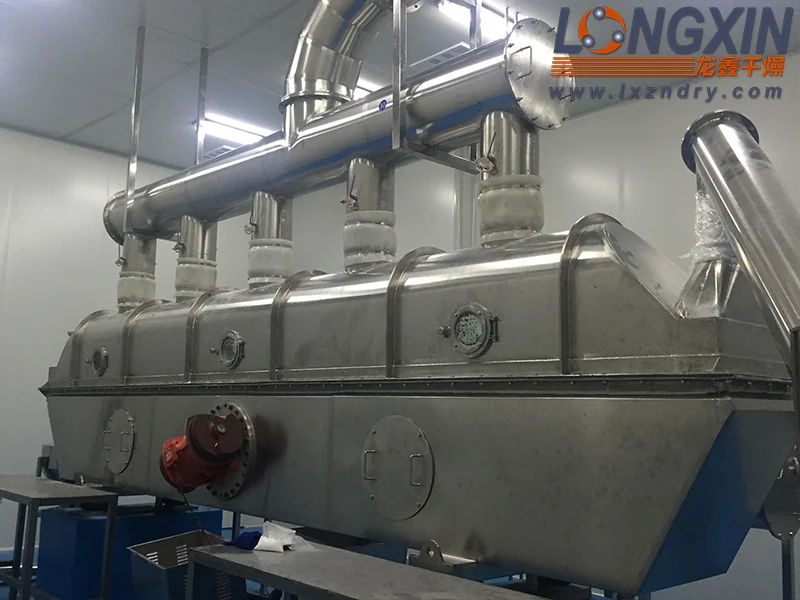
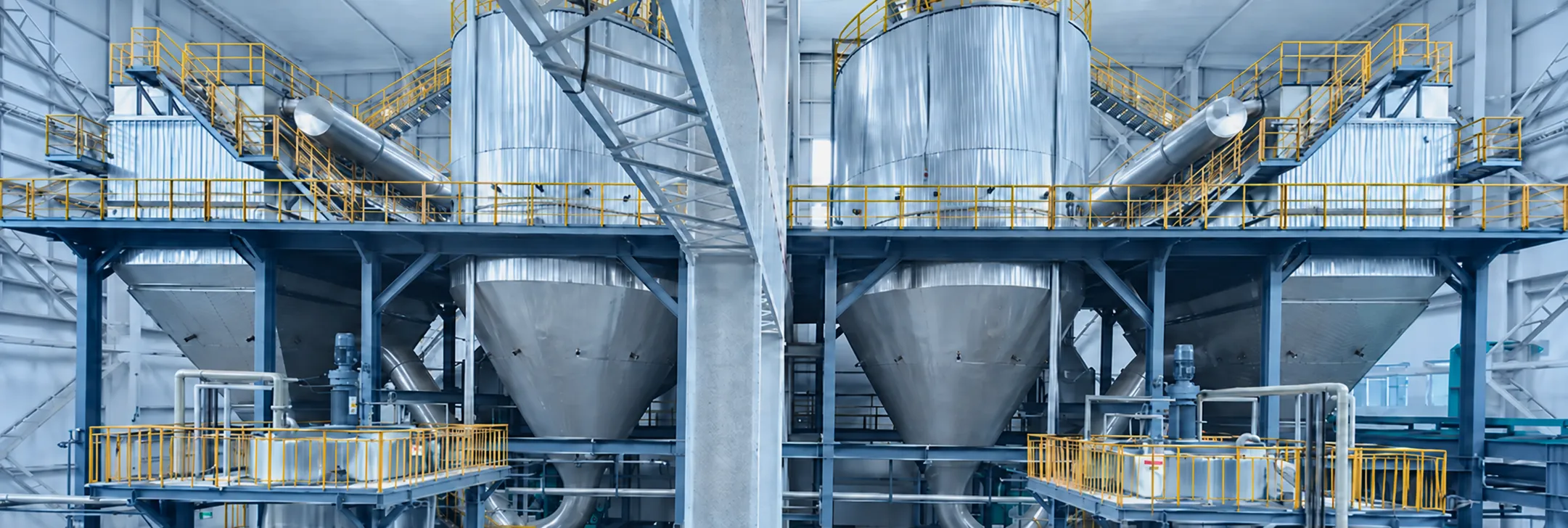
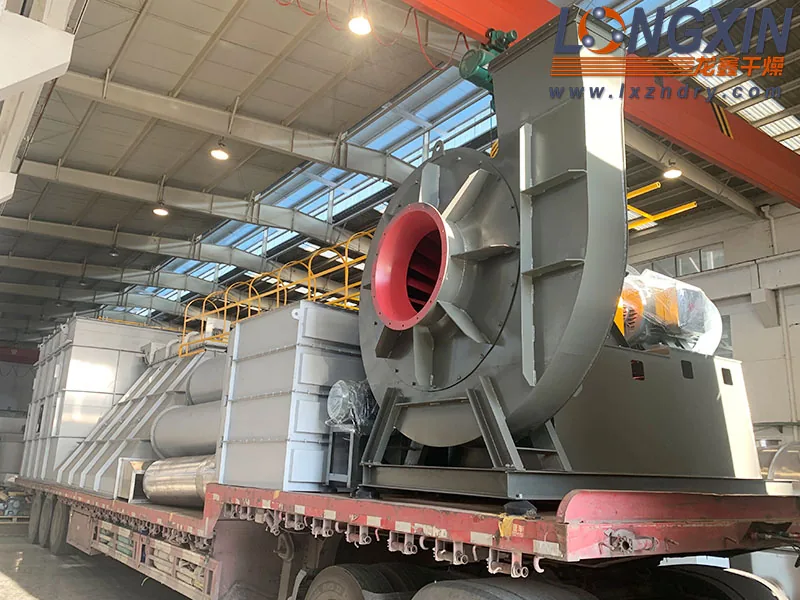
To address the specific drying requirements of allulose, Longxin Drying has introduced a new-generation low-temperature integrated fluidized-bed drying and cooling system. Through technological innovation, the system balances low water activity, high flowability, and a consistent crystal structure.
Core Performance Advantages
Low-Temperature Drying Process
Three-stage process:
The process consists of pre-drying, constant-rate drying, and dehumidified cooling. Temperatures are precisely controlled at below 80°C during drying and below 25°C during cooling to prevent overheating damage to crystal surfaces.
Water activity:
A water activity (Aw) of ≤0.10 supports long-term storage stability.
Optimized Air-Distributor Plate Design
The fluidized bed uses a combination air-distributor plate. Tongue-shaped openings in the feed section accelerate material flow, while straight openings in the middle and rear sections extend residence time to at least 5 minutes, improving drying uniformity.
Mechanically welded construction and a surface finish of Ra <0.8 μm help prevent dust retention and meet food-grade sanitary requirements.
Vibration Damping and Operating Stability
German-made pneumatic air-spring vibration isolators effectively reduce operating noise to below 75 dB and prevent crystal breakage caused by resonance.
The rounded upper-housing design and reinforced stainless-steel flanges eliminate sanitary dead spots and facilitate cleaning and maintenance.
Intelligent Control
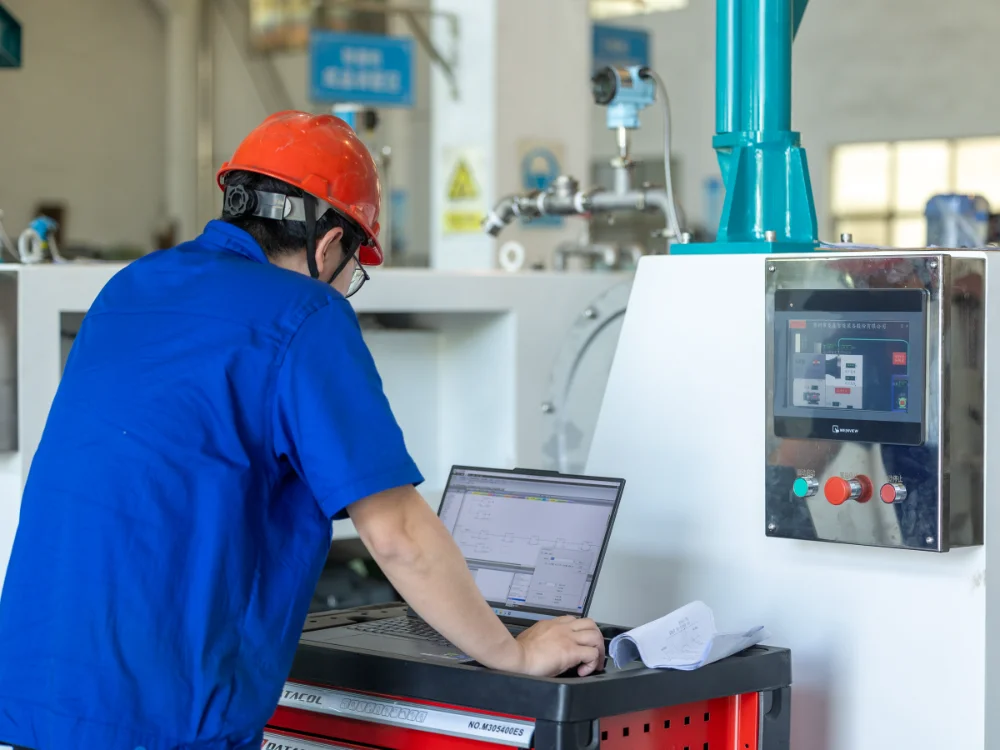
A PLC and touchscreen fuzzy-control system monitors temperature, humidity, air velocity, and other parameters in real time to maintain process stability.
A dual-cyclone and bag-filter dust-collection system provides high recovery efficiency while reducing dust emissions and improving environmental performance.
Technical Details: From Theory to Practice
Pre-Drying Stage
The hot-air temperature is controlled between 50°C and 80°C to rapidly evaporate surface moisture and prevent crystals from sticking together.
A desiccant-wheel dehumidifier and three-stage filtration system using G5, F8, and H10 filters bring inlet-air cleanliness up to food-grade requirements.
Constant-Rate Drying Stage
Gradient cooling crystallization from 50°C to 30°C, combined with vibrating fluidized-bed technology, provides uniform crystal heating and a concentrated particle-size distribution, with a high proportion of material in the 20–40 mesh range.
Dehumidified Cooling Stage
The cooling air temperature is maintained below 25°C. A pulse-jet bag filter with 5 μm coated filter media helps prevent moisture absorption and caking.
A rotary valve and SS304 product collector enable continuous discharge and stable bulk density.
Longxin Drying: The Hidden Champion Behind the Allulose Industry
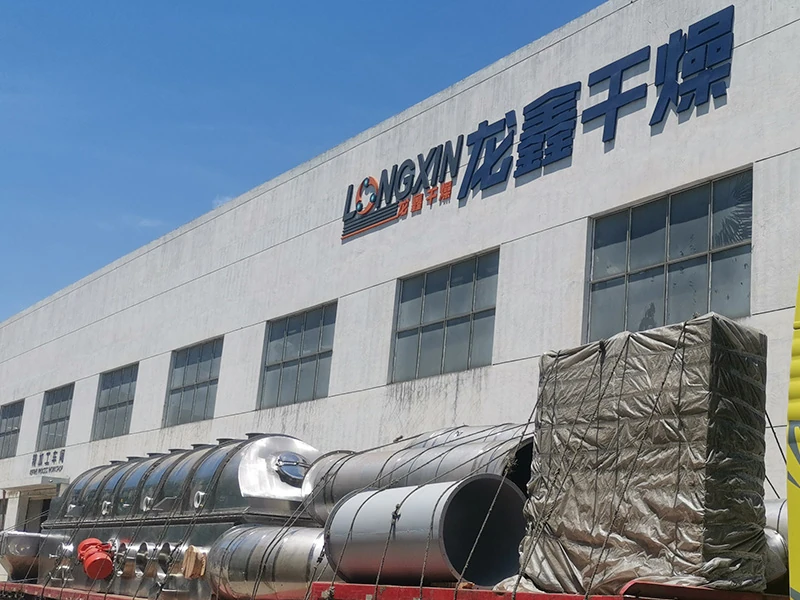
Longxin Smart has focused on food drying for more than ten years and has provided customized solutions to multiple allulose producers in China and abroad. Our low-temperature fluidized-bed systems support high production capacities of up to 3.5 metric tons per hour. Through technical optimization that reduces energy consumption and improves yield, the systems help customers capitalize on the emerging sugar-reduction trend.
As adoption of allulose continues to rise in sugar-free beverages, functional dairy products, and other applications, Longxin Drying will continue to drive industry transformation through innovation and provide core equipment support for the healthy food value chain.