
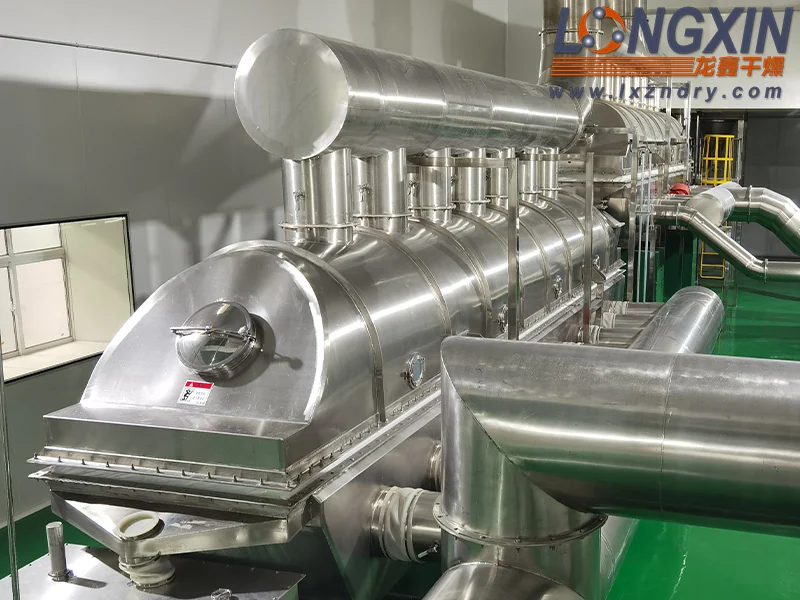
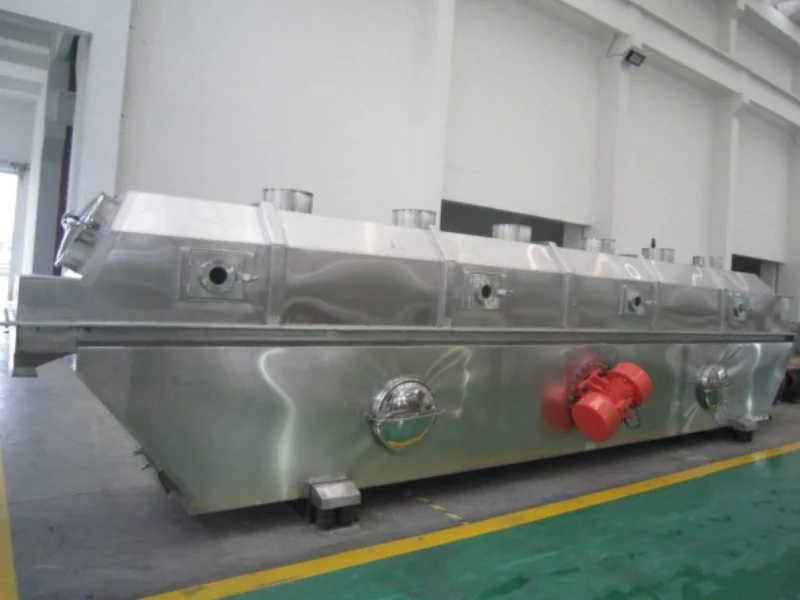
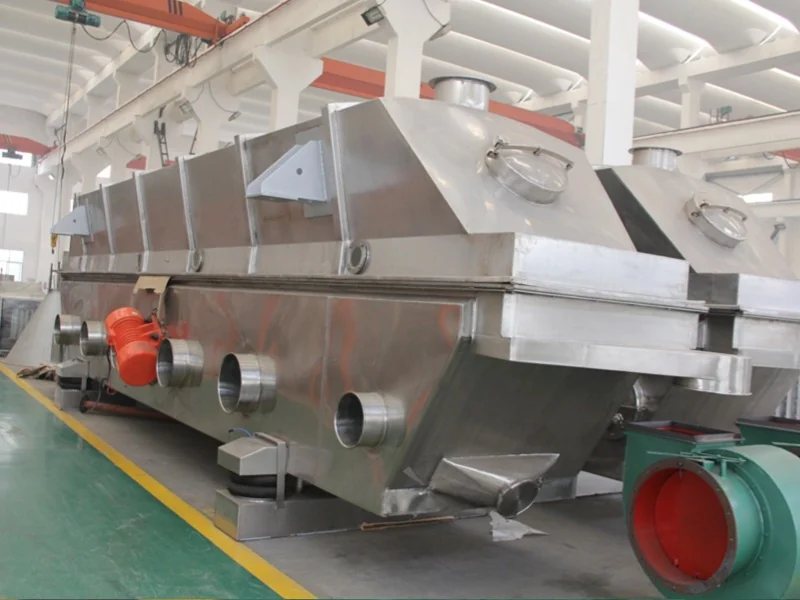
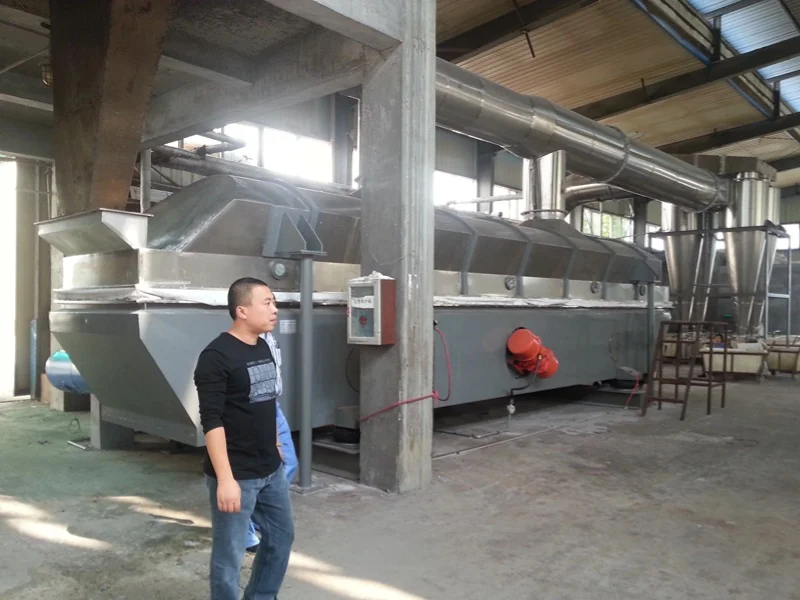
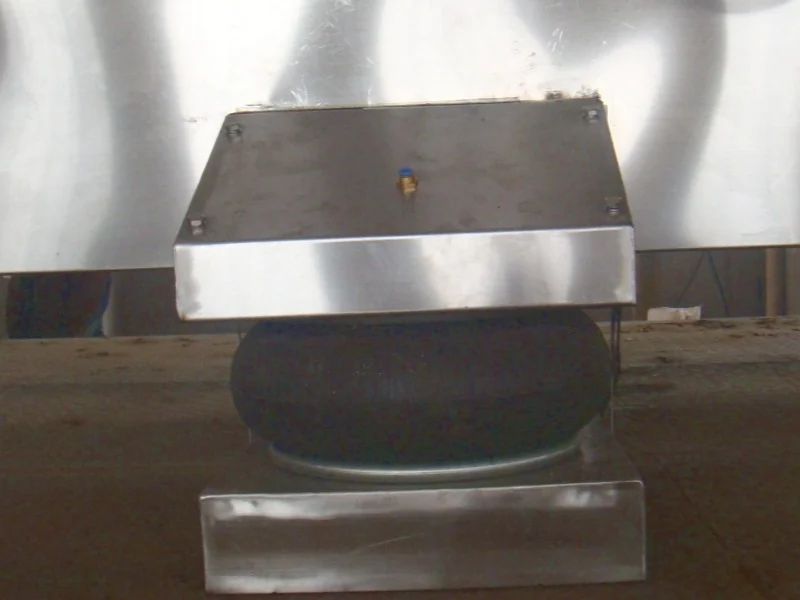
Equipment Overview
A vibrating fluid bed dryer is simply an ordinary fluid bed dryer to which mechanical vibration is applied. By adjusting the vibration parameters, an ordinary fluid bed — which suffers from fairly severe back-mixing — achieves a relatively ideal plug flow in continuous operation. At the same time, because vibration is introduced, the problems that commonly occur in ordinary fluid bed dryers — uneven moisture content of the granules after drying, and agglomeration and caking when the material moisture content is slightly higher — are considerably improved.
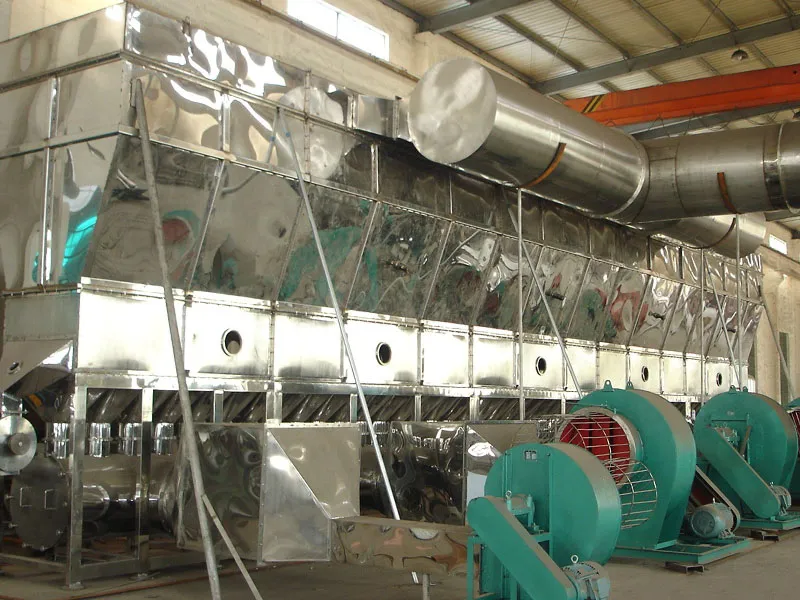
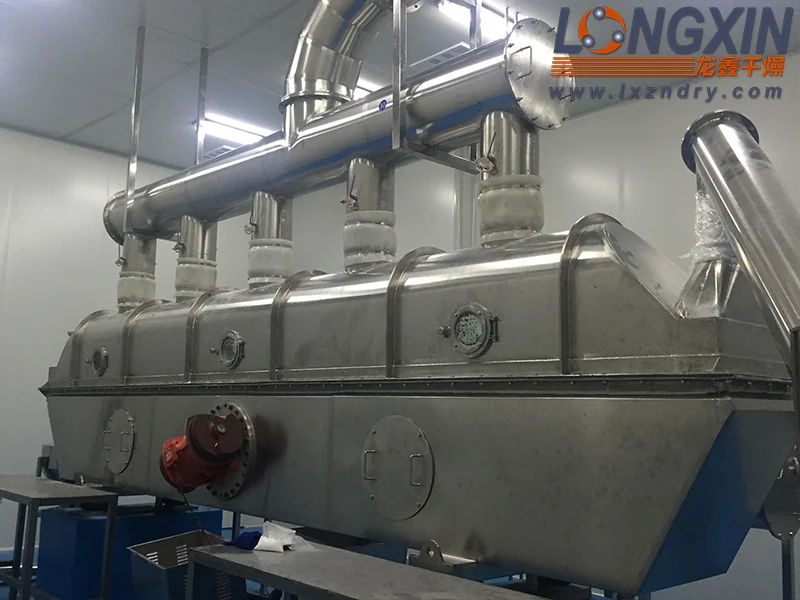
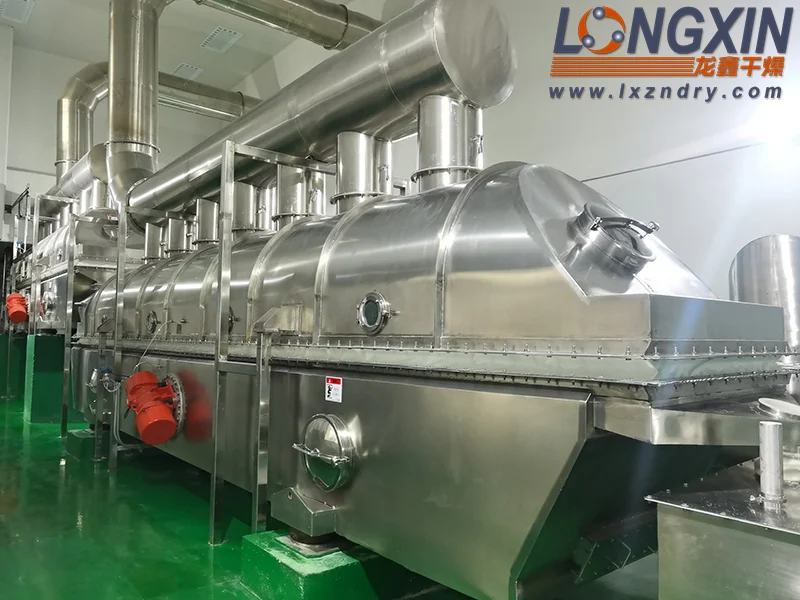
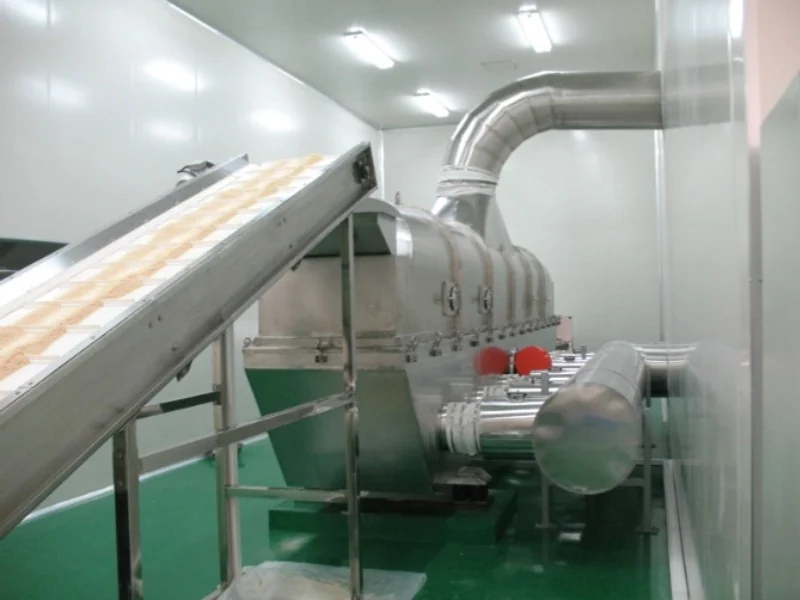
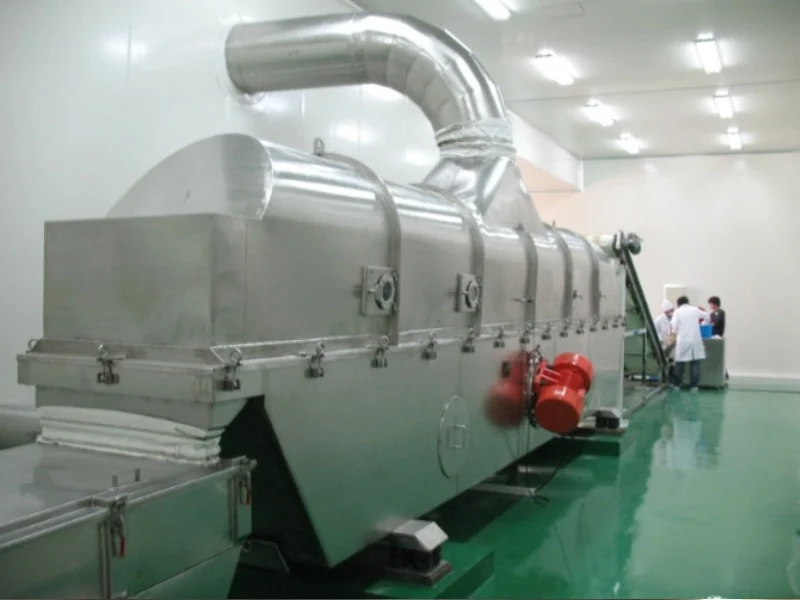
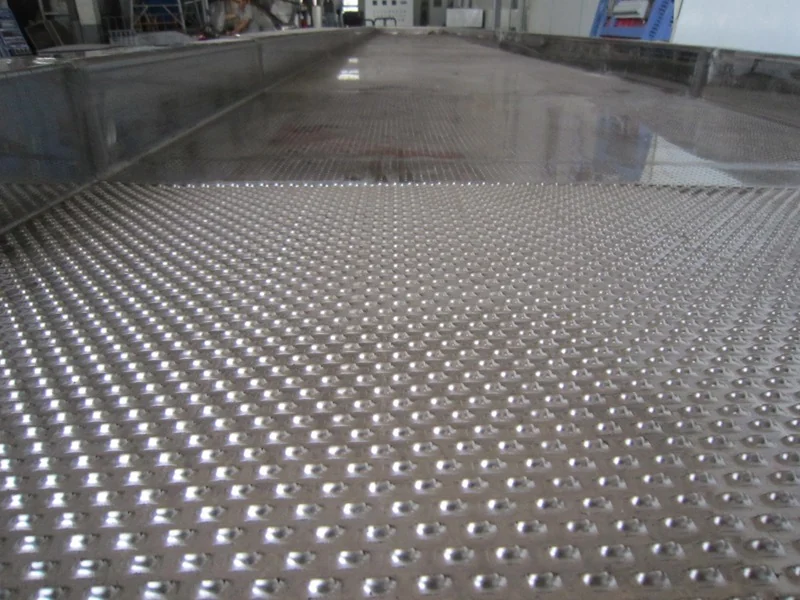
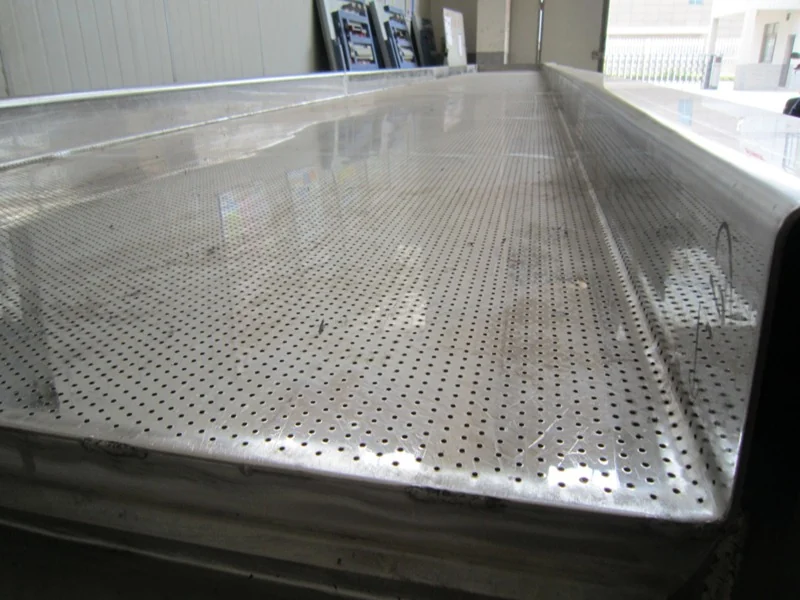
The vibrating fluid bed is an improved type of hot-air convection dryer. During operation, the exciting force provided by vibration motors or other means makes the material advance in a hopping motion along the air distribution plate, while contacting the hot air fed in from below the plate, so that heat and mass transfer take place. The lower box provides the bed with a stable air chamber at a certain pressure. The induced draft fan is adjusted so that a slight negative pressure is maintained above the bed material in the upper box, maintaining a good drying environment and preventing dust from escaping. The air distribution plate supports the material and distributes the hot air evenly.
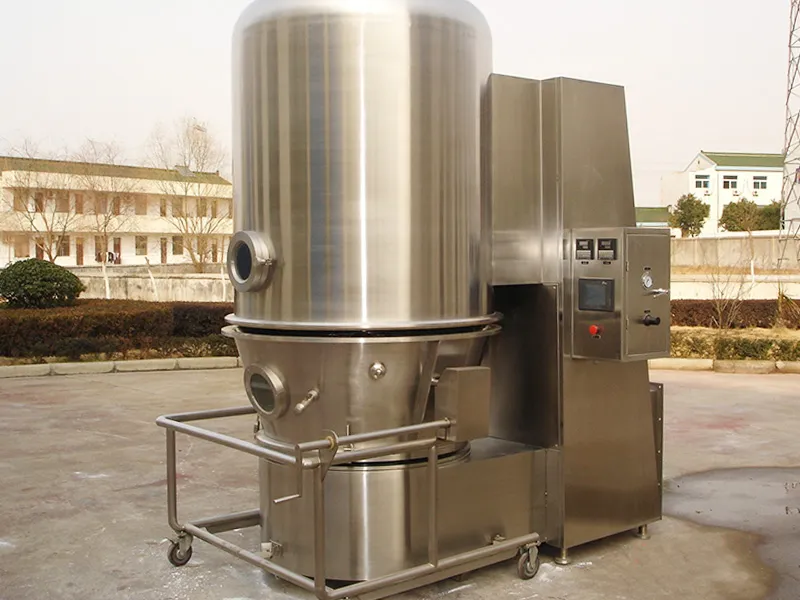
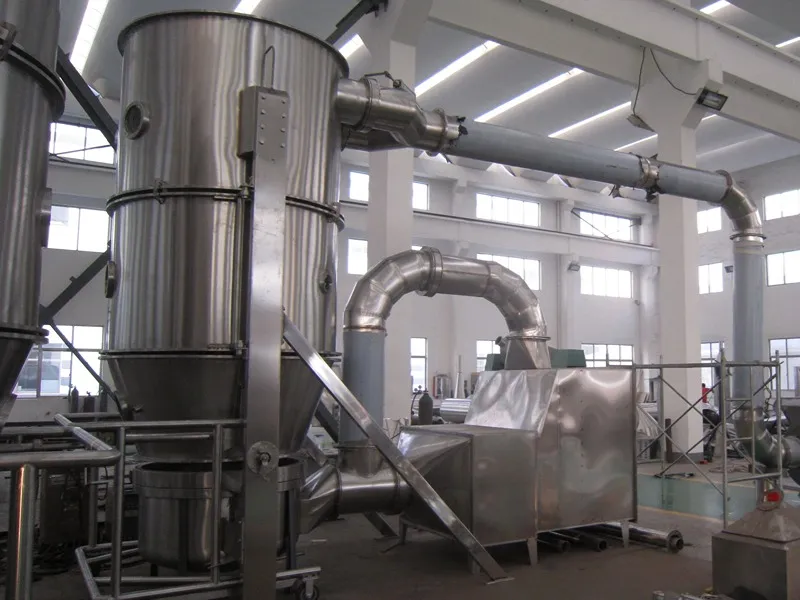
The ZLG series linear vibrating fluid bed dryer is a new type of drying (cooling) equipment developed by our factory through improvement, on the basis of absorbing advanced foreign technology and combining more than ten years of drying experience. It has been widely used across all walks of industry. Besides its excellent drying function, the vibrating fluid bed can also carry out, as required by the process, granulation, cooling, injection of a small amount of liquid, screening and conveying of materials.
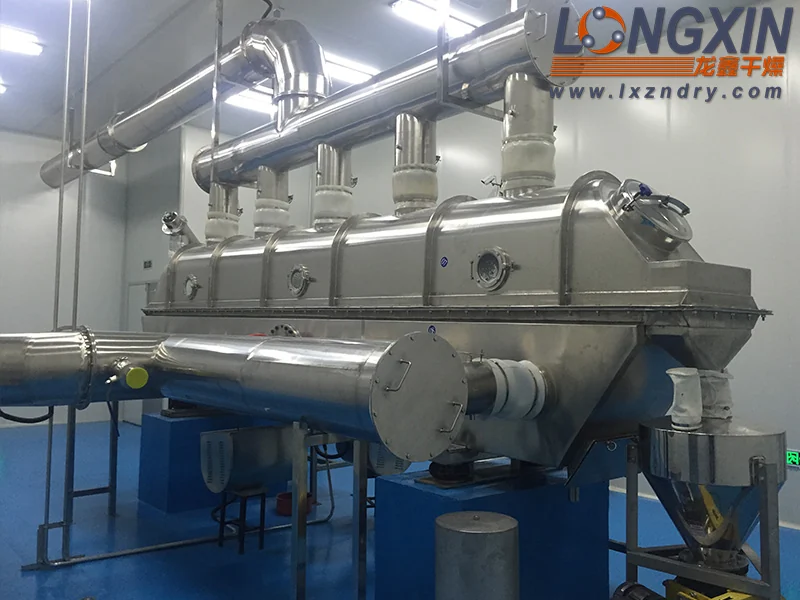
Vibrating Fluid Bed Dryer — Working Principle
The vibrating fluid bed dryer adds vibration of the bed layer on the basis of material fluidization, giving the material a process of being thrown up and loosened, and organically combining the two to achieve fluidization of the bottom bed layer.
The difference from a traditional fluid bed dryer is that, in an ordinary fluid bed dryer, the conveying and fluidization of the material are accomplished entirely by the force of the air (hot air), whereas in a vibrating fluid bed they are accomplished mainly by the vibration force. This lowers the minimum fluidization velocity of the material; in particular, the particles near the bottom of the material layer fluidize first, improving the fluidization quality of the particles on the distribution plate, so that some materials that are difficult to fluidize can be dried in normal operation. Specifically, the working process of the vibrating fluid bed dryer is as follows:
(1) Hot air introduction: Hot air is fed by a fan into the bottom of the equipment and distributed evenly across the entire bed through the air distribution plate.
(2) Fluidization: When the hot air velocity is high enough, the granular material begins to be lifted and collides with itself, forming a fluidized state.
(3) Vibration assistance: In addition to the action of the hot air, the bed is also affected by mechanical vibration, which may be horizontal or vertical. The purpose is to increase the flowability of the material, prevent particles from sticking to one another, and help control the residence time of the material within the bed so as to achieve a more uniform drying effect.
(4) Drying process: In the fluidized state the material fully contacts the hot air; the moisture in the material evaporates rapidly and is carried out of the equipment with the hot air.
(5) Material discharge: After drying for a certain period, the material is discharged from the system through the outlet. Usually, the dried material is collected and further processed or packaged.
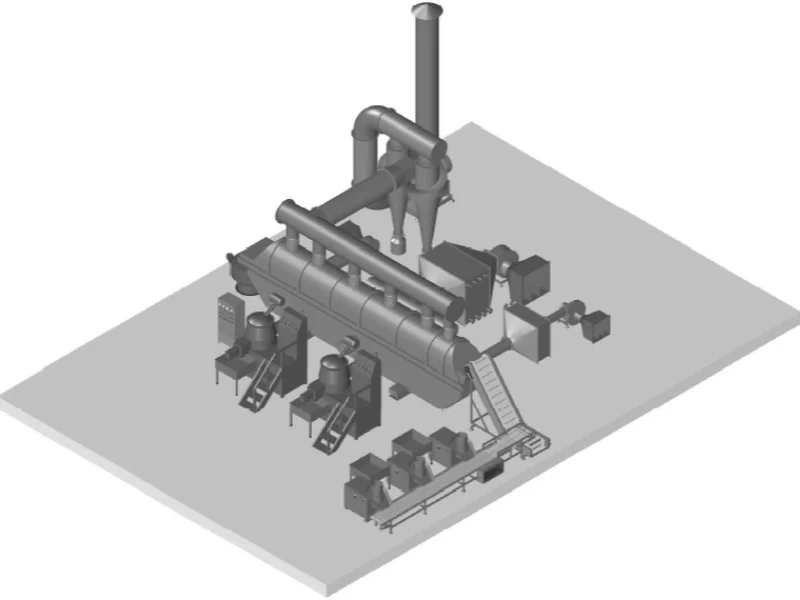
Vibrating Fluid Bed Dryer — Performance Features
Compared with traditional fixed bed dryers, the vibrating fluid bed dryer has the advantage of handling materials that tend to cake or stick more effectively, and of providing higher drying efficiency and more uniform product quality. In addition, by adjusting parameters such as vibration frequency, hot air temperature and air volume, it can be adapted to the drying requirements of different types of materials.
(1) Because vibration is applied, the minimum fluidization air velocity can be reduced, which significantly lowers the air demand and thereby reduces dust entrainment; the matching heat source, fan, cyclone separator and so on can also be reduced in size accordingly, so the cost of the complete set of equipment drops considerably and the energy-saving effect is marked.
(2) The residence time of the material in the dryer can easily be changed by adjusting the vibration parameters. Its plug-flow operation lowers the requirements on the uniformity and regularity of the material particle size and makes it easy to obtain a uniformly dried product.
(3) Vibration helps disperse the material; if suitable vibration parameters are selected, materials that tend to agglomerate or to channel in an ordinary fluid bed can be fluidized and dried smoothly.
(4) Because there is no violent backflow of material and the air velocity is lower than in an ordinary fluid bed, damage to material particles is small. It is most suitable for materials whose crystal form must not be destroyed during drying, or which have requirements on the surface gloss of the particles.
(5) Because vibration is applied, noise is generated. At the same time, the service life of certain individual parts is shorter than in other types of dryers.
Vibrating Fluid Bed Dryer — Suitable Materials
The vibrating fluid bed dryer is suitable for many types of materials, especially granular or powdery materials that can form a good fluidized state.
(1) Chemical products: such as catalysts, resins, polymer granules, etc.
(2) Pharmaceutical industry: such as pharmaceutical granules, vitamin granules, etc.
(3) Food industry: such as seasonings, food additives, grains, sugars, etc.
(4) Agricultural fertilizers: compound fertilizers, trace element fertilizers, etc.
(5) Mineral processing: such as mineral powder, metal oxides, etc.
(6) Plastics industry: plastic pellets, masterbatch, etc.
Vibrating Fluid Bed Dryer — Equipment Improvements
Based on experience summarized from a wide range of users, we have made bold improvements to the structure of conventional vibrating fluid bed equipment; minor adjustments are not described here. The main points are as follows:
(1) The equipment adopts a sectional air supply arrangement, with a pre-drying section, an intensive drying section and a cooling section.
(2) The equipment adopts a quick-assembly structure for the upper and lower bed bodies, so that every part of the main machine can be cleaned easily and quickly.
(3) In the air inlet arrangement, we have replaced the traditional deflected (baffled) air inlet with a bottom air inlet, ensuring that the air reaches the bed surface evenly and reasonably, so that the material is heated evenly and the product is dried uniformly, while system resistance remains low.
(4) An enlarged box-type upper bed body is adopted, reducing the exhaust ducts on the bed body, allowing centralized exhaust, reducing the number of cleaning points, and improving the drying effect.
(5) According to the drying characteristics of the material, the bed plate of the fluid bed adopts a tongue-type bed plate structure, giving a consistent air direction and low pressure drop; the material advances at a uniform, fast speed, and there is no material leakage.
(6) The system adopts a bed structure design that combines drying and cooling, with large output and strong adjustability. In the cooling system, a refrigerated dehumidification device can be used to forcibly cool and dehumidify the inlet air, ensuring the cooling effect on the material and effectively preventing the material from regaining moisture during cooling.
Vibrating Fluid Bed Dryer — Technical Parameters
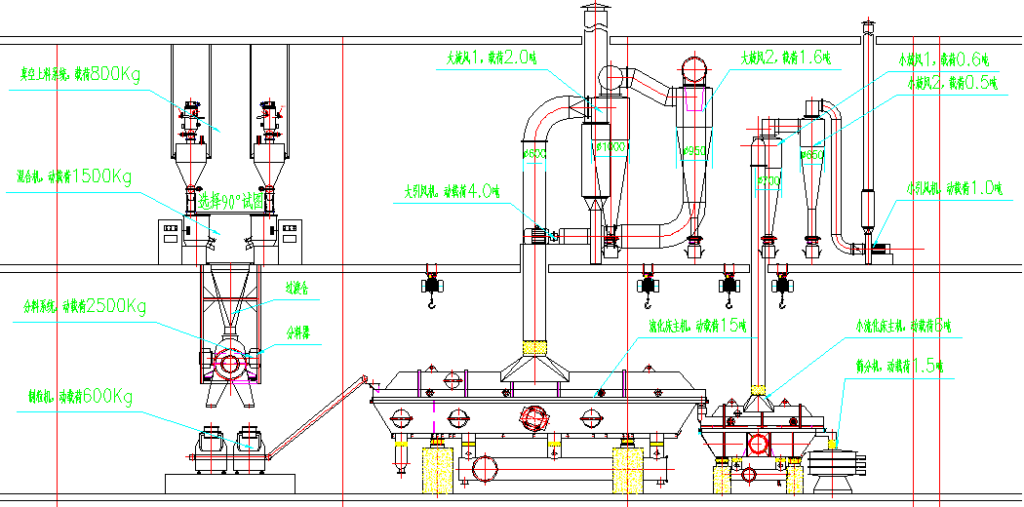
Vibrating Fluid Bed Dryer — Process Flow Chart 1: Integrated drying and cooling
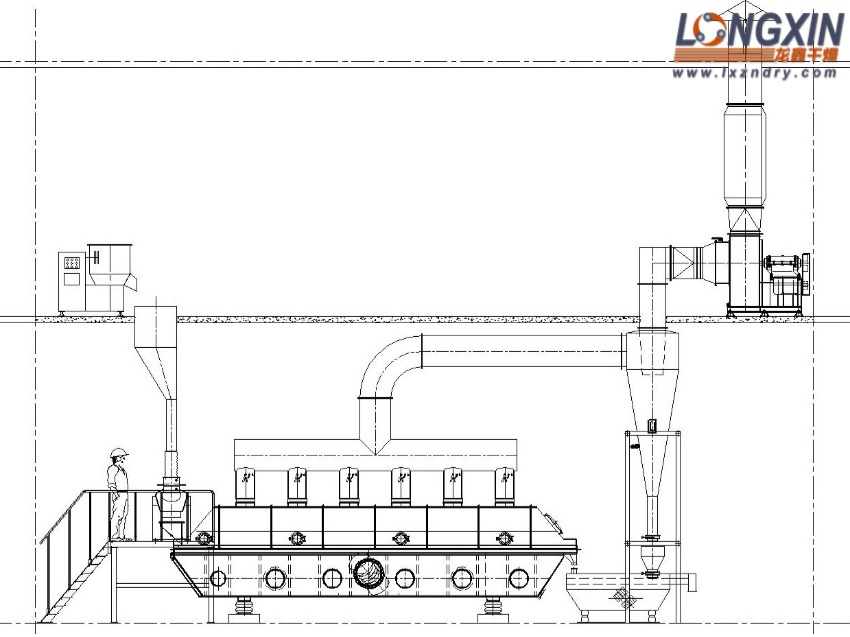
Vibrating Fluid Bed Dryer — Process Flow Chart 2: Two units in series — drying + cooling