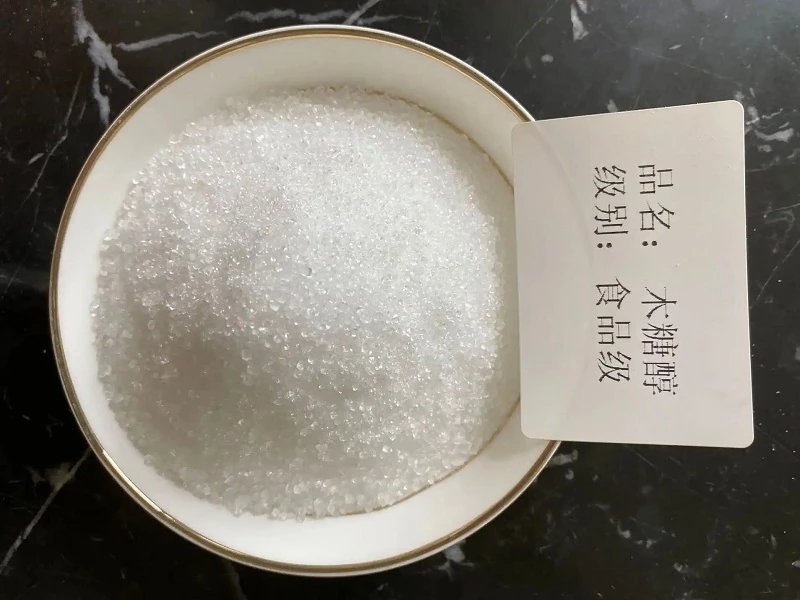
Xylitol is a five-carbon sugar alcohol. It appears as white crystals or a crystalline powder, is odorless, and has a cooling sweet taste. Its sweetness is comparable to that of sucrose, while its calorie content is approximately 40% lower than that of sucrose, making it a desirable alternative sweetener. As awareness of healthy eating continues to grow, demand for low-sugar, sugar-free, and low-calorie foods and beverages continues to increase. As a natural, low-calorie sweetener, xylitol can meet consumers’ pursuit of healthier diets. Its use in sugar-free chewing gum, confectionery, chocolate, functional beverages, reduced-sugar beverages, and other foods is expected to expand further, driving continued market growth. Applications are also widening beyond traditional food and pharmaceutical uses into cosmetics, biomaterials, baked goods, meat products, ice cream, and other fields. For example, xylitol is used as a humectant in cosmetics and as a pharmaceutical excipient. Demand growth in these new applications is creating broader opportunities for the xylitol market.
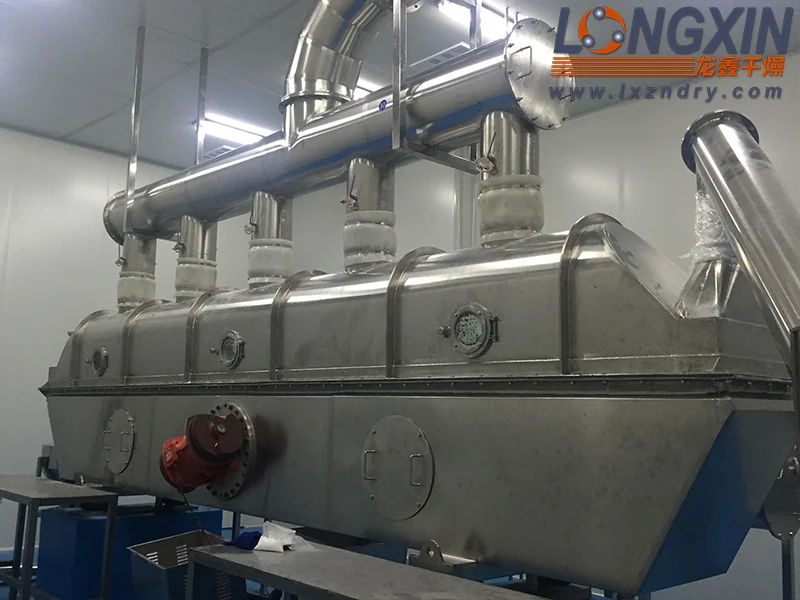
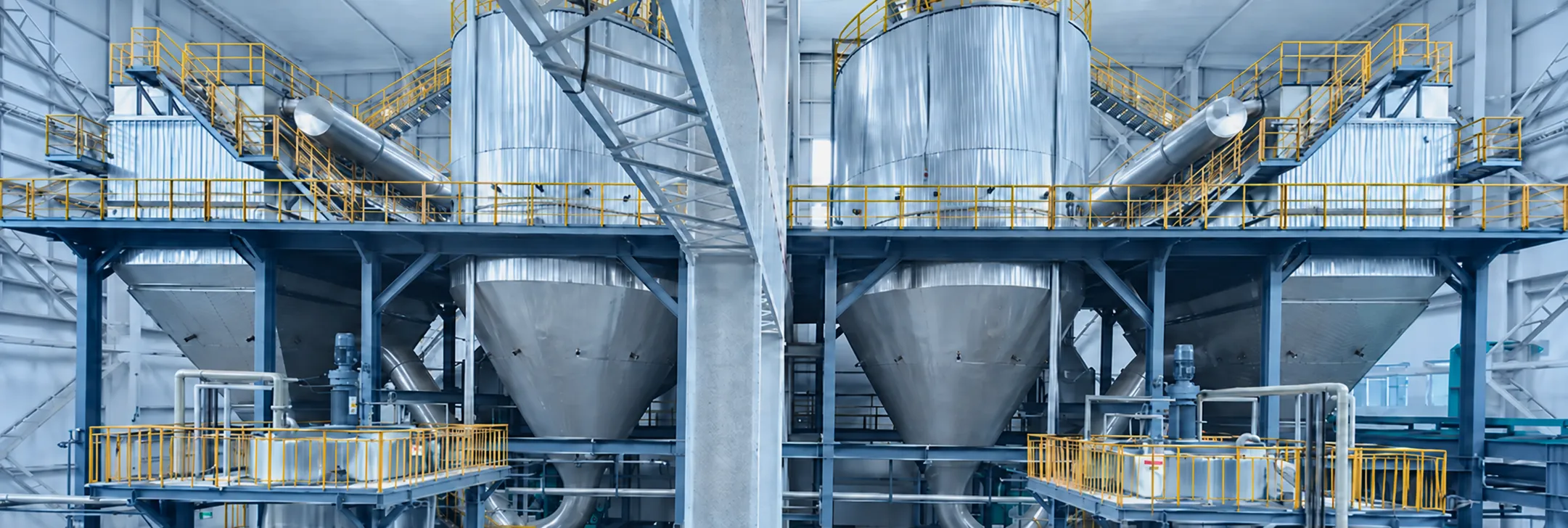
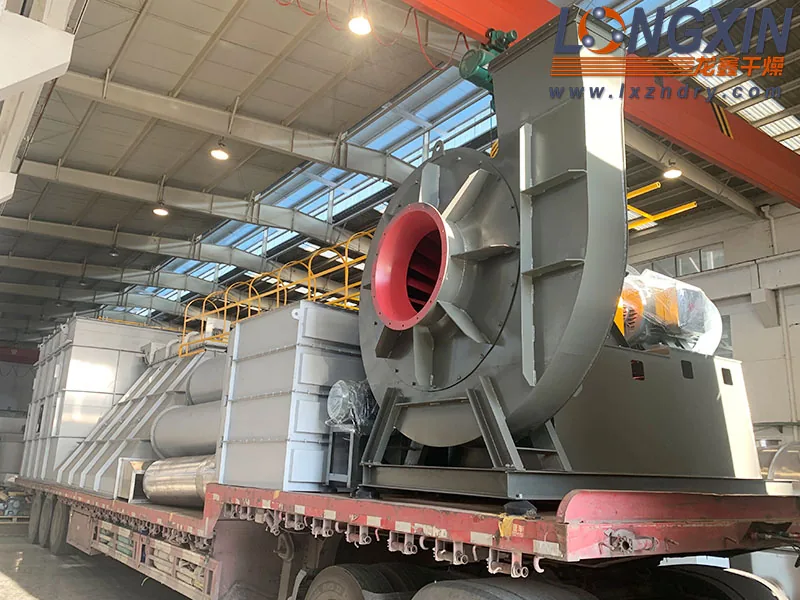
The xylitol market is highly competitive. To stand out, manufacturers will focus more on product quality, brand building, and technological innovation. Jiangsu Longxin continues to expand the application of fluidized-bed dryers in the xylitol industry and has developed an integrated fluidized-bed drying and cooling system specifically for xylitol. By improving production processes, the system helps reduce impurities and enhance product purity and stability to meet increasingly stringent food-additive safety and quality standards. Leveraging advanced sensors, automated control, and big data analytics, the new system enables real-time process monitoring and intelligent control. Through the analysis and optimization of production data, it supports precise adjustment of production parameters, improves production stability and product consistency, and reduces human error and operator workload.
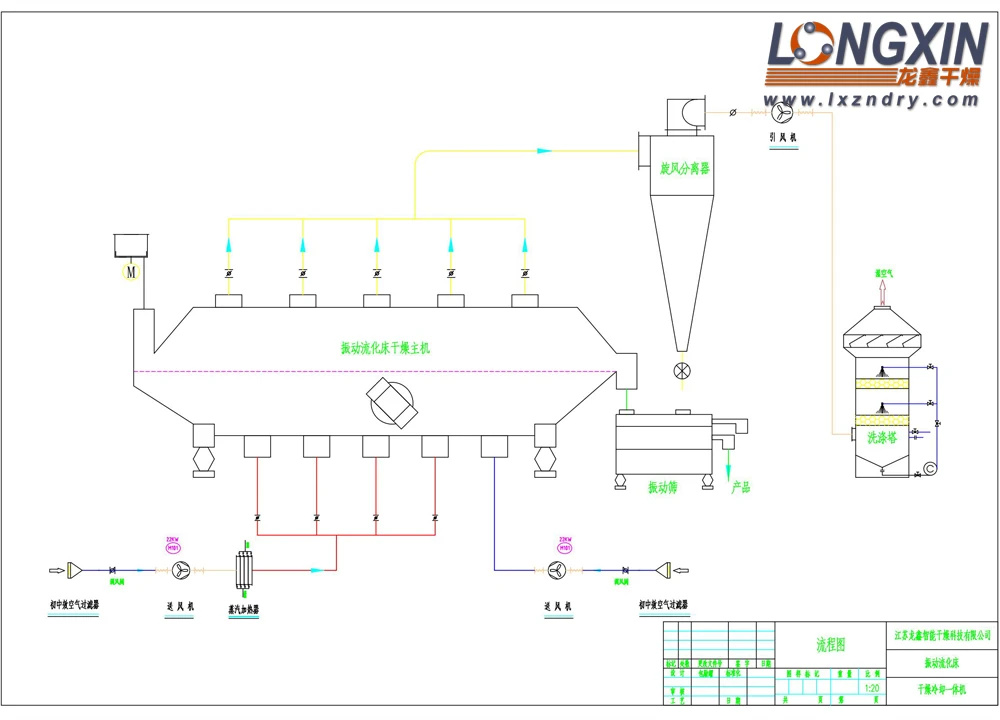
Process Flow of the Integrated Xylitol Fluidized-Bed Drying and Cooling System
Preheating
Hot-Air Supply:
After passing through an air filter, air is delivered by a blower to a heater. The heated air is maintained within an appropriate temperature range selected according to the properties of xylitol and the specific drying requirements.
Preheating Process:
Wet material entering the dryer first comes into contact with hot air in an ambient-temperature or preheating zone. The material is heated, its temperature gradually rises, and moisture begins to vaporize from its surface, preparing it for the subsequent drying process.
Feeding
Material Preparation:
Wet xylitol crystals from the crystallization process usually contain relatively high moisture and must be dried to meet product quality standards.
Feeding Method:
The wet material is uniformly fed into the fluidized-bed dryer through the feed inlet. The feed rate can be adjusted according to production capacity and drying requirements to ensure even distribution across the bed.
Drying
Fluidization:
The preheated material enters the drying zone, where hot air passes upward through the bed at a controlled velocity, suspending the particles so that they flow and tumble like a liquid.
Heat and Mass Transfer:
In the fluidized state, the material comes into full contact with the hot air. Heat is transferred from the air to the material, causing moisture inside the material to vaporize continuously and diffuse into the surrounding air. The continuous turnover and mixing of the material make heat and mass transfer more uniform and efficient, improving both drying speed and product quality.
Drying Parameter Control:
During drying, parameters such as drying temperature, hot-air velocity, and residence time must be strictly controlled according to material properties, initial moisture content, and the required final moisture content to ensure consistent drying performance and product quality.
Cooling
Cooling-Air Supply:
After drying, the material enters the cooling zone, where ambient or low-temperature air is supplied to reduce the material temperature to a range suitable for subsequent packaging and storage.
Cooling Process:
The cooling air exchanges heat with the material and carries heat away, rapidly reducing the material temperature. This helps prevent deterioration, caking, and other quality issues caused by excessive residual heat during packaging and storage.
Discharge
Discharge Method:
The dried and cooled xylitol is discharged through the outlet. The outlet is usually equipped with a discharge device, such as a rotary airlock valve, to control the discharge rate and prevent air leakage while maintaining stable pressure and airflow inside the dryer.
Product Collection:
The discharged xylitol is collected in storage containers or conveying equipment for subsequent packaging, inspection, and other processes before being released to the market as qualified xylitol product.
Exhaust Gas Treatment
Exhaust Discharge:
Exhaust gas containing water vapor and a small amount of dust is discharged from the top of the dryer and must be treated to reduce environmental pollution.
Dust Removal:
The exhaust gas first passes through dust-collection equipment such as a cyclone separator or bag filter, where most entrained dust particles are separated and recovered. This reduces material loss and prevents dust emissions from polluting the environment.
Tail Gas Emission:
After dust removal, the exhaust gas may still contain a certain amount of water vapor and small quantities of volatiles. It is discharged into the atmosphere only when it meets applicable environmental emission standards.
Performance Features of the Integrated Xylitol Fluidized-Bed Drying and Cooling System
High Drying Efficiency
Enhanced Heat and Mass Transfer:
The combined action of the upward airflow and vibration motors enables the material to quickly reach a fluid-like state inside the fluidized bed, significantly accelerating heat transfer, physical reactions, and drying.
Uniform Material Heating:
The fluidized bed provides a large contact area between the material and the heat-transfer medium, allowing uniform mixing and thorough heat and mass transfer. This helps prevent channeling and material accumulation while improving both fluidization quality and drying efficiency, making the xylitol drying process faster and more uniform.
Product Quality Assurance
Contamination Prevention:
The fully enclosed structure effectively prevents cross-contamination between the material and ambient air and maintains a clean working environment. This helps ensure xylitol quality and supports compliance with GMP and other high standards for pharmaceutical production.
Reduced Material Damage:
The system causes minimal damage to the material surface and helps avoid destruction of the xylitol crystal structure during drying, preserving both product quality and appearance.
Excellent Operational Adjustability
Flexible Parameter Adjustment:
Bed depth, material travel speed, and total vibration amplitude can all be steplessly adjusted. These parameters can be precisely tuned according to different drying requirements and material characteristics to achieve optimal drying results.
Flexible Process Integration:
Drying, cooling, screening, and other processes can be integrated into a single system for continuous material processing. This reduces equipment footprint, improves production efficiency, lowers equipment investment and operating costs, and facilitates automated process control and management.
Strong Material Adaptability
Suitable for Various Material Forms:
The system is suitable for powders and granular materials with particle sizes greater than 50 μm. It performs well with crystalline materials such as xylitol and can also process materials with different characteristics, including sticky and fragile materials, as well as irregularly shaped materials within a certain particle-size range.
Friendly to Heat-Sensitive Materials:
The system can operate at lower drying temperatures without damaging the particles, helping preserve material quality. This is particularly important for xylitol, which has a melting range of 92°C to 96°C.
Significant Energy Savings
Efficient Heat Utilization:
Thermal efficiency can reach 60% to 80%. Compared with conventional drying equipment, the system can achieve energy savings of 30% to 60%, helping manufacturers reduce production and operating costs.
Waste Heat Recovery:
Some systems can be equipped with a waste heat recovery unit to further improve overall energy utilization.
Stable Equipment Operation
Reliable Vibration Source:
The vibration source is driven by vibration motors, providing smooth operation, convenient maintenance, low noise, and a long service life, supporting stable long-term equipment operation.
Well-Designed Structure:
The upper and lower housings are connected by flexible joints to provide vibration damping. This reduces vibration and noise during operation and helps extend the service life of the equipment.
Low Maintenance Costs
Simple Structure:
The system has a relatively simple structure with few complex rotating or internal vibrating components, making inspection and maintenance easier and reducing maintenance difficulty and costs.
Durable Materials and Components:
The equipment is generally constructed from high-quality stainless steel and other durable materials with good corrosion and wear resistance, extending service life and reducing equipment replacement frequency and repair costs.
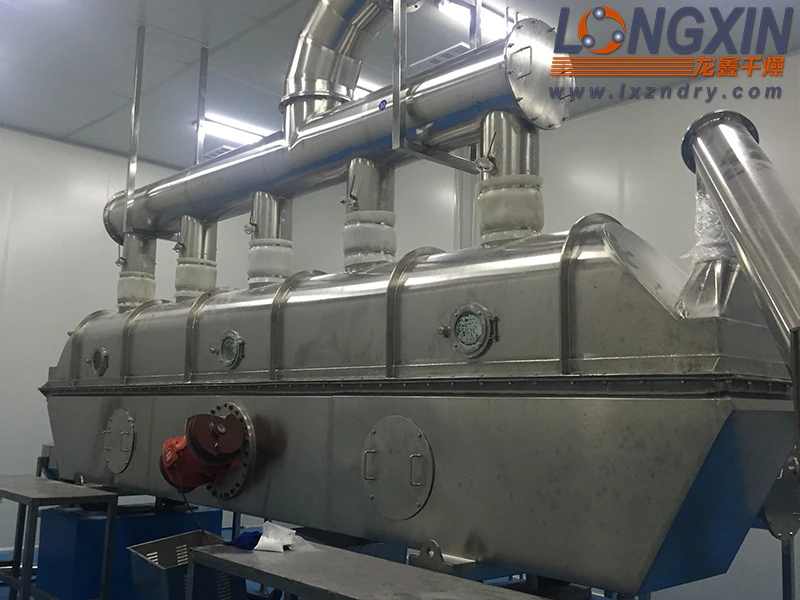
Technical Advantages of the Integrated Xylitol Fluidized-Bed Drying and Cooling System
- Uniform drying and cooling: Fluidized contact promotes efficient heat and mass transfer with minimal temperature variation.
- Crystal quality protection: Gentle, low-temperature, fully enclosed processing helps preserve xylitol crystal structure, purity, and appearance.
- Flexible process control: Bed depth, material travel speed, vibration amplitude, airflow, and temperature can be precisely adjusted.
- Continuous integrated operation: Drying and cooling are combined in one system for continuous processing and easy production-line integration.
- Energy-efficient and reliable: High heat utilization, optional waste heat recovery, and reliable vibration motors help reduce energy and maintenance costs.