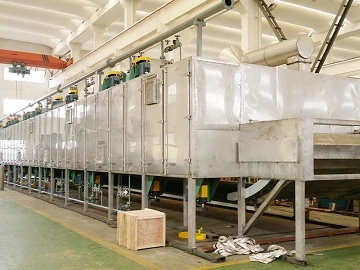
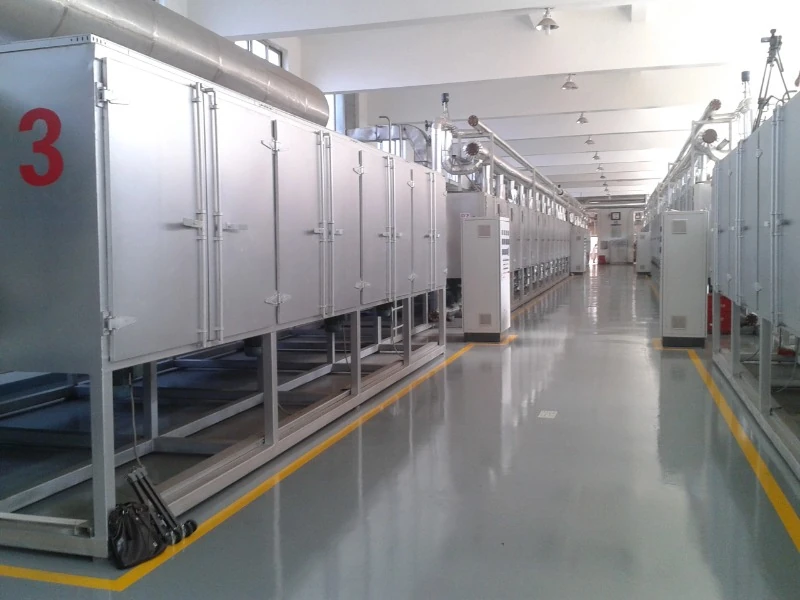
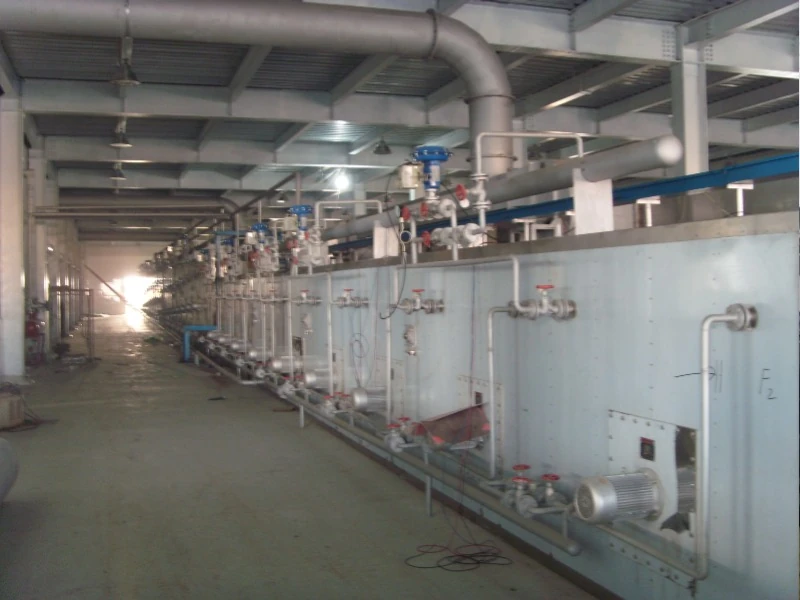
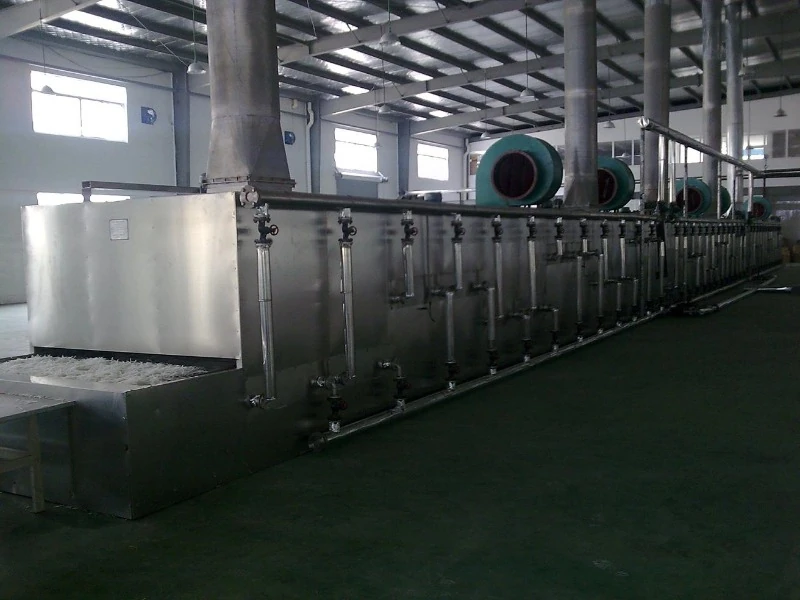
Belt dryers have a wide range of industrial applications, primarily for drying small-piece and fibrous materials. Existing belt dryers include single- and multi-layer designs, in which hot air passes upward or downward through one or more material layers. After heat and mass transfer, the humid exhaust air is either discharged directly into the atmosphere or partially reused. Driven by the transmission system, the material-carrying mesh belt moves slowly through the drying chamber, gradually drying the wet material. Existing belt-dryer technologies face the following challenges in actual production:
- Low inlet-air temperature, typically at ambient level, results in high heating energy consumption.
- Through-flow hot air is not fully utilized, while exhaust-air temperatures remain high. Exhaust-air recovery is costly and energy waste is significant.
- Limited recovery and reuse of steam condensate increases the energy consumption of the steam-heating system.
- Poor adaptability to sticky materials and unresolved material buildup on the belt adversely affect product quality.
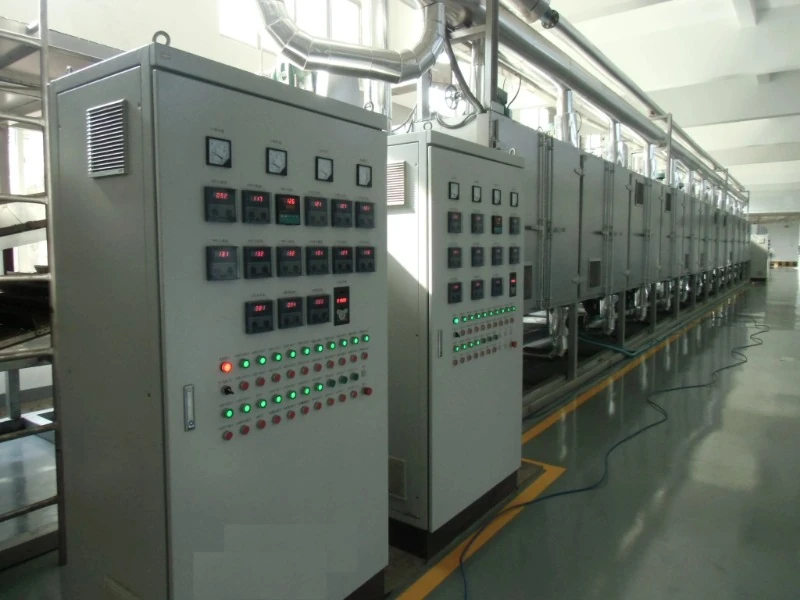
- Drying temperatures are difficult to control for different materials, and the level of automation is low.
Multistage Series Mesh-Belt Dryer — Equipment Overview
To address the shortcomings of existing processes, Longxin Drying designed and manufactured a new continuous belt dryer by incorporating advanced international technologies. The system supports staged temperature control based on material drying characteristics and provides a fully automated belt production line with no manual handling from material feeding to product discharge. At each drying stage, the system supplies the required drying heat and independently controls the drying temperature and exhaust humidity of each drying unit. Steam condensate is sent by a condensate collection tank and pipeline pump to the boiler feedwater system or used as a heat source for other heating equipment. This results in high thermal efficiency, low energy consumption, and reduced product costs.
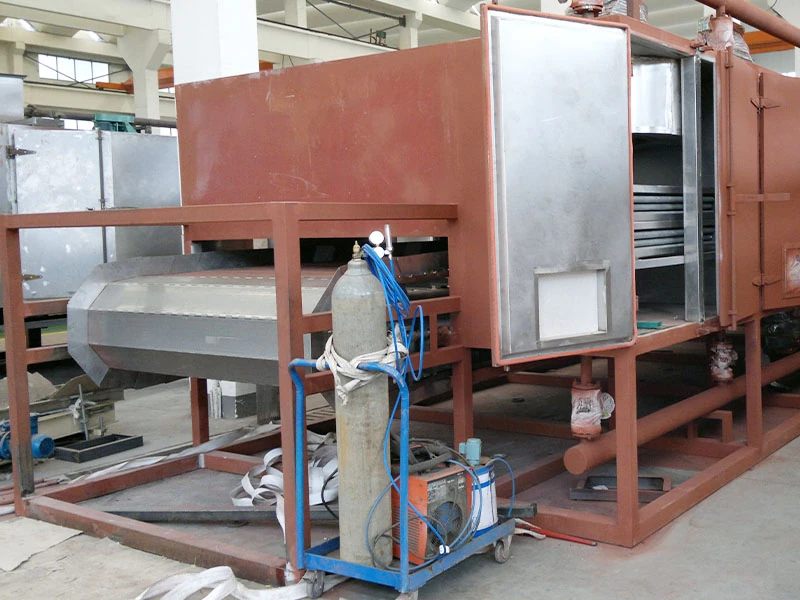
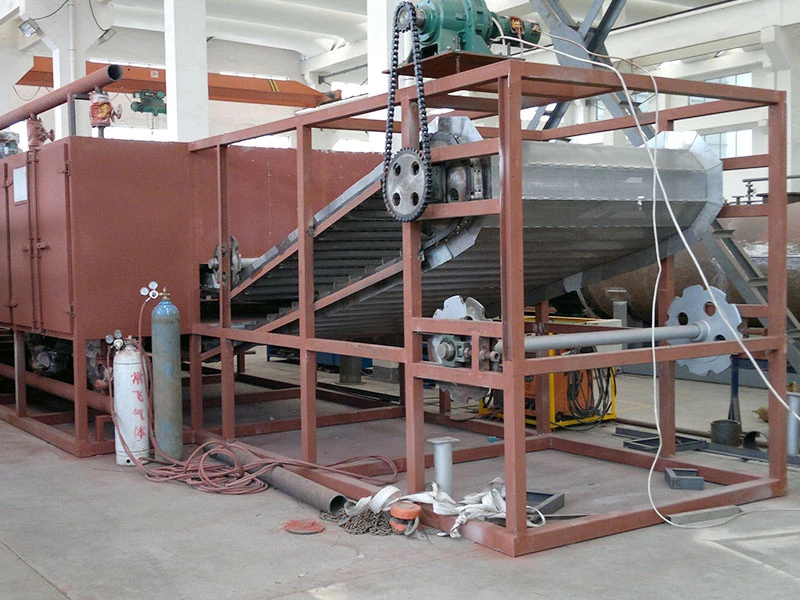
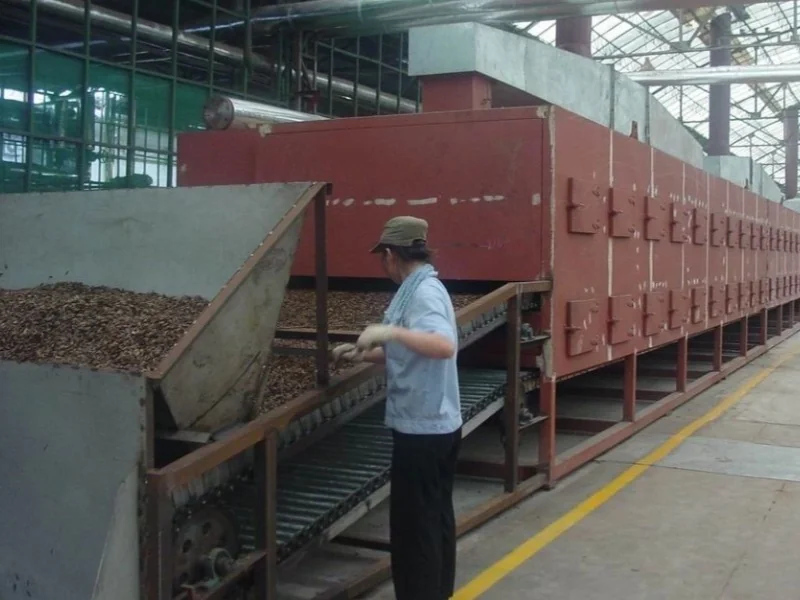
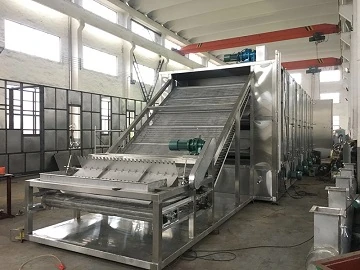
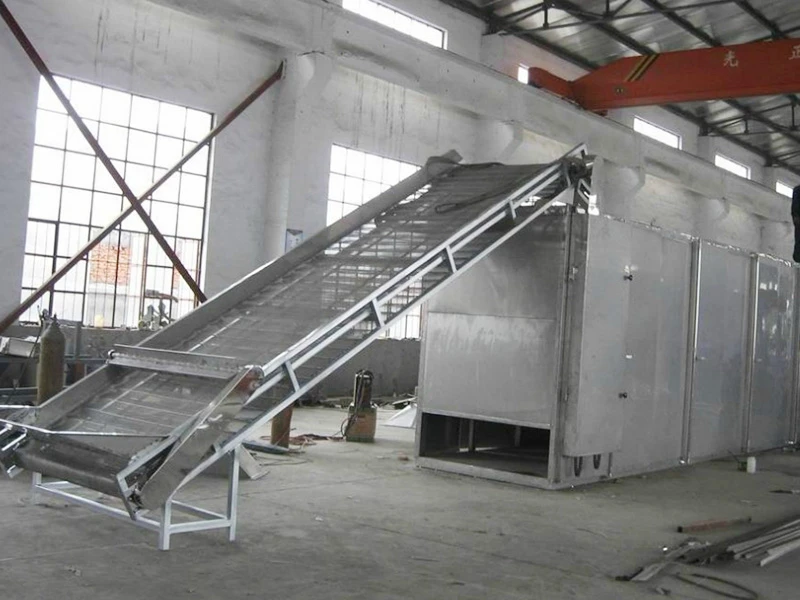
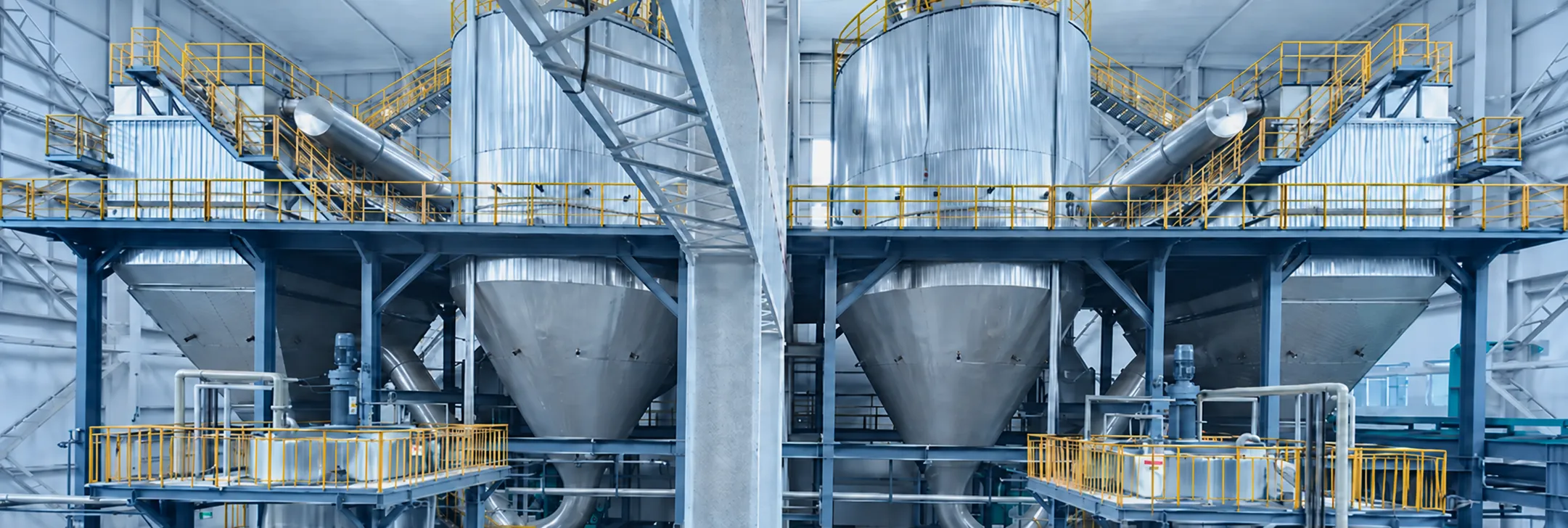
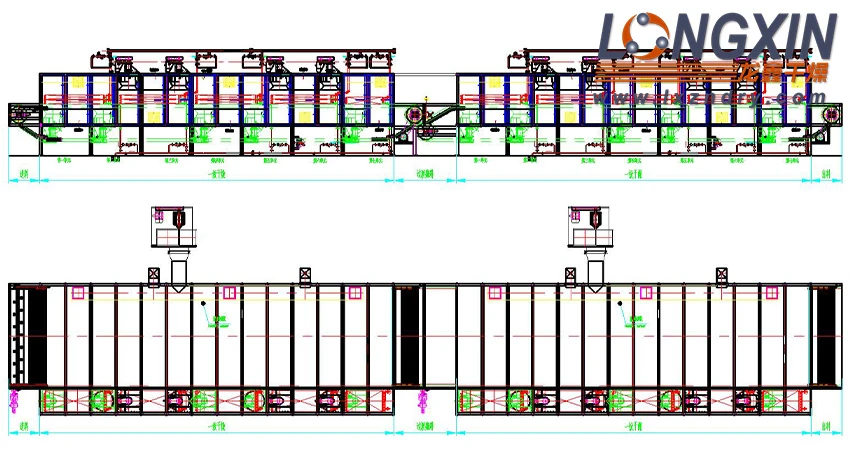
- The new belt dryer consists of a material-distribution device, a discharge device, and at least two consecutive dryer modules. Each dryer module has a steel-belt inlet and a steel-belt outlet. The steel-belt outlet of one dryer module is connected to the steel-belt inlet of the next through a bridge conveyor, and a discharge device is installed above the bridge conveyor section between adjacent dryer modules.
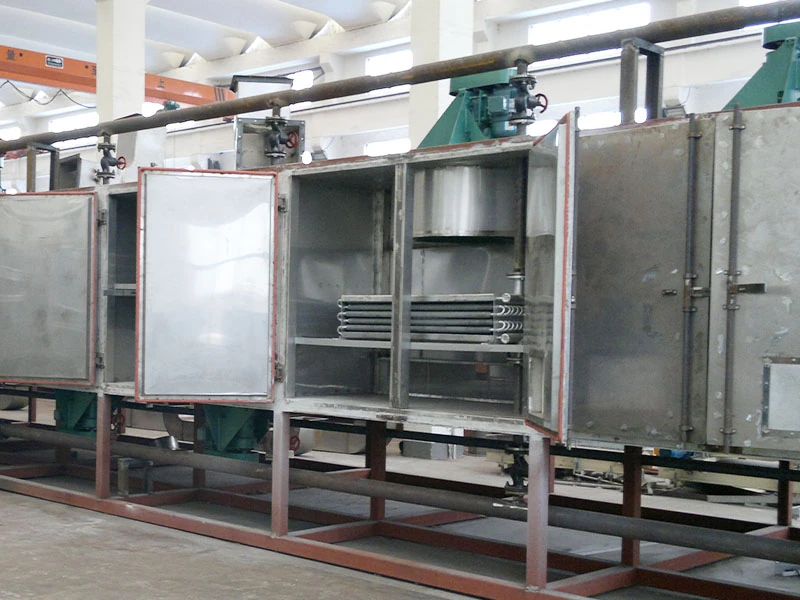
- Each dryer module contains multiple independent, closed-loop hot-air drying units. Each unit is equipped with an independently controlled air heater. An air-distribution plenum is installed above the heater, with a return-air plenum at the outlet of the distribution plenum. A perforated steel conveyor belt passes between the distribution and return-air plenums. An inlet duct is provided on the lower sidewall of the return-air plenum, and an adjustable make-up air duct is installed on the return-air plenum. A fan below the heater is connected to the upper section of the heater, while an exhaust duct at the center of the fan leads to the outside.
- Based on the material temperature requirements at different drying stages, the automatic control system distributes different amounts of steam to the preheating, constant-temperature, and cooling-stage modules.
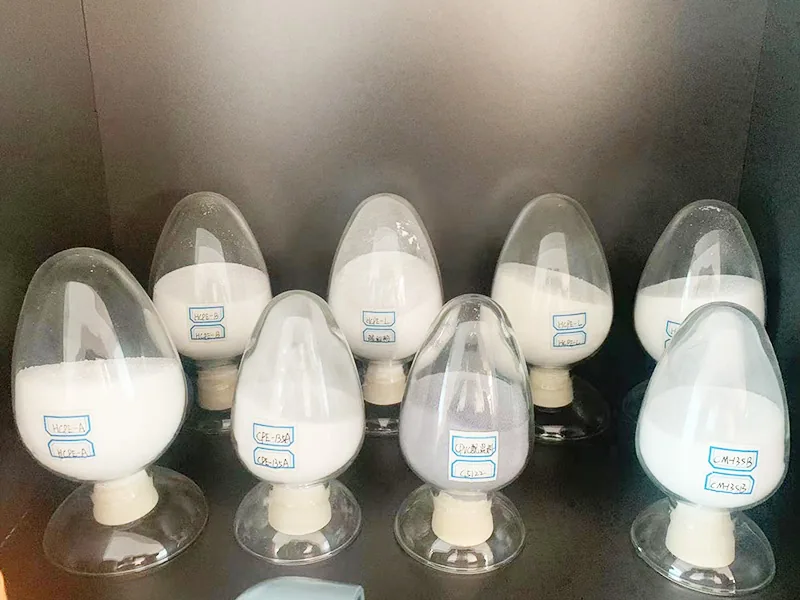
- This high-efficiency, energy-saving belt dryer is widely used for drying fruit and dehydrated vegetables and can also be applied in the food, light-industry, and chemical industries. It has already been successfully used for nuts and roasted seeds, seaweed and desiccated coconut, silica gel, amino molding resins, pelletized furnace charge, and other materials.
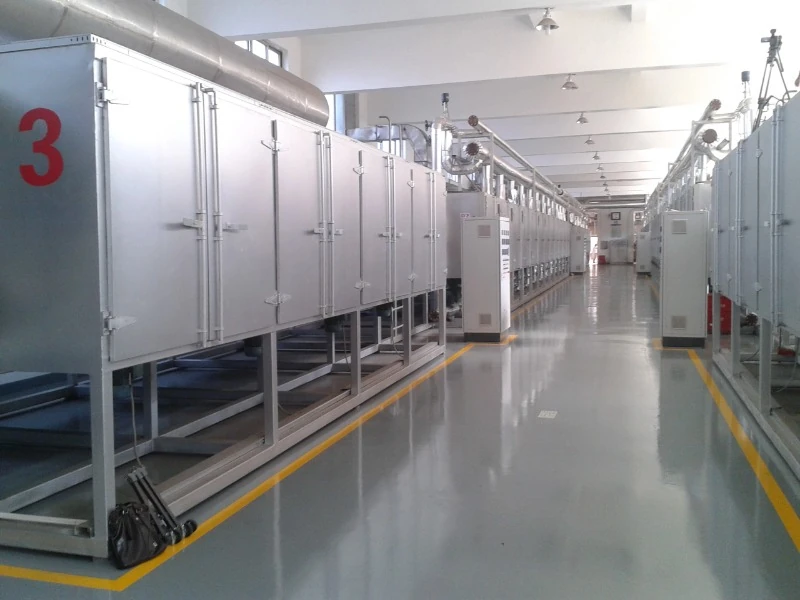
Multistage Series Mesh-Belt Dryer — Working Principle
The new continuous belt dryer consists of a material-distribution device, a discharge device, and multiple interconnected dryer modules. Each dryer module is provided with a steel-belt inlet and a steel-belt outlet. A bridge conveyor at the steel-belt outlet of the first dryer module is connected to the steel-belt inlet of the second module. Each dryer module contains multiple independent drying units, and each unit is equipped with a heater, air-distribution plenum, return-air plenum, inlet duct, circulation fan, and exhaust duct. The second and third dryer modules have the same structure as the first module, differing only in process-parameter settings. Hot-air velocity, drying temperature, and exhaust humidity are optimized according to process requirements.
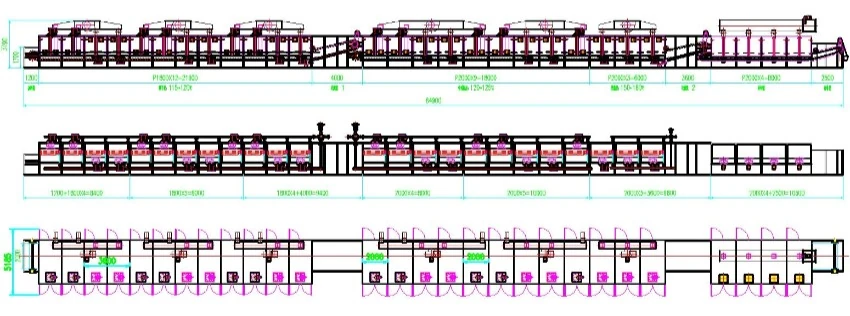
The new continuous belt dryer is configured with three drying modules: a pre-drying and constant-rate drying section, a falling-rate drying and cooling section, and a cooling-stage section. Because wet granules have high moisture content and high bulk density, most drying units in the pre-drying and constant-rate drying section use high-pressure, high-volume upward air circulation. This rapidly removes surface moisture and prevents insufficient hot-air penetration through the material bed from compromising drying performance. In the middle and later stages of falling-rate drying, when the material moisture content has fallen below 15% and bulk density has decreased, the bed becomes more permeable. A medium-volume downward-air circulation mode is therefore used to hold the material against the mesh belt, preventing vibration-induced particle damage and excessive dust generation.
The new continuous belt dryer enables staged temperature and time control across the production line. Cleaned material first passes through an air-dewatering device and is then spread and leveled at the feed end of the material-distribution device before being transferred to the conveyor belt. As the material moves with the belt, it enters a series of preset hot-air circulation drying units. The dried material is discharged from the belt outlet through a discharge device onto a bridge conveyor, which transfers it to the constant-temperature dryer module for further drying. After leaving the constant-temperature module, the material is again discharged onto a bridge conveyor and transferred to the cooling-stage dryer module for cooling and final drying. The material is then sent to a sand-removal device and bagging equipment for packaging. Steam condensate passes through the condensate collection tank and pipeline pump for use by other heat-consuming equipment.
Multistage Series Mesh-Belt Dryer — Performance Features: Full Process Controllability
Multistage Design for Greater Processing Flexibility
The configuration of the multistage chain-plate dryer can be quickly adjusted for each material type and processing condition. The multistage design provides a range of bed speeds, temperatures, and airflow conditions to ensure that materials are dried, baked, or cooled within the appropriate time and temperature range, ultimately delivering high-quality finished products.
Engineered for Uniform and Consistent Product Quality
The multistage chain-plate dryer uses zoned temperature control, enabling a customized heat-treatment process and maximizing heat- and mass-transfer efficiency. The new design ensures consistent material properties across the entire bed. A dual air-chamber design provides balanced airflow and more uniform product moisture content.
Hygienic Design for Clean and Safe Operation
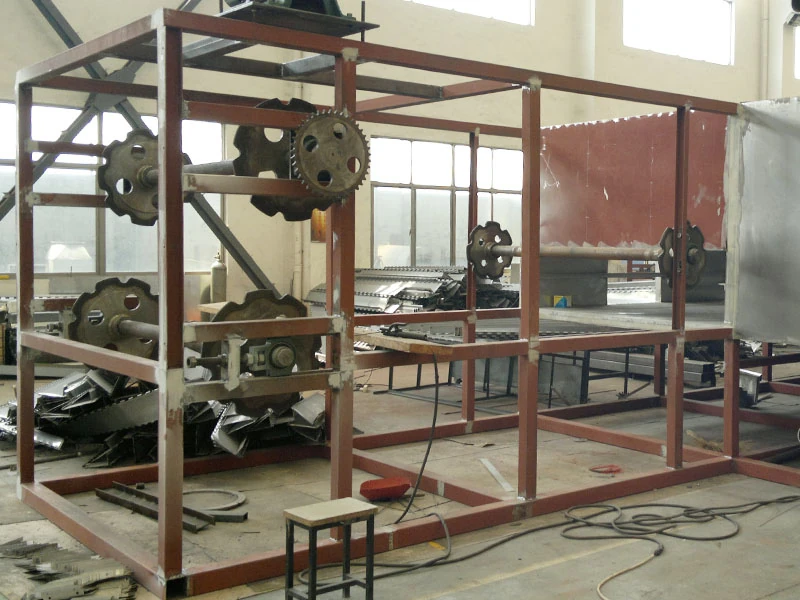
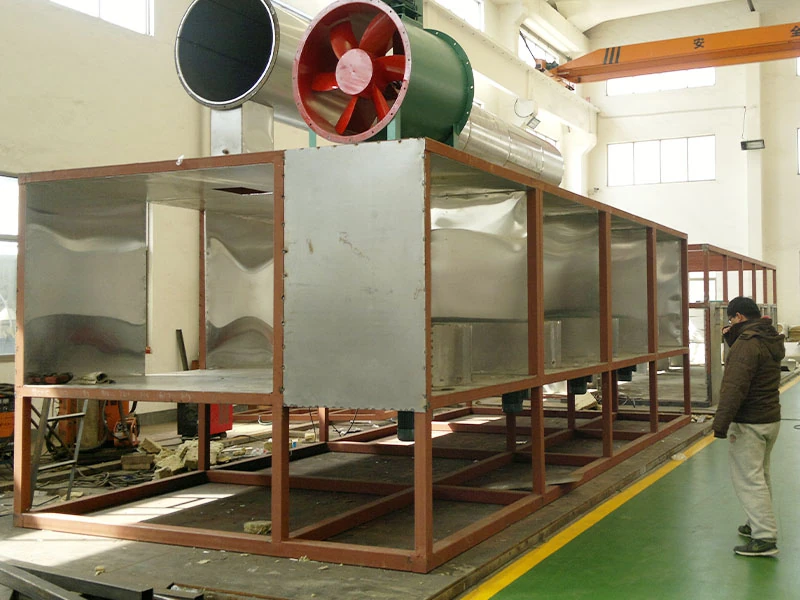
The bottom and top panels of the multistage series mesh-belt dryer are sloped for easy cleaning and continuously welded to achieve a high standard of hygiene. Access doors feature continuously welded insulated panels that prevent moisture from entering the panel structure. Smooth, sloped interior surfaces allow material to flow off and avoid potential safety or hygiene hazards. Wide access doors and removable panels facilitate fast, thorough cleaning during routine operation.
Flexible Assembly Options to Reduce Costs
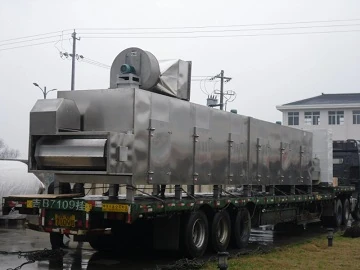
The dryer’s standard modular design allows it to be shipped with bed plates pre-installed, shortening installation time and reducing on-site costs. The field-assembled structure can accommodate the most demanding plant conditions while reducing transportation costs.
Process Flow Diagram 1 — Two Units in Series
Process Flow Diagram 2 — Multiple Units in Series: Feeding → Pre-Drying → Constant-Rate Drying → Cooling and Conditioning → Discharge
Staged Temperature Control for Uniform Quality, Flexibility, and Efficiency
The multistage series mesh-belt dryer uses independently controlled, closed-loop hot-air units to precisely manage temperature, airflow, exhaust humidity, and residence time at each drying stage. This staged configuration adapts readily to different materials and processing conditions, while the dual air-chamber design provides balanced airflow and uniform moisture content—delivering consistent product quality, flexible continuous production, and high thermal efficiency.