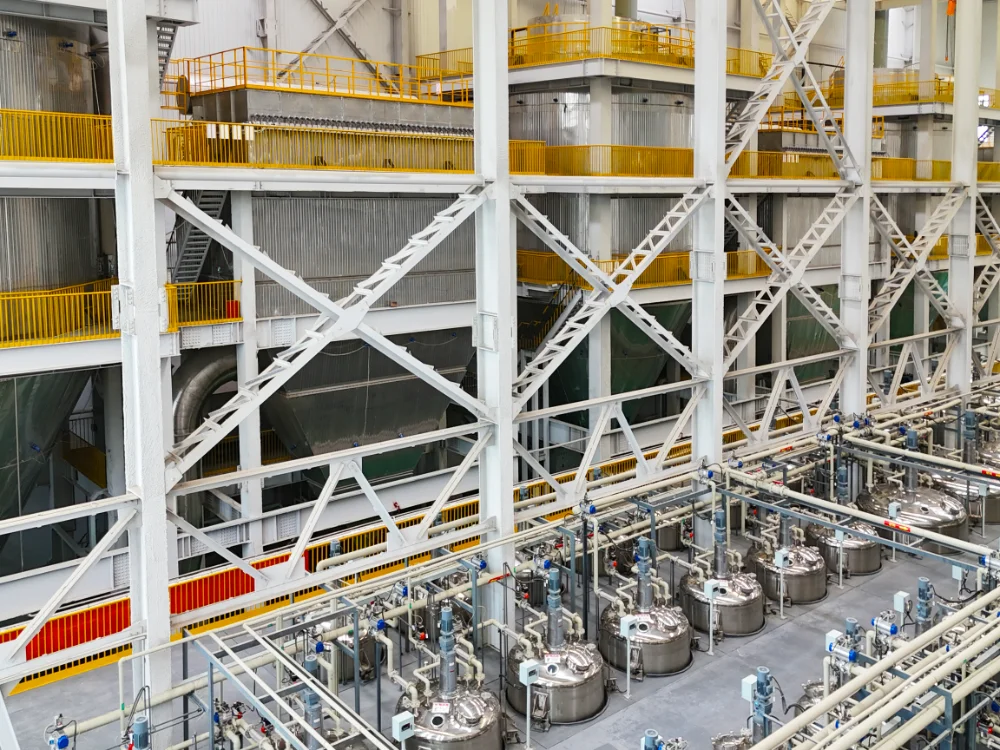
Sodium erythorbate, also known as D-sodium isoascorbate or sodium isoascorbate, is a white to yellowish-white crystalline or crystalline-powder material. The beverage and alcoholic-beverage sectors are among its largest application areas, accounting for approximately 46.8% of the market. Because of its antioxidant and preservative effects, it can help extend product shelf life, prevent deterioration and off-flavors caused by oxidation, and maintain the taste and quality of beverages and alcoholic drinks. It can also help enhance color and stability, making products more appealing. As a result, demand for sodium erythorbate in this sector remains stable and sustained. Fish, meat, and processed meat products account for approximately 43.5% of the sodium erythorbate market. In the processing and preservation of fish, meat, and related products, sodium erythorbate helps prevent fat oxidation and spoilage, maintain product color and taste, and support nutritional value. As consumer expectations for meat-product quality increase, demand is also rising.
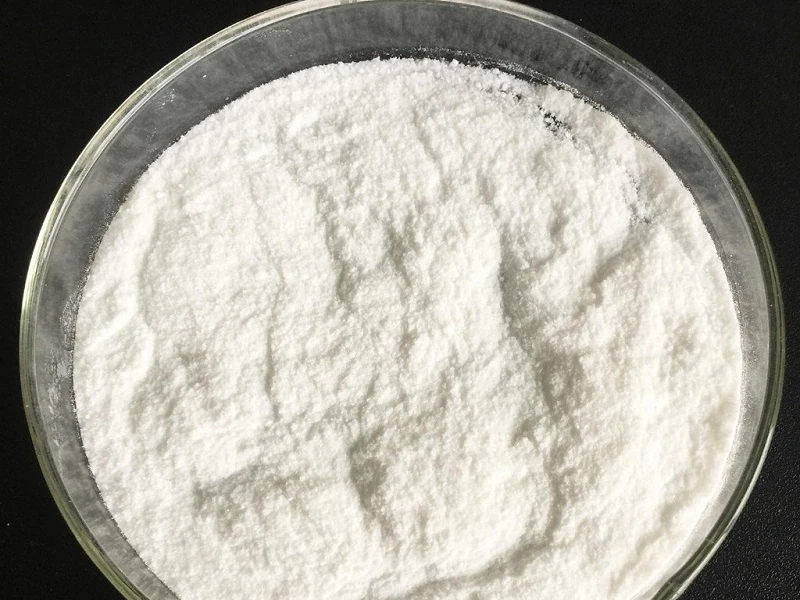
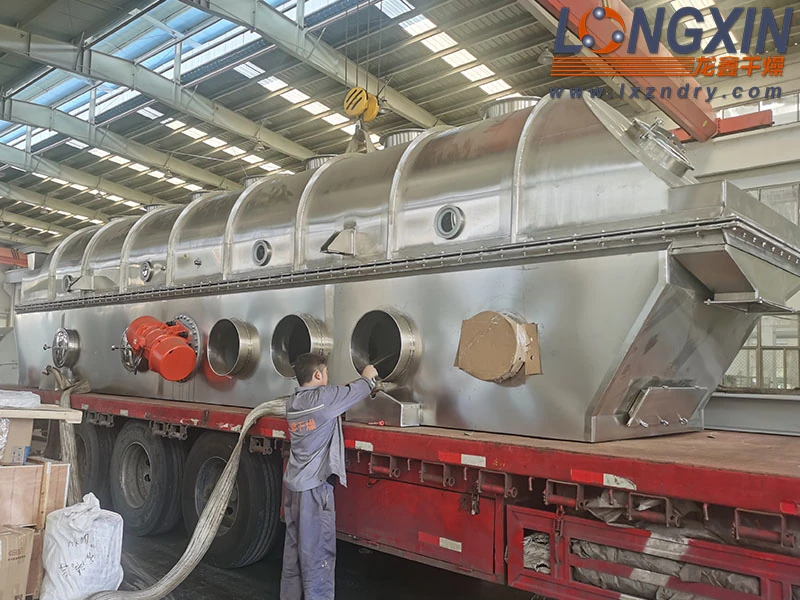
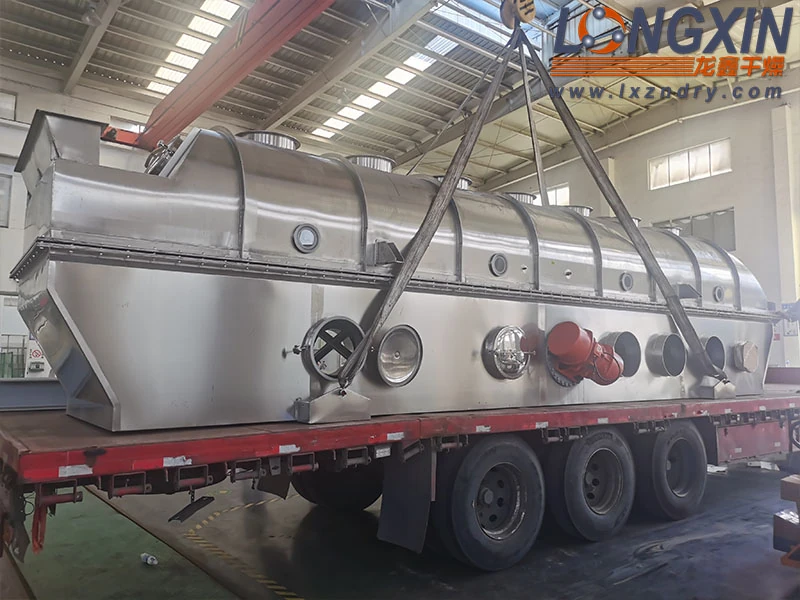
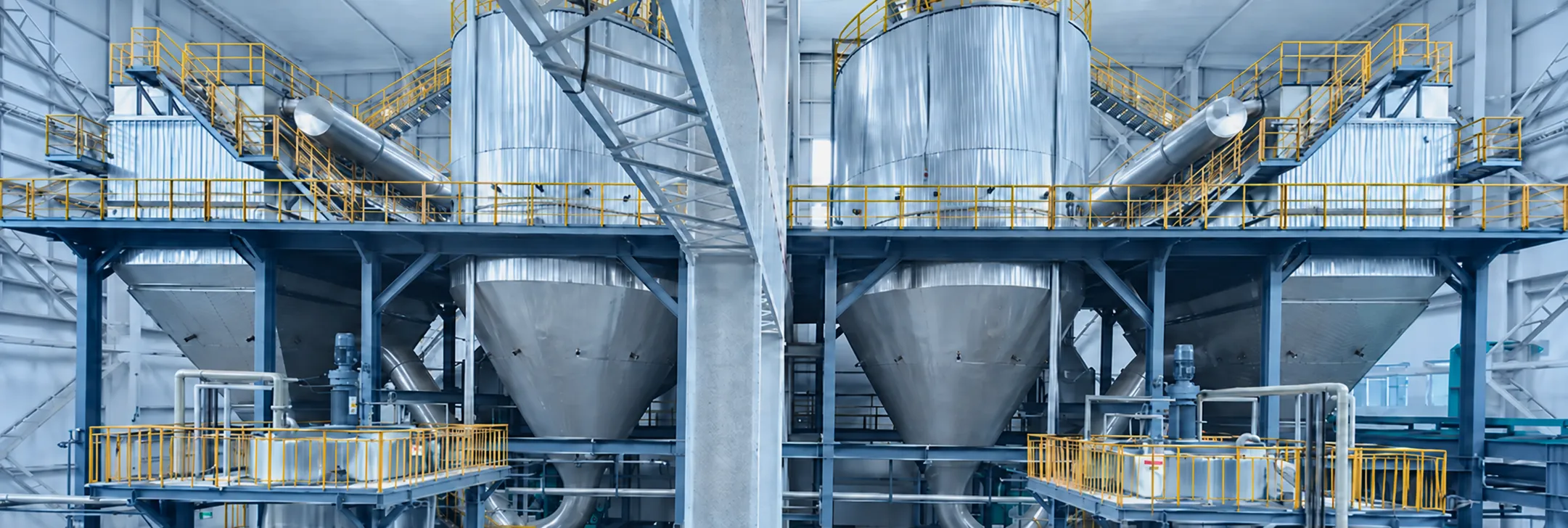
Sodium erythorbate is an important food additive and is widely used for food preservation and antioxidant protection. As the food industry continues to develop, demand for sodium erythorbate is increasing, directly driving demand for sodium erythorbate vibrating fluidized-bed dryers. Manufacturers are imposing increasingly stringent requirements on the quality and drying efficiency of sodium erythorbate. Jiangsu Longxin’s vibrating fluidized-bed dryer provides more uniform heating during sodium erythorbate drying, helping deliver more consistent product quality and support compliance with high standards for food additives. Its efficient drying capability also improves production efficiency and meets the requirements of large-scale manufacturing, making it a preferred choice among food-additive producers. As environmental policies become more stringent, Longxin Drying is placing greater emphasis on developing energy-saving and environmentally responsible technologies. By optimizing the structure of the sodium erythorbate dryer and adopting high-efficiency heating methods and energy-saving motors, the company helps reduce equipment energy consumption. The exhaust-treatment system has also been improved to reduce dust emissions and the release of harmful gases, making the drying process more environmentally responsible.
Working Principle of the Sodium Erythorbate Vibrating Fluidized-Bed Dryer
(1) Material Feeding and Vibratory Conveying
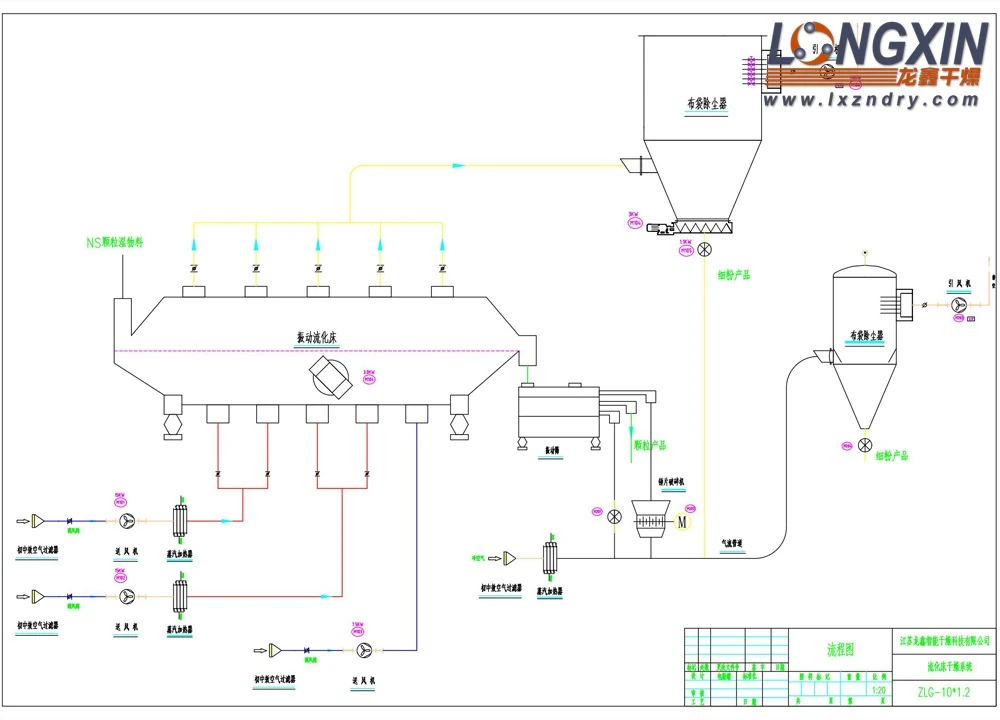
Sodium erythorbate enters the dryer through the feed inlet and falls onto a fluidized-bed plate constructed from a perforated plate or screen. A vibration device at the bottom of the equipment—typically vibration motors—generates vibration force that throws the material forward in the horizontal direction, causing it to move continuously along the bed.
(2) Hot-Air Heating and Fluidization
At the same time, heated air is introduced from the bottom of the fluidized bed. As the hot air passes through the perforated plate, bubbles form within the material layer and suspend the particles in the airflow, creating a fluidized state that behaves similarly to a liquid. Air velocity is a critical factor: it must remain between the minimum fluidization velocity required to fluidize the bed and the velocity at which particles begin to be carried out of the dryer. This ensures effective fluidization while preventing excessive particle entrainment and material loss.
(3) Heat Exchange and Drying
In the fluidized state, sodium erythorbate comes into thorough contact with hot air flowing upward through the bed and exchanges heat with it. Heat from the air is transferred to the material, causing moisture or solvent in the material to evaporate and achieve drying. Because the material continuously tumbles and jumps, it has a large contact area and sufficient contact time with the hot air. This results in highly effective heat and mass transfer and improved drying efficiency.
(4) Exhaust-Air Discharge
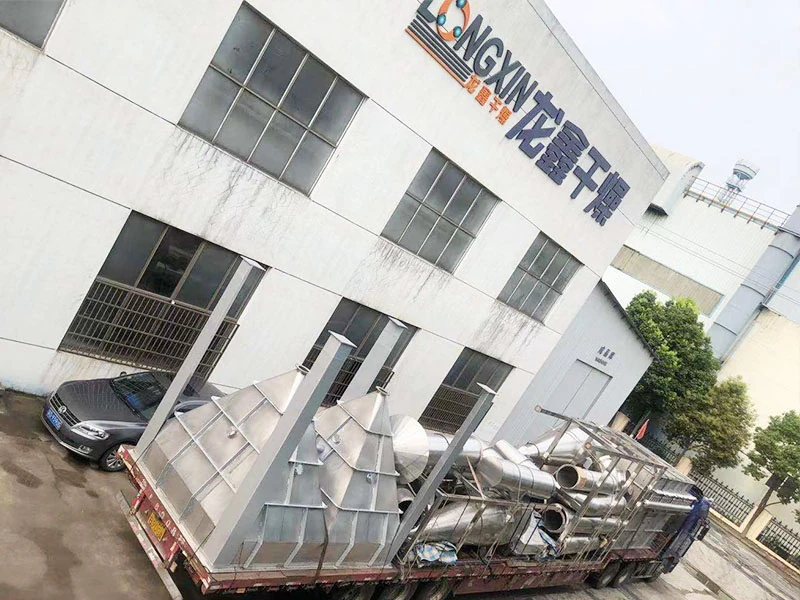
After heat exchange, moist air carrying moisture or solvent evaporated from the material exits the dryer through an exhaust outlet at the top. The exhaust gas is normally treated with dust-removal equipment to separate and recover entrained fine particles, reducing material losses and preventing environmental pollution.
(5) Discharge of Dried Material
Under the combined action of vibration and gravity, the dried sodium erythorbate continues moving forward and is finally discharged through the discharge outlet as a dried product with the required moisture content.
Technical Improvements to the Sodium Erythorbate Vibrating Fluidized-Bed Dryer
(1) Optimized Material Handling and Drying Performance
Improved pre-fluidization and agitation: A high-efficiency pre-fluidization chamber equipped with a powerful agitator can be installed at the feed end. The pre-fluidization chamber allows the material to be thoroughly dispersed and pre-fluidized before entering the main fluidized bed, helping prevent caking and agglomeration. The agitator can further break up clumps in the feed, allowing material to enter the fluidized bed more evenly, improving fluidization uniformity, enhancing heat- and mass-transfer efficiency, and supporting more uniform drying.
Optimized air-distribution plate design: The air-distribution plate can be redesigned with different shapes, hole sizes, and hole distributions according to the fluidization conditions and drying requirements at different positions within the dryer. In the feed section, for example, an air-distribution structure with consistent airflow direction and low pressure drop can accelerate forward material movement and prevent material accumulation at the inlet. In the middle and rear sections, specially designed air-distribution plates can extend material residence time and provide more thorough contact between the material and hot air, further improving drying performance.
Integrated classification and screening: Classification rings, vibrating screens, and other classification or screening devices can be installed inside the dryer or at the outlet to classify and screen dried material in real time. Material that has not reached the required drying level can be returned automatically to the drying zone for further processing, while qualified product is discharged. This helps ensure stable product quality, improve consistency, reduce manual screening work, and increase production efficiency.
(2) Improved Energy Utilization
Optimized sealing: High-performance sealing materials and advanced sealing structures can be used to improve airtightness. High-quality sealing strips, gaskets, and airtight valves can be installed at the feed inlet, discharge outlet, sight glass, pipe connections, and other areas to prevent cold air from entering the dryer and mixing with hot air. This helps prevent a reduction in hot-air temperature, improve energy utilization, and maintain drying performance.
Upgraded heat-exchange system: Heat-exchange materials with better thermal conductivity—such as copper tubes instead of conventional steel tubes—can be used to improve heater efficiency. The heat-exchange structure can also be optimized to increase the heat-transfer area, for example by using finned-tube or plate heat exchangers, allowing thermal energy such as steam to be transferred more fully to the air. This reduces steam consumption and lowers energy use.
Exhaust-air recovery and reuse: An exhaust-air recovery system can collect warm exhaust air discharged from the dryer. Part of the exhaust air can be directed to the heater inlet to preheat cold air entering the heater, reducing the amount of steam required for heating. Another portion can be directed, according to actual plant requirements, to other equipment or production stages that require thermal energy. This enables energy recycling and reduces waste.
(3) Application of Multifunctional Technologies
Integrated multifunctional design: Composite drying equipment can integrate drying, cooling, and other functions in a single system. A cooling device installed inside the dryer, for example, can cool the material immediately after drying without transferring it to separate cooling equipment. This simplifies the production process, reduces equipment investment and floor space, and improves production efficiency and economic performance.
Integrated classification and screening: Classification rings, vibrating screens, and other classification or screening devices can be installed inside the dryer or at the outlet to classify and screen dried material in real time. Material that has not reached the required drying level can be returned automatically to the drying zone for further processing, while qualified product is discharged. This helps ensure stable product quality, improve consistency, reduce manual screening work, and increase production efficiency.
(4) Upgraded Automation and Intelligent Control
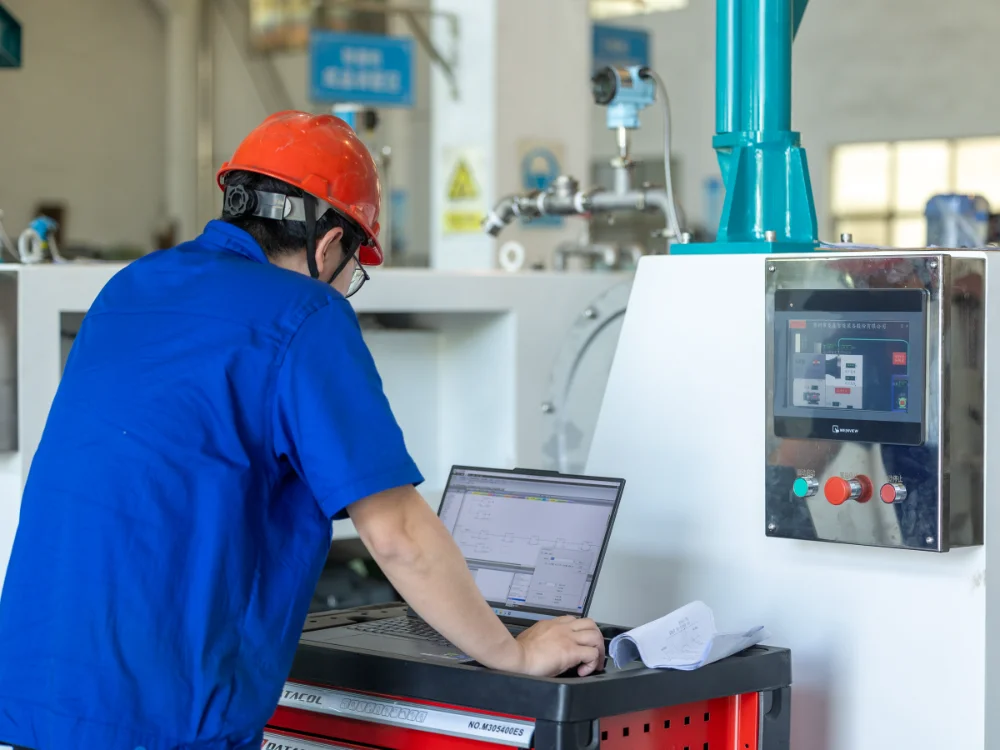
Precise parameter control: High-precision sensors—such as temperature sensors, humidity sensors, air-velocity sensors, and material-flow sensors—can accurately measure key parameters during drying in real time and send the data to the control system. Based on preset values and feedback data, the control system automatically adjusts vibration-motor frequency and amplitude, fan speed and airflow, heater power, and other operating variables to maintain optimal drying conditions and improve product quality stability and consistency.
Remote monitoring and diagnosis: Remote-monitoring technology can be introduced through communication modules installed on the equipment, transmitting operating-status data to a remote control center or mobile device. Operators can monitor drying parameters, operating status, and fault alarms from a smartphone, computer, or other device and can perform remote operations and parameter adjustments. The system can also provide fault-diagnosis functions using big-data analysis and artificial-intelligence algorithms to analyze potential causes automatically and provide corresponding solutions, helping maintenance personnel locate and resolve problems quickly and reduce equipment downtime.
(5) Compact and Modular Design
The overall equipment layout can be optimized to make component installation more compact and reduce floor space. A modular design can divide the heating system, vibration system, fluidized-bed system, dust-removal system, and other functional components into independent modules for easier assembly, disassembly, maintenance, and upgrading. When maintenance or component replacement is required, the relevant module can be replaced quickly, improving maintenance efficiency and reducing downtime.
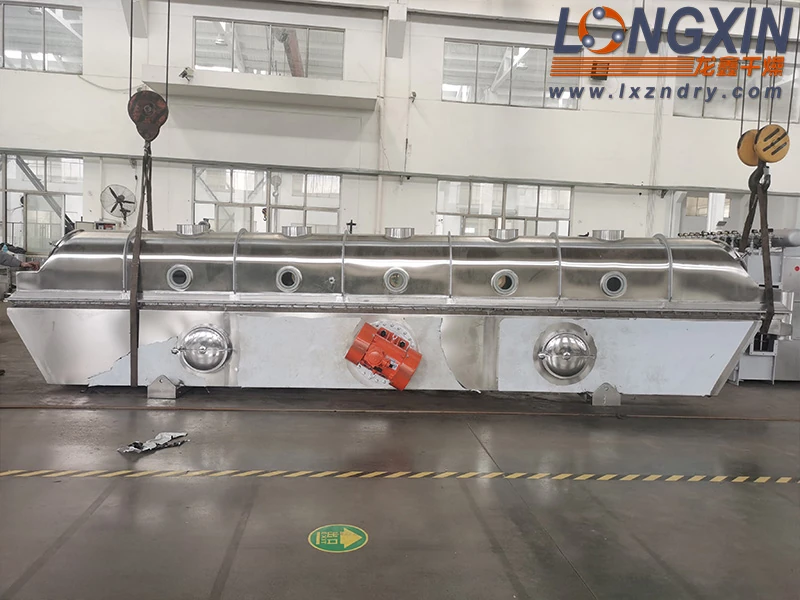
Uniform heating, stable drying, high efficiency, and flexible adjustment.