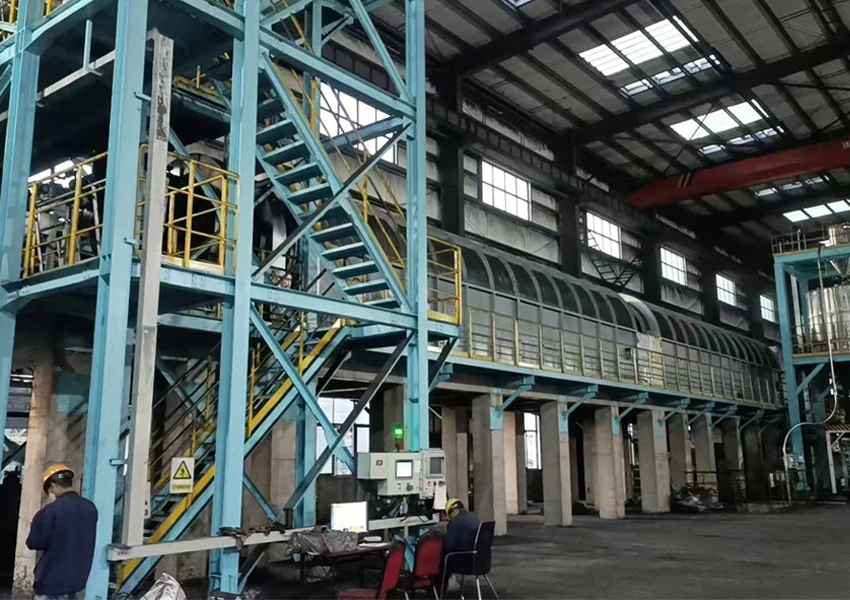
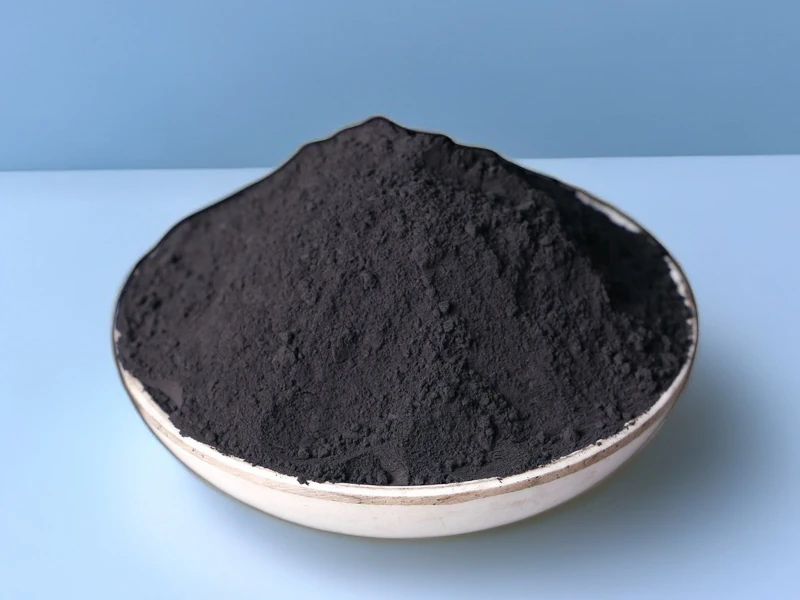
With the rapid growth of new-energy vehicles and other modes of transportation, lithium batteries are now used across a wide range of applications. As a critical component of lithium batteries, anode materials require precise synthesis and consistent quality. Lithium battery anode materials are carbon-based powders. Because their particles have irregular shapes, rough surfaces can contribute to battery degradation during charge and discharge. To improve battery quality and extend service life, carbon particles are typically processed into relatively regular spheres by coating them with pitch and then calcining them in a furnace so that the pitch carbonizes. Because anode materials are prone to oxidation during calcination, the process is generally carried out under a protective nitrogen atmosphere.
As the new-energy vehicle market grows rapidly and the energy-storage industry accelerates, global demand for higher-performance lithium batteries continues to rise. Coating granulation and pre-carbonization processes for anode materials now face serious challenges:
- Conventional batch production suffers from poor process integration, low production efficiency and high energy consumption during calcination.
- Flue gas from high-temperature calcination contains pollutants such as tar. Conventional treatment efficiency is below 70%, creating substantial environmental pressure.
- Batch-to-batch parameter fluctuations reduce product consistency and directly affect key material indicators such as specific capacity and initial Coulombic efficiency.
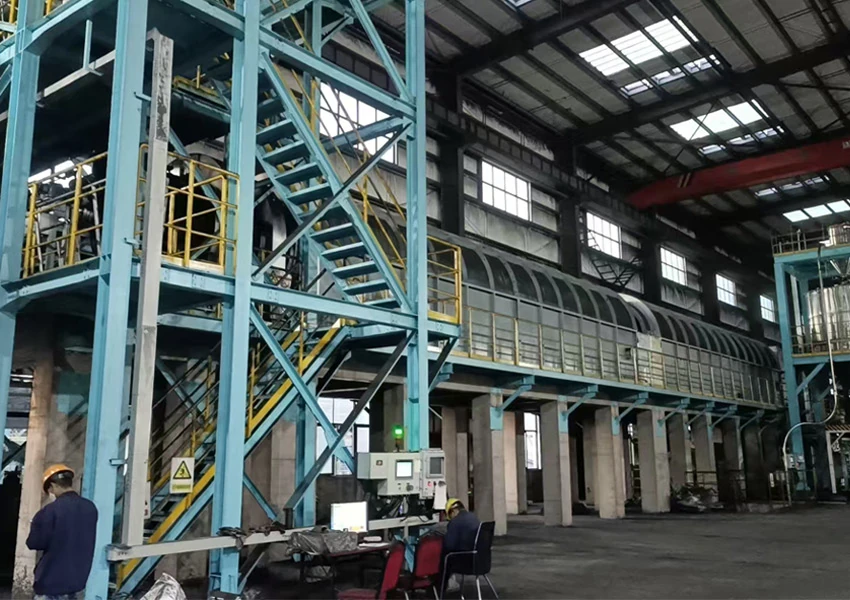
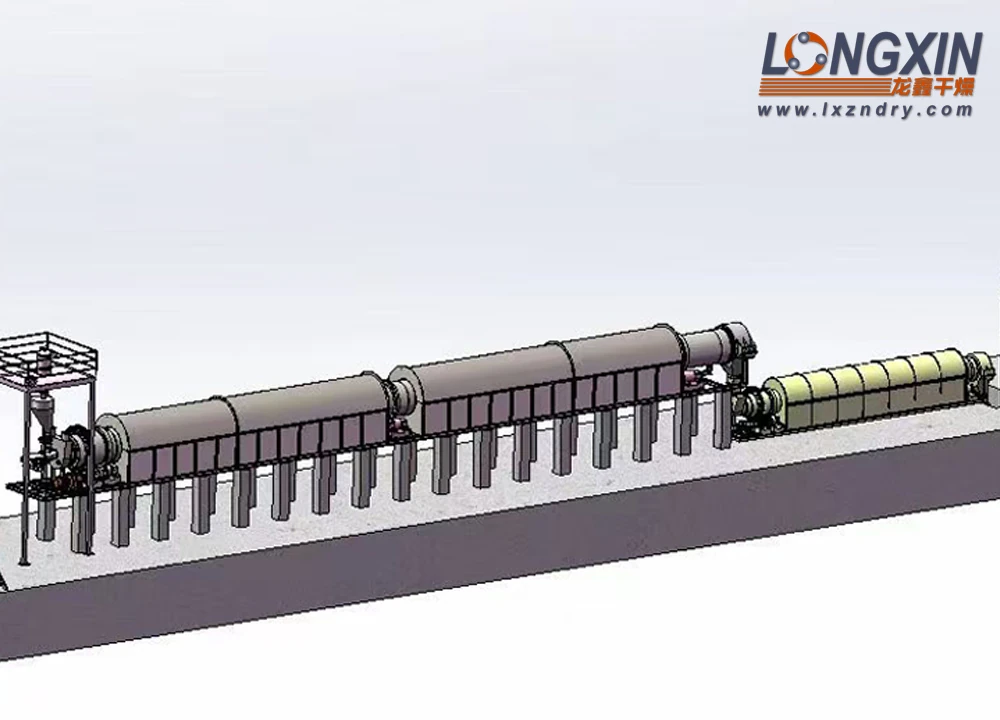
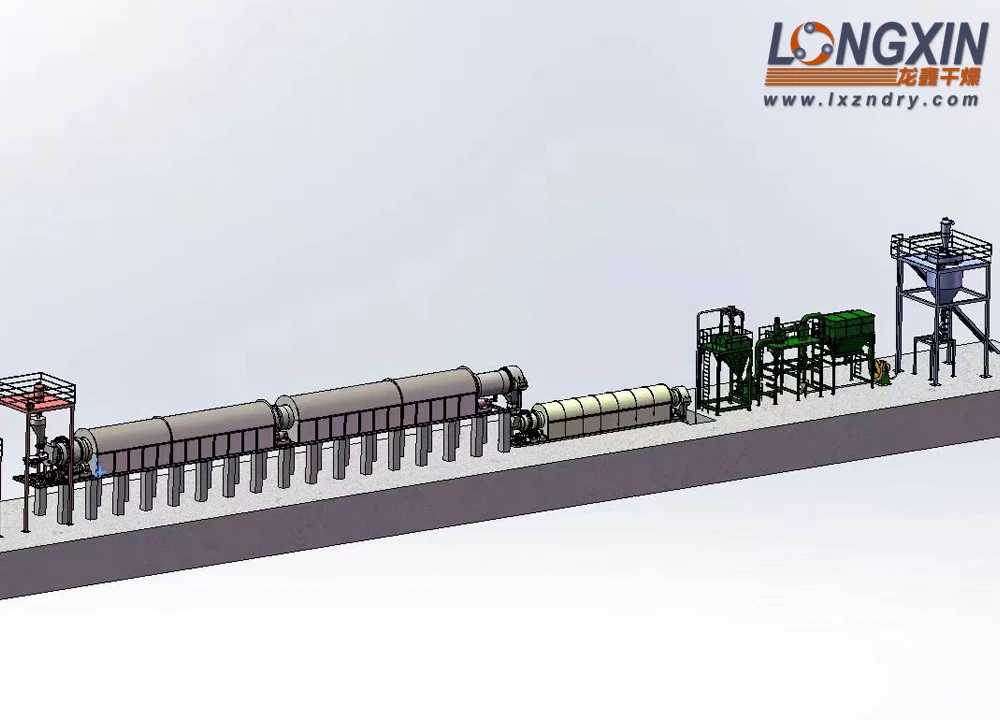
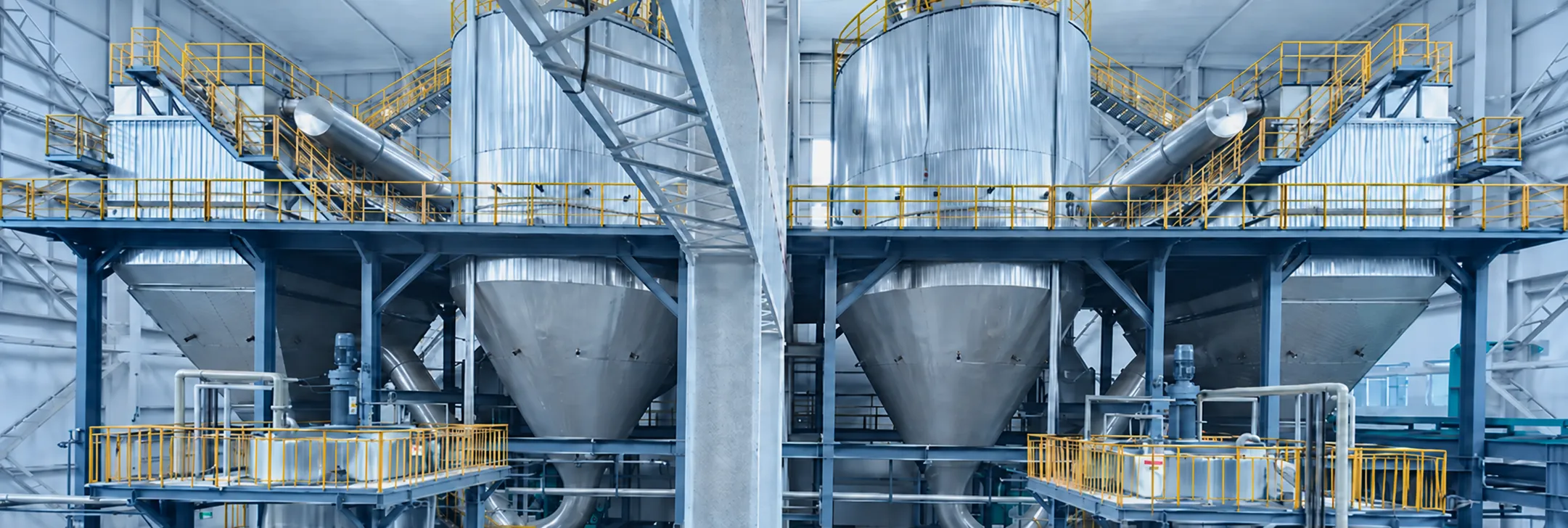
To address production bottlenecks in the sintering and carbonization of artificial graphite anode materials, Longxin Smart has drawn on its extensive experience in thermal process equipment development and completed three years of targeted R&D to launch an innovative continuous atmosphere rotary calcination system. The system overcomes the challenge of integrating coating granulation and pre-carbonization, delivering a triple advancement in quality, efficiency and environmental performance. Using four-zone coupled temperature-control technology and an intelligent-control-driven process-parameter optimization model, the system precisely controls the tap density and specific surface area of anode materials, significantly improving product consistency and quality.
Core Technology Breakthroughs
1. Four-Zone Intelligent Temperature-Control System
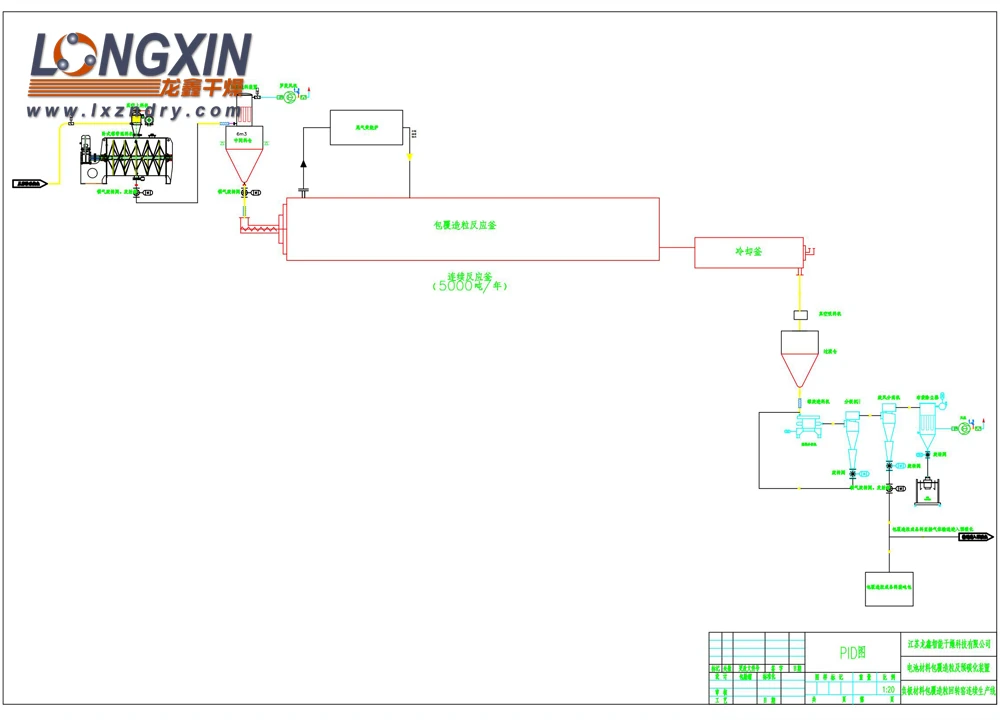
The system is divided into a preheating zone, coating zone, carbonization zone and cooling zone.
- Innovative temperature-control coupling enables precise regulation of gradient carbon-layer calcination.
- An AI-driven process-parameter optimization model precisely controls carbonization-quality indicators such as specific surface area, tap density and volatile content, significantly improving product consistency and quality.
2. Process Integration: Overcoming Efficiency and Quality Constraints
Through more than 1,000 hours of process testing, Longxin Smart’s technical team analyzed how parameters such as granulation particle-size distribution, coating-agent addition ratio and carbonization temperature profile affect material performance. Based on these findings, the company developed an innovative continuous process integrating granulation, coating and pre-carbonization.
- Efficient continuous production: Material residence time is precisely controlled, and single-line throughput can reach 1 t/h, improving product qualification rates.
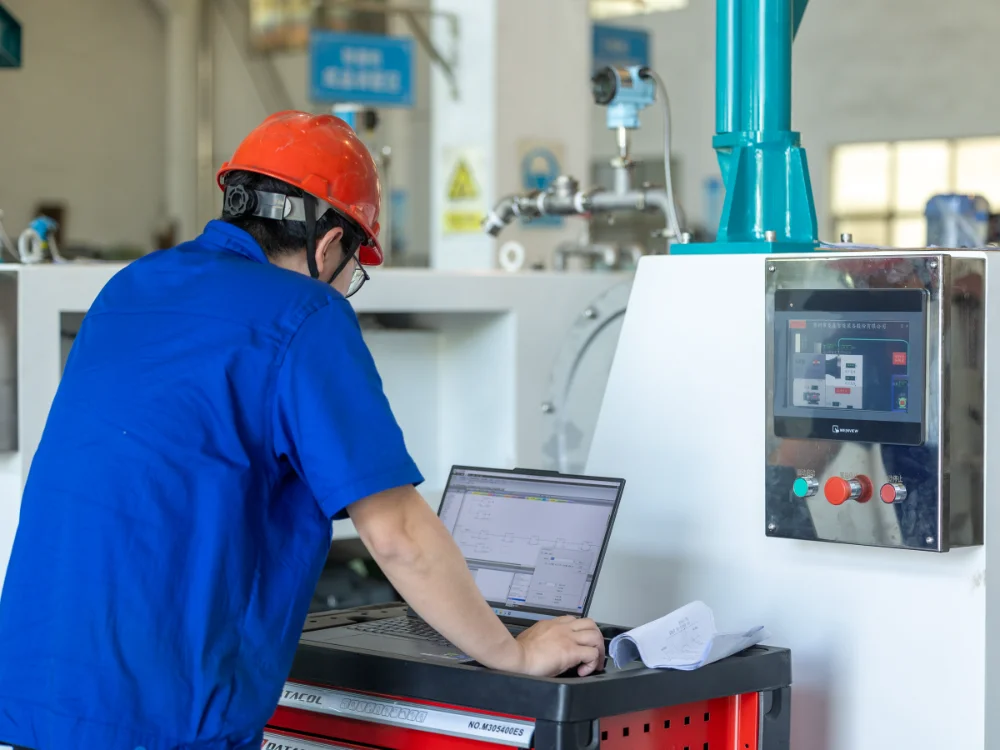
- Precise performance control: A PLC intelligent control system dynamically optimizes temperature, oxygen concentration, rotational speed and other parameters, ensuring stable compliance of key indicators such as specific surface area, tap density and volatile content while improving the electrochemical performance of anode materials.
3. Flue-Gas Purification: A Robust Foundation for Green Manufacturing
To address tar pollution from conventional processes, Longxin Smart has developed an integrated flue-gas treatment technology combining multi-stage condensation, electrostatic capture and activated-carbon adsorption.
- High-efficiency tar removal: A three-stage condenser rapidly cools flue gas from 600°C to below 80°C, after which a high-voltage electrostatic precipitator captures tar with a removal efficiency of more than 95%.
- Ultra-low emissions: An activated-carbon adsorption tower at the end of the treatment line helps customers meet environmental-impact assessment (EIA) acceptance requirements.
4. Intelligent, Safe Cooling System
- Non-contact spiral-flow cooling technology provides controlled cooling.
- A nitrogen-circulation protection system ensures that discharge temperature remains at or below 80°C.
- A zero-ingress cooling-water design eliminates the safety risks associated with conventional spray cooling.
5. Energy Saving and Consumption Reduction: Full-Chain Heat Recovery
Longxin Smart applies counterflow heat exchange to high-temperature flue gas, recovering waste heat from the pre-carbonization zone and using it to heat the granulation section. This lowers overall energy consumption. A sealed furnace structure and nitrogen protection system further reduce natural gas consumption during carbonization and substantially lower production costs per ton.
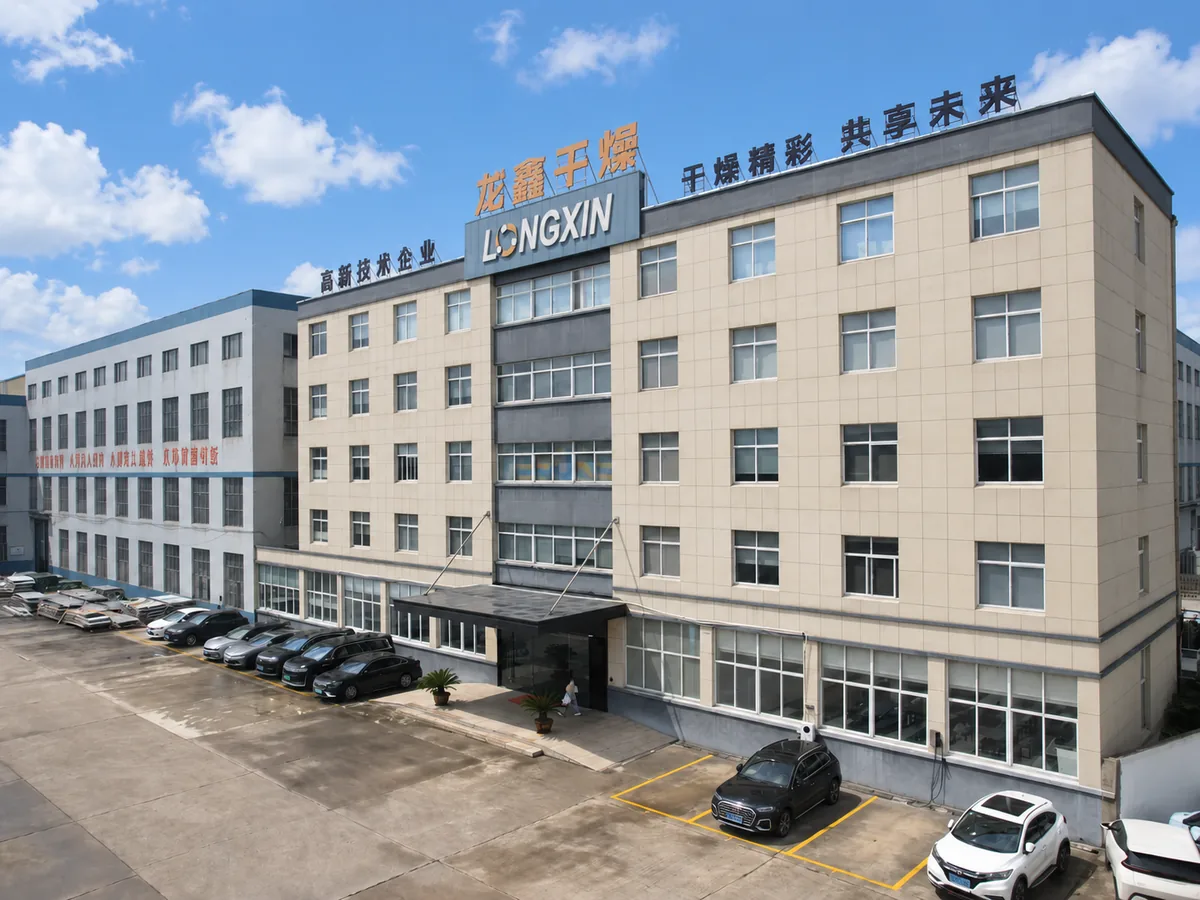
Driven by technology innovation and industrial upgrading, Longxin Smart will continue to deepen its capabilities in anode material equipment and provide the global new-energy industry with more efficient and cleaner intelligent manufacturing solutions. We welcome industry partners to visit our production base in Jiangsu for an on-site inspection and to explore new pathways for technological innovation in anode material production.