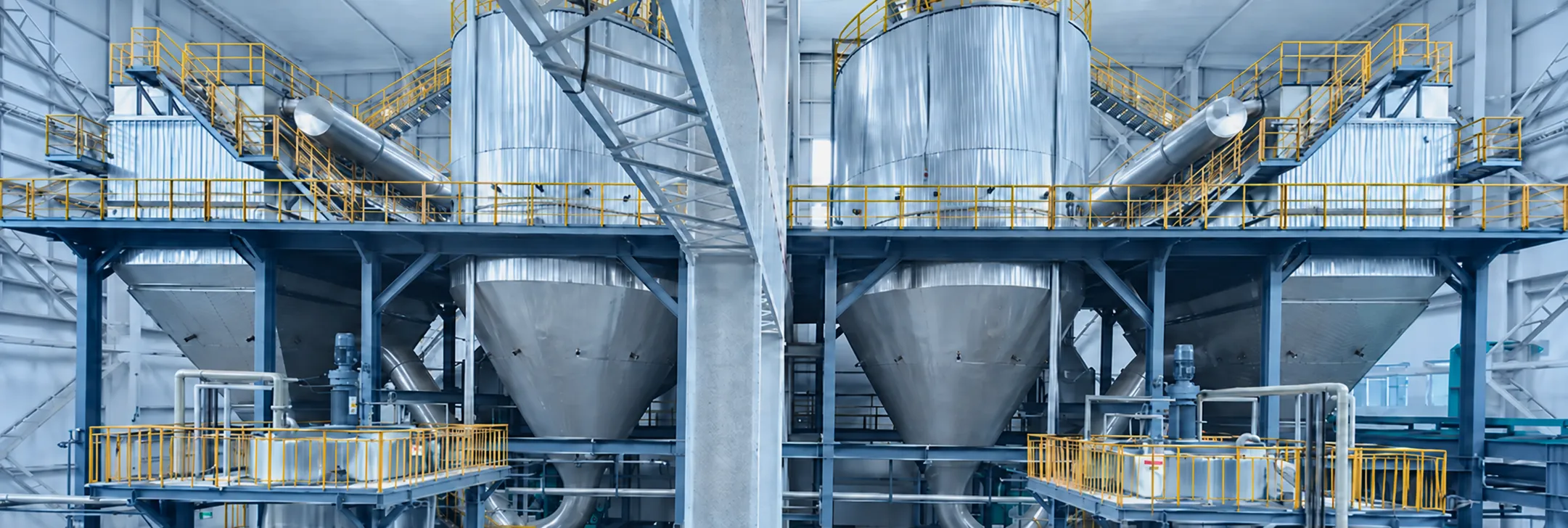
With the rapid growth of the new-energy industry and increasingly demanding lithium battery performance requirements, demand for silicon-carbon anode materials is surging. Ultrafine phenolic resin microspheres are a core raw material for resin-based porous carbon, a key precursor of silicon-carbon anodes. Their quality directly affects the structural stability and electrochemical performance of the final carbonized product. Domestic production of phenolic resin microspheres, however, remains heavily dependent on imports. Existing spray-drying technologies commonly suffer from poor dispersion and uneven particle-size distribution, making it difficult to precisely control microsphere structures during subsequent carbonization and limiting further improvements in silicon-carbon anode performance.
Longxin’s Ultra-High-Speed Centrifugal Spray Dryer: Overcoming Industry Challenges and Redefining Process Standards
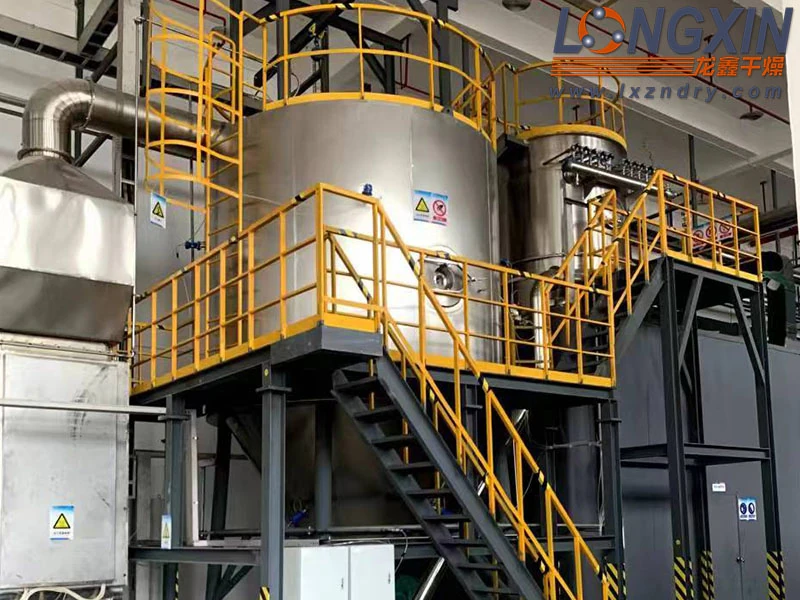
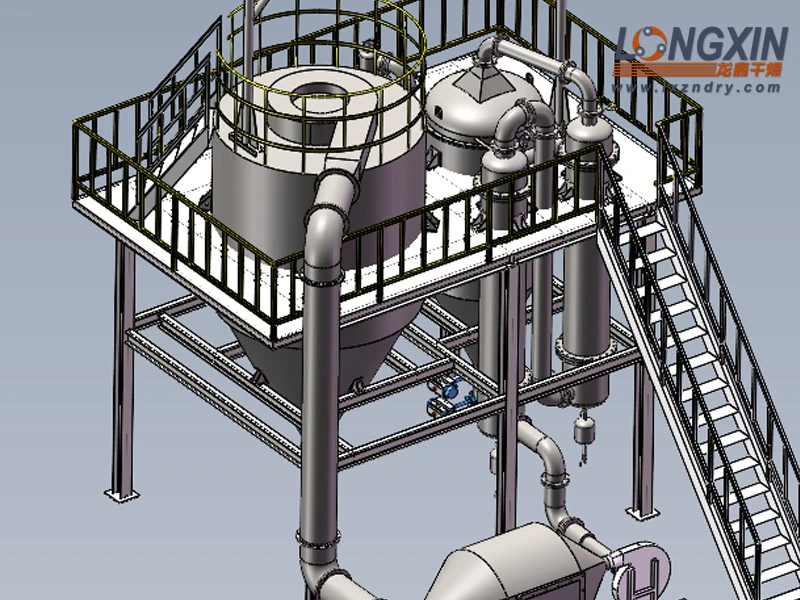
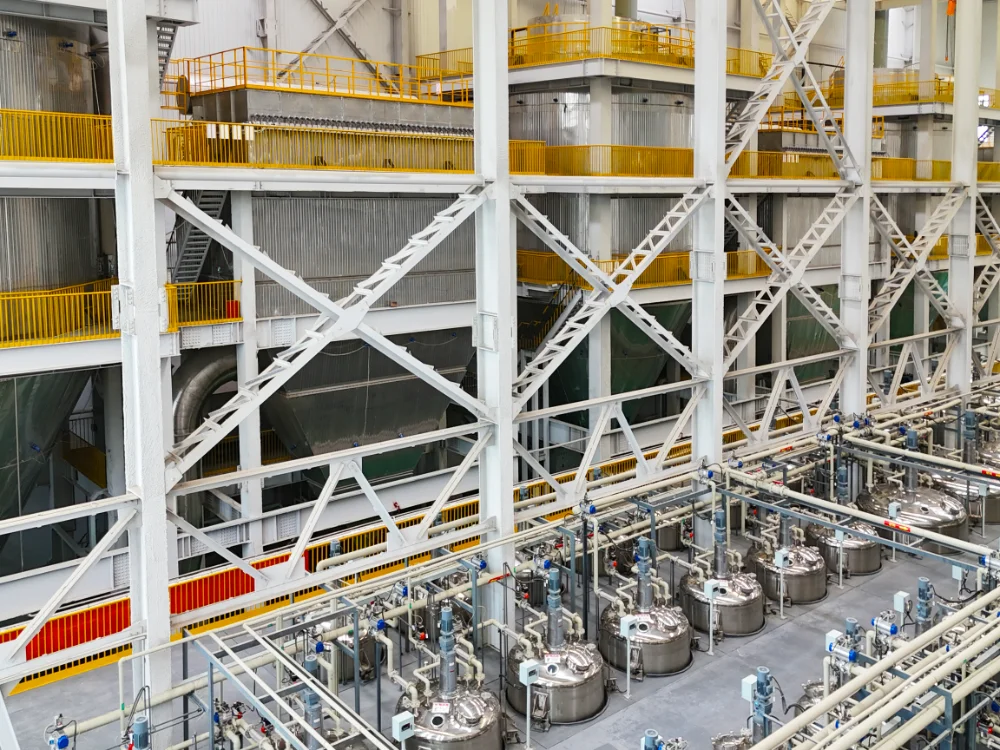
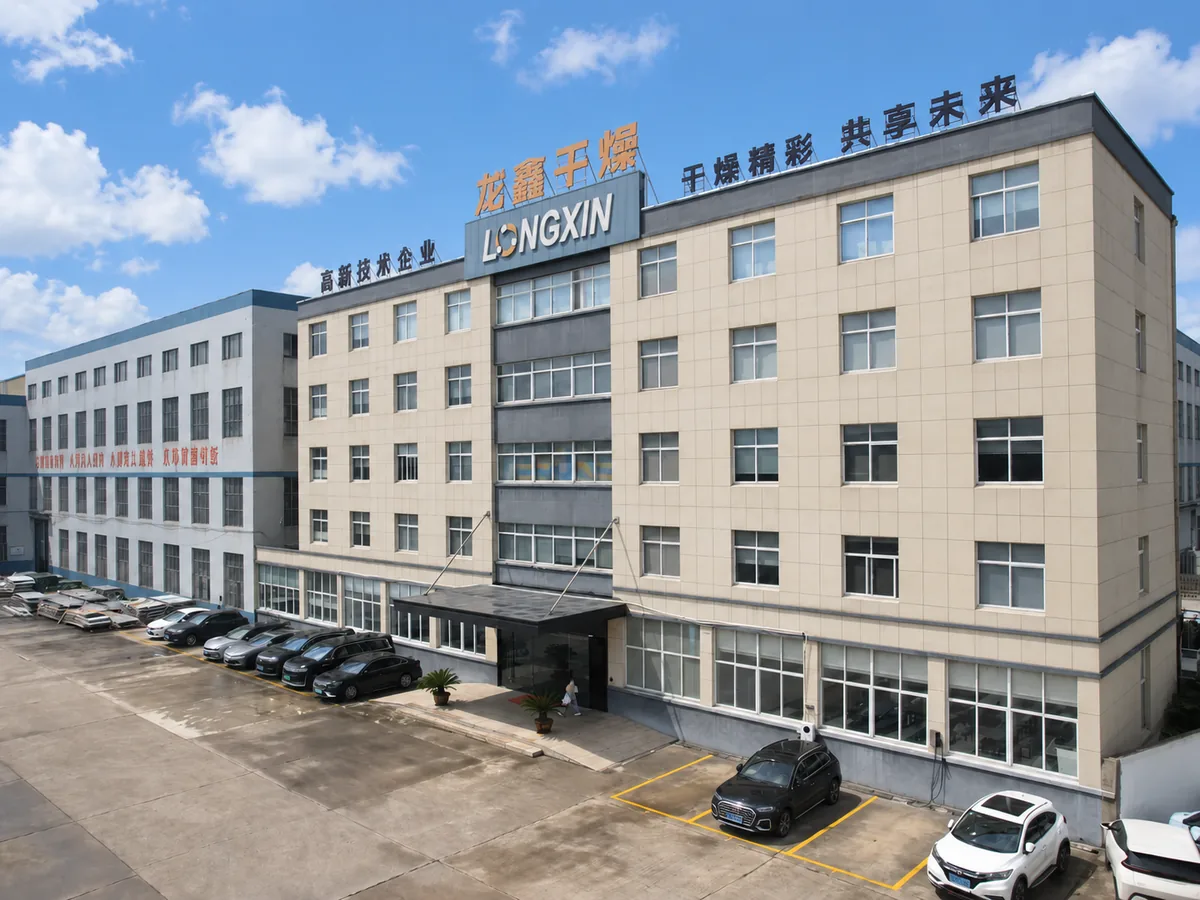
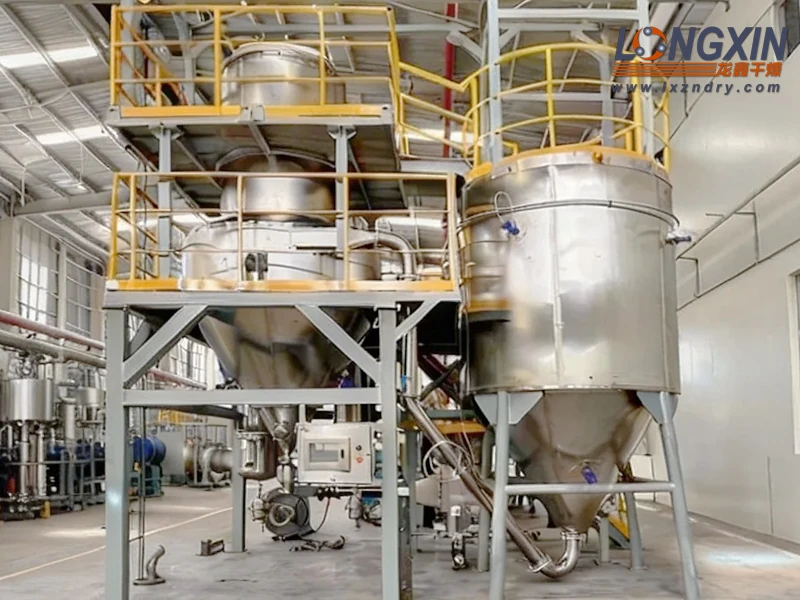
Drawing on years of technical expertise, Jiangsu Longxin Smart has developed an ultra-high-speed centrifugal spray dryer to address the manufacturing challenges of phenolic resin microspheres (Patent Nos. ZL 2021 2 2093525.2, ZL 2023 2 1168225.9 and 2020 1 0869088.6). The system enables efficient, highly precise production of ultrafine microspheres. By combining ultra-high-speed centrifugal atomization with multi-stage gradient temperature control, the equipment precisely regulates the atomized phenolic resin droplet size and drying rate. Its centrifugal atomizer uses a titanium atomizer disc with a maximum peripheral speed of 226 m/s and embedded ceramic particles to extend service life. The resulting microspheres feature a narrow particle-size distribution, exceptionally high sphericity, excellent flowability and strong dispersibility.
Technology Advantages Driving Domestic Process Innovation
The ultra-high-speed centrifugal spray dryer enables precise control of the structure and functionality of carbon microspheres while creating a strong foundation for carbonization of resin-based porous carbon and improved silicon-carbon anode performance.
- Ultra-high-speed centrifugal atomization system: A proprietary titanium-alloy atomizer disc and high-precision dynamic balancing overcome the rotational-speed limitations of conventional atomizers, producing a uniform distribution of micron-scale droplets and ensuring consistent microsphere particle size from the source.
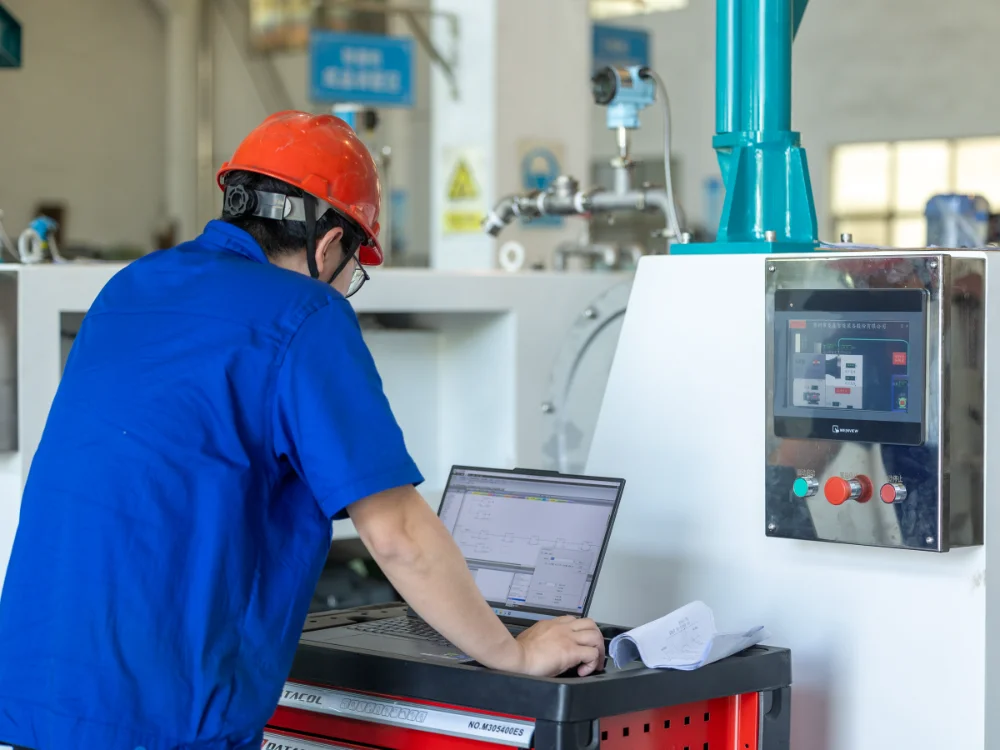
- Intelligent temperature control and airflow distribution: A multi-stage hot-air distributor and PID temperature-control module precisely regulate the temperature and airflow fields inside the drying chamber, preventing microsphere agglomeration or thermal decomposition caused by localized overheating.
- Air-curtain wall protection: An annular air-film barrier forms along the inner wall of the drying tower to prevent microsphere adhesion. This substantially increases product recovery and further protects product purity.
- Functional customization: By adjusting atomization parameters and drying conditions, key properties such as microsphere porosity and specific surface area can be controlled flexibly to meet the customized precursor requirements of different silicon-carbon anode materials.
Industrial Value: Performance Gains from Material Preparation to End Use
Testing by leading companies has shown that after carbonization, phenolic resin microspheres produced with Longxin Smart equipment achieve key performance improvements in resin-based porous carbon:
- Mechanical performance: Higher compressive strength and thermal-shock resistance help suppress structural fracture caused by silicon expansion within the anode.
- Electrochemical performance: Initial discharge capacity, capacity retention after 500 cycles at 1 C and other indicators reach industry-leading levels.
- Production efficiency: Capacity reaches 50–200 kg/h based on a 20% solids solution, while energy consumption is 10% lower than that of conventional equipment, helping customers improve both cost and performance.
Corporate Mission: Technology Innovation Advancing Self-Reliance in New-Energy Materials
As a frontrunner in intelligent drying equipment, Longxin Smart remains committed to the coordinated innovation of material preparation processes and equipment. The commercial deployment of its ultra-high-speed centrifugal spray dryer breaks the long-held dominance of foreign suppliers in high-performance microsphere production equipment. Through full-chain support spanning equipment, process and material, Longxin is helping silicon-carbon anode production move away from imported precursors toward a localized, controllable manufacturing solution.
Looking ahead, the company will focus on the intelligent and green requirements of advanced-energy-material production and continue developing technologies such as low-temperature freeze drying and microwave-assisted drying. These innovations will help customers in lithium batteries, hydrogen energy, photovoltaics and other fields advance from isolated intelligent systems toward autonomous, controllable end-to-end processes.
Silicon Advances, Carbon Holds the Structure: the Si-C Mass-Production Window Opens, Redefining Cell Energy-Density Limits
In 2026, the global lithium-ion battery industry is undergoing a profound transformation driven by materials innovation. As end markets push for higher energy density, faster charging and longer cycle life, silicon-carbon anode materials are moving from laboratory development to large-scale commercial application. Silicon, the active material in silicon-carbon anodes, has a theoretical specific capacity of 4,200 mAh/g—more than ten times that of conventional graphite anodes. How to achieve end-to-end process control, batch consistency and cost optimization from raw materials to finished products has therefore become a central issue shaping the competitive landscape.
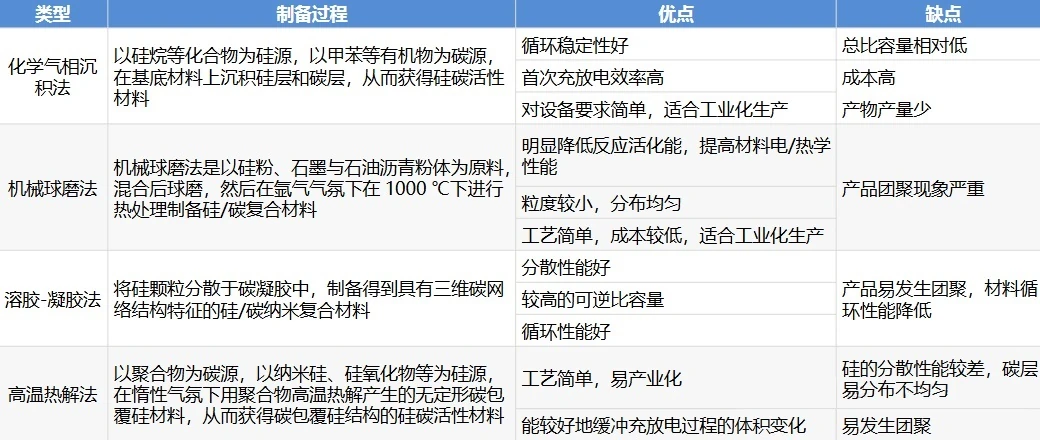
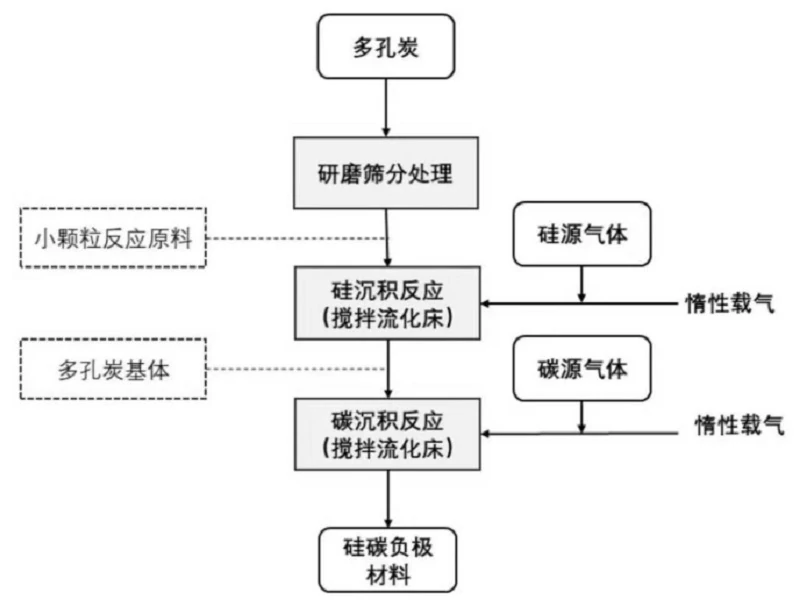
During the first half of 2026, semi-solid-state batteries entered their first year of large-scale deployment. Strong demand for lightweight, long-range performance in foldable consumer electronics and premium power batteries has created a historic inflection point for silicon-carbon anodes, moving the industry from technology validation to large-scale production. The source reports that domestic silicon-carbon anode shipments in the first half of 2026 exceeded total shipments for the whole of 2025. The chemical vapor deposition (CVD) process has become the mainstream route because of its advantages in suppressing volumetric expansion and improving cycle life.
In this context, industry investment logic is being profoundly reshaped. Capacity expansion is moving away from indiscriminate buildout and toward a precise match between technical barriers and genuine market demand.
- Leading companies have launched 10,000-ton-scale capacity expansions based on the CVD route, accelerating the race for high-end market share.
- To offset high manufacturing costs and upstream raw-material price volatility, the value chain is accelerating vertical integration around porous carbon skeletons and silicon-carbon anodes.
The entire supply chain is undergoing systematic technical upgrading, from quality control of porous carbon precursors and precision manufacturing of nanoscale silicon powder to the refined control of vapor deposition and coating processes.
From Nameplate Capacity to Deliverable Supply: The Real Test of Manufacturing Strength
While the industry focuses on ambitious capacity targets, the basis of competition has quietly changed. Whether planned capacity can become effective supply depends on three capabilities: consistency between material batches, the speed of customer qualification and production ramp-up, and the convergence rate of the yield-improvement curve. The combined strength of these three factors will determine which companies emerge as leaders in the silicon-carbon anode industry.
Manufacturers face a deeper challenge: silicon-carbon anode production involves interconnected processes spanning organic precursor synthesis, ultrafine milling, high-temperature carbonization and vapor deposition. Process fluctuations in any stage can be amplified, ultimately creating differences in cell performance. In particular, the uniformity of pore structures in the porous carbon skeleton, the particle-size distribution and oxidation level of nanoscale silicon powder, and the uniformity of silane gas flow during CVD deposition all impose equipment-precision and process-stability requirements that exceed those of conventional lithium battery materials.
Industry Bottlenecks: A Systematic Review of Mass-Production Challenges and Technology Pathways
The core technical challenges in large-scale silicon-carbon anode manufacturing can be examined from both the material-system and engineering-equipment perspectives.
1. Porous Carbon Precursors
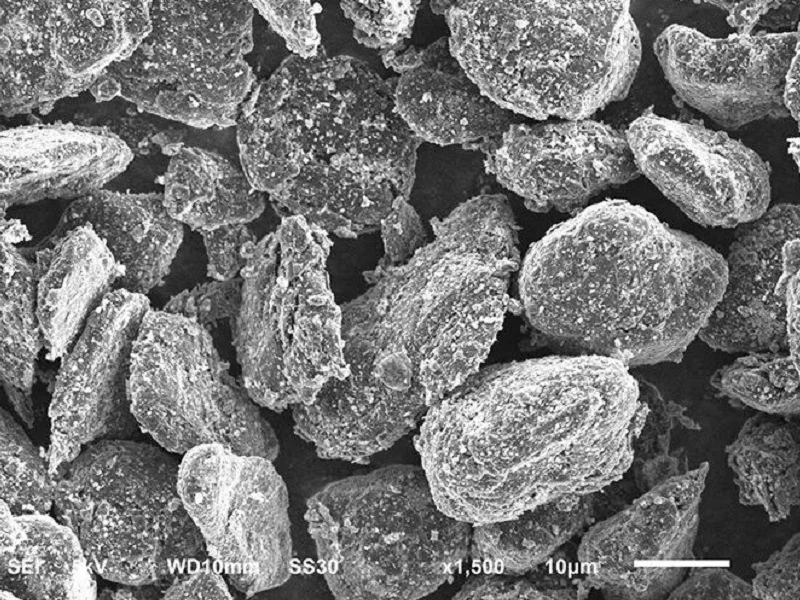
- As precursors for the core skeleton of CVD-based silicon-carbon anodes, phenolic resin microspheres directly determine the pore connectivity of the carbonized porous carbon through their particle-size distribution and sphericity.
- In conventional solvent-based processes, uneven solvent evaporation can cause surface wrinkles and particle sizes ranging from 10 to 100 μm. Solvent recovery is often below 60%, creating risks of excessive VOC emissions.
- Water-based processes offer environmental advantages, but their high viscosity makes it difficult for conventional centrifugal spray dryers to achieve the ultrafine atomization required for target particle sizes. Incomplete water evaporation may leave hydroxyl groups, and ash content after carbonization can exceed 2%, severely affecting the uniformity of subsequent silane deposition.
2. Nanoscale Silicon Powder Production
- Wet ultrafine grinding is the mainstream route for scalable production, but conventional bead mills consume substantial energy when grinding to the nanoscale, with grinding-media friction accounting for more than 30% of losses in some systems.
- Open grinding can introduce impurities, while particle agglomeration broadens the particle-size distribution.
- Silicon powder can also oxidize during high-temperature drying and calcination. Conventional drying makes it difficult to maintain precisely low oxygen levels, and the resulting oxide layer directly degrades the initial Coulombic efficiency and cycling stability of silicon-carbon composites.
3. CVD Deposition and Coating
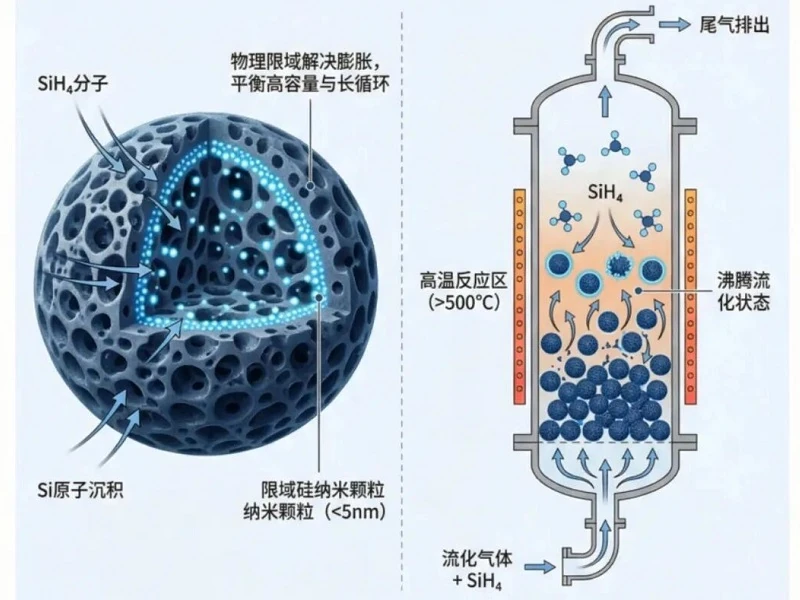
- Uniform deposition of silane gas within the porous carbon skeleton is key to silicon-carbon anode cycle life. However, controlling gas-solid distribution inside fluidized-bed reactors and maintaining consistent temperature and concentration fields at scale remain major engineering challenges.
- The thickness uniformity and adhesion of the carbon coating also directly affect the structural stability of the electrode during charge and discharge.
Building Momentum for Transformation: An Integrated Delivery System from Precursor Granulation to Si-C Coating
To address these critical bottlenecks, Longxin Smart has developed an end-to-end solution covering phenolic resin granulation, nanoscale silicon grinding and drying, high-temperature porous-carbon treatment, CVD vapor deposition and carbon coating. The complete process chain from precursor to finished material makes mass production more controllable.
1. Granulation of Phenolic Resin Microspheres for Porous Carbon Precursors
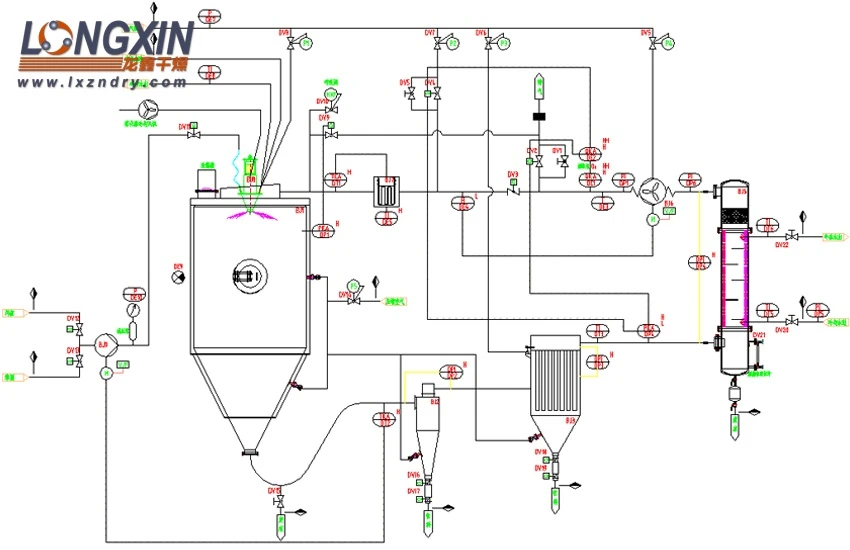
- For solvent-based phenolic resin systems, Longxin’s proprietary BLPG closed-loop spray dryer uses high-purity nitrogen as the drying medium and operates under positive pressure. Oxygen concentration is monitored in real time and maintained below 3 vol%, while low-temperature condensation enables a solvent recovery rate of at least 95% and reduces deflagration risks.
- For water-based phenolic resins, the LPG-Q centrifugal and pneumatic multi-purpose spray dryer integrates centrifugal and pneumatic atomization. It can process high-viscosity resins into ultrafine powders with D50 values of 5–10 μm and a coefficient of variation at an industry-leading level. The resulting material has low ash content after carbonization, meeting the stringent precursor purity and particle-size requirements for high-quality porous carbon skeletons.
2. Nanoscale Silicon Grinding and Drying Production Line
Longxin Smart offers an integrated grinding, drying and calcination solution.
- A turbine-pin nano dual-drive bead mill uses independent drives for grinding and separation. Its screenless centrifugal separation design avoids screen blockage and metal contamination.
- A silicon-carbide grinding chamber and 0.3–0.5 mm zirconia grinding media reduce energy consumption compared with conventional equipment and provide stable control of D50 particle size.
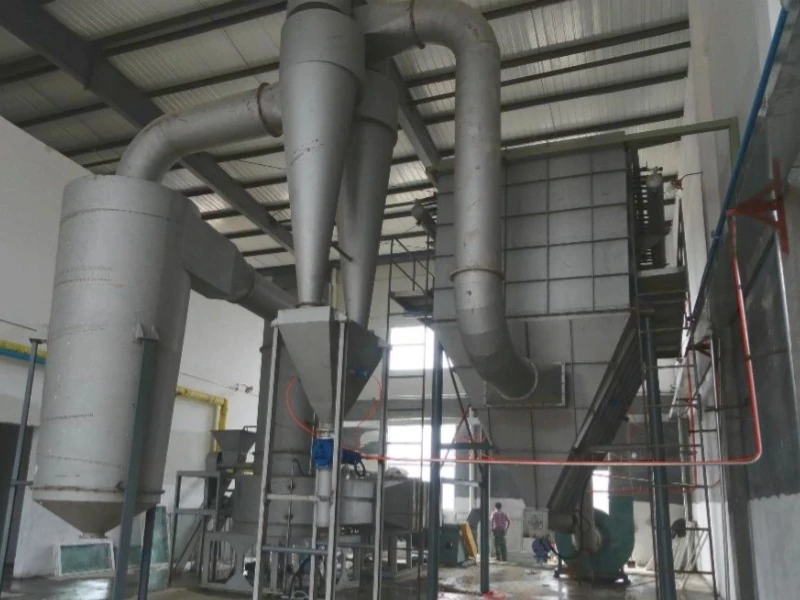
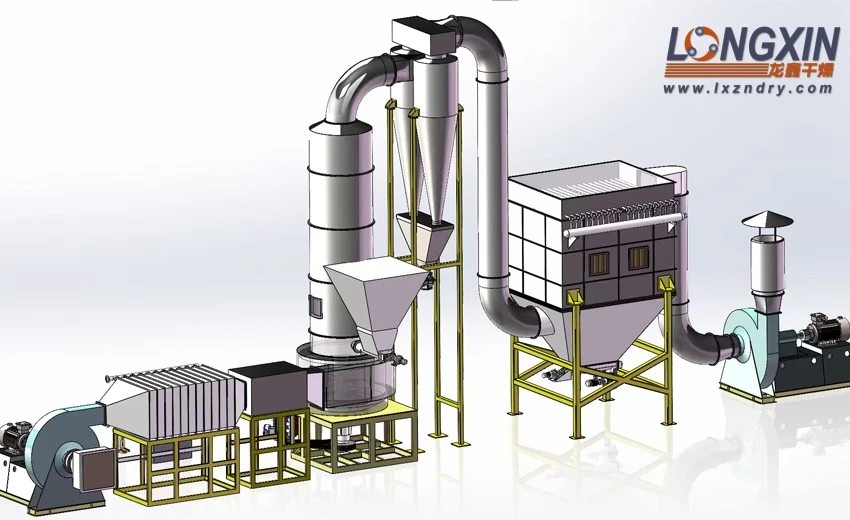
- Drying uses a fully enclosed nitrogen-circulation flash dryer with real-time oxygen monitoring at or below 500 ppm and a material temperature below 60°C, effectively preventing silicon oxidation and crystal-structure damage.
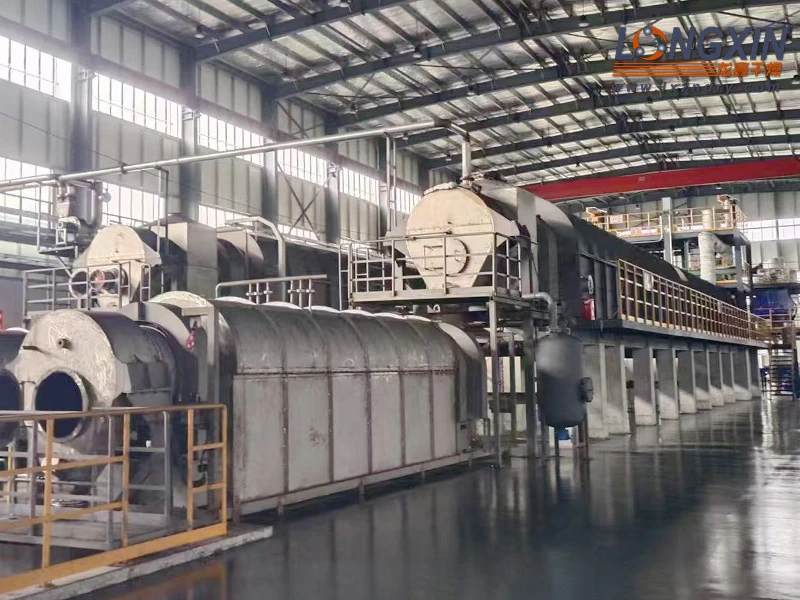
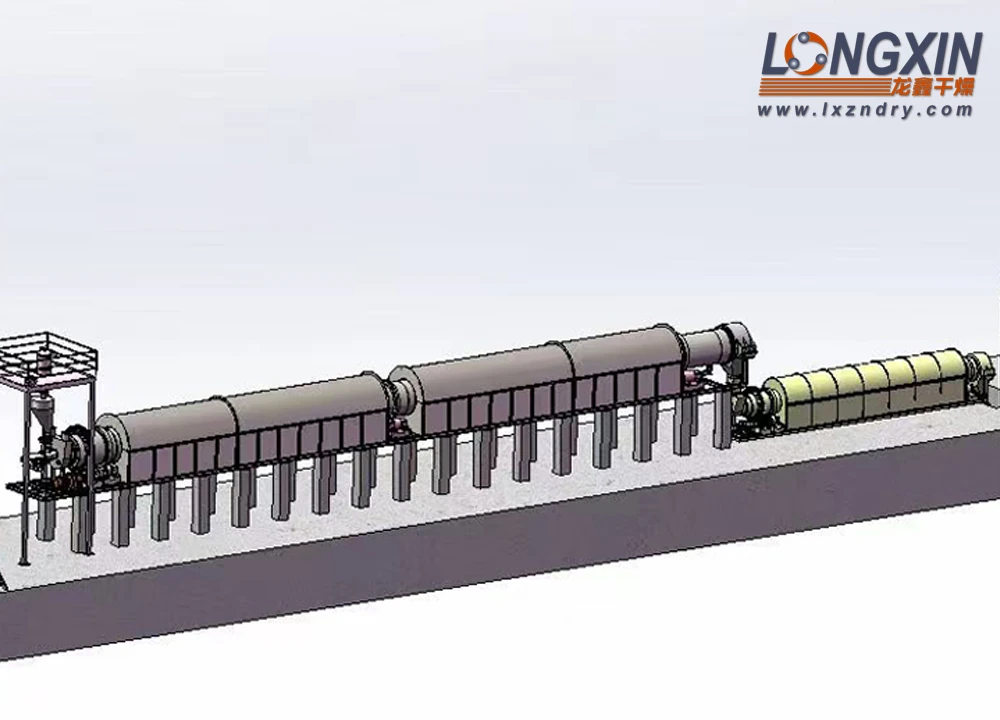
- A continuous atmosphere-protected rotary kiln features three to five independent temperature zones, temperature-control accuracy of ±5°C and compatibility with nitrogen, argon and other atmospheres. It provides stable structures and product purity during organic pyrolysis.
3. Drying of Porous Carbon for Silicon-Carbon Anode Materials
To meet the specific requirements of high-temperature porous-carbon processing, Longxin Smart’s high-temperature titanium flash dryer uses corrosion-resistant titanium construction to withstand acidic or corrosive atmospheres while protecting material purity and structural integrity at elevated temperatures.
4. CVD Fluidized-Bed Reactor: Core Equipment for Si-C Anode Production
As the core system for silicon-carbon anode manufacturing, Longxin’s fluidized-bed reactor uses an optimized gas-distribution plate and flow-field simulation to achieve uniform diffusion and deposition of silane gas within the porous carbon skeleton.
- Multi-zone independent temperature control maintains stable reaction temperatures and ensures consistent deposition thickness and silicon content between batches.
- A fully enclosed circulation system and tail-gas treatment module enable the safe recovery of unreacted silane and its conversion into harmless emissions, supporting both operational safety and environmental compliance.
- Reactors are available in flexible configurations ranging from kilogram-scale laboratory systems to hundred-kilogram production units, accelerating the transition from process development to large-scale manufacturing.
5. Coating of Silicon-Carbon Anode Materials
A closed-loop spray dryer uses a nitrogen-protected atmosphere to uniformly atomize and rapidly dry carbon-coating precursors. This prevents cracking or agglomeration of the coating during drying, preserving the integrity of the core–shell structure and the density of the coating layer.
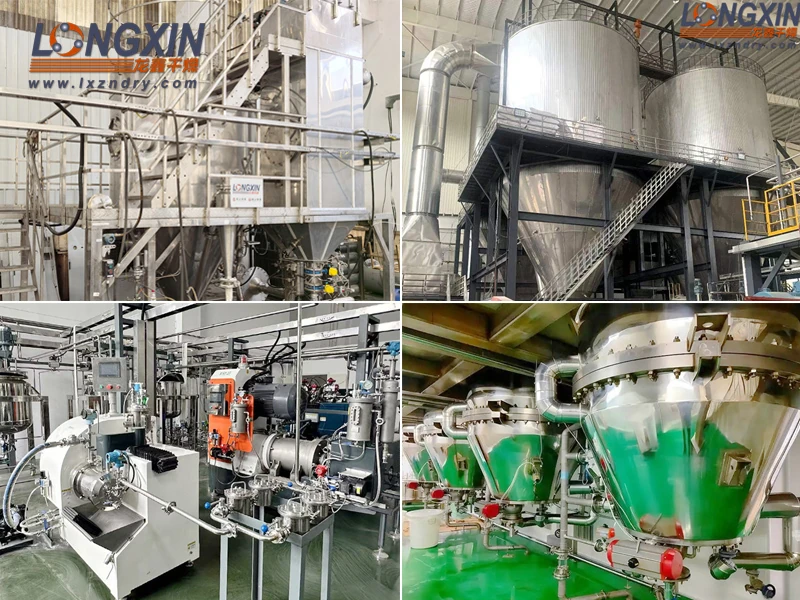
Continuous Support: Full-Process Capabilities from Laboratory Validation to Scaled Production
To meet the demanding manufacturing precision and stability requirements of next-generation battery materials, Longxin Smart has established a complete technical loop from laboratory equipment to production lines. The company provides customized “one material, one strategy” services covering process design, equipment selection, installation and commissioning, and full-lifecycle maintenance support.
Laboratory-scale equipment helps customers validate and optimize process parameters before those parameters are accurately scaled to industrial production based on laboratory data, reducing the risk of quality loss during scale-up. A remote operation and maintenance system supports cloud-based process optimization and real-time equipment monitoring, ensuring stable long-term operation.
- Performance improvement: After carbonization of phenolic resin microspheres produced with Longxin’s full-chain solution, the porous carbon skeleton has improved pore connectivity and silicon-carbon anodes demonstrate higher initial Coulombic efficiency. Capacity retention after 1,000 cycles meets the requirements of high-end power battery applications.
- Cost optimization: Solvent recovery and energy-saving technologies reduce the production cost per ton of microspheres, while nanoscale silicon grinding consumes less energy than conventional processes. Together, these improvements help silicon-carbon anode costs cross the commercialization threshold.
- Industry ecosystem: Longxin has partnered with upstream phenolic resin manufacturers, silicon powder suppliers and downstream silicon-carbon anode producers to build a collaborative materials–equipment–process innovation platform that promotes large-scale vehicle deployment of CVD silicon-carbon anodes.
Forward-Looking Development: Bio-Based Porous Carbon and Next-Generation Battery Materials
Longxin Smart is also preparing for longer-term industry needs by developing new drying technologies for bio-based porous carbon precursors. Bio-based porous carbon uses renewable resources such as lignin, cellulose and chitosan. These materials offer naturally occurring three-dimensional hierarchical pore structures and carbon-neutrality potential and are regarded as an important direction for next-generation sustainable silicon-carbon anode skeletons.
Biomass extracts, however, are generally highly viscous, heat-sensitive and low in solids content, creating major spray-drying challenges.
- Longxin has developed dedicated closed-loop spray-drying systems for these materials. A low-temperature, nitrogen-protected process preserves precursor activity while producing micron-scale granules with high sphericity, establishing a mature equipment foundation for commercializing bio-based porous carbon. This extends Longxin’s porous-carbon precursor coverage from petrochemical to bio-based materials and provides customers with more diverse and sustainable material solutions.
- In emerging fields such as solid electrolytes, hard carbon anodes for sodium-ion batteries, and hydrogen storage and transport materials, Longxin Smart continues to build technical capabilities and conduct industrialization trials, creating an intelligent equipment ecosystem for future energy-material systems.
As the silicon-carbon anode industry reaches the threshold between technology validation and large-scale manufacturing, Longxin Smart provides core equipment and integrated solutions across granulation, grinding, drying, deposition and coating. From laboratory process validation to 10,000-ton-scale production, the company offers end-to-end technical support. As the new-energy industry enters a more challenging phase of transformation, Longxin is advancing equipment innovation to help China’s battery material industry overcome the mass-production gap and establish a solid foundation—from materials to processes—for the next breakthrough in lithium-ion battery energy density.