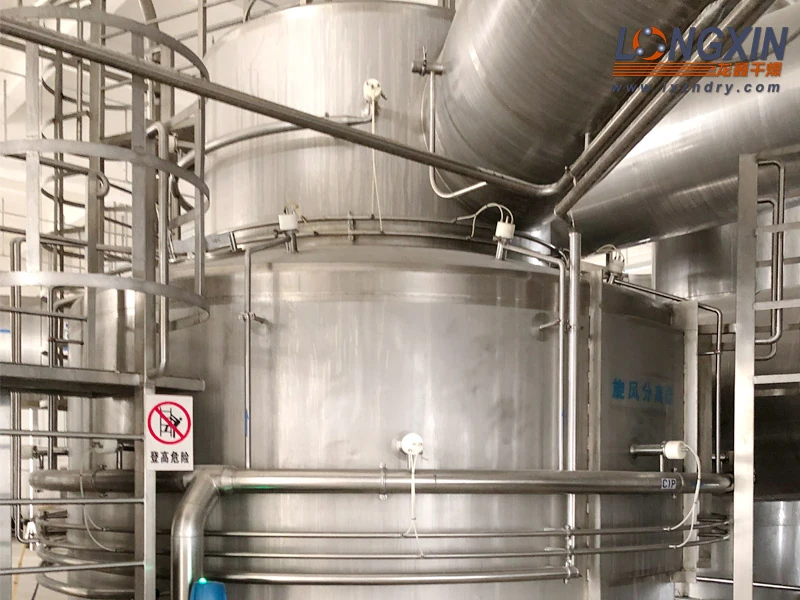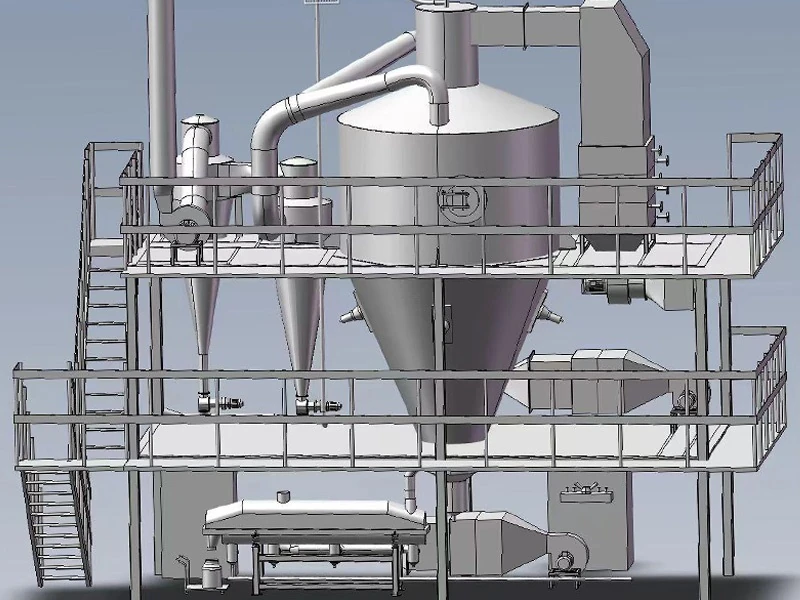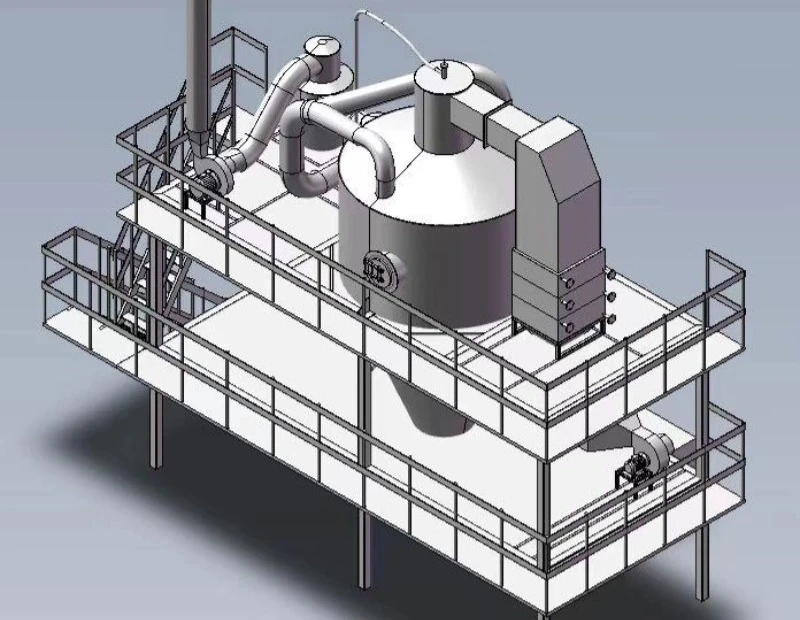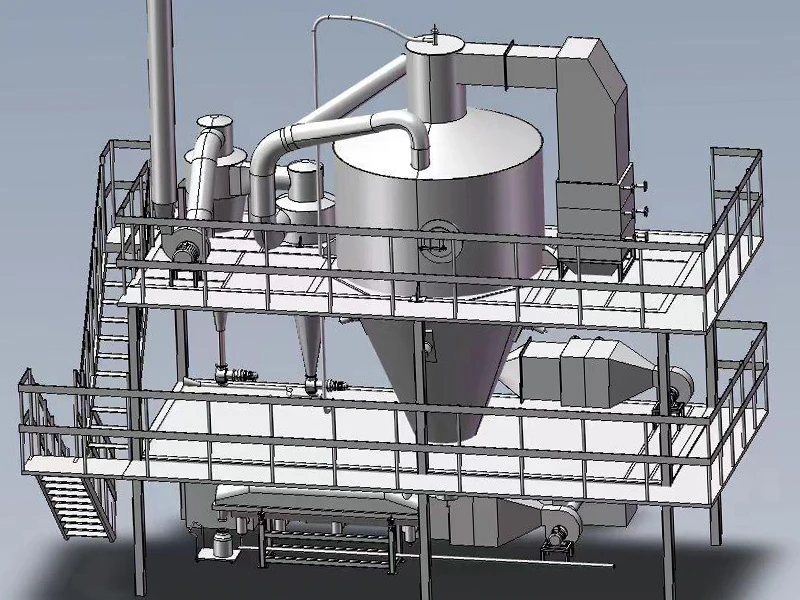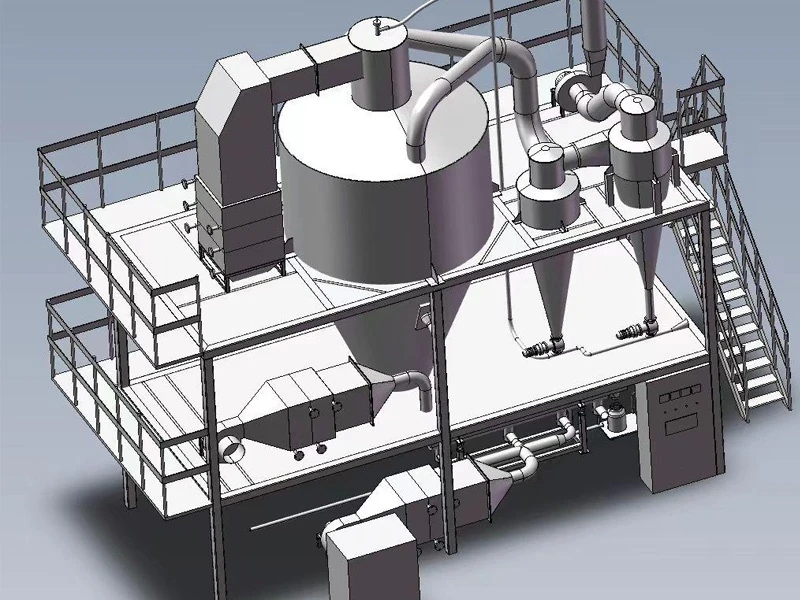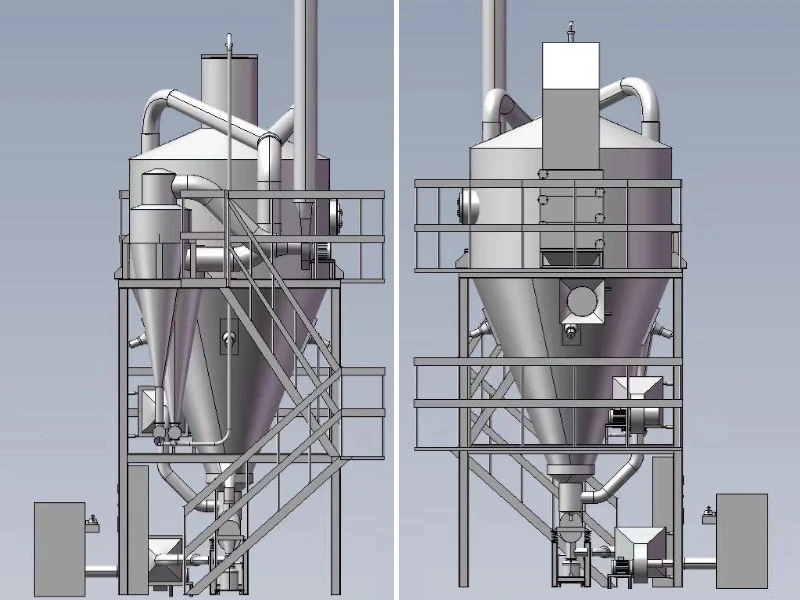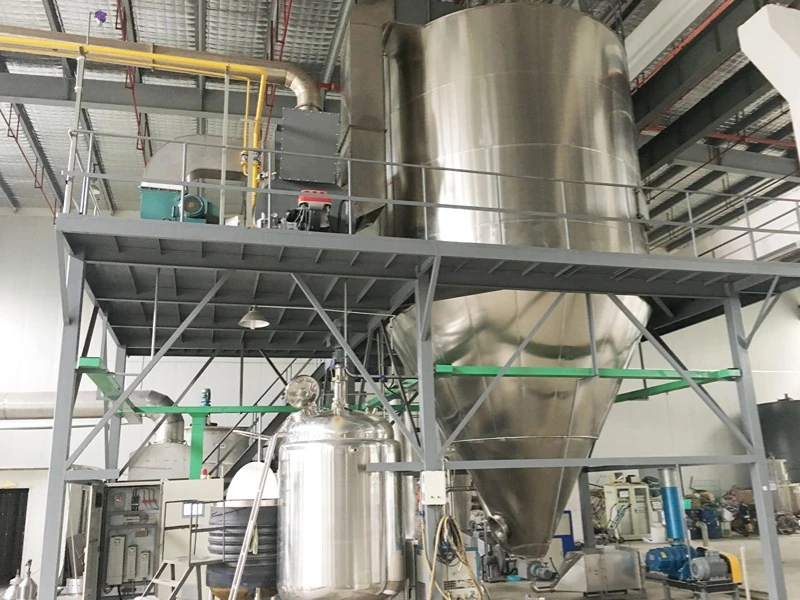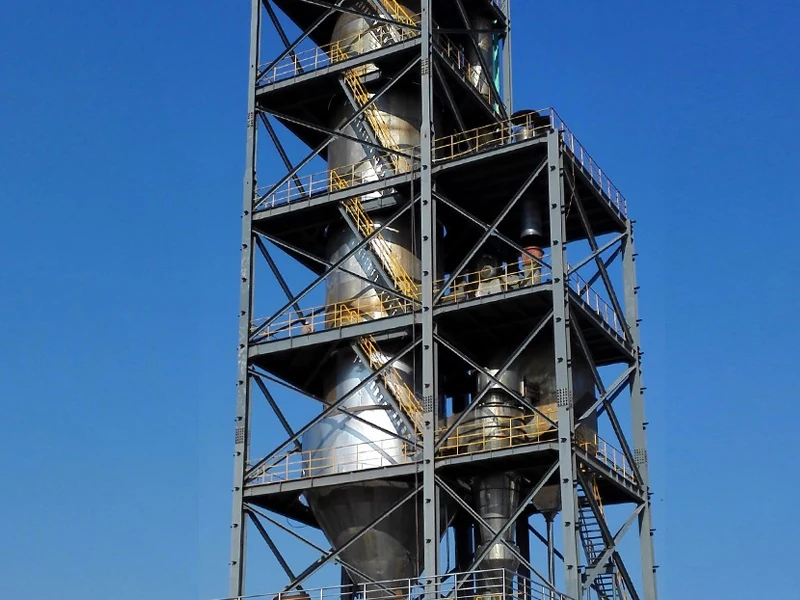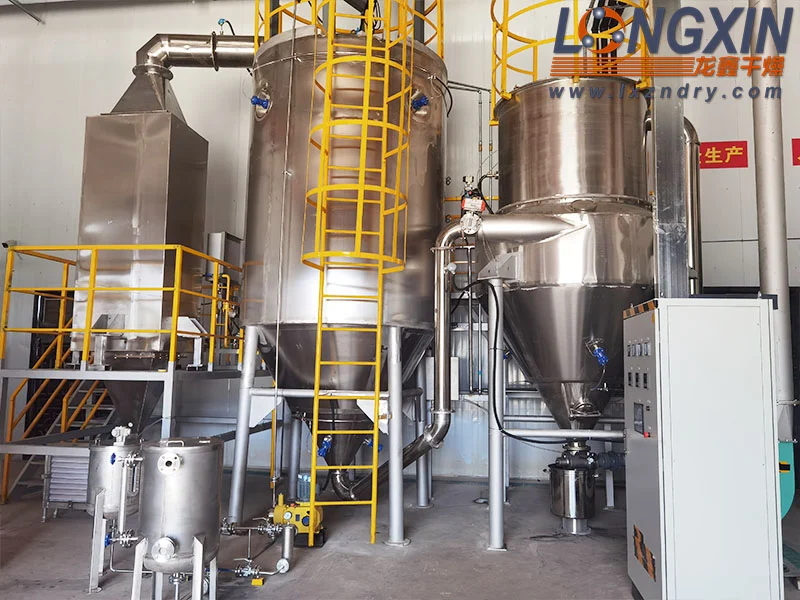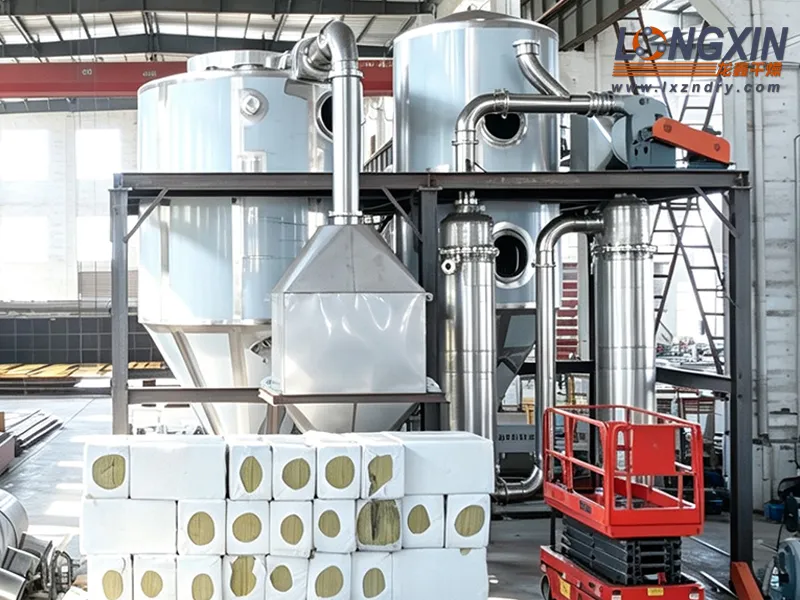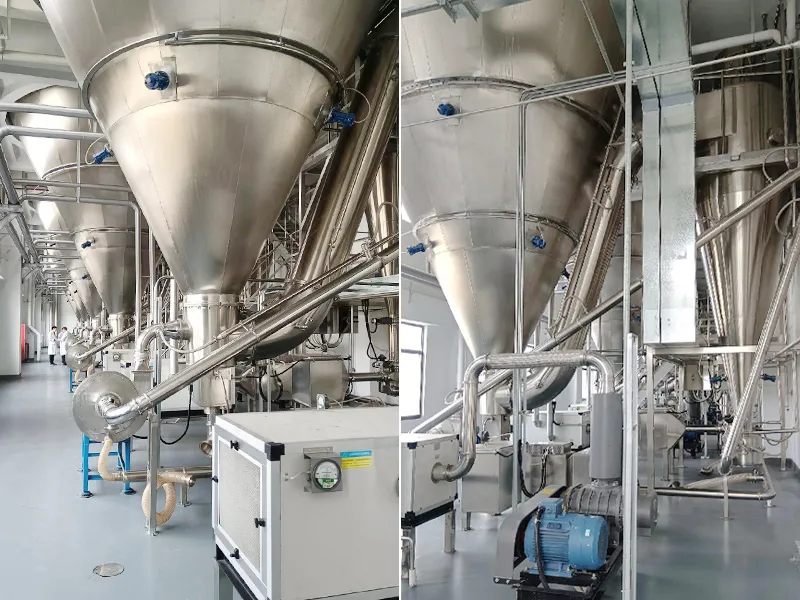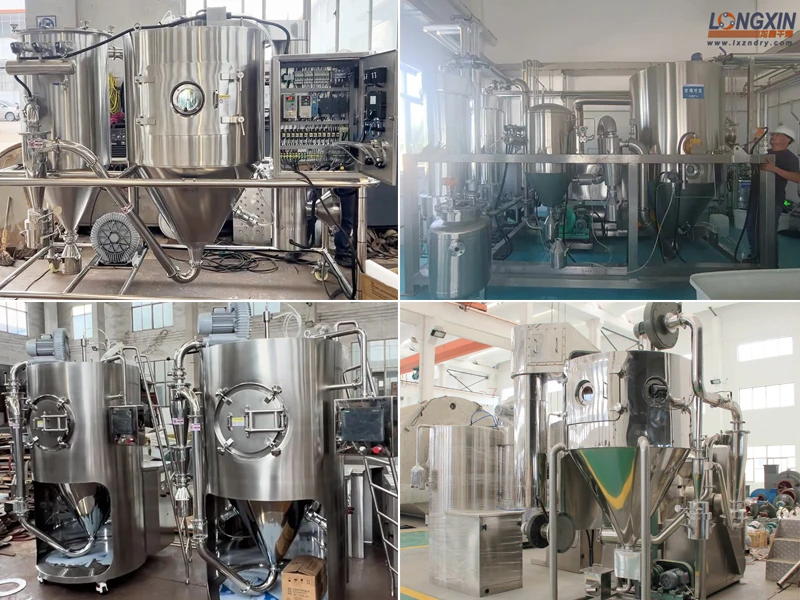
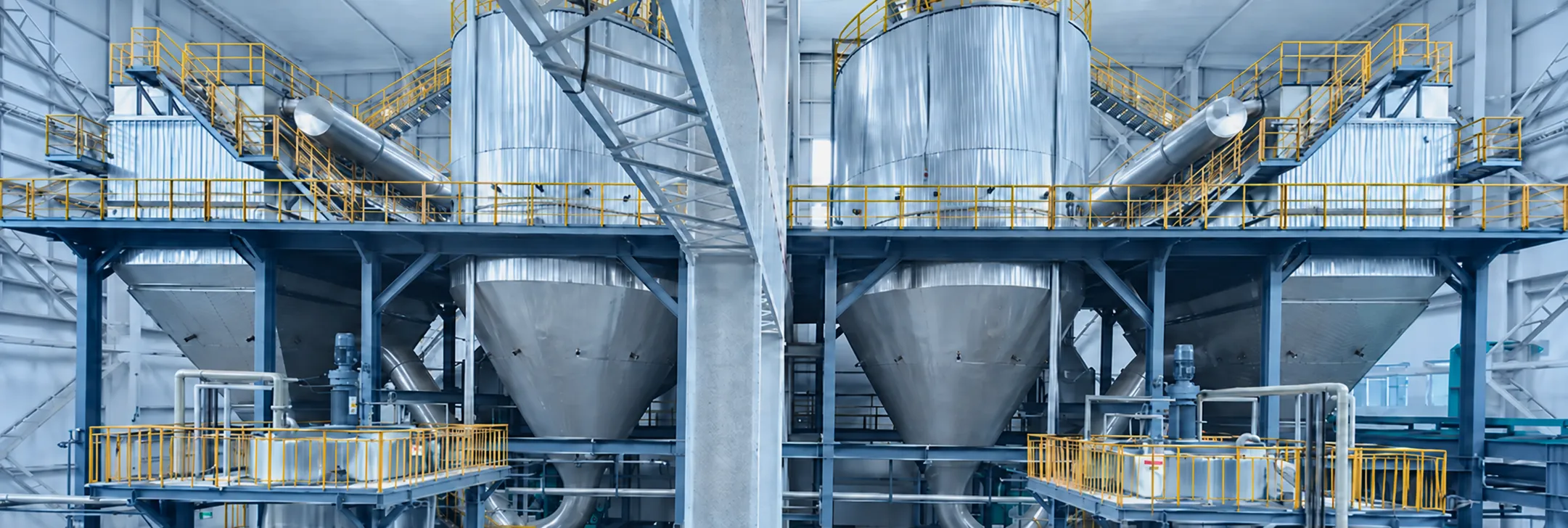
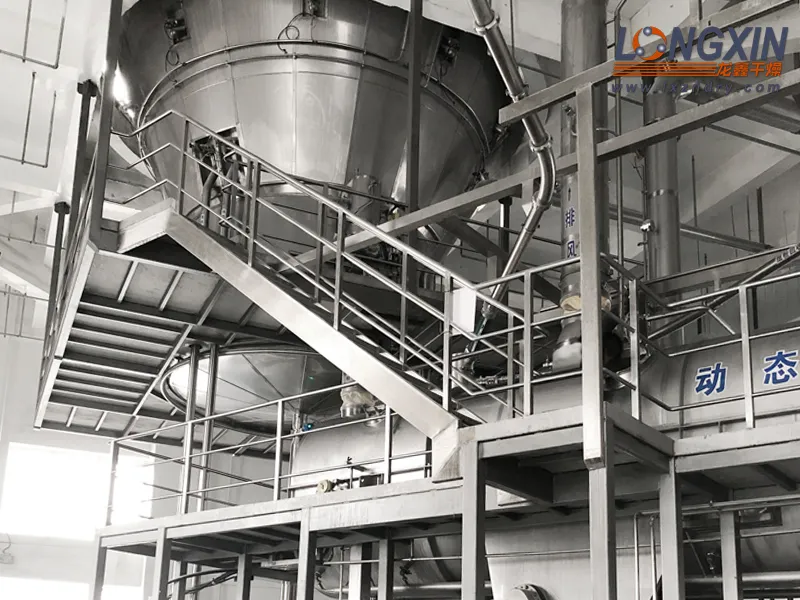
Spray drying is a widely used process in particle formation and industrial drying. It converts liquid feedstocks, such as solutions, emulsions, and pumpable suspensions, into powdered, granular, or agglomerated solid products.
Conventional spray drying towers generally use a co-current drying configuration, with hot air entering at the top and exhaust air leaving at the bottom. However, this system has several limitations. First, the hot air has a relatively short residence time in the tower, meaning that a significant amount of heat is discharged before it can be fully utilized, resulting in considerable energy waste. Second, conventional systems have difficulty producing dust-free granular materials that meet stringent dust-control requirements.
Traditional spray drying systems are therefore best suited to applications where precise control over the particle size distribution of the dried product is not critical. The resulting materials often have a broad particle size distribution, with considerable variation in particle size and a substantial amount of fine dust mixed into the finished product.
These limitations make conventional systems less suitable for applications requiring uniform particle sizes within a narrow distribution range and high product purity with minimal dust contamination. To meet these increasingly demanding requirements, conventional top-inlet, bottom-outlet spray drying systems need further optimization.
As the chemical industry continues to develop, demand for granular products is increasing, along with expectations for product quality. In food processing, consumers are placing greater emphasis on taste, quality, and nutrient retention. Global population growth and aging are also increasing demand for pharmaceuticals, driving higher performance requirements for pharmaceutical drying equipment. Meanwhile, increasingly stringent environmental regulations are pushing manufacturers to improve the environmental performance of their production processes.
Customers now expect spray drying equipment to deliver lower energy consumption, higher efficiency, and reduced dust emissions in exhaust gases. Innovative technologies and equipment that meet these requirements are essential for maintaining competitiveness in the market.
Technological Innovation and Product Development
Through extensive industrial experience, accumulated technical expertise, and sustained investment in research and development, Jiangsu Longxin has spent years developing a new solution: the DPG Fluidized Spray Dryer. The technology has been developed into a new product and is associated with patent application No. 202422015805.5.
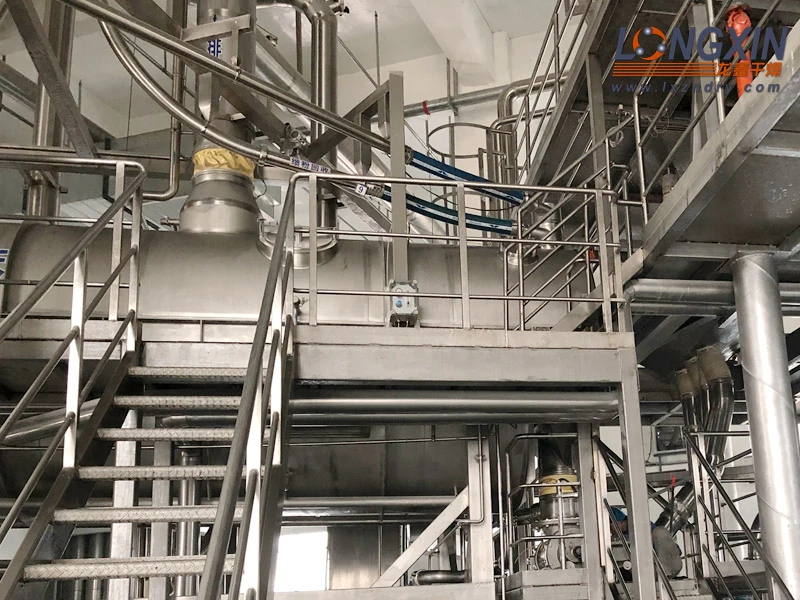
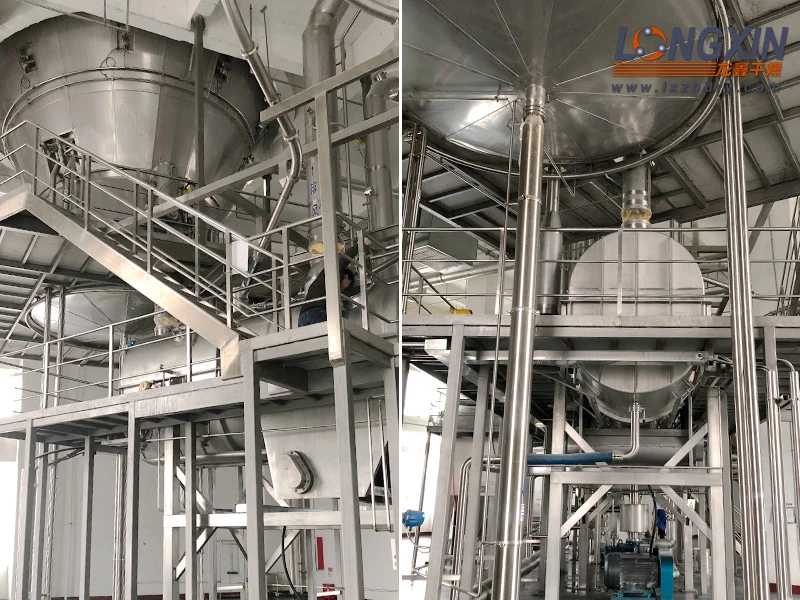
The Fluidized Spray Dryer combines fluid bed drying technology with spray drying technology, allowing particle shape and size to be controlled more effectively.
The system features an improved integrated fluid bed structure and an optimized distribution plate design. Its wider adjustable fluidization air velocity range improves material fluidization and particle growth efficiency, resulting in a more uniform particle size distribution, higher sphericity, and improved flowability and solubility. These features help meet stringent granule quality requirements across different industries and expand the equipment's potential applications in high-end manufacturing.
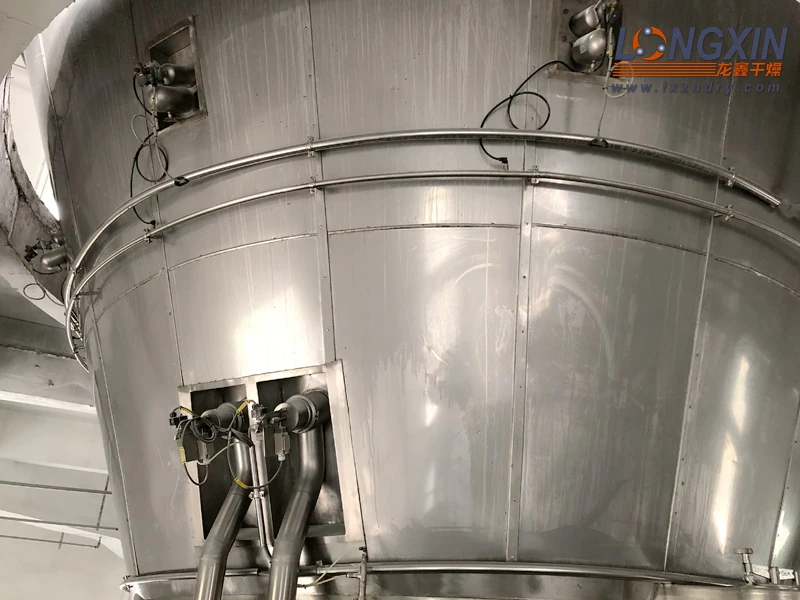
Further structural optimization, including improvements to the drying chamber geometry, dimensions, and hot-air distribution system, promotes more uniform contact between the hot air and the material. The development and application of advanced atomizers also accelerate drying and improve production efficiency, helping meet the demands of large-scale manufacturing.
Future developments may integrate additional functions, including online inspection, automatic cleaning, and intelligent control. These capabilities could further automate equipment operation, improve process stability and reliability, reduce labor costs and operating errors, and enhance overall production management and competitiveness.
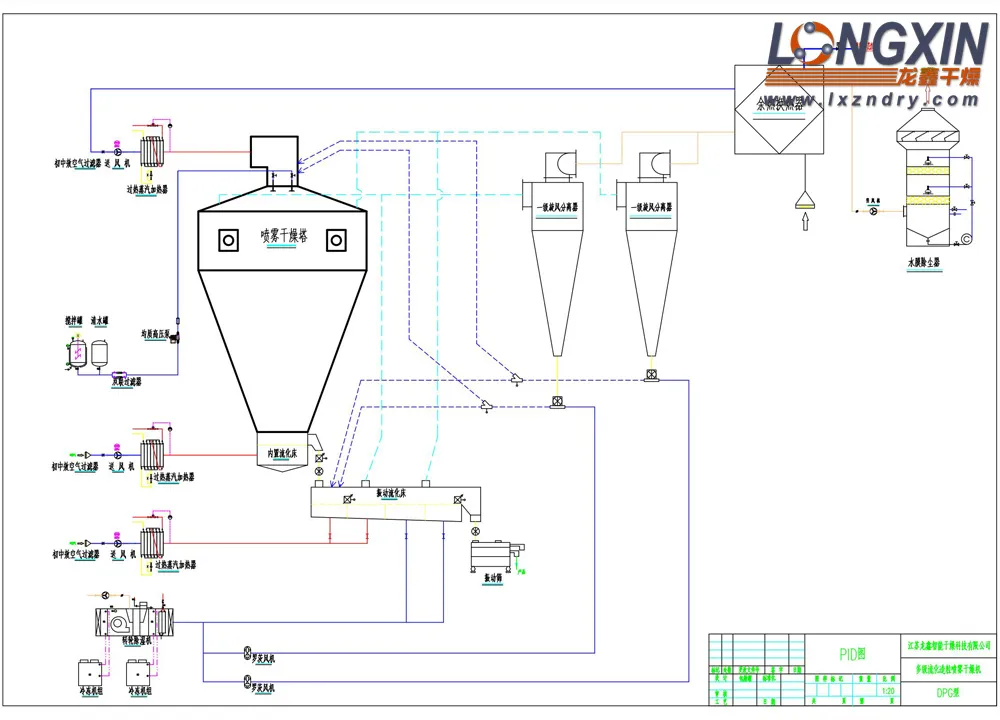
Fluidized Spray Dryer Process Flow
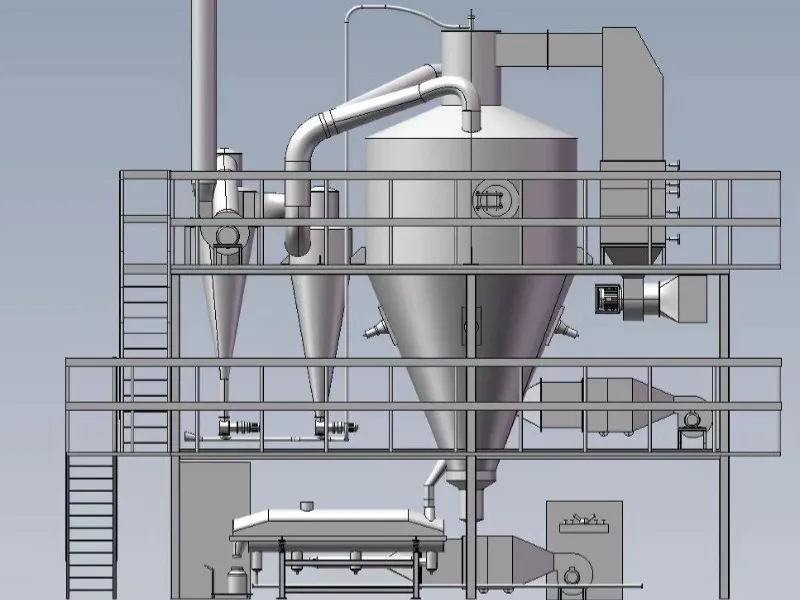
The Fluidized Spray Dryer replaces the conventional top-inlet, bottom-outlet co-current drying configuration with a mixed-flow arrangement in which both hot air inlet and exhaust air outlet are located at the top.
The new system incorporates an integrated fluid bed inside the spray drying tower and a fines-return system that recirculates fine particles for agglomeration and granulation. The fines-return system can direct fine particles to the upper section of the tower for agglomeration or return them to the lower section, where they collide and agglomerate with droplets discharged from specially designed high-pressure nozzles.
1. Feedstock Preparation
The feedstock is pretreated through mixing, dissolution, blending, or other suitable processes to produce a liquid material suitable for atomization. The prepared feed is then transported through pipelines to the dryer's feeding system.
2. Air Heating
Air passes through a heater and is converted into hot air at the required temperature. The heated air enters the bottom of the fluid bed and passes through the distribution plate, contacting the material and fluidizing the particles. This provides the heat and airflow conditions required for subsequent drying and granulation.
3. Slurry Atomization
The liquid feed is pressurized by equipment such as a diaphragm pump and delivered through nozzles into the drying tower. The pressure energy is converted into kinetic energy, forcing the slurry upward through the nozzles to form a high-velocity liquid film. The film then breaks up into fine droplets.
The droplet size generally decreases as atomization pressure increases, while nozzle throughput increases approximately with the square of the pressure under the relevant operating conditions.
4. Droplet Drying and Spherical Particle Formation
The atomized droplets interact with the hot air in a mixed-flow pattern inside the drying tower. Hot air enters through a distributor in the tower roof and forms a downward airflow, while the droplets are sprayed upward into the hot-air stream.
Because the droplets have a large surface area, moisture evaporates rapidly under the influence of the hot air. Surface tension helps the droplets maintain a spherical shape as they shrink during drying, ultimately forming dry spherical granules.
The granules gradually settle within the tower and separate from the hot air.
5. Fluidized Granulation
Fine particles carried upward by the hot airflow from the fluid bed come into contact with descending wet solid particles in the atomization and granulation zone. Through coating, bonding, and agglomeration, the particles gradually increase in size.
The mother liquor or binder can also be delivered to the atomizing nozzles by pressure pumps or other pressurizing equipment. After atomization, the liquid coats the surfaces of fluidized particles or promotes bonding between particles.
Repeated fluidization, coating, and drying allow the granules to grow until the desired particle size is achieved.
6. Granule Discharge and Collection
Granules that reach the required particle size are discharged through the fluid bed outlet and transferred to the finished-product collection system.
Finer particles are carried together with the drying air into the dust collection system by an exhaust fan connected to the upper, funnel-shaped section of the tower.
7. Dust Collection and Exhaust Gas Treatment
The dust collection system consists of high-efficiency cyclone separators, bag filters, centrifugal fans, and other components.
The exhaust fan conveys the air containing fine particles to a high-efficiency cyclone separator, where most of the particles are separated and collected in a container at the bottom of the separator.
The remaining exhaust gas, containing a small amount of ultrafine particles, is then drawn through a bag filter for further dust removal and collection. This treatment reduces particulate emissions before the treated exhaust gas is discharged through the exhaust stack.
8. System Monitoring and Control
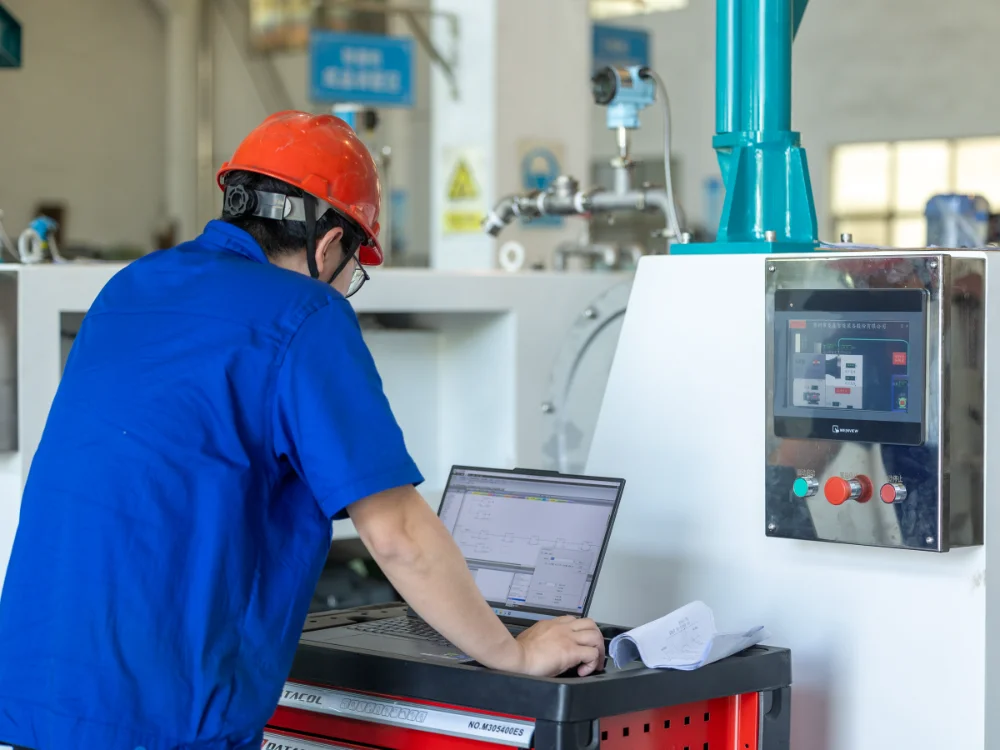
The electrical control cabinet, together with field sensors installed at the air inlet, product outlet, and other key locations, monitors and controls the main stages of the drying process.
Parameters such as temperature, pressure, airflow velocity, and material flow rate are monitored and adjusted to maintain stable equipment operation and consistent product quality.
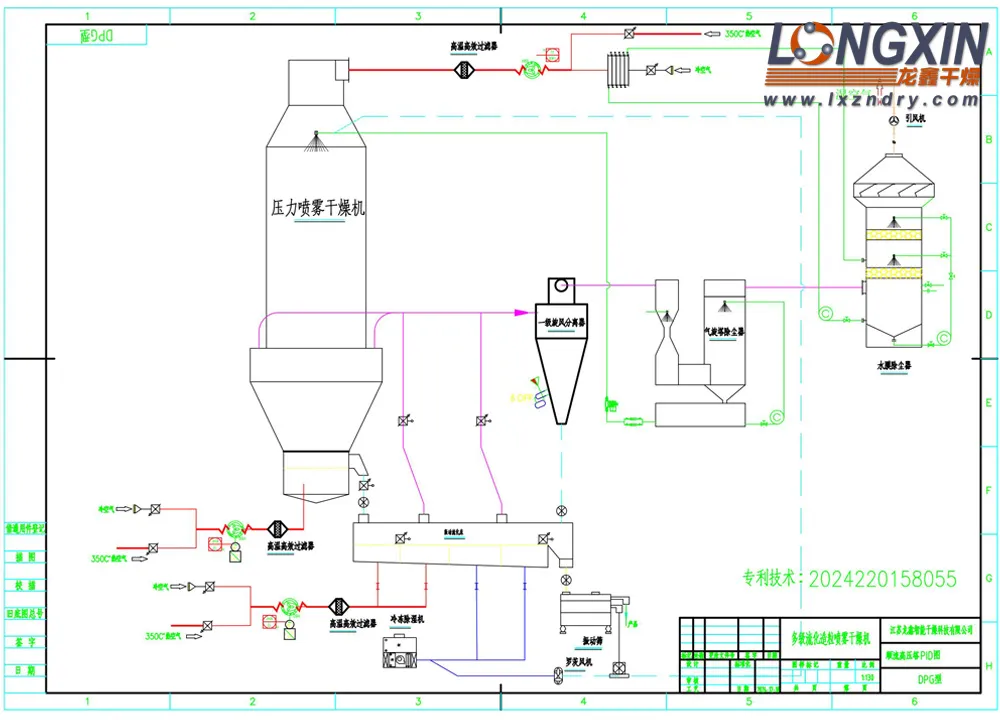
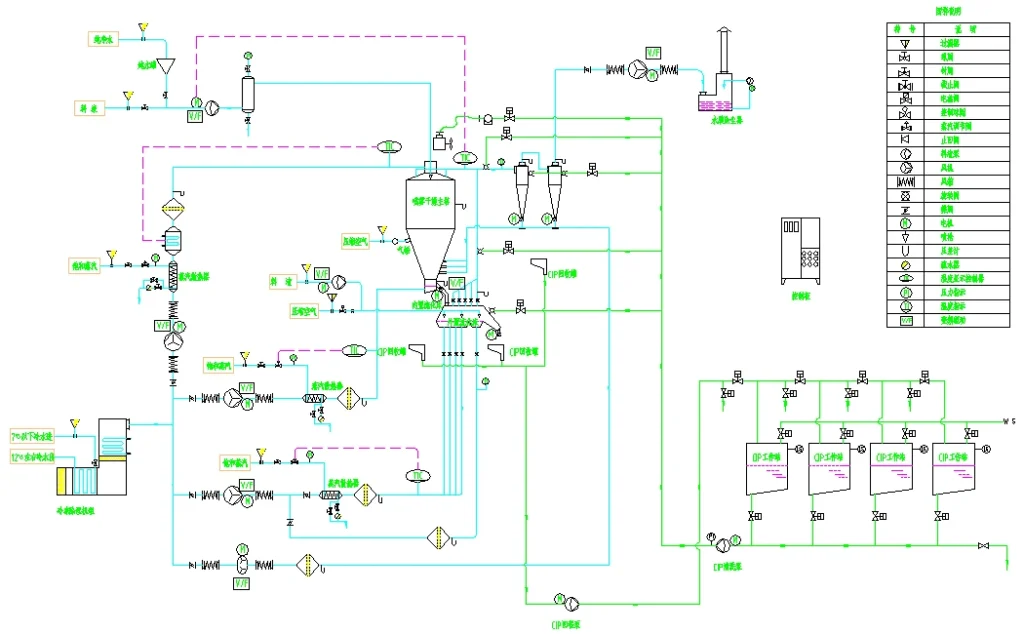
Fluidized Spray Dryer P&ID Diagram
Performance Advantages of the Fluidized Spray Dryer
1. Product Quality
Excellent particle morphology: The system produces granules with a uniform particle size distribution and high sphericity, providing good flowability, solubility, and dispersibility. These characteristics can improve product performance in applications such as food and pharmaceuticals, where good solubility and dispersibility are important.
High product purity: Rapid moisture evaporation helps produce high-quality products with consistent properties. The system is designed to support demanding product quality and stability requirements across different industries.
2. Production Performance
Rapid drying: Atomization produces a large number of fine droplets, substantially increasing the surface area available for heat and mass transfer. Moisture can evaporate within seconds to tens of seconds, significantly improving production efficiency. The short drying time is particularly beneficial for heat-sensitive materials, helping reduce thermal degradation and preserve active ingredients and nutrients when process conditions are appropriately selected.
Continuous production: The equipment is designed for stable operation and automated control, supporting continuous, large-scale industrial production. By adjusting nozzle type, pressure, feed rate, drying temperature, and airflow velocity, operators can control the process and maintain consistent product quality. Automation also reduces manual workload and labor costs while improving production efficiency and economic performance.
One-step granulation: Drying and granulation are integrated into a single process, converting liquid feed directly into granular products. This can eliminate the need for subsequent milling and screening, simplify the production process, reduce equipment footprint and investment costs, and minimize dust generation and material losses associated with additional processing steps.
3. Material Versatility
Wide material compatibility: The system can process solutions, suspensions, emulsions, and other liquid feedstocks. It can be configured for materials with different characteristics, including heat-sensitive, high-viscosity, and highly hygroscopic materials, supporting applications in the chemical, food, pharmaceutical, ceramic, and other industries.
Suitable for high-moisture feedstocks: The equipment can continuously process materials with high initial moisture content. Depending on the material properties and process requirements, some feedstocks can be processed directly without a separate pre-drying stage, simplifying the process and reducing operating costs.
4. Energy Efficiency and Environmental Performance
Improved energy utilization: The drying process can operate with a relatively low exhaust temperature. Compared with some conventional drying configurations, this can reduce heat losses, improve thermal utilization, and lower energy consumption and production costs.
Low dust emissions: The equipment incorporates an effective dust collection system, including cyclone separators and bag filters, to separate and recover fine particles from the exhaust gas. This helps reduce particulate emissions and supports compliance with applicable environmental requirements.
5. Operation and Maintenance
Easy operation: The equipment is designed for straightforward operation and can combine fully automatic and manual control through an interface such as a large color touchscreen. Operators can adjust settings according to production requirements and monitor equipment status in real time to maintain stable operation.
Convenient maintenance: A practical structural design allows key components to be dismantled and cleaned more easily, simplifying routine maintenance and servicing. This can help reduce maintenance costs and downtime while extending equipment service life.
Applications of the Fluidized Spray Dryer
1. Food Industry
- Dairy products: Production of milk powder, whey powder, and similar products. After pretreatment, liquid dairy feedstocks are spray-dried into powders that are easier to store and transport while helping preserve nutritional components.
- Seasonings: Granulation and drying of chicken seasoning, monosodium glutamate, salt, and other seasonings to improve flowability and solubility.
- Beverages: Drying and granulation of coffee, tea, fruit juice, and other beverage products to produce instant formulations.
- Food additives: Drying and forming additives such as potassium sorbate, pectin, and vitamins to support product quality, stability, storage, and handling.
2. Chemical Industry
- Catalysts: Production of polymerization catalysts, petrochemical catalysts, and other catalyst products. Controlled drying and granulation can produce particles with a uniform size distribution and desirable activity, supporting catalytic performance.
- Dyes: Drying and granulation of disperse dyes, reactive dyes, and other colorants to improve dispersibility and solubility.
- Inorganic salts: Processing of zinc sulfate, calcium carbonate, potassium sulfate, and other inorganic salts into powders or granules that meet specific product requirements.
- Chemical compounds: Drying and forming materials such as organic catalysts, precipitated silica, sodium metasilicate, and potassium fluoride to improve handling and meet industrial application requirements.
3. Pharmaceutical Industry
- Pharmaceutical formulations: Preparation of granules from antibiotics, vitamins, antipyretic and analgesic drugs, and other pharmaceutical materials. Improved flowability and solubility can facilitate subsequent formulation and manufacturing.
- Traditional Chinese medicine formulations: Drying and granulation of concentrated herbal extracts, helping address challenges associated with high viscosity and difficult drying. The resulting granules are easier to store, transport, and use.
4. Ceramic Industry
- Ceramic raw materials: Spray drying and granulation of slurries containing alumina, zirconia, magnesia, titania, and other ceramic materials. The resulting granules can offer uniform particle sizes and good flowability, supporting ceramic forming and product quality.
5. Environmental Applications
- Wastewater treatment: Drying and solidification of sludge to reduce its volume and weight, facilitating subsequent handling and disposal.
- Waste gas treatment: Production of adsorbents, catalysts, and other materials used to adsorb or decompose pollutants in exhaust gases.
6. Other Applications
- Polymers: Drying and granulation of polymers such as E-PVC, styrene-based materials, urea-formaldehyde (UF) resins, and phenol-formaldehyde (PF) resins to improve handling, processing, and product quality.
- Magnetic materials: Drying and forming magnetic materials while helping maintain their required properties and quality.
- Electronic materials: Drying and granulation of raw materials used in electronic manufacturing to meet the requirements of electronic component production.
Technical Improvements to the Fluidized Spray Dryer
1. Hot-Air System Optimization
Increasing the inlet air temperature: At a constant outlet temperature, appropriately increasing the hot-air inlet temperature raises the total heat supplied to the system. This increases the amount of heat transferred to the material per unit mass of air. When production capacity remains unchanged, the required airflow may be reduced, helping lower energy consumption and improve thermal efficiency. However, the inlet temperature must remain within the limits of the equipment and material. In general, it should not exceed 600°C to avoid damaging components such as the tower-top air distributor.
Reducing the exhaust temperature: At a constant inlet temperature, lowering the exhaust temperature increases the temperature difference between the inlet and outlet, allowing more heat to be used for drying. This can improve thermal utilization. However, an excessively low exhaust temperature may leave the powder too wet; for some applications, temperatures below approximately 75°C can adversely affect drying performance.
Waste heat recovery: Heat recovery equipment can be installed to capture energy from the exhaust gas and use it to preheat incoming air or feed materials. Common solutions include heat exchangers and heat-pipe heat exchangers, which transfer heat from the exhaust stream to incoming air or materials, reducing energy waste and improving overall energy utilization.
2. Equipment Structure Optimization
Optimizing the drying chamber: Adjusting the chamber geometry, dimensions, and internal structure can improve airflow distribution and reduce stagnant zones. This helps ensure more uniform contact between the hot air and the material, accelerating drying and improving efficiency. Potential improvements include new airflow-guiding components and optimization of the chamber's height-to-diameter ratio.
Enhancing atomizer performance: More efficient and precise atomizers can produce droplets with a more uniform size distribution and smaller diameters. The resulting increase in surface area accelerates moisture evaporation, shortens drying time, and can reduce energy consumption. Improved centrifugal or pressure atomizers can help enhance overall drying performance and energy efficiency.
3. Equipment Performance Enhancement
Improving granule quality control: Further optimization of the integrated fluid bed and distribution plate, together with a wider adjustable fluidization air velocity range, can improve fluidization and particle growth. This helps achieve a more uniform particle size distribution, higher sphericity, and better flowability and solubility, meeting the demanding granule quality requirements of different industries.
Expanding material compatibility: Adjustments to equipment materials, structure, and process parameters can improve the system's ability to handle special materials, including high-viscosity, heat-sensitive, and agglomeration-prone feedstocks. This can broaden its application across industries and production processes.
4. Energy Conservation and Environmental Optimization
Energy-efficient design: High-efficiency heat exchangers and waste heat recovery systems can be installed at the dryer outlet to recover exhaust heat and preheat incoming air or materials. These measures help reduce energy consumption and improve thermal utilization.
Upgraded exhaust treatment: Advanced exhaust treatment systems can combine high-efficiency cyclone separators, bag filters, and wet scrubbers to further reduce particulate emissions and help meet stricter environmental standards. Additional purification technologies may also be developed to reduce volatile organic compound (VOC) and other pollutant emissions where applicable.
5. Intelligent Control Development
Enhanced automation: Advanced sensors, automation systems, and computer-based controls can monitor and automatically adjust key process parameters in real time, including feed rate, temperature, humidity, and atomization pressure. This helps stabilize the drying process, maintain consistent product quality, and reduce manual workload and operating errors.
Remote monitoring and data analysis: Remote monitoring systems allow operators to track equipment status, adjust operating parameters, and receive fault alarms over a network. Big data analysis can be used to evaluate production data and support process optimization, improved efficiency, and better product quality.
6. Compact Design and System Integration
Compact equipment design: Smaller, more compact Fluidized Spray Dryer configurations can be developed for small and medium-sized enterprises and laboratory applications. While maintaining the required performance, these designs can reduce equipment footprint, space requirements, investment, and operating costs.
Integrated production systems: The Fluidized Spray Dryer can be integrated with upstream and downstream equipment, including feedstock pretreatment, milling, and screening systems, to create a continuous automated production line. This integration can improve production efficiency and quality consistency while reducing intermediate material losses and contamination risks.
7. Customized Solutions and Services
Customized engineering: Equipment design and manufacturing can be tailored to specific customer requirements, including material properties, processing capacity, target particle size, and production processes. This allows the equipment configuration, dimensions, and operating parameters to be adapted to individual applications.
Comprehensive technical support: Services can extend beyond equipment manufacturing to include installation, commissioning, operator training, after-sales service, and technical support. These services help customers operate and maintain the equipment effectively, support long-term reliable operation, and improve customer satisfaction.
Fluidized Spray Dryer Process Flow Diagrams
- Process Flow Diagram 1: Mixed-Flow, Low-Temperature, Wide-Bodied Spray Drying Tower
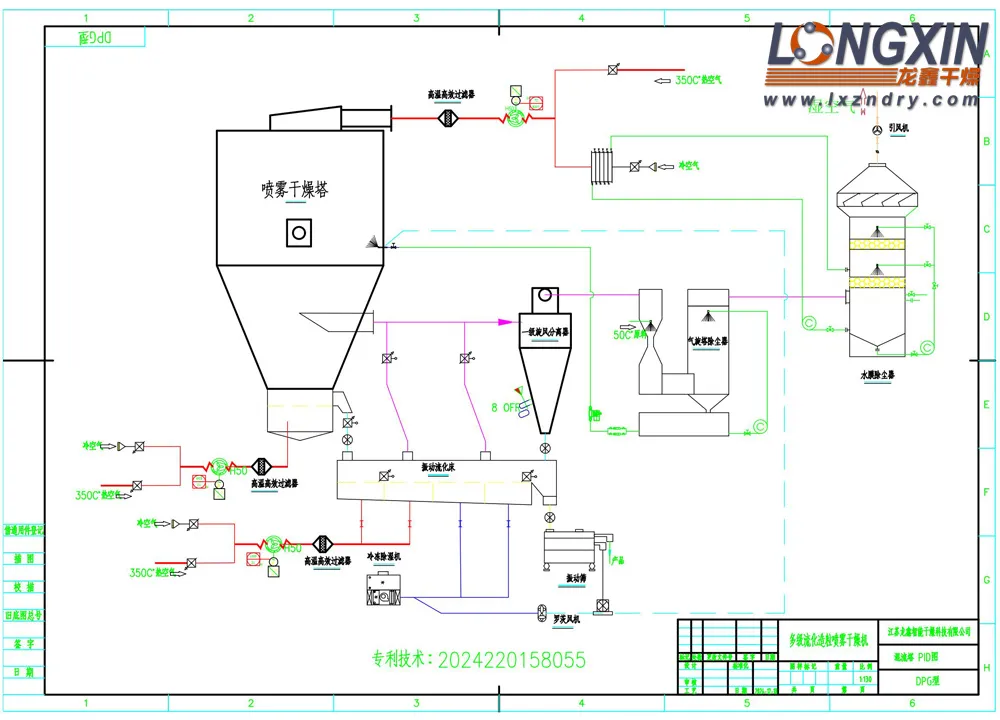
- Process Flow Diagram 2: Co-Current, High-Pressure Spray Drying Tower