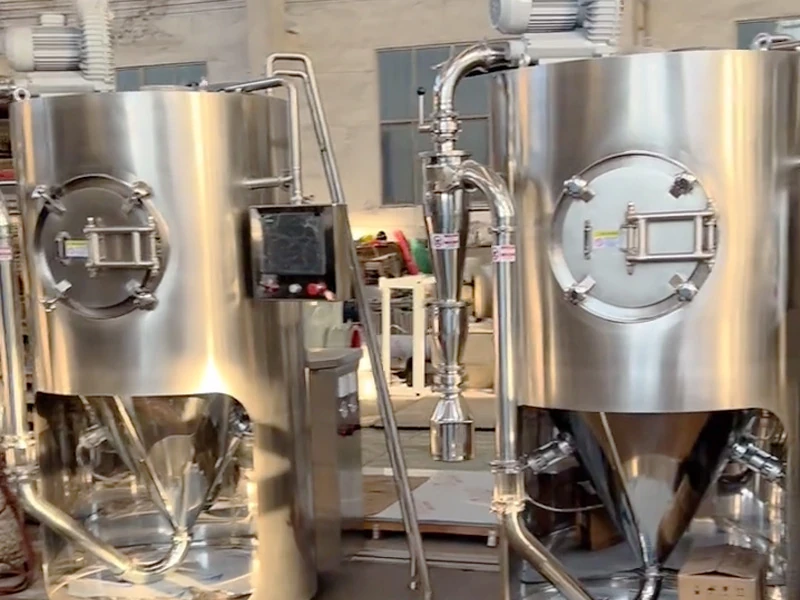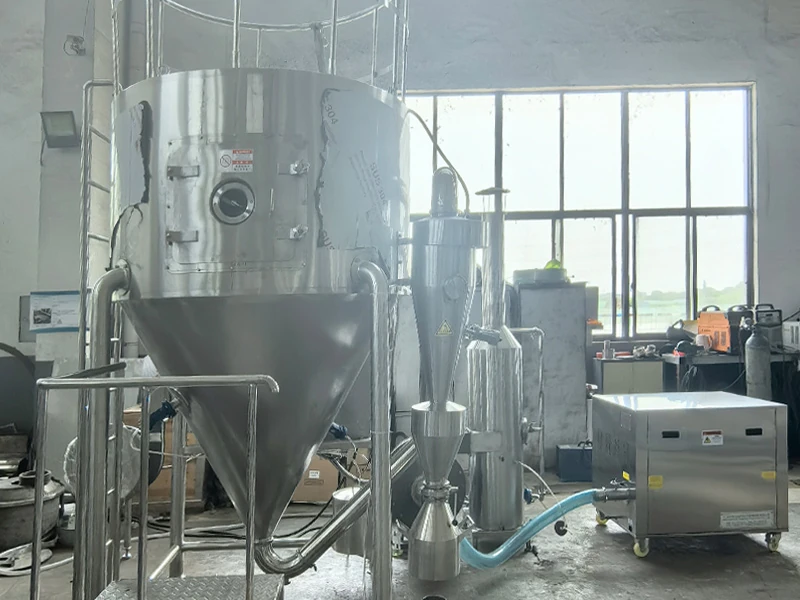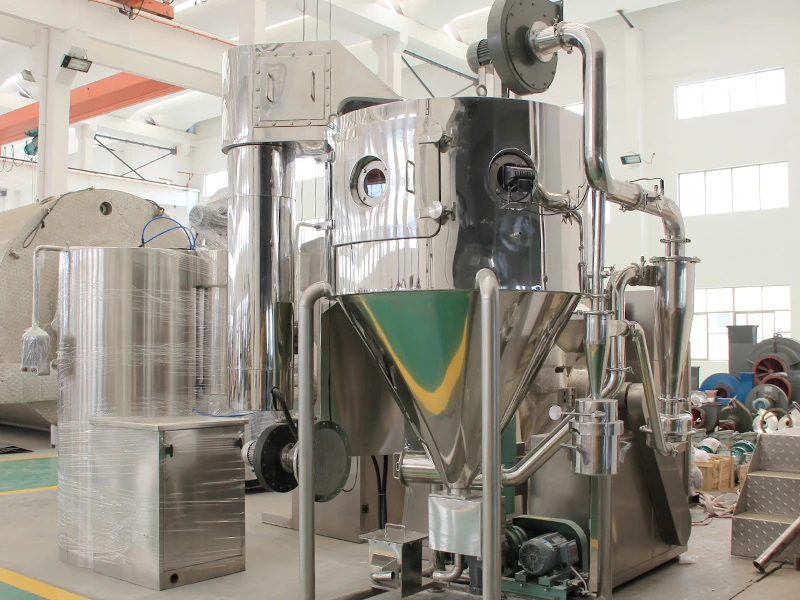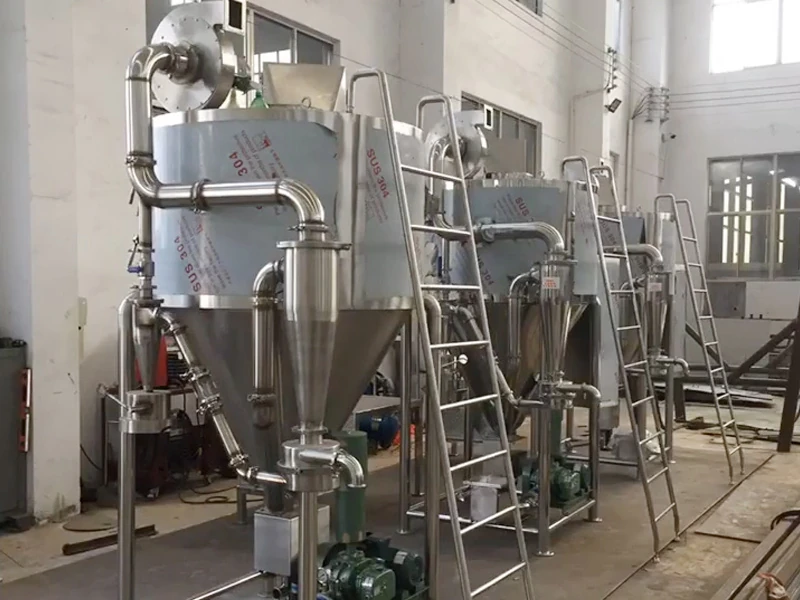

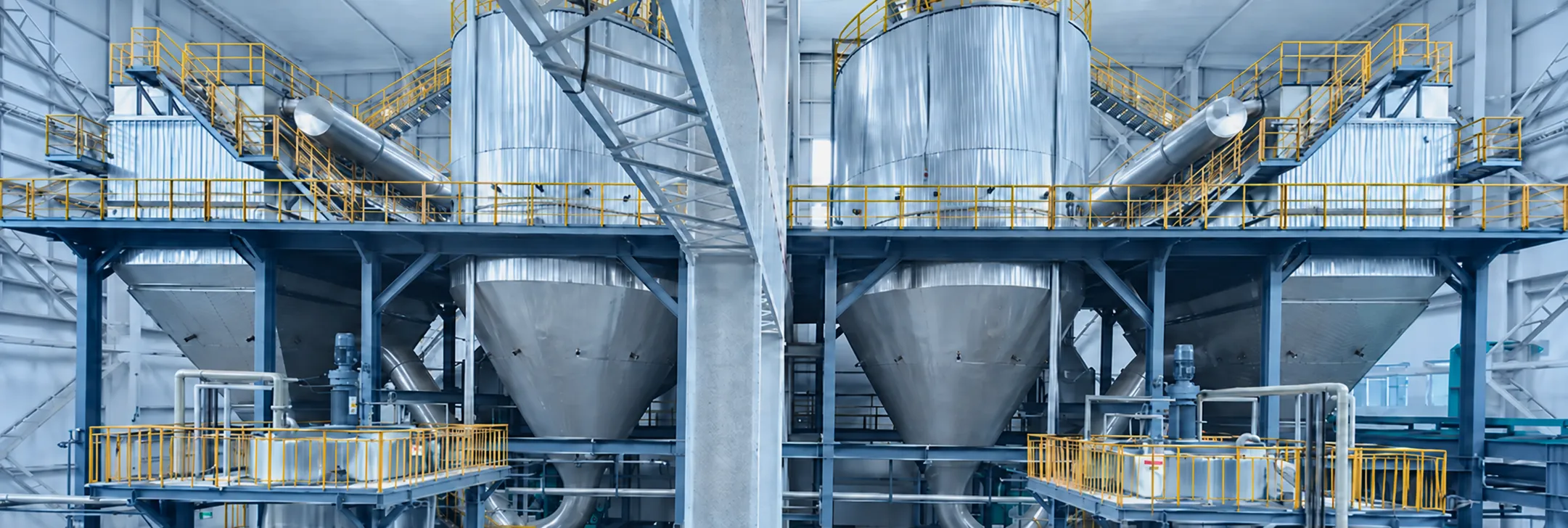
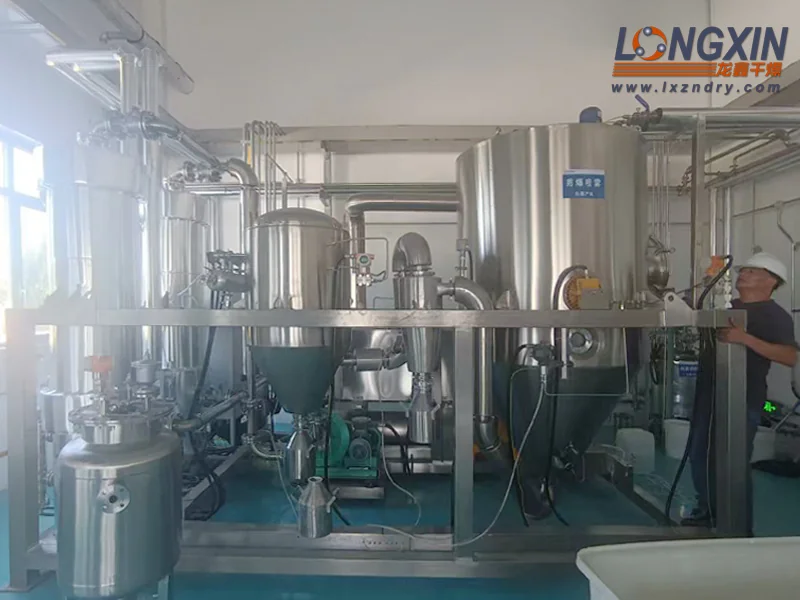
Présentation générale
In the R&D of new-energy battery materials — the cathode materials, anode materials, solid-state electrolytes and others used in lithium-ion batteries — the particle size, sphericity, purity and other performance indicators of the material must be precisely controlled. A small-scale spray dryer can meet the drying needs of different materials at the lab-trial and pilot stages, helping researchers optimize material performance and improve battery energy density, charge–discharge performance and cycle life. At the same time, production processes for new-energy materials are complex, and the drying step has a marked effect on final product quality. A laboratory-dedicated spray dryer helps researchers rapidly explore how different drying parameters affect material performance, providing reliable technical support for large-scale production and accelerating the industrialization of new-energy materials.
Jiangsu Longxin pursues continuous technological innovation and optimization. Its multifunctional laboratory centrifugal / airflow dual-purpose spray dryer gives new-energy battery material researchers an efficient and accurate experimental tool, helping them study in depth how different drying processes affect the performance of new-energy materials, and thereby driving technological innovation and product upgrading in the field. As an important piece of experimental equipment, the small centrifugal / airflow multi-purpose spray dryer enables corporate R&D staff to dry and prepare samples quickly and efficiently, shortening development cycles and lowering R&D costs — which is why it is favored by corporate R&D centers.
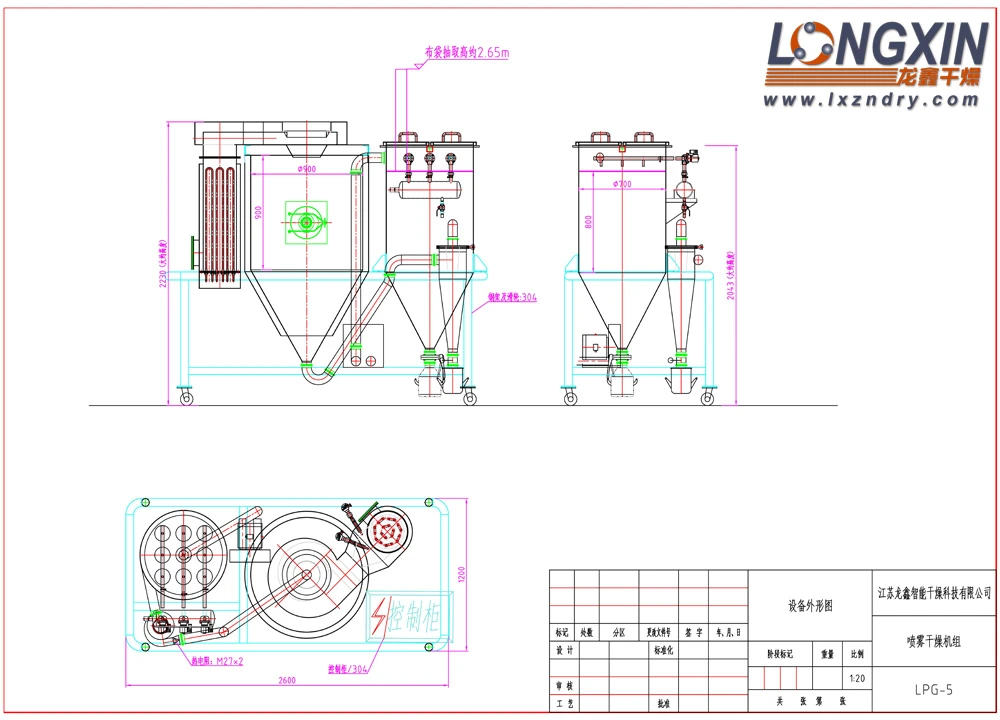
Laboratory Spray Dryer — New-Energy Battery Material R&D
(1) Adapting to the drying needs of many kinds of new-energy materials
High adaptability to material characteristics: new-energy materials come in a wide variety, with considerable differences in physical and chemical properties. For example, the cathode materials of lithium-ion batteries (such as lithium iron phosphate and ternary materials), anode materials (such as graphite) and solid-state electrolytes differ in viscosity, particle size distribution and moisture content. The centrifugal / airflow dual-purpose spray dryer can flexibly select centrifugal or airflow atomization according to the characteristics of each material, ensuring the material is atomized and dried uniformly and thus meeting the drying requirements of all kinds of new-energy materials.
Meeting the needs of different production scales: at the laboratory stage, researchers need to trial-produce and test new-energy materials in small batches in order to optimize formulations and production processes. This dryer meets the needs of small-batch laboratory production while also providing reliable process parameters and technical support for subsequent pilot-scale and large-scale production.
(2) Improving the quality of new-energy materials
Good particle size uniformity: the combination of centrifugal and airflow atomization allows the material to form particles of uniform size and narrow particle size distribution. For new-energy materials, particle size uniformity has an important influence on performance and application — in lithium-ion batteries, for example, the particle size uniformity of the cathode material directly affects charge–discharge performance and cycle life.
High sphericity: the dryer can form particles with high sphericity, which helps raise the bulk density and flowability of the material and thus facilitates subsequent processing and application. In solid-state batteries, for instance, spherical solid electrolyte particles can improve battery assembly efficiency and performance stability.
High purity: drying takes place in a relatively closed environment, reducing contact between the material and the outside environment and preventing the introduction of impurities. At the same time, the efficient drying method quickly removes moisture and organic solvents from the material, improving purity.
(3) Raising production efficiency and reducing costs
Fast drying: centrifugal and airflow atomization disperse the material rapidly into fine droplets that come into full contact with hot air, achieving rapid drying. Compared with conventional drying methods, drying time is greatly shortened and production efficiency improved.
High energy utilization: the dryer's design optimizes the hot air flow path and temperature distribution, enabling the hot air to exchange heat with the material more effectively, improving energy utilization and reducing energy consumption and production costs.
Simple operation: the multifunctional laboratory centrifugal / airflow dual-purpose spray dryer uses an advanced control system with simple, convenient operation. Researchers can quickly adjust process parameters to suit experimental needs, improving both the efficiency and the accuracy of their experiments.
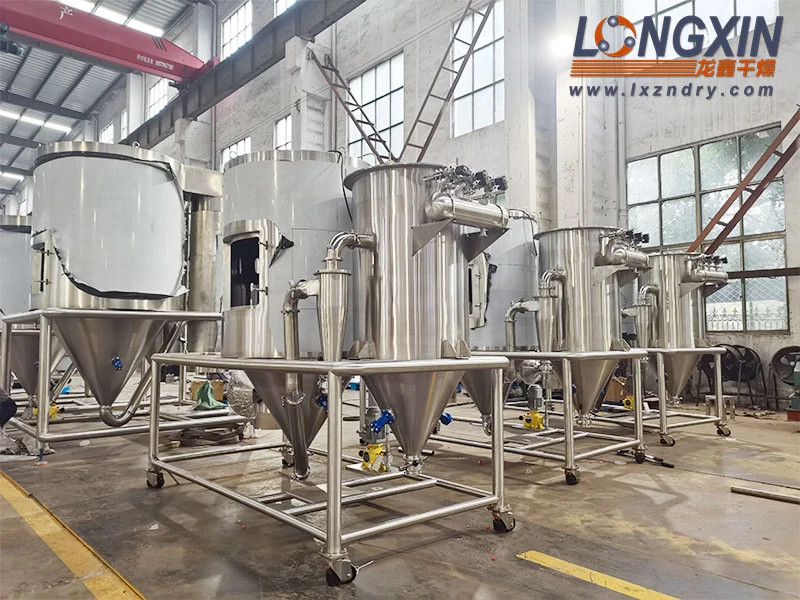
Laboratory Spray Dryer — Atomizer Selection
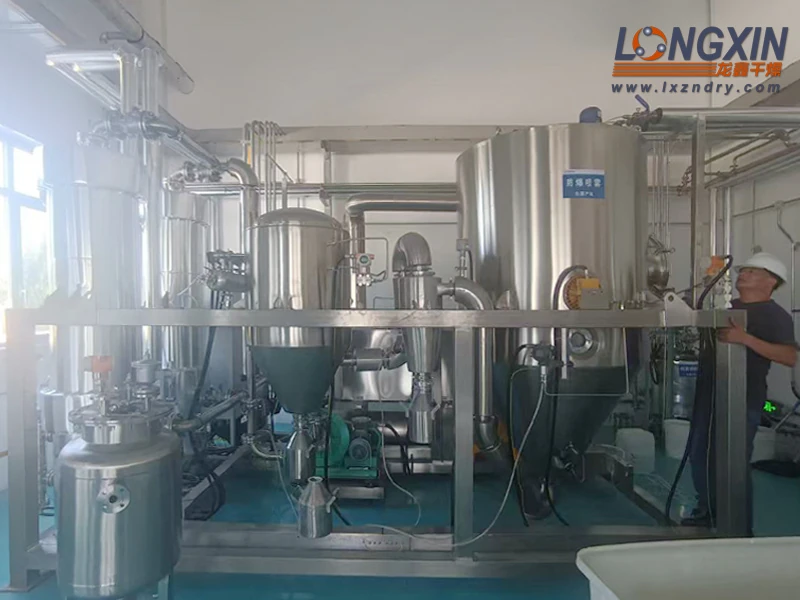
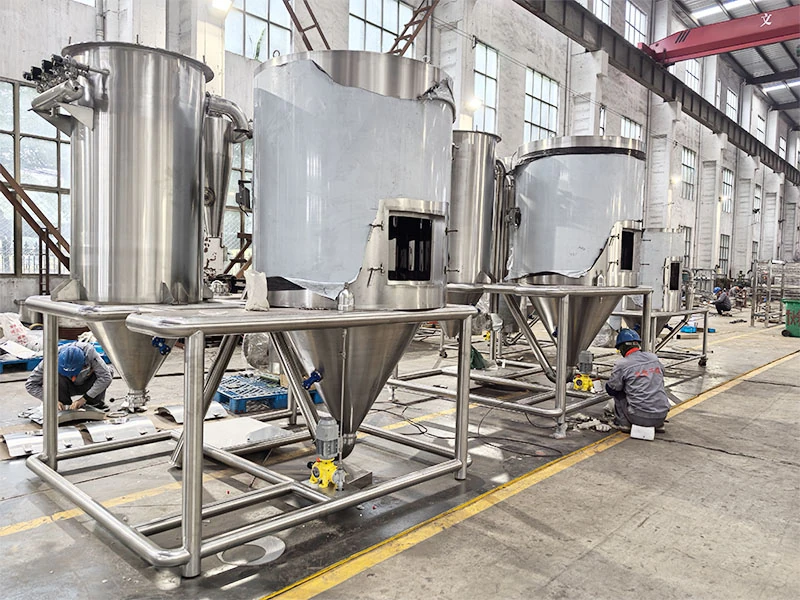
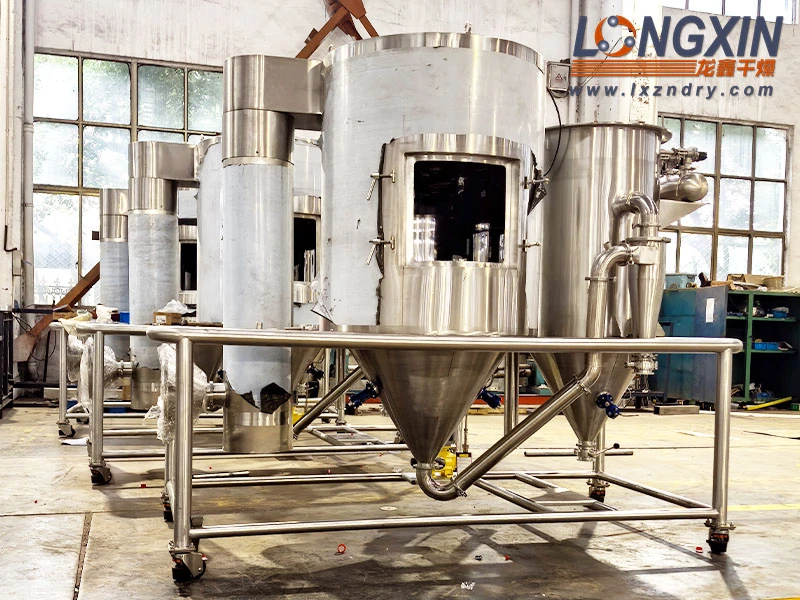
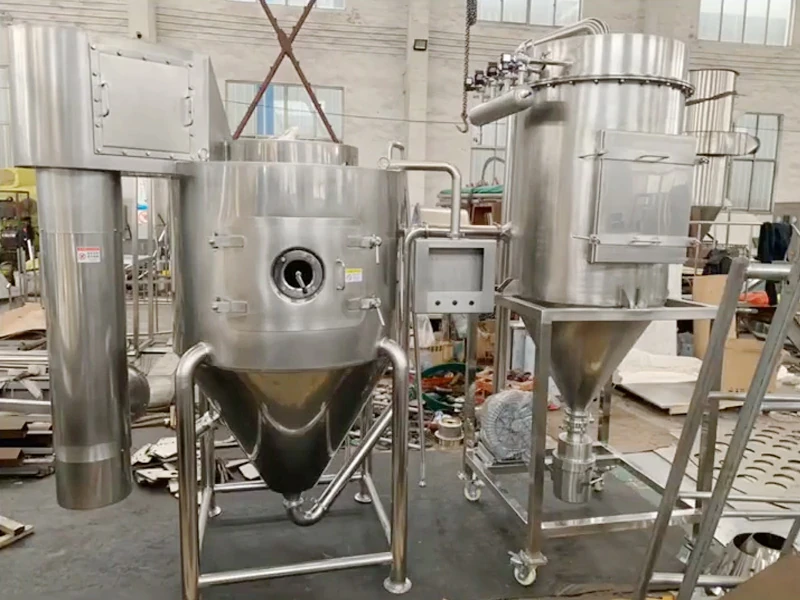
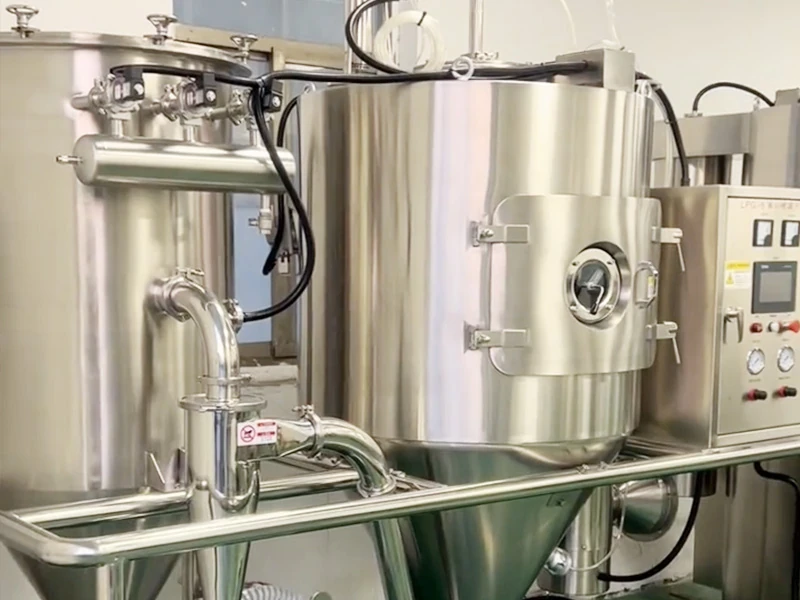
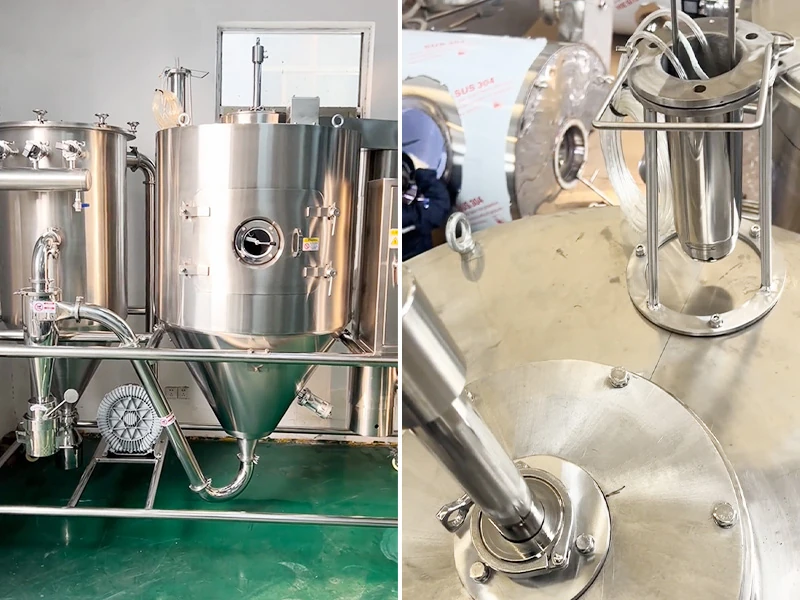
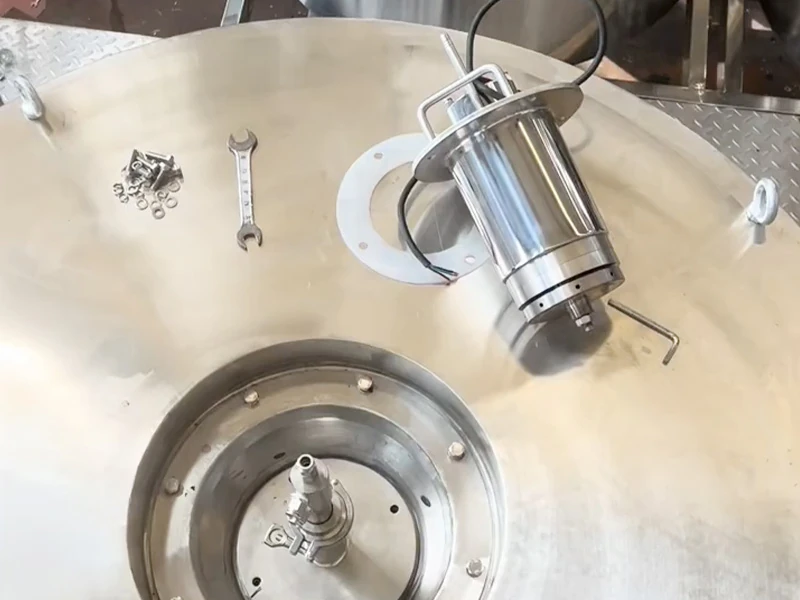
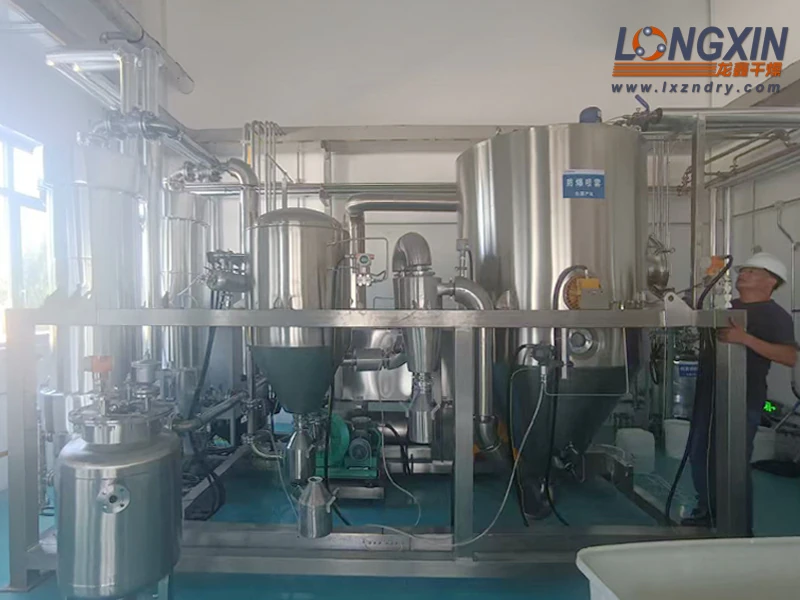
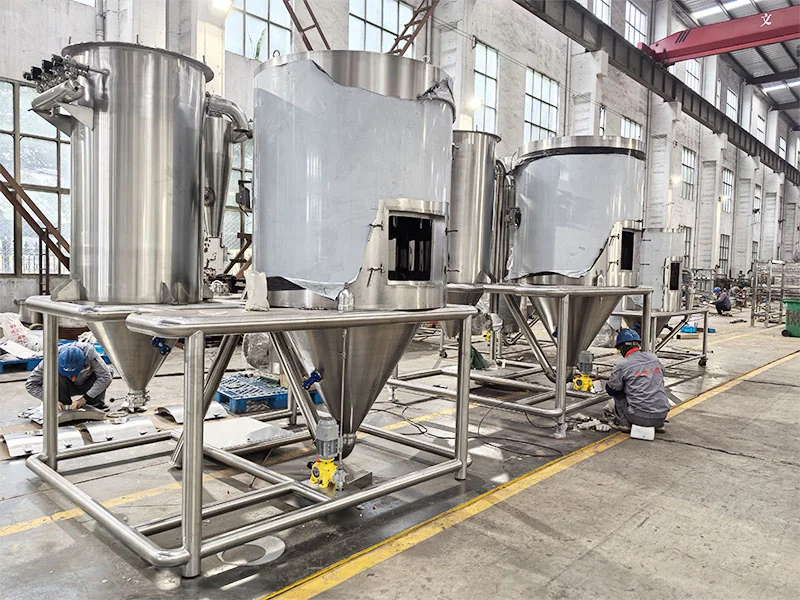
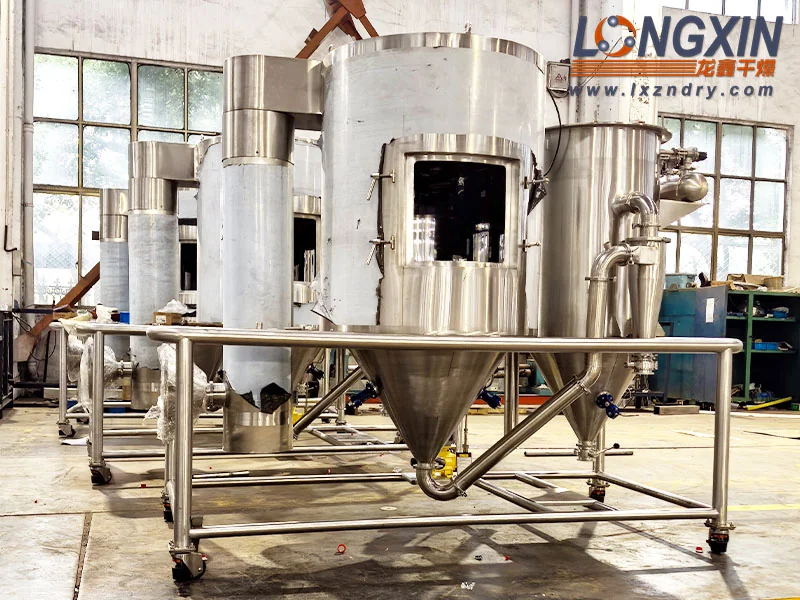
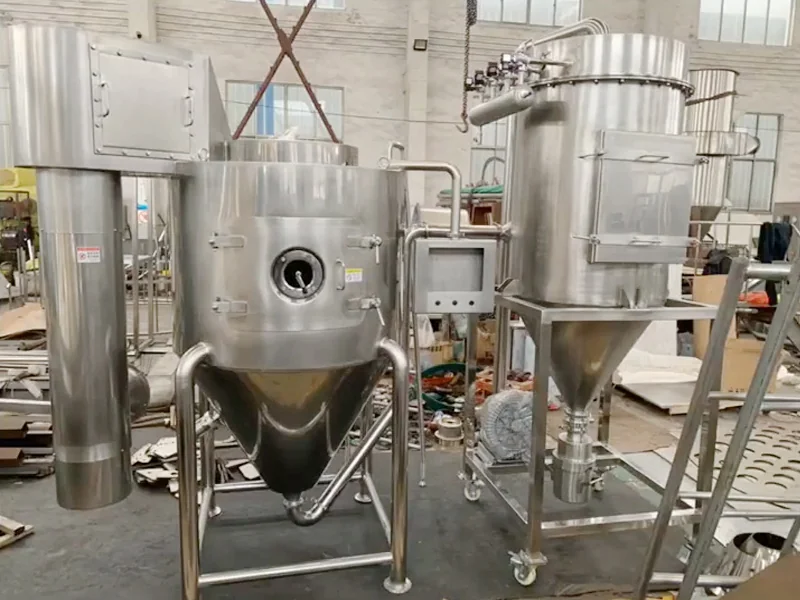
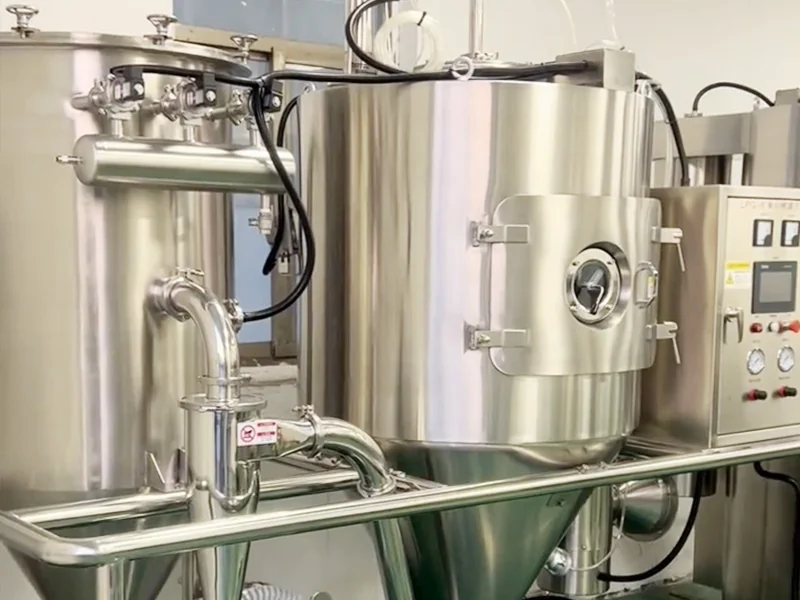
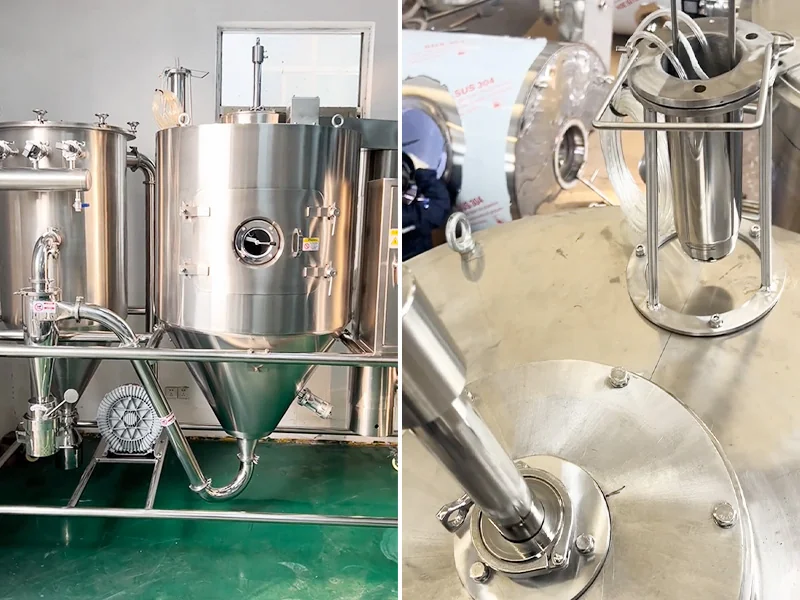
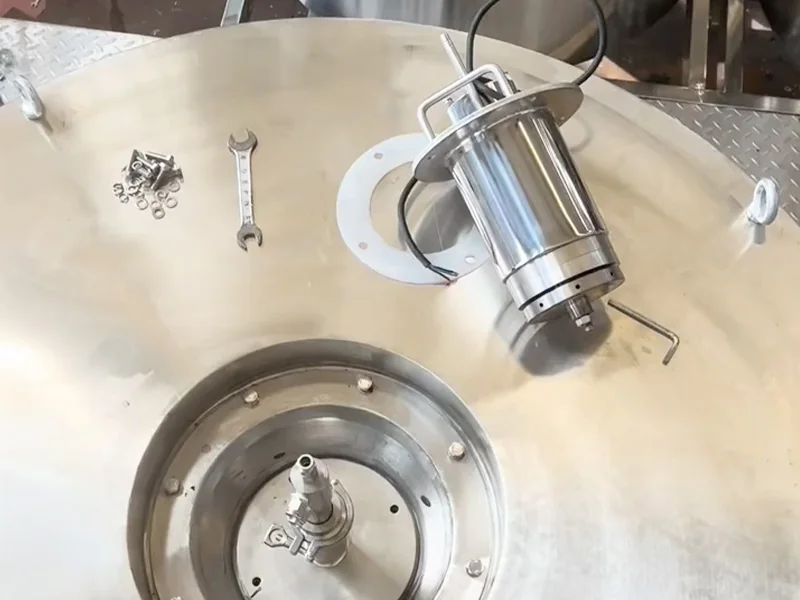
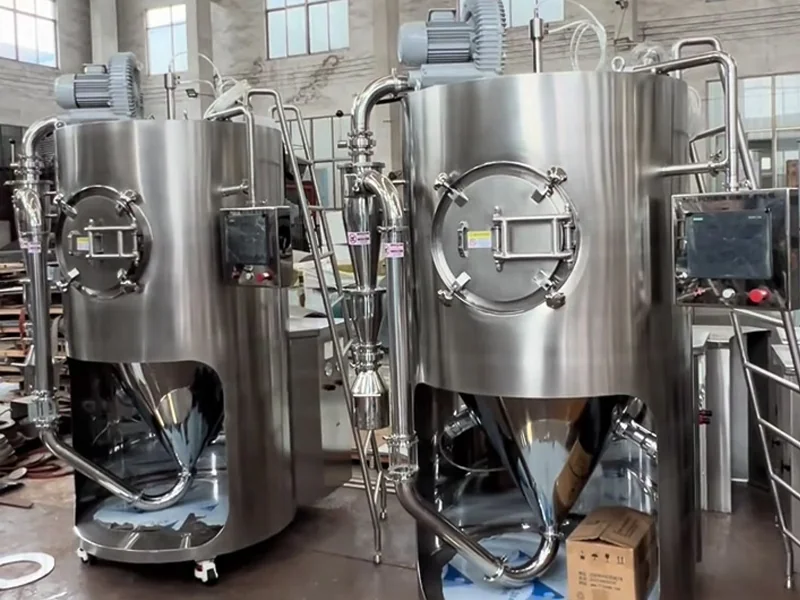
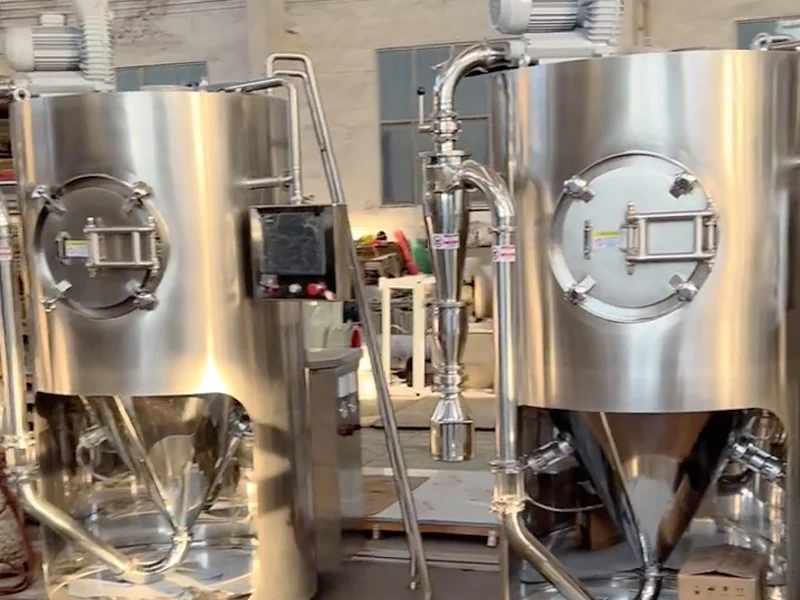
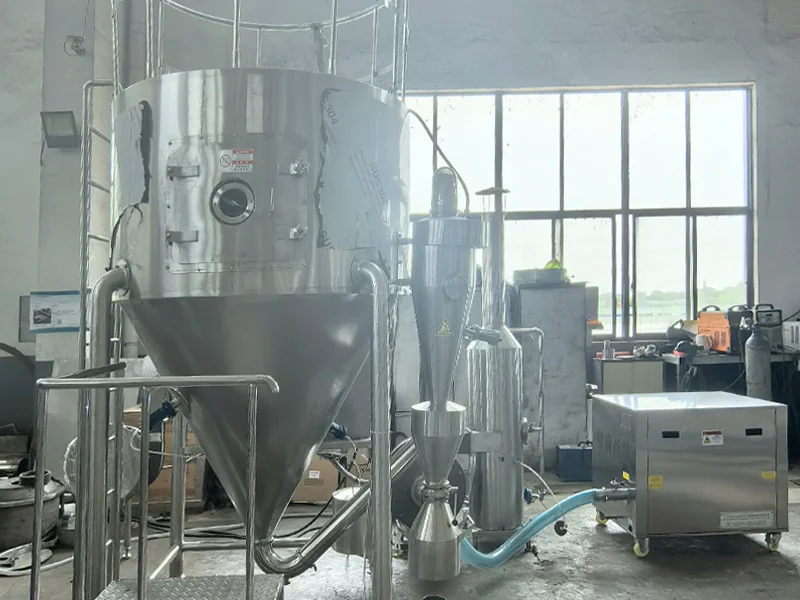
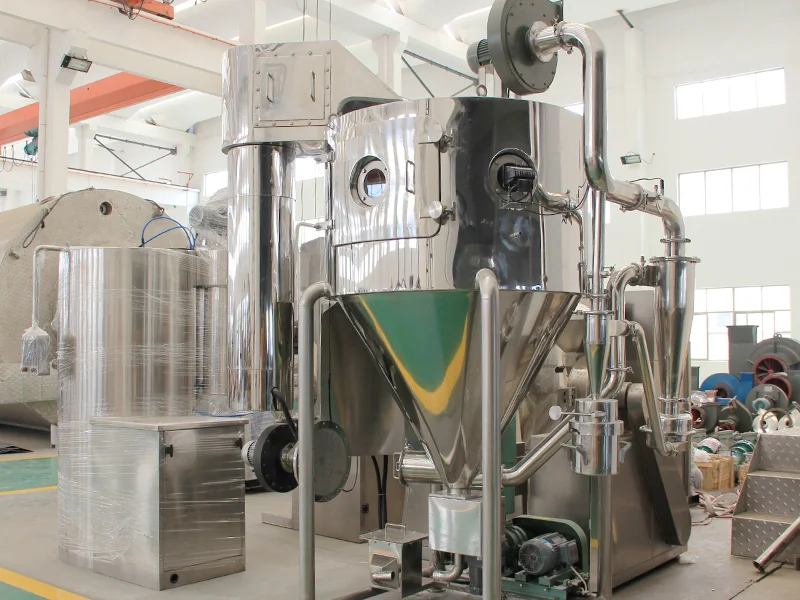
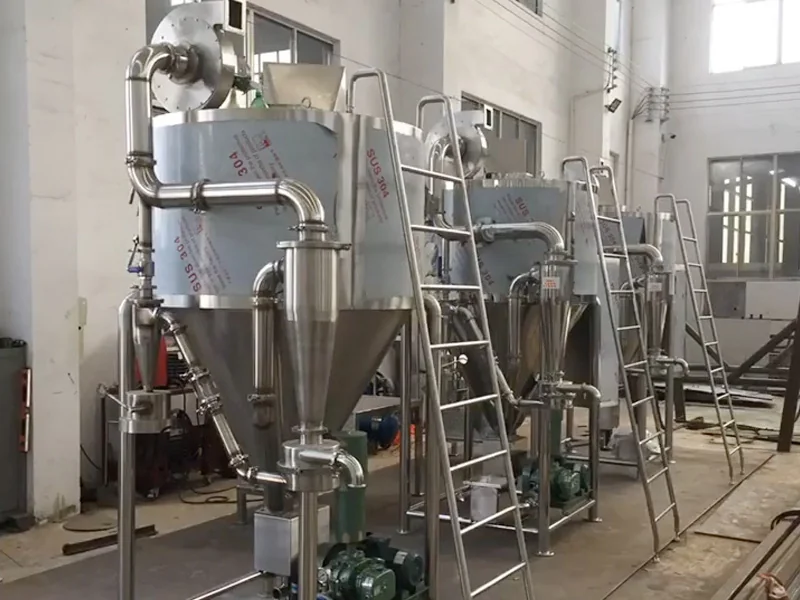
Through a modular design, the laboratory centrifugal / airflow multi-purpose spray dryer can be supplied in a variety of dryer configurations, using interchangeable atomization systems and powder discharge systems. It is ideal for both in-house research and small-scale production: by selecting the optimal configuration and atomization technology, powders of different specifications can be processed. It better meets the growing demands placed on laboratory spray dryers in terms of safety, hygiene, flexibility, advanced technology and ease of operation.
(1) High-speed centrifugal atomizer, co-current mode
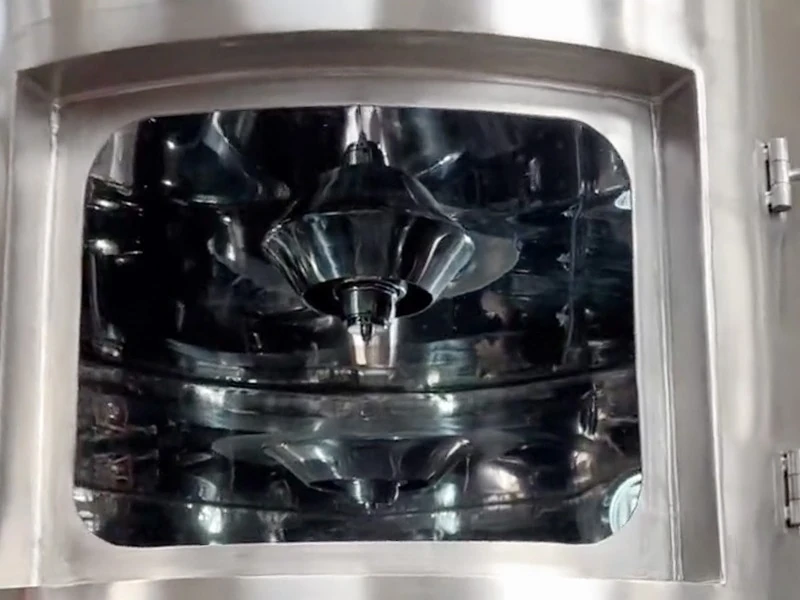
In centrifugal atomization, the material is accelerated at high speed and discharged by the atomizer wheel before it contacts the hot drying gas. Different atomizer wheel designs are available for non-abrasive and abrasive materials. The degree of atomization and the particle morphology depend on the peripheral speed of the atomizer wheel, the feed rate, the liquid properties and the wheel design. Particle size is adjusted by changing the peripheral speed. The rotary atomizer is the most flexible atomizing device and suits a very wide range of products.
The high-speed centrifugal atomizer has an adjustable speed and is mounted in the hot air distributor at the top of the drying tower. Atomizing discs are available for both non-abrasive and abrasive materials. Depending on the product and the operating parameters, the mean particle size of the powder ranges from 20 to 50 μm.
(2) Pneumatic nozzle, co-current or mixed-flow mode
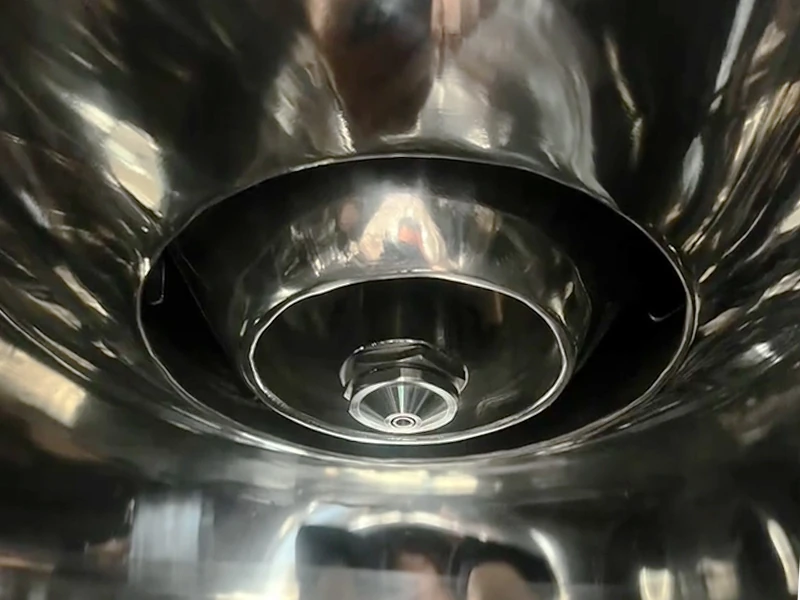
Pneumatic nozzle atomization is achieved pneumatically by high-speed compressed air impinging on the liquid feed. Particle size is controlled by changing the nozzle flow ratio between atomizing gas and feed. When operated in co-current mode, the nozzle tip is close to the hot air outlet of the tower-top air distributor. Co-current mode suits drying heat-sensitive products, while fountain mode suits drying non-heat-sensitive materials with coarser particle sizes.
Pneumatic nozzles are generally installed in the air distributor at the top of the drying tower. They suit heat-sensitive materials and perform well regardless of whether feed viscosity is high or low. Atomization is accomplished with compressed air at 1.0–6.0 bar, and the mean particle size of the dried powder ranges from 10 to 40 μm.
(3) Pressure nozzle, co-current or mixed-flow mode
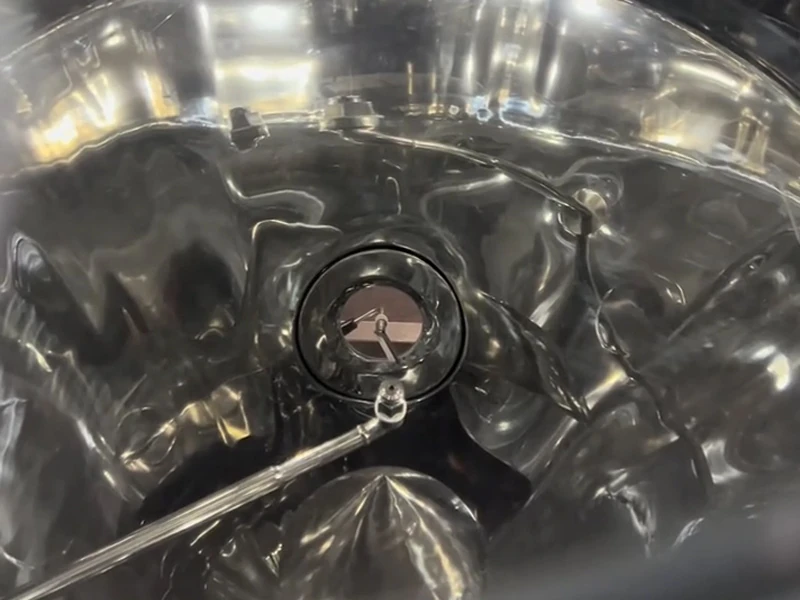
With a pressure nozzle, atomization converts the pressure in the liquid feed into the kinetic energy of a moving liquid film. The pressure acts on the liquid inside the nozzle, forcing it out through the nozzle orifice and completing atomization. Pressure nozzles suit both co-current and fountain modes. Particle size is adjusted by changing the feed pressure and nozzle size. Compared with other atomizer types, pressure nozzles generally suit a narrower particle size distribution and coarser particles. Nozzle type is selected according to material properties and powder parameters.
Fountain-mode nozzles are installed in the cone section of the drying tower body and spray upward. They suit materials with good flowability, and the mean particle size of the dried powder ranges from 60 to 90 μm.
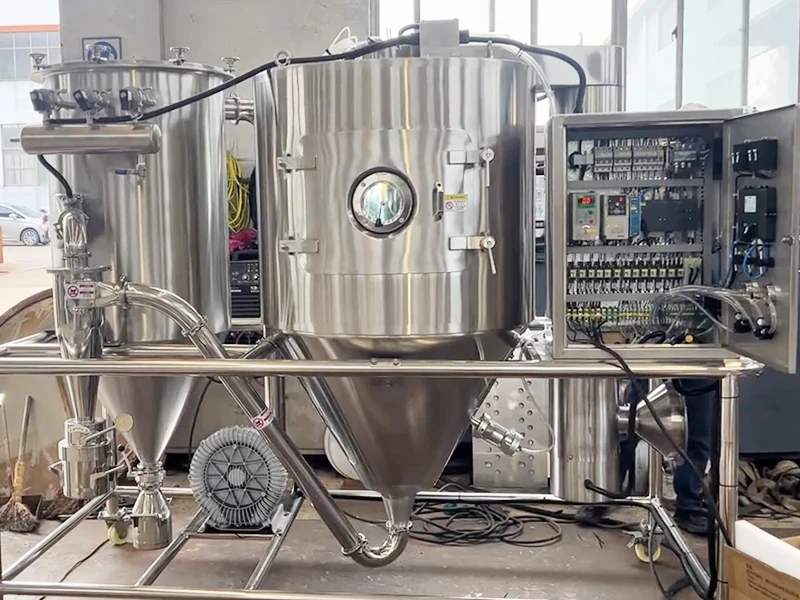
Laboratory Spray Dryer — Performance Features
(1) A choice of versatile atomizers
The machine integrates centrifugal spray, airflow spray and other methods, so users can switch flexibly according to the specific characteristics of the material to be dried. For coarse materials, for example, centrifugal spray can use its strong centrifugal force to disperse the material evenly into droplets of a suitable size, ensuring the subsequent drying process runs smoothly. When dealing with fine, free-flowing materials that demand extremely uniform atomization, airflow spray mode comes into its own: the impact of the high-speed air stream forms finer, more uniform droplets for efficient, high-quality drying. This multi-mode design greatly widens the range of materials the equipment can handle, equipping it to meet the drying requirements of a wide variety of experimental materials with different properties.
(2) Convenient parameter adjustment
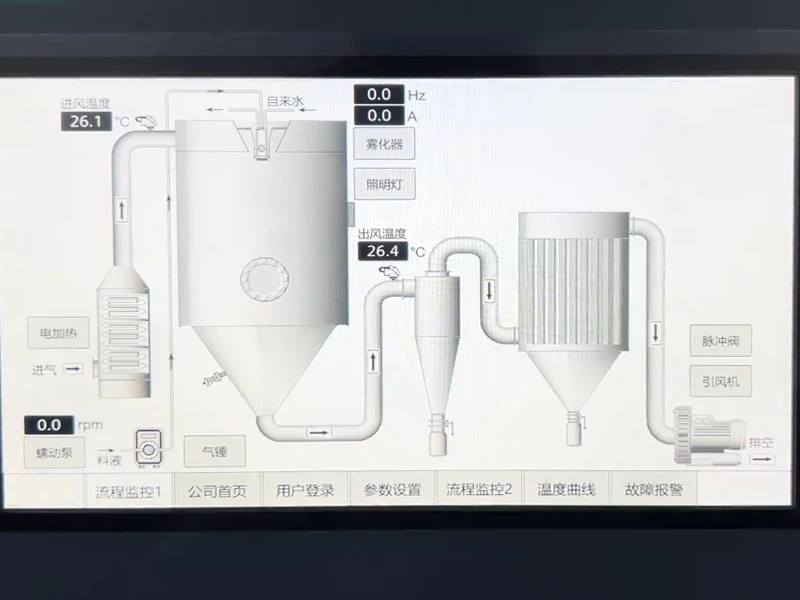
The machine is fitted with an intuitive, easy-to-operate intelligent control system: through a clear and simple interface, the operator can easily and precisely adjust several key parameters. The hot air temperature can be flexibly set according to how heat-sensitive the material is, ensuring moisture is removed quickly without damaging the material's active ingredients or chemical structure through excessive heat. Feed rate, atomization pressure, air velocity and other parameters can likewise be finely adjusted as needed, and the system feeds back changes in each parameter and their effect on the drying process in real time, so the operator can quickly grasp the drying status and optimize settings in time to achieve the best drying results.
(3) Plug and play
Start-up preparation is simple. After the power switch is turned on, the machine's built-in self-diagnosis system runs automatically, quickly checking whether the heating system, fans, atomizer, control system and other key components are working properly. Once the check is passed, there is no need for complicated additional setup or calibration: the operator goes straight to the parameter adjustment interface and sets parameters according to the actual drying needs of the material. This greatly shortens the time from switch-on to the start of a drying experiment, delivering genuine fast start-up and always-ready convenience.
The plug-and-play feature of the laboratory centrifugal / airflow multi-purpose spray dryer makes it especially worry-free and efficient to use in a laboratory environment — whether it is being installed and used for the first time or being re-positioned to suit a new application later on.
(4) Compact footprint and easy to move
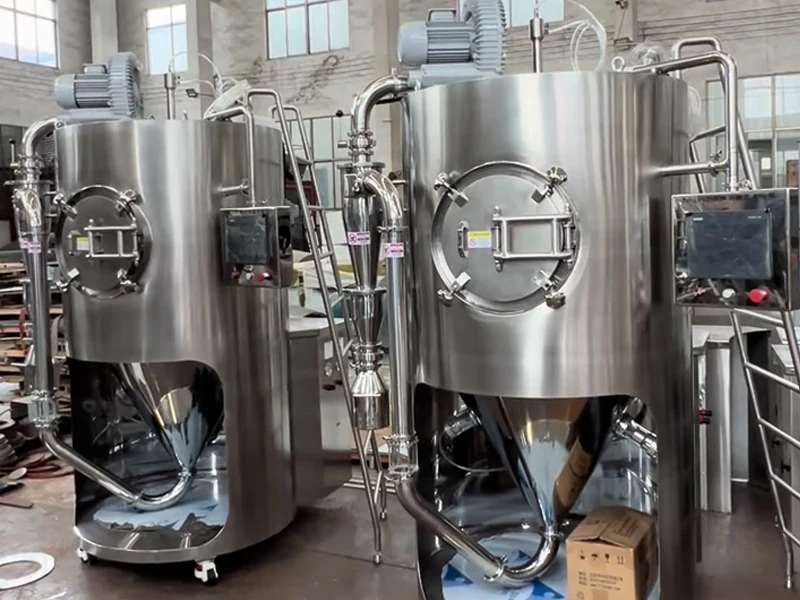
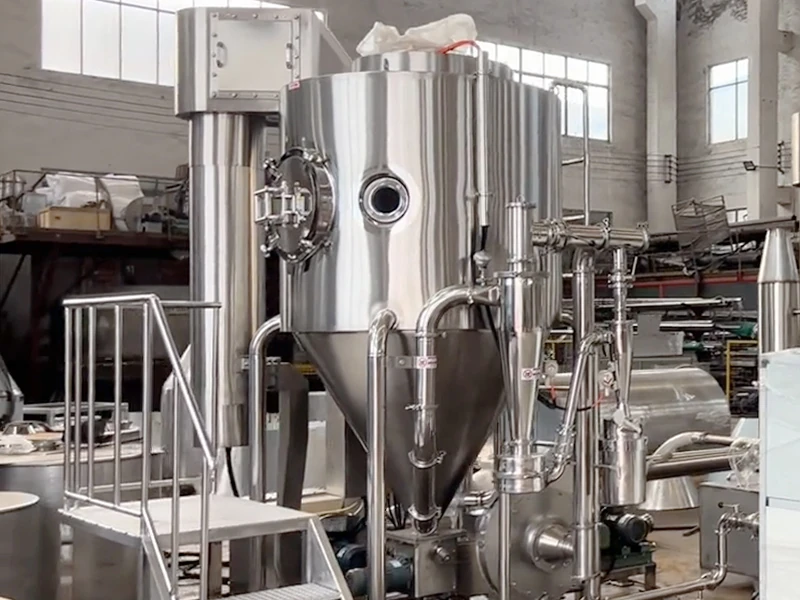
The dryer has a compact structure and occupies relatively little space, so it can be placed flexibly in laboratories of different sizes without taking up too much valuable bench or floor area. It is usually fitted with casters and similar devices for easy movement: when the equipment needs to be repositioned or used with different experimental areas, it can be moved with ease, strongly supporting flexible laboratory layout and experimental work.
(5) Easy to clean and maintain
Ease of cleaning and maintenance is another important expression of this dryer's user-friendliness. Its internal structure is laid out sensibly, and the arrangement of each key component makes it easy for operators to clean and inspect. After drying is finished, components such as the atomizer and drying chamber can be easily removed for washing, preventing contamination and clogging from material residue and ensuring the equipment works properly the next time. Routine maintenance is straightforward too: simply following the operating manual's guidance and periodically checking and replacing a few wear parts and carrying out basic upkeep such as lubricating key points will keep the machine in good condition, reduce the likelihood of faults and further improve the convenience and efficiency of using the equipment in the laboratory.
Laboratory Spray Dryer — Configuration 1 — Centrifugal / Airflow Multi-Purpose Spray Drying
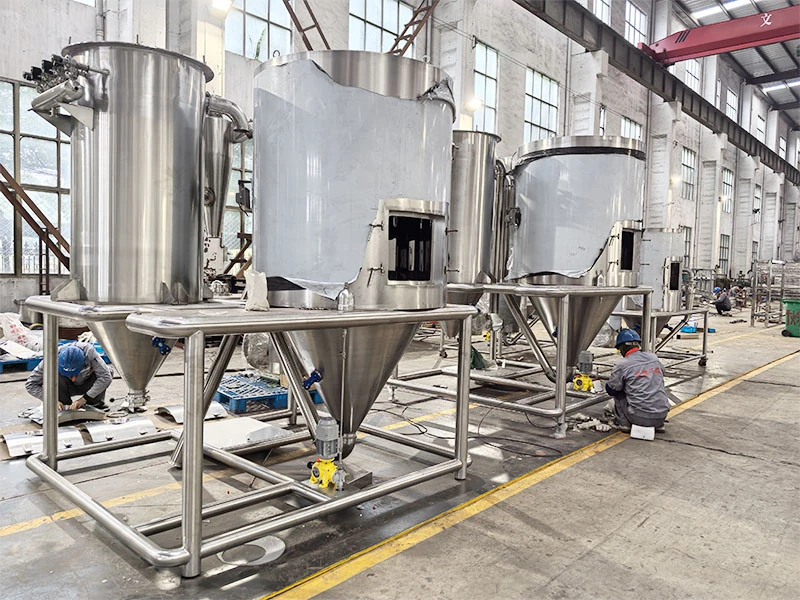
Laboratory Spray Dryer — Configuration 2 — Integrated
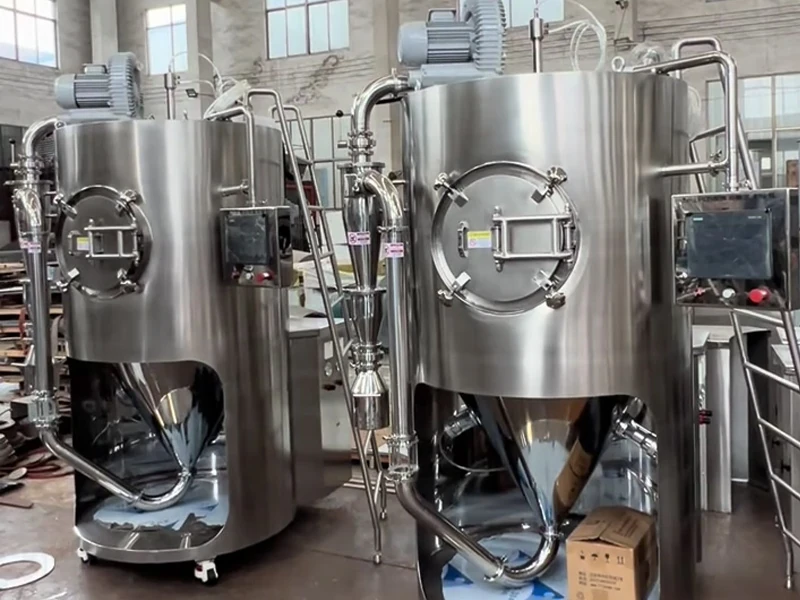
Laboratory Spray Dryer — Configuration 3 — Water-Film Scrubber + Cooled Pneumatic Conveying
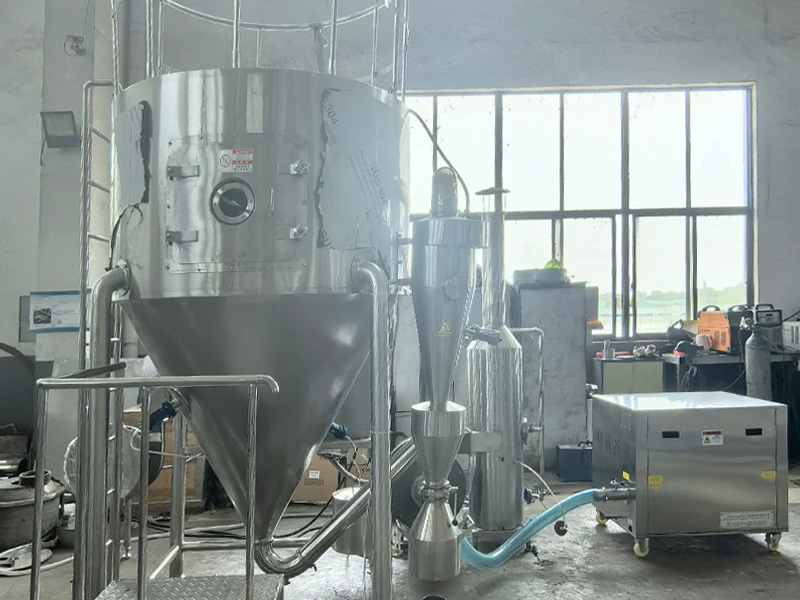
Laboratory Spray Dryer — Configuration 4 — TCM Extract: Cold Wall + Air Sweep + Cooled Pneumatic Conveying + PLC Control
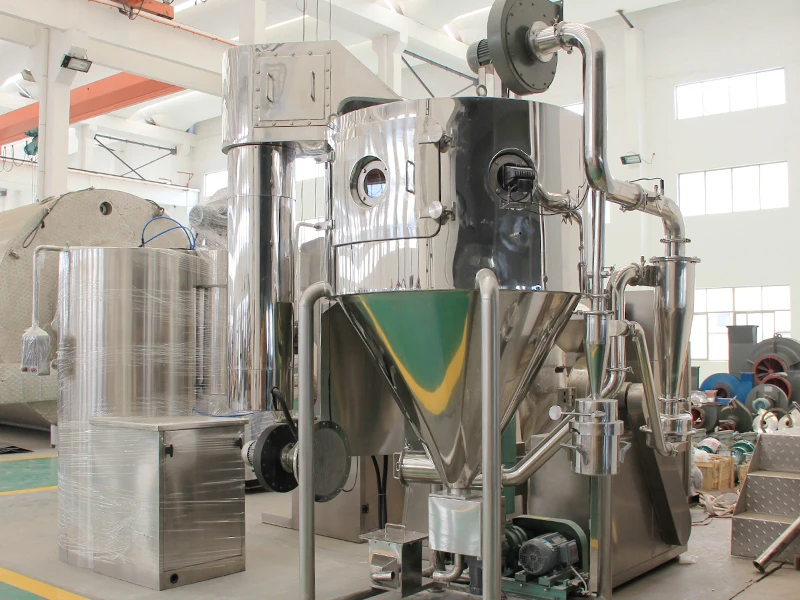
Laboratory Spray Dryer — Configuration 5 — Closed-Loop Spray Drying