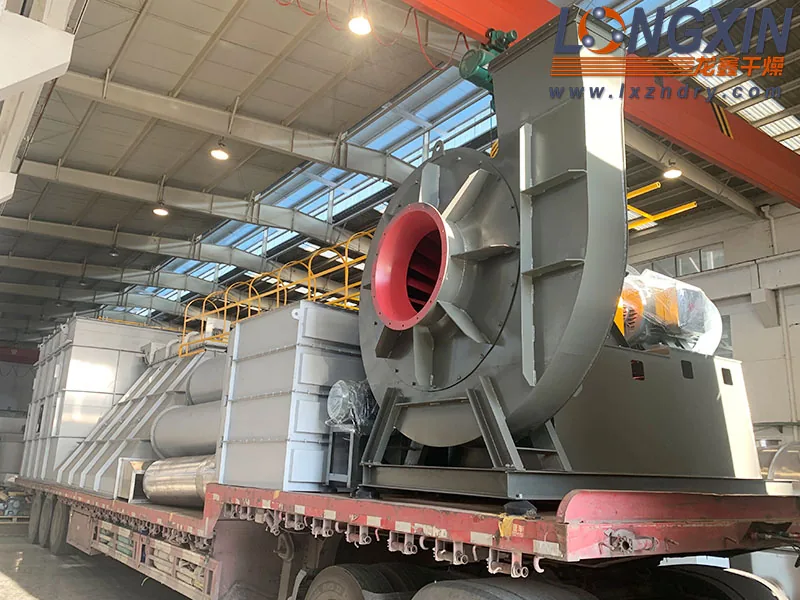
Maltodextrin is produced primarily by hydrolyzing starch from corn, wheat, potatoes, and other sources under acidic or enzymatic conditions. In the food and beverage industry, maltodextrin is widely used as a filler, thickener, and carrier. As consumers demand better taste and quality and the food industry continues to develop, demand for maltodextrin is expected to maintain steady growth. For example, adding maltodextrin to confectionery can improve texture and reduce costs, while its use as a thickener in beverages can enhance mouthfeel and stability. As the beverage market continues to expand, maltodextrin consumption is expected to increase accordingly. In the pharmaceutical industry, maltodextrin is used as a pharmaceutical excipient in the production of tablets, capsules, and other dosage forms. As the global pharmaceutical market expands and requirements for drug quality and stability increase, its pharmaceutical applications are expected to grow further. In cosmetics, maltodextrin can be used as an additive to improve product texture and stability. As consumers become more attentive to cosmetic quality and safety, demand for maltodextrin is also expected to increase.
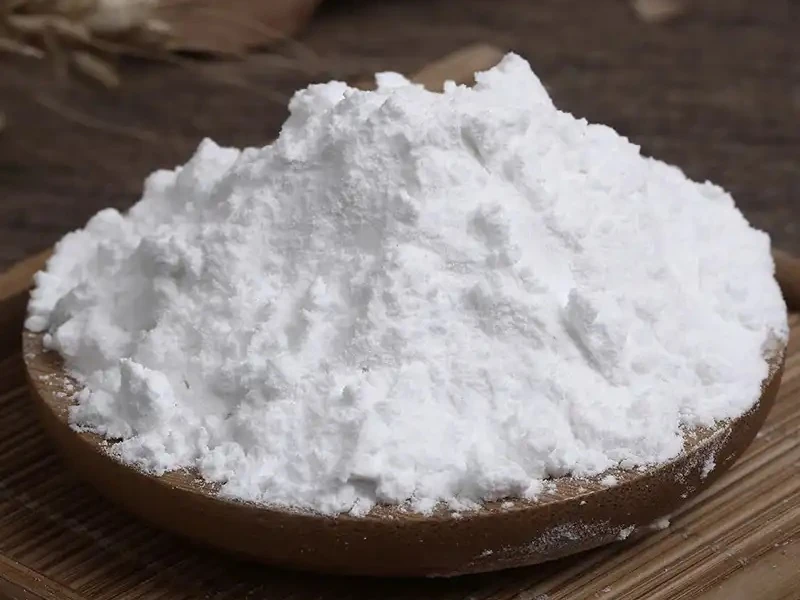
As China’s economy continues to develop, household incomes rise, and consumption patterns upgrade, domestic demand for maltodextrin is expected to increase steadily. At the same time, China’s position as a major global manufacturing base, together with the rapid development of its food and beverage, pharmaceutical, chemical, and other industries, will provide broad opportunities for the maltodextrin market. Market demand will become increasingly diverse and specialized, with maltodextrin products featuring different degrees of polymerization and dextrose equivalent (DE) values finding wider applications. For example, maltodextrin with a low DE value has lower sweetness and stronger film-forming properties, making it suitable for specialized applications such as microencapsulation. Maltodextrin with a high DE value offers better solubility and hygroscopicity, making it suitable for certain food and industrial applications.
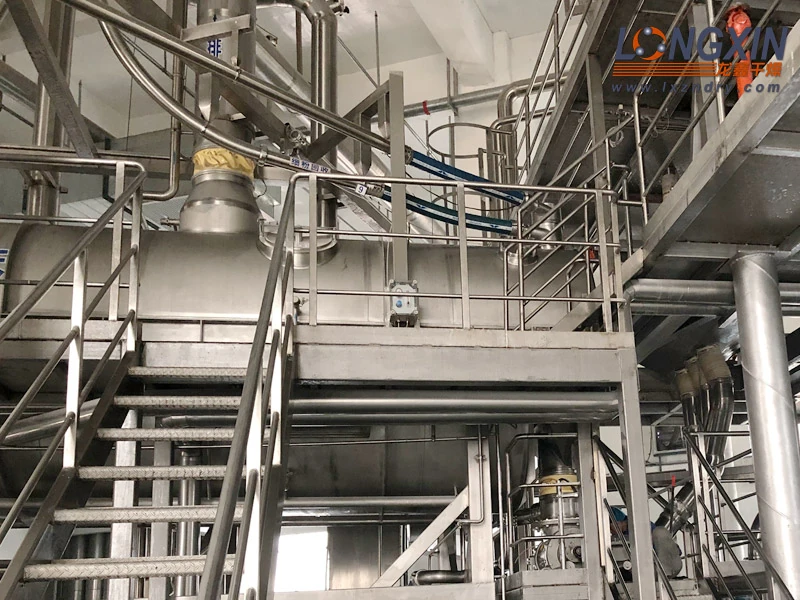
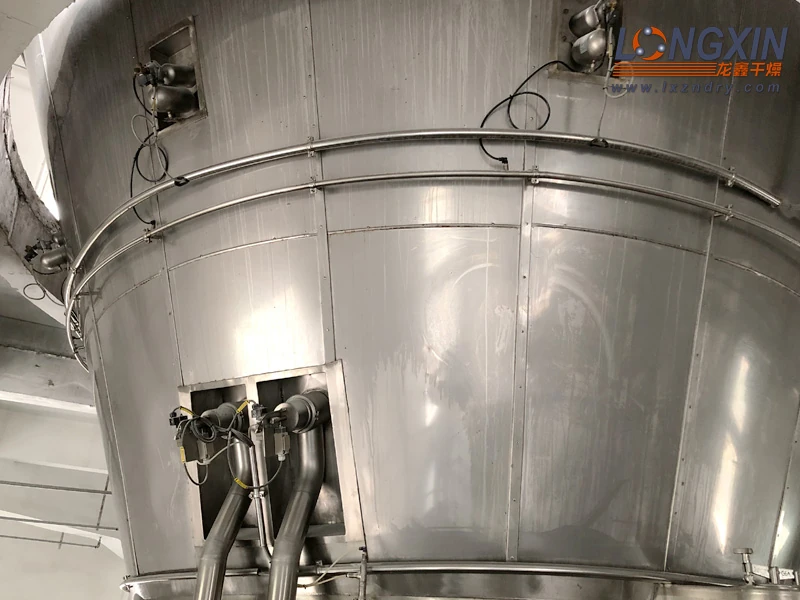
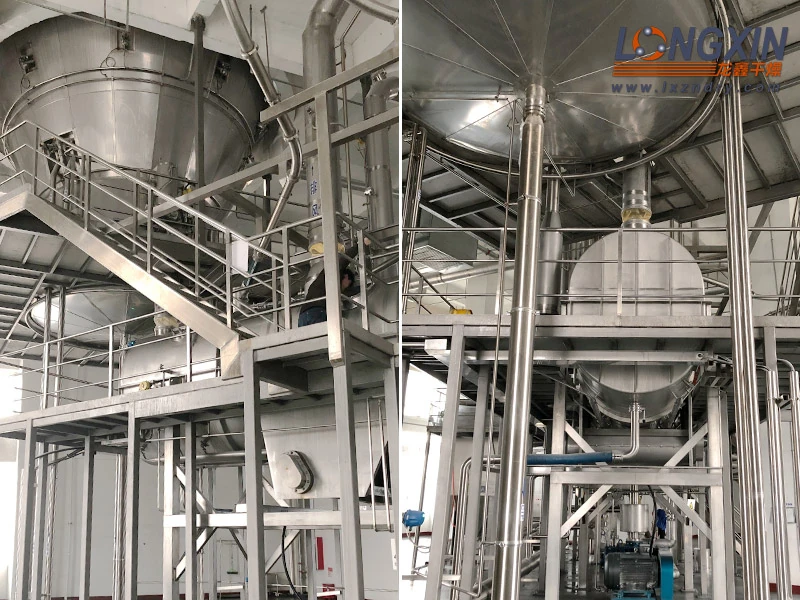
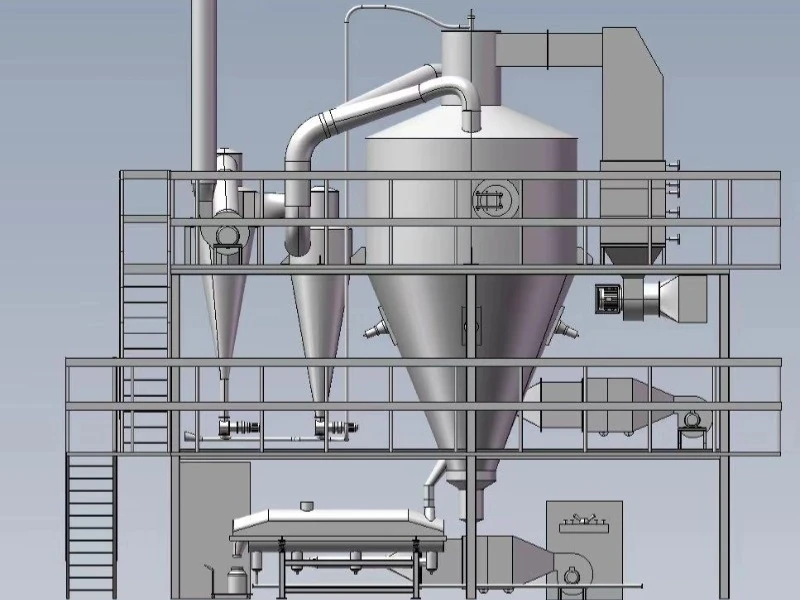
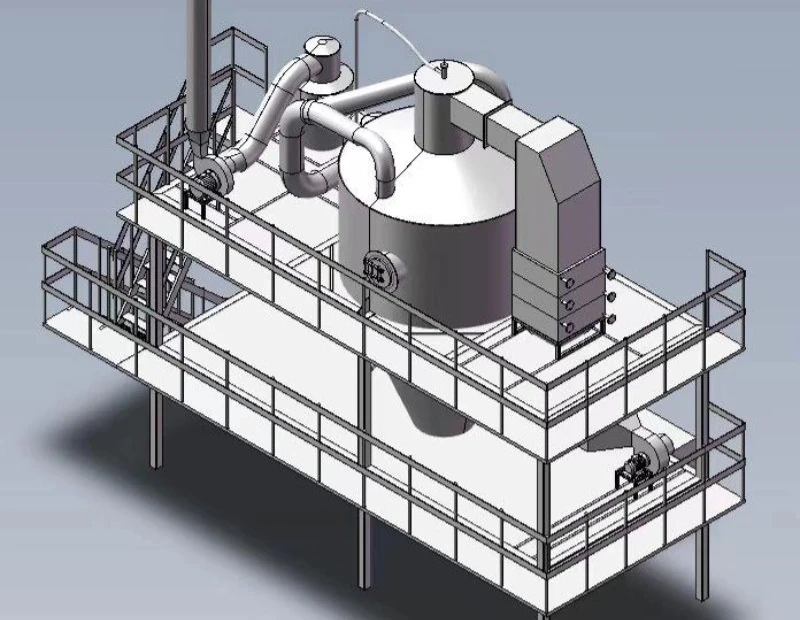
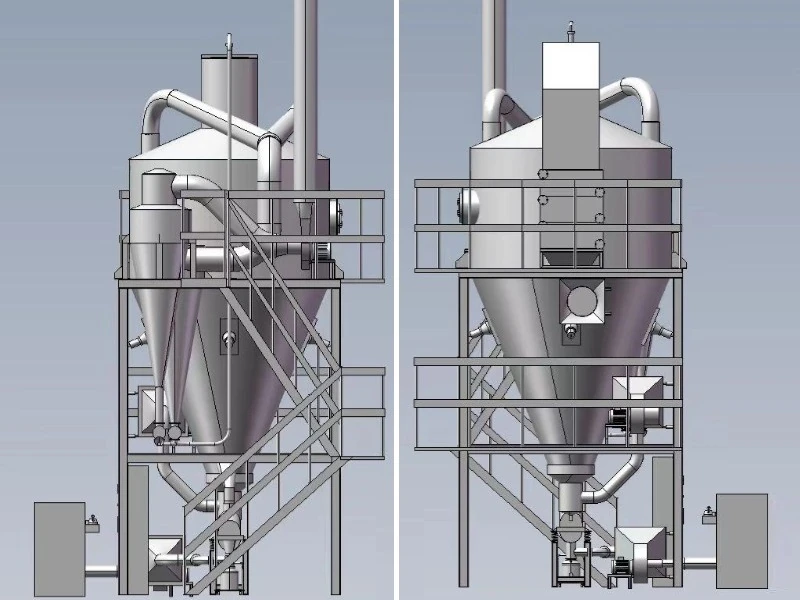
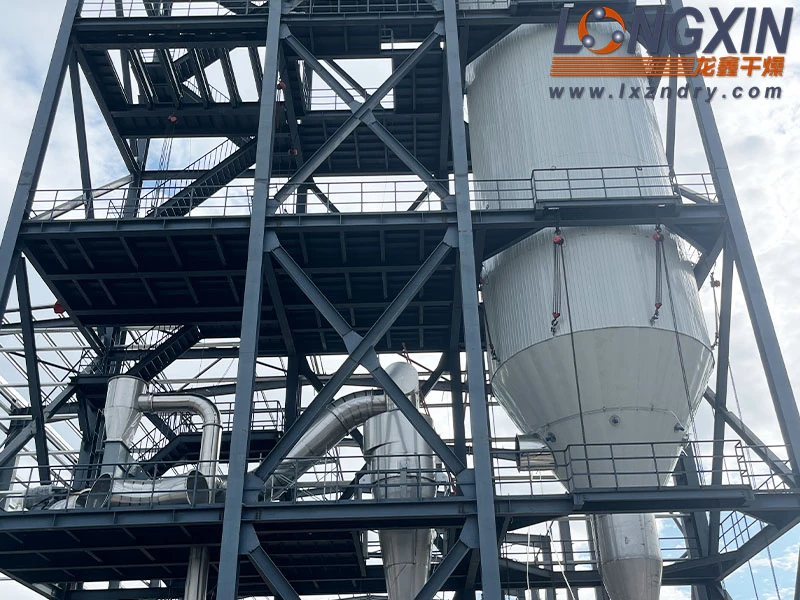
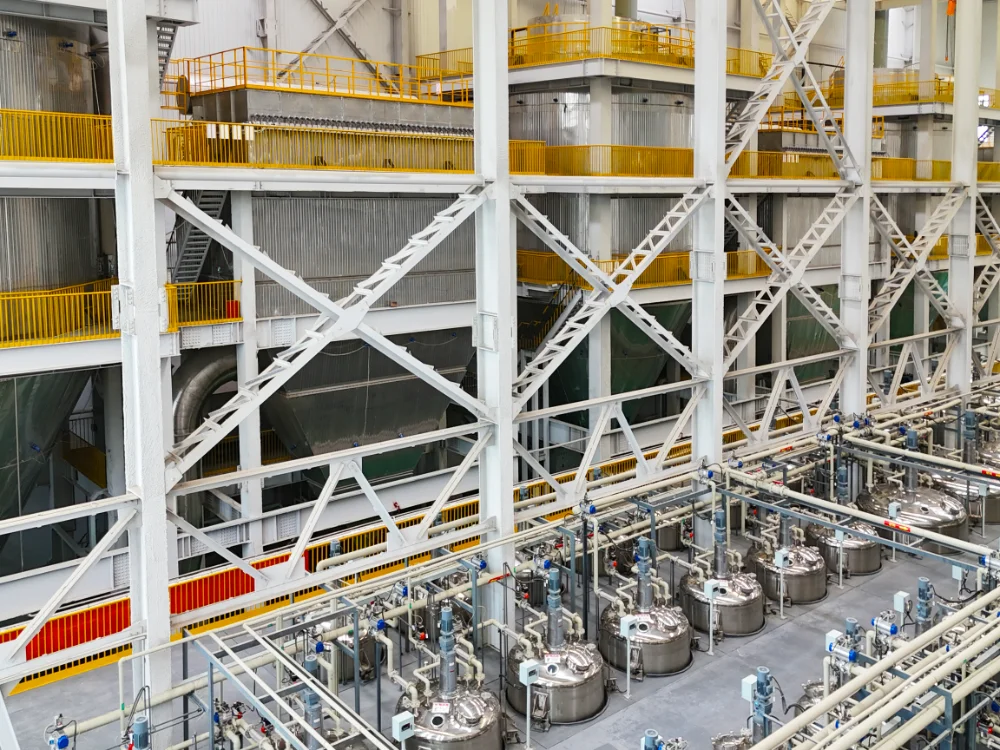
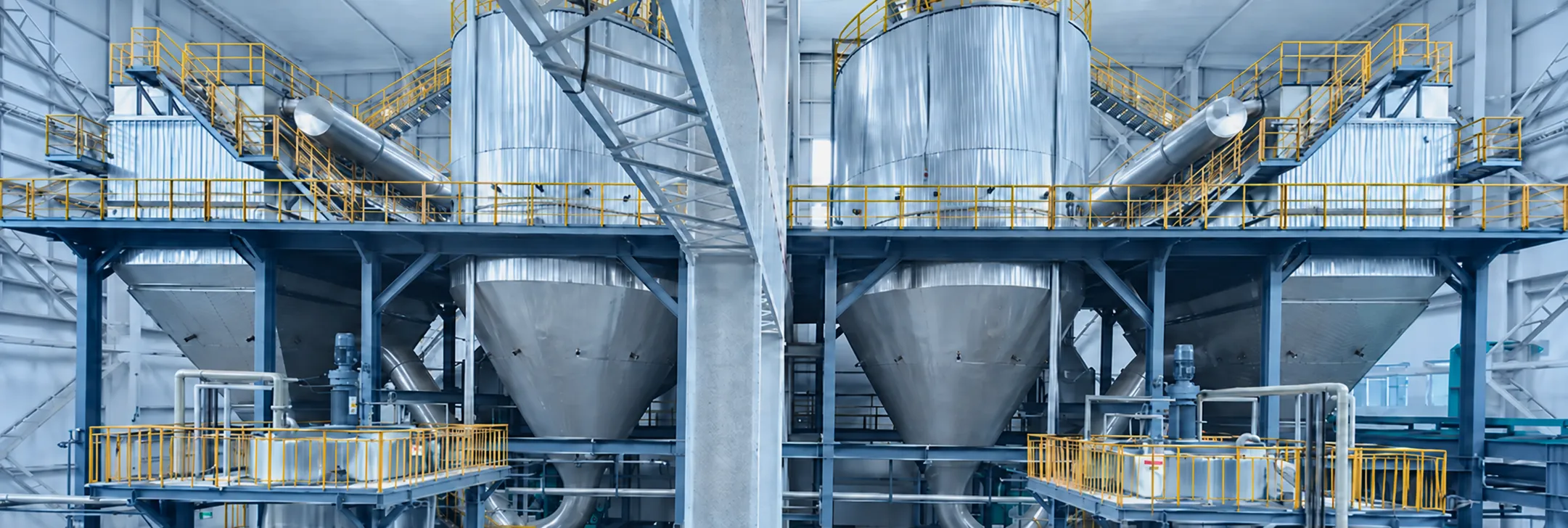
To improve competitiveness and reduce costs, some companies may extend their industrial chains upstream into raw material cultivation or downstream into application sectors, achieving supply-chain integration and coordinated development while strengthening risk resilience and profitability. They may also develop maltodextrin products with specific performance characteristics for different applications to meet market demand for greater diversity and specialization. As technology continues to advance, maltodextrin drying technologies will undergo further innovation and upgrading. Longxin Smart has developed a dedicated multistage fluidized-bed spray granulation dryer for maltodextrin. By optimizing spray-drying parameters—including inlet-air temperature, outlet-air temperature, atomizer type, and process configuration—the system can improve drying efficiency, reduce energy consumption, and enhance particle-size distribution and solubility. The new system integrates multiple maltodextrin production stages to enable continuous, integrated operation. This reduces material losses and energy consumption between processing steps and provides a more stable and efficient continuous production process with fewer intermediate handling stages and more consistent product quality.
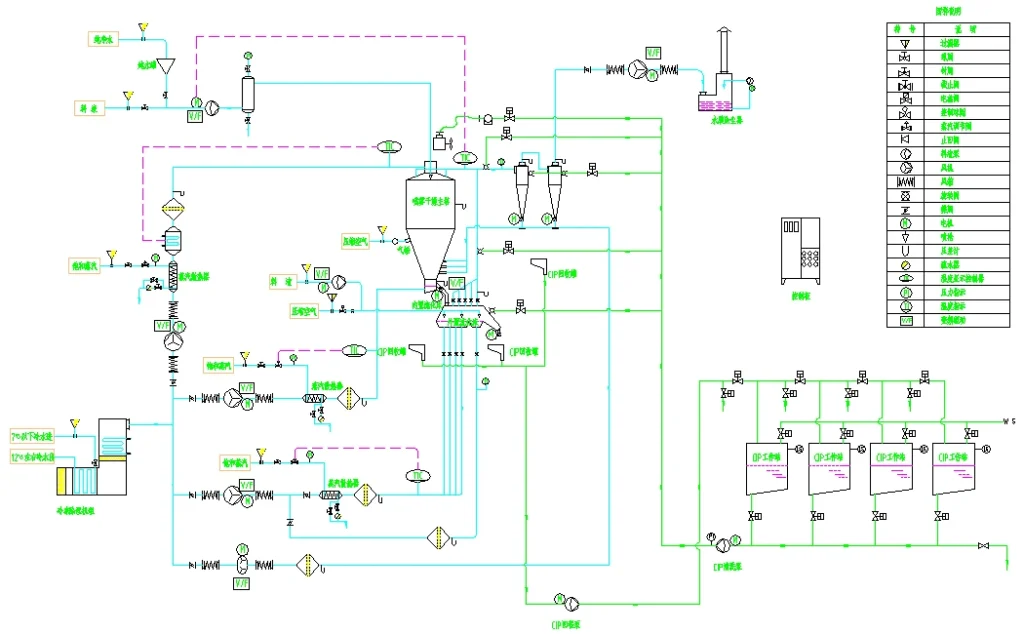
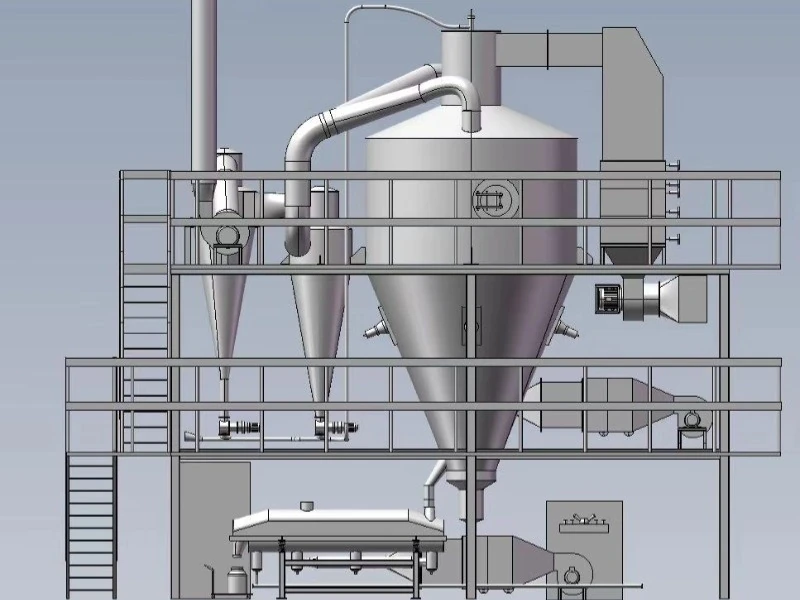
Process Flow of the Maltodextrin Spray Granulation Dryer
Feed Preparation
Pretreated maltodextrin solution is stored in a feed tank. The solution must be filtered and otherwise treated to remove impurities, prevent clogging of the atomizer and other equipment, and ensure stable, clean feeding.
Atomization
The maltodextrin solution is discharged from a nozzle at a controlled pressure and velocity using a high-pressure pump or atomizer, forming fine droplets. Droplet size is inversely related to atomization pressure, while nozzle throughput generally increases as atomization pressure rises for a given nozzle and feed. A high-pressure pump pressurizes the solution to several megapascals or several tens of megapascals, forcing it through small nozzle orifices to form a high-speed rotating liquid film that quickly breaks into fine droplets.
Drying and Granulation
The atomized maltodextrin droplets immediately come into full contact with filtered, heated air. The hot-air temperature is typically between 180°C and 220°C. Moisture evaporates rapidly, causing the maltodextrin to solidify into particles. Surface tension causes most particles to form spherical shapes. Particle size can be controlled by adjusting parameters such as feed rate, atomization pressure, hot-air temperature, and air velocity. The spherical particles gradually settle inside the drying tower and separate from the hot air.
Fluidized-Bed Granulation
Fine particles carried upward by the airflow in the fluidized bed meet falling wet solid fines in the spray-granulation zone. The particles gradually grow through coating, agglomeration, and binding. Mother liquor or binder can also be delivered separately by pressure pumps to atomizing nozzles and sprayed onto the surfaces of fluidized particles or used to bind particles together. Through continuous fluidization, agglomeration, and drying, the particles continue to grow until they reach the required size.
Particle Discharge and Collection
Particles that reach the required size are discharged from the fluidized-bed outlet into the product collection system. Finer particles are carried with the drying air by an induced-draft fan connected to the conical upper section and enter the dust-collection system. After separation in the cyclone, the exhaust gas is discharged, while collected powder can be recovered and reprocessed to improve raw-material utilization.
Screening and Packaging
Particles discharged from the bottom of the drying tower may have a somewhat uneven particle-size distribution and must be screened. Particles within the required size range are collected for packaging and storage, while out-of-specification particles can be returned for reprocessing.
Performance Features of the Maltodextrin Spray Granulation Dryer
High Drying Efficiency
Rapid Drying:
The system can rapidly evaporate moisture from the maltodextrin solution and complete drying in only seconds to tens of seconds, significantly improving production efficiency and supporting large-scale industrial production.
Efficient Heat Exchange:
Special design features, such as the hot-air distributor, enable heated air to come into uniform, full contact with atomized maltodextrin droplets. This improves heat-exchange efficiency, accelerates drying, and helps reduce energy consumption.
Excellent Product Quality
Uniform Particles:
The resulting maltodextrin particles are spherical, with a uniform particle-size distribution, good flowability, and excellent solubility. They can meet the strict quality requirements of different industries and support downstream processing and applications.
High Purity:
Because moisture evaporates rapidly during drying, impurities and odor-causing substances in the maltodextrin can be more effectively removed, helping improve product purity and quality and making the product suitable for food, pharmaceutical, and other applications with high purity requirements.
Preservation of Nutritional Components and Functional Properties:
For heat-sensitive maltodextrin solutions, the spray dryer can complete drying rapidly at controlled material temperatures, helping preserve nutritional components and functional properties while reducing quality loss associated with prolonged exposure to high temperatures.
Convenient Operation and Control
Precise Parameter Adjustment:
By adjusting feed rate, atomization pressure, hot-air temperature, air velocity, and other parameters, operators can precisely control particle size, bulk density, moisture content, and other product characteristics. This enables the production of maltodextrin particles in different specifications and performance grades to meet diverse market requirements.
High Level of Automation:
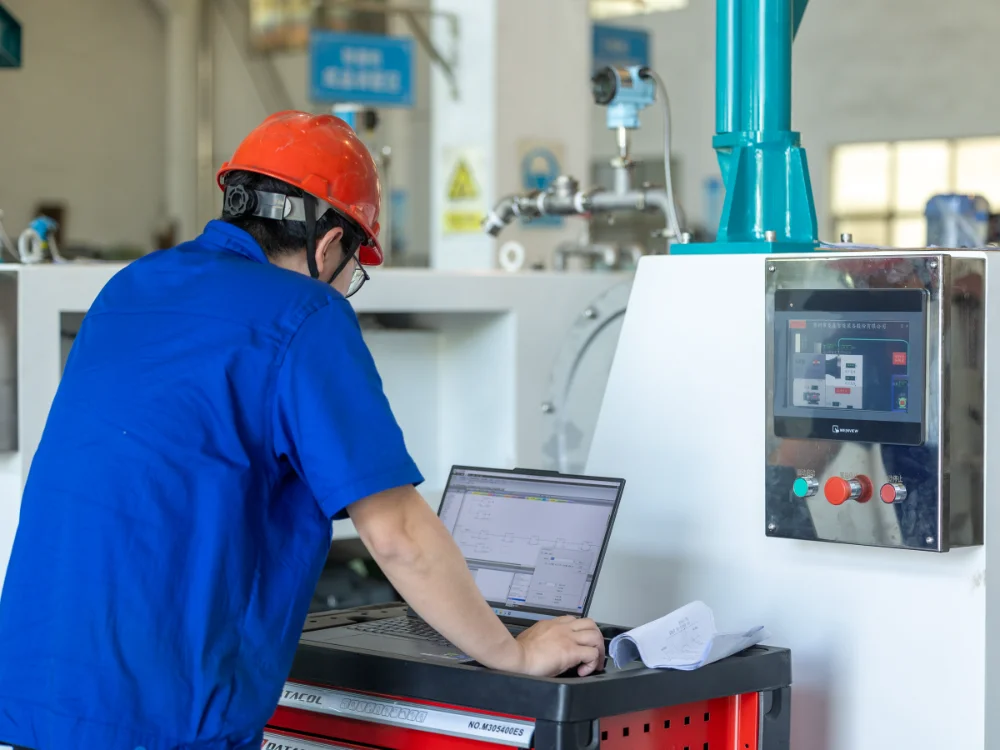
The system supports continuous, automated production, reducing manual intervention and labor costs while improving process stability and product consistency. An advanced control system provides real-time monitoring and control of equipment operation, as well as remote operation and fault diagnosis, facilitating production management and maintenance.
Strong Equipment Stability
Well-Designed Structure:
The equipment consists of feed, atomization, drying, discharge, and dust-collection systems that work together to ensure stable operation. The drying-tower cone is designed with an appropriate angle to prevent powder from remaining on the tower wall for too long and becoming charred or melted. Equipment and piping have smooth interior surfaces with no dead zones or blind holes, and rounded, polished transitions reduce the risk of material accumulation and blockage.
High-Quality Materials:
Product-contact components are typically made from high-quality stainless steel such as 304 or 316L, offering good corrosion resistance and sanitary performance. This helps protect products from contamination and extends equipment service life.
Excellent Environmental Performance
Effective Dust Treatment:
A high-efficiency cyclone separator fully separates and collects fine powder from the exhaust gas, reducing dust content to within applicable environmental standards. This reduces environmental pollution while improving raw-material utilization.
Low-Noise Operation:
Advanced noise-reduction measures, such as silencers and optimized equipment structures, keep operating noise low and in compliance with relevant national standards, improving the working environment.
Optimized Design of the Maltodextrin Spray Granulation Dryer
Feed System Optimization
Filtration and Impurity Removal:
Finer filtration devices are installed in the feed line to further remove impurities and particles from the maltodextrin solution, preventing atomizer clogging and protecting product quality.
Flow Control:
High-precision flow sensors and controllers precisely control the feed rate, ensuring stable and continuous feeding that matches the operating conditions of the atomizer and drying system for consistent product quality and production efficiency.
Atomization System Optimization
Atomizer Selection and Design:
The atomizer type is selected according to the properties of the maltodextrin solution and production requirements. Its structure is optimized to produce more uniform droplets, improve drying performance, and enhance particle-size uniformity.
Atomization Pressure Adjustment:
The atomization-pressure adjustment range and precision are expanded to enable flexible adjustment according to different production stages and product requirements. This allows control of droplet size and distribution, which in turn affects particle size, bulk density, and other product characteristics.
Drying System Optimization
Improved Hot-Air Distribution:
A more effective hot-air distributor provides a more uniform distribution of heated air inside the drying tower, ensuring full contact between atomized maltodextrin droplets and hot air. This improves heat-exchange efficiency, accelerates drying, and reduces quality issues caused by localized overheating.
Optimized Cone Angle:
The drying-tower cone is designed with an angle of 40° or less, and air knockers are installed on the cone to prevent powder from remaining on the wall for too long and becoming charred or melted.
Improved Interior Surface Finish:
The interior surfaces of the equipment and piping are finished to a roughness of 0.2 to 0.3 μm or finer. Connections are designed without dead zones or blind holes, and transitions are rounded and polished to reduce material accumulation and blockage.
Discharge and Dust-Collection System Optimization
Improved Discharge Method:
The discharge outlet is optimized to provide continuous, stable discharge, preventing blockage and material accumulation while reducing dust dispersion during discharge.
Upgraded Dust Collection:
Higher-efficiency cyclone separators and optimized system configurations and parameters improve dust-collection efficiency, further reducing dust in the exhaust gas and minimizing environmental pollution. Collected fine powder is recovered and reused to improve raw-material utilization.
Control System Optimization
Automated Control:
The system supports full automation through a programmable logic controller (PLC) or distributed control system (DCS), providing precise control and coordination of feeding, atomization, drying, discharge, and dust collection. This reduces manual intervention and improves process stability and product consistency.
Remote Monitoring and Diagnosis:
A remote monitoring system enables real-time remote monitoring and data analysis through network technology. Operators can monitor equipment conditions, perform remote operations, and conduct fault diagnosis, improving maintenance efficiency and operational reliability.
Energy-Saving Design Optimization
Heat Recovery:
A heat-recovery system can recover heat from the exhaust gas and reuse it to preheat incoming cold air or other media that require heating, reducing energy consumption and improving overall energy utilization.
Variable-Frequency Drives:
Variable-frequency drive technology can be applied to fans, pumps, and other powered equipment to automatically adjust speed according to production load, reducing energy consumption and enabling energy-efficient operation.
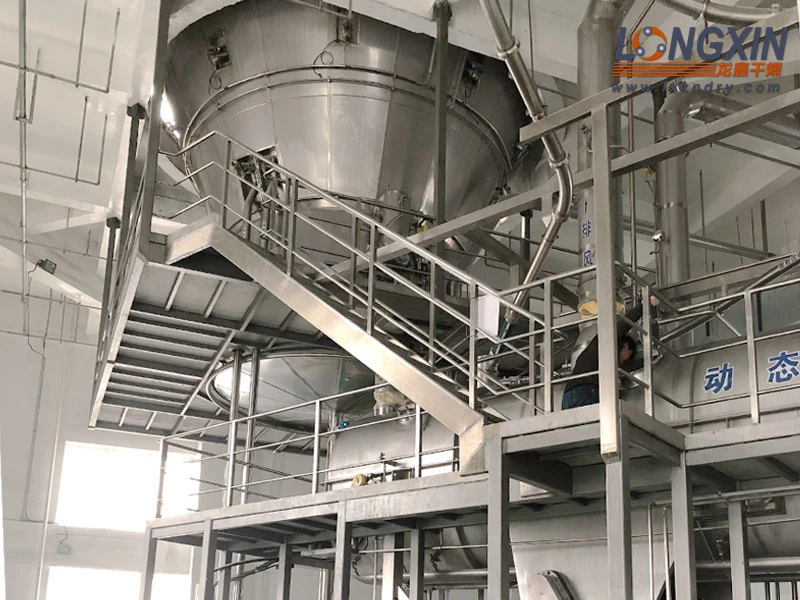
Technical Advantages of the Maltodextrin Spray Granulation Dryer
The multistage fluidized-bed spray granulation dryer combines rapid drying, controlled particle formation, and continuous processing to support efficient, large-scale maltodextrin production. Optimized atomization and hot-air distribution promote fast heat and mass transfer, helping preserve the properties of heat-sensitive materials while producing spherical particles with uniform size, good flowability, and high solubility. Feed rate, atomization pressure, air temperature, and air velocity can be precisely adjusted to control particle size, bulk density, and moisture content. Integrated process design, efficient dust collection, and automated PLC or DCS control improve material utilization, process stability, and batch consistency. Heat recovery, variable-frequency drives, and optimized airflow further reduce energy consumption and environmental impact. The system can also be configured for different maltodextrin grades and DE values, providing a flexible platform for diversified and precision manufacturing.