From R&D Sampling to Pilot-Scale Validation: Supporting Process Exploration for Cake-Type Materials
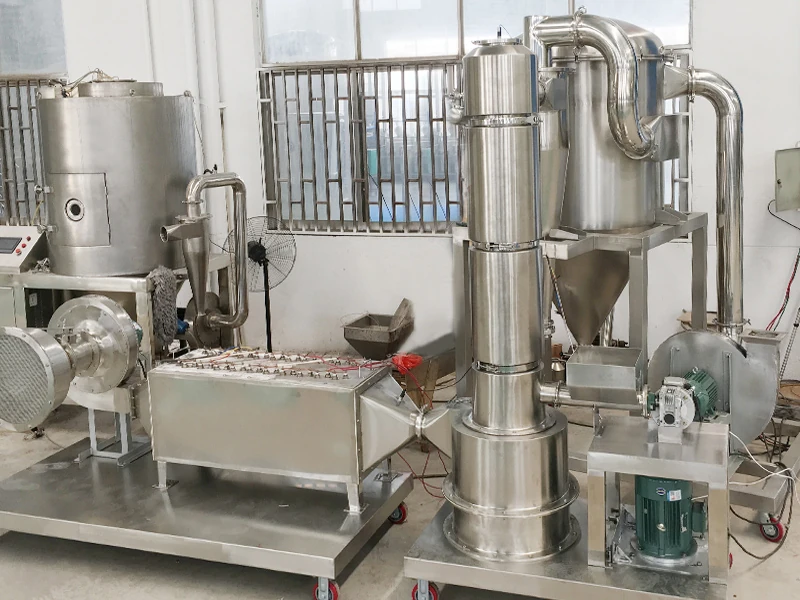
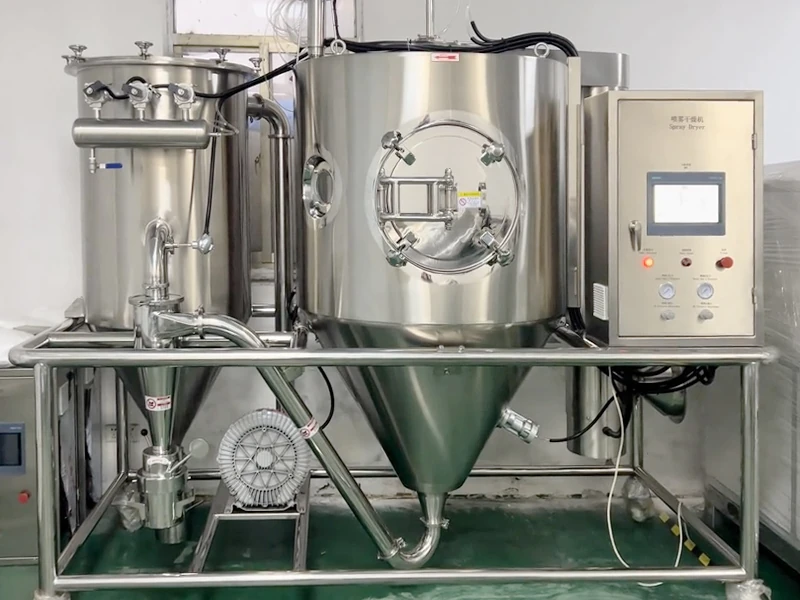
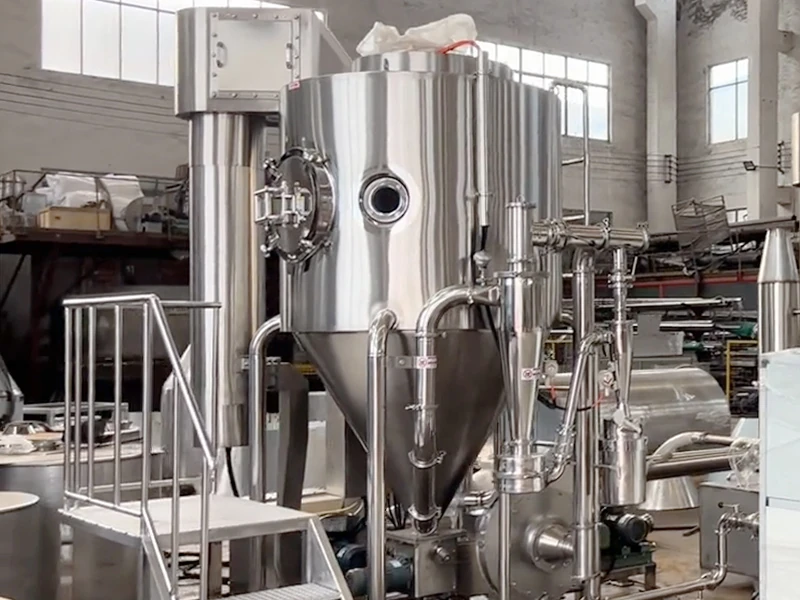
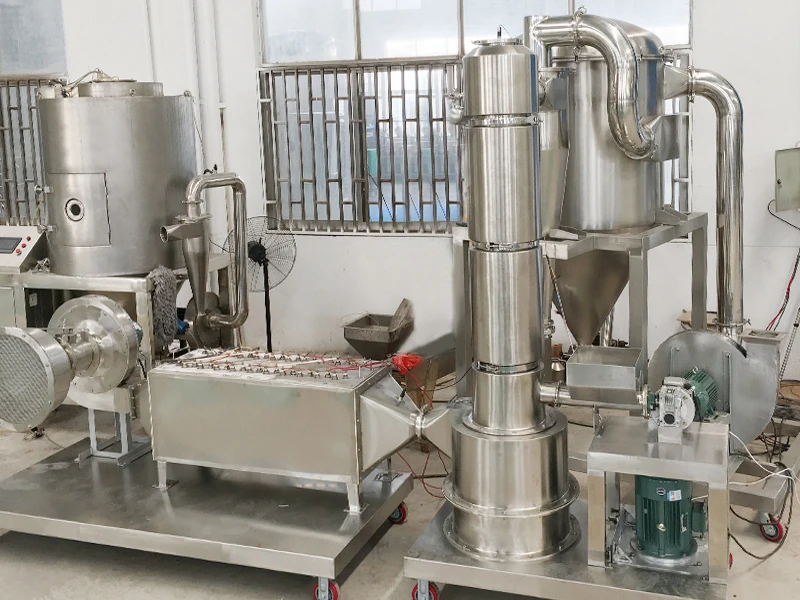
Reliable drying performance directly affects both product quality and cost control when cake-like and paste-like materials move from the laboratory to commercial production. To address this need, Jiangsu Longxin has continued to advance its continuous rotary flash drying technology and introduced the XSG-4 laboratory rotary flash dryer. The system provides engineered equipment for drying process validation and parameter accumulation to customers in pigments, dyes, petroleum, building materials, food, feed, agrochemicals, and related intermediate industries.
Core Challenges and Technology Evolution in Flash Drying
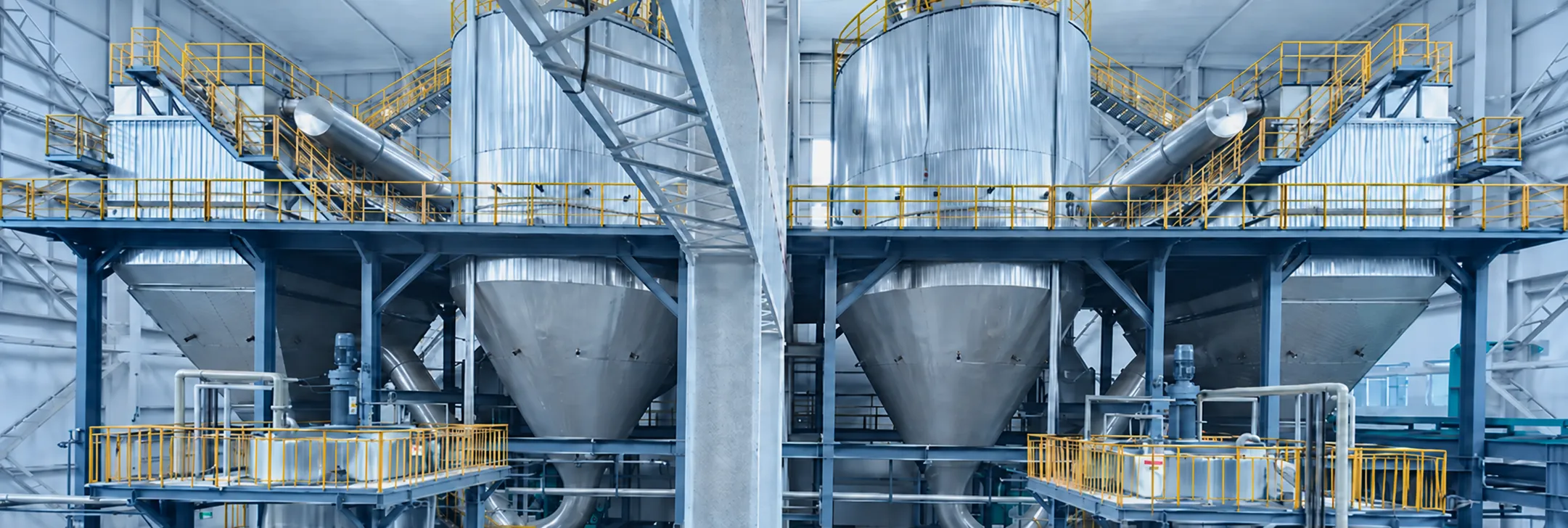
Rotary flash drying is primarily used for materials in filter-cake, paste, and dilute slurry forms. These materials typically have high moisture content and poor flowability, and must be dried within a very short period. After wet material enters the drying tower, the drying process usually takes only several tens of seconds, during which moisture evaporates rapidly. Drying quality is closely related to the hot-air temperature, air velocity, air volume, and disintegration speed.
To meet these process requirements, the industry generally faces several common challenges:
(1) Under high-temperature conditions, materials tend to adhere to the equipment walls, cake or agglomerate, and bridge in the feeding section.
(2) Some heat-sensitive materials degrade when their residence time in the high-temperature zone is slightly too long.
(3) Collecting fine dried powder and treating exhaust gas can be technically demanding.
(4) Agitator bearings operate under high-temperature conditions for extended periods and may fail when lubrication or cooling is insufficient, affecting the stability of the entire machine.
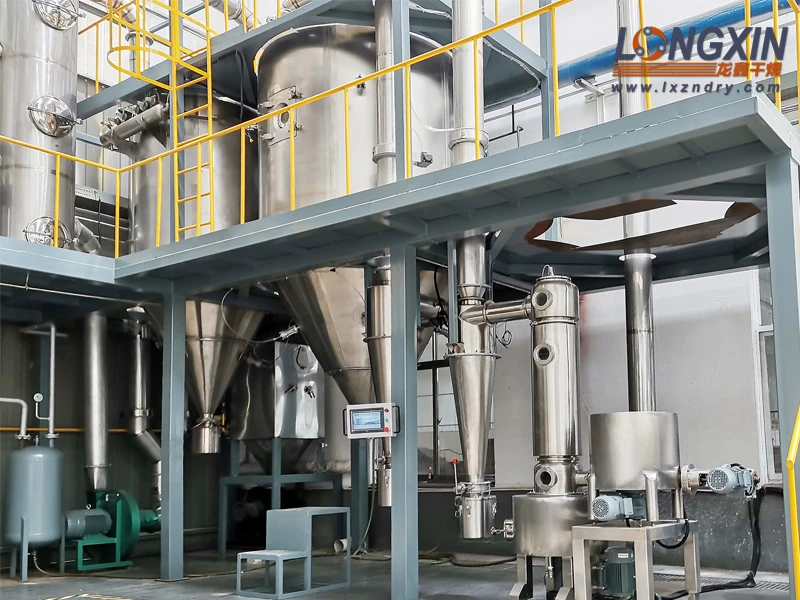
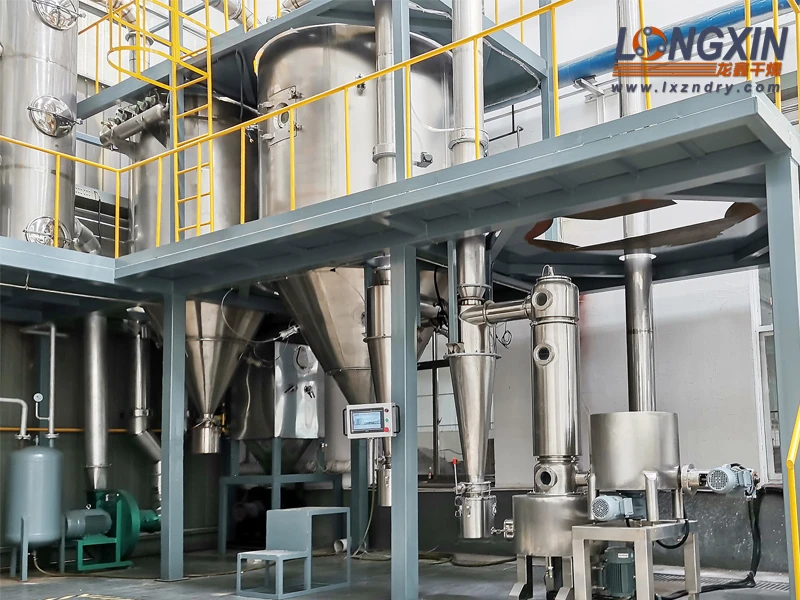
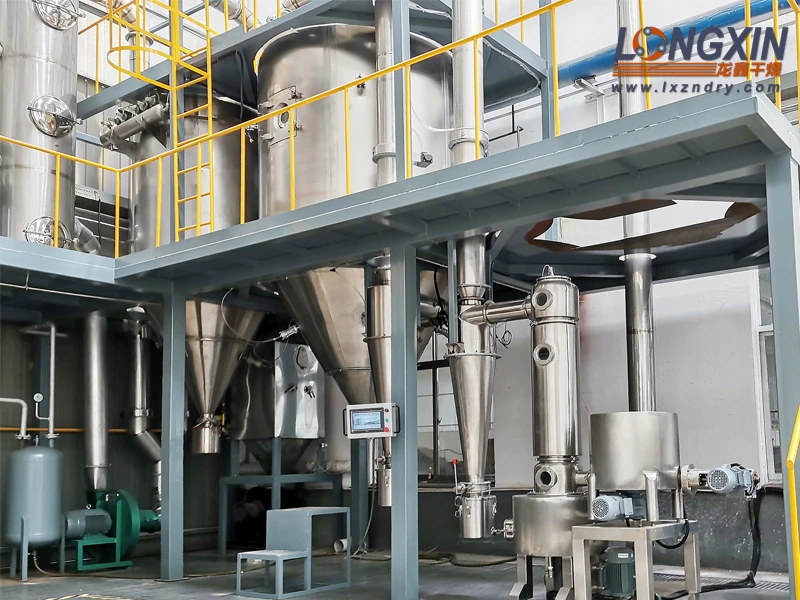
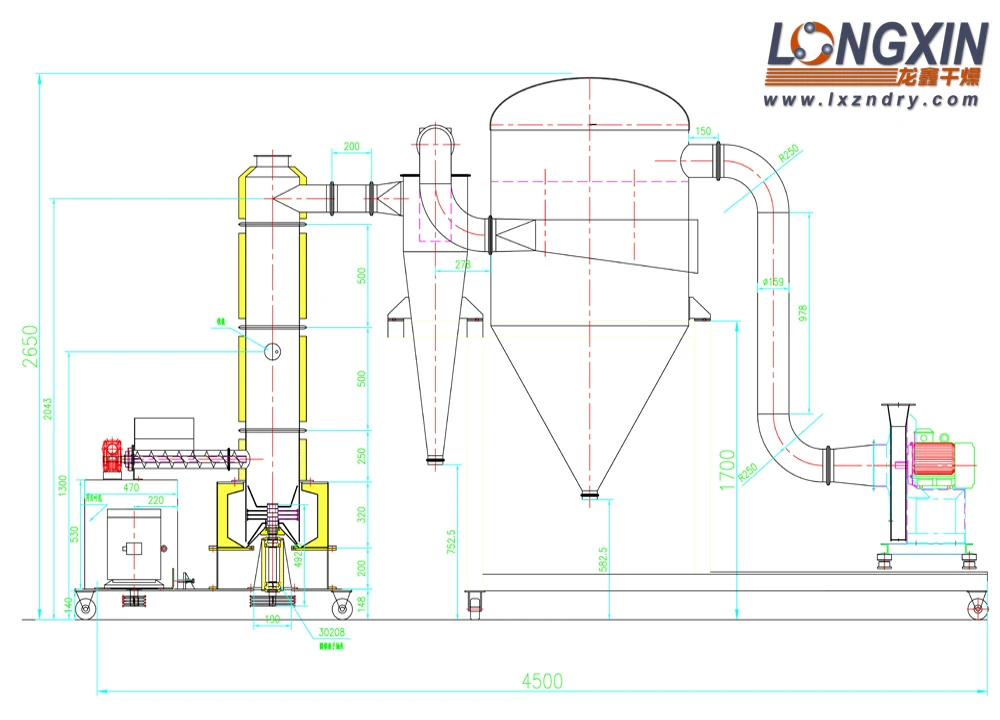
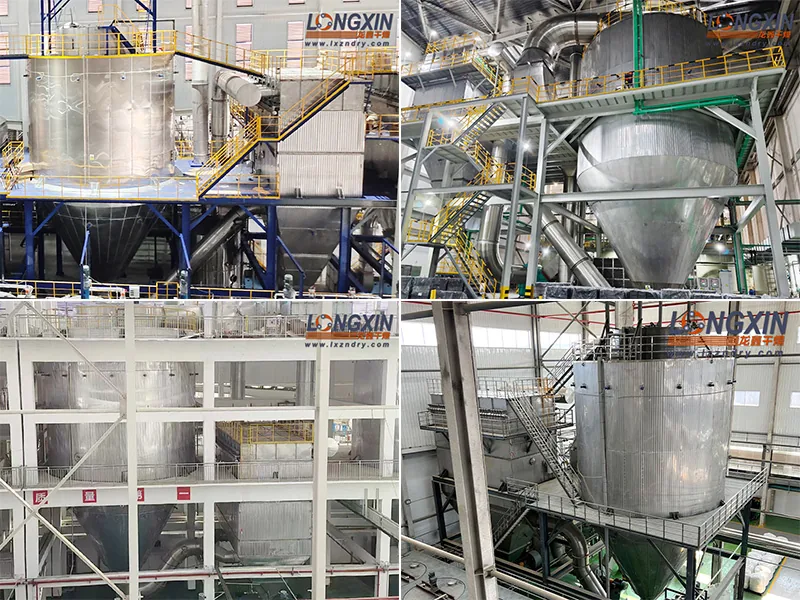
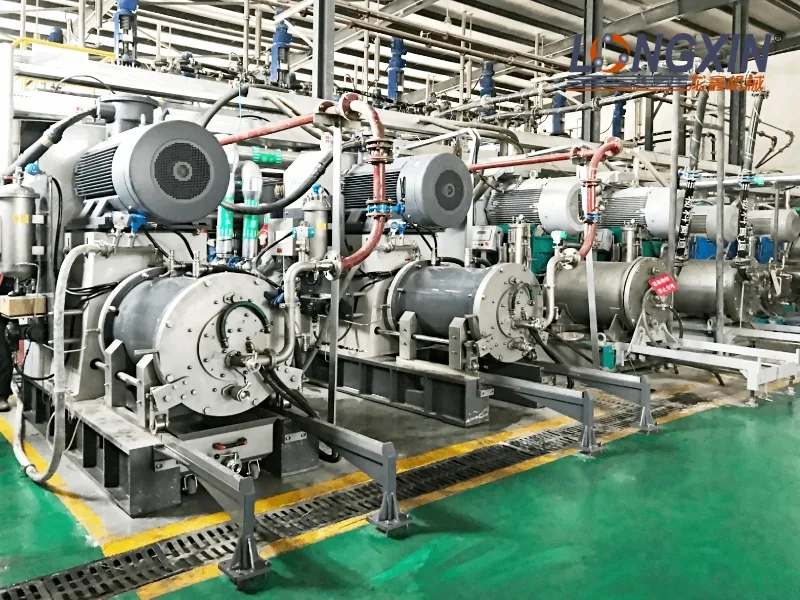
To address these challenges, flash drying technology has evolved from standalone hot-air drying to continuous rotary flash drying equipment that integrates drying, disintegration, and classification. Its core principle can be summarized as “rapid drying and simultaneous dispersion in a rotating hot-air field.” Hot air enters the bottom of the dryer tangentially to form a rotating airflow field. Under the impact, friction, and shear forces generated by a high-speed rotating agitator, the material is rapidly dispersed and disintegrated.
Building on this principle, Longxin Drying developed its own design approach. By adjusting the tangential air velocity, air volume, and disintegration speed, the system can control the particle size and final moisture content of the discharged product, providing the flexibility needed for adjustable and controllable process parameters.
Market Demand for the XSG-4 Laboratory Rotary Flash Dryer
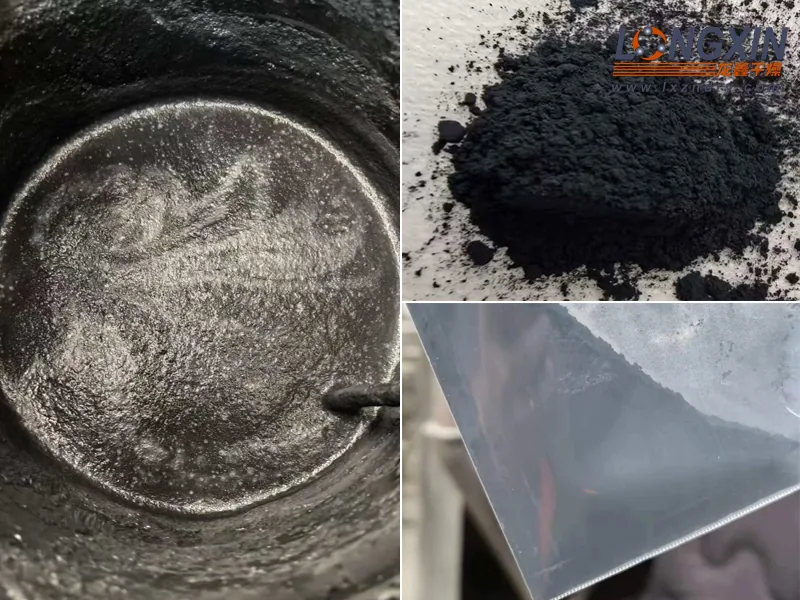
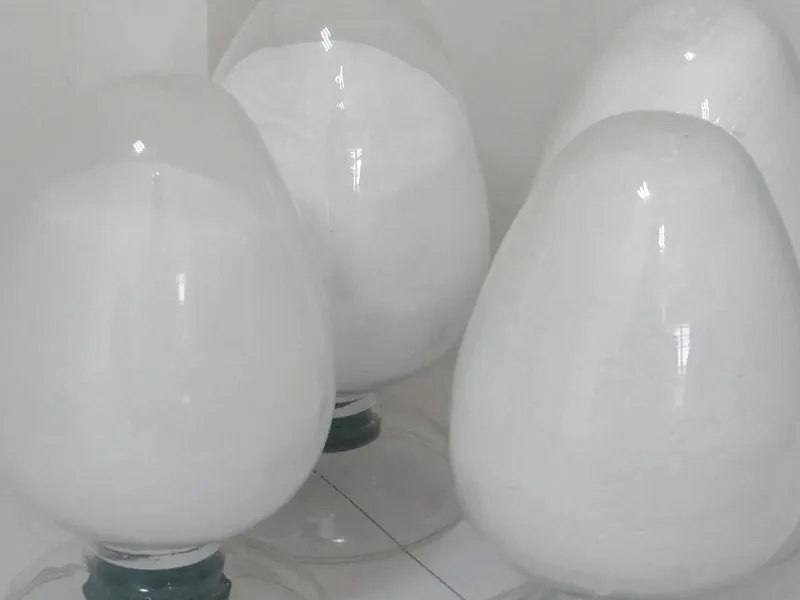
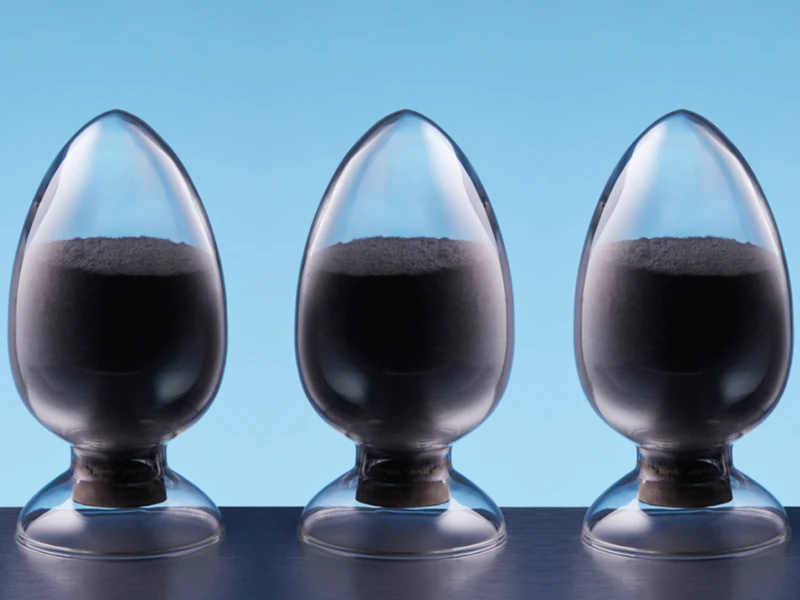
Rotary flash dryers are used across a broad range of industries, including pigments, dyes, petroleum, building materials, food, feed, agrochemicals, and related intermediates. The technology has been applied to numerous representative materials. In agrochemicals, examples include atrazine and other pesticide materials. In dyes, applications include anthraquinone and various azo dye intermediates. In inorganic materials, applications include borax, calcium carbonate, and various metal hydroxides. In food, examples include soy protein, gelling starch, and wheat starch.
Within the industrialization chain, laboratory-scale equipment plays an essential bridging role. The XSG-4 supports customers’ R&D testing, drying process validation, and data accumulation before pilot-scale scale-up. It helps customers across different industries establish a feasible drying solution and process parameters before commercialization, and then use this information to evaluate equipment selection, energy consumption, and final-product specifications.
By completing thorough process validation at the laboratory stage, companies can effectively reduce scale-up risks, shorten development cycles, and avoid material waste and repeated equipment adjustments caused by inaccurate process parameters during commercial production.
Working Principle of the XSG-4 Laboratory Rotary Flash Dryer
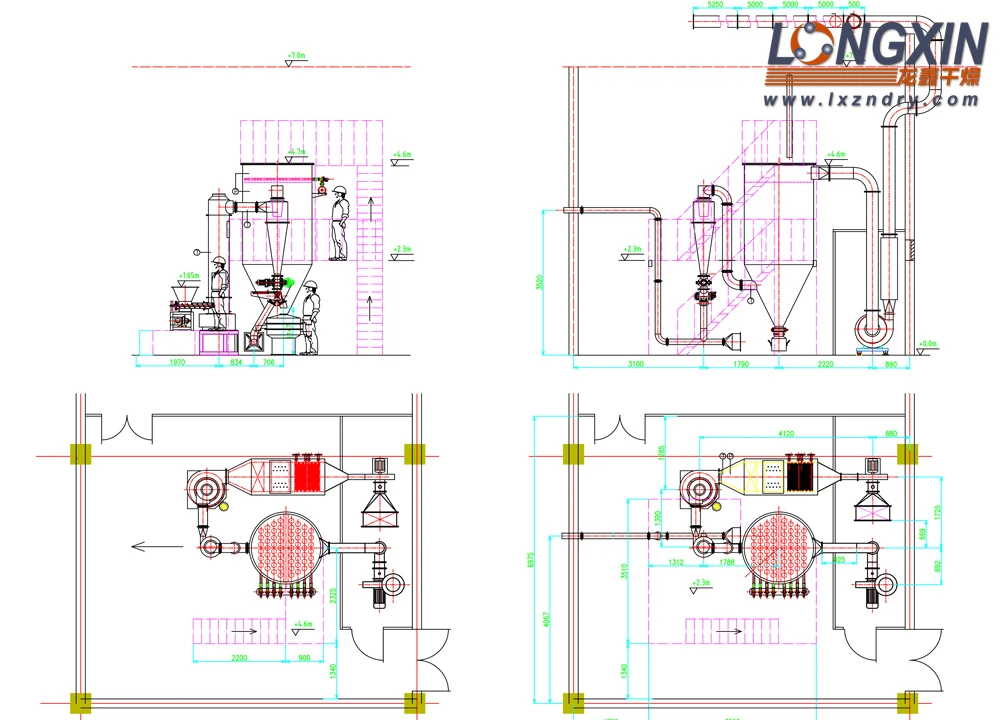
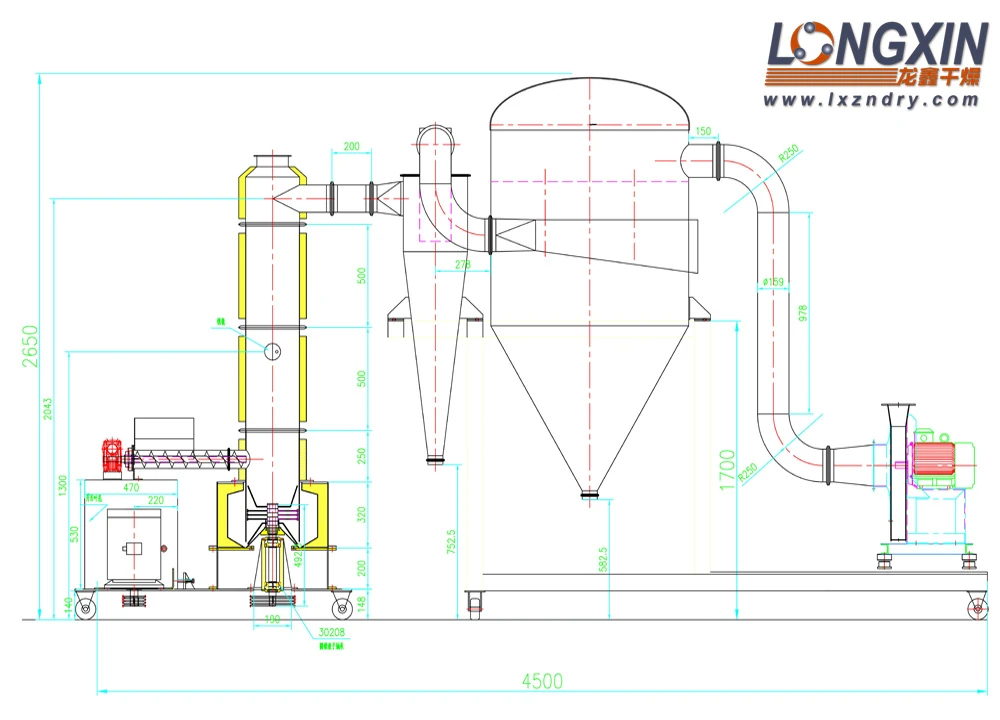
The working principle of the XSG-4 can be divided into six stages:
(1) Material feeding
The material to be dried is continuously fed into the dryer by a screw feeder. The feed may consist of wet granules, powder, or paste, and the feeding process is continuous and stable.
(2) Disintegration and dispersion
After entering the dryer, the material is subjected to impact, friction, and shear forces from the high-speed rotating agitator. Lumps are rapidly broken into fine particles, increasing the material’s surface area and accelerating the drying process.
(3) Hot-air drying
Hot air enters the bottom of the dryer tangentially and forms a powerful rotating airflow field under the action of the agitator. The hot-air temperature is adjusted according to material characteristics and final product quality requirements. The heated air comes into full contact with the disintegrated material and rapidly removes moisture or solvent.
(4) Classification and collection
The dried material rises with the rotating airflow and enters a cyclone separator for gas–solid separation. Fine particles that meet the drying specification are separated, collected, and discharged through piping. Larger particles that do not meet the drying requirements are returned to the drying zone for further processing until the required standard is reached.
(5) Exhaust gas treatment
Moist exhaust gas generated during drying is discharged through an exhaust system. It usually passes through dust-removal equipment such as a bag filter to remove solid particulate matter and is released only after meeting applicable emission standards.
(6) Control system
The control system regulates parameters such as drying temperature and air volume, helping ensure stable drying and consistent product quality.
Performance Features of the XSG-4 Laboratory Rotary Flash Dryer
(1) High efficiency and rapid drying
The system can complete drying within a very short period, meeting the requirements of continuous and large-scale production schedules. It offers clear advantages in applications where drying must be completed quickly.
(2) Broad material applicability
The dryer is suitable for a wide range of materials, particularly those requiring rapid drying or those that are heat-sensitive or prone to agglomeration. It can handle filter cakes, pastes, and dilute slurries from various industries.
(3) Flexible operation
By adjusting the hot-air temperature, air volume, and disintegration speed, the equipment can accommodate different drying requirements. This flexibility supports laboratory validation across multiple materials and operating conditions.
(4) Simple maintenance
The equipment has a relatively straightforward structure that facilitates routine maintenance and servicing, helping reduce maintenance workload during operation.
Technical Improvements in the XSG-4 Laboratory Rotary Flash Dryer
Through long-term engineering practice, Longxin Drying has made systematic improvements to its rotary flash dryer series. The XSG-4 incorporates a range of targeted design enhancements:
(1) Optimized feeding and drying-zone design
Multiple feeding devices are available to ensure continuous and stable material feed while helping prevent material bridging.
A special cooling device at the bottom of the drying chamber helps prevent material degradation in the high-temperature zone at the base of the dryer.
- A special pneumatic sealing device and bearing cooling system help extend the service life of transmission components.
- A dedicated air-distribution system reduces equipment resistance and helps balance air velocity within the tower.
- A classifying ring and swirl vanes are installed in the drying chamber, allowing material fineness and final moisture content to be adjusted and controlled.
- High circumferential air velocity and short material residence time help prevent wall adhesion and thermal degradation of heat-sensitive materials.
(2) Enhanced main-unit reliability
The XSG-4 incorporates targeted design measures to ensure reliable long-term operation:
- A thermal insulation layer is installed on the inside of the main unit’s inner cone to reduce heat transfer from the main body to the bearing area.
- The bearing area uses a forced oil-circulation cooling and lubrication system instead of conventional grease-only lubrication.
- A special labyrinth seal is used between the agitator shaft and the inner cone to prevent dust from entering the bearings and help avoid bearing seizure.
These design measures enable the main drying unit to operate reliably and stably over extended periods, lengthen maintenance intervals, and help improve the overall economic benefits for users.
(3) Optimized dust-collection system
Because dried products may contain fine particles, the filter bags are made from PTFE membrane material, which provides efficient filtration of fine powders. The hydrophobic membrane helps reduce the adhesion of water and oily substances to the filter-bag surface, improving cleaning performance, lowering system resistance, and increasing dust-collection efficiency.
For operating conditions with inlet air temperatures up to 180°C, the bag filter is equipped with an emergency cooling protection subsystem. This design helps protect the filter bags without requiring high-temperature-resistant filter bags, providing additional operational safety at a limited incremental cost.