Sodium-Ion Batteries: Expanding Applications Across the New-Energy Market
Sodium-ion batteries are suitable not only for new-energy vehicles but also show strong potential in low-speed electric vehicles, electric motorcycles, e-bikes, smart-grid energy storage and home energy storage systems. As these sectors continue to develop and expand, demand for equipment used to manufacture sodium-ion battery materials will grow further.
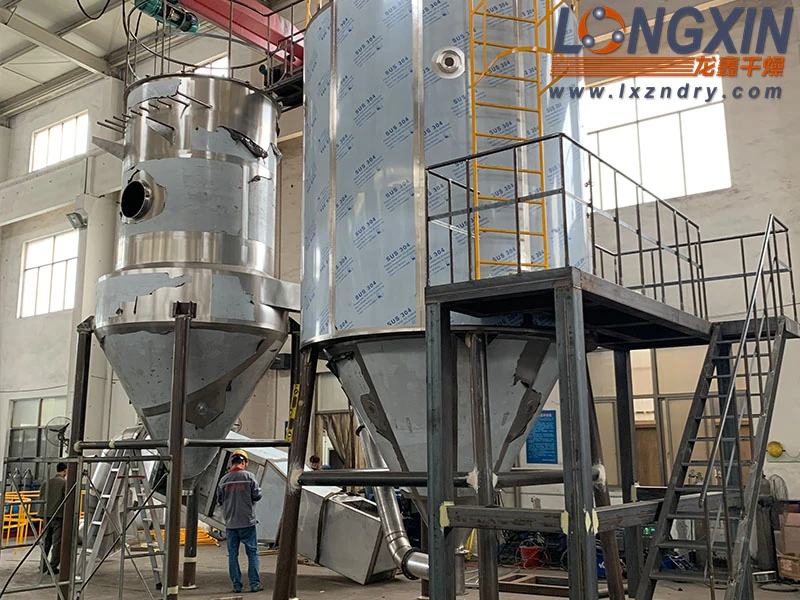
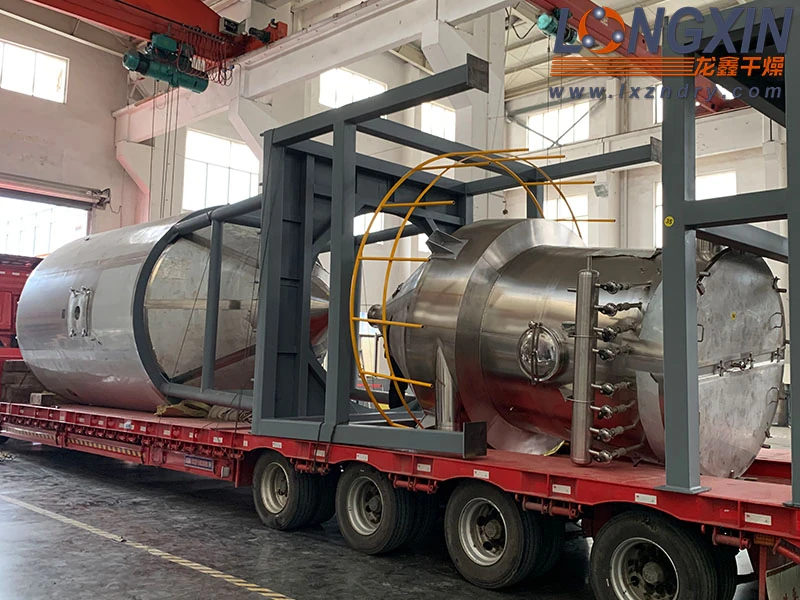
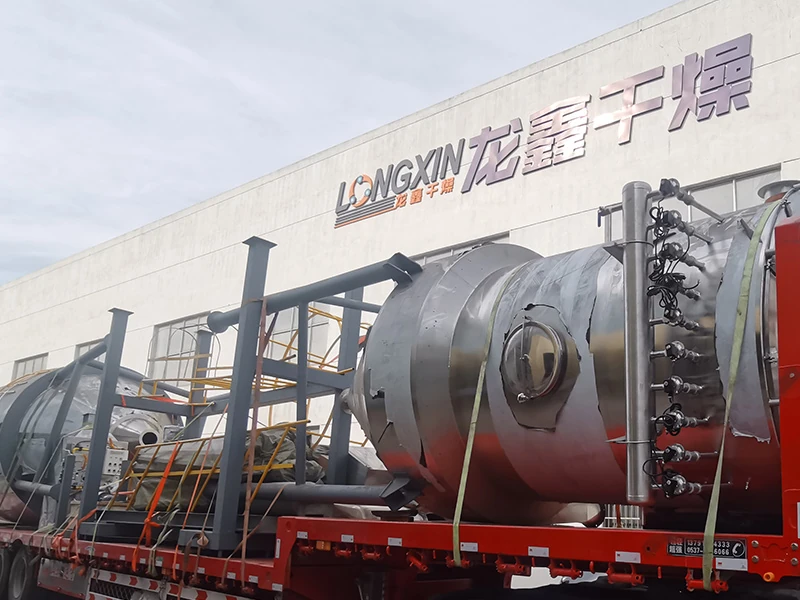
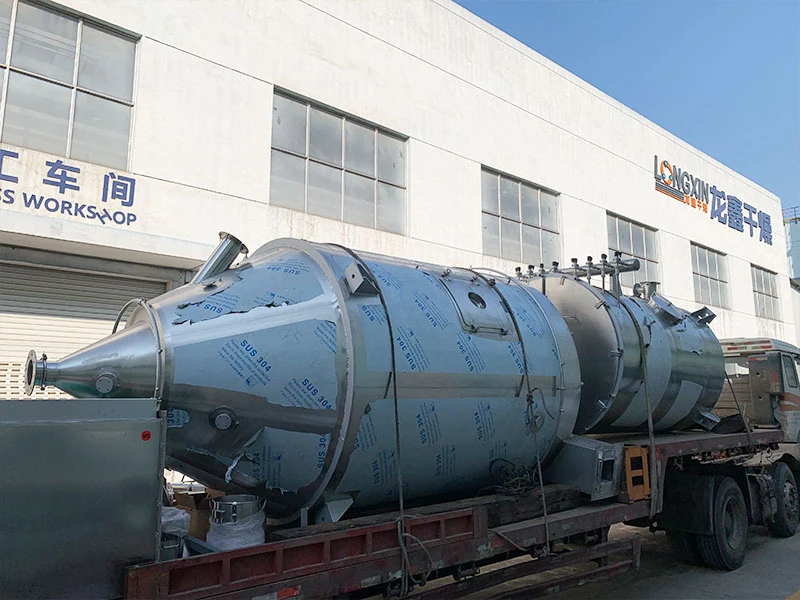
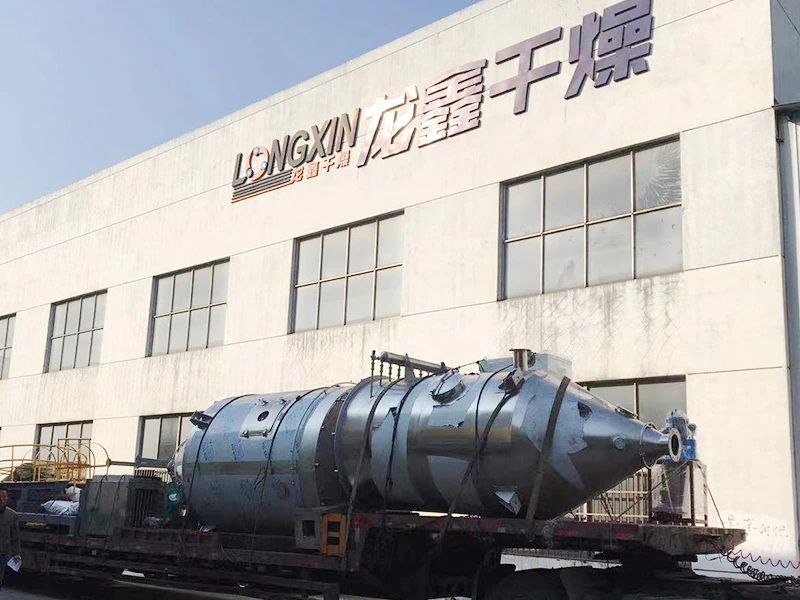
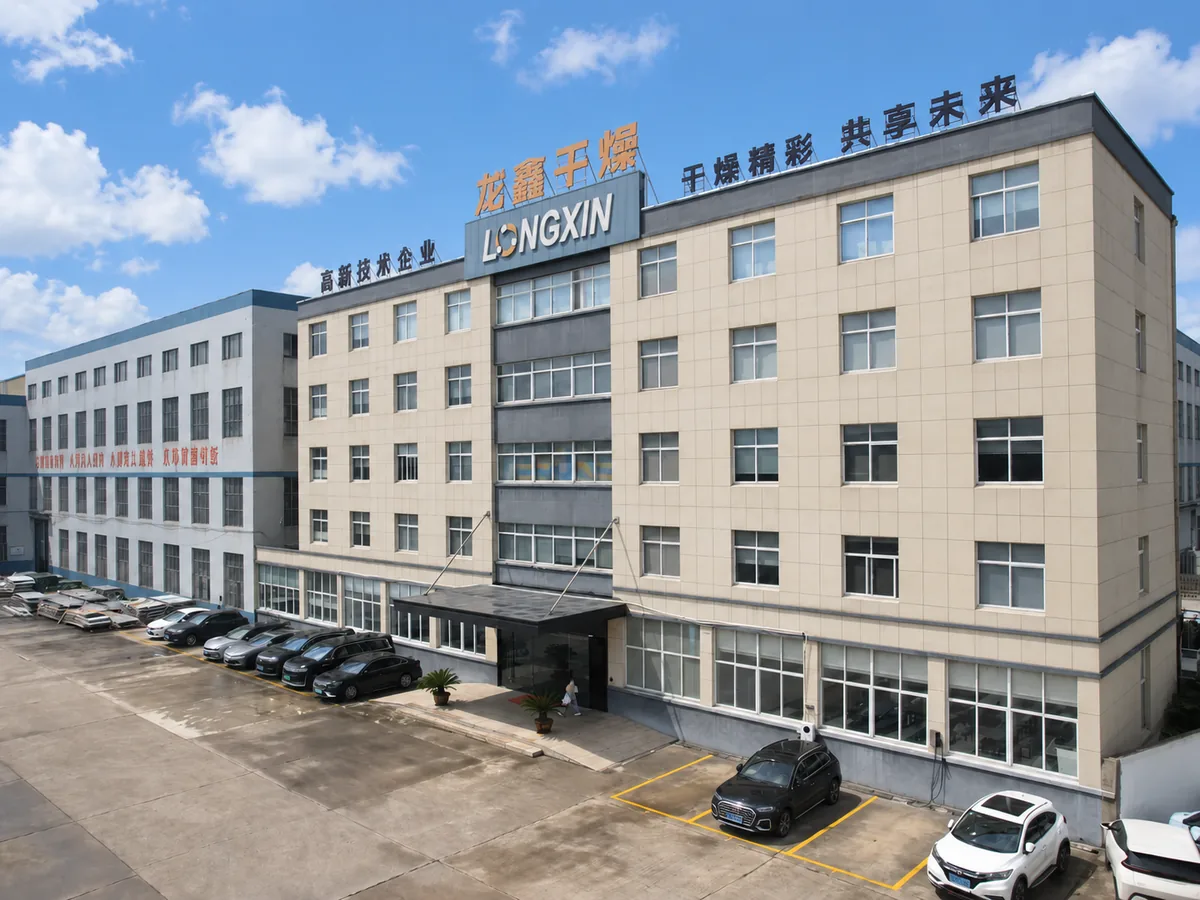
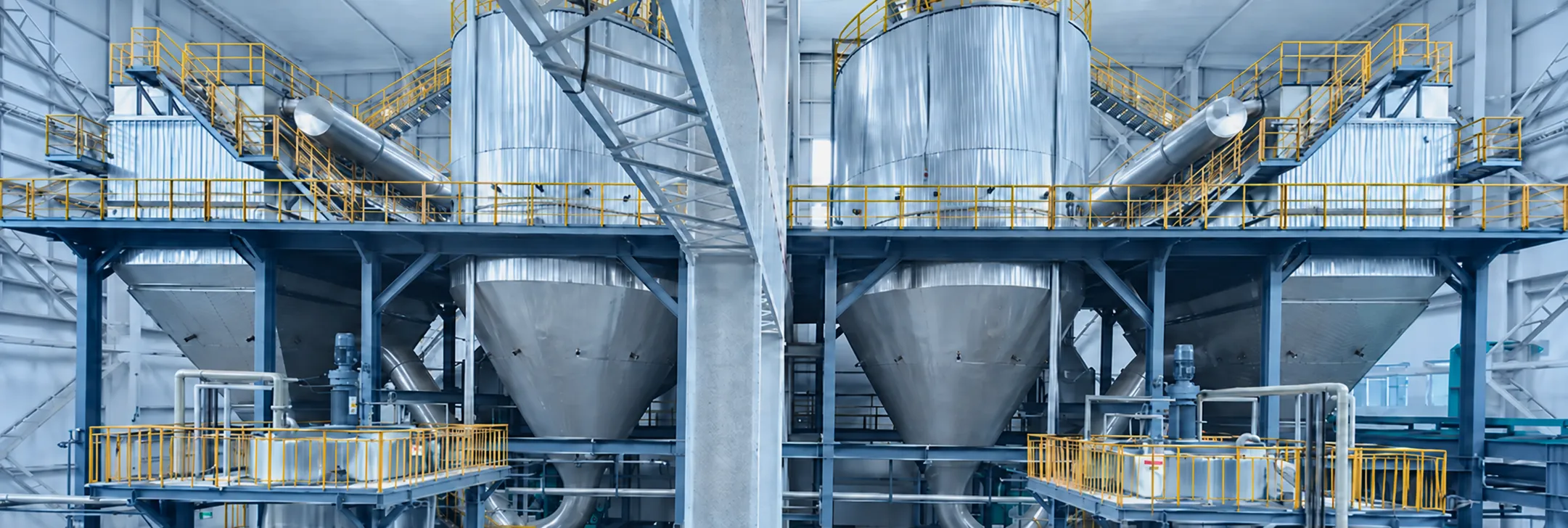
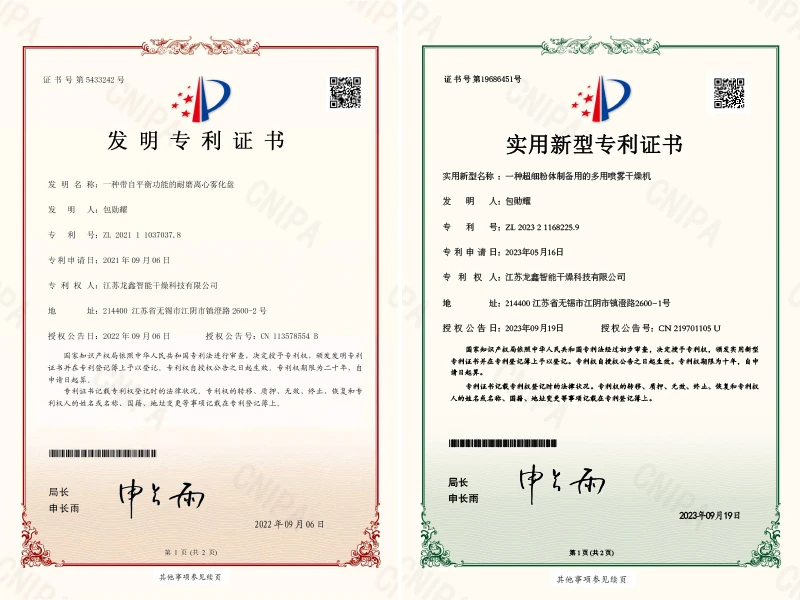
A spray dryer can uniformly atomize sodium-ion battery material slurry into fine droplets, enabling rapid solvent evaporation and producing ultrafine powders with uniform particle size, excellent flowability and high purity. These characteristics are critical to improving sodium-ion battery performance, including charge-discharge efficiency and cycle life. As battery performance requirements continue to rise, the technical advantages of spray drying have made it an essential process for sodium-ion battery material production. Jiangsu Longxin has developed a spray dryer for ultrafine sodium-ion battery material powders (Patent No. ZL 2023 2 1168225.9, “A Multi-Purpose Spray Dryer for Ultrafine Powder Production”). Its innovative atomization system increases the total surface area of the material and enhances the discharge performance of sodium-ion battery materials, supporting the growth of China’s sodium-ion battery industry.
Performance Features of the Sodium-Ion Battery Material Spray Dryer
The ultrafine-powder spray dryer is a key system in sodium-ion battery material production. In cathode material manufacturing, it is used to dry precursor slurry into ultrafine powder before subsequent heat treatment and sintering. The result is a high-performance sodium-ion battery cathode material.
1. Working Principle
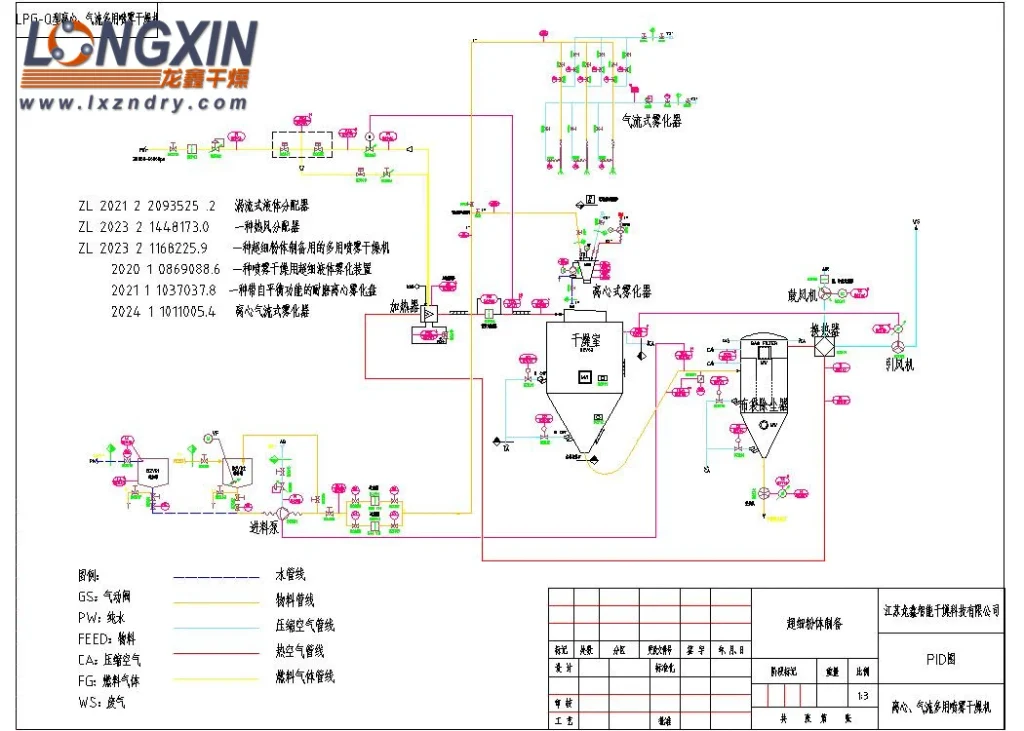
Sodium-ion battery material slurry is fed through an atomizer and sprayed into the drying chamber as a fine mist. The system uses high-pressure air, centrifugal force or another atomization method to break the slurry into fine droplets containing battery material and solvent. The droplets then come into full contact with clean, filtered and heated air inside the chamber. The hot air causes the solvent to evaporate rapidly and exit the system, while the battery material particles dry into powder within seconds. The finished powder is collected by the powder recovery system, and the exhaust gas is discharged by the fan.
2. Structural Features
Atomizer: The atomizer is the most critical component of a spray dryer, directly affecting atomization performance and powder quality. For ultrafine sodium-ion battery material powders, it must atomize the slurry uniformly into extremely fine droplets to ensure a fine and consistent final particle size. Common atomizer designs include centrifugal and pressure-nozzle types.
Drying chamber: The drying chamber is designed to ensure thorough contact and mixing between droplets and hot air while providing sufficient space and residence time for complete solvent evaporation. Its smooth internal walls help minimize powder adhesion and accumulation.
Hot-air system: This system includes air filters, heaters and fans. The air filter removes contaminants and ensures that clean air enters the drying chamber; the heater raises the air to the required temperature and supplies heat for solvent evaporation; and the fan provides the power needed to circulate hot air through the system.
Powder recovery system: This system collects the dried sodium-ion battery material powder. Common options include cyclone separators and bag filters. Its efficiency and performance directly affect product recovery and purity.
3. Process Parameters
Atomizer frequency: Atomizer frequency may need to be adjusted according to slurry properties and drying requirements to achieve optimal atomization.
Feed flow rate: The feed flow rate affects spray density and drying efficiency and should be adjusted to suit the specific process.
Inlet air temperature: Inlet air temperature is a critical parameter in spray drying. For sodium-ion battery materials, it is generally set at approximately 250–280°C. The final setting should be optimized according to material properties and drying requirements.
Outlet air temperature: Outlet air temperature indicates the progress of drying and is generally maintained at approximately 100–110°C. An excessively high outlet temperature can indicate wasted energy, while an excessively low temperature may suggest incomplete drying.
4. Key Advantages
Fast drying: Atomization into extremely fine droplets greatly increases the contact area between the slurry and hot air, allowing rapid solvent evaporation and significantly accelerating drying.
Uniform particle size: By precisely controlling atomizer parameters and drying conditions, the system produces ultrafine powders with a uniform particle-size distribution, which is essential for improving sodium-ion battery performance.
High purity: Spray drying takes place in an enclosed environment, reducing contamination from external impurities. Because the dried powder generally does not require subsequent milling or screening, product purity is further protected.
Continuous production: The spray dryer supports continuous operation, improving production efficiency and meeting the requirements of large-scale industrial manufacturing.
Technical Improvements
1. Atomization Technology
Enhanced atomizer performance: New atomizer designs improve atomization efficiency and uniformity, allowing the feed liquid to be broken into finer droplets. Advanced fluid-dynamics design and high-precision manufacturing optimize the atomizer structure and nozzle dimensions, producing a more stable spray and a more uniform droplet-size distribution, thereby improving powder quality and battery-material performance.
Ultrafine pneumatic atomization: In this two-stage process, a high-pressure pump and nozzle perform primary atomization, after which compressed air further breaks up the primary droplets to produce ultrafine particles. Feed pressure is used to control the primary droplet size, while compressed-air pressure further reduces the particle size after secondary atomization. The complete atomizer provides a wide particle-size adjustment range. Compared with an ultra-high-speed centrifugal spray dryer, this sodium-ion battery material spray dryer can reduce the D50 of ultrafine powder from 25 μm to below 10 μm.
2. Optimized Drying Processes
Intelligent drying control: Advanced sensors and automated control systems continuously monitor and precisely control temperature, humidity, airflow velocity, feed flow rate and other parameters. Intelligent control algorithms and models automatically adjust drying conditions according to the real-time material state and drying performance, ensuring consistent product quality. For example, when a sensor detects high material moisture, the system can automatically increase hot-air temperature or flow to accelerate drying; when the particle-size distribution falls outside the target range, atomizer parameters can be adjusted automatically.
Low-temperature drying: Low-temperature drying processes reduce thermal damage to sodium-ion battery materials. Heat-exchange efficiency can be improved through optimized hot-air heating methods and drying-chamber designs, enabling rapid drying at lower temperatures.
Rapid drying: Higher drying rates are essential for large-scale production. On one hand, the hot-air circulation system can be optimized by increasing circulation frequency and airflow velocity, improving heat utilization and accelerating moisture evaporation. On the other hand, the drying chamber can be redesigned to reduce material resistance and residence time, allowing droplets to pass through the chamber more quickly.
3. Improved Equipment Design
Optimized drying-chamber structure: The shape, dimensions and internal structure of the drying chamber can be optimized to improve drying efficiency and product quality. Conical or spherical chamber designs promote a more uniform droplet distribution and greater contact area with hot air. Special coatings or internal structures can also help prevent material adhesion and accumulation, simplifying cleaning and maintenance.
Improved feed system: A more stable and precise feed system ensures that slurry is supplied continuously and uniformly to the atomizer. High-precision metering pumps or screw feeders can accurately control feed flow and pressure. Optimized feed piping reduces blockages and fluctuations, improving feed stability.
Enhanced heat-exchange system: High-efficiency finned-tube or heat-pipe exchangers can increase heat-transfer area and coefficients, ensuring effective heat transfer from hot air to the material. Optimized hot-air ducts reduce heat loss and leakage while improving overall heat utilization.
4. Higher Energy Efficiency
Energy-efficient equipment design: Energy-efficient motors, fans and heaters reduce overall power consumption. High-efficiency variable-frequency motors automatically adjust speed according to production demand to avoid wasted energy. Advanced insulation materials applied to equipment housings and piping reduce heat loss.
Waste-heat recovery: Waste heat generated during spray drying can be recovered to reduce energy consumption further. For example, exhaust air can exchange heat with cold intake air through a heat exchanger, preheating the intake air before it enters the drying process. Recovered heat can also be used in other production stages, such as water heating or raw-material preheating.
5. Improved Product Quality Control
Inline measurement and feedback control: Inline particle-size analyzers, moisture meters, chemical-composition analyzers and other instruments can monitor and analyze product quality throughout spray drying in real time. Drying parameters can then be adjusted promptly to ensure that particle size, moisture content and chemical composition meet specifications. A feedback-control mechanism automatically adjusts operating parameters whenever product quality deviates from the target range, ensuring consistent output.
Quality traceability system: A comprehensive traceability system records and identifies every batch of sodium-ion battery material, including raw-material information, process parameters and quality-test data. If a quality issue occurs, the source can be traced quickly so that corrective measures can be implemented, improving product reliability.
Innovation-Driven Development: Building an Ecosystem for Sodium-Ion Battery Material Equipment
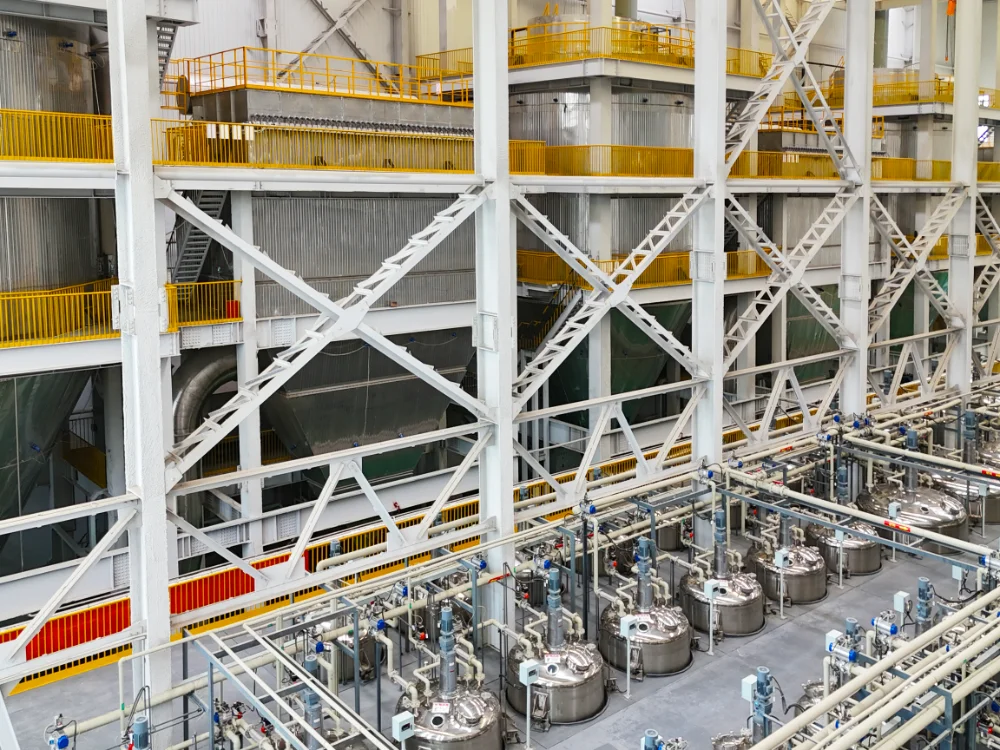
Through an integrated equipment–process–service model, Longxin Smart provides full-lifecycle support to sodium-ion battery material manufacturers. Systems can be customized from laboratory-scale and pilot production to 10,000-ton-scale commercial production, with value-added services including process-parameter optimization and equipment operation and maintenance.
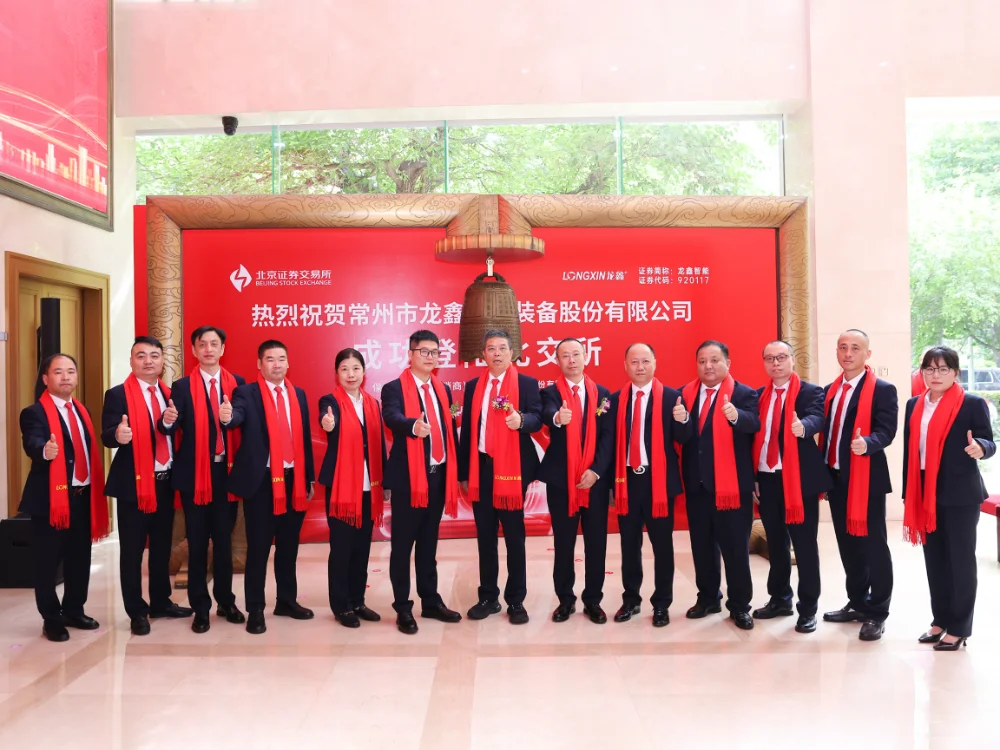
At this critical stage in the industrialization of sodium-ion energy storage, Longxin Smart will continue to strengthen technical collaboration with leading sodium-battery companies and research institutes. Focusing on core challenges such as material particle-size control, spray drying and atmosphere stability, the company will introduce more efficient, energy-saving and intelligent equipment. These solutions will help China’s sodium-ion battery industry advance from pilot applications to large-scale deployment and contribute advanced Chinese solutions to the new-energy storage sector.