Solid-state battery electrolytes are a key component of solid-state batteries. They are solid, ion-conducting materials that transport lithium ions between the positive and negative electrodes, performing a function similar to that of the liquid electrolyte in conventional batteries. As solid-state batteries achieve higher energy density and lower costs, their use in new energy vehicles is expected to expand gradually from high-end models to mid-range and entry-level models. This will support the development of the new energy vehicle industry and help meet consumer demand for long driving ranges, fast charging, and high safety. The main categories of solid-state battery electrolytes include:
(1) Polymer electrolytes
Polymer electrolytes generally consist of a polymer matrix and a lithium salt, such as polyethylene oxide (PEO). They offer good flexibility and processability, can be formed into electrolyte membranes of various shapes and sizes, and provide good interfacial compatibility with electrode materials. However, their ionic conductivity is relatively low, particularly at room temperature, which can affect battery charge–discharge performance. At high temperatures, increased thermal motion of the polymer chains may disrupt ion-conduction pathways and reduce ionic conductivity. Research on polymer electrolytes continues to advance through structural modification of polymers, the use of high-performance lithium salts, and composite approaches to improve ionic conductivity and mechanical properties.
(2) Oxide electrolytes
Oxide electrolytes include garnet-type, NASICON-type, perovskite-type, and other oxide structures. They offer relatively high ionic conductivity, good chemical stability, high mechanical strength, nonflammability, low volatility, and high safety. However, their manufacturing processes are complex and require high-temperature sintering, resulting in relatively high costs. They also present high interfacial resistance when in contact with electrode materials, which can affect overall battery performance. Different electrolyte materials can be combined with oxide electrolytes to leverage the advantages of each material and form multicomponent composite electrolyte systems with improved ionic conductivity, stability, and interfacial compatibility.
(3) Sulfide electrolytes
Sulfide electrolytes, such as argyrodite-type sulfides, offer extremely high ionic conductivity and good conductivity at room temperature, which can effectively improve battery charge–discharge efficiency and power performance. They also show good compatibility with lithium-metal anodes, can help suppress lithium dendrite growth, and can improve battery safety and cycle life. However, sulfide electrolytes are highly sensitive to moisture and oxygen and are prone to hydrolysis and oxidation. They must therefore be produced and used in dry, oxygen-free environments. Their costs are also relatively high, and large-scale production processes require further development.
Image Placeholder
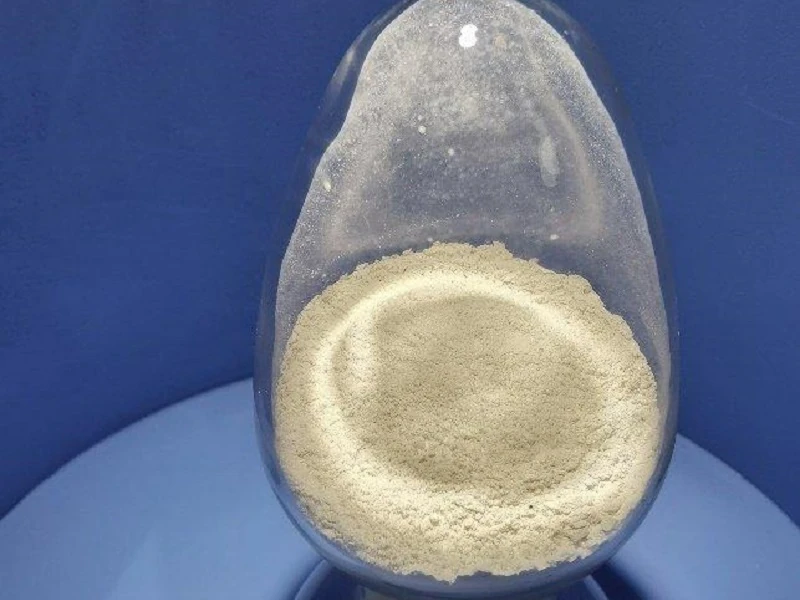
Compared with conventional lithium batteries, solid-state batteries offer higher energy density and improved safety, helping meet consumer requirements for longer battery life and greater safety in electronic products and electric vehicles. They have broad application prospects in new energy vehicles, consumer electronics, and energy storage. Solid-state batteries are regarded as a key direction for future battery technology, and numerous automakers and battery manufacturers are actively investing in this field.
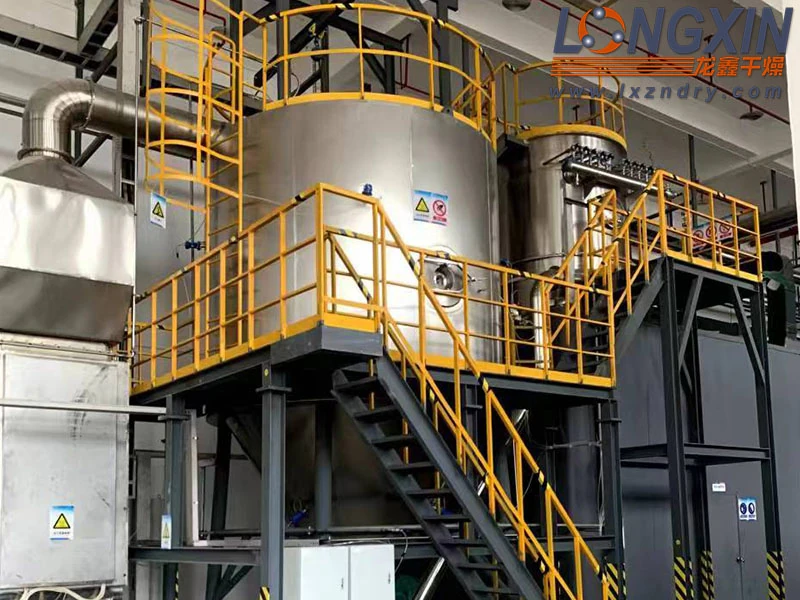
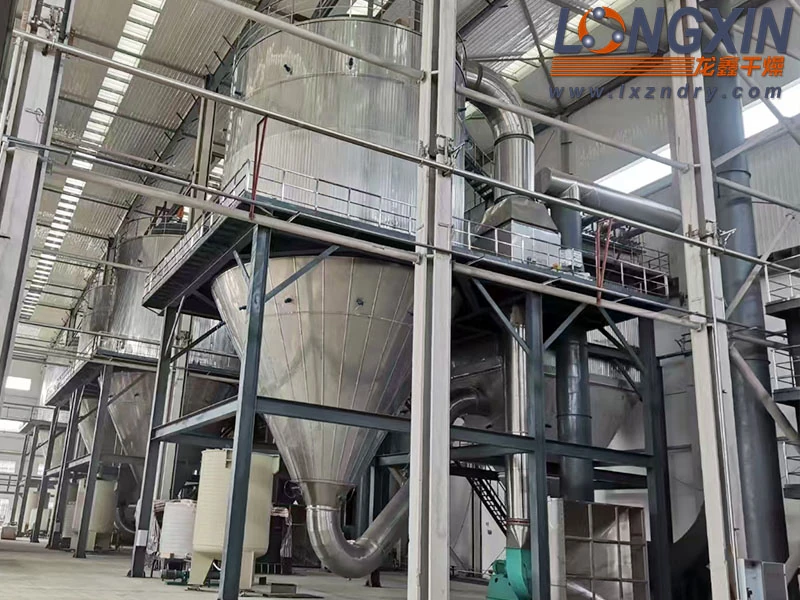
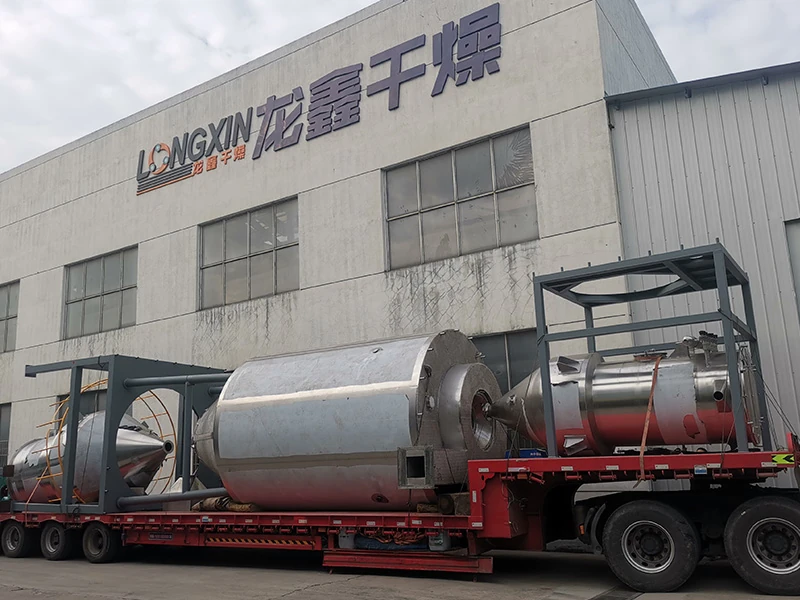
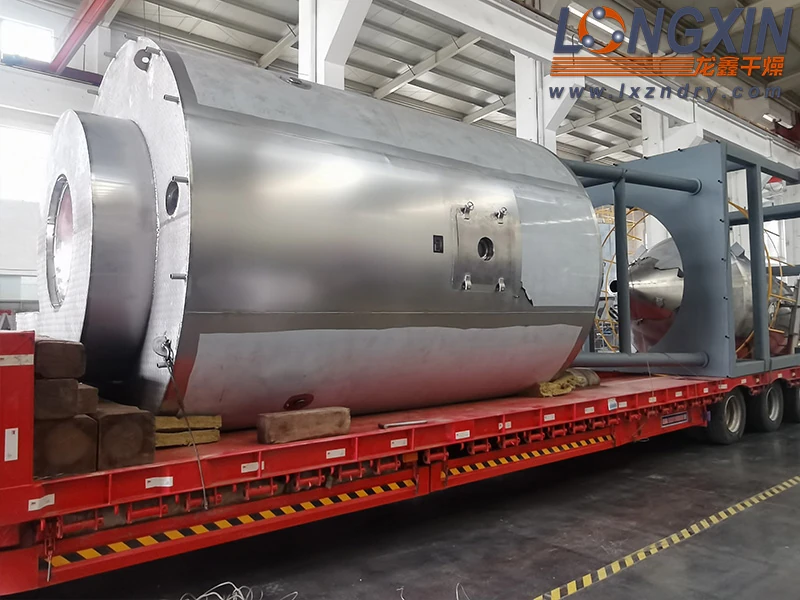
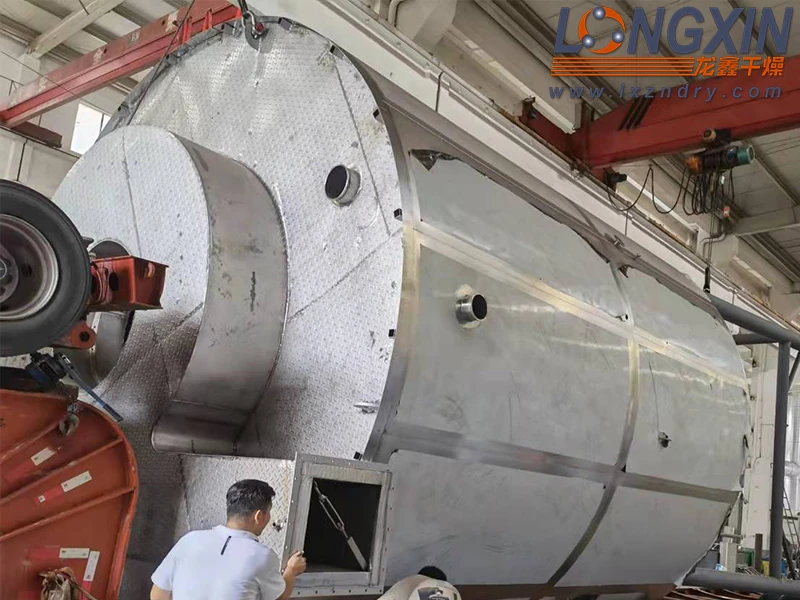
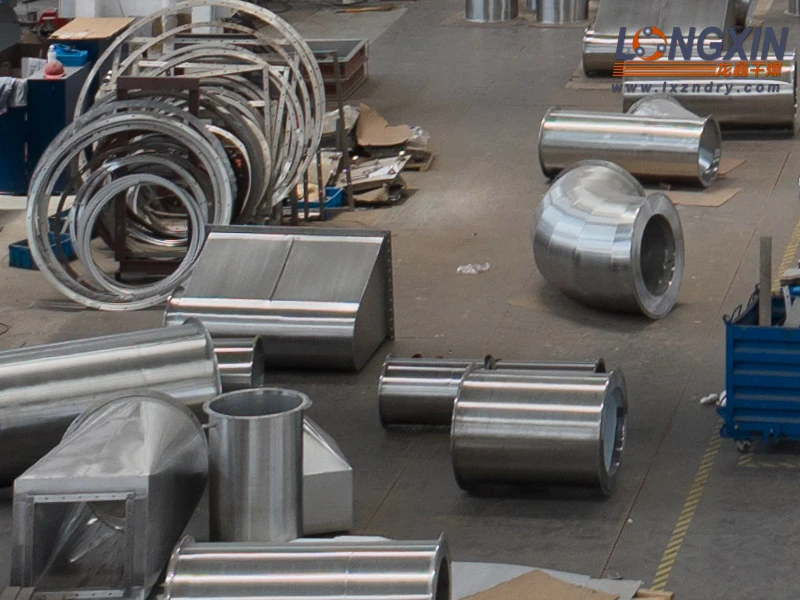
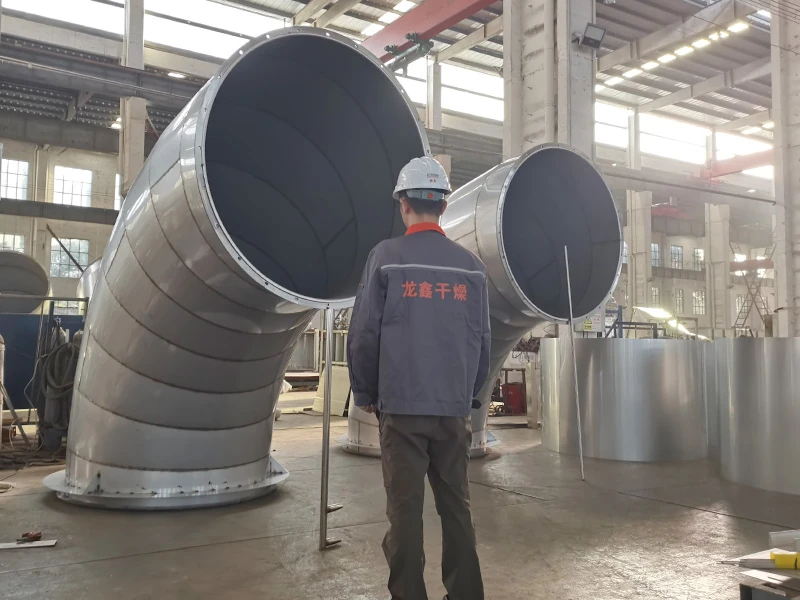
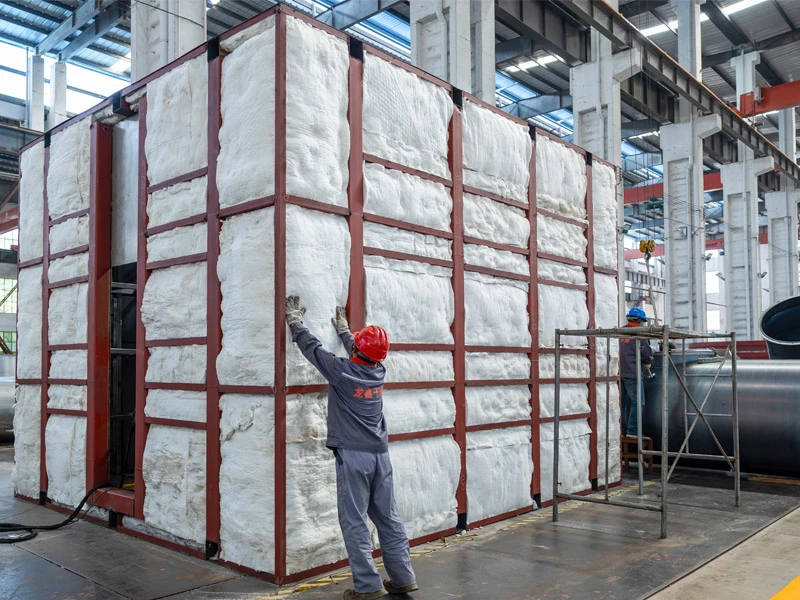
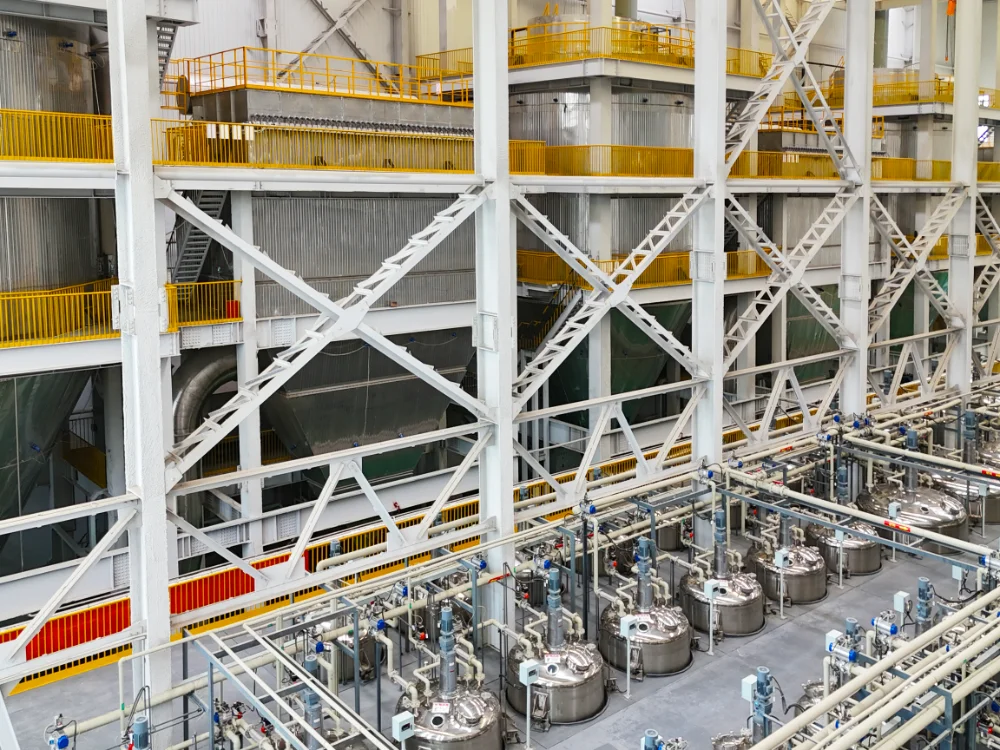
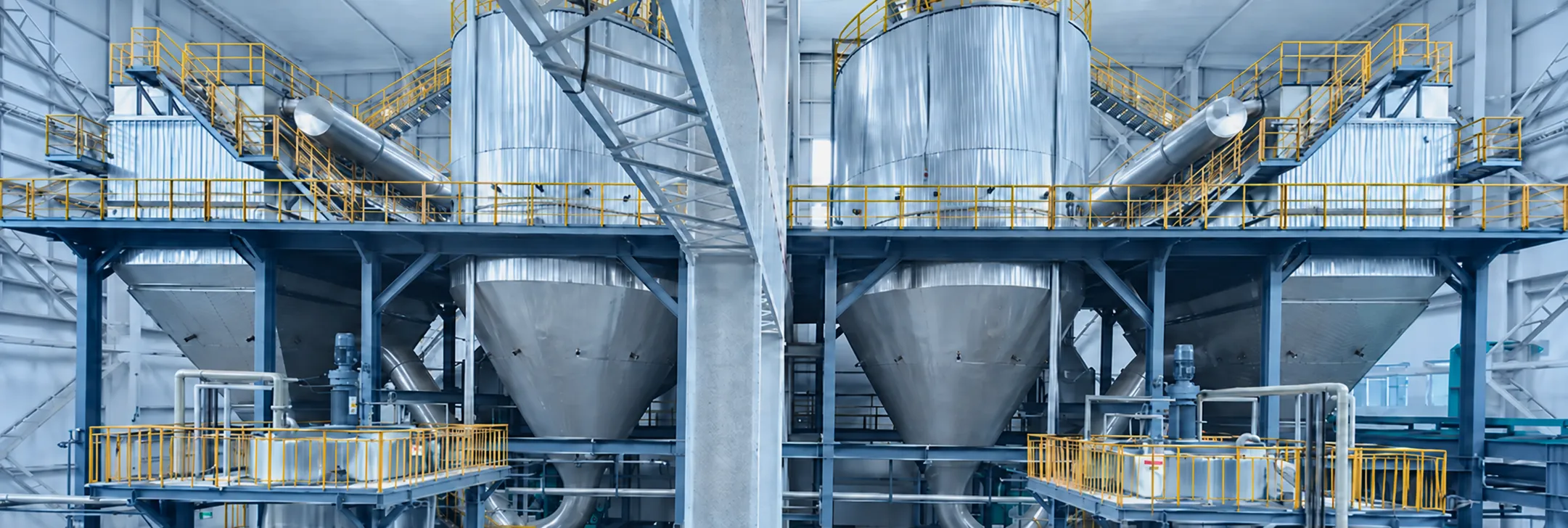
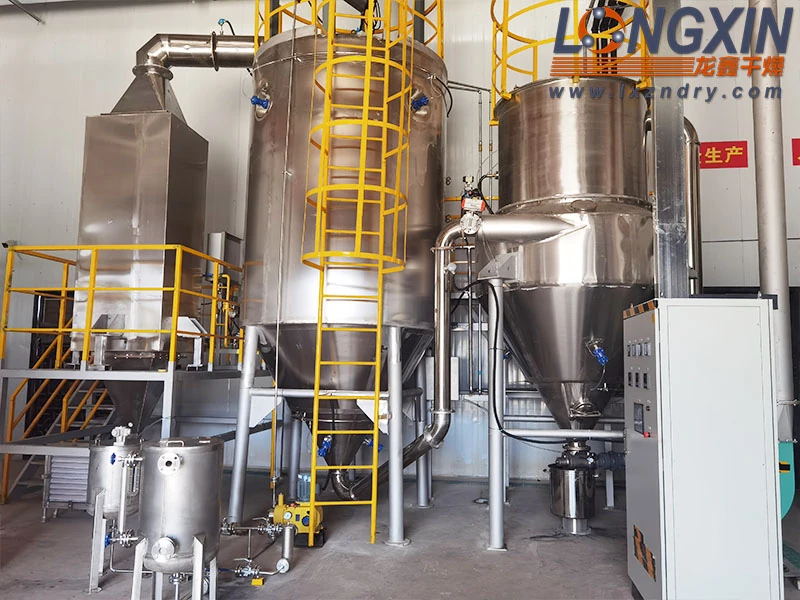
As these companies advance their solid-state battery projects, demand for solid-state battery electrolytes is expected to increase substantially, which will in turn drive demand for dedicated spray drying towers. Because solid-state batteries impose stringent requirements on electrolyte powder properties such as particle-size distribution, purity, and dryness, Jiangsu Longxin has continued to innovate and developed a dedicated spray drying tower for solid-state battery electrolytes. By precisely controlling the drying process, the system improves drying efficiency, reduces energy consumption, and enhances quality indicators including particle-size distribution, purity, and stability to meet the performance requirements of solid-state battery production.
The new equipment can be adapted to the specific process requirements of different solid-state battery electrolytes and support the drying requirements of various materials during mass production. For example, sulfide solid electrolytes used in dry-electrode processes are extremely sensitive to polar organic solvents and require drying equipment capable of complete drying and minimal solvent residues. Through precise parameter control and stable operation, the innovative spray drying tower helps achieve a high degree of batch-to-batch consistency in electrolyte powder properties, supporting higher yields and consistency in solid-state battery production while reducing costs and strengthening market competitiveness.
New Polymer Solid-State Battery Electrolyte Ultrafine Powder Air-Flow Spray Dryer
As demand for high-performance batteries continues to grow in new energy vehicles, energy storage systems, and other fields, solid-state batteries have attracted widespread attention as an important direction for next-generation battery technology. Polymer solid-state battery electrolytes are a key component of solid-state batteries, and their production scale is expected to grow rapidly with the expansion of the solid-state battery industry. This will create broad market opportunities for air-flow spray dryers dedicated to polymer electrolytes.
Developing polymer solid-state battery electrolytes requires ongoing exploration of new material formulations and manufacturing processes to improve electrolyte performance. Jiangsu Longxin’s air-flow spray dryer is an advanced system for producing ultrafine powders and offers advantages such as rapid drying and uniform particle size compared with conventional drying methods. It can improve the production efficiency and quality of polymer solid-state battery electrolytes and support large-scale industrial production.
(1) Working principle of the polymer solid-state battery electrolyte dryer
The air-flow spray dryer uses a high-speed gas stream to atomize liquid material into fine droplets. The droplets come into full contact with hot air, exchange heat, and rapidly evaporate moisture within a short period, producing a dry powder. Compressed air or steam is ejected from the nozzle at a velocity of ≥300 m/s. Friction generated by the velocity difference between the gas and liquid breaks the polymer solid-state battery electrolyte solution into fine droplets. The droplets contact hot air, the moisture evaporates rapidly, and ultrafine powder is formed.
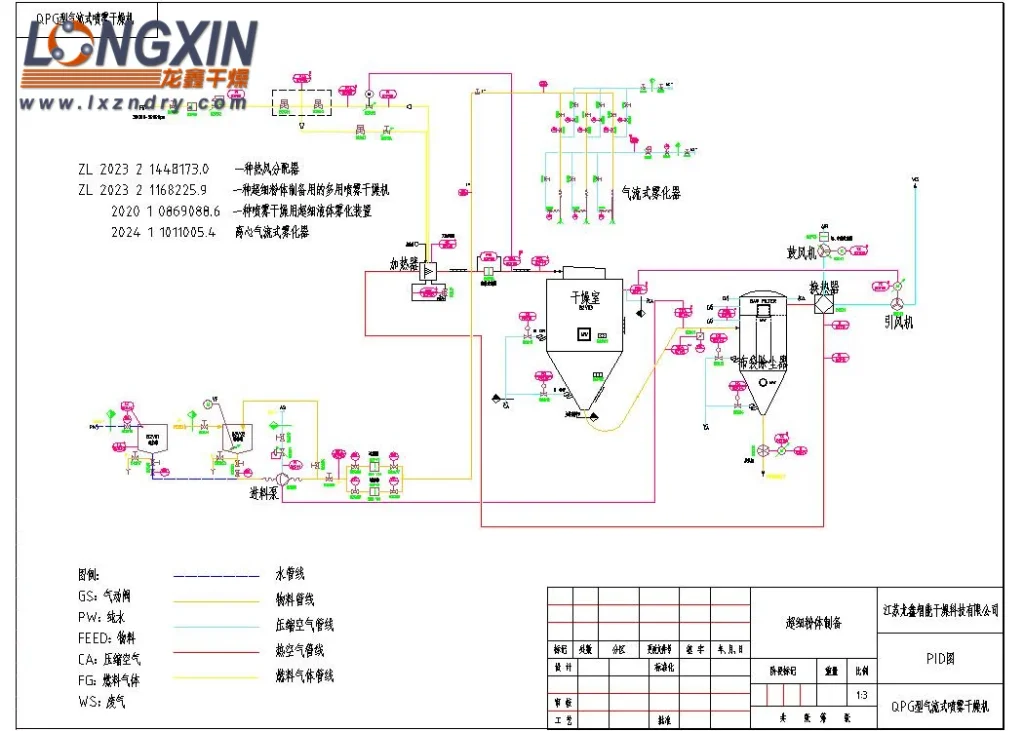
(2) Equipment features of the polymer electrolyte air-flow spray dryer
Effective drying:
The system can dry micron-scale fine powders. The particles show a relatively narrow and steep normal particle-size distribution, good uniformity, and adjustable particle size. The resulting polymer solid-state battery electrolyte ultrafine powder has high quality and stable performance, helping meet solid-state battery production requirements.
Advanced atomization system:
An innovative air-flow atomization structure, such as a dual-orifice offset mechanism, provides two-stage atomization and uniform droplets. The nozzle can be diamond-coated, providing substantially greater wear resistance and longer service life than conventional SUS304 nozzles.
Precise control system:
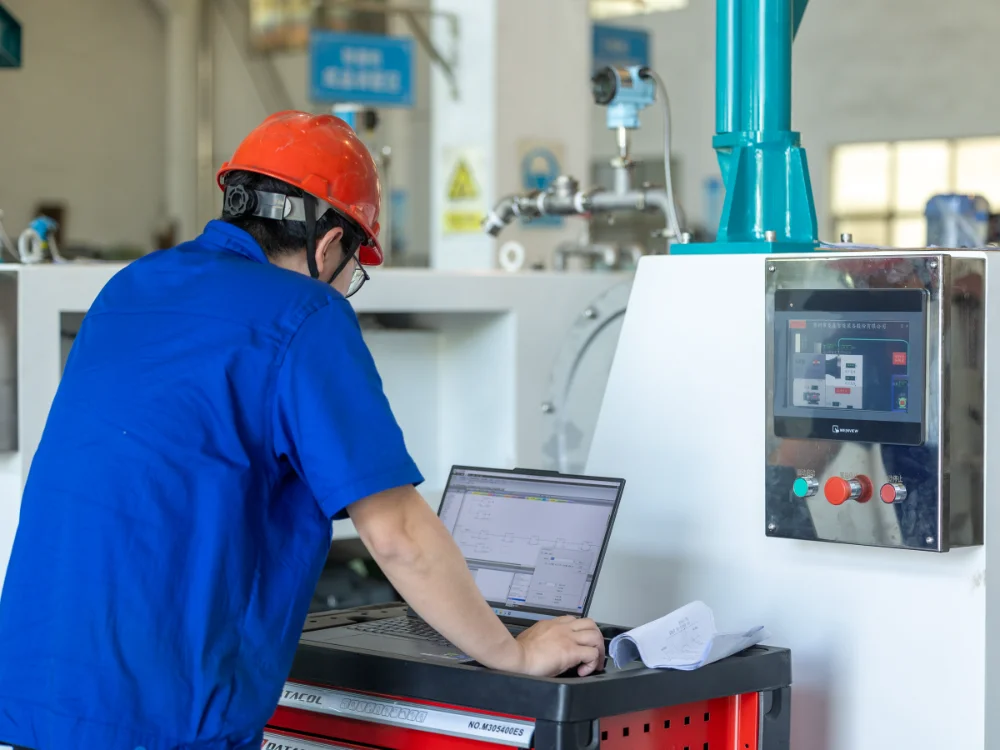
The system provides both automatic and manual control modes. A color touchscreen dynamically displays process parameters such as inlet-air temperature, outlet-air temperature, peristaltic pump speed, airflow, and cleaning-needle frequency. PID constant-temperature control enables real-time adjustment and precise control of the drying process, helping ensure product stability and consistency.
Easy maintenance:
The atomization assembly contains no plastic gaskets or electric motor, providing a long service life and convenient disassembly and cleaning. Some configurations include a nozzle cleaner that automatically removes blockages, with an automatically adjustable cleaning-needle frequency.
Broad applicability:
The equipment can process polymer solid-state battery electrolyte solutions as well as emulsions, suspensions, and other solutions. It is also suitable for drying various heat-sensitive materials and can complete drying almost instantaneously, helping preserve active ingredients and material performance to the greatest extent possible.
(3) Application advantages of the polymer electrolyte air-flow spray dryer
Improved battery performance:
The polymer solid-state battery electrolyte ultrafine powder produced by the system has a favorable particle-size distribution and high purity, helping improve the ionic conductivity and electrochemical performance of solid-state batteries. This can enhance energy density, charge–discharge efficiency, and cycle life, strengthening the market competitiveness of solid-state batteries.
Support for large-scale production:
High drying capacity and stable performance enable the equipment to meet large-scale industrial production requirements, supporting the industrialization of solid-state batteries and the broader use of polymer solid-state batteries in electric vehicles, energy storage, and other applications.
Support for R&D and innovation:
For new-material development, the system can be upgraded with low-temperature spray-drying capability, enabling spray drying across a wide temperature range of 35–280°C. This facilitates research on the performance and manufacturing processes of polymer solid-state battery electrolytes under different temperature conditions and helps accelerate the development and innovation of new materials.
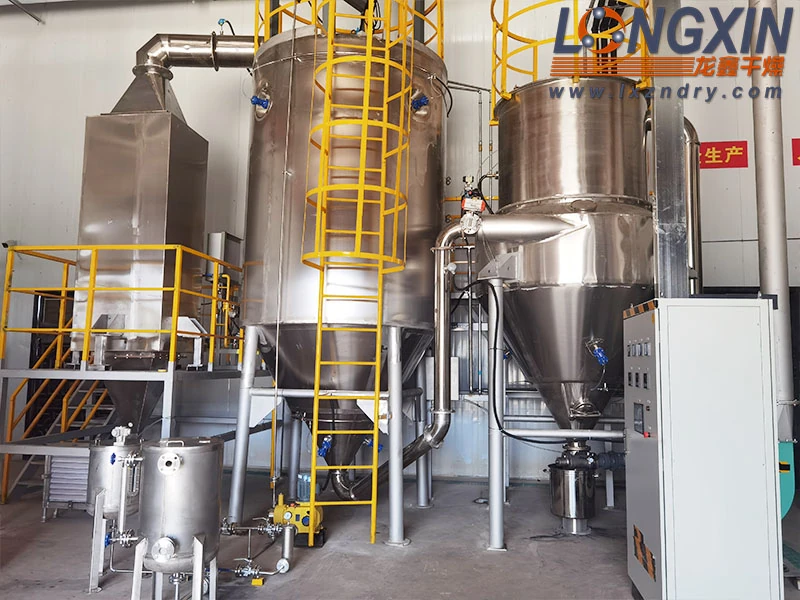
Multi-Component Composite Oxide Solid-State Battery Electrolyte Centrifugal and Air-Flow Multi-Purpose Spray Dryer
Patent No.: ZL 2023 2 1168225.9
The solid-state battery market is growing rapidly. Forecasts indicate that global solid-state battery shipment demand will grow at a compound annual growth rate of 133% from 2024 to 2030. This is expected to substantially increase demand for multi-component composite oxide solid-state battery electrolytes and encourage companies to invest in centrifugal and air-flow multi-purpose spray dryers for large-scale production. As requirements for solid-state battery performance and safety increase, particle-size specifications for electrolyte ultrafine powders are becoming more stringent. By improving equipment structure and optimizing process parameters, Jiangsu Longxin’s multi-purpose ultrafine powder centrifugal and air-flow spray dryer provides more precise particle-size control for multi-component composite oxide solid-state battery electrolytes, helping ensure product consistency and improve battery performance and safety.
(1) Structural composition of the oxide electrolyte centrifugal and air-flow multi-purpose spray dryer
Atomization system:
The multi-purpose spray dryer can be equipped with a centrifugal atomizer, air-flow atomizer, or pressure atomizer. Hot air enters through the hot-air duct, passes through a vortex-type rectification channel, and is delivered into the spray drying tower through hot-air outlets. The centrifugal atomizer is installed above the hot-air outlets. To switch to a pressure or air-flow atomizer, only the atomization assembly needs to be replaced. If a single pressure or air-flow atomizer cannot meet capacity requirements, additional spray lances can be installed inside the inner ring of the hot-air duct. Through a simple changeover, the system can perform centrifugal spray drying or pressure/air-flow spray drying, providing convenient operation without a substantial increase in equipment cost.
Inlet-air system:
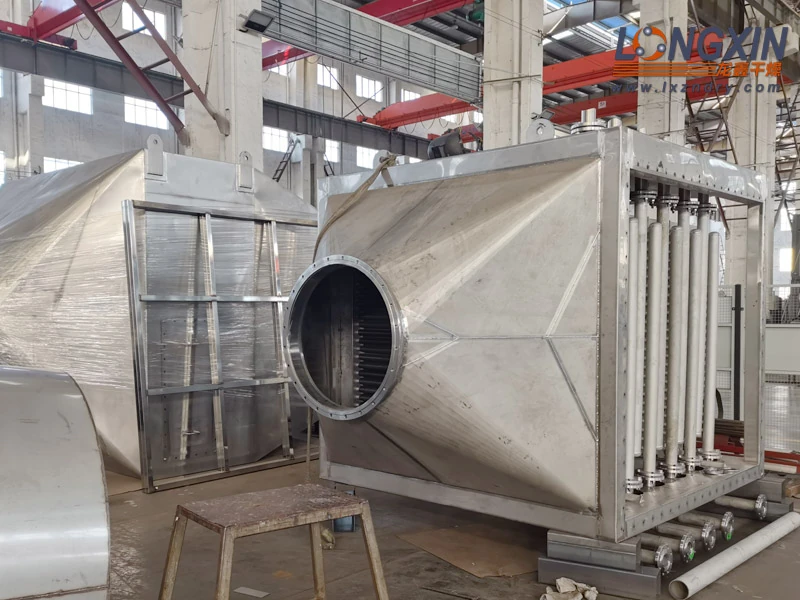
The inlet-air system consists of an air filter, heater, inlet scroll, and hot-air distributor. The air filter removes impurities and dust to prevent them from entering the oxide solid-state electrolyte product and affecting quality. The heater raises the filtered air to the set temperature and provides the heat required for drying. The inlet scroll and hot-air distributor guide hot air into the drying tower and promote effective contact with atomized droplets, improving drying efficiency.
Main drying unit:
The drying tower is the core of the system, and its internal structure directly affects contact between hot air and droplets and overall drying efficiency. The tower is generally cylindrical, with height and diameter determined by production scale and process requirements. Internal airflow guide devices help create effective co-current or mixed-flow contact between hot air and droplets, making drying more uniform and efficient.
Powder collection system:
The ultrafine powder centrifugal and air-flow multi-purpose spray dryer uses an air-box pulse-jet bag filter to remove fine dust particles from dust-laden gas. Dust-removal efficiency can generally reach 99.8% or higher, with high capture efficiency even for micron-sized particles. The system can meet stringent environmental emission standards and reduce environmental pollution from dust emissions.
Control system:
An advanced control system regulates parameters throughout the drying process, including inlet-air temperature, outlet-air temperature, atomizer speed, and feed flow, helping ensure stable and reliable drying. The control system generally includes temperature controllers, pressure controllers, flow controllers, and variable-frequency drives. It provides automated control and monitoring and can automatically adjust to optimal drying parameters according to material properties and drying requirements.
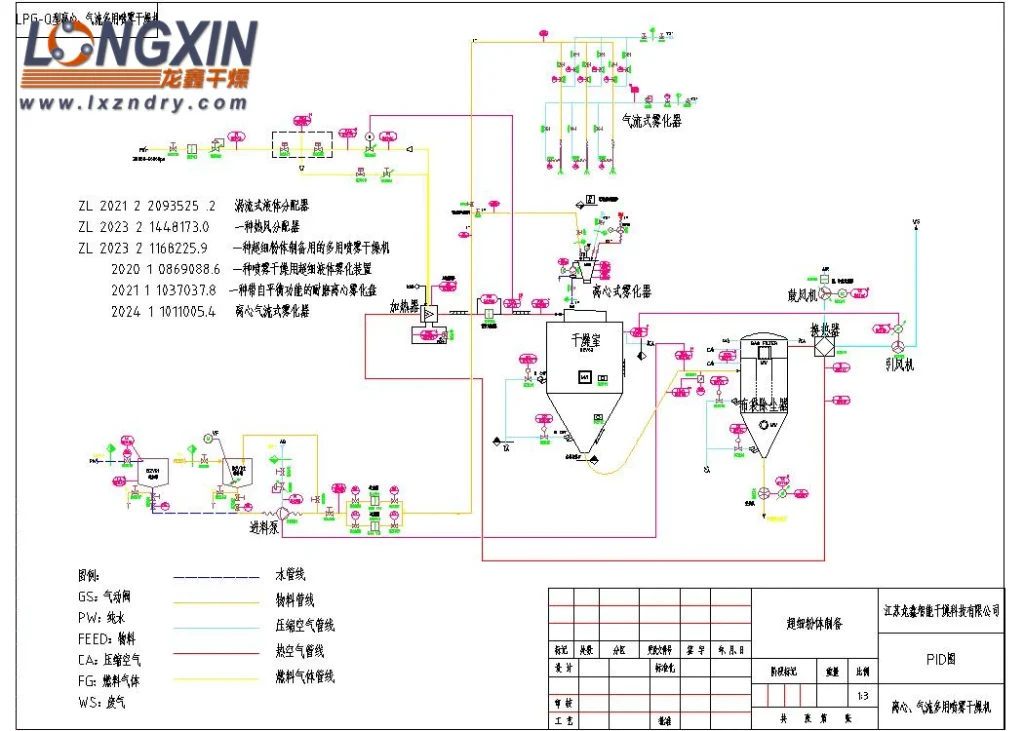
(2) Performance features of the oxide electrolyte centrifugal and air-flow multi-purpose spray dryer
Rapid drying:
By using both centrifugal and air-flow atomization, the system disperses liquid material into fine droplets and substantially increases the contact area with hot air. Moisture can therefore evaporate rapidly, greatly improving production efficiency. The system is particularly suitable for drying heat-sensitive materials such as oxide solid-state battery electrolyte ultrafine powders, helping prevent material degradation or performance loss during prolonged drying.
Broad applicability:
The centrifugal and air-flow multi-purpose spray dryer can process low-viscosity solutions as well as high-viscosity suspensions or emulsions and materials containing solid particles. It offers good adaptability to oxide solid-state battery electrolyte materials with different properties and compositions and can meet diverse production requirements.
High operating flexibility:
Users can select centrifugal or air-flow atomization according to material properties and drying requirements, or switch atomization methods during drying to achieve optimal results. Equipment parameters can also be adjusted and optimized according to actual conditions, making operation simple and easy to master.
Good environmental performance:
An efficient powder-collection system and exhaust-gas treatment equipment effectively collect dried powder, reduce dust emissions, and purify exhaust gas to reduce environmental impact. A heat-recovery system can reuse waste heat generated during drying to lower energy consumption and support energy savings and emissions reduction.
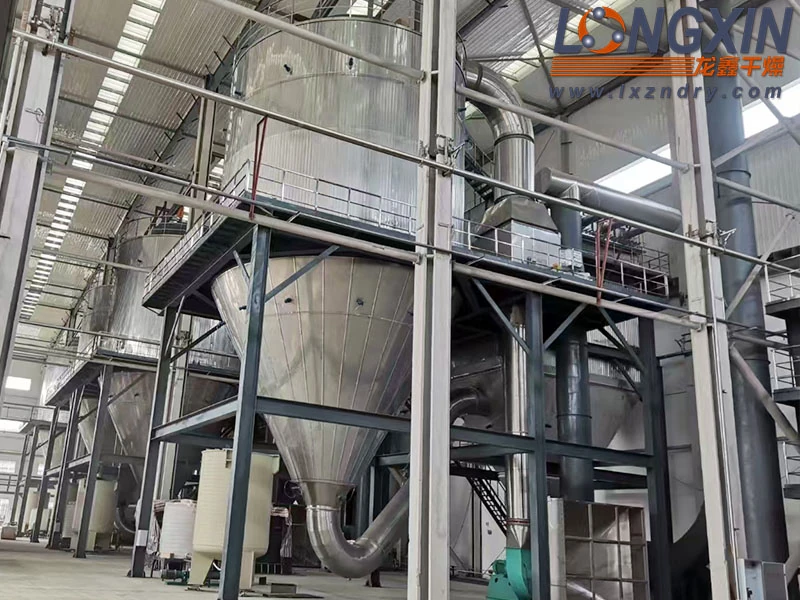
High-Performance Sulfide Solid-State Battery Electrolyte Closed-Loop Spray Dryer
Demand for high-performance batteries in new energy vehicles continues to increase in response to requirements for long driving ranges and fast charging. Solid-state batteries are well positioned to meet these requirements. As new energy vehicle production continues to rise, demand for sulfide solid-state battery electrolytes is expected to increase accordingly, driving growth in the associated dryer market.
Sulfide solid-state battery electrolytes are sensitive to air and moisture and are prone to oxidation. Jiangsu Longxin’s closed-loop spray dryer incorporates special designs and functions including airtight sealing, inert-gas protection, and low-temperature drying to prevent sulfide electrolytes from being contaminated or degraded during drying. With more than ten years of experience in the new energy industry, Longxin Smart provides efficient, energy-saving, intelligent drying systems and innovative solutions for sulfide electrolyte customers. A diverse range of equipment models and configurations is available to meet requirements from laboratory research to large-scale industrial production, including laboratory dryers, pilot-scale dryers, and large industrial dryers.
(1) Working principle of the sulfide electrolyte closed-loop spray dryer
The closed-loop spray dryer uses an inert gas such as nitrogen as the circulating medium. Liquid sulfide solid-state battery electrolyte material is delivered to the nozzle by a feed pump and atomized into fine droplets. Inside the drying tower, the droplets exchange heat thoroughly with hot nitrogen, causing the liquid portion to evaporate instantly and the solid material to form a powder. During this process, organic solvent evaporates and enters the recovery system as a gas, where it is condensed, separated, and recovered for reuse. The entire drying process takes place in a sealed environment.
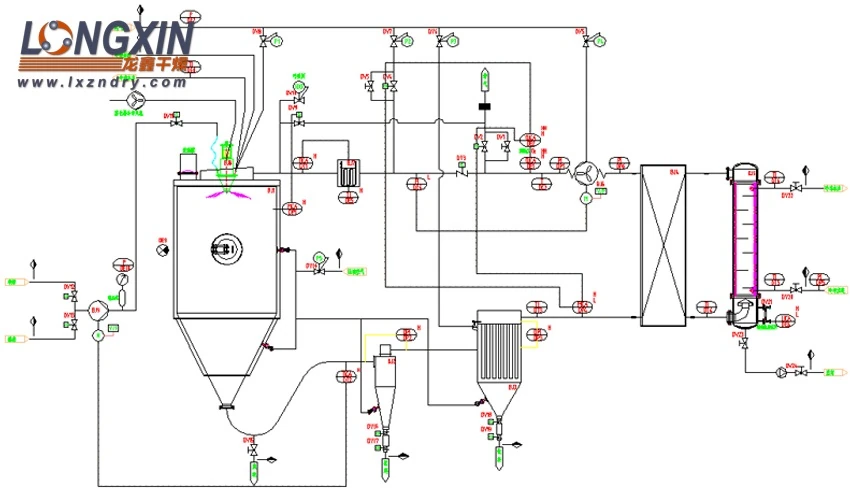
(2) Technical advantages of the sulfide electrolyte closed-loop spray dryer
Improved material performance:
Spray drying can form sulfide solid-state battery electrolyte particles with specific morphology and dimensions, such as nanoscale particles, increasing specific surface area and improving ionic conductivity and electrochemical performance.
Controlled material structure:
Temperature, humidity, airflow velocity, and other parameters can be precisely controlled during drying to regulate the crystal structure and microstructure of sulfide solid-state battery electrolyte materials. This helps improve stability, mechanical properties, and compatibility with electrode materials, enhancing overall battery performance.
Effective drying:
Sulfide solid-state battery electrolyte materials can be rapidly dried into uniform powders or granules with good flowability and dispersibility, supporting subsequent processing and application. Precise control of drying conditions also helps prevent agglomeration, deformation, or decomposition during drying, ensuring product quality and performance.
High safety:
Because an inert gas is used as the circulating medium, the material is protected from contact with oxygen in the air. This helps prevent oxidation of the sulfide solid electrolyte during drying, reduces fire and explosion risks, and improves process safety. The system is particularly suitable for processing flammable or explosive organic solvents and air-sensitive materials.
Continuous production:
The closed-loop spray dryer supports large-scale continuous production, improving efficiency and reducing production costs while supporting the industrialization of sulfide solid-state battery electrolytes.
High automation:
The system is equipped with an advanced control system, including PLC control and a touchscreen interface, for precise display and control of parameters such as inlet-air temperature, outlet-air temperature, variable-frequency output, and cleaning-needle frequency. Functions including data logging, curve analysis, alarms, and overload protection improve automation and process stability while reducing manual labor and operating errors.
Jiangsu Longxin is committed to advancing technological innovation in drying equipment, industrial thermal systems, and intelligent equipment, and values the trust placed in us by our customers. Intellectual property is the shared lifeline of Longxin Drying and its customers. At Longxin Group, we uphold honesty and professional dedication as the foundation of our business, maintain zero tolerance for infringement, and take firm action against any unlawful conduct that violates intellectual property rights. This is the paramount responsibility, obligation, and commitment of Jiangsu Longxin. We will sincerely repay our customers’ trust and work to eliminate all forms of infringement.