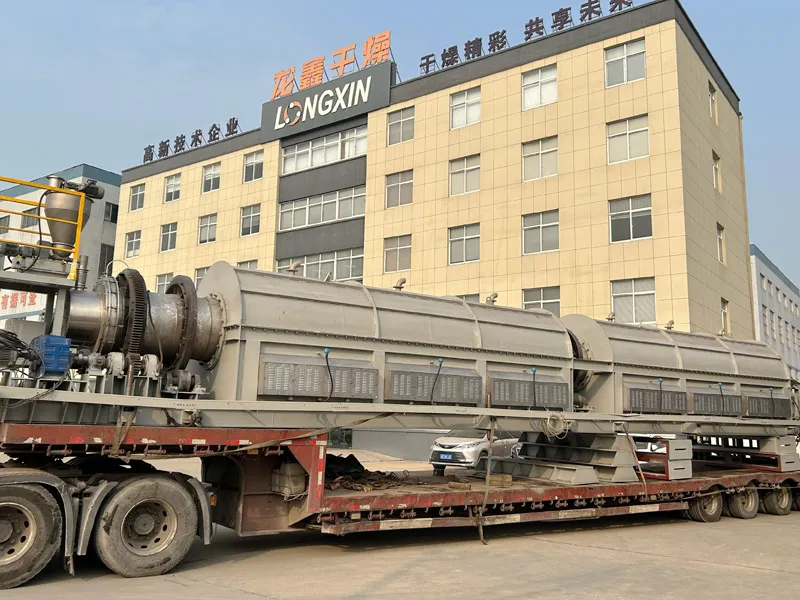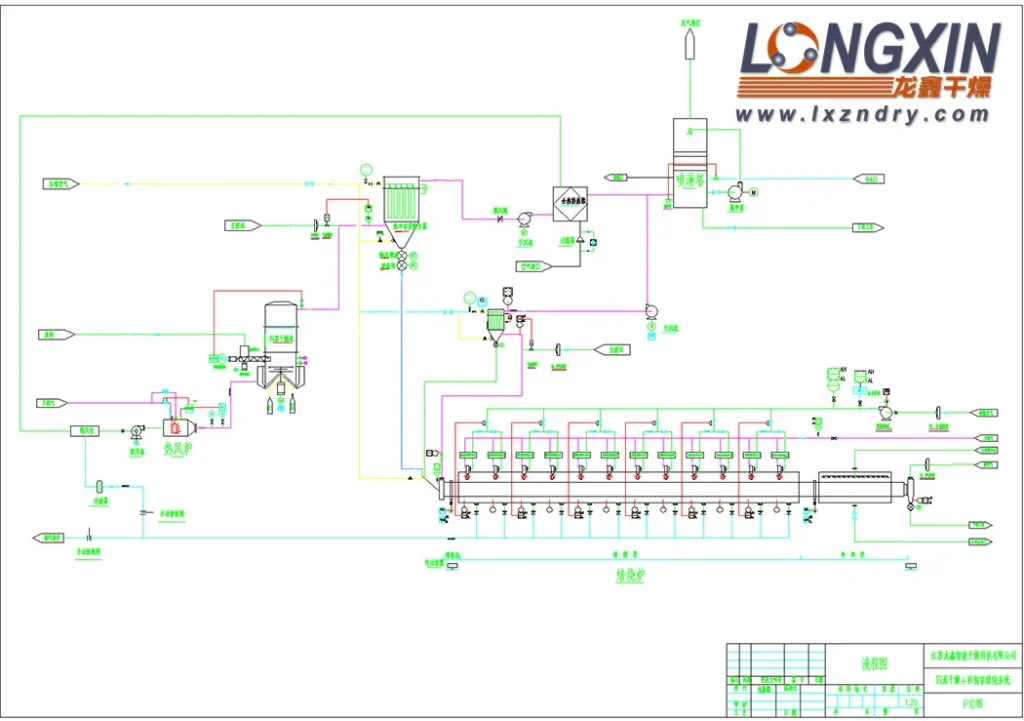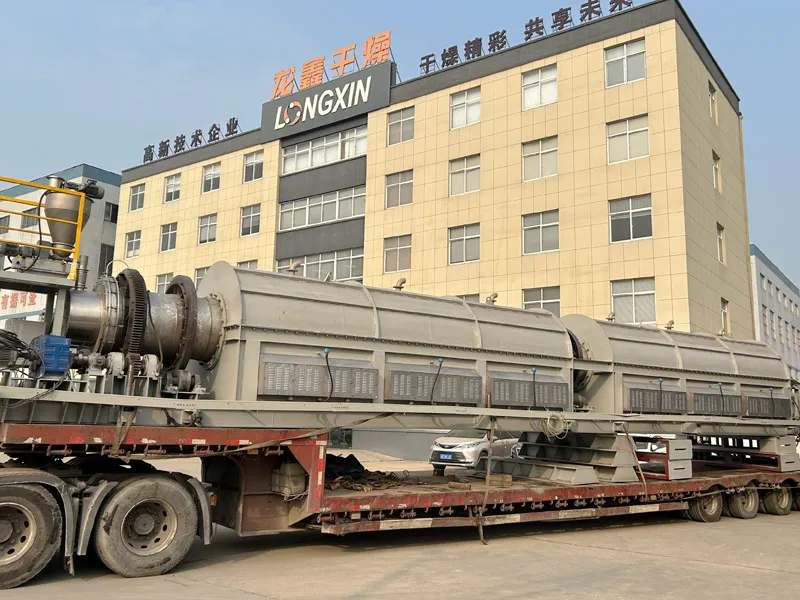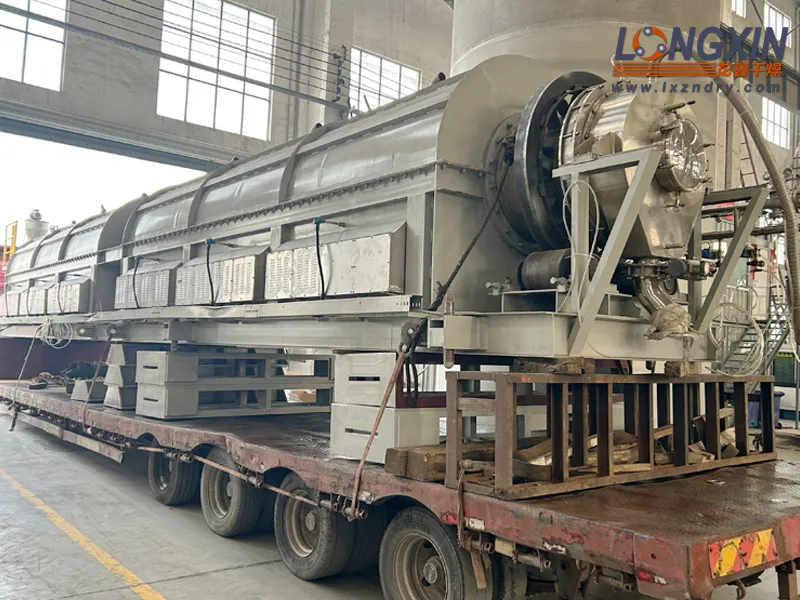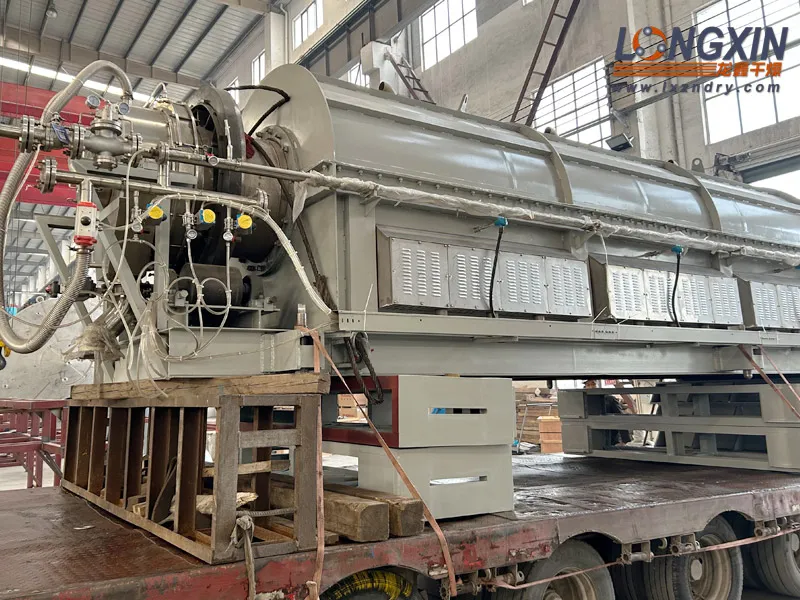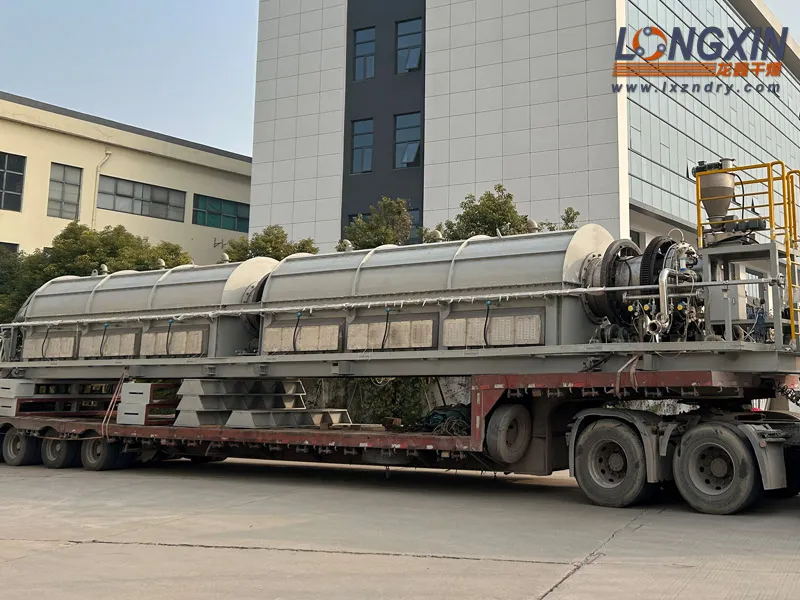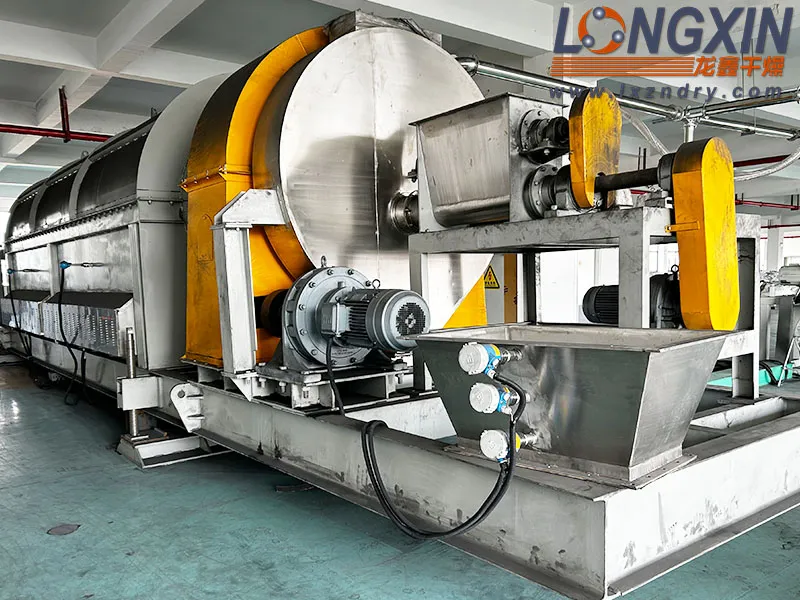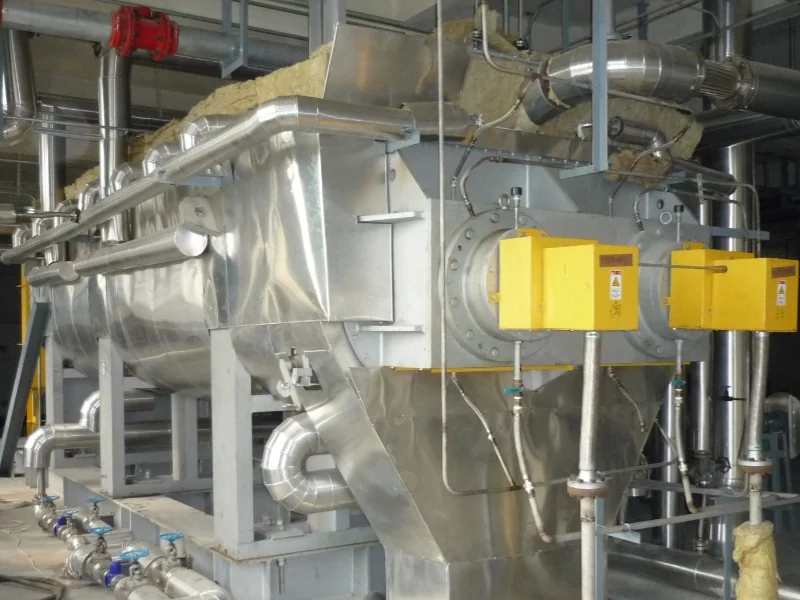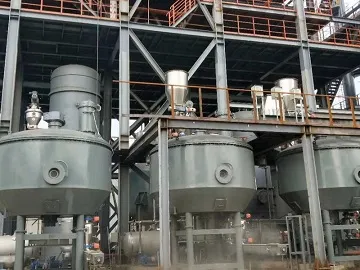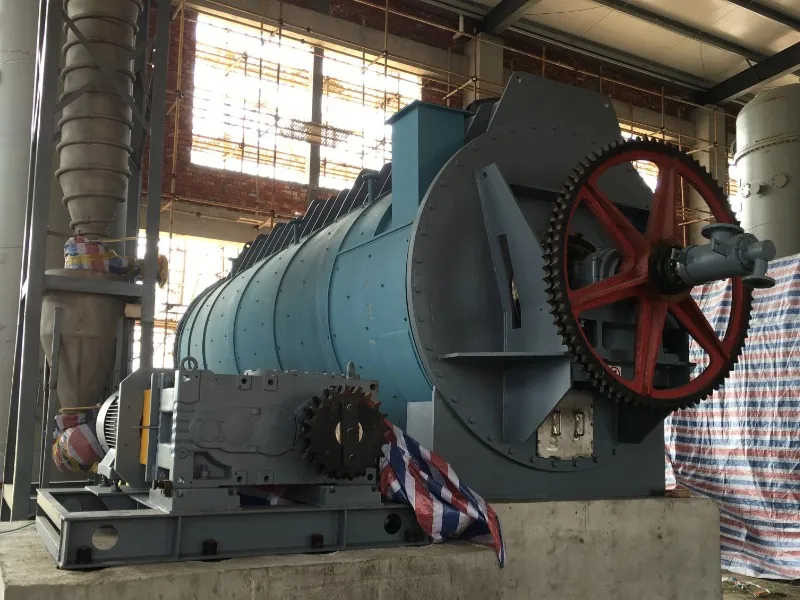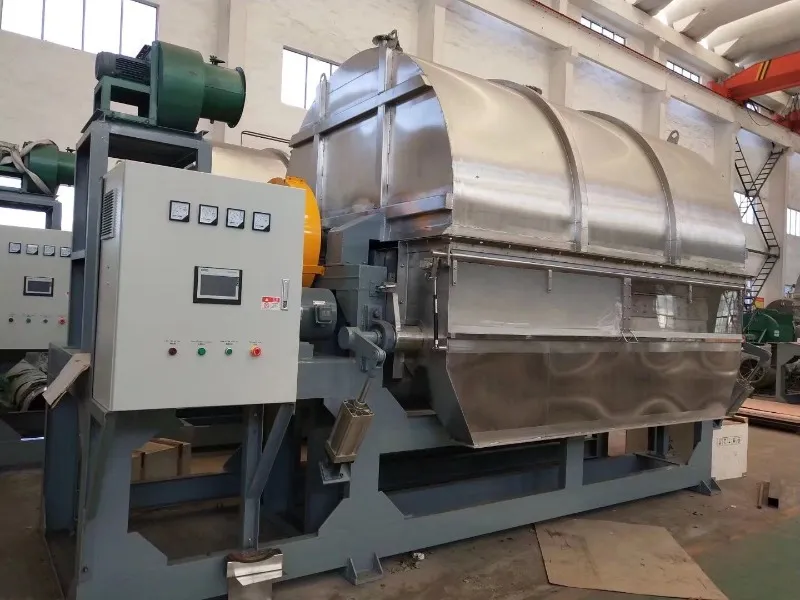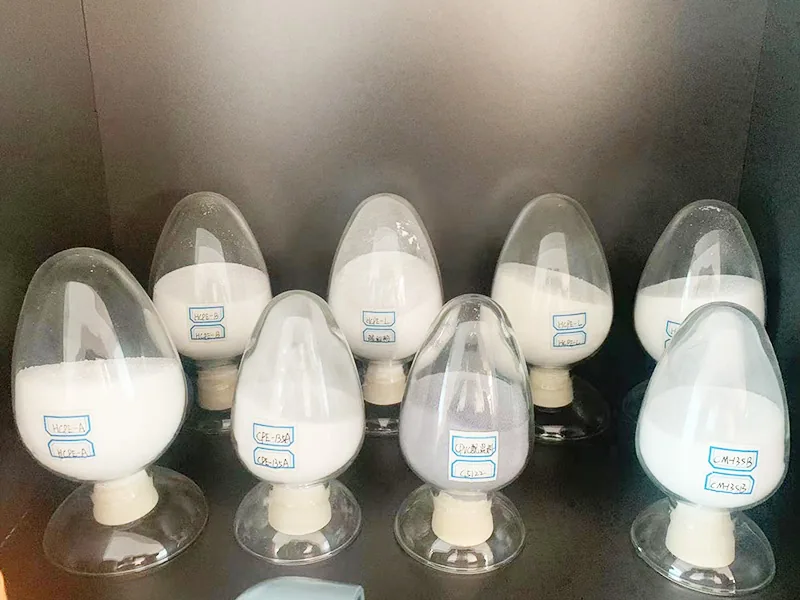
A rotary kiln is a widely used piece of industrial equipment, mainly used for the high-temperature roasting of various materials. Its unique rotary structural design allows the material to complete the roasting process in a dynamic environment, giving it higher processing efficiency and a more uniform roasting effect than traditional static roasting equipment.
(1) New energy materials: In the production of lithium battery materials, rotary kilns are used to roast cathode materials such as lithium iron phosphate and ternary materials, as well as anode material such as graphite. Precise temperature and atmosphere control ensures the integrity of the material's crystal structure and improves the battery's charge/discharge performance and cycle life. In the energy storage field, the roasting of electrode materials for supercapacitors can also be used to optimize material performance with this equipment.
(2) Chemical raw material processing: Used for roasting catalyst carriers, adjusting their pore structure and surface properties to improve catalyst activity; roasting inorganic salt raw materials to change their chemical composition and physical properties so as to meet the needs of subsequent chemical synthesis, such as roasting soda ash to produce a more reactive light soda ash.
(3) Building materials and ceramics: In ceramic production, the green body is roasted to densify it and improve its strength and gloss; in refractory material production, raw materials are roasted to enhance their high-temperature resistance, such as roasting high-alumina bauxite to produce high-grade refractory materials.
(4) Environmental protection and solid waste treatment: Handling various types of industrial waste residue, sludge and fly ash from domestic waste incineration. Through high-temperature roasting, harmful substances are solidified and stabilized, reducing environmental pollution, while valuable metals such as gold, silver and copper are recovered from the roasting products of electronic waste.
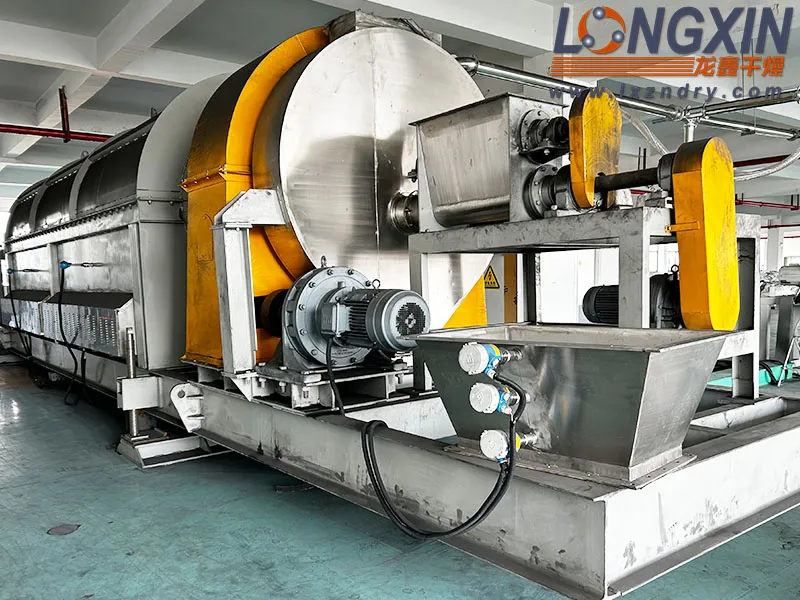
Jiangsu Longxin Intelligent Drying's rotary kilns integrate advanced materials science, thermal engineering technology and intelligent control technology, and are dedicated to providing efficient, stable and energy-saving roasting solutions for various industries. They are suitable for many industries, such as the preparation of lithium battery materials in the new energy field, catalyst powder production, waste treatment in the environmental protection industry, raw material pretreatment in the chemical industry and ore calcination in the building materials industry. Through precise temperature and atmosphere control and an optimized equipment structure, they meet the special requirements of different materials during roasting, helping enterprises improve product quality, reduce production costs and achieve sustainable development.
Rotary Kilns — Detailed Working Principle
Jiangsu Longxin Intelligent Drying's rotary kilns adopt advanced principles of heat conduction and convection. They are inclined cylinders rolled from sturdy steel plate, with the inner wall lined with refractory material, which not only protects the kiln body but also reduces heat loss. A feed inlet and a discharge outlet are provided at the two ends respectively and, together with the transmission device, enable the kiln to rotate slowly at a stable speed. Heating methods are mainly combustion heating and electric heating. The former uses fuels such as natural gas and coal gas, which are fully burned in a combustion chamber or through burners to release heat energy; the latter uses elements such as resistance wires to convert electrical energy into heat. The heat generated first raises the temperature of the kiln shell and is then conducted through the cylinder wall to the interior.
Material enters from the kiln tail and, under the combined effect of gravity and cylinder rotation, moves axially toward the kiln head. By adjusting the inclination and rotation speed of the kiln cylinder, the material residence time can be precisely controlled. During movement, the material continuously absorbs the heat conducted from the cylinder wall and undergoes a series of physical and chemical changes such as drying, preheating, decomposition and sintering. Because indirect heating isolates the material from the combustion products or heating medium, specific atmospheres such as inert or reducing atmospheres can be created inside the kiln to meet the roasting requirements of different materials. Finally, the material is discharged from the kiln head and enters subsequent processes such as cooling and screening. As for gas control, a high-precision gas flow regulating system is provided, which can introduce different gases such as inert or oxidizing gases according to process requirements, precisely controlling the atmosphere inside the kiln to meet the roasting requirements of all kinds of materials.
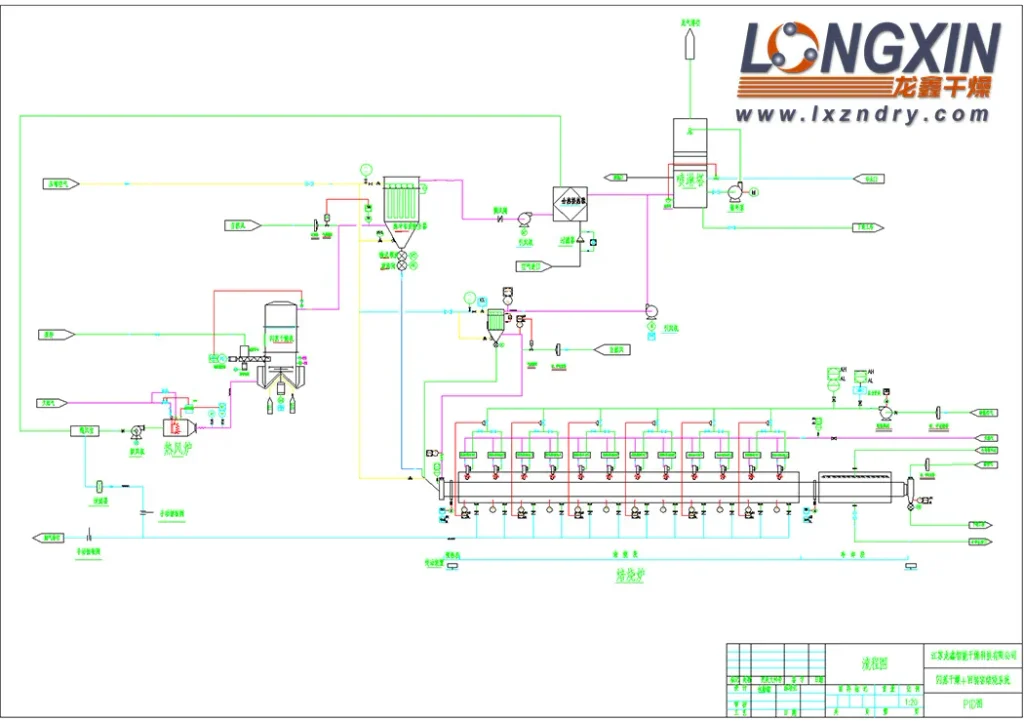
Rotary Kilns — Equipment Structure Analysis
(1) Kiln body structure: The main body is made of high-temperature-resistant alloy steel and, after a special heat treatment process, has good high-temperature resistance, wear resistance and deformation resistance. The interior of the kiln body uses a double-layer insulation design, effectively reducing heat loss and improving energy utilization.
(2) Transmission system: Composed of a motor, reducer, gears and other parts; the transmission is smooth and the torque is large, and the kiln rotation speed can be precisely adjusted according to material characteristics and process requirements. An advanced variable-frequency speed control device is provided to achieve energy-saving operation and precise control.
(3) Heating system: In the combustion heating mode, fuels such as natural gas and coal gas are burned in a dedicated combustion chamber or through burners, generating a large amount of heat energy. In the electric heating mode, resistance wires or other electric heating elements are used to convert electrical energy into heat.
(4) Sealing system: An independently developed multi-stage sealing structure, combined with high-temperature-resistant and corrosion-resistant sealing materials, effectively prevents outside air from entering the kiln and ensures the stability of the kiln atmosphere and the accuracy of the process.
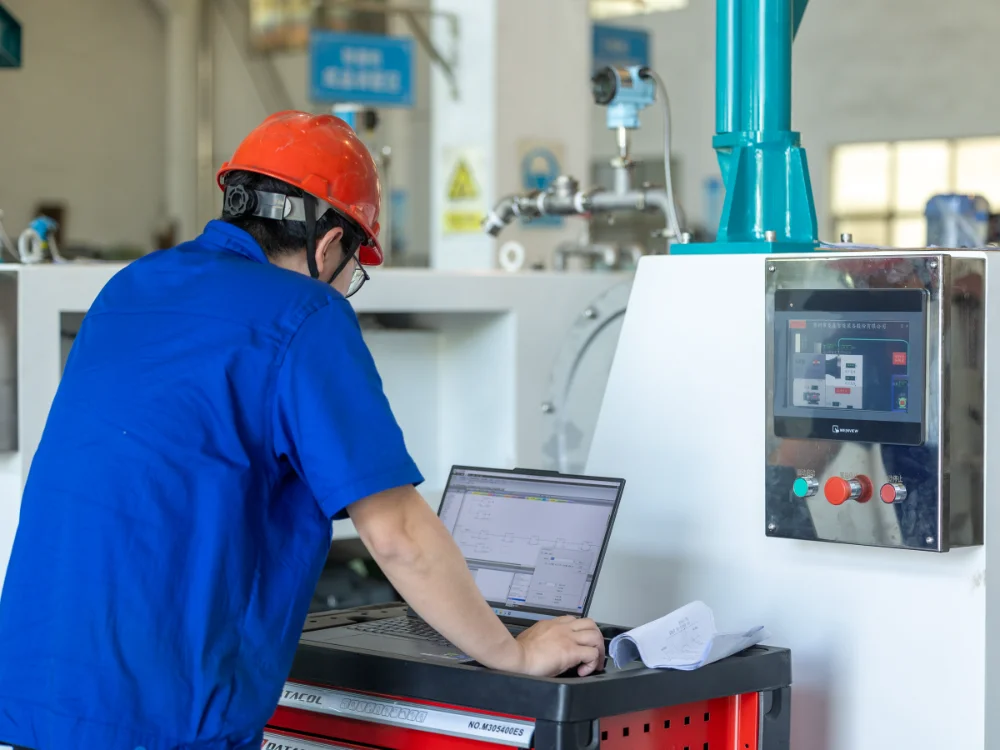
(5) Intelligent control system: Integrates an advanced PLC control system and human-machine interface, enabling real-time monitoring and adjustment of key parameters such as kiln temperature, gas flow rate and rotation speed. It provides fault alarms, data logging and remote communication functions for convenient operation and management.
Rotary Kilns — Detailed Description of Core Advantages
(1) Reliable atmosphere stability: The independently developed multi-stage sealing structure, together with high-temperature-resistant and corrosion-resistant sealing materials, fundamentally prevents outside air from seeping in and ensures a stable atmosphere inside the kiln. The high-precision gas flow regulating system can precisely control the introduction of various gases, keeping the kiln atmosphere within an extremely small error range and meeting the roasting processes of materials with extremely strict atmosphere requirements, such as lithium battery materials.
(2) Robust, durable and reliable: High-temperature-resistant alloy steel is used as the main material of the kiln body, and a special heat treatment process enhances its high-temperature resistance, wear resistance and deformation resistance. The overall structural design is reasonable, and key components have undergone strict strength and fatigue tests, ensuring long-term stable operation under harsh conditions of high temperature and heavy load, reducing equipment maintenance frequency and downtime, and improving production efficiency.
(3) Intelligent and precise control: Based on an advanced PLC control system and human-machine interface, operators can not only monitor key parameters such as kiln temperature, gas flow rate and rotation speed in real time, but also achieve fully automated operation through preset programs. The intelligent temperature control algorithm, combined with high-precision temperature sensors, ensures highly consistent roasting results for every batch of material, providing a solid guarantee for product quality.
(4) High efficiency and reduced energy consumption: The optimized heat exchange system makes full use of heat; combined with energy-saving burners that automatically adjust the fuel supply according to the kiln temperature and the material's roasting progress, energy utilization is greatly improved. Compared with traditional equipment, it improves energy utilization and effectively reduces production costs.
(5) Highly customized service: With an in-depth understanding of the special roasting requirements of different industries and materials, we provide comprehensive personalized customization services covering equipment size, capacity and process parameters. A professional technical team designs and optimizes solutions according to customer needs to ensure the equipment matches the customer's production process.
Rotary Kilns — Analysis of the Advantages of the Combustion Heating and Electric Heating Systems
In the operation of indirectly heated rotary kilns, the combustion heating and electric heating systems play a crucial role, each with its own unique advantages, providing diverse choices for different production needs.
(1) Advantages of the combustion heating system
Wide energy supply: Common fuels such as natural gas and coal gas are abundant and can be supplied stably in many regions. This means the combustion heating system is not limited by energy geography; as long as the corresponding fuel supply infrastructure is available, it can continuously provide stable heat for the rotary kiln.
Economical equipment cost: Compared with some complex electric heating equipment, the overall equipment cost of a combustion heating system is lower. From the combustion chamber to the burner, the purchase and installation costs of these components are relatively low, making this an attractive choice for enterprises with limited budgets. This reduces the financial pressure of the initial equipment investment, which is more conducive to rational allocation of funds and to the initial operation of the enterprise.
(2) Advantages of the electric heating system
Precise and efficient temperature control: With advanced resistance wire and other electric heating element technology, the electric heating system can control the temperature within a very small fluctuation range. This precise temperature control is crucial for materials with strict roasting temperature requirements; it ensures that the material completes the roasting process under optimal temperature conditions, greatly improving the stability and consistency of product quality.
Green and energy-saving: The electric heating system produces no exhaust gas during operation, meeting current strict environmental standards and reducing environmental treatment costs and environmental risks for enterprises. At the same time, because the efficiency of converting electrical energy into heat is high, energy waste is reduced, helping enterprises achieve energy-saving and emission-reduction goals.
Highly automated operation: The electric heating system is easy to automate. Through an intelligent control system, the heating power and time can be automatically adjusted according to preset programs, enabling unattended production. This not only reduces labour costs but also improves the safety and reliability of the production process and reduces the influence of human factors on production.
In summary, the combustion heating and electric heating systems each have their own unique advantages in indirectly heated rotary kilns. When making a choice, users should comprehensively consider their own production needs, cost budget, environmental protection requirements and other factors in order to make a suitable decision.