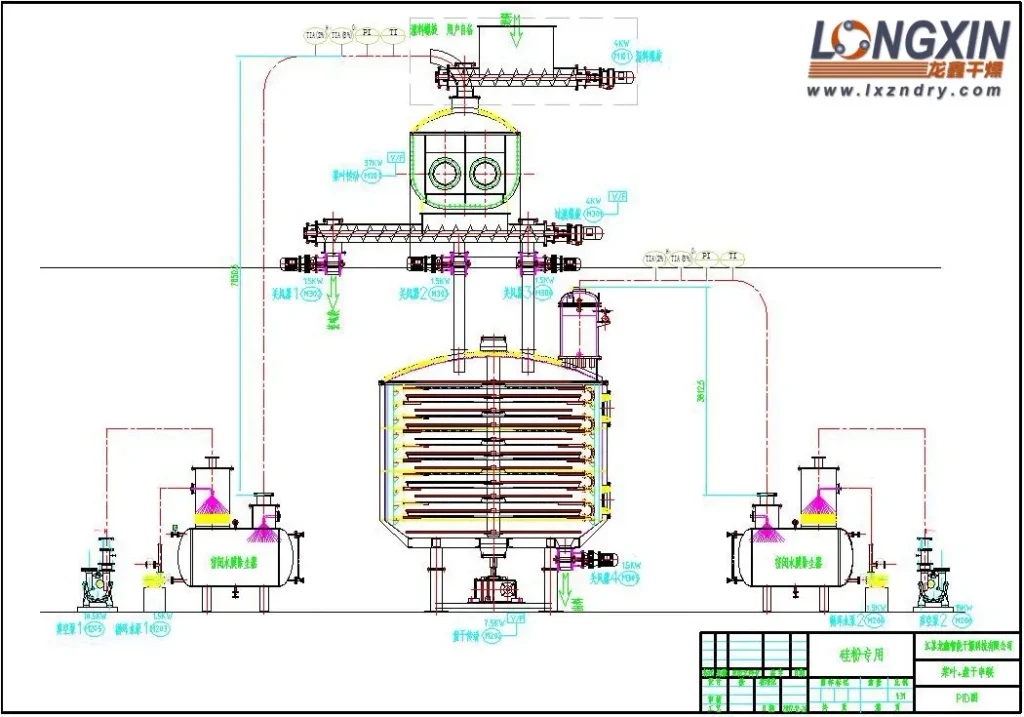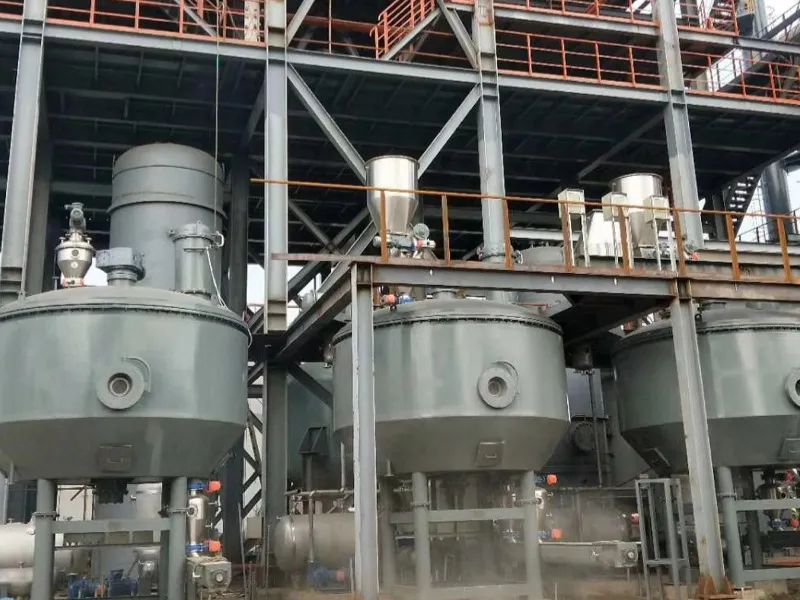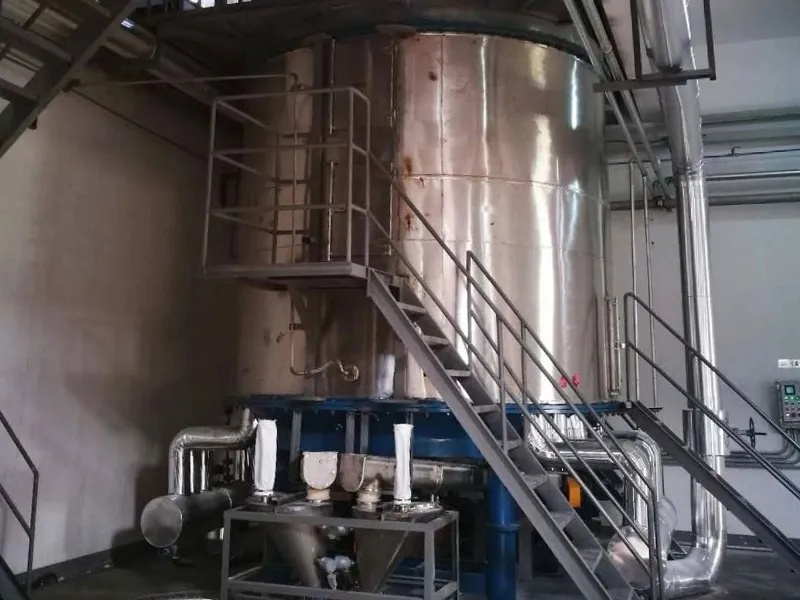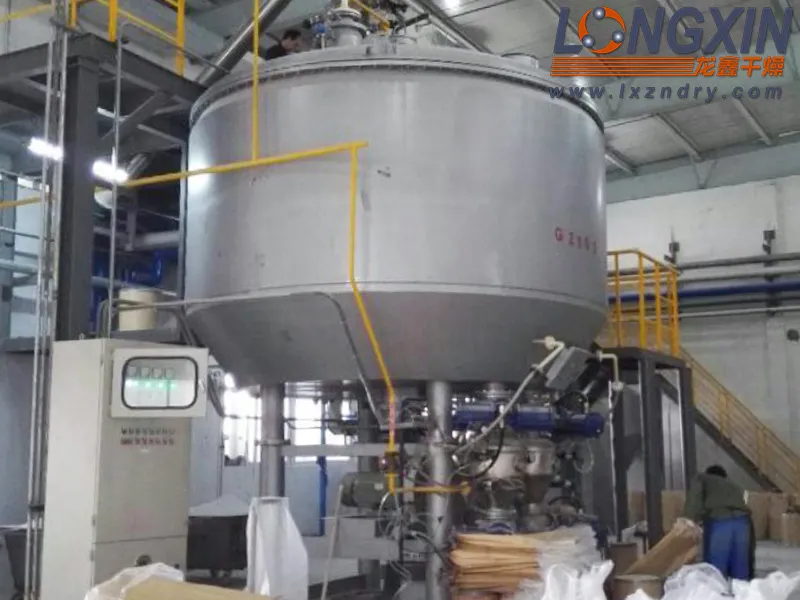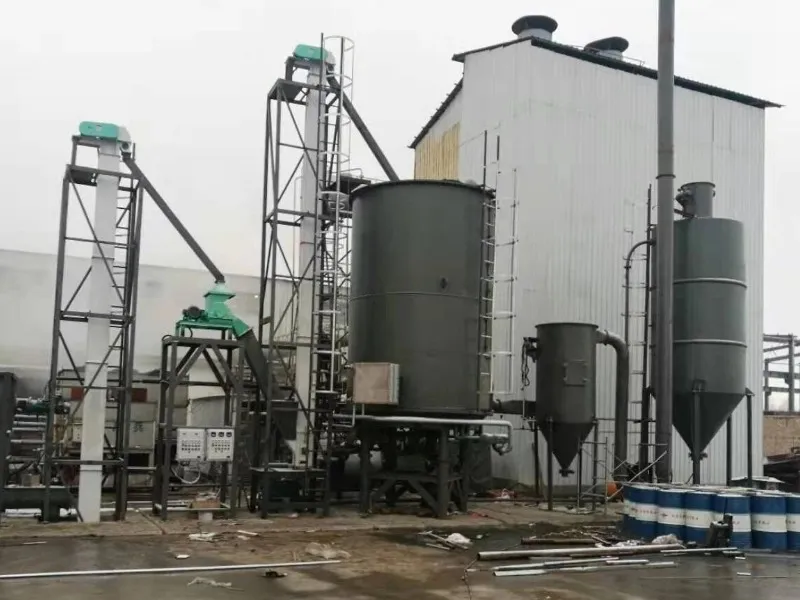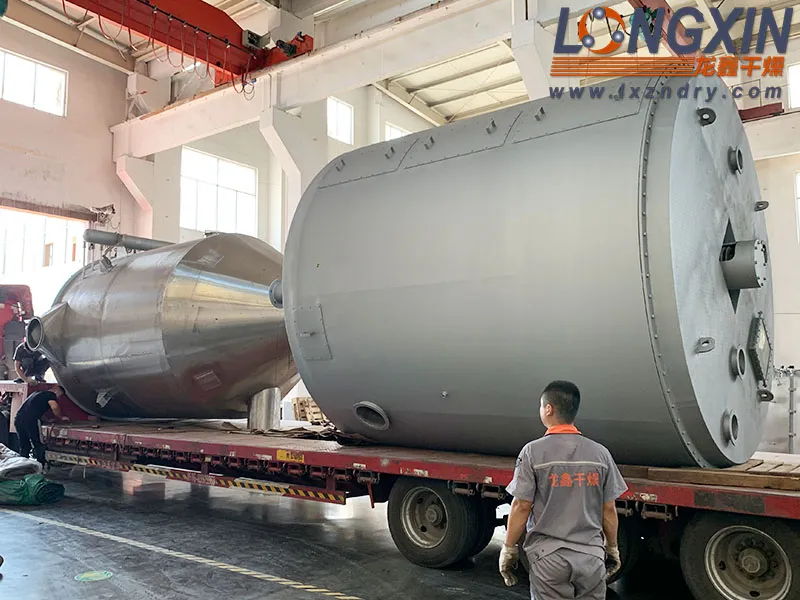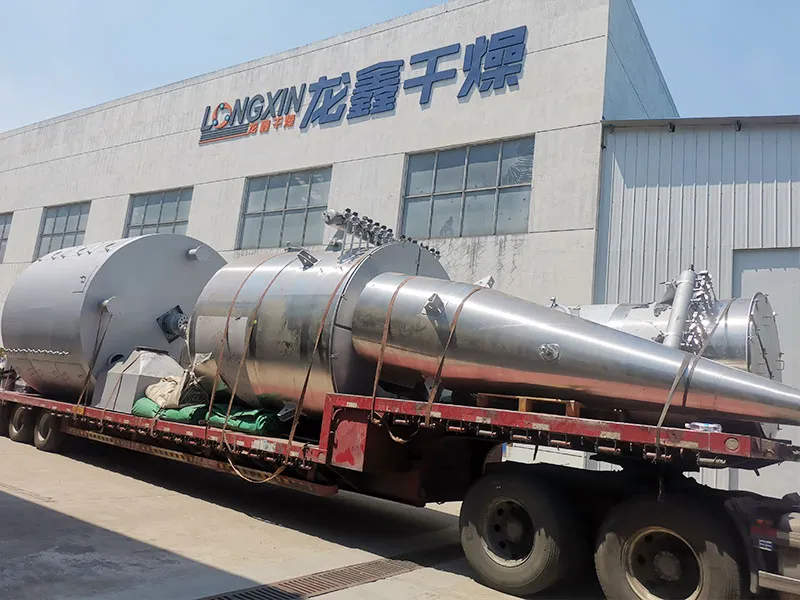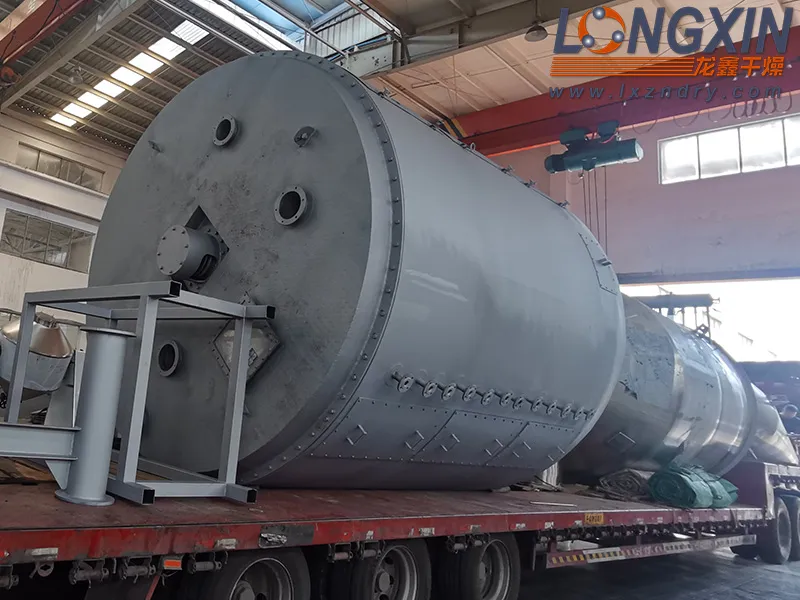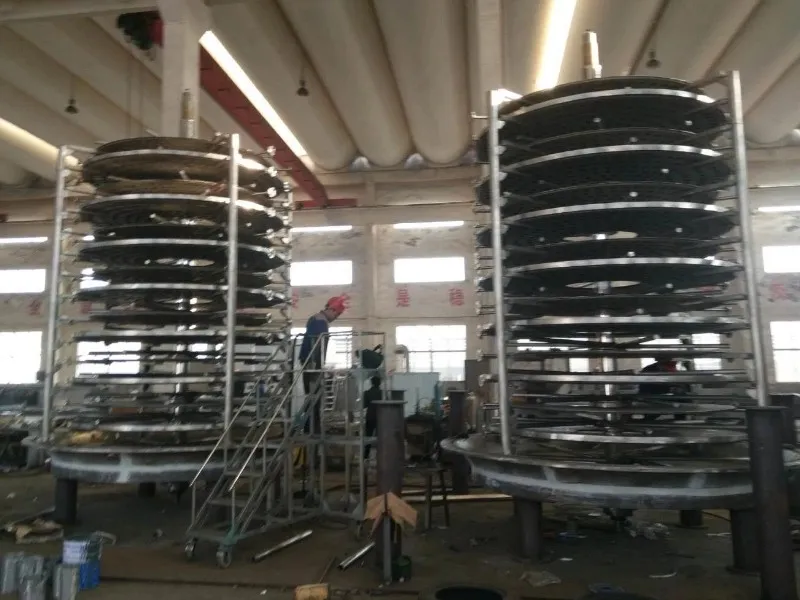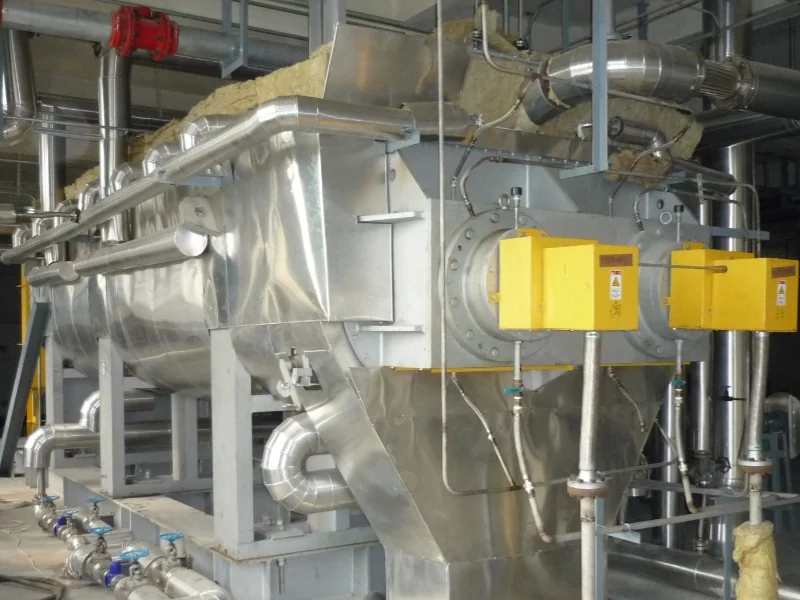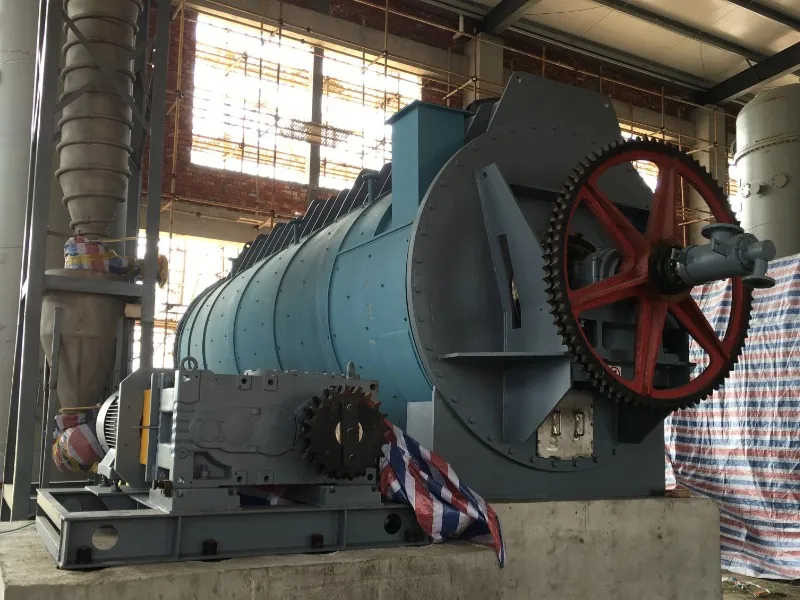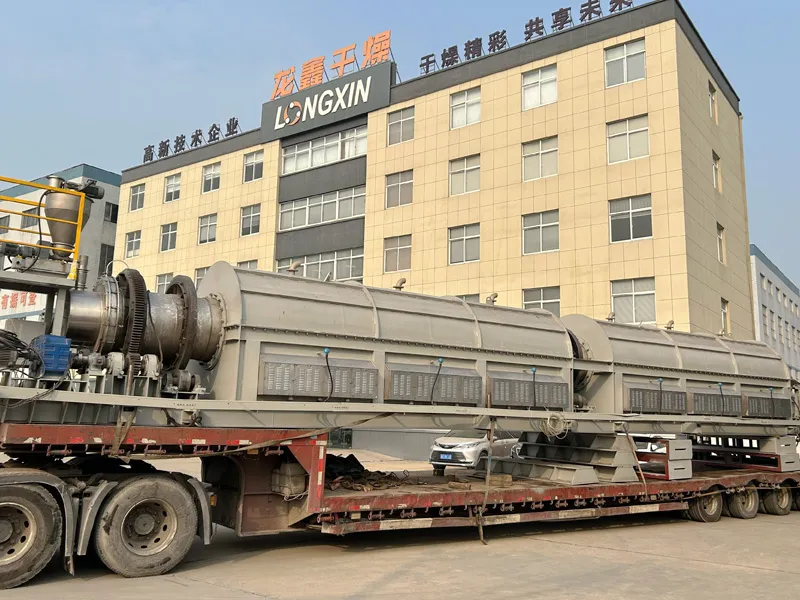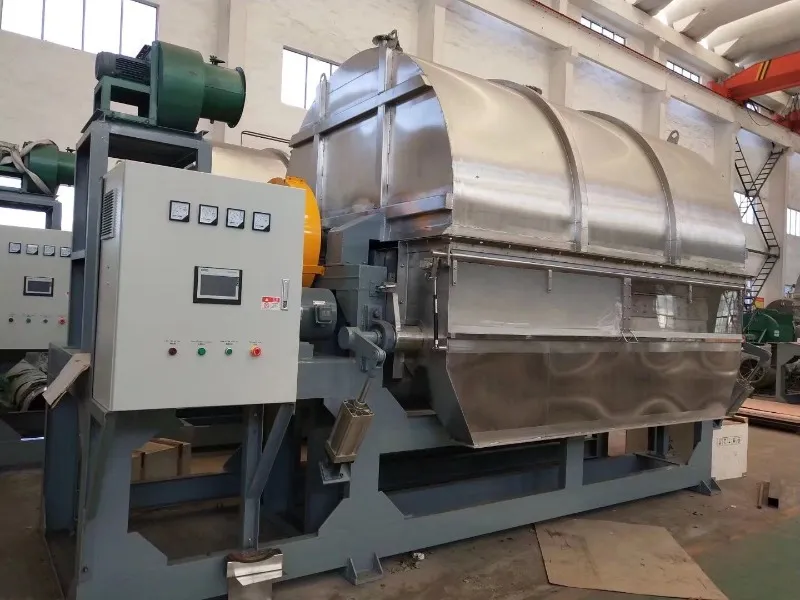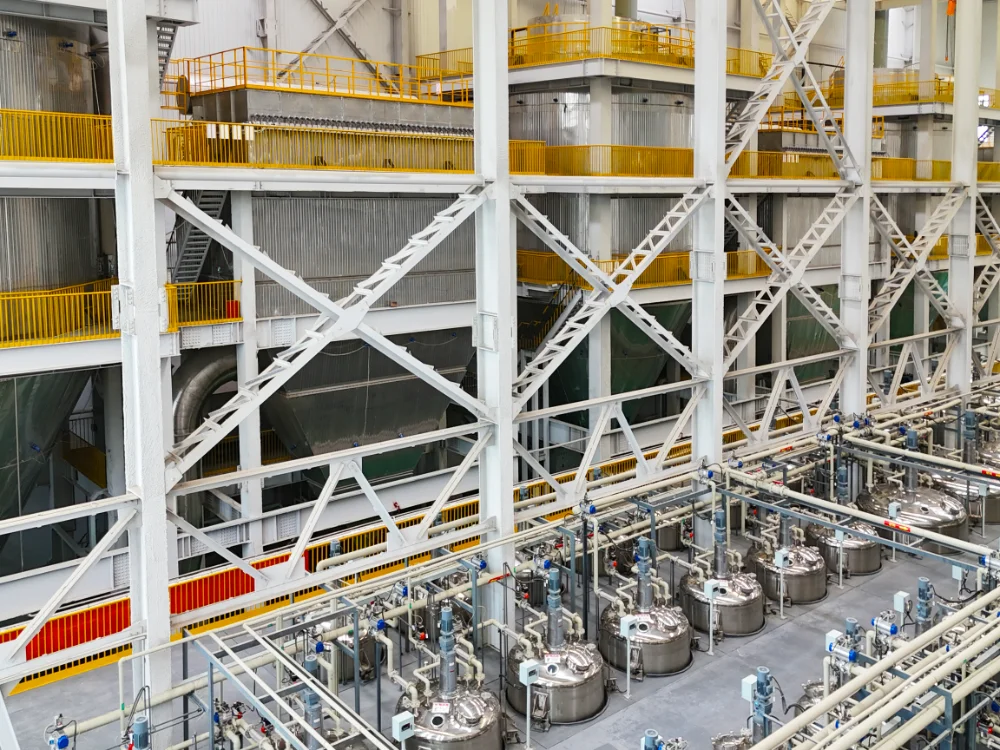
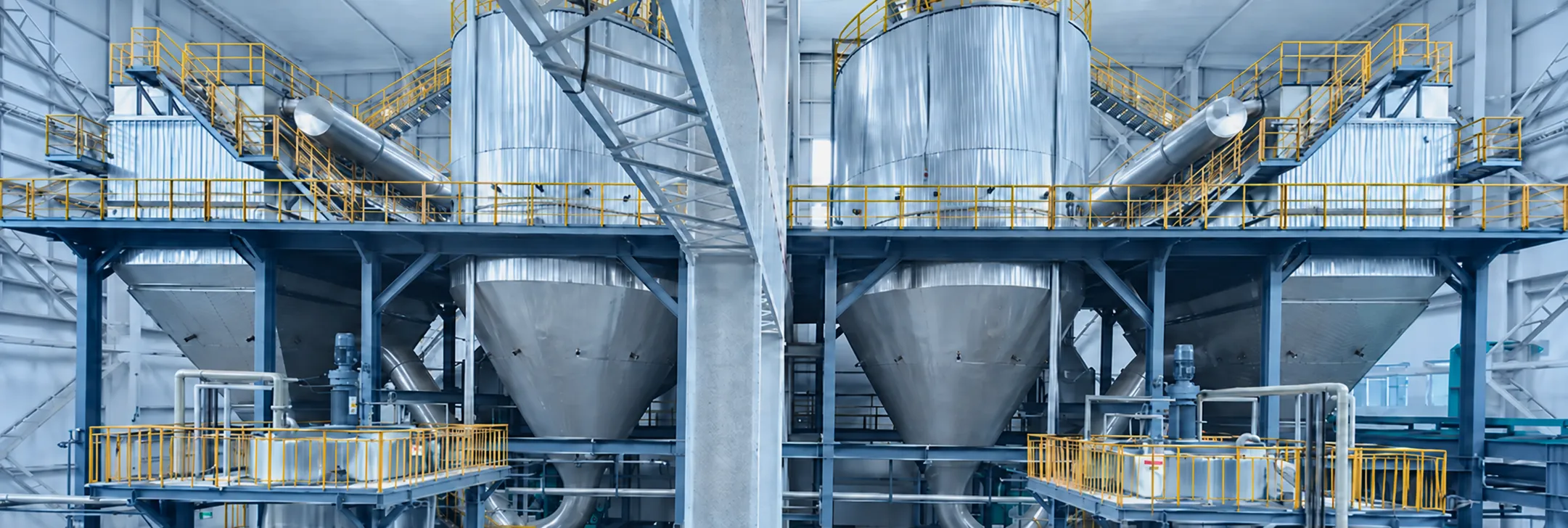
The disc dryer, also known as a multi-disc dryer, is a vertical continuous drying unit in which material is agitated by rotating rakes across a stack of horizontal discs. It is principally a conduction-type contact dryer, developed through continuous refinement of fixed-bed conductive dryers and rake-type agitated dryers.
The disc dryer is suited to applications where heating conditions are favourable and the material tolerates prolonged contact with a heated surface. It is particularly well matched to free-flowing, non-caking, extremely fine powders (below 100 mesh) and to granular materials with a broad particle-size distribution.
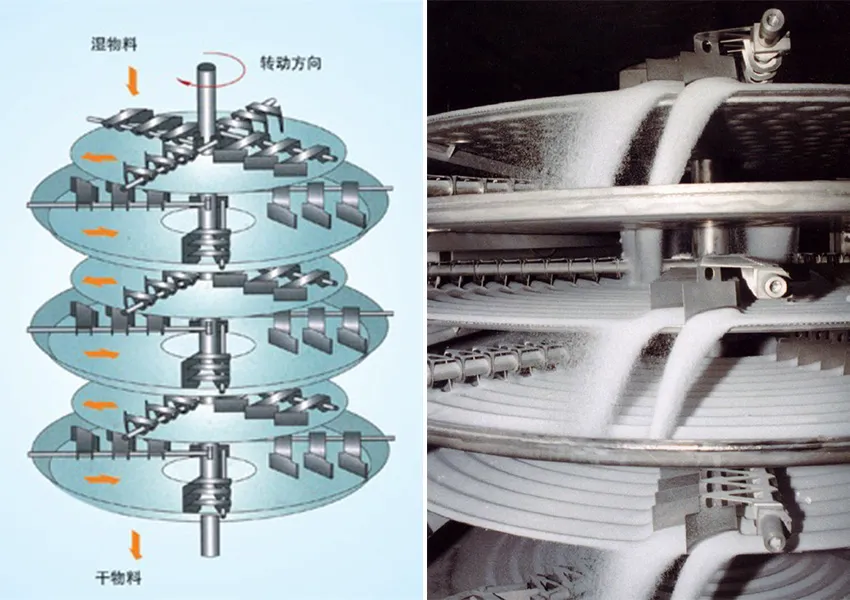
PLG Series Continuous Disc Dryer — Working Principle
Disc dryers are classified by heating method as contact-conduction, hot-air convection, and combined convection-conduction types; by operating pressure as atmospheric, gas-tight, and vacuum types. A single unit can serve as a dryer, as a cooler, or as both.
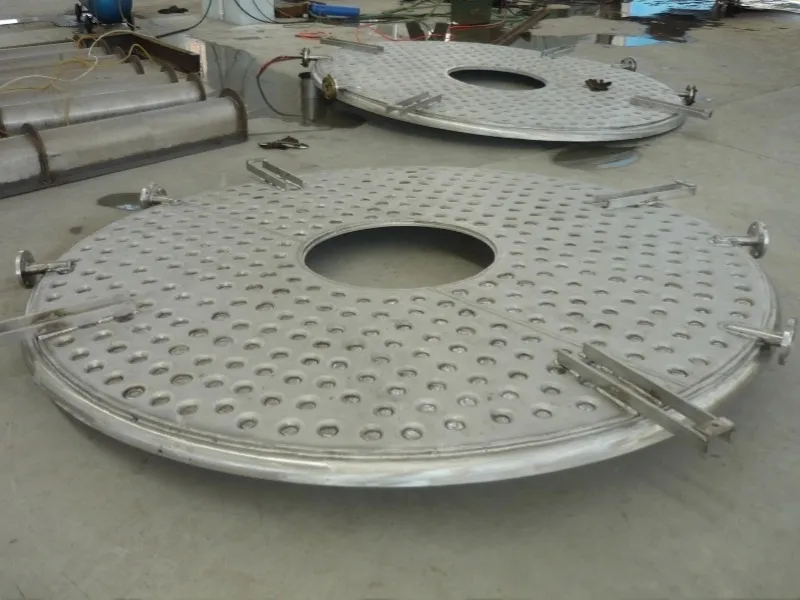
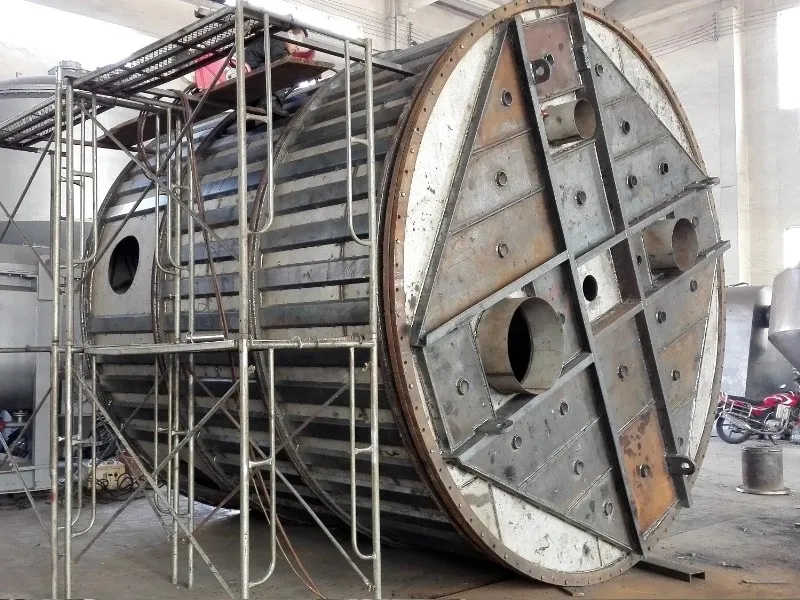
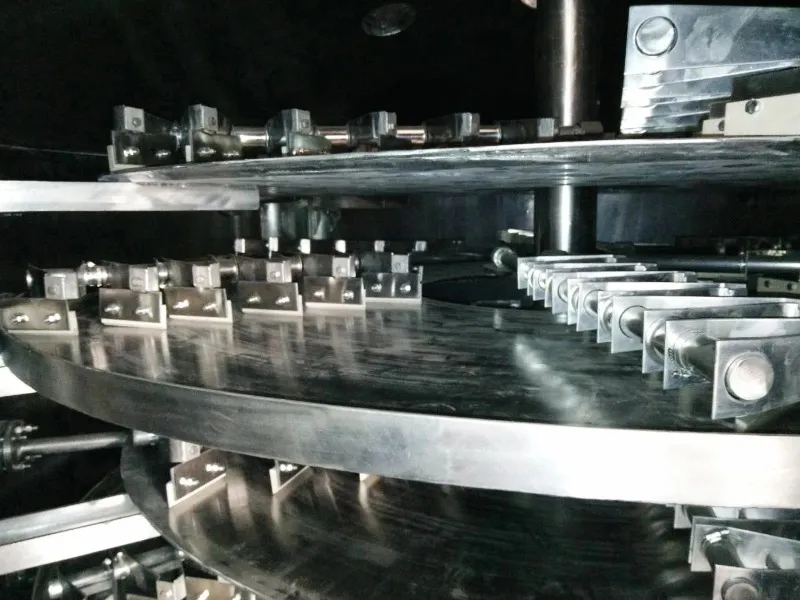
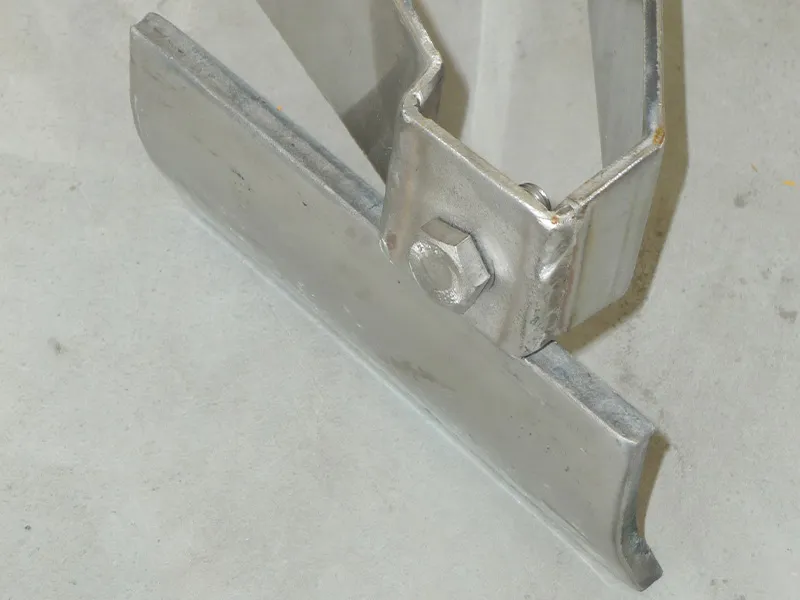
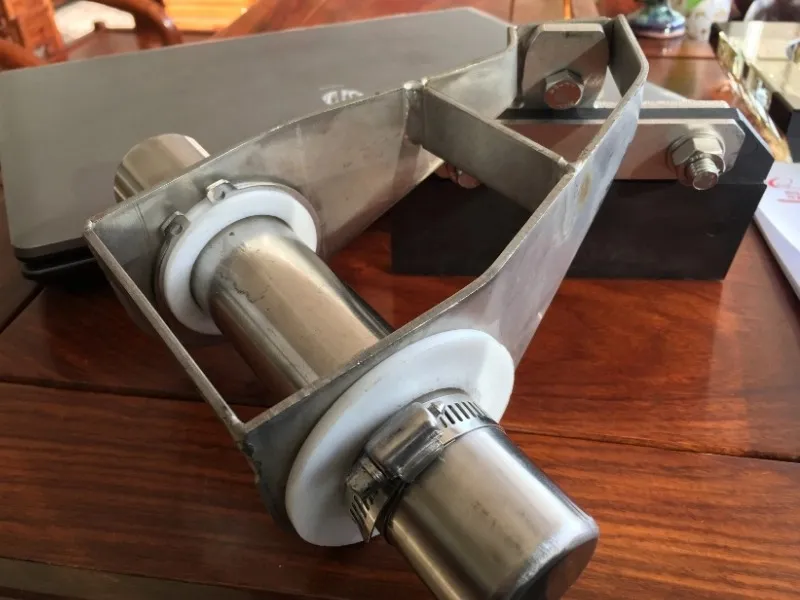
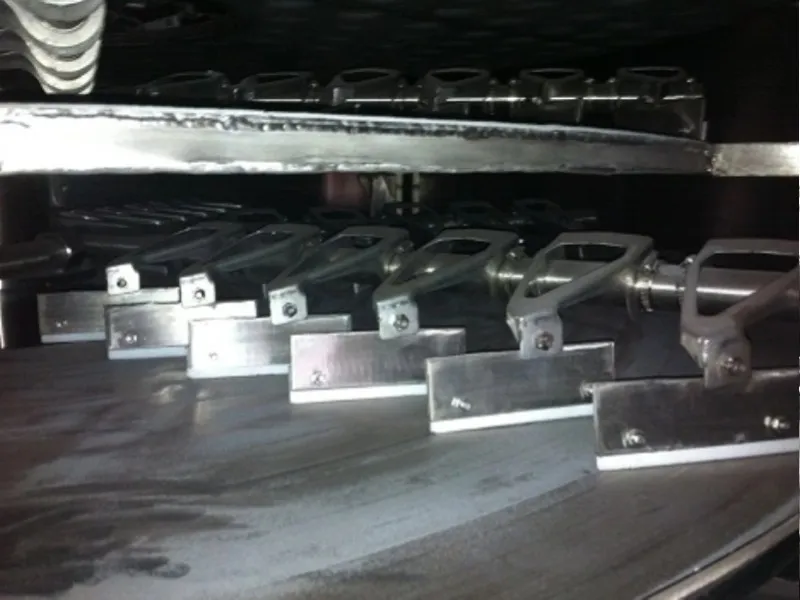
The equipment consists mainly of the shell and frame, hollow heating discs, the main shaft with agitator arms and rake blades, upper and lower bearings, the coupling, the variable-speed drive, the feeder, the heating-medium inlet and outlet with control instrumentation, and the inspection door and discharge device. For vacuum drying, vacuum, separation or condensation equipment is supplied as an ancillary package.
The shell is a vertical cylinder or polygonal vessel. For vacuum or gas-tight operation, a cylindrical shell is normally used to better withstand the pressure loads. An internal frame carries a stack of horizontal annular hollow heating discs at fixed vertical spacing. A heating medium such as steam, hot water or thermal oil is circulated through the hollow interior of each disc; baffles or support rods are fitted inside the jackets to increase rigidity and strength. Each disc has its own inlet and outlet connections and the discs can be arranged in series, in parallel, or in series-parallel, allowing the temperature of each layer to be controlled independently and the temperature profile within the unit to be adjusted.
Where the process requires it, a cooling medium can be passed through the bottom disc to reduce product temperature and recover heat, preventing the overheating and degradation that occurs in fixed-bed units when the material temperature in the later stage approaches the disc wall temperature.
PLG Series Continuous Disc Dryer — Performance Features
- Compared with tray or cabinet dryers, the disc dryer conveys material mechanically and operates continuously, with adjustable throughput. It eliminates heavy loading and unloading work and manual tray handling, reducing labour intensity, improving working conditions and simplifying supervision.
- Drying efficiency is high. The overall heat transfer coefficient reaches 240–544 kJ/(m²·h·°C), with an average evaporation intensity of approximately 3–10 kg/(m²·h).
- Vertical installation and effective insulation give high utilisation of the heat source and of waste heat. Only 1.1–1.4 kg of steam is required per kilogram of water evaporated, and power consumption is about one tenth that of a rotary drum dryer, making the process economically attractive.
- The footprint is small and the structure compact. Installation is simple, and the unit can be installed and operated either indoors or outdoors.
- Exhaust gas or vapour leaves at low velocity and dust carry-over is minimal, so the unit can meet the discharge standards for the three wastes. It is particularly suitable for drying technical-grade pesticides without the need for an additional dust collector.
- The number of heating discs and the main shaft speed are adjustable, so the material residence time can be set freely to suit process requirements.
- The temperature of each disc layer can be controlled to establish the required temperature profile. Drying and cooling can be combined in one unit, giving a uniform product with low mechanical stress.
- Components are standardised and interchangeable, and the unit is assembled to suit the duty, giving wide adaptability.
- When suitably combined with other equipment, the dryer can also recover solvents and dry pasty materials, and can be used for calcination, sublimation and other thermal processing operations.
PLG Series Continuous Disc Dryer — Applications
- Organic chemicals: PVC resin, PTFE resin, fumaric acid, anthraquinone, nitroanthraquinone, p-aminophenol, melamine, cyanuric acid, sulfanilic acid, antioxidant 168, Naphthol AS, stearates, aniline, nitroaniline, dipentaerythritol, chlorinated paraffin, calcium formate, triethylenediamine, EDTA, rubber accelerators, sodium benzenesulfinate, isophthalic acid, dimethyl 5-sulfoisophthalate sodium salt, thiourea, oil-soluble aniline black dyes, acid black dyes, indigo, and other organic chemical raw materials and intermediates.
- Inorganic chemicals: light calcium carbonate, activated calcium carbonate, nano ultrafine calcium carbonate, magnesium carbonate, sulfur concentrate, pyrite, copper-nickel ore, aluminium hydroxide, white carbon black, strontium carbonate, barium carbonate, potassium carbonate, lithopone, sodium hydrosulfite, silica powder, barium sulfate, potassium sulfate, microsphere catalysts, magnesium hydroxide, copper sulfate, nickel sulfate, nickel ammonium salt, sodium molybdate, sodium chloride, cryolite, iron oxide red, nickel oxalate, cobalt oxalate, iron oxide black, lithium hydroxide, nickel hydroxide, zirconium hydroxide, calcium phosphate, sulfur.
- Pharmaceuticals and food: ampicillin, Dane salt, D-(−)-phenylglycine and its intermediates, cefotaxime, ceftriaxone, metamizole, cimetidine, vitamin B12, vitamin C, pharmaceutical salts, pharmaceutical aluminium hydroxide, pharmaceutical magnesium metasilicate, caffeine, tea, flower extracts, ginkgo biloba leaf, cocoa powder, starch, corn germ, and other raw materials and pharmaceutical intermediates.
- Feed and fertilizer: potassium carbonate, bio-potassium fertilizer, protein feed, feed-grade chlortetracycline, mycelium, bran, distillers' grains, grain, seeds, herbicides, cellulose, feed-grade dicalcium phosphate.
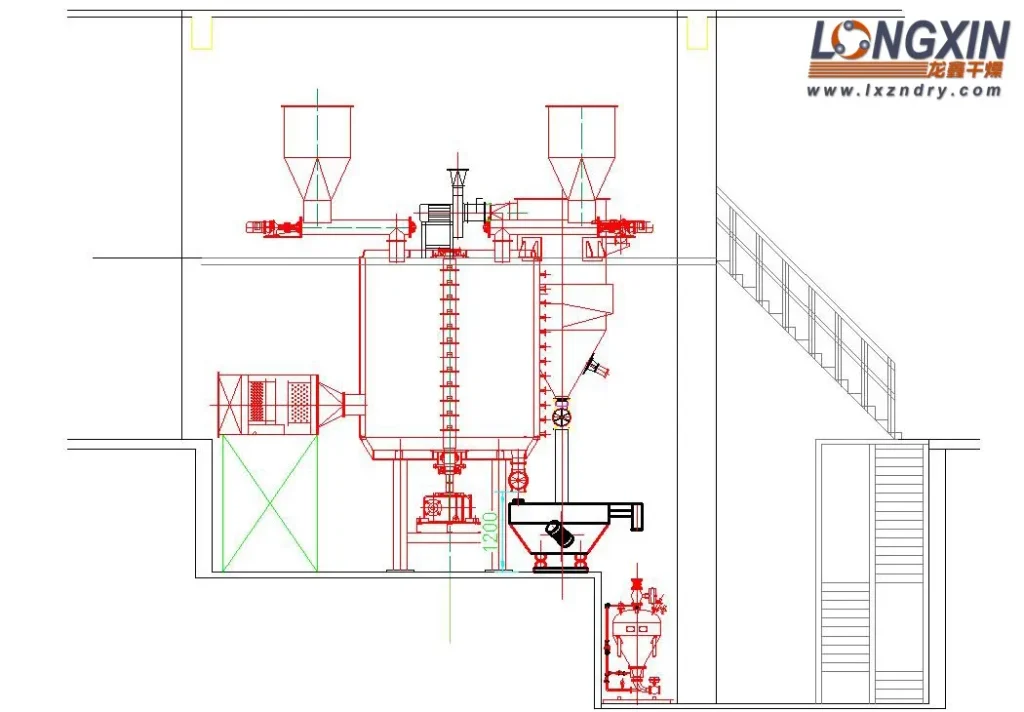
PLG Series Continuous Disc Dryer — Process Flow Diagram 1: Atmospheric Operation
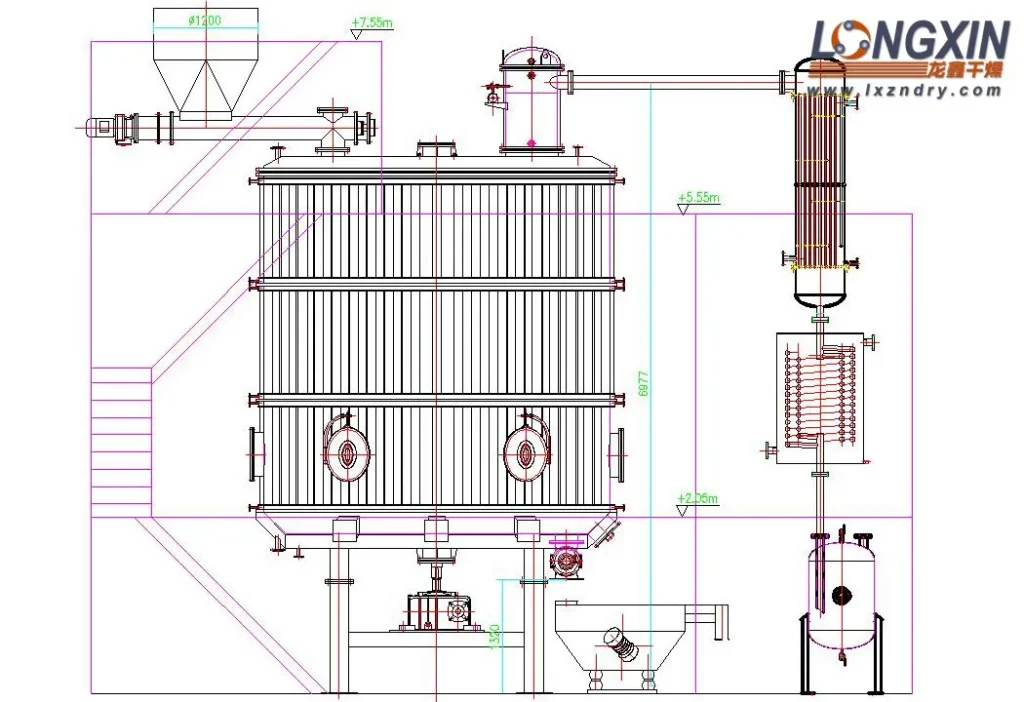
PLG Series Continuous Disc Dryer — Process Flow Diagram 2: Vacuum Operation
PLG Series Continuous Disc Dryer — Process Flow Diagram 3: Vacuum Operation
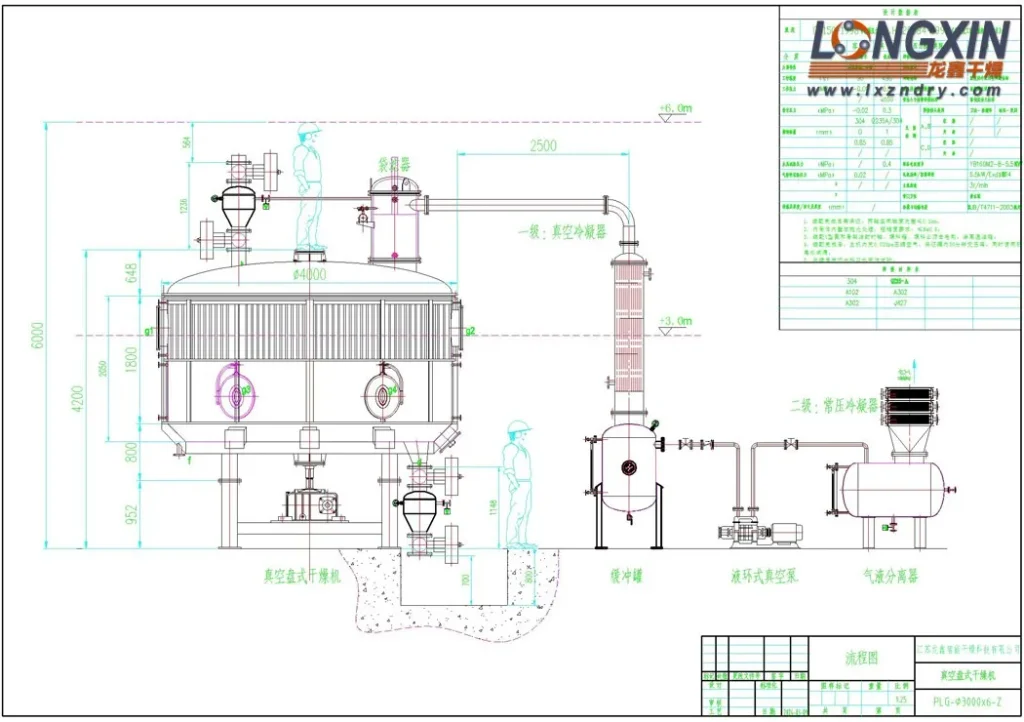
PLG Series Continuous Disc Dryer — Process Flow Diagram 4: Paddle Dryer and Disc Dryer in Series