Crossing the Ocean, Delivering Quality Worldwide | Annual 10,000-Tonne High-Compaction LFP Spray Dryer Ships to the Middle East Today
Summary:
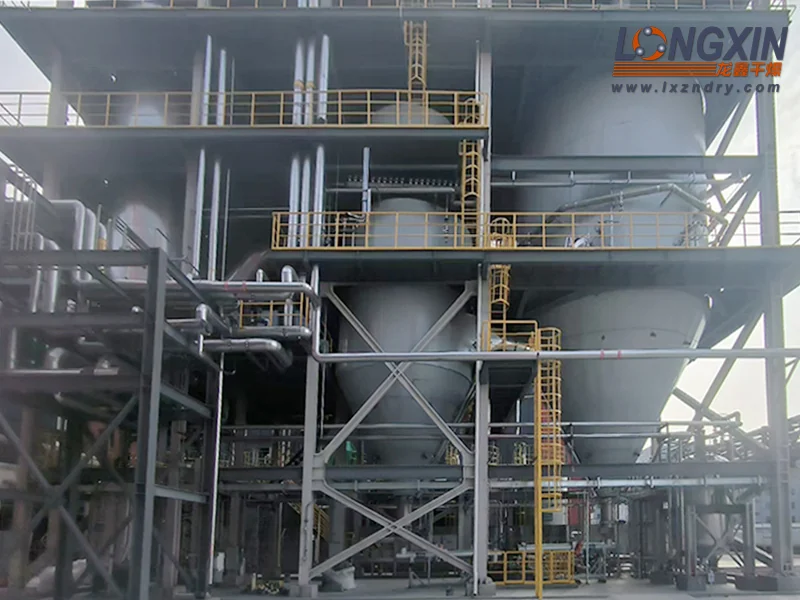
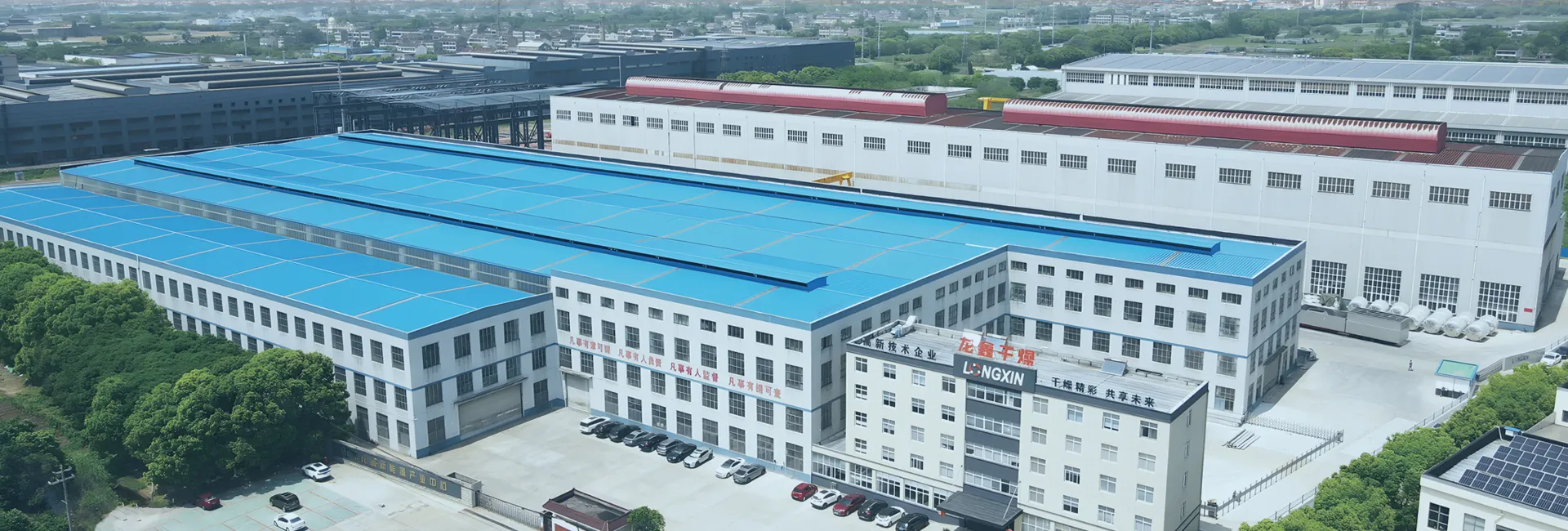
On November 25, 2026, at the Longxin Drying factory, a 10,000-tonne-per-year high-compaction LFP spray drying tower customized for a Middle East customer completed packing, loading, and dispatch. From the workshop staging area to positioning inside the containers, another large spray drying system has set off on a new overseas delivery journey. With craftsmanship, we build premium products; with integrity, we win the market. Export orders continue to be accepted, and customers at home and abroad are welcome to inquire, discuss cooperation, and seek mutual success.
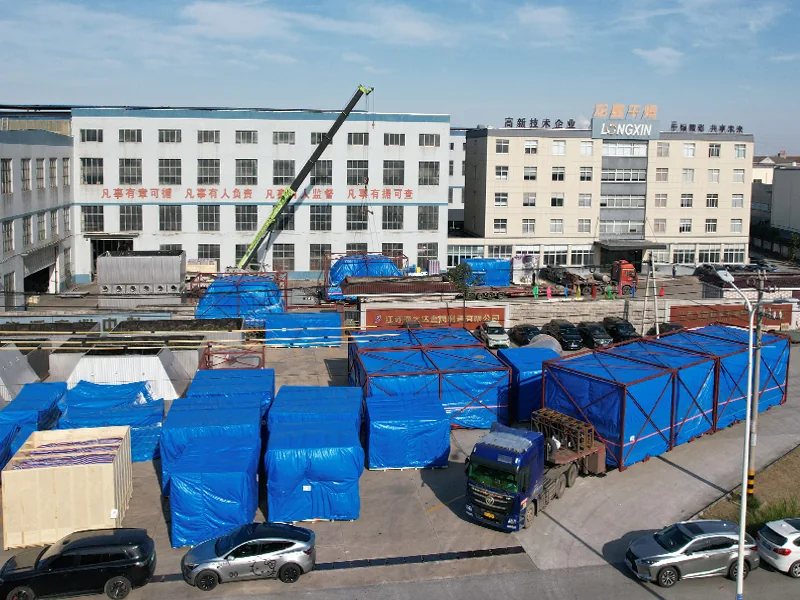
On November 25, 2026, at the Longxin Drying factory, a 10,000-tonne-per-year high-compaction LFP spray drying tower customized for a Middle East customer completed packing, loading, and dispatch.
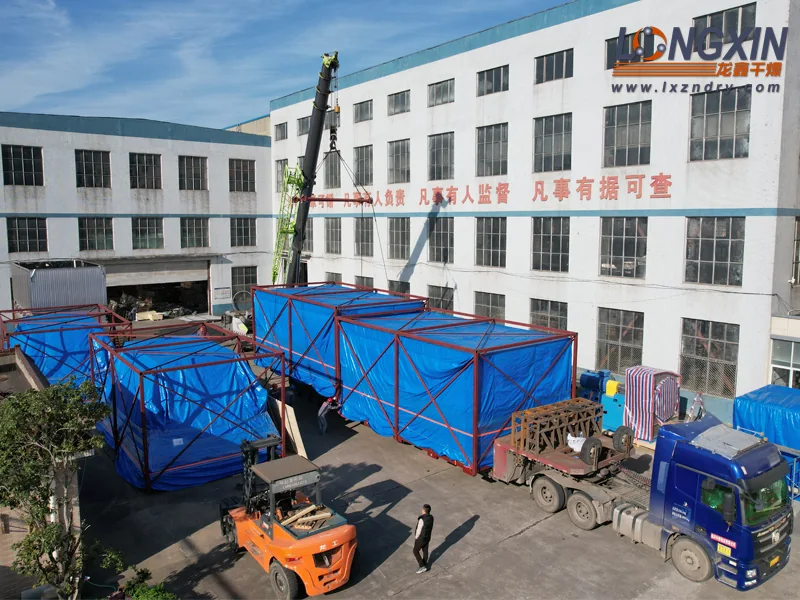
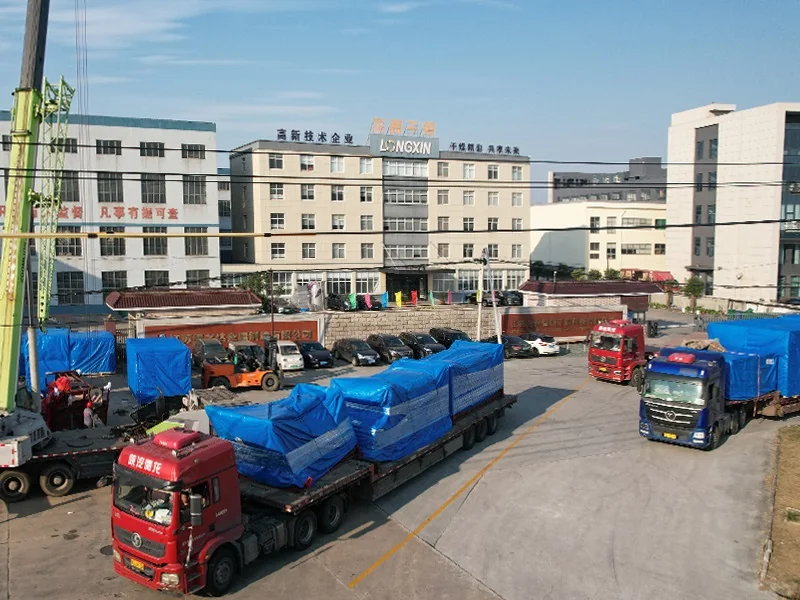
From the orderly arrangement in the workshop staging area and the layer-by-layer reinforcement inside the wooden crates to forklift transfer, crane lifting, and sequential positioning inside containers and flat racks, workers at each stage coordinated their work according to the established division of labor. With numerous components sealed and secured, this automated system officially began its voyage overseas.
Delivering Quality Around the World: A Delivery Across Mountains and Seas
Delivery of large spray drying equipment has never been a matter of simply moving it away. The tower diameter, air volume, slurry handling capacity, and system integration required for 10,000-tonne-class capacity determine that it must leave the factory, be packaged, and be organized for transport in separate components and multiple batches.
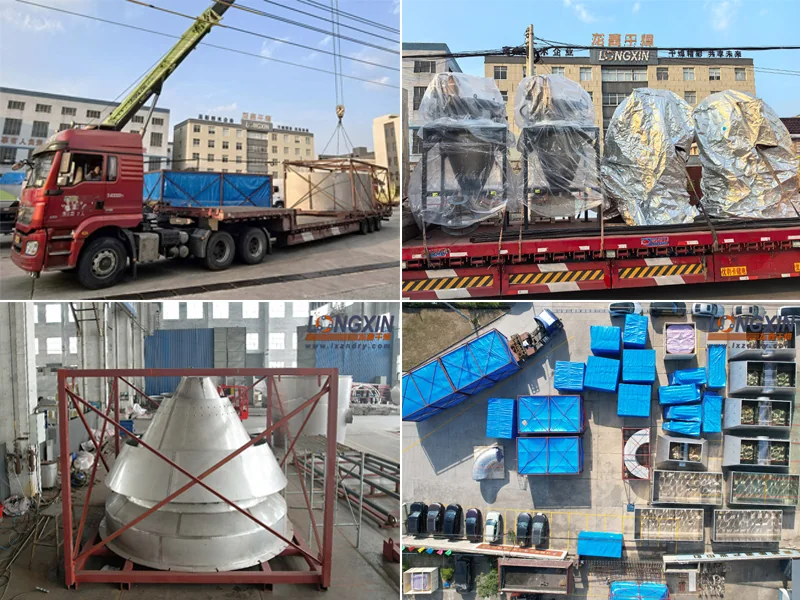
At the factory loading site, the tower body, cyclone separators, bag filter units, atomizer components, hot air system, conveying pipelines, electrical control cabinets, and other components were arranged by dispatch batch, each with its own packaging plan and identification mark. Workers first checked the packing list, then completed internal supports, rain and moisture protection wrapping, wooden crate sealing, and external reinforcement. Finally, forklifts and truck cranes transferred the components to the loading area and placed them into containers or flat racks according to center of gravity and stacking order.
Every action in this process protects the precision of the equipment. The core components of a spray drying tower have high requirements for coaxiality, sealing surface flatness, and unobstructed flow paths. Vibration during long-distance ocean transport, changes in temperature and humidity, and repeated lifting and transfer operations can all affect the condition of the components. Reinforcement therefore means more than keeping the equipment “wrapped up”; it must keep it “stable.” Support structures must avoid critical interfaces, protective materials must isolate salt spray and moisture, and center-of-gravity markings must facilitate subsequent lifting and repositioning at the project site.
Delivery starts in the workshop and ends on the customer’s production line. This loading and dispatch marks the official beginning of a delivery process across mountains and seas.
Steady Progress: A Record of Loading and Shipping a Large Spray Dryer for Export
(1) Continuous Production, Nonstop Shipments
As the major components of the 10,000-tonne-per-year high-compaction LFP spray drying tower successively entered the packing and loading stage, multiple batches of equipment completed production and factory inspection, were loaded in batches, and set off together for delivery to the overseas customer.
- The manufacturing rhythm of large equipment differs from that of standalone equipment: tower top fabrication, inner wall treatment, component assembly, system commissioning, and factory inspection are interconnected while also involving objective process cycles. To match the customer’s project construction pace, the production department advanced scheduling according to a component-level plan, breaking final equipment delivery into modular factory-release milestones. Components completed first were inspected first, packed first, and shipped first, avoiding delivery delays caused by waiting for the entire system to be completed at once.
- Factory inspection was carried out separately by component category: tower sections focused on weld quality and inner-wall treatment; rotating components were checked for dynamic balance and smooth operation; electrical and control units were checked for circuit integrity and signal consistency; and piping systems were checked for sealing and unobstructed flow. Inspection records were archived with the components, forming a traceable factory data chain for subsequent on-site installation and commissioning.
(2) Export Packaging: Numbering, Reinforcement, and Moisture-Protection Markings Implemented Crate by Crate
Export packaging is the first “protective layer” for equipment heading overseas. This shipment followed export transport requirements for wooden crate packaging. The crates use a frame structure, with internal supports and cushioning materials, and the exteriors were secured and covered for rain protection.
The specific work included:
- Numbering management: Each crate was given a unique number according to the packing list and dispatch batch. The crate surface was marked with the equipment name, component code, crate number, gross and net weight, dimensions, and lifting points to facilitate rapid verification and sorting after arrival at port.
- Reinforcement: Supports and restraints were installed inside the crates for components prone to displacement, and the crate exteriors were reinforced with steel strapping or fasteners to prevent shifting and compression during long-distance transport.
- Moisture-protection markings: Electrical components, precision assemblies, seals, and other humidity-sensitive parts were covered with moisture-protection wrapping and supplied with desiccant. The crate surfaces were marked in accordance with specifications with transport symbols for moisture protection, this side up, fragile, center of gravity, and other requirements.
- Supporting documents: Packing lists, accompanying component lists, and acceptance documents were organized together and shipped with each batch, ensuring that the customer could verify the contents as soon as the crates were opened on site.
(3) Forklifts and Truck Cranes Transfer Components; Containers and Flat Racks Are Loaded in Order
The key points in organizing the loading stage are “sequence” and “balance.” Heavier tower sections, air ducts, and large components were lifted by truck cranes, while medium and small components were transferred by forklifts. The two types of equipment were coordinated according to operating radius and site traffic routes, avoiding waiting and risks caused by crossing operations.
During loading, placement followed the principles of “heavy before light, large before small, center of gravity centered, and evenly distributed load”:
- Oversized components were loaded in flat racks, with lashing plans calculated separately. Standard components were placed in containers and arranged according to available internal space utilization.
- Isolation and securing measures were installed inside and between containers to ensure stability during ocean transport.
- After loading, workers rechecked the lashing, closed and sealed the containers, and recorded container numbers and seal information to form a complete dispatch handover record.
(4) From the Workshop to Overseas: Delivery Is Not the End
This system went through numerous stages, from solution confirmation, production, and assembly to commissioning, packing, and loading. Shipping it abroad is only a milestone. The team will subsequently provide on-site equipment fabrication, installation and commissioning, operator training, and after-sales response support, working with the customer to complete implementation and production start-up.
For a spray drying system, the quality of installation and process commissioning after the equipment arrives often directly determines the pace at which the production line reaches its designed capacity. Longxin Drying will assign engineering and technical personnel to overseas projects, providing guidance on foundation verification, component positioning, pipeline connection, electrical wiring, standalone trial operation, linked commissioning, and process parameter setting. At the same time, based on the customer’s material characteristics and product index requirements, the team will assist with process optimization during start-up and use operator training to help the customer’s team master daily operation, maintenance, and fault diagnosis.
Technical Foundation: From High-Compaction LFP to Multiple Material Systems
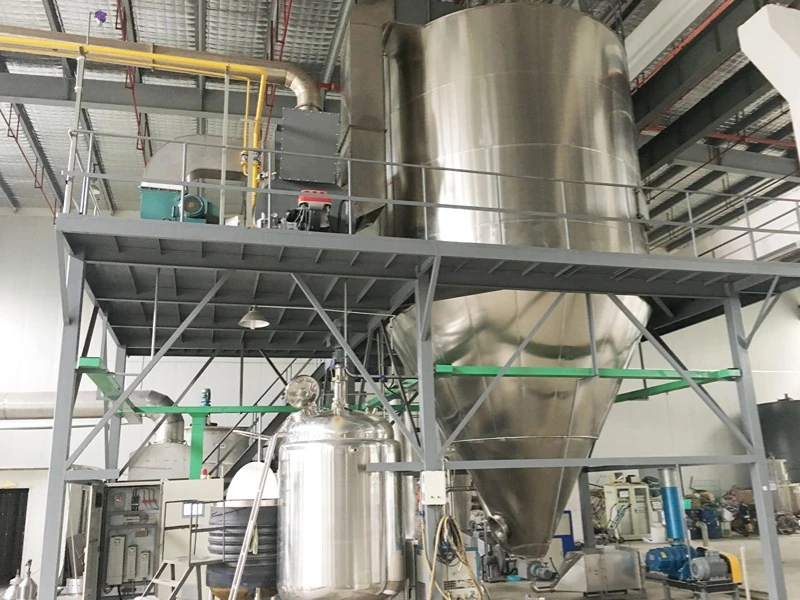
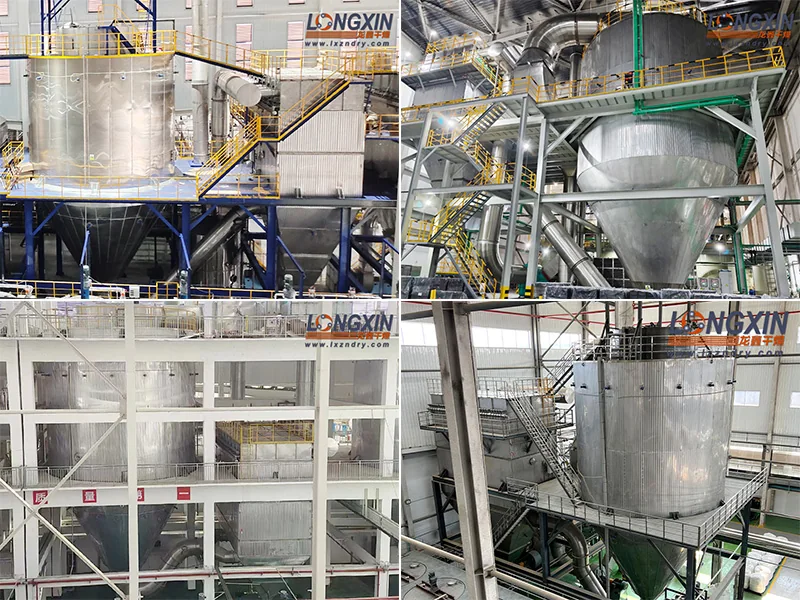
The 10,000-tonne-level high-compaction LFP spray drying tower shipped this time is a concentrated expression of Longxin Drying’s equipment capabilities in the new energy materials field. The technical accumulation supporting such projects covers the entire new material processing chain.
(1) High-Compaction LFP: Balancing Particle Size Distribution and Compaction Density
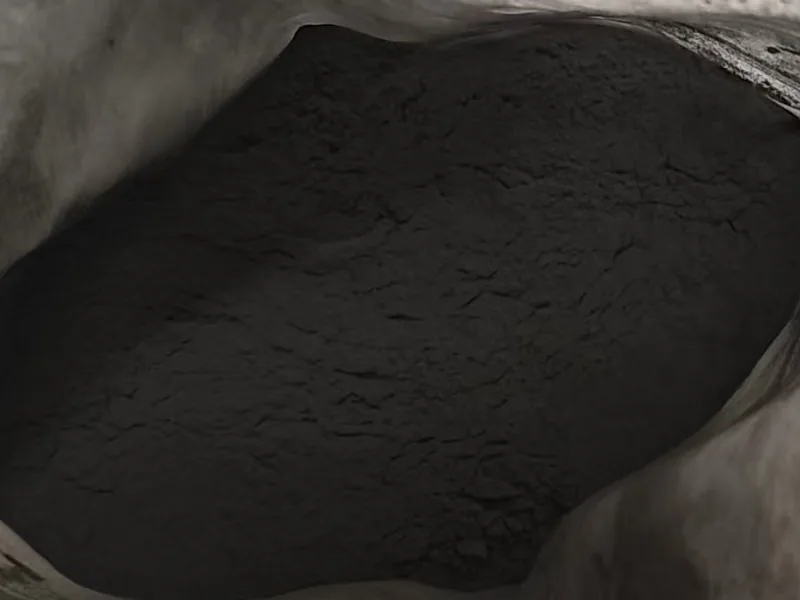
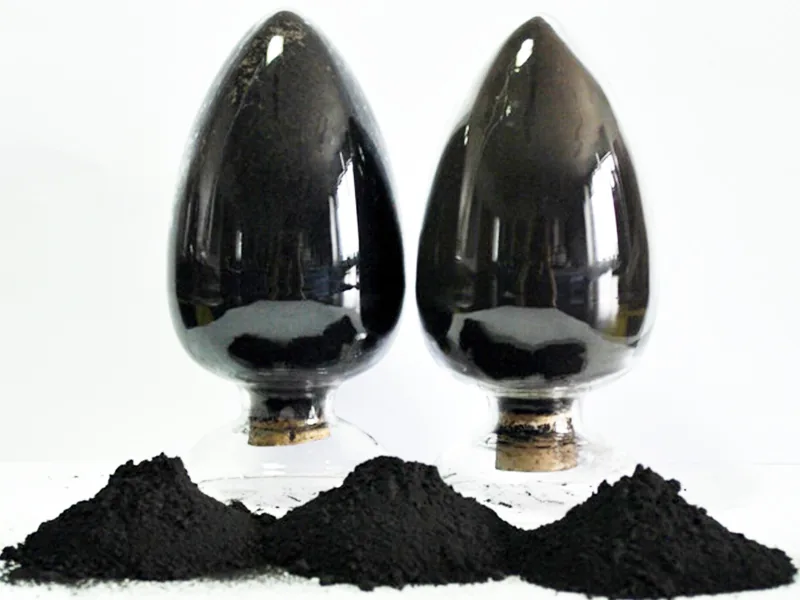
High-compaction LFP places relatively stringent overall requirements on powder: it must have a reasonable particle size distribution and morphology to support higher compaction density, while moisture, impurities, and magnetic foreign matter must be controlled to ensure the stability of electrochemical performance. Spray drying occupies a key position in precursor granulation. The dispersion state of the slurry, atomization effect, matching of inlet and outlet temperatures, and material residence time in the tower all affect the final powder’s sphericity, particle size distribution, and moisture content.
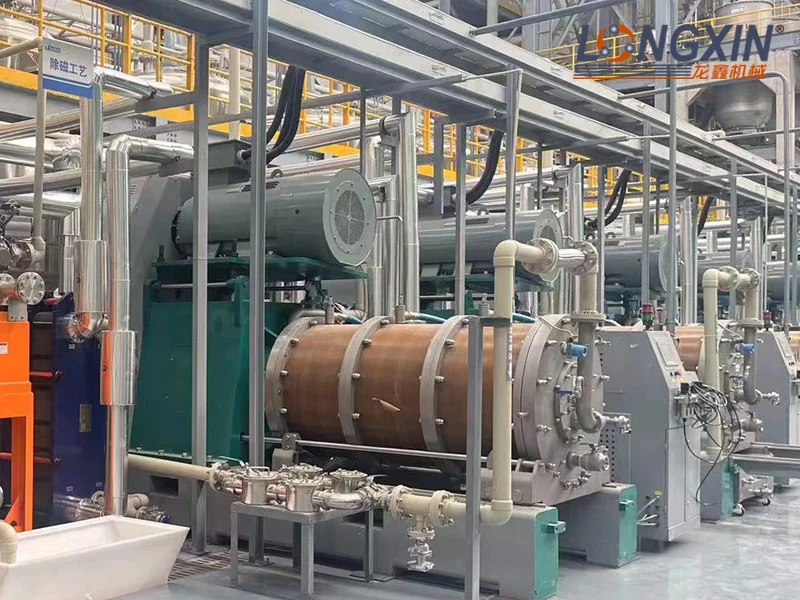
Longxin Drying systematically designs the atomization system, hot air distribution, tower flow field, and dust collection and material-return paths, and uses automated control to maintain key process parameters steadily. This provides battery materials with a consistent condition for subsequent sintering.
(2) Sodium-Ion Materials: Process Adaptation for Polyanionic Materials and Sodium Iron Phosphate Compounds
Polyanionic sodium-ion materials and sodium iron phosphate compounds differ from lithium battery cathode materials in slurry characteristics, drying sensitivity, and finished-product morphology requirements. On the equipment side, spray parameters, heat-source configuration, and material conveying methods can be adjusted to adapt to granulation requirements under different formulation systems, helping customers reduce repeated investment when switching material systems.
(3) Binders and Solid Electrolytes: Special Requirements for Solvent Recovery and Atmosphere Control
The preparation of PVDF-type binders involves solvent systems, so the drying process must consider solvent recovery and safe operation. Sulfide-based solid electrolytes are sensitive to moisture and oxygen, and the equipment must provide sealed conveying and atmosphere protection. For such scenarios, Longxin Drying can provide supporting solutions including closed-loop circulation, inert gas protection, and tail gas treatment, integrating process safety and environmental compliance into system design.
(4) Fine Ceramic Granulation Powder, Barium Titanate, and Alloy Powder: Spheroidization and Flowability
Fine ceramic granulation powder is concerned with particle sphericity, bulk density, and flowability, which directly affect filling consistency and sintering quality in the forming process. Barium titanate, as a basic powder for electronic ceramics, requires uniform dispersion and controllable particle size. For alloy powders, the atomization and drying stages seek a balance between particle size distribution and oxygen content. The combined process of spray drying and micro-nano grinding also has suitable applications in these fields.
The common direction of multiple material systems is reproducible processes, stable indicators, and predictable operation. Longxin Intelligent continues to focus on technological innovation in micro-nano grinding and spray drying. In response to application needs in new energy, new materials, non-metallic minerals, fine chemicals, and other fields, it continuously improves its product matrix and process solutions. From single machines to systematic equipment configurations, it continues to improve product adaptability and comprehensive service capabilities.
Sailing Forward with Resolve and Purpose
Every time equipment is ready for dispatch, it is a journey of craftsmanship; every time it sets sail across the ocean, it is testimony to strength.
Behind every batch of equipment successfully dispatched is the customer’s trust in the quality, technical capabilities, and service level of Longxin Drying equipment. For many years, Longxin Intelligent has continued to focus on technological innovation in micro-nano grinding and spray drying. In response to application needs in new energy, new materials, non-metallic minerals, fine chemicals, and other fields, it continuously improves its product matrix and process solutions. From single machines to systematic equipment configurations, it continues to improve product adaptability and comprehensive service capabilities.
This concentrated delivery of multiple equipment batches is both a reflection of phased order results and strong evidence of Longxin Drying’s continued expansion in domestic and overseas markets and its deepening of industry applications. The delivery capability of overseas projects tests not only the manufacturing side, but also integrated organizational capabilities ranging from pre-sales solutions and project management to documentation, logistics, and on-site service. Safely delivering a large set of equipment is one part of the capability; enabling that equipment to operate stably and achieve expected indicators at the customer site is the complete capability loop.
Setting Sail Across the Ocean, Creating the Future Through Smart Manufacturing
Longxin Intelligent continues to upgrade quality through innovation and help enterprises reduce costs and improve efficiency. With craftsmanship, it builds premium products; with integrity, it wins the market. Export orders continue to be accepted, and customers at home and abroad are welcome to inquire, discuss cooperation, and seek mutual success.
Looking to the future, Longxin Drying will continue to empower industrial upgrading with professional equipment, fulfill customer trust with reliable delivery, and go all out to reach more project sites.