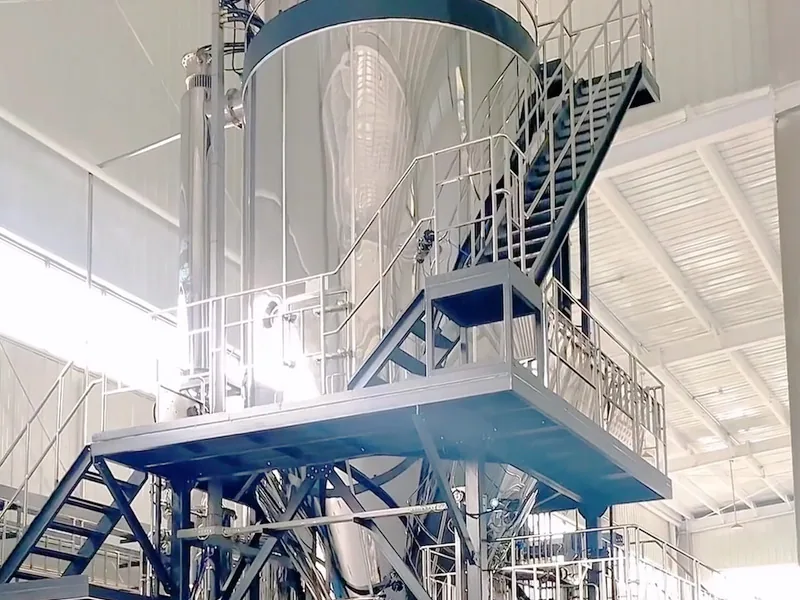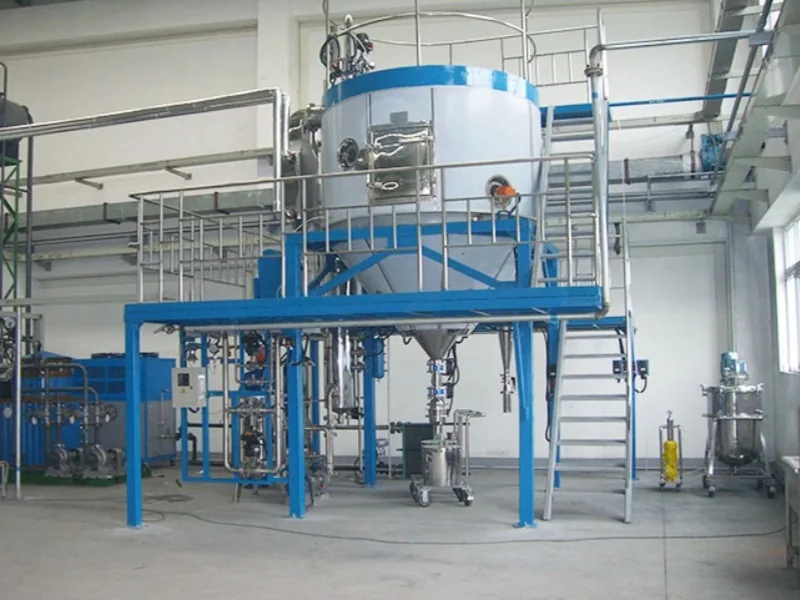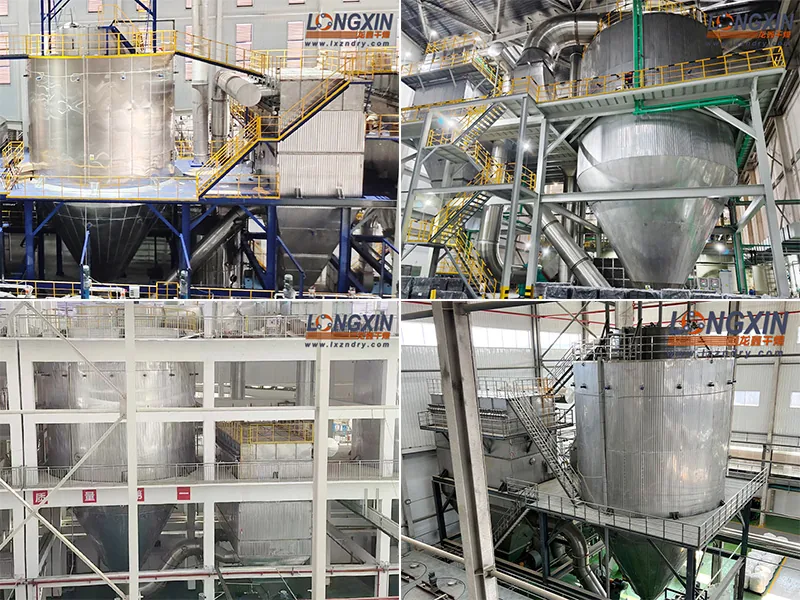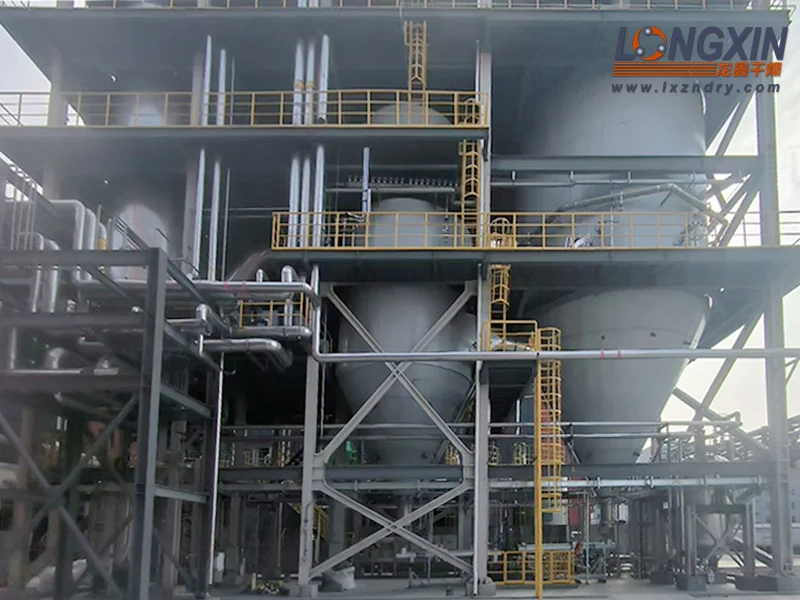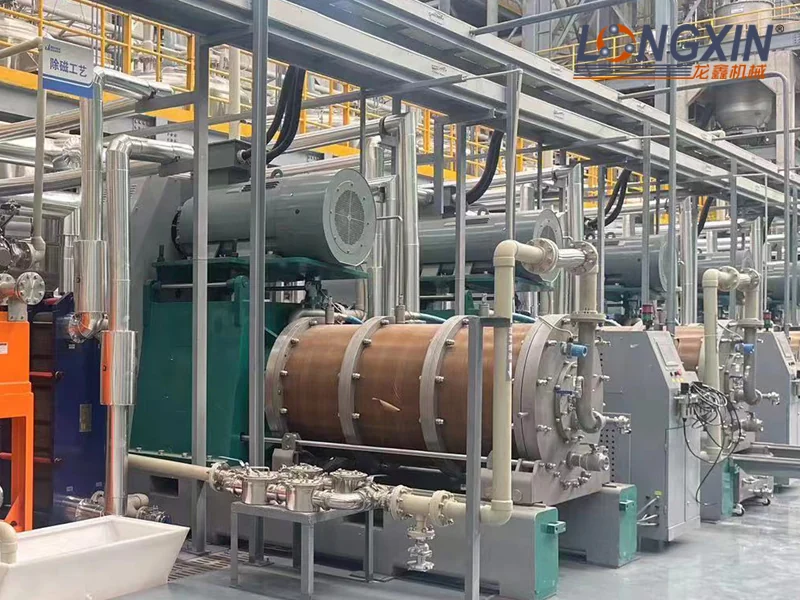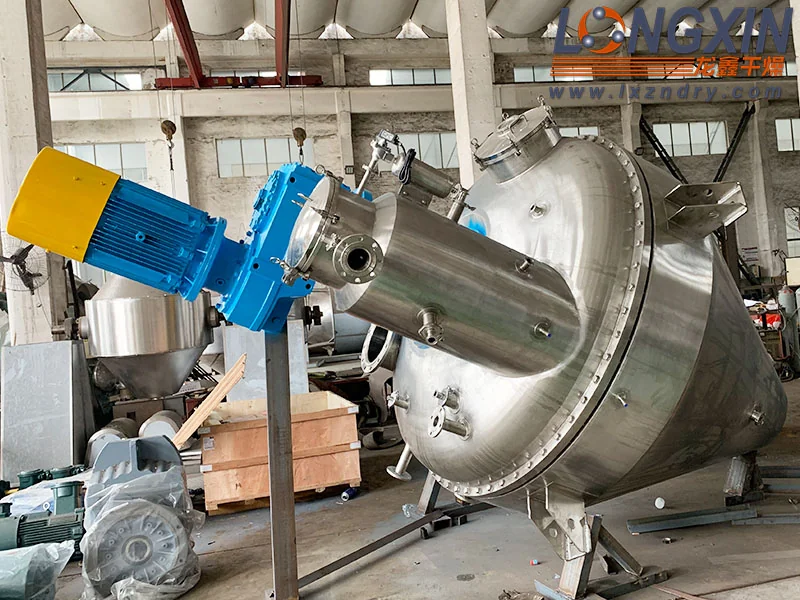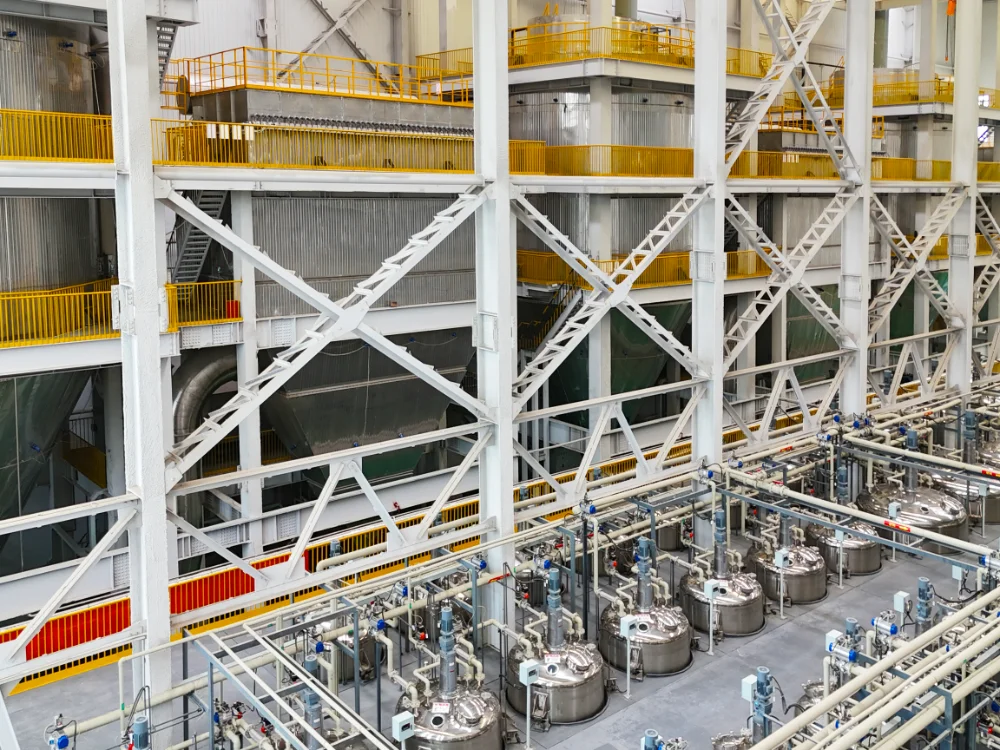
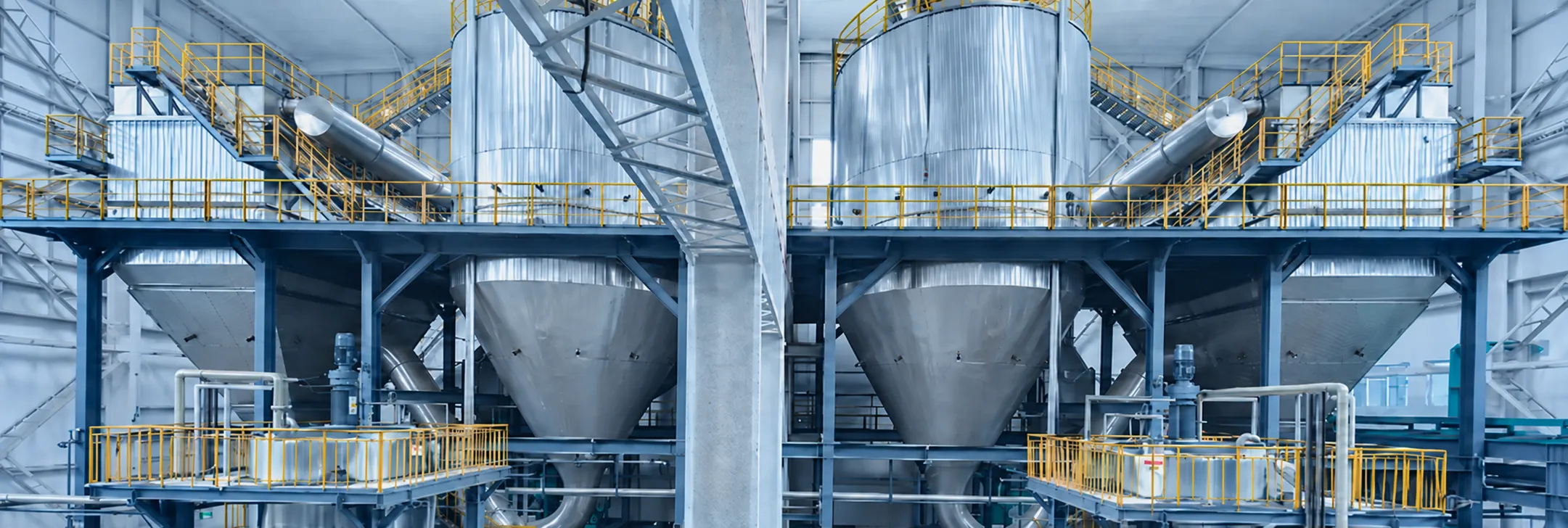
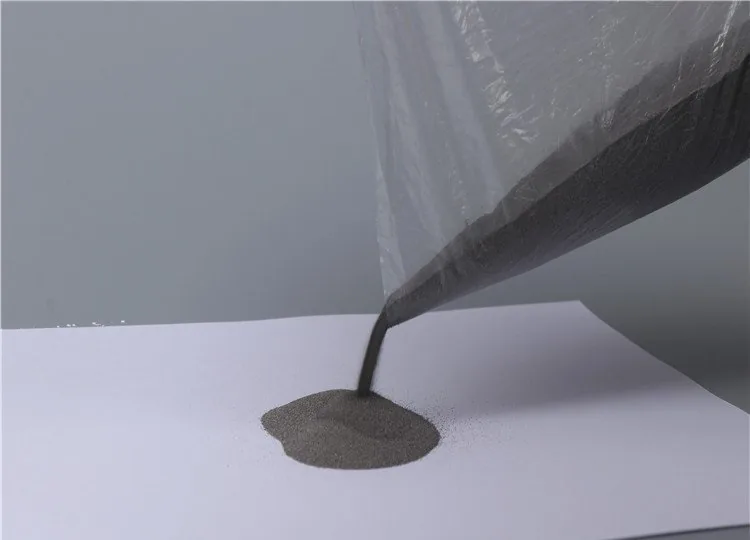
Longxin's closed-cycle spray drying system for hardmetal mixtures is designed for the production of ready-to-press (RTP) powders from wet-milled carbide suspensions. The process combines controlled atomization, nitrogen circulation, powder recovery and integrated process control to help manufacturers manage oxidation, contamination, granule consistency and solvent handling.
The system is particularly suited to tungsten carbide and WC-Co mixtures where the quality of the granulated powder directly affects pressing behavior, green density, sintering stability and the performance of the final hardmetal component.
Why Hardmetal Mixture Drying Requires Tight Process Control
Hardmetal mixtures are more demanding than ordinary water-based powders. Fine carbide particles are sensitive to oxidation and contamination, while coarse or high-solids slurries can settle during storage and feeding. At the same time, the spray-drying stage must produce granules with sufficiently consistent size, density and flowability for stable die filling and pressing.
Common process challenges include:
- Oxidation or contamination during drying and powder collection
- Slurry sedimentation and unstable solids concentration
- Broad or inconsistent granule-size distribution
- Poor powder flowability and variable pressing density
- Safe handling and recovery of organic solvent where solvent-based milling is used
- Powder heating, agglomeration or caking after drying
Closed-Cycle Nitrogen Spray Drying Process
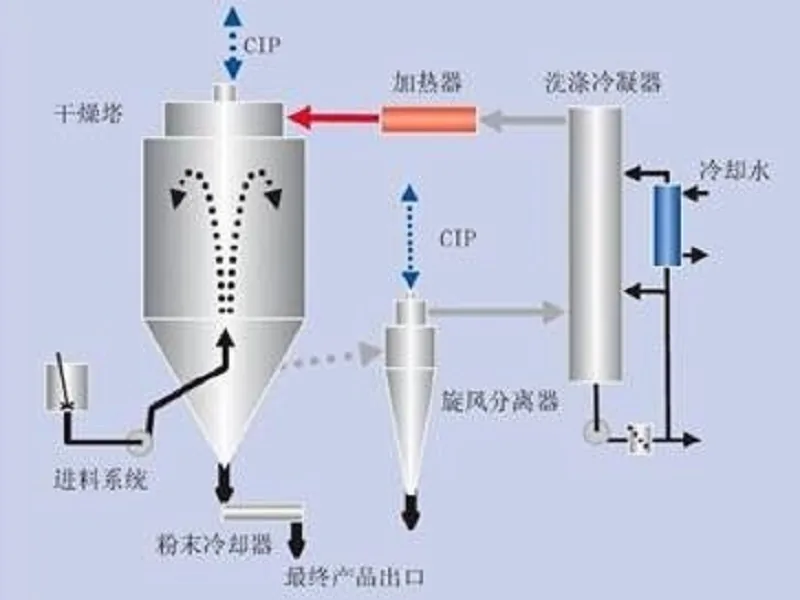
The core of the solution is a sealed drying loop that uses nitrogen as the circulating process gas. Compared with an open-air system, the closed-cycle arrangement reduces contact between the material and ambient oxygen and can be combined with solvent condensation and recovery when the slurry formulation requires it.
A typical system can include:
- Agitated slurry storage and controlled feeding
- Pressure atomization
- Closed spray-drying chamber
- Powder separation and collection
- Gas filtration or cleaning
- Solvent condensation and recovery, where applicable
- Nitrogen recirculation
- Powder cooling, conveying and screening
- PLC-based monitoring, alarms and safety interlocks
Pressure Atomization for Controlled Granulation
Pressure atomization is used to convert the hardmetal slurry into controlled droplets before drying. Nozzle configuration and atomization pressure are selected according to slurry viscosity, solids loading, feed stability and the required granule size.
For suitable coarse-granule formulations, the original process data targets approximately 80–150 mesh product fractions. Final granule distribution must be confirmed through material testing because formulation, binder system, viscosity and operating
conditions all influence the result.
Slurry Suspension and Feed Stability
Coarse carbide particles can settle quickly if slurry circulation and agitation are not properly designed. Longxin can integrate mixing, recirculation and controlled feed arrangements to maintain a more stable solids concentration at the atomizer.
The grinding and dispersion stage can also be coordinated with the drying system so that the slurry enters spray granulation in a repeatable condition. This is especially important for production lines that switch between different hardmetal grades or binder formulations.
Low-Oxygen Closed-Loop Operation
The circulating-gas loop can be purged and operated under nitrogen to maintain a controlled low-oxygen atmosphere. Oxygen concentration, system pressure and temperature can be monitored continuously, with alarms and interlocks configured according to the material and solvent safety requirements.
For solvent-based slurries, the exhaust stream can pass through a condensation and recovery section before the process gas returns to the dryer. The exact recovery configuration depends on solvent type, vapor loading, condensation temperature and the required plant safety standard.
Powder Cooling and Downstream Handling
Freshly dried RTP powder may require controlled cooling before screening, storage or packaging. The production line can incorporate water-cooled conveying, vibration conveying and screening to reduce powder temperature and limit caking during downstream handling.
Powder collection and transfer equipment is selected according to the product's flowability, dust characteristics and contamination-control requirements.
Automation and Process Monitoring
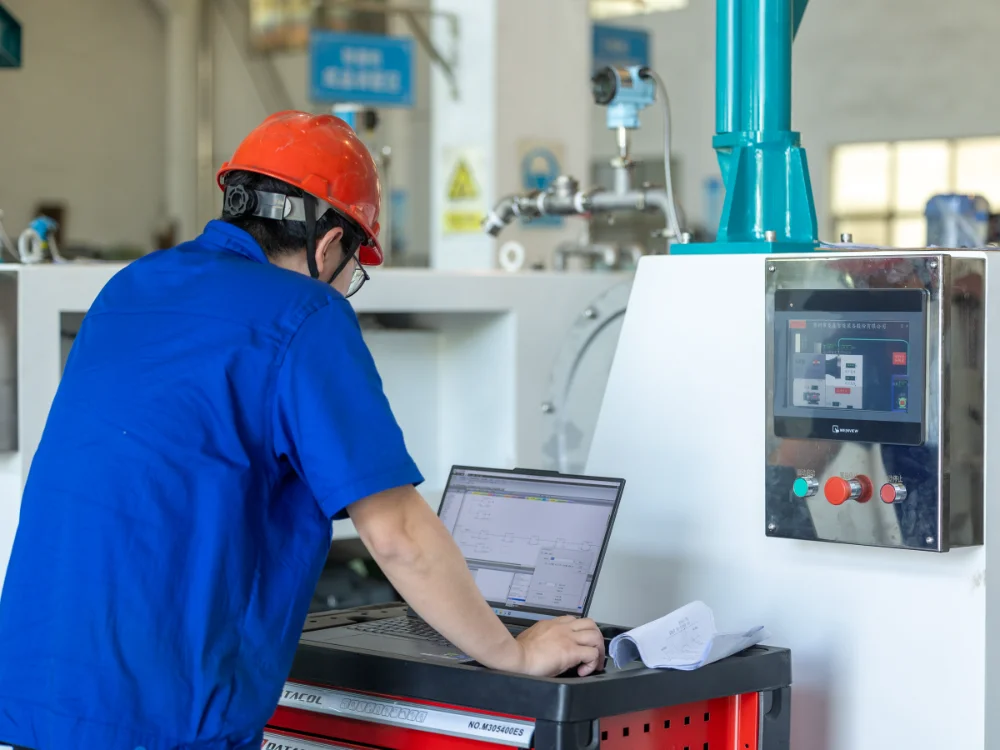
The system can use PLC/HMI control to coordinate slurry feed, atomization pressure, inlet and outlet temperatures, circulating-gas conditions and powder collection. Recipe management can be configured for plants producing multiple hardmetal grades, while safety interlocks protect the system against abnormal temperature, pressure or oxygen conditions.
MES connectivity, remote diagnostics and production-data interfaces can also be considered when required by the customer's plant automation architecture.
Typical Process Configuration
| Typical materials | WC-Co hardmetal mixtures, tungsten carbide RTP powders and other oxidation-sensitive metal or alloy powder suspensions |
|---|---|
| Drying mode | Closed-cycle pressure spray drying |
| Circulating gas | Nitrogen for controlled low-oxygen operation |
| Atomization | Pressure nozzle; selected according to slurry and target granule characteristics |
| Example coarse fraction | Approximately 80–150 mesh for suitable formulations; testing required |
| Solvent handling | Optional condensation and solvent-recovery section for compatible solvent-based processes |
| Post-drying handling | Cooling, conveying, screening and powder collection options |
| Control | PLC/HMI monitoring, recipe management, alarms and configurable safety interlocks |
Applications
- Ready-to-press tungsten carbide powders
- WC-Co hardmetal mixtures for cutting tools
- Wear-resistant hardmetal components
- Hardmetal grades requiring controlled oxygen exposure
- Selected solvent-based metal and alloy powder suspensions
Engineering the System Around Your Material
The correct spray-drying configuration depends on more than nominal capacity. Solvent, solids concentration, particle size, slurry viscosity, target granule distribution, allowable oxygen level and downstream pressing requirements all affect the final equipment design.
For project evaluation, provide the material composition, binder and solvent system, solids content, slurry viscosity, target granule size, production capacity and required oxygen limit. Longxin can use this information to define the drying loop, atomization system, solvent recovery and downstream powder-handling configuration.
Selection Questions
Does this hardmetal route use pressure or rotary atomization?
The described hardmetal route uses pressure-nozzle atomization in a closed nitrogen loop. Nozzle selection depends on slurry viscosity, solids loading and the required granule distribution.
What information is needed to configure the closed loop?
Provide material and binder composition, solvent, solids content, slurry viscosity, target granule size, capacity, allowable oxygen level and downstream pressing requirements. Solvent recovery and protective controls are specified for the actual process.
Related Equipment and Applications
- pressure nozzle spray dryer
- Compare rotary-atomized closed-loop spray drying
- hardmetal processing solutions
Discuss your material and request an equipment recommendation.