Equipment Overview
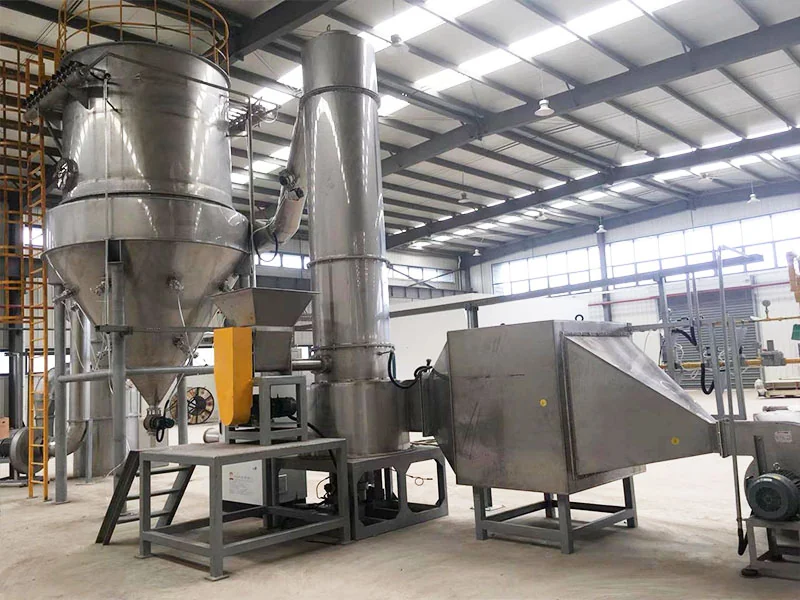
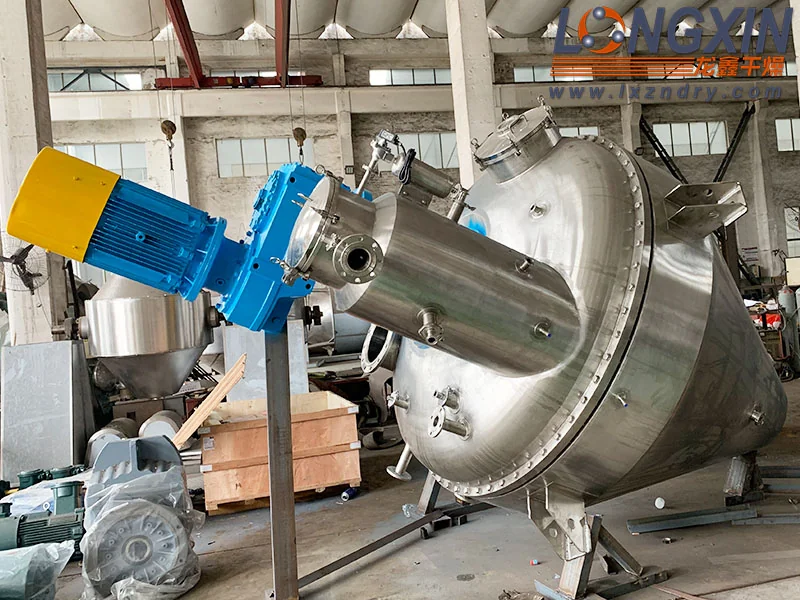
The vacuum conical dryer developed by Jiangsu Longxin is a highly efficient, multifunctional, fully enclosed vertical vacuum drying device that integrates vacuum distillation, pulverizing, powder blending and drying in one unit. The drying efficiency of the fully enclosed vertical vacuum ribbon dryer is 3–5 times that of a double-cone rotary vacuum dryer or a vacuum oven of the same specification. Combined with special drying processes, the vacuum conical dryer can handle materials with high viscosity, poor heat penetration, and a tendency to ball up or agglomerate into lumps.
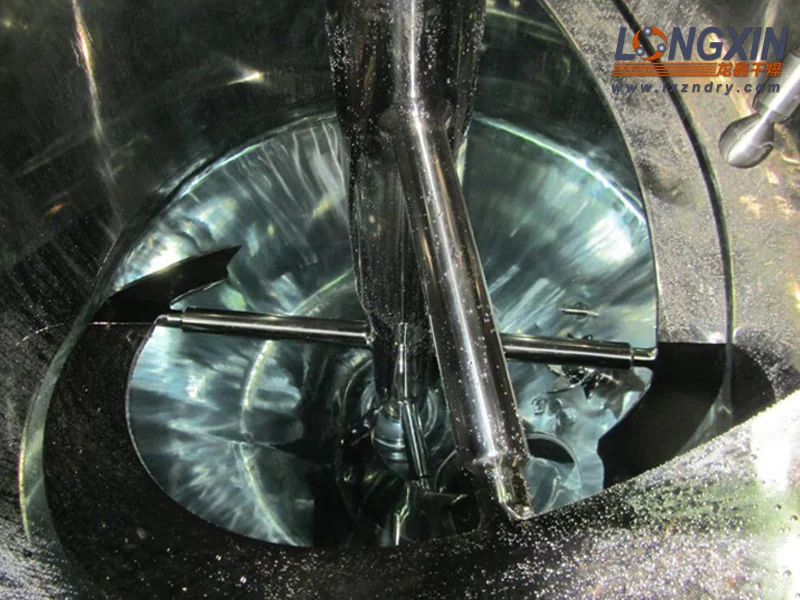
In the conical vacuum dryer, the heated cone body is provided with a heating jacket, with hot water, heat transfer oil or low-pressure steam as the heat source, so that the inner wall of the cone body is kept at a certain temperature. A variable-frequency motor drives a single ribbon agitator through a parallel helical gear reducer, causing the material to rotate along the conical cylinder and be lifted from bottom to top. After reaching the highest point, the material flows automatically to the centre of the vortex under the effect of gravity and inertia and returns to the bottom of the conical cylinder. Throughout this process the material is forcibly heated inside the conical cylinder and relatively convected and blended, with heat diffusing through the mass, so that the material performs an all-round, irregular reciprocating motion, completing high-frequency heat exchange between the material and the single ribbon and the cylinder wall and achieving heating and drying within a short time. In this way the moisture inside the material continuously evaporates; under the action of the vacuum pump the water vapour is drawn out by the pump. If the liquid must be recovered, a condenser and a recovered-liquid storage tank can be added. When drying is complete, the discharge valve at the lower part is opened to discharge the material.
Conical Vacuum Dryer — Main Structure
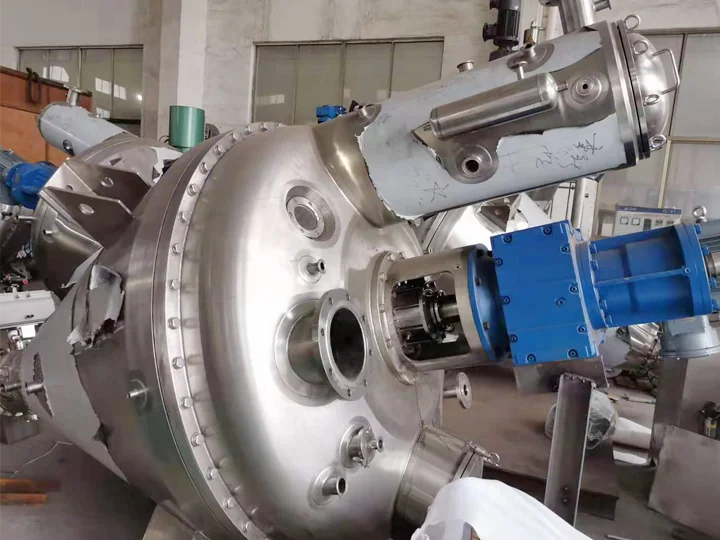
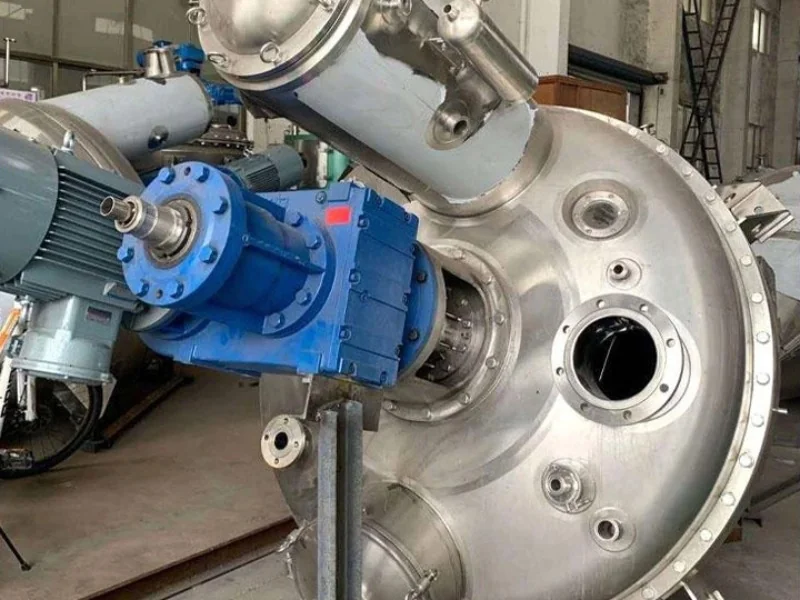
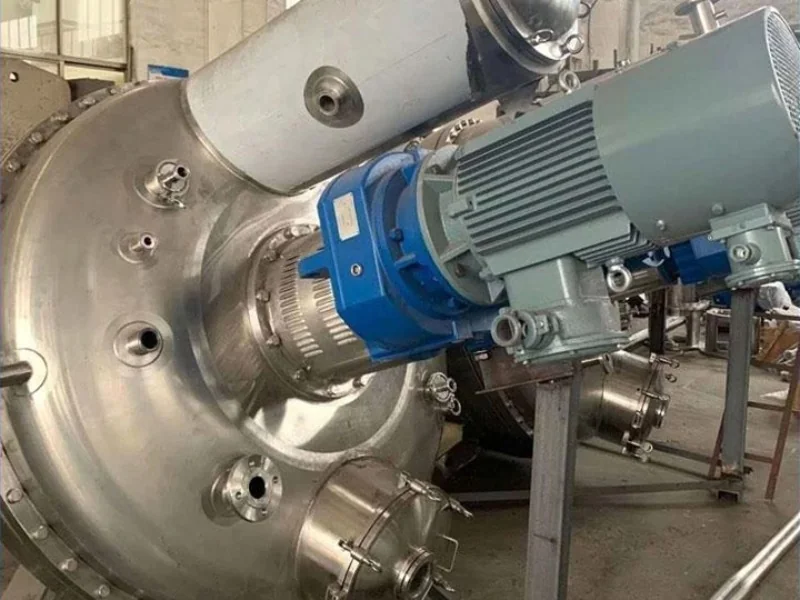
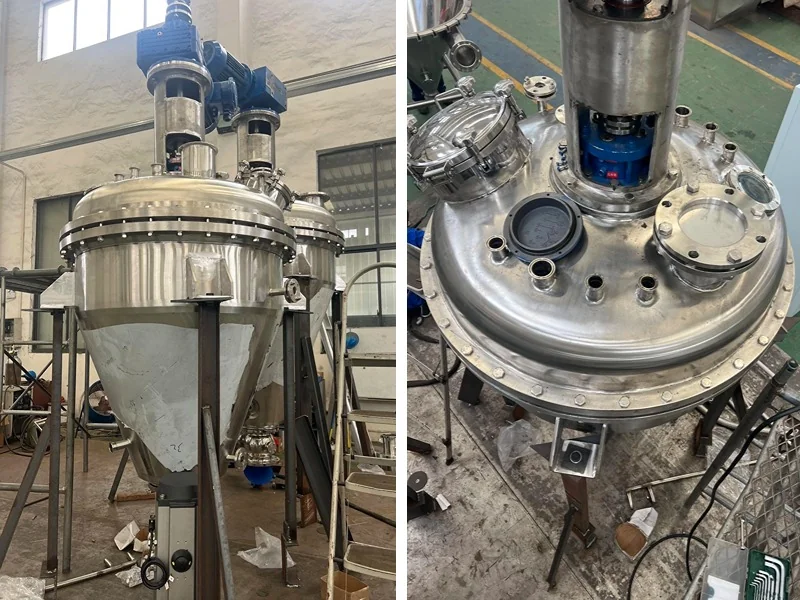
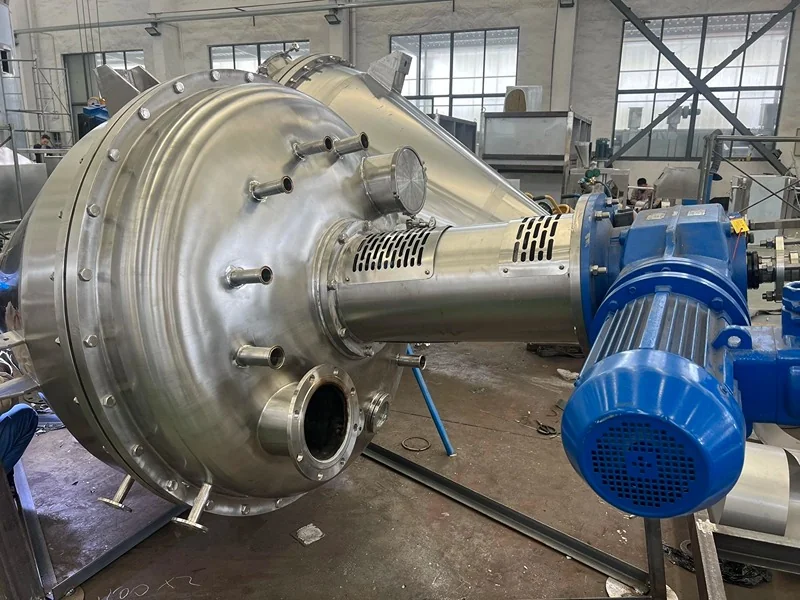
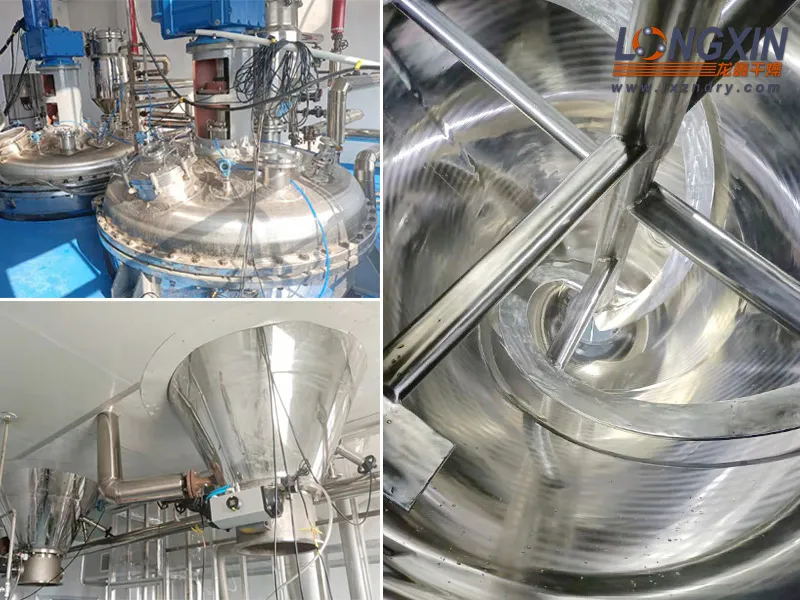
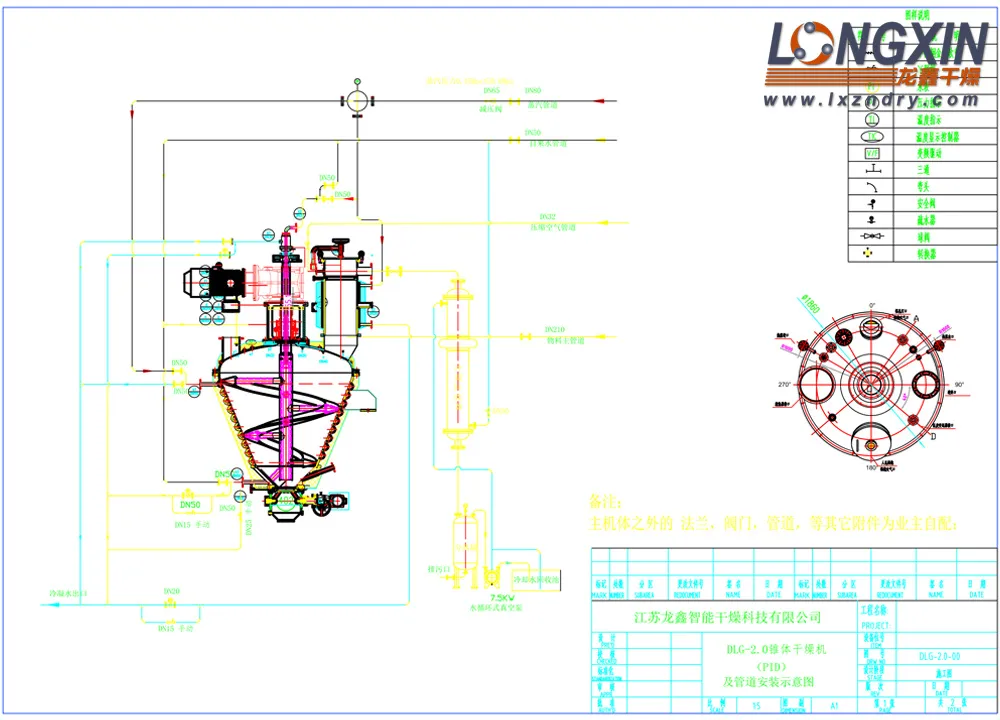
The machine consists of a motor, reducer, frame, mechanical seal, metal sintered mesh filter, hollow double-ribbon agitator, jacket-heated conical cylinder and discharge valve.
(1) Transmission and sealing part: composed of the electric motor, reducer, frame and mechanical seal.
① Motor: a variable-frequency motor is used, and the speed can be adjusted as required during operation.
② Reducer: SLFA series helical gear reducer, running smoothly and reliably, with low noise and long service life.
③ Frame: designed in-house with high manufacturing precision. Two roller bearings are arranged inside, which allow the height and radial swing of the agitator to be adjusted.
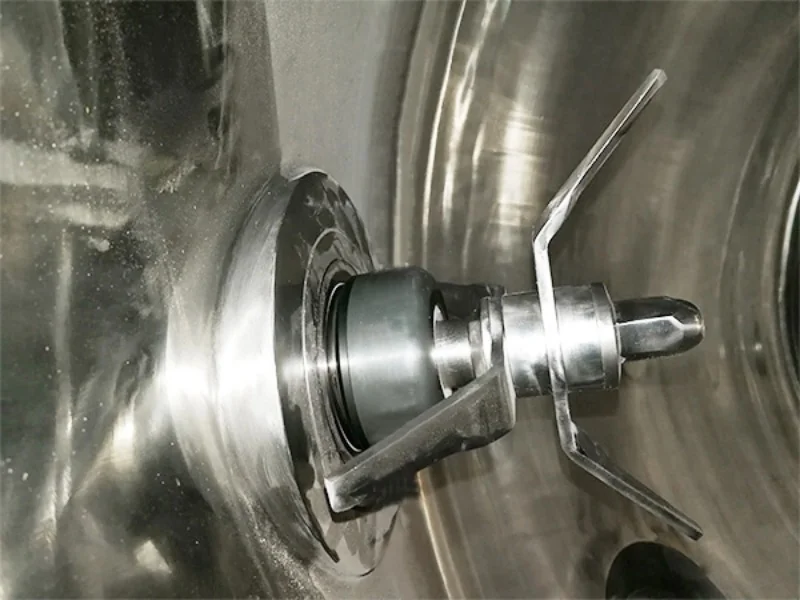
④ Mechanical seal: single-end sanitary type with a material-receiving flushing chamber, giving good sealing performance.
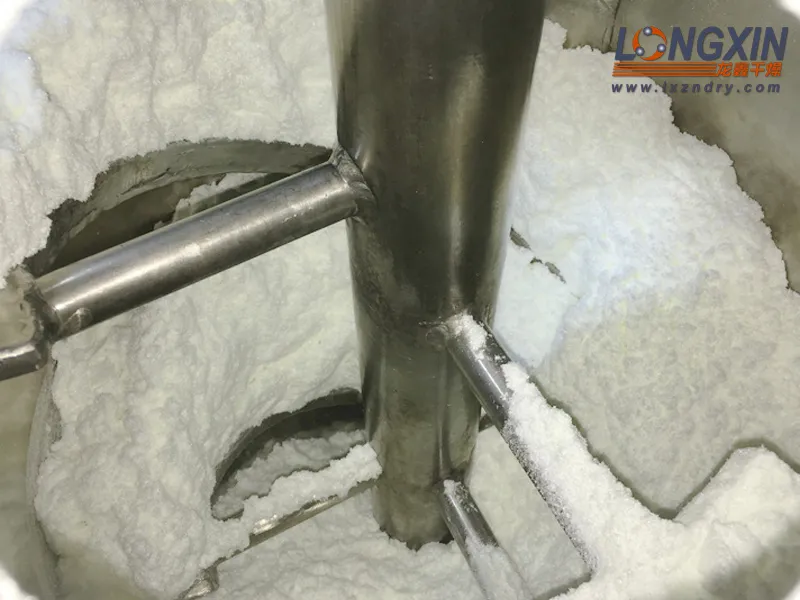
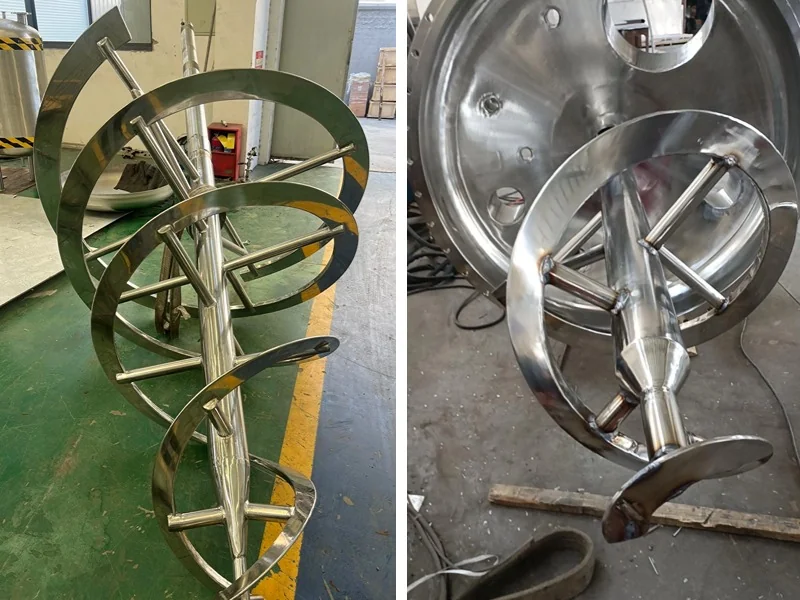
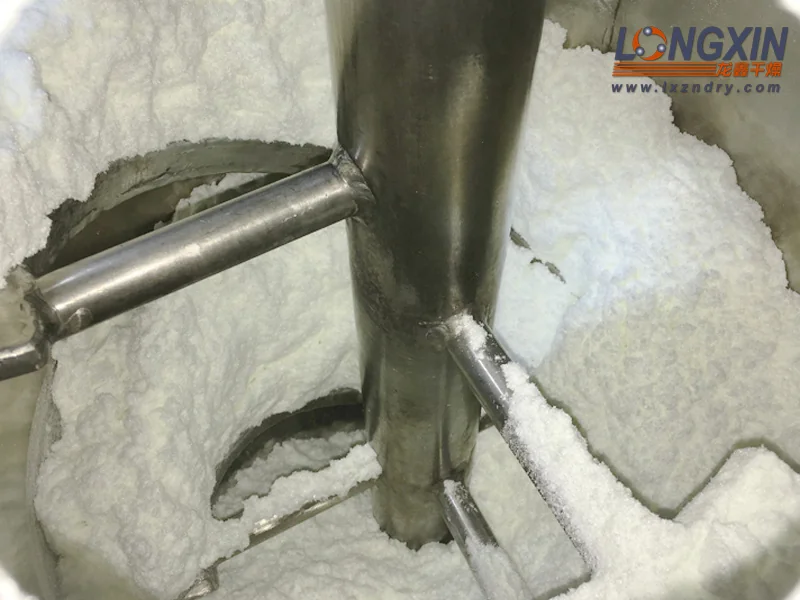
(2) Agitator: the hollow agitator shaft is connected to the hollow ribbon by support rods, and the upper and lower ends connected to the hollow ribbon form a circuit through which the heat medium can pass. To prevent the material from sticking to the cylinder wall, the clearance between the ribbon and the wall is very small.
(3) Tank body: this part consists of the upper head, conical cylinder, vacuum filter and discharge valve.
① Upper head: carries the transmission part and the agitator; the inner surface and all nozzle openings are rounded transitions. All material in contact with the product is 316L. The process nozzles are as follows: DN400 sanitary manhole, pressure gauge, explosion-proof light, sight glass port, feed inlet, cleaning port, vacuum port, etc.
② Jacketed lower cone: the inner surface is smooth with no dead corners, allowing thorough drying of the material. During discharging, the rotation of the agitator makes discharge rapid and clean.
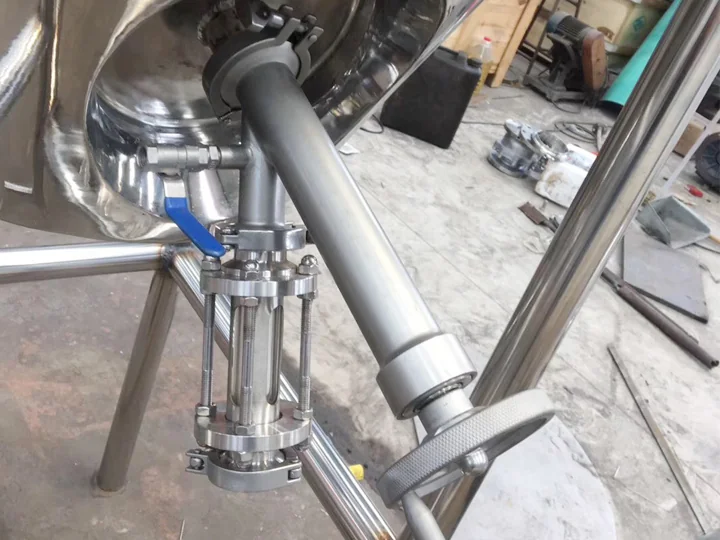
③ Filter: metal sintered mesh is used, with high filtration accuracy and a large filtration area. An exhaust port is provided at the vacuum outlet, and compressed air is used to back-blow and regenerate the filter during venting.
Conical Vacuum Dryer — Process Features
The drying and mixing of powders is an important step in API production, so the drying and mixing equipment selected is the guarantee of final product quality and is also the key factor determining production operating costs. The Conical Vacuum Dryer newly developed by Longxin Drying improves the drying technology of the domestic chemical and pharmaceutical industries with its unique structure and its advantages.
(1) The choice of dryer must conform to the specific requirements and characteristics of each product and process. This mainly involves the following aspects:
① The crude raw materials handled in production are mostly heat-sensitive, so the material often cakes during drying; this requires the drying time to be shortened as far as possible and the drying efficiency to be improved.
② In material production, the purity of the circulating gas used in the drying process has a great influence on material quality. This equipment adopts a unique gas supply technology, minimizing the influence of the gas on the drying process. From the perspective of operating economy, all process pipelines should preferably be permanently installed, thus saving the rotation space required by, for example, double-cone dryers.
③ To make the whole flow continuous and at the same time reduce material leakage losses, the solid discharge flow of the dryer is controllable. This reduces the manual loading and unloading workload in the clean area and prevents material from spurting out.
(2) Structure and characteristics of the Conical Vacuum Dryer
① The working process of the Conical Vacuum Dryer is a batch operation. After the wet material enters the bin, heat is supplied through the cylinder wall jacket and inside the screw, bringing the heating area to 140% of the total vessel area, and the material is heated and dried. A corresponding conical drying mixer model (working volume) is selected to achieve the ideal drying effect. The mixer-dryer with a top-drive structure provides efficient drying and mixing capability while also offering ample space, making it easier for users to carry out inspection and maintenance.
② Smooth operation, protecting the crystal form
No auxiliary tools are used in the drying and mixing processes of the Conical Vacuum Dryer; only the agitation of the conical internally heated ribbon is used. This means that, besides being lifted and continuously sheared and dispersed by the agitating screw, all the material in the bin is guaranteed full movement, and apart from the lifting by the screw the material is not squeezed by any other external force, avoiding ineffective friction between the powder and the equipment and between powder crystals — and ineffective friction is often the main factor causing damage to the crystal form of the material. This is the fundamental reason why the Conical Vacuum Dryer can keep the crystal form of the material intact during drying.
③ Top drive, eliminating the possibility of product contamination from the shaft seal
With a top drive, compared with a bottom drive, the equipment avoids the following drawbacks: the agitator blades must be dismantled with special equipment for cleaning and maintenance, and the shaft seal of the agitator is very difficult to seal truly, with no quality guarantee.
④ Low operating energy cost, high mixing efficiency
It is motor-driven with a unique design; the screw driven by the motor is used to lift the material, with no separate energy consumption for discharging. It is particularly worth noting that, in mixing and drying processes, conventional mixing and drying equipment provides a belt-type agitator blade. Its working principle is that when the agitation moves, the moving material behaves like a single whole, and a large amount of energy is consumed in making the entire mass of material rotate in a circle, so the drying efficiency provided by this kind of agitation is low. The Conical Vacuum Dryer, by contrast, provides conical internally heated ribbon agitation, in which the whole agitator rotates about the axis of the conical bin, ensuring that material in different parts of the vessel is agitated; as the ribbon agitation proceeds, material at the bottom of the bin is gradually lifted to the upper part of the vessel and then falls back naturally, and the cycle continues. This agitation mode gives fully uniform mixing of the material in the vessel, eliminates the possibility of material caking during drying, and greatly improves the mixing and drying efficiency of the material. It also has the advantages of a wide processing capacity range and low energy consumption per unit mass.
⑤ Simple operation, convenient maintenance
The mechanical structure of the Conical Vacuum Dryer is simple and effective, easy for operators to understand, and simple push-button control makes the operating process very straightforward. Some repair and maintenance work can even be completed smoothly and quickly without professional personnel; the manhole provided allows the moving screw to be adjusted and maintained easily, without complicated dismantling. The equipment has very few wearing parts, and the drive unit such as the bearing housing is arranged at the top of the bin, so users can easily detach the whole unit during maintenance, and the space at the top drive unit position is also fairly ample.
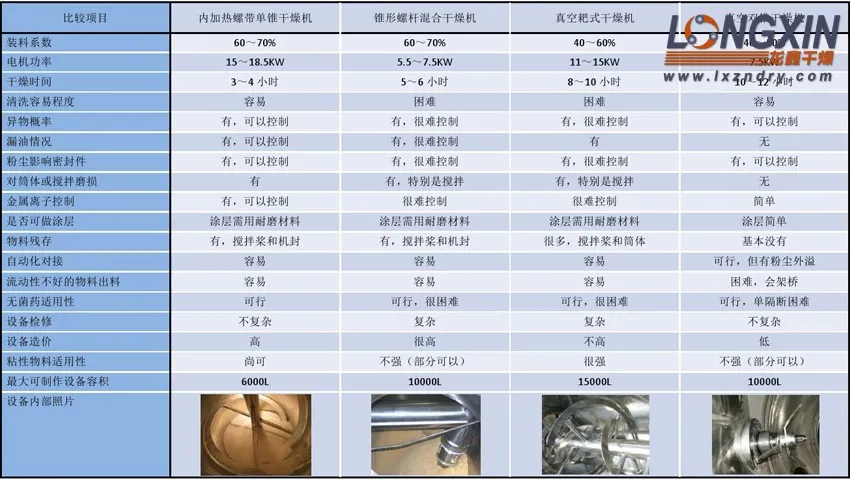
(3) Comparison of advantages with conventional vacuum dryers — taking a 2000 L dryer of the same volume as an example
Conical Vacuum Dryer — Choosing the Right Rotor
In the design of a vacuum dryer, one of the most important components is its agitator. To choose the right agitator with the right characteristics, you must understand the properties of the feed and the vacuum drying process results you wish to obtain.
(1) Screw agitator
The screw agitator is a well-proven design suitable for drying powders, filter cakes, pastes and slurries under atmospheric or vacuum conditions. It is suitable for almost all products, even sticky ones. Because of its excellent performance in conveying product along the vessel wall, it ensures an efficient drying cycle and can be applied to dryers with drying capacities above 20,000 litres.
(2) Paddle agitator
When the product is less viscous, a paddle agitator can be used to achieve optimum temperature control and product conveying between the rotor tips and the vessel wall. When required, it can also be used to mix the product thoroughly after the drying cycle.
(3) Belt agitator
For products with low initial moisture content and good flowability, the belt agitator is a better alternative to the screw agitator. It can agitate a larger batch at one time, achieving better heat transfer and reducing drying time.