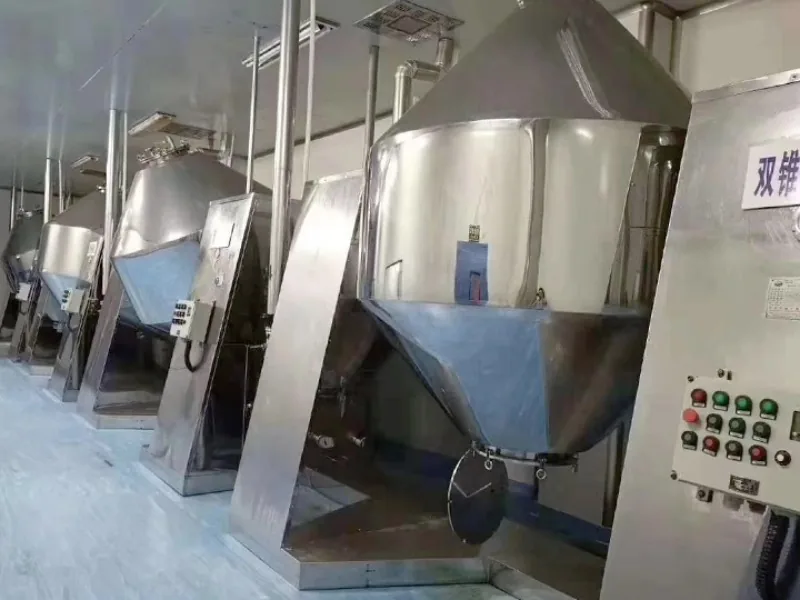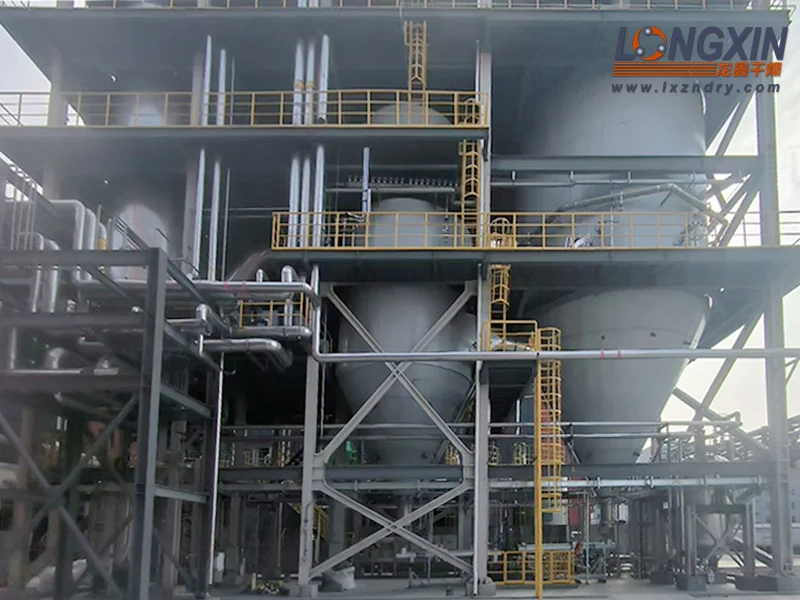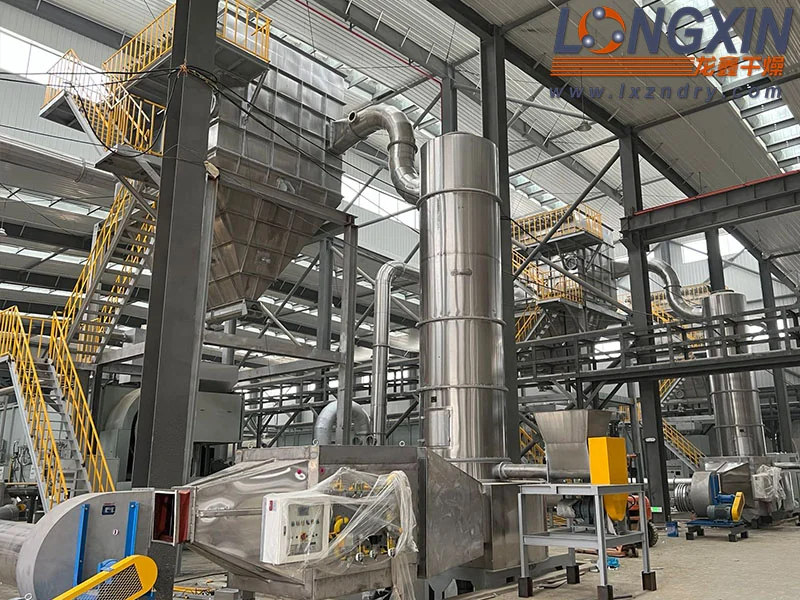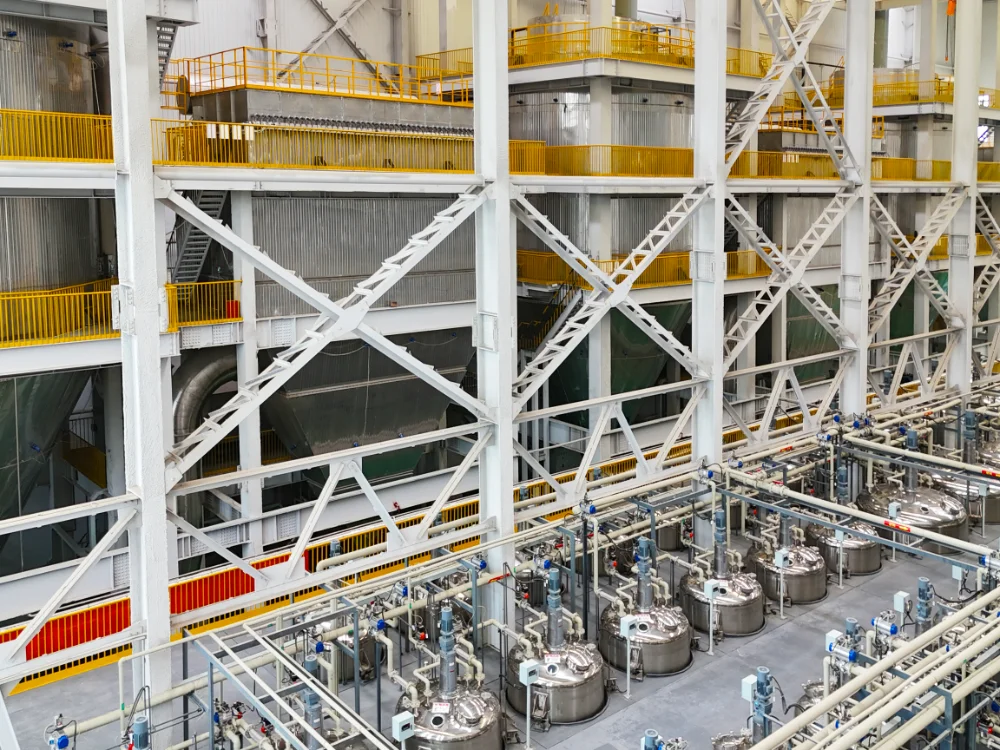
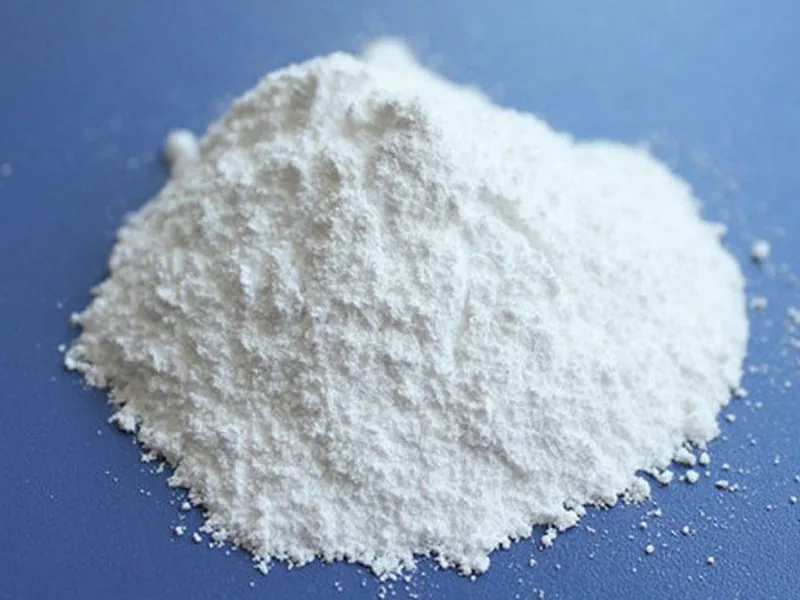
Fipronil wet cake can contain a significant proportion of organic solvent after crystallization and separation. Drying this type of pesticide intermediate requires careful control of oxygen concentration, solvent vapor, product temperature, containment and powder recovery.
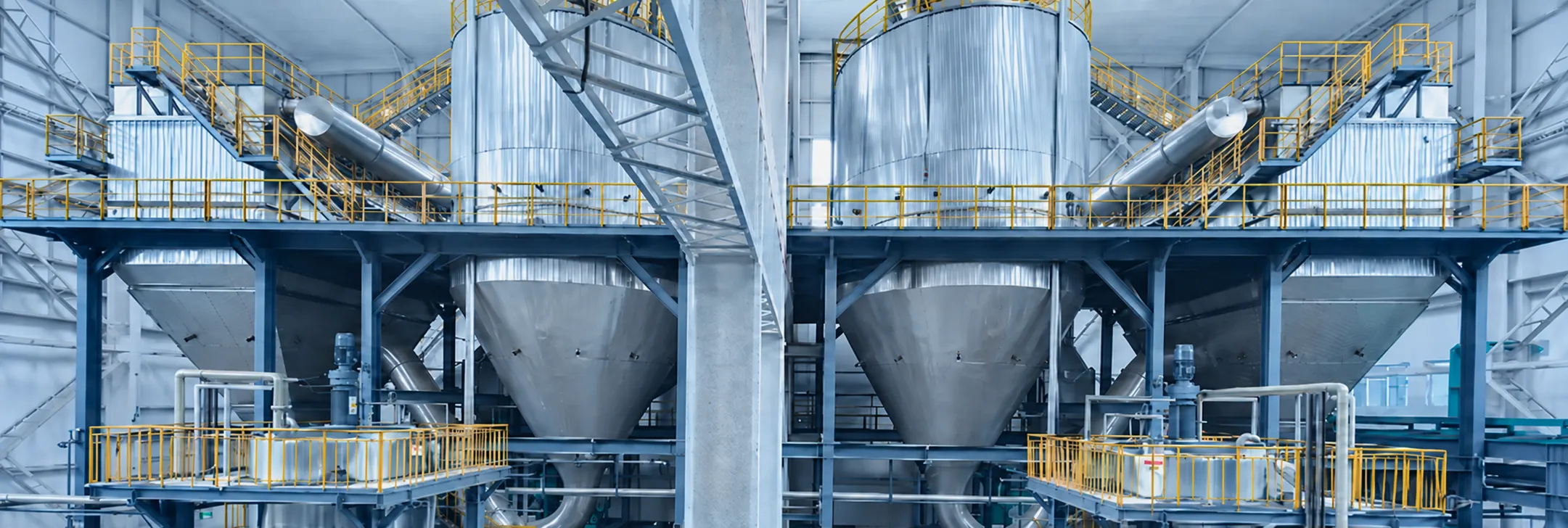
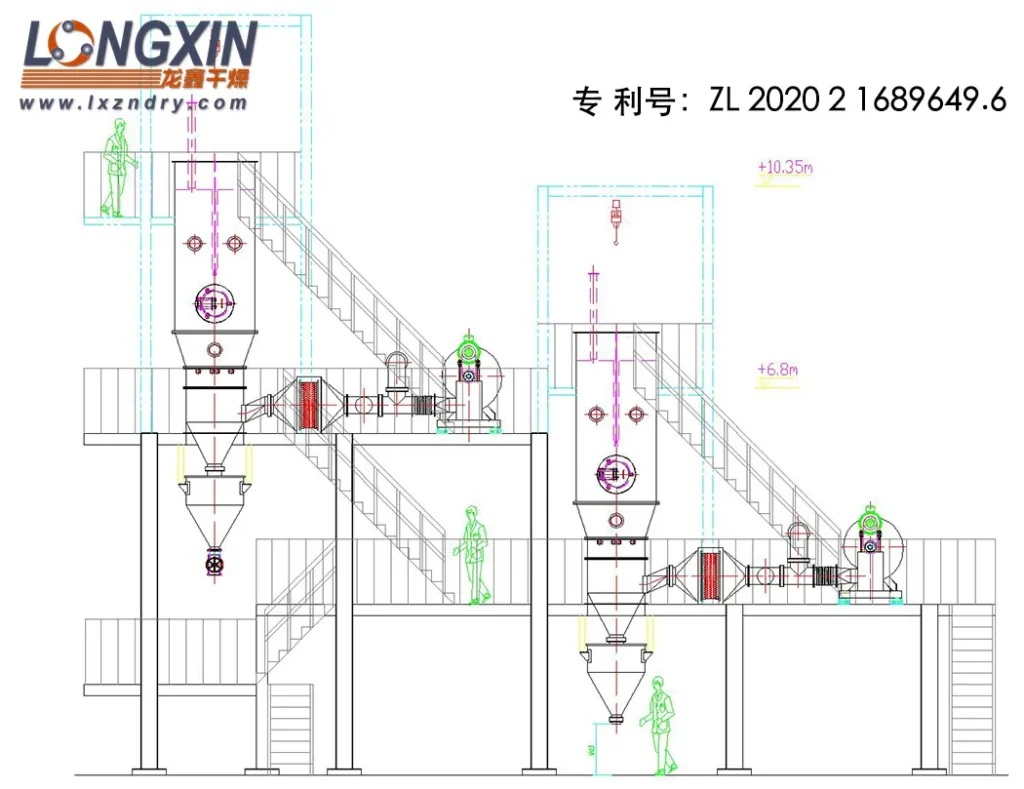
Longxin provides a nitrogen closed-cycle fluid-bed drying system for solvent-bearing fipronil material. The system is designed around inert-gas circulation, contained drying, dust filtration, solvent condensation and automated oxygen/pressure monitoring. Final explosion-protection measures and operating limits must be established through the customer’s process-safety assessment and local regulatory requirements.
Why a Closed-Cycle Route Is Used
Conventional vacuum batch drying can be suitable for some small-scale applications, but solvent-bearing materials may require a more integrated process when customers need improved containment, solvent recovery and automated operation.
For the reference fipronil project, the wet material contains a solvent mixture including toluene, methanol and water. A closed nitrogen loop reduces direct contact with atmospheric oxygen and allows solvent vapor to be condensed and recovered from the circulating gas stream.
Typical Process
- Contained wet-material charging
- Nitrogen purging and oxygen reduction
- Indirect/heat-exchanger heating of the circulating gas
- Fluidized drying under controlled negative/closed-loop conditions
- Dust filtration and product recovery
- Solvent condensation and gas cleaning
- Gas reheating and recirculation
- Controlled cooling and discharge
Key System Components
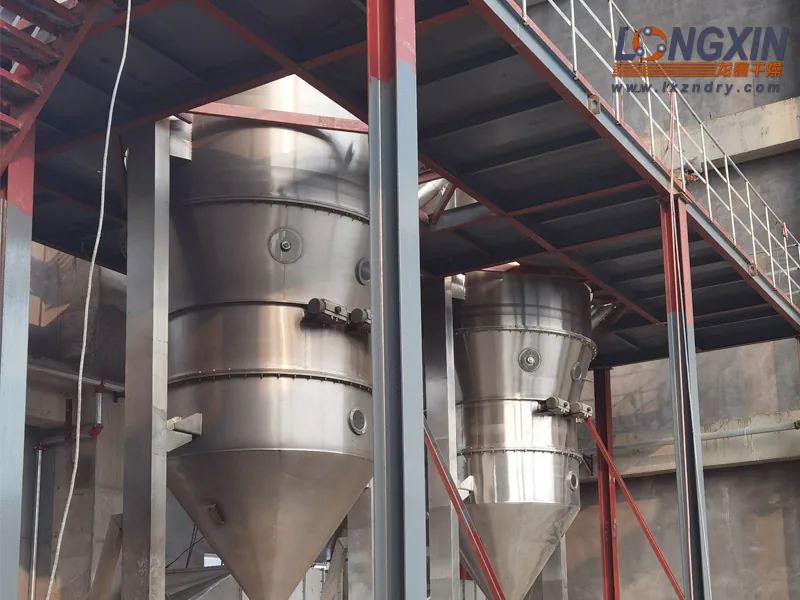
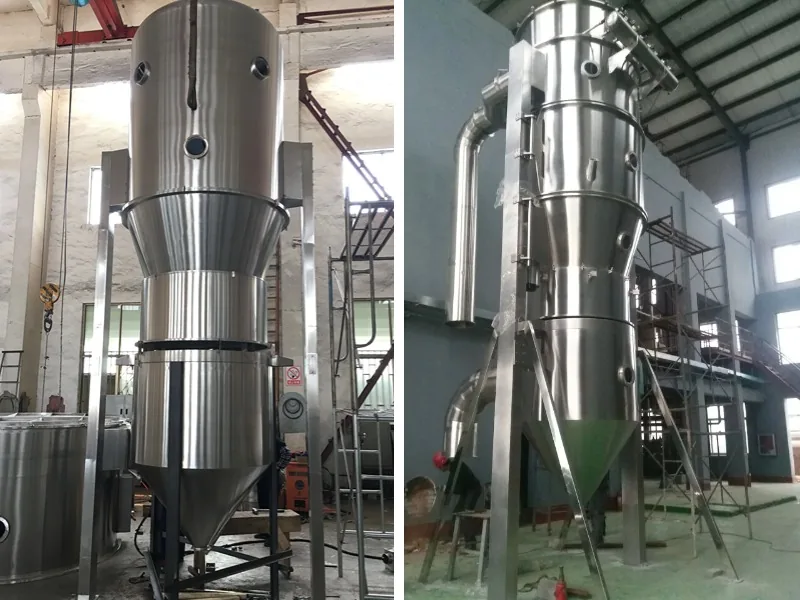
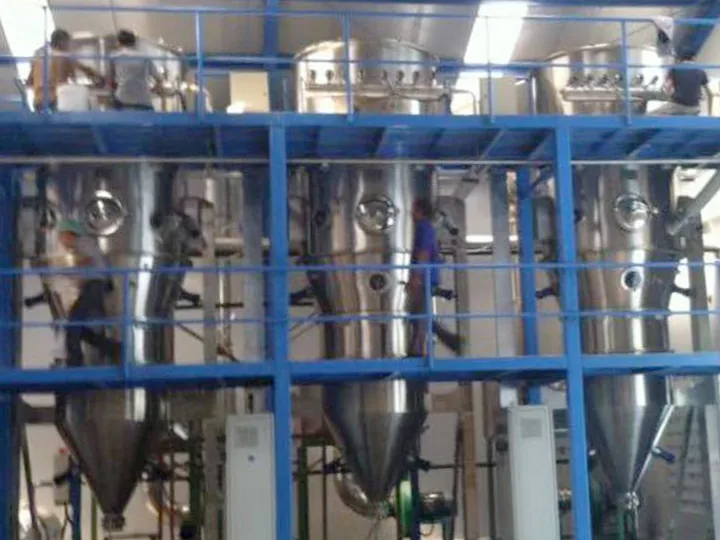
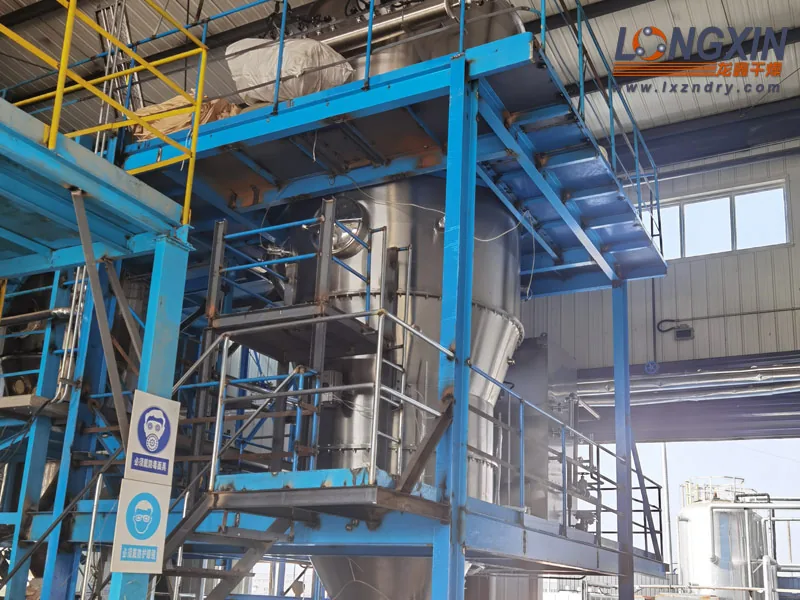
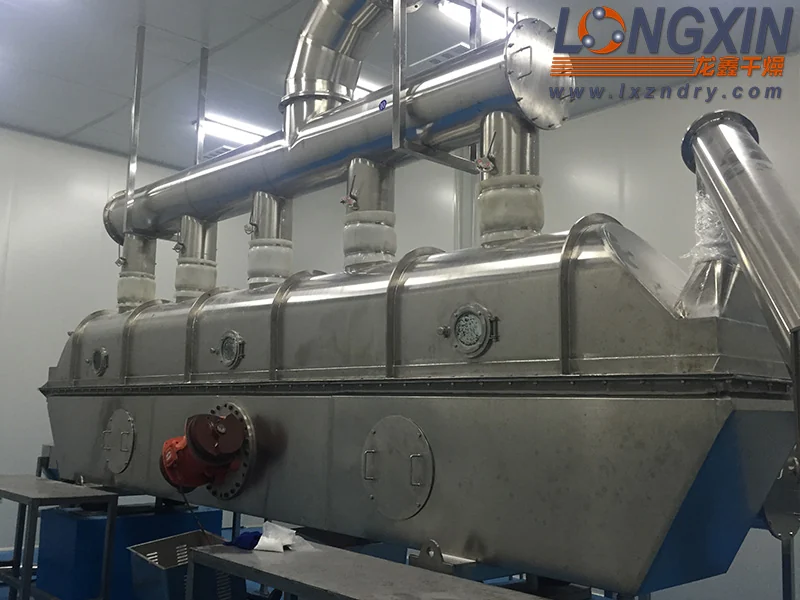
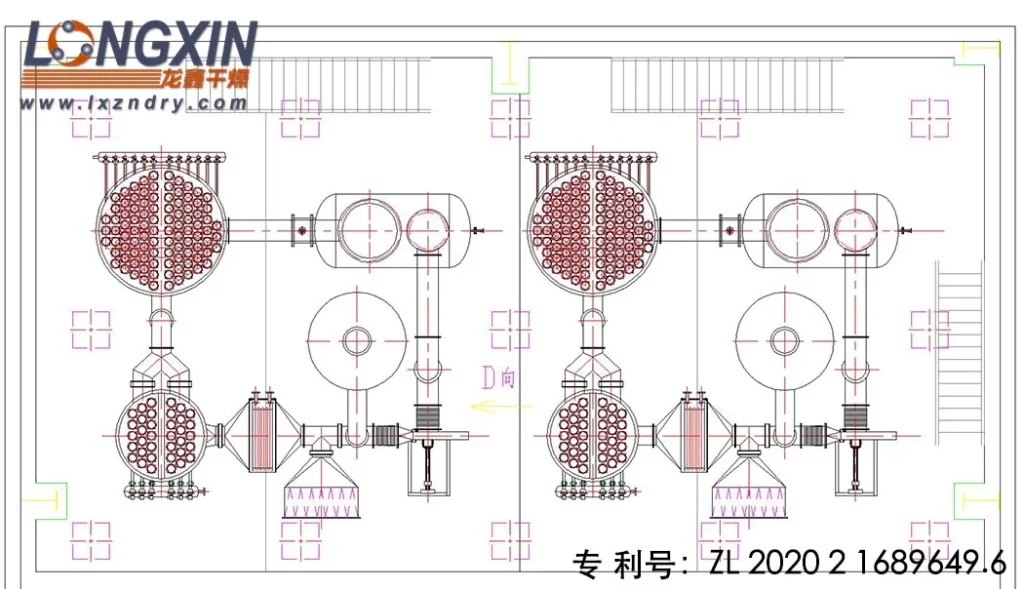
Closed Fluid-Bed Dryer
The drying vessel is designed for contained material handling and efficient gas-solid contact. The geometry, distributor and operating airflow are selected according to batch size and material behavior.
Nitrogen Circulation
Nitrogen is used as the circulating drying medium in the referenced process. Oxygen concentration is monitored continuously, and the control system can add nitrogen when the measured value moves outside the configured operating range.
Dust Filtration
Pulse-cleaned filtration can be incorporated to retain fine product inside the system and reduce product loss. Filter media and static-control measures are selected according to the powder and solvent system.
Solvent Condensation & Recovery
The circulating gas passes through a condenser/washer section to remove solvent vapor and entrained fines before the gas is reheated and returned to the dryer. Cooling-water and chilled-brine stages can be configured according to the solvent mixture and condensation duty.
Automated Safety Monitoring
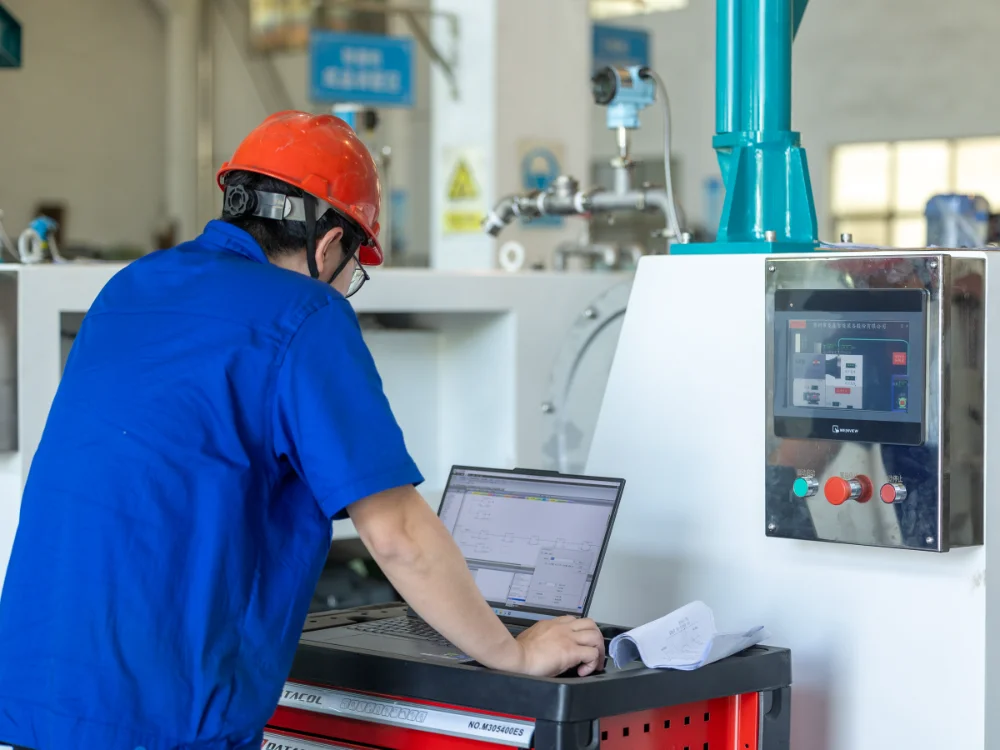
The control system can integrate oxygen concentration, temperature, pressure and other process interlocks. Specific alarm values, relief design and protection measures must be determined for the actual material and plant hazard study.
Reference Fipronil Project Parameters
The following figures are taken from the supplied fipronil project data and are included only as a reference for scale and process conditions.
| Wet-material batch | 150–250 kg/batch |
|---|---|
| Dry-product output | 130–210 kg/batch |
| Drying time | 40–180 min/batch |
| Initial moisture | 15% |
| Wet-phase composition | Toluene + methanol + water |
| Solvent share of total wet content | >90% in the referenced project |
| Final moisture | 0.5% |
| Inert gas | Nitrogen |
| Primary condenser medium | Circulating water, 20°C reference |
| Secondary condenser medium | Chilled brine, -10°C reference |
| Heat source | 0.4 MPa saturated steam |
| Main dryer working volume | 700 L |
| Total installed power | 38.5 kW |
| Reference nitrogen consumption | 20–25 m³/batch |
Engineering for Solvent-Bearing Pesticide Materials
Fipronil is only one example of a solvent-bearing agrochemical material. Closed-cycle drying can also be evaluated for other pesticide intermediates where oxygen control, solvent recovery and contained powder handling are important process requirements.
Longxin can review the solvent system, wet-cake properties, batch size, residual-moisture target and plant utilities before defining the final drying process and safety configuration.