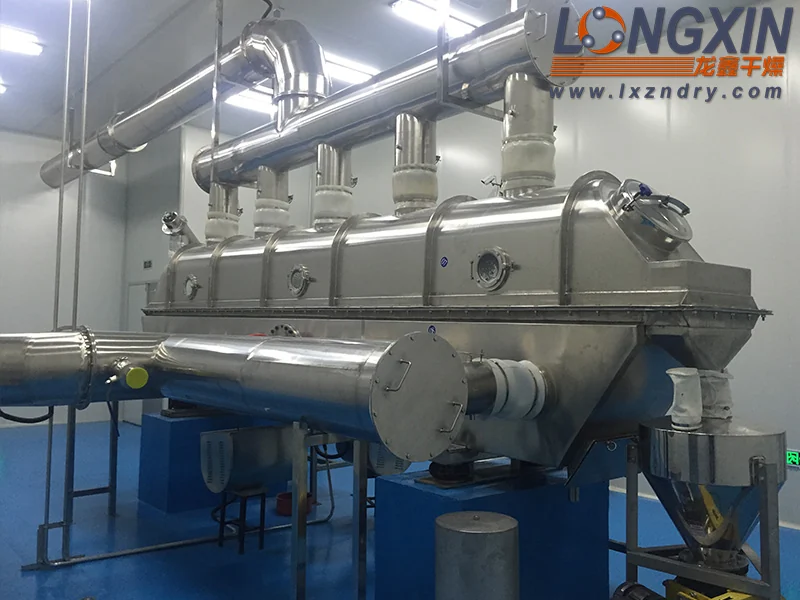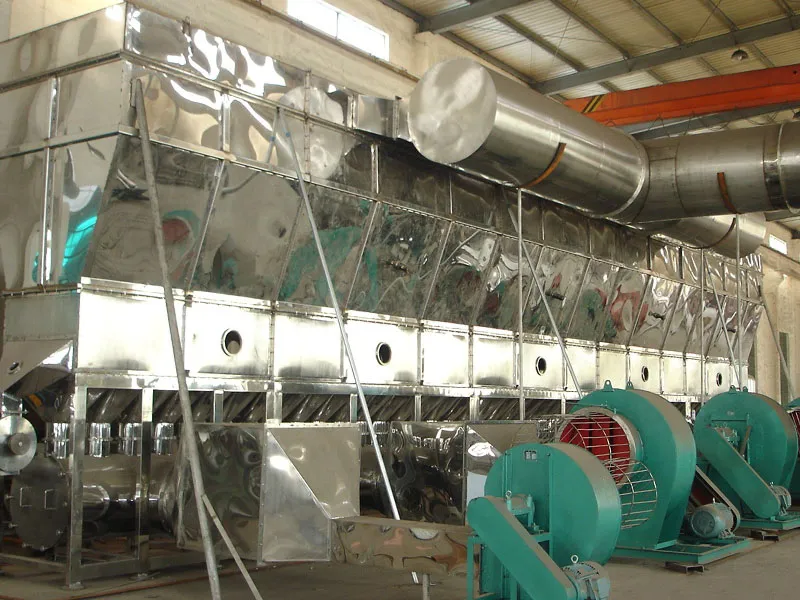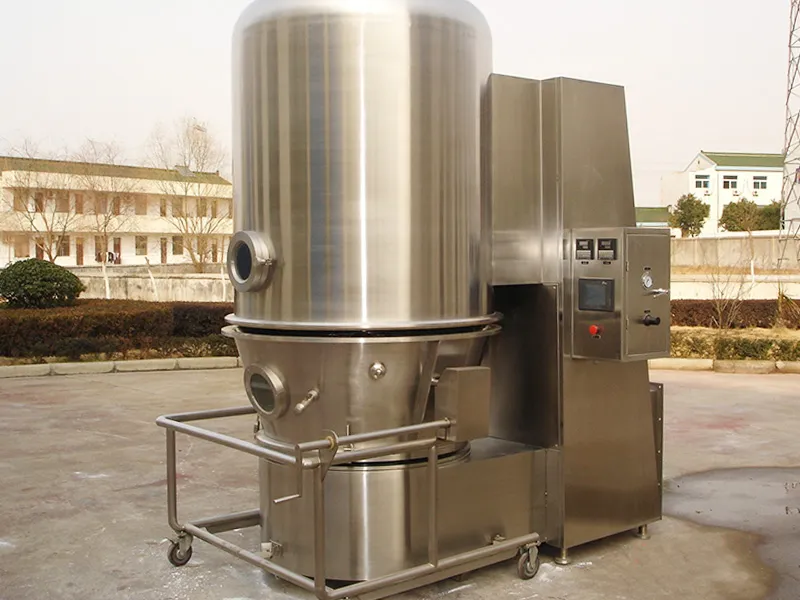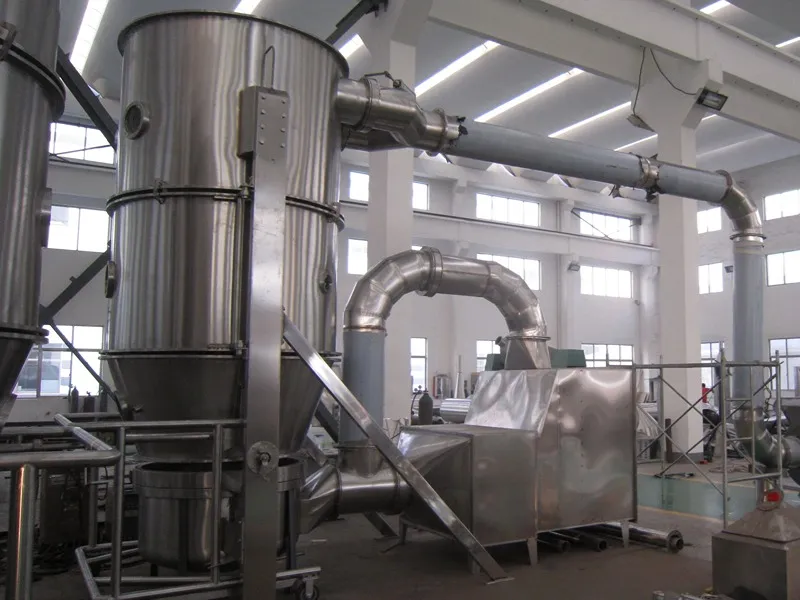
Product Overview
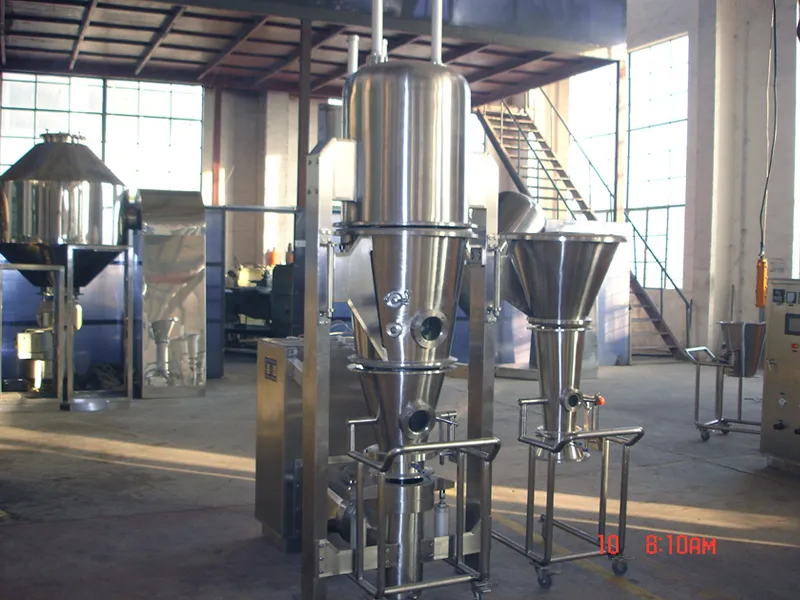
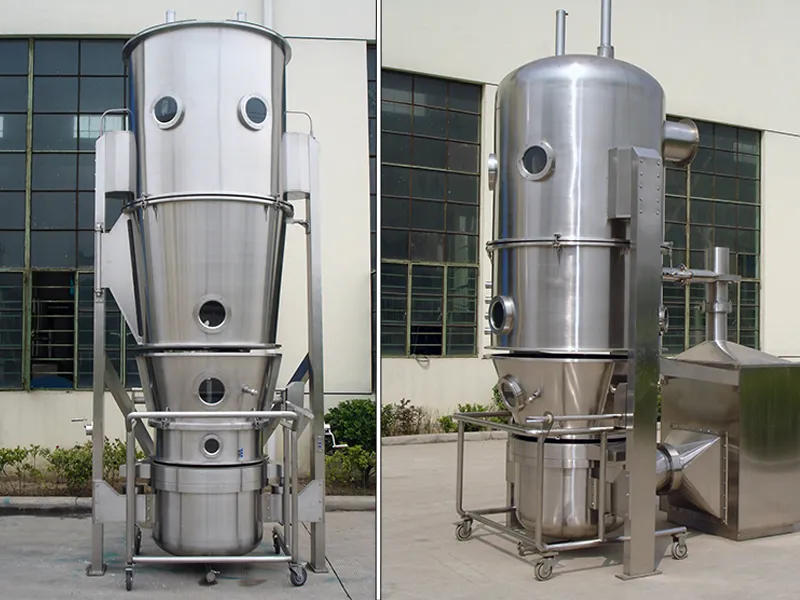
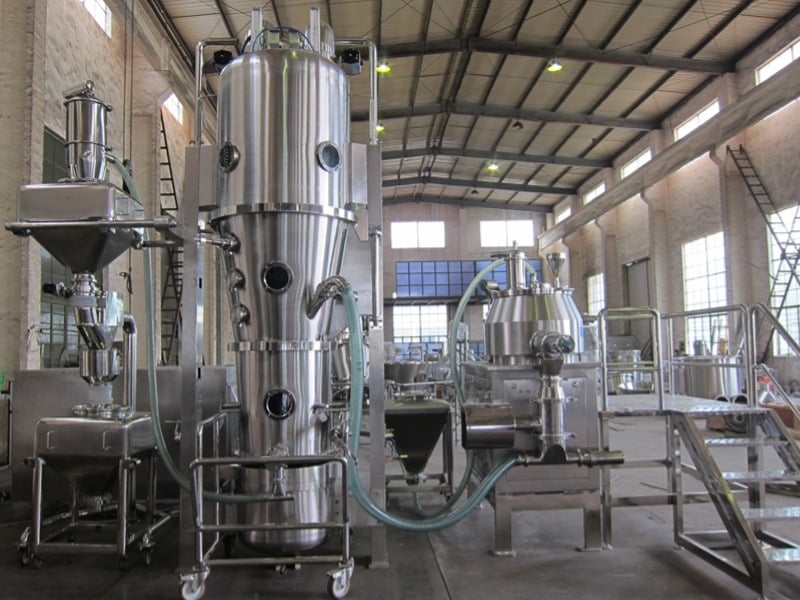
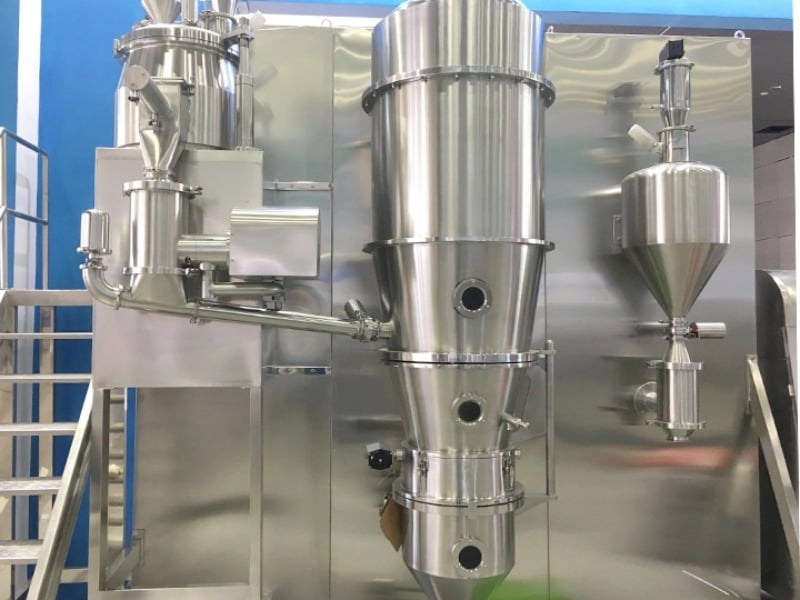
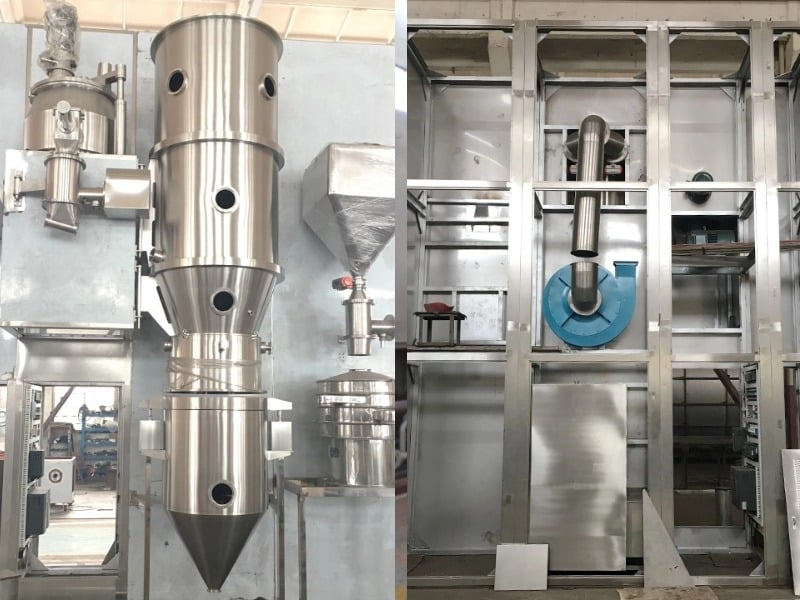
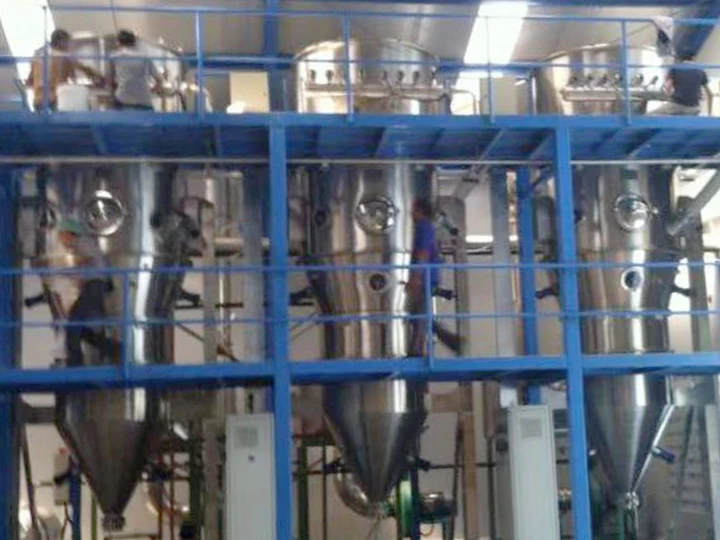
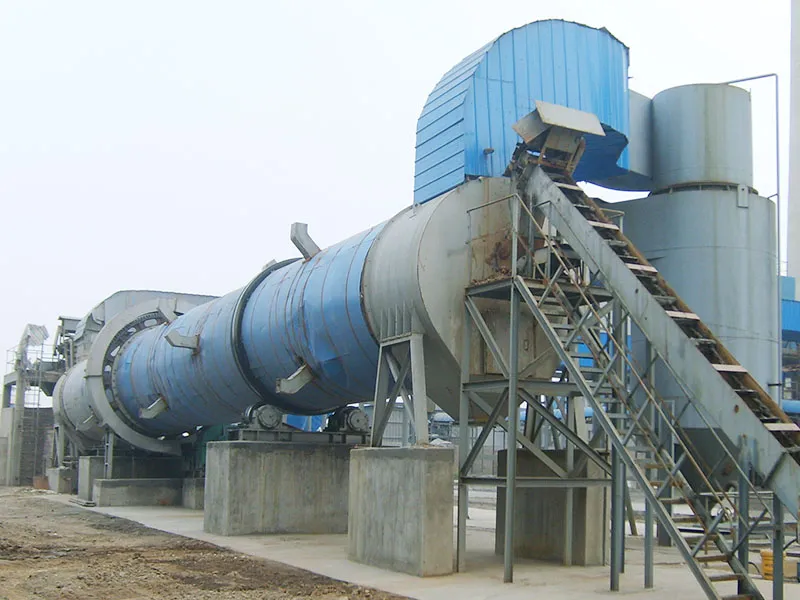
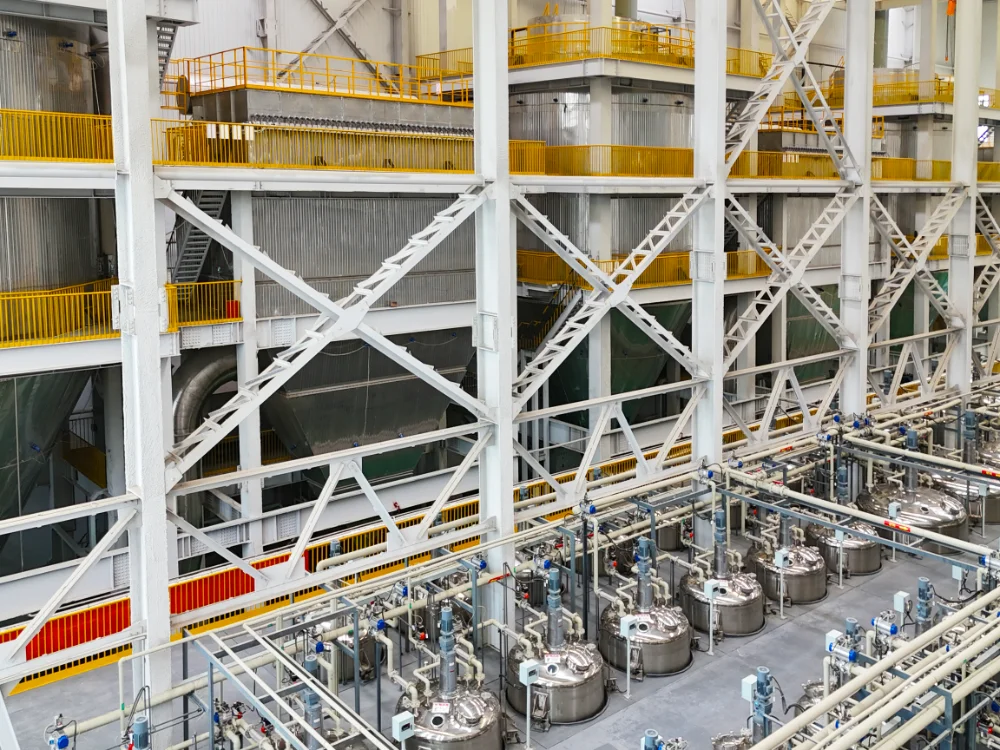
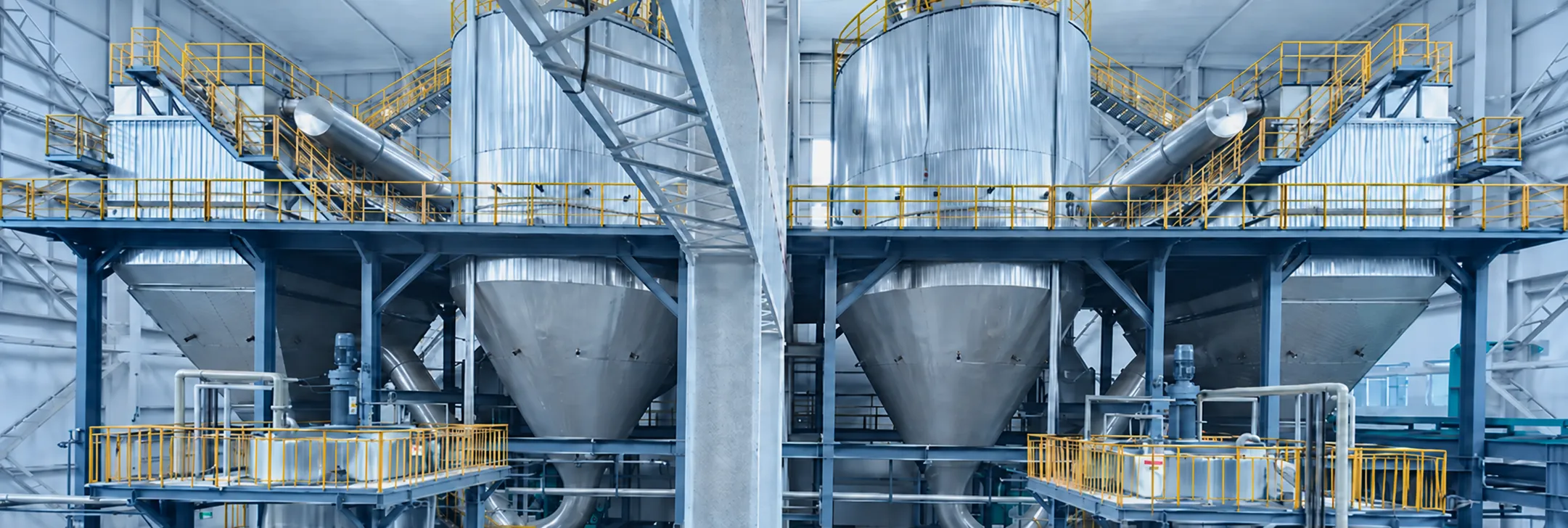
The spray drying and granulating unit is a device that can complete drying and granulation at the same time. According to process requirements, the pressure and flow rate of the feed liquid pump and the size of the spray orifice can be adjusted to obtain spherical granules of the required size ratio.
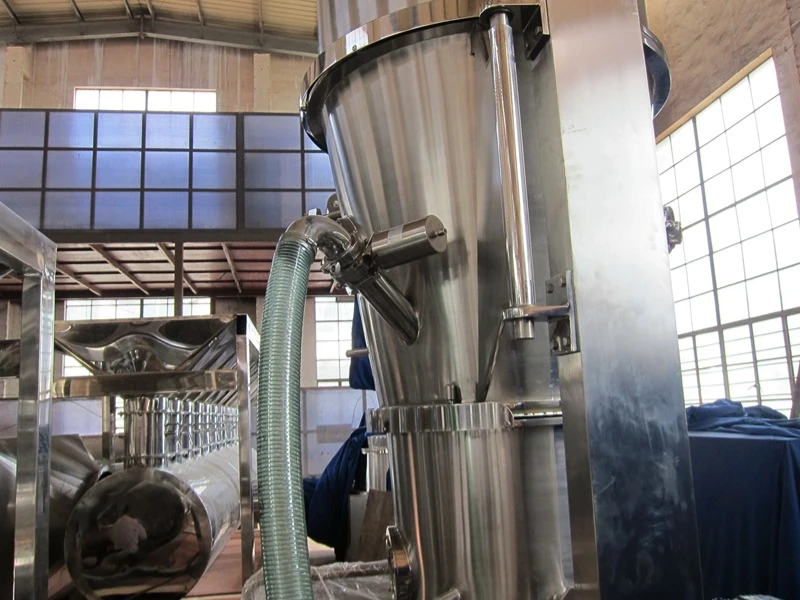
The working process of the spray drying and granulating unit is as follows: the feed liquid is fed in under high pressure by a diaphragm pump and sprayed out as a mist of droplets, which then descend co-currently with the hot air. Most of the powder granules are collected at the discharge outlet at the bottom of the tower; the exhaust gas and its fine powder are separated by a cyclone separator, the exhaust gas is discharged by the exhaust fan, and the powder is collected by a powder collecting cylinder arranged at the lower end of the cyclone separator. A secondary dust removal device can also be fitted at the fan outlet, giving a recovery rate of above 96–98%.
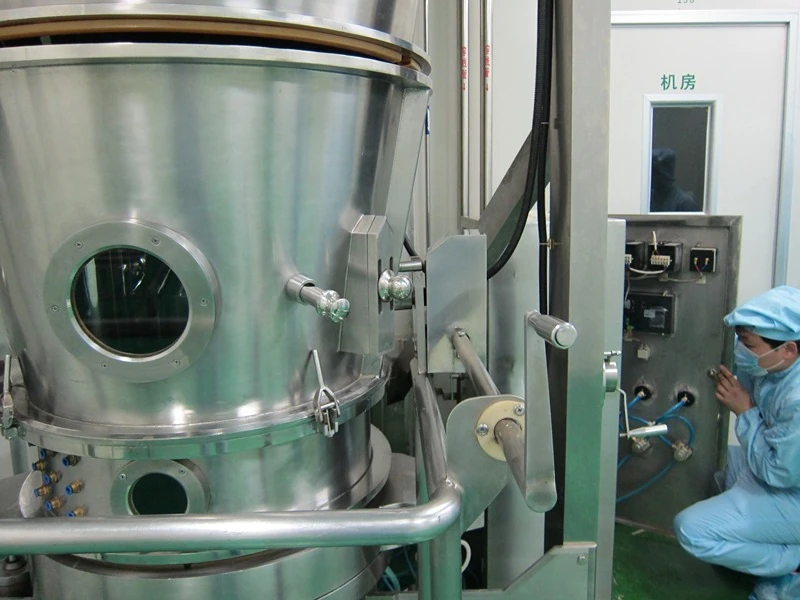
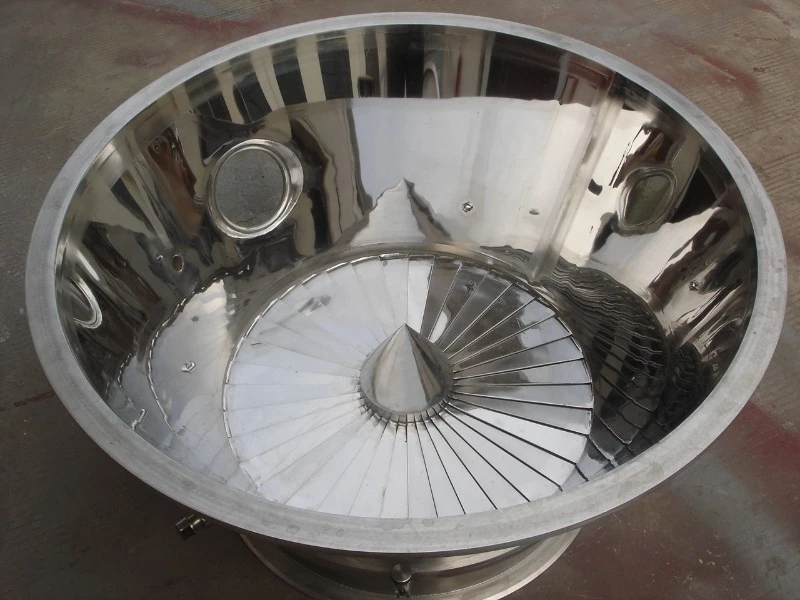
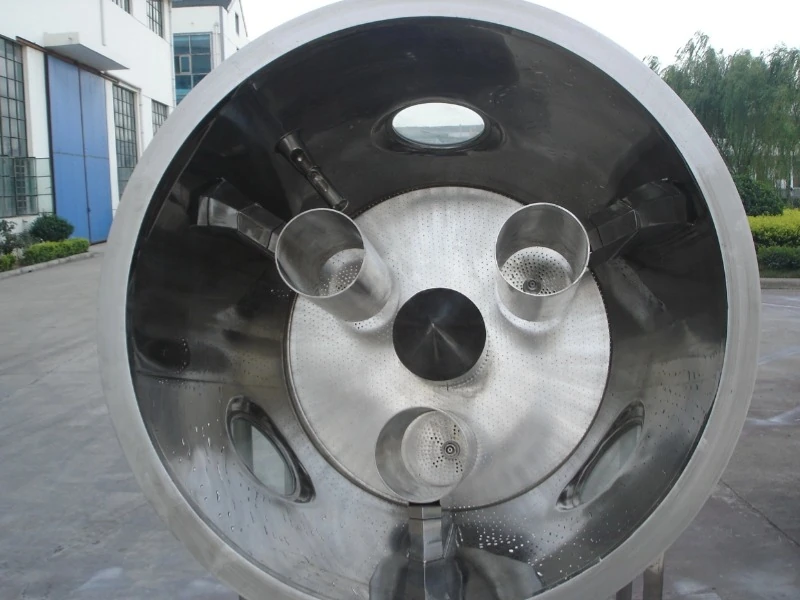
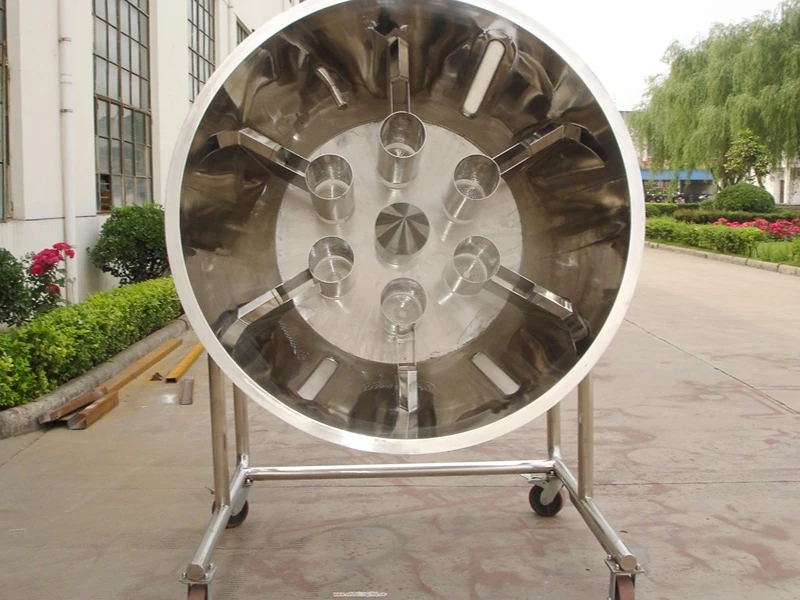
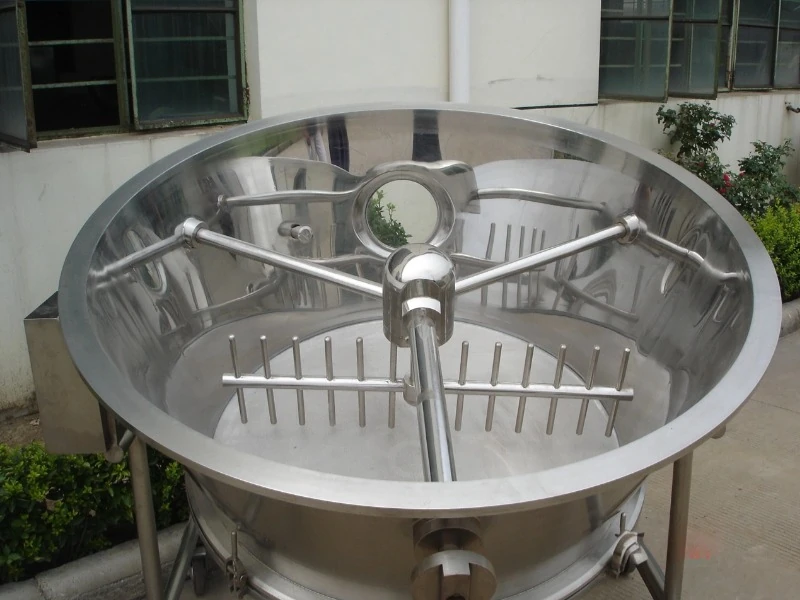
For the spray drying and granulating unit, the tower body, piping and separator — the parts in contact with the material — are all made of SUS304. Between the inner tower body and the outer shell there is sufficient insulation, filled with ultra-fine glass wool. The tower body is provided with an observation door, a sight glass, a light source and control instruments, all controlled and displayed from an electrical control console.
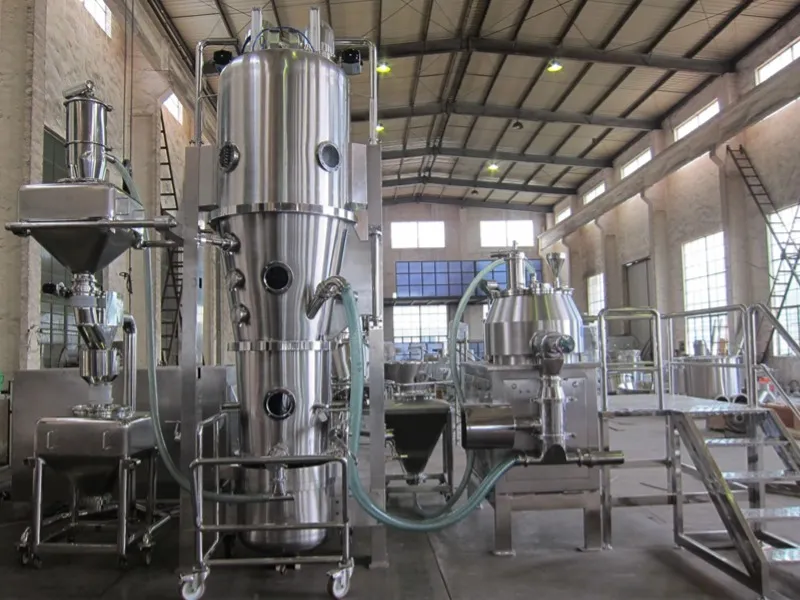
Spray Fluid Bed Dryer — Process Flow
(1) Gentle drying
Fluid bed drying is a particularly effective method of solids drying. During fluidization, liquid is drawn off from the entire surface of each particle. Its advantages include an excellent heat exchange effect and ideal drying times. In addition, the product is dried gently.
(2) Granulation – agglomeration
Agglomeration in a fluid bed is a modern method of producing granules from powder using liquid bridges. The sprayed liquid can be water or an organic solvent, a powder dissolved in a liquid, or another binder. The moistened granules are then dried and, where necessary, cooled. Because the mechanical forces in a fluid bed are relatively small, the agglomerates/granules are relatively loose, with a low bulk density, and are very readily soluble in water.
(3) Powder coating – particle coating
Modern film coating technology selectively influences product properties by applying a protective film. During coating, uniform application of the coating material is crucial. The coating must be absolutely sealed, with no mechanical damage or tears. Film coating is a highly demanding process with an extremely wide range of applications.
(4) Direct granulation
In the granulation process, powder is mixed and moistened. At the same time, a solvent or binder can be added. Centrifugal motion produces agglomerates, which are rounded into uniform, dense granules. Selective product properties can be achieved through direct granulation or layering.
Spray Fluid Bed Dryer — Performance Features
(1) Fast drying speed: after atomization the surface area of the feed liquid is greatly increased, and in the hot air stream 95%–98% of the moisture can evaporate instantly, with drying completed in only ten-odd to several tens of seconds. It is particularly suitable for drying heat-sensitive materials.
(2) All products are spherical granules with uniform particle size, good flowability and good solubility, high product purity and good quality.
(3) Wide application range: depending on the characteristics of the material, hot air can be used for drying or cold air for granulation, giving strong adaptability to materials.
(4) Simple and stable operation, convenient control, and easy to automate.
Spray Fluid Bed Dryer — Product Applications
(1) Pharmaceutical industry: granules for tablets, instant granules and capsules; low-sugar and sugar-free granules of Chinese patent medicines;
(2) Food: cocoa, coffee, milk powder, granulated fruit juice, seasonings, etc.;
(3) Other industries: pesticides, feed, fertilizers, pigments, dyes, etc.