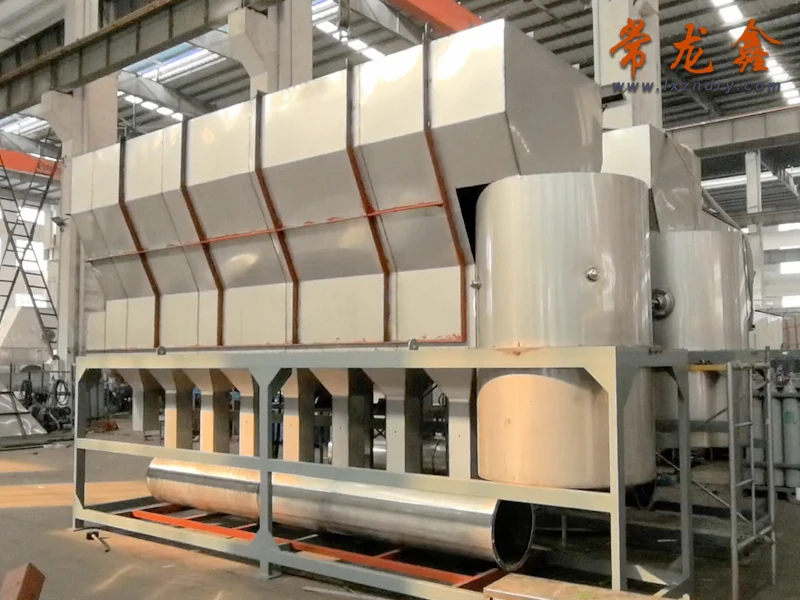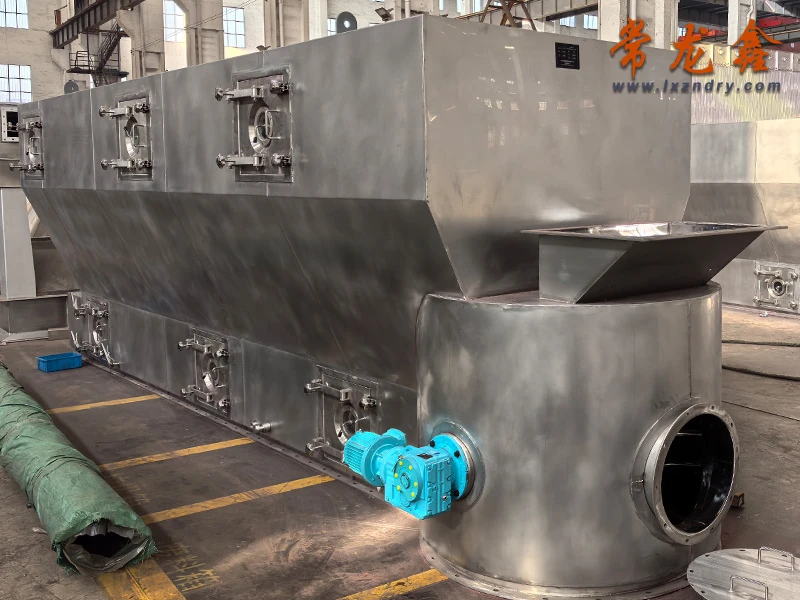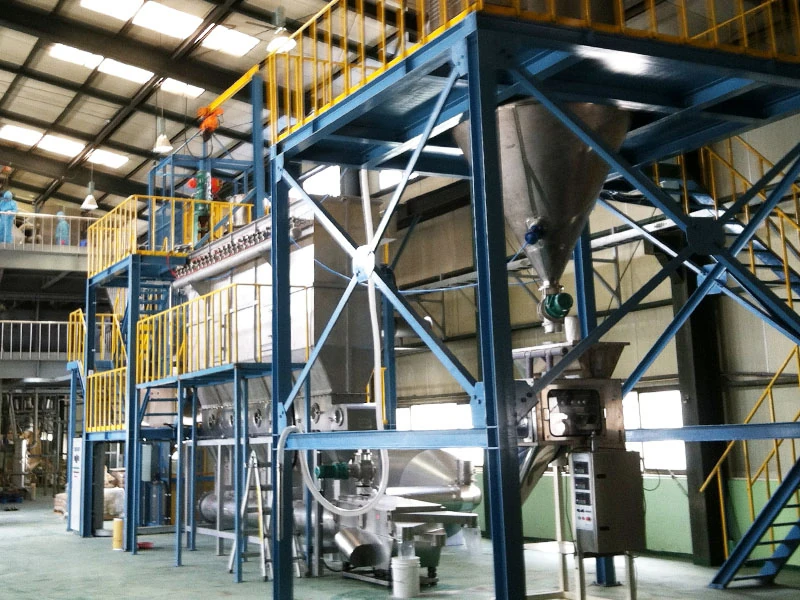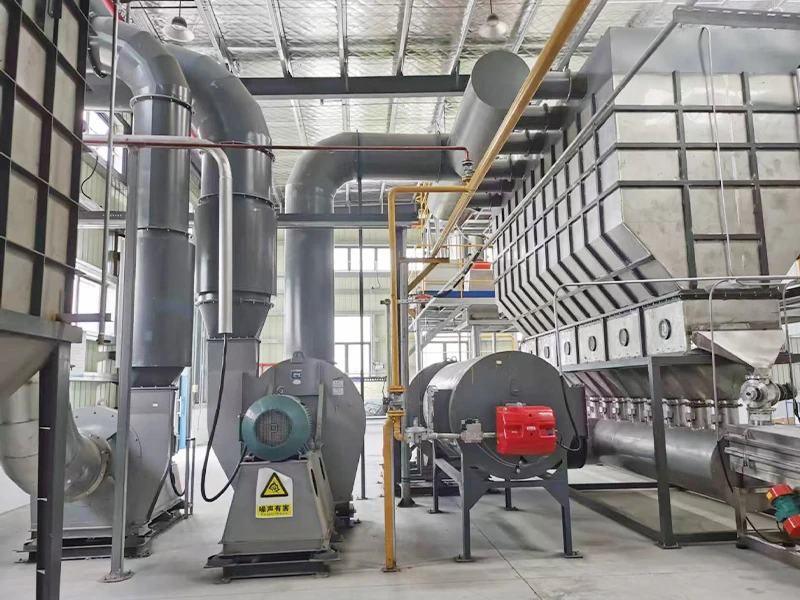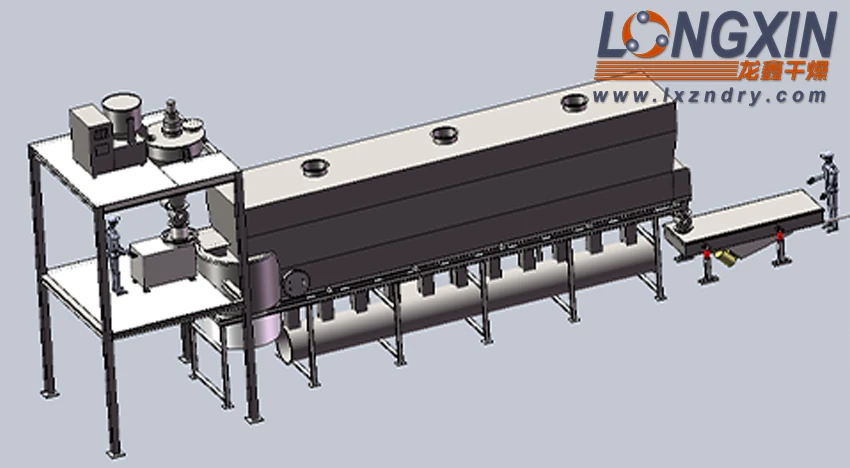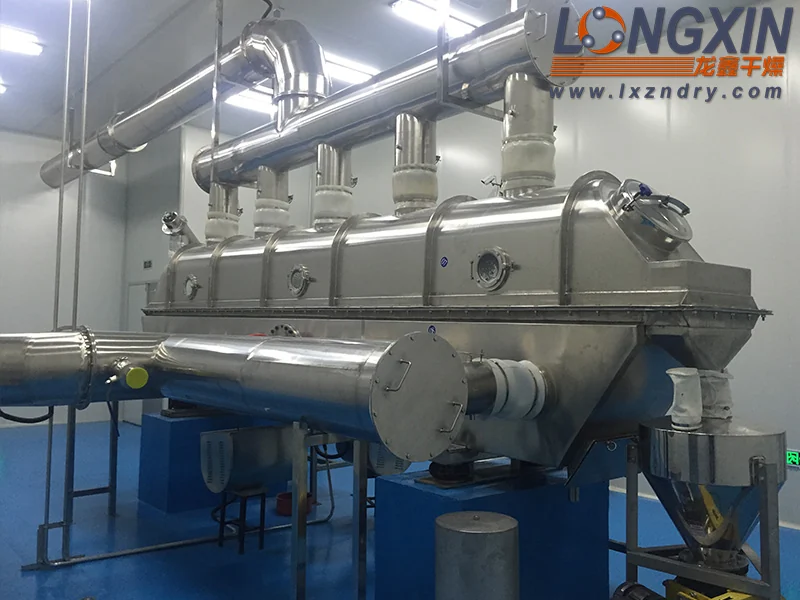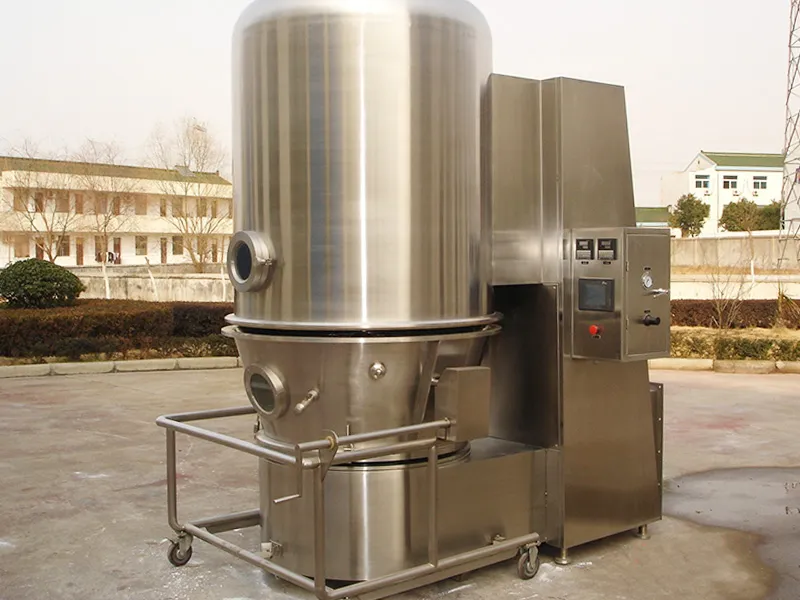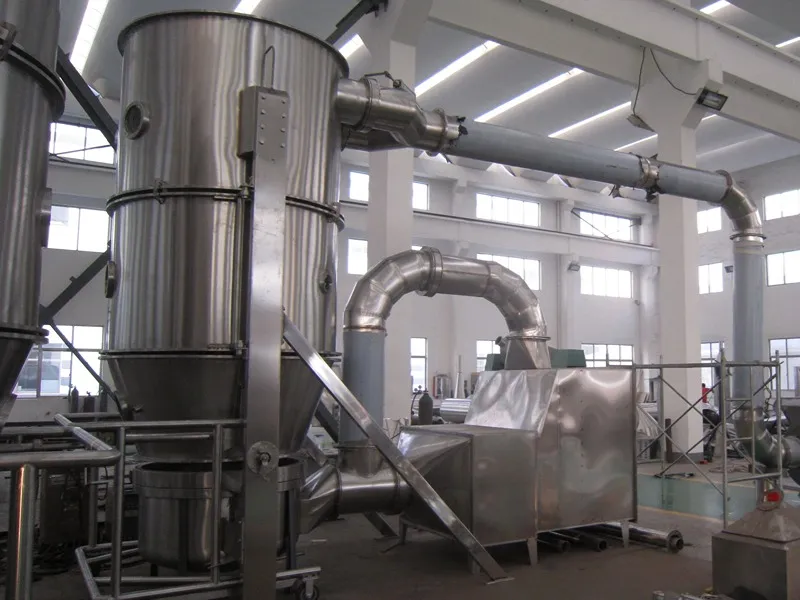

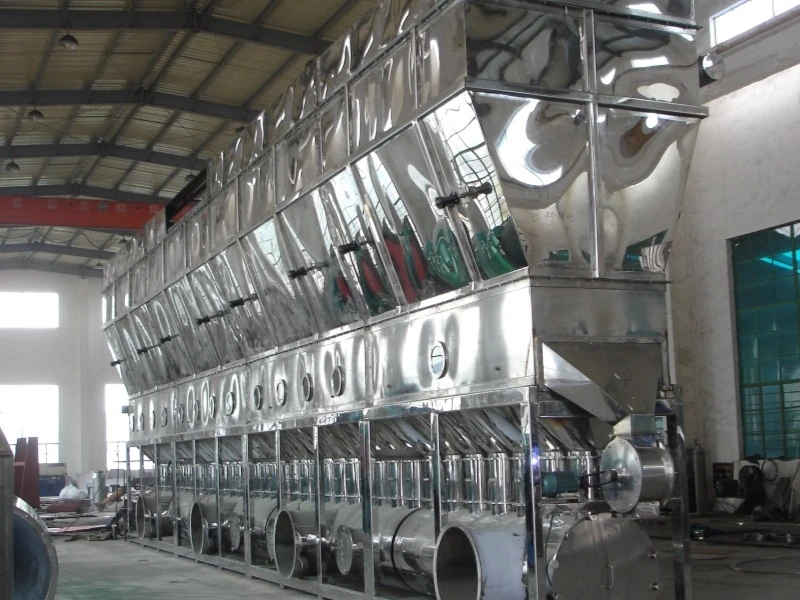
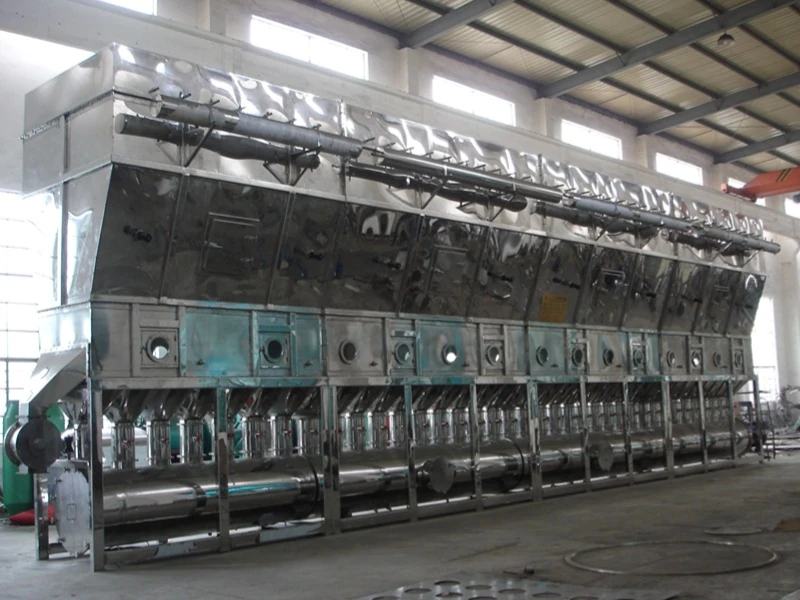
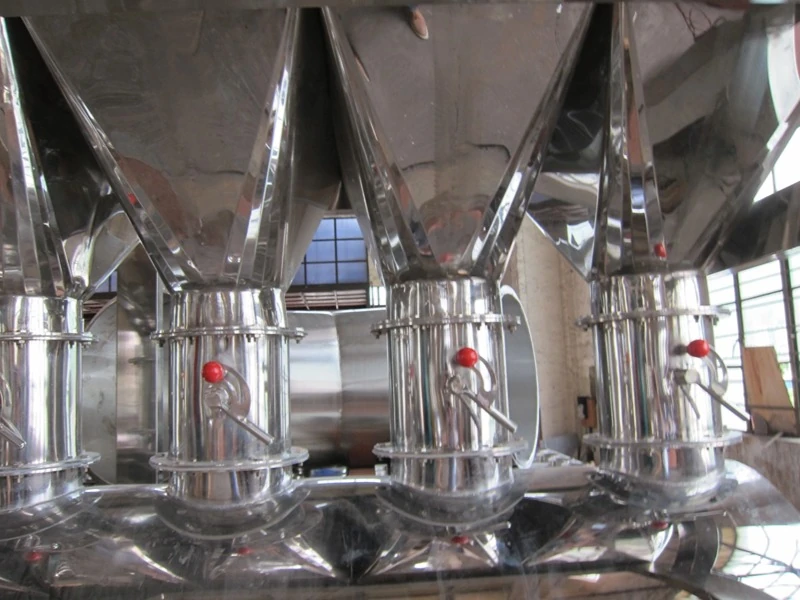
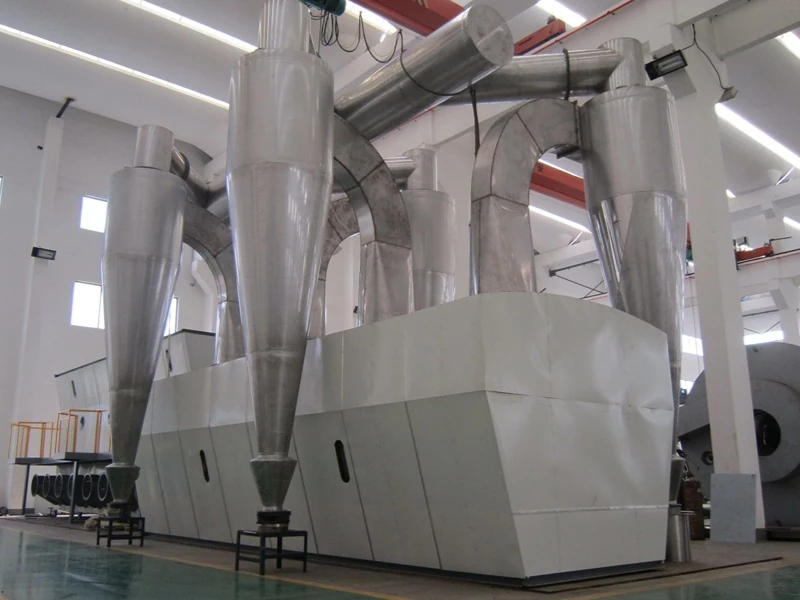
Equipment Overview
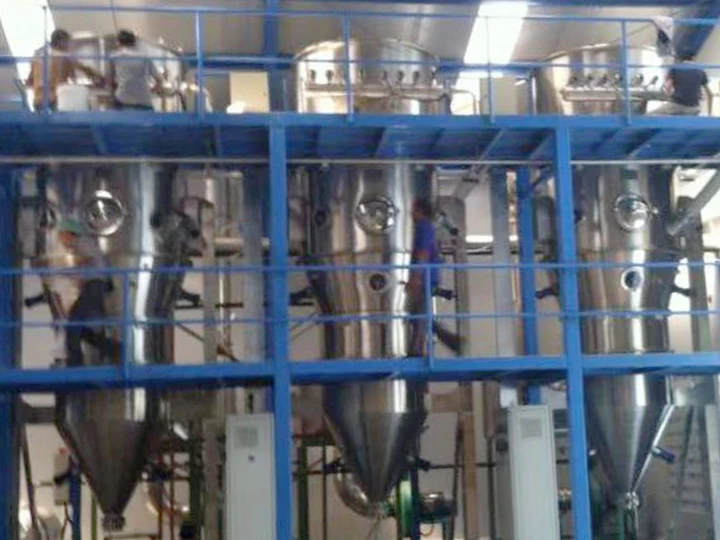
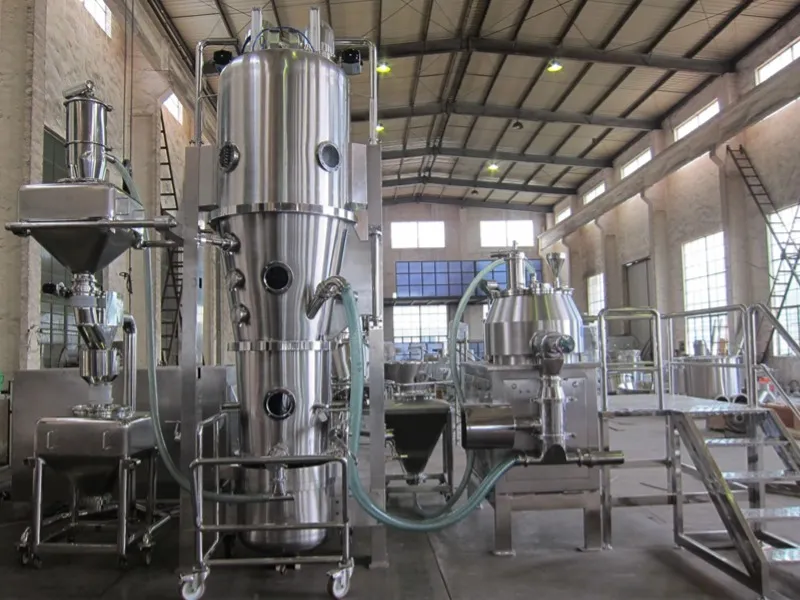
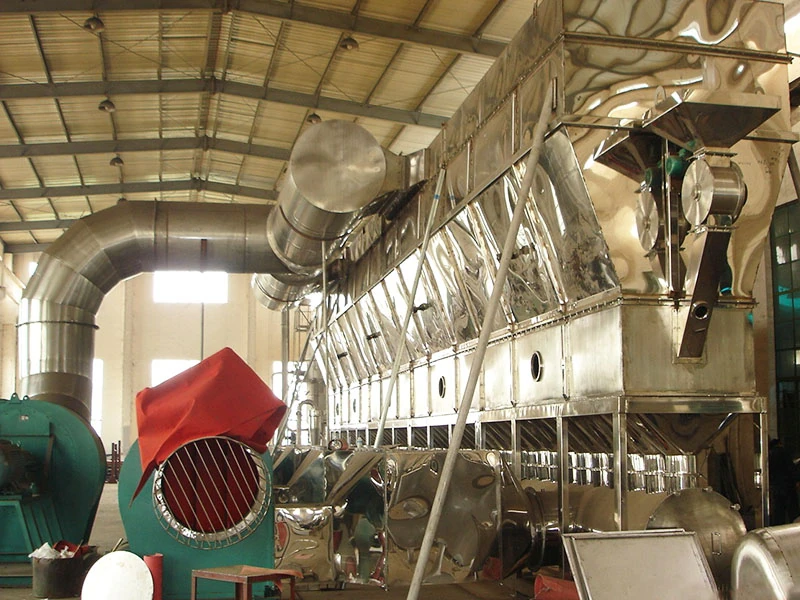
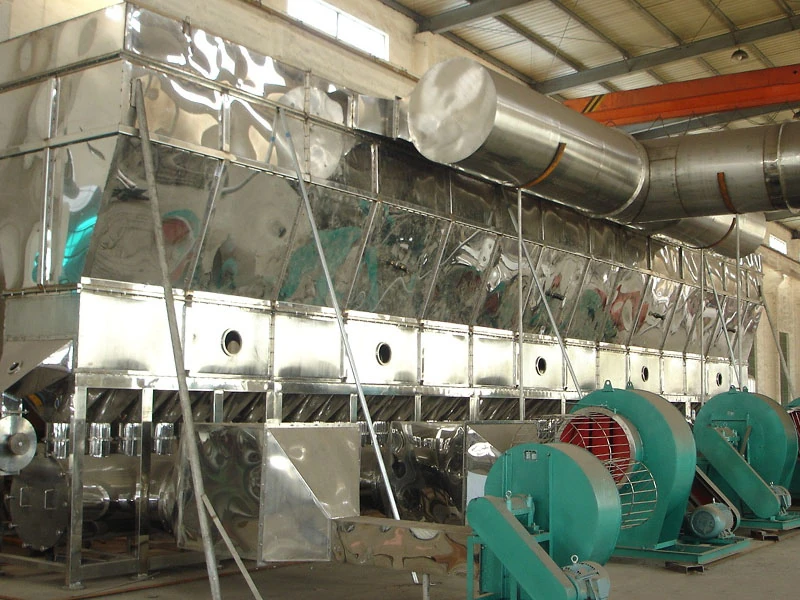
The static fluid-bed dryer (also called a fluid bed dryer) is a type of equipment used to dry granular materials. It is designed on the principle of fluidization, using a hot drying medium to dry solid particles in a fluidized state, thereby accelerating the drying process. In the boiling (fluidized) state, the particles come into full contact with the hot air, which improves heat transfer efficiency and makes the drying process more efficient.
In the drying process of a fluid bed, powdery or granular material is placed on a gas distribution plate (such as a perforated plate) and gas is fed in from below. This causes the material particles to move on the distribution plate and to be suspended in the gas stream, producing a mixed bed layer of material particles and gas, just like a boiling liquid. The material particles contact the gas within this mixed bed layer while moving vigorously; this kind of bed layer is called a fluidized bed. Hot air is fed in to form the fluidized bed and to carry out heat transfer and moisture transfer between the material and the hot air.
Static Fluid-Bed Dryer — Working Principle
The working principle of the static fluid-bed dryer is based on fluidization technology. It uses hot air to make granular material behave like a boiling liquid inside the vessel, thereby achieving efficient drying. As an improved version of the fluid-bed dryer, it solves problems such as the relatively complex manufacture and the difficult operational control of multi-layer fluid bed dryers. Because of its simple structure, relatively convenient operation and good working results, it was quickly and widely adopted in the pharmaceutical industry and in fine chemicals.
(1) Air heating and introduction: First, outside air is drawn into a heater and heated to the required temperature. The heated air enters the drying chamber through the distribution plate at the bottom of the equipment.
(2) Fluidization: When the hot air passes through the distribution plate into the drying chamber, it blows the granular material placed in the chamber upward. As the air velocity increases, the particles begin to be suspended and form a boiling-like state inside the drying chamber. This state is called fluidization.
(3) Heat and mass transfer: During fluidization, intense heat exchange and mass exchange take place between the hot air and the granular material. The moisture or other solvent in the material is rapidly evaporated and discharged from the drying chamber together with the hot air.
(4) Particle movement and separation: The particles move randomly within the boiling bed, increasing the opportunities for the material to contact the hot air. At the same time, larger particles fall back onto the distribution plate due to gravity, while lighter or already dried particles may leave the drying chamber together with the hot air. To prevent material loss, a cyclone separator or other form of dust removal device is usually installed at the outlet of the equipment to recover these particles.
(5) Control and adjustment: The entire drying process can be controlled by adjusting factors such as air flow rate, temperature and feed rate, so as to control the drying rate and the moisture level of the final product.
(6) Continuous or batch operation: The static fluid-bed dryer can be designed for continuous feeding and discharging, or designed for batch operation according to requirements.
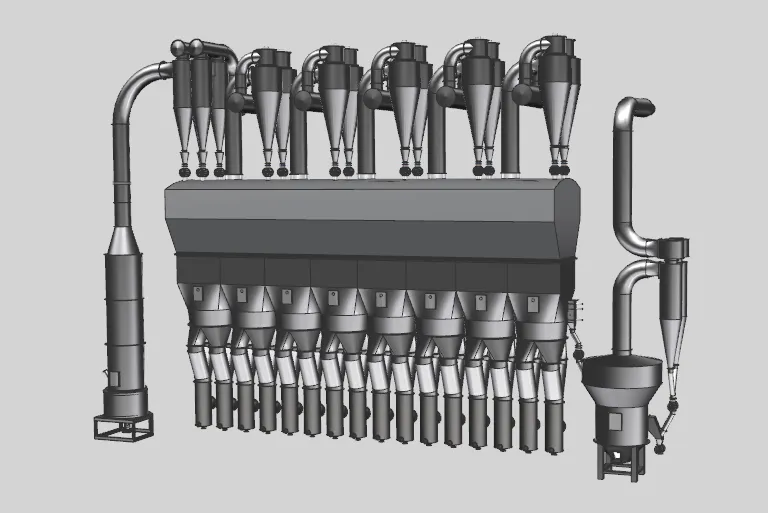
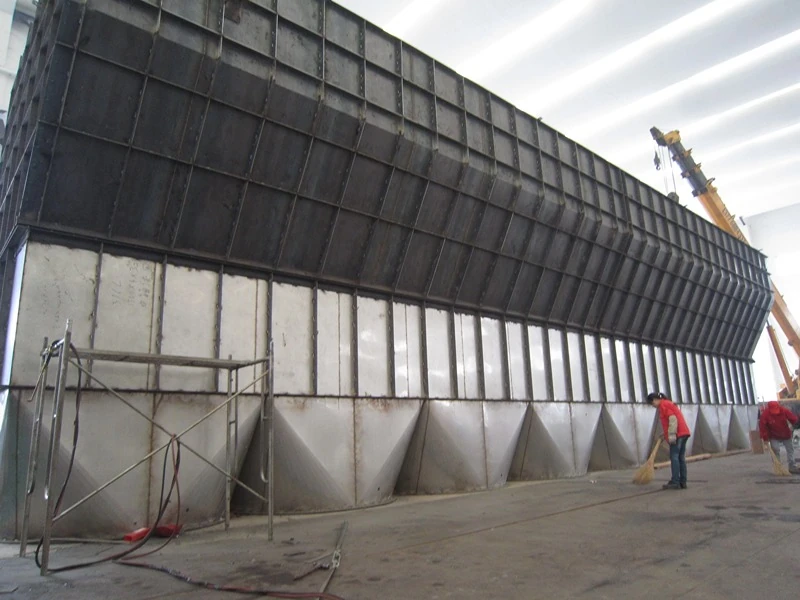
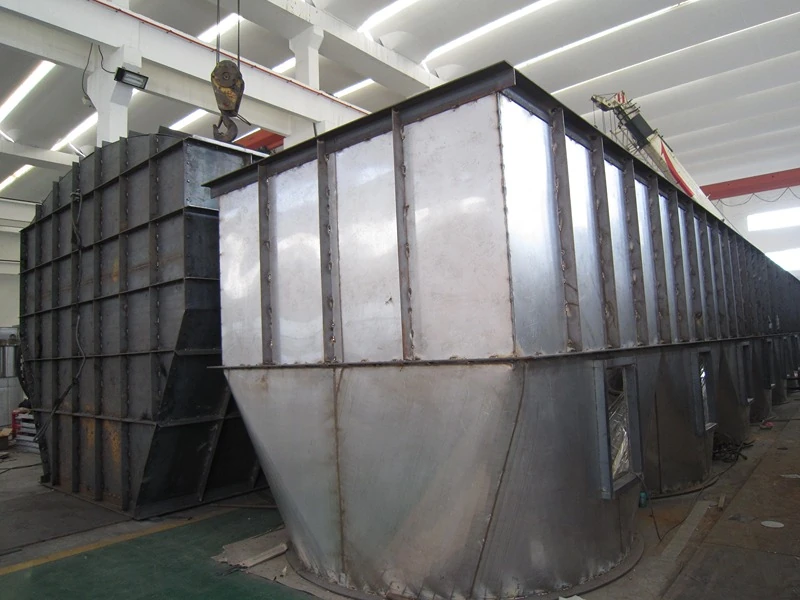
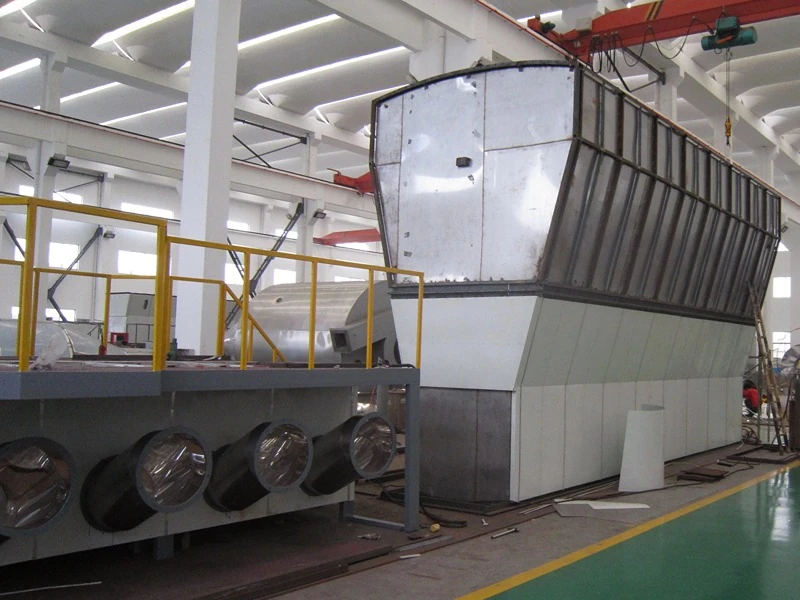
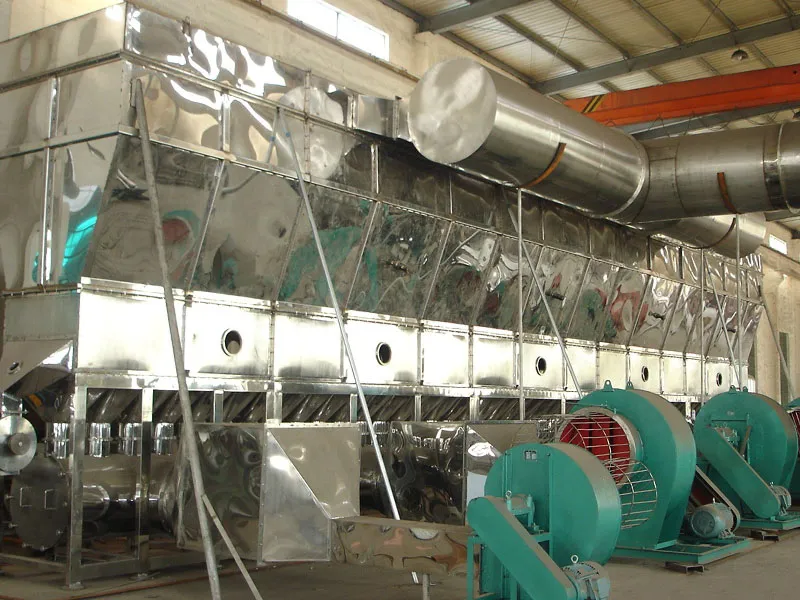
In this way, the static fluid-bed dryer can effectively handle various granular materials and achieve a fast, uniform drying effect. This technology is particularly suitable for applications where a large amount of drying must be completed within a short time. Because the horizontal multi-chamber fluid bed dryer is divided into several chambers, the air volume of each chamber can be adjusted. In addition, baffles are added inside the fluid bed to prevent the material from short-circuiting to the outlet, so that the moisture content of the dried product is also more uniform. If the air volume and air temperature of each chamber are adjusted during operation, or the hot air from the last few chambers is reused, thermal efficiency can be further improved.
Static Fluid-Bed Dryer — Equipment Features
(1) High efficiency and energy saving: Through direct contact between the hot air and the material, efficient heat transfer is achieved, the drying rate is accelerated and energy consumption is reduced.
(2) Uniform drying: The material is exposed to an even distribution of hot air inside the boiling bed, ensuring consistency in drying and reducing the problem of uneven drying.
(3) Large processing capacity: It can operate continuously and is suitable for large-volume production, with strong processing capability.
(1) Wide application range: It can handle many types of granular materials, including materials of different particle size, shape and density.
(4) Easy to control: The drying process can be controlled easily by adjusting the air flow rate, temperature and other parameters to suit the drying requirements of different materials.
(5) Simple maintenance: The design is relatively simple in structure and easy to clean and maintain, helping to reduce downtime and maintenance costs.
(6) Improved product quality: Because drying is fast and uniform, it helps to preserve the original physical and chemical properties of the material and improve the quality of the finished product.
(7) Reduced dust: Some advanced designs use a closed system, reducing the possibility of dust flying and improving the working environment.
(8) High flexibility: Process parameters can be adjusted as required to suit different production needs and material variations.
Static Fluid-Bed Dryer — Suitable Materials
(1) Pharmaceutical industry:
- Used in the pharmaceutical industry to dry the raw materials for tablets, granules, capsules and other preparations.
- Used to manufacture traditional Chinese medicine instant granules, health foods, etc.
(2) Food industry:
- Drying food granules, powders, seasonings, etc.
- Can be used to produce instant drinks, dehydrated vegetables and fruits, condiments, etc.
(3) Chemical industry:
- Drying chemical raw materials, granules and powders, such as plastics, resins, citric acid, etc.
(4) Agricultural industry:
- Used to dry feed, seeds, agricultural products, etc., such as corn germ, feed additives, etc.
(5) Other industries:
- In the mineral industry, used to dry or cool mineral products with relatively large particles or products that are difficult to fluidize because of irregular particle shape.
- Used for products that require the original particle shape to be preserved and therefore need a low fluidization velocity, and for products with strong heat sensitivity that require a uniform drying time.
Because of its efficient drying capability and wide applicability, the static fluid-bed dryer is used in many industries. These units can be flexibly configured and used according to different material characteristics and production requirements, thus providing efficient drying solutions for the industries mentioned above. In addition, the design of the static fluid-bed dryer often complies with strict industrial standards such as GMP (Good Manufacturing Practice), ensuring compliance in fields such as pharmaceuticals and food.
Static Fluid-Bed Dryer — Process Flow Chart 1: Conventional
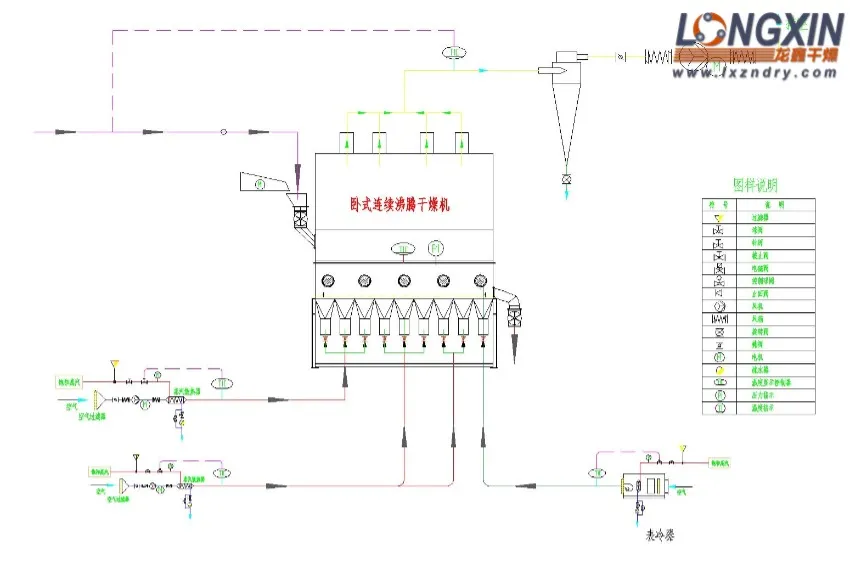
Static Fluid-Bed Dryer — Process Flow Chart 2: Intensified fluidization device at the feed end
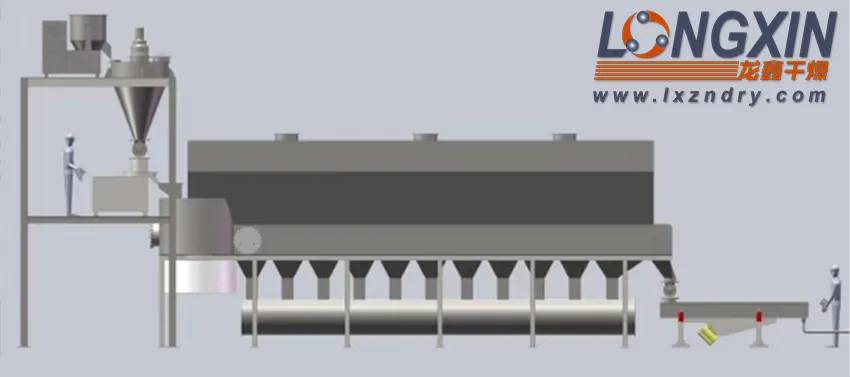
Static Fluid-Bed Dryer — Process Flow Chart 3: Flash drying + fluid bed drying