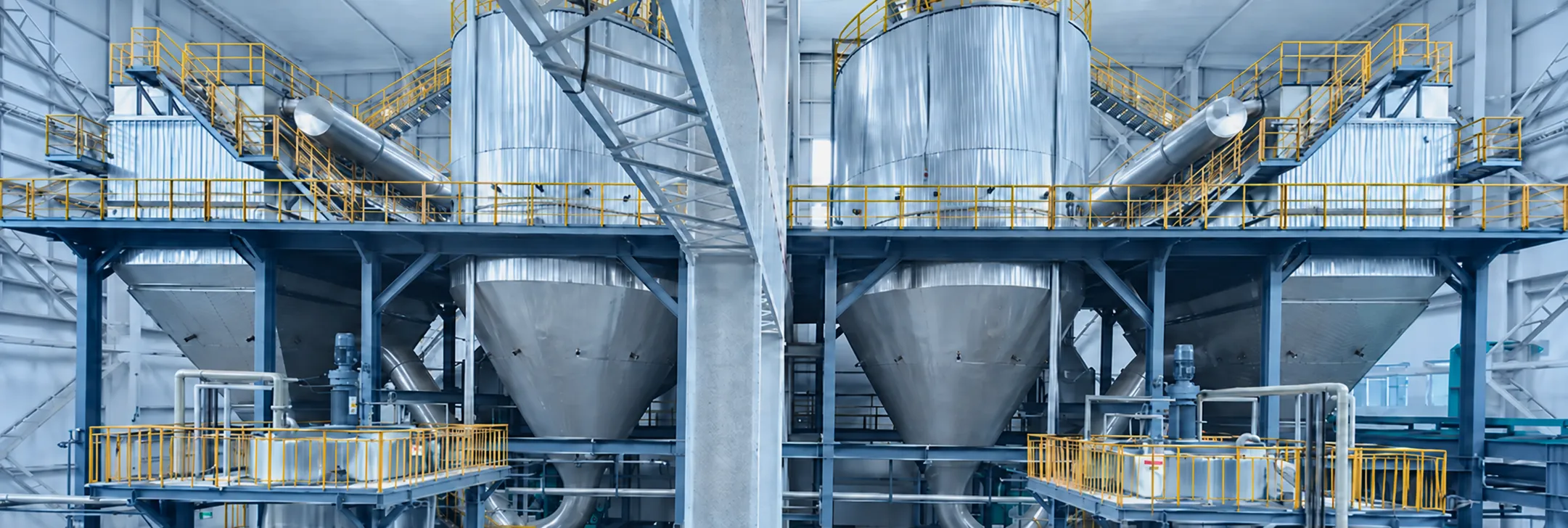
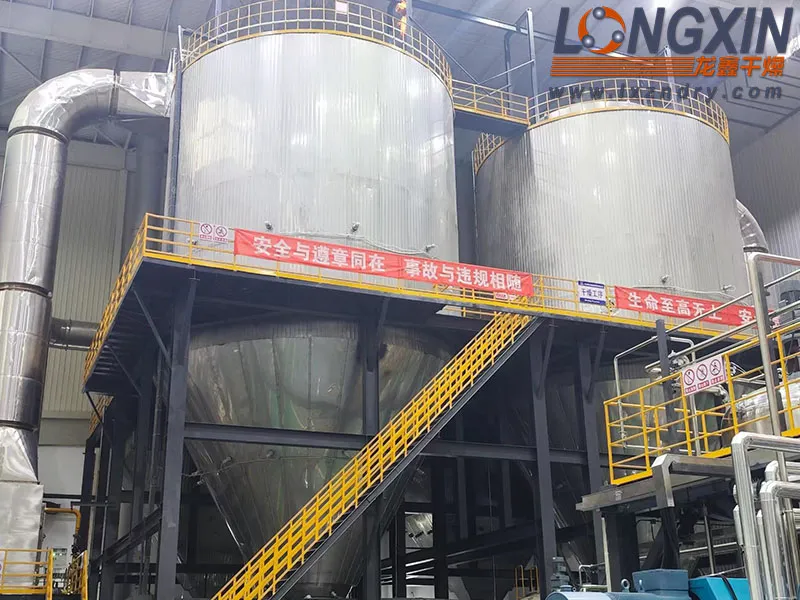
LMFP: The Critical Frontier in Next-Generation Lithium-Ion Cathode Materials
As concerns over the safety of NCM batteries persist and the energy density of LFP batteries approaches its ceiling, developing next-generation lithium-ion battery technologies has become an urgent industry-wide priority. LMFP is widely regarded as a next-generation mainstream technology and an upgraded alternative to LFP. It offers 15–20% higher energy density than LFP, enhanced safety derived from the thermal stability of its olivine structure, and a significant improvement in low-temperature performance, with over 90% capacity retention at −20°C. According to industry forecasts, LMFP penetration in the iron-based battery market will reach 5–10% in 2025, and its market size is expected to exceed RMB 10 billion in 2026. LMFP is therefore set to become a key material for power batteries, energy storage systems and electric two-wheelers.
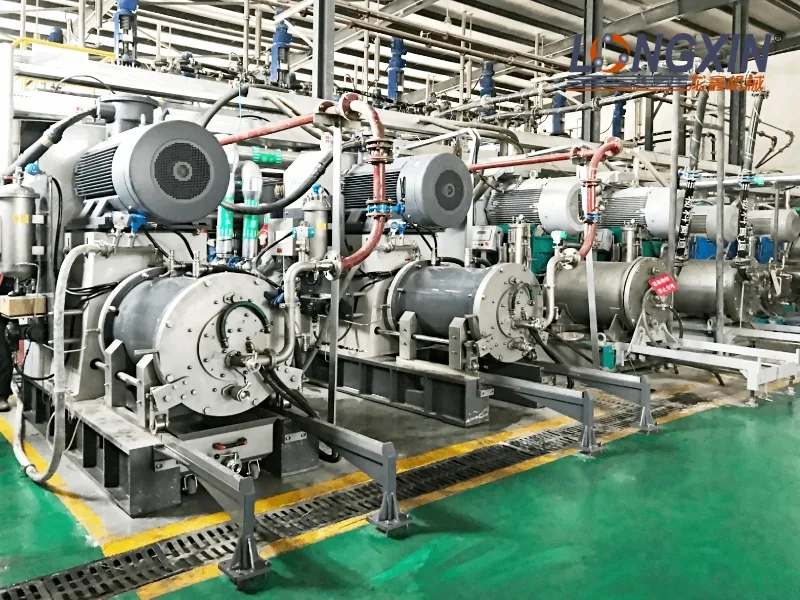
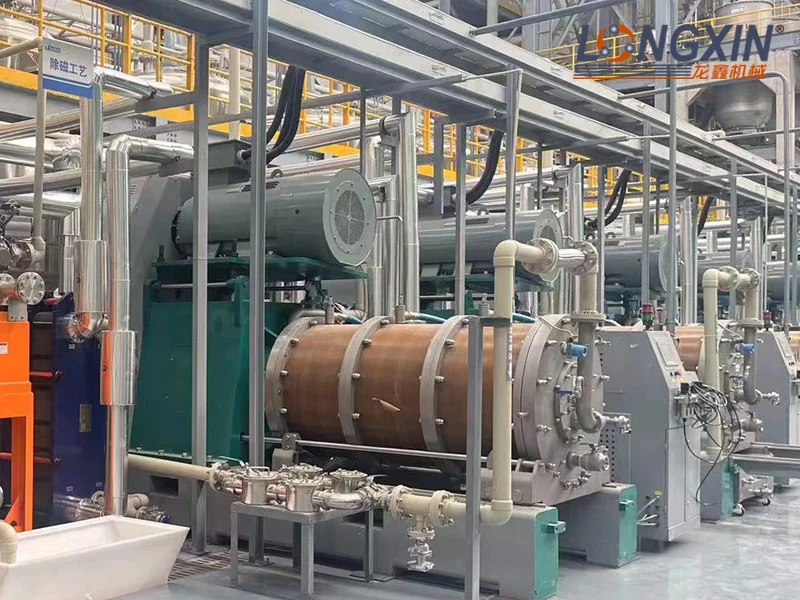
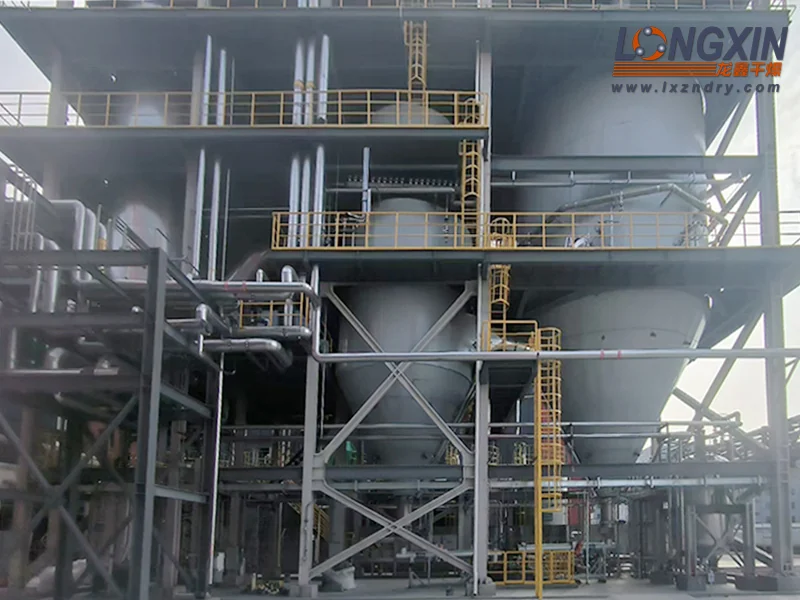
Demand for high-compaction-density LMFP is growing rapidly. Leading companies including CATL and BYD have already adopted LMFP in mid-to-high-end vehicle models and portable energy storage applications. However, its industrialization still faces several challenges: balancing high compaction density with electrochemical performance, controlling nanoscale particle size and achieving uniform dispersion, and adapting spray-drying equipment to ultrafine powders. Against this backdrop, Longxin Smart has launched a dedicated intelligent LMFP production line built around nano-bead milling, intelligent spray drying and full-chain process optimization. The solution covers the entire process from material preparation to finished-product forming and accelerates the commercial scale-up of high-compaction-density LMFP.
LMFP Production Process Bottlenecks
LMFP manufacturing involves four core stages: precursor preparation, nano-grinding, spray drying and sintering. Conventional processes, however, present the following limitations:
1. Nano-Grinding and Dispersion Challenges
Non-uniform particle-size distribution: Conventional wet milling struggles to achieve precise blending of multiple particle-size fractions, resulting in insufficient particle packing and making it difficult to exceed a compaction density of 2.4 g/cm³.
Agglomeration: High-energy milling can cause nanoparticles to agglomerate, compromising the flowability of the feed before spray drying and the electrochemical performance of the sintered material.
2. Spray-Drying Limitations
Non-uniform atomization: Conventional centrifugal atomizers operate below 15,000 rpm, which is insufficient for preparing slurries that yield a broad micron-scale particle-size distribution. This leads to uneven particle sizes in the dried powder and low tap density.
Low thermal efficiency: Conventional dryers make inefficient use of hot air, resulting in high energy consumption and potentially uneven carbon coatings that can impair electrical conductivity and cycle life.
3. Limited Sintering Compatibility
Insufficient atmosphere-control precision: Switching between oxidizing and reducing atmospheres depends heavily on operator experience. This can cause lattice distortion or non-uniform formation of conductive surface phases such as Fe₂P and Fe₃C.
High equipment modification costs: LMFP and LFP production are not fully compatible on the same line. Building dedicated LMFP lines requires higher capital investment, slowing the pace at which smaller companies can enter the market.
Longxin Smart’s Full-Chain Solution: Process Innovation from Milling to Sintering
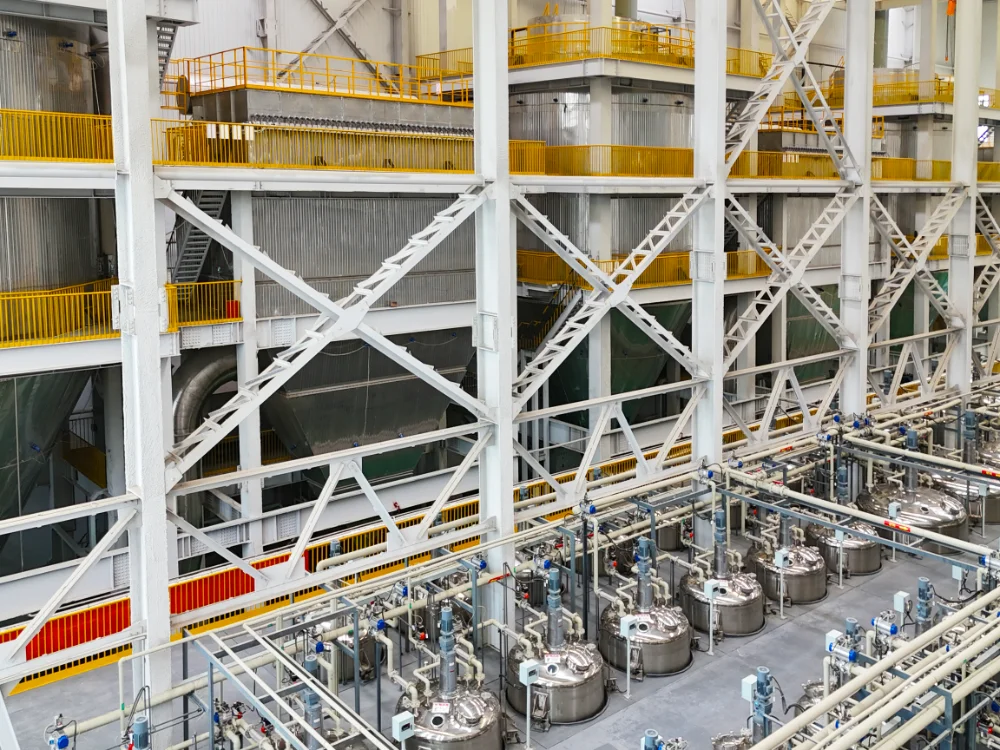
As a frontrunner in intelligent equipment for advanced-material processing, Longxin Smart treats technological innovation as a core driver of corporate development. The company has developed an integrated LMFP production line combining nano-bead milling, intelligent spray drying and sintering. It delivers coordinated advances across particle-size grading, lattice regulation and interface engineering.
1. Optimized Nano-Grinding and Dispersion
Dynamic particle-size grading in bead milling: Through staged sampling—25% from 0–30 minutes, 50% from 30–60 minutes and 25% from 60–90 minutes—the process uses the naturally varying particle-size distributions generated at different milling times to prepare a broad-distribution slurry. This reduces the interstitial void fraction between particles.
2. Intelligent Spray-Drying System
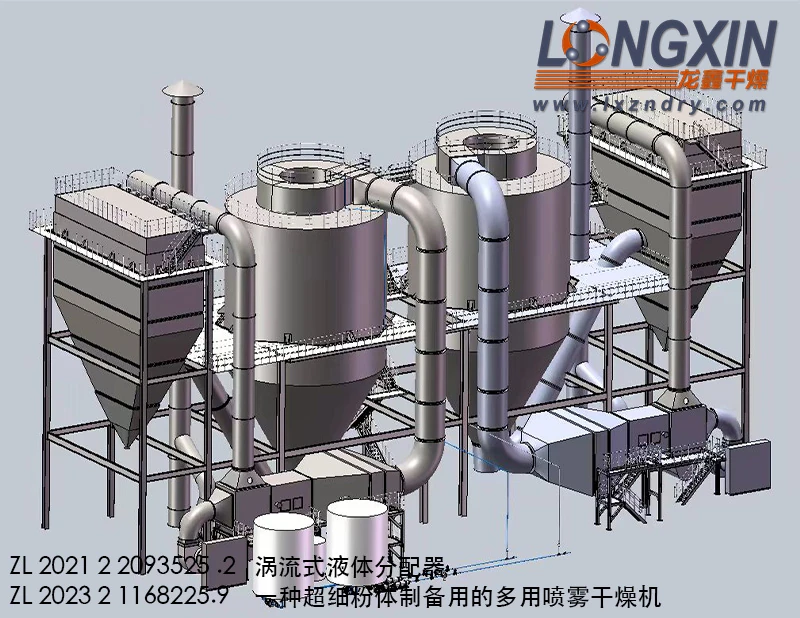
Ultra-high-speed centrifugal atomization: The system uses a newly developed proprietary atomizer disc (Patent No. ZL 2021 2 2093525.2), achieving a peripheral speed of 226 m/s and a maximum rotational speed of 25,000 rpm. This ensures uniform atomization of the slurry and produces ultrafine dry powders with consistent particle size and high tap density.
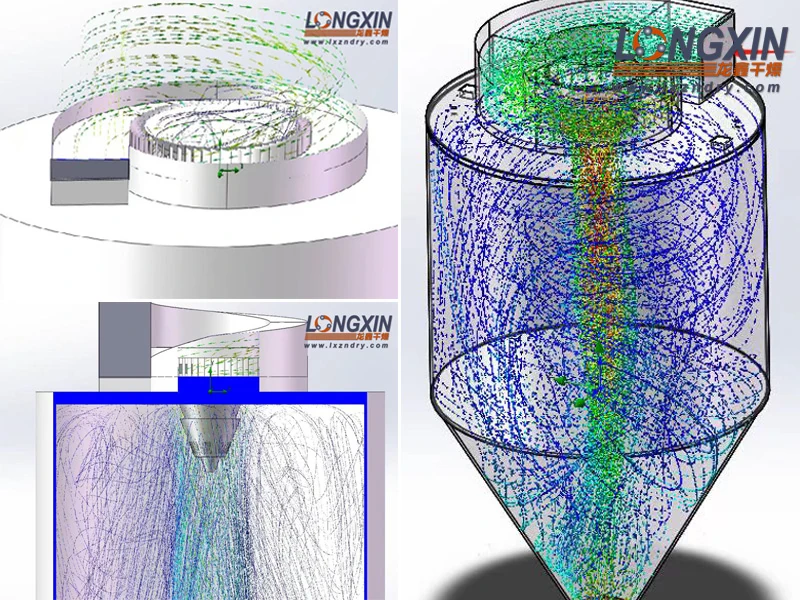
CFD simulation and optimization: Computational fluid dynamics is used to simulate the angles of the hot-air distributor and the design of the air-guide blades. This improves contact between hot air and droplets, increasing drying efficiency while reducing energy consumption.
3. Intelligent Sintering
Precise dual-atmosphere control: The process seamlessly combines pre-sintering in air at 550°C with reduction sintering at 720°C in a 95:5 Ar/H₂ atmosphere, helping prevent lattice distortion.
Modular equipment integration: The system can be configured for compatibility with existing LFP production lines, reducing modification costs and helping customers enter the LMFP market quickly.
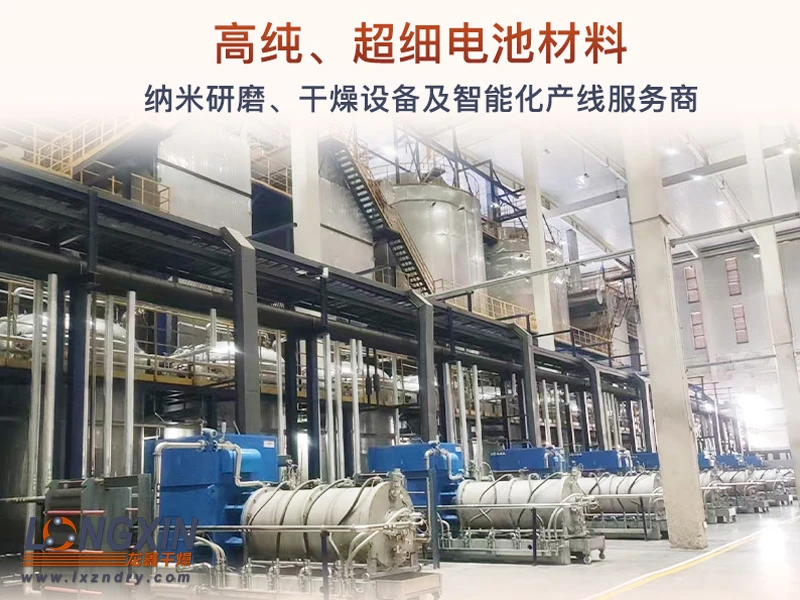
Performance Features of the LMFP-Dedicated Spray Dryer
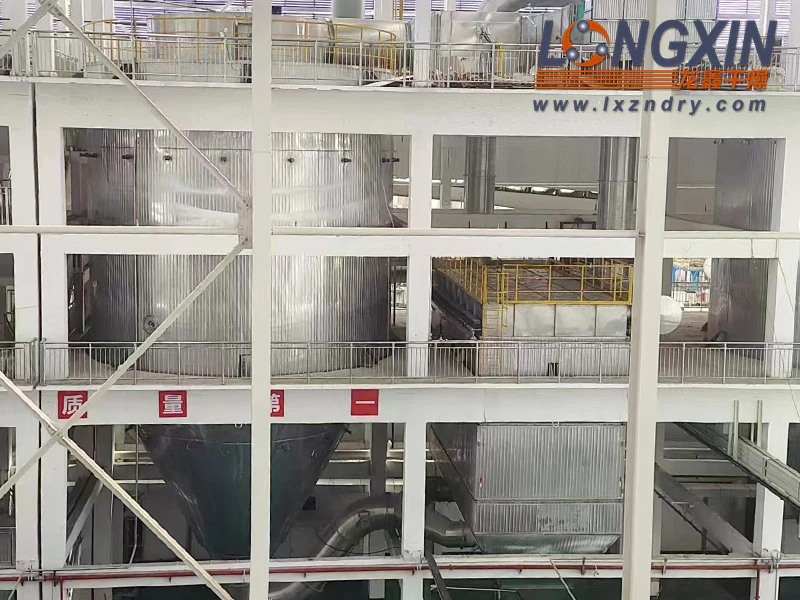
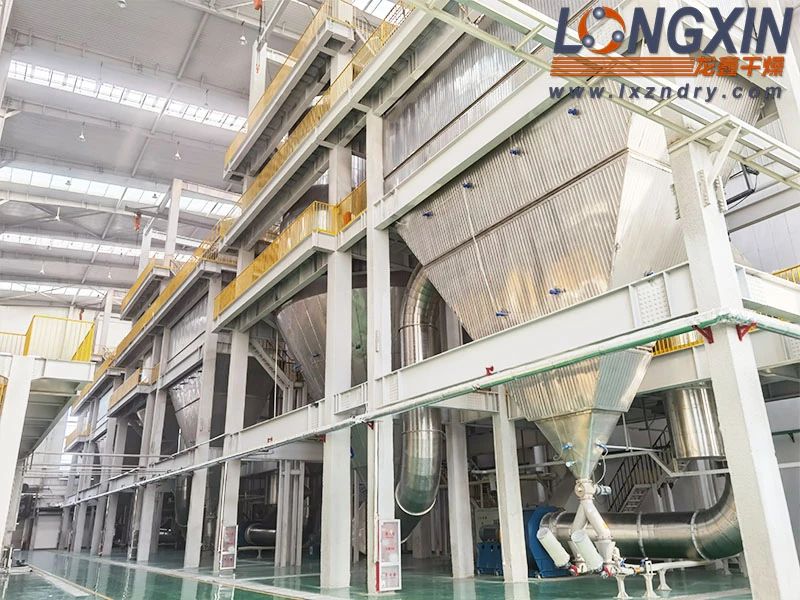
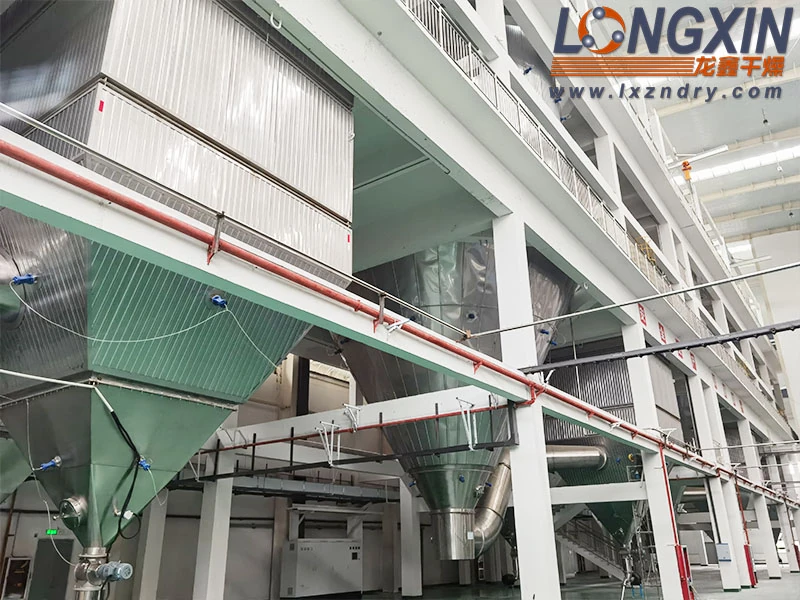
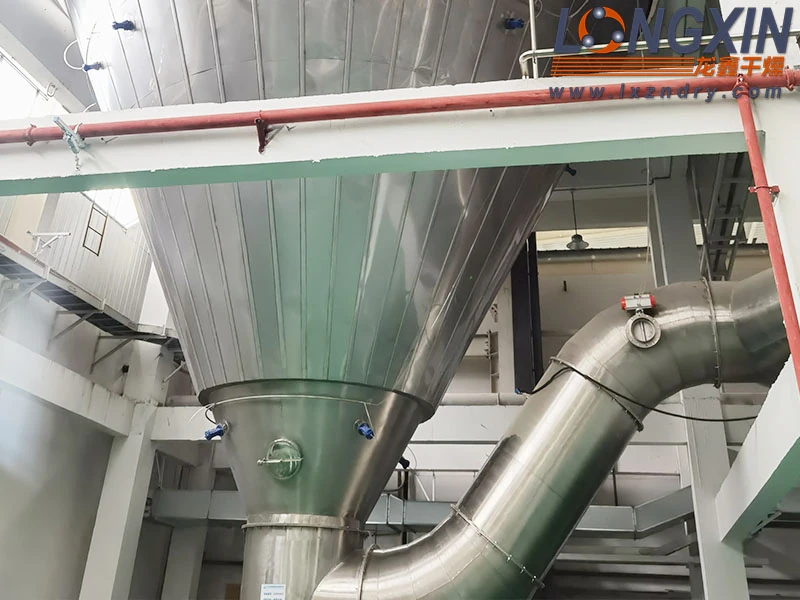
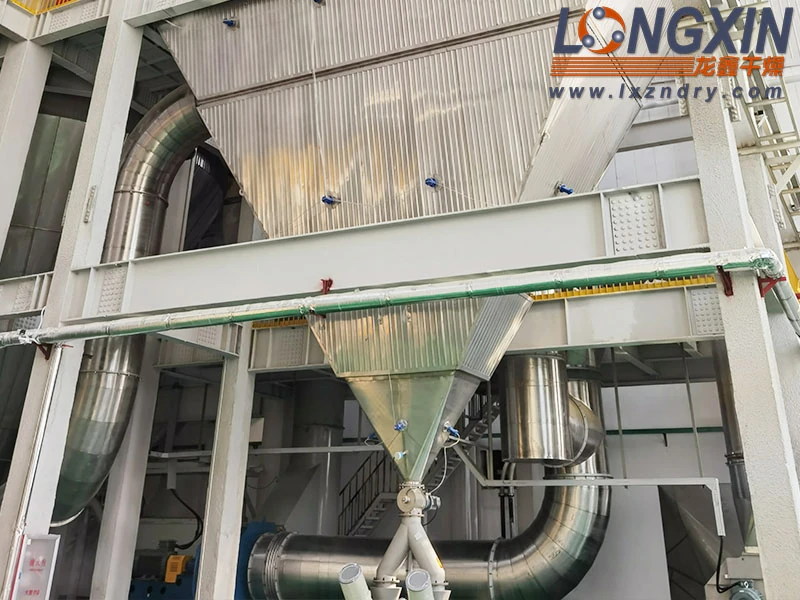
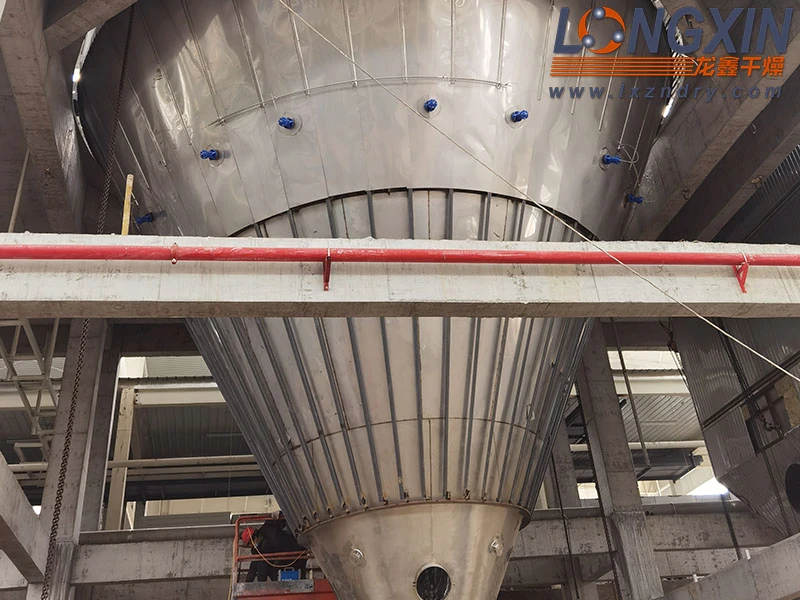
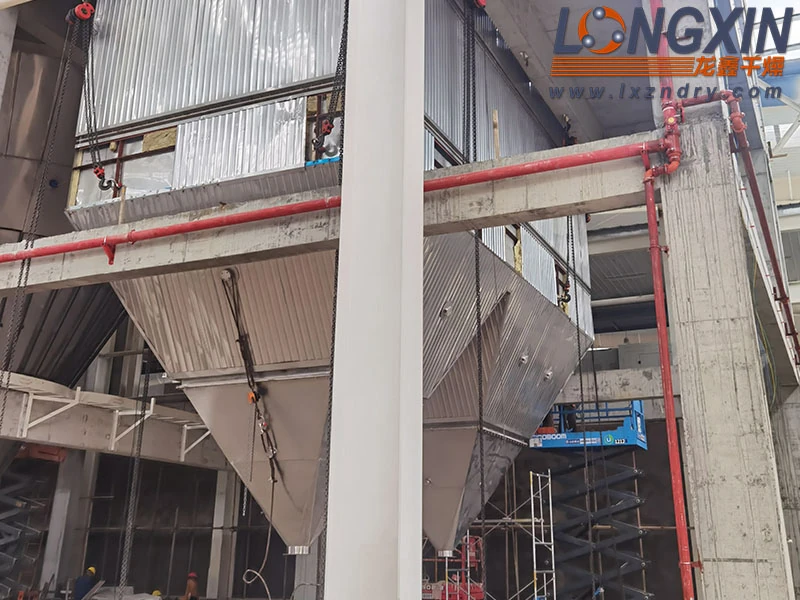
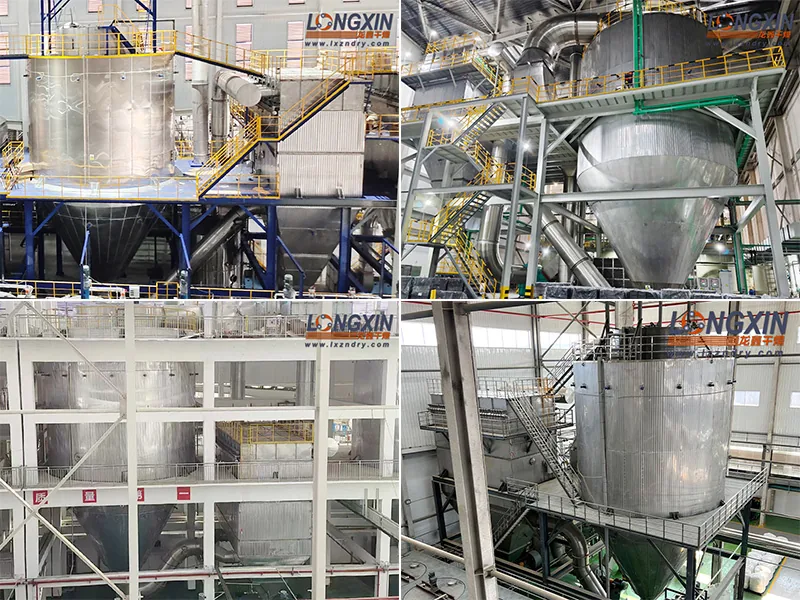
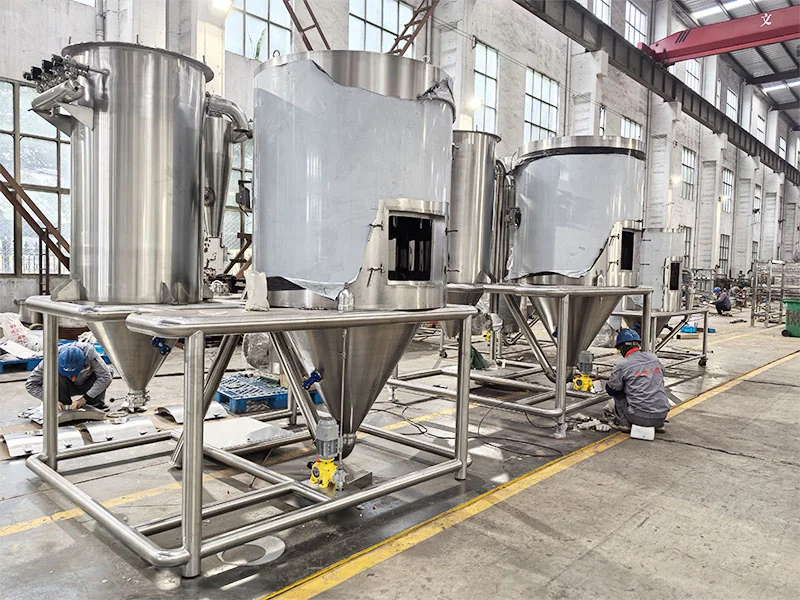
Designed for high compaction density, high purity and high consistency, the LMFP-dedicated spray dryer developed by Longxin Smart offers the following advantages:
1. High Efficiency and Low Energy Consumption
Short drying cycle: Ultra-high-speed atomization and spiral hot-air distribution dry the feed liquid within seconds, significantly increasing throughput.
High thermal efficiency: An integrated waste-heat recovery system reduces unit energy consumption by more than 10%, supporting green manufacturing.
2. High Purity and Uniformity
Multi-stage intake-air filtration: This prevents contaminants from entering the drying system and meets the stringent impurity requirements for lithium-ion battery cathode materials.
3. Intelligent Control and Safety Protection
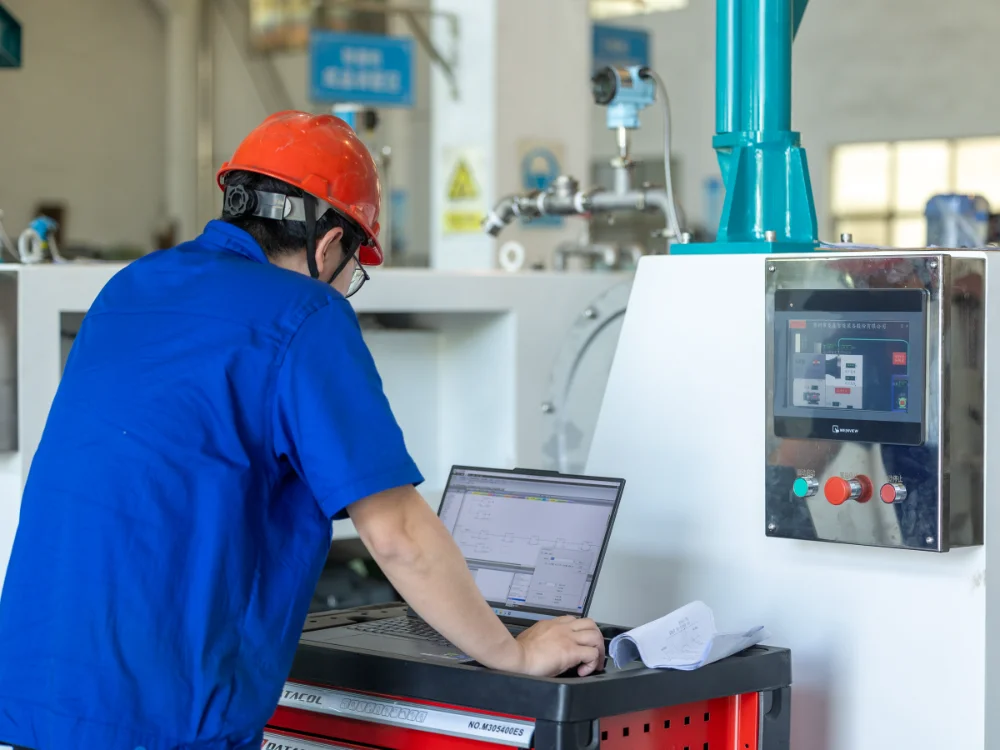
Integrated PLC and DCS control: Feed rate, atomizer speed, drying temperature and other parameters are monitored in real time and can be adjusted with a single command.
Multi-layer explosion protection: Explosion-relief vents in the drying chamber and vibration protection for the atomizer ensure safe operation under high-temperature and high-pressure conditions.
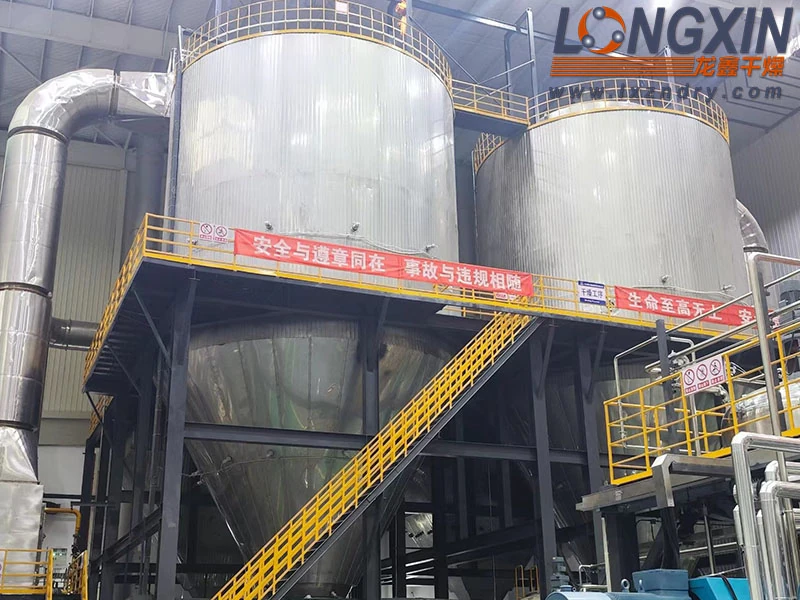
Longxin’s Technology Advantages: Patent-Backed, Full-Chain Capabilities
1. Proprietary Ultra-High-Speed Centrifugal Atomizer
Patented technology: The titanium-based ceramic composite atomizer disc (Patent No. ZL 2021 2 2093525.2) offers up to three times longer corrosion-resistant service life. It achieves a peripheral speed of 226 m/s and supports a feed-liquid throughput of 5–15 t/h.
Dynamic particle-size control: Variable-frequency speed control enables precise adjustment of ultrafine particle sizes from 0.1 to 8 μm, meeting the requirements for both high compaction density and high-rate performance.
2. CFD Simulation and Modular Design
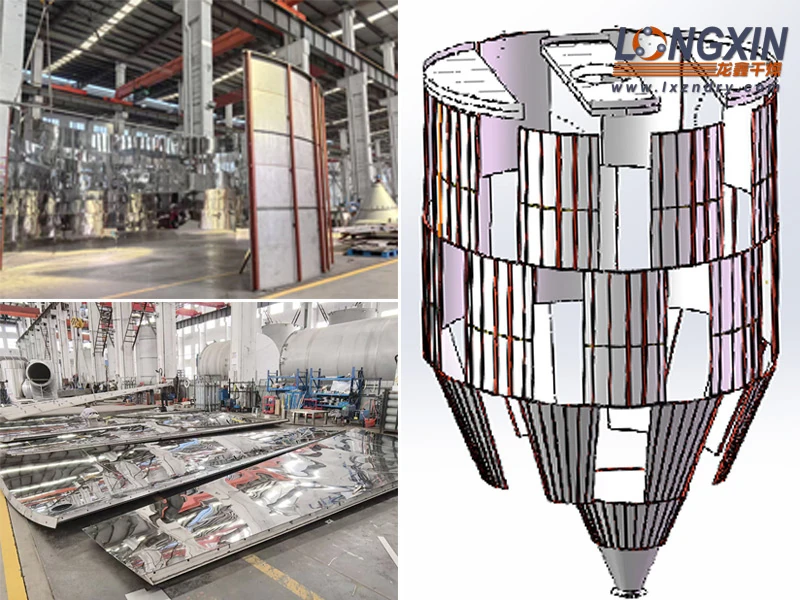
Optimized hot-air distribution: CFD-based design of the air-guide cone and blades significantly increases the contact area between hot air and droplets, improving both drying efficiency and product consistency.
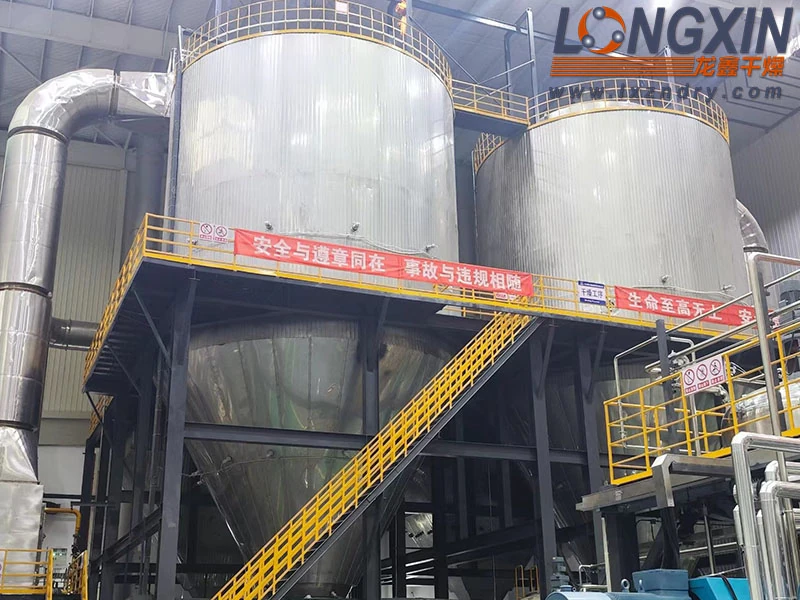
Modular configuration: Systems are available in capacities ranging from 5 kg/h for laboratory use to 5,000 kg/h for industrial production, meeting the industrialization needs of companies at different scales.
3. Proven Capabilities and Market Validation
Strong market position: Longxin Smart provides a broad portfolio of innovative intelligent solutions to the new-energy industry. Its intelligent technologies make customer production more transparent, efficient and precise while ensuring compliance with environmental protection and energy-efficiency requirements. Longxin spray dryers are at the forefront of the industry in terms of market share and repeat-purchase rates in the LFP and LMFP segments.
Responsive, customer-driven development: Longxin Smart maintains a deep understanding of the pain points and requirements of manufacturers producing different battery materials. By working closely with customers, it continually develops drying technologies and equipment that address emerging industrial needs and support the rapid growth of advanced-material industries.
Partnering with Longxin to Capture the RMB 100 Billion Market Opportunity
Amid the accelerating industrialization of LMFP, Longxin Smart delivers an integrated full-chain solution that combines nano-grinding, intelligent spray drying and calcination process optimization. This resolves the challenge of balancing high compaction density with high electrochemical performance, helping manufacturers establish a leading position in next-generation lithium-ion cathode materials. Looking ahead, Longxin will continue to advance drying technologies for lithium battery materials and drive the wider adoption of LMFP in power batteries, energy storage systems, electric two-wheelers and other applications, bringing new momentum from Longxin Smart Manufacturing to the new-energy industry.