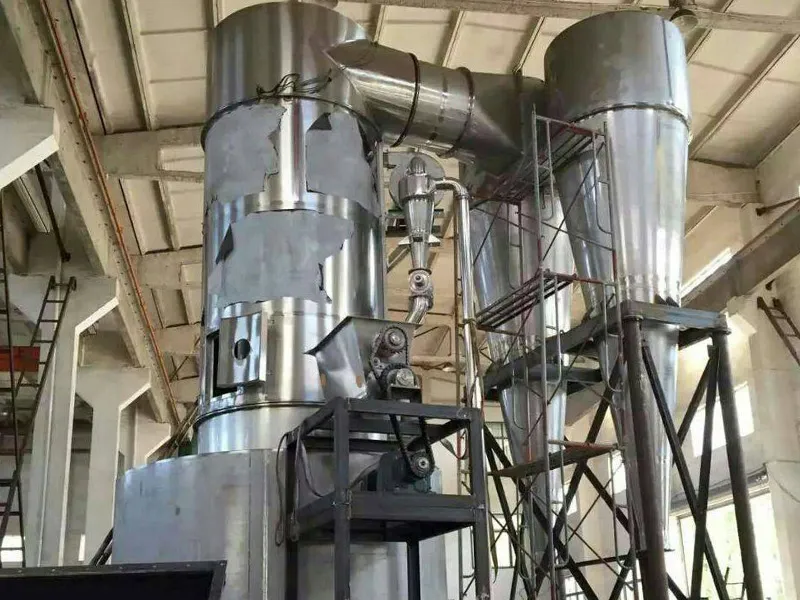
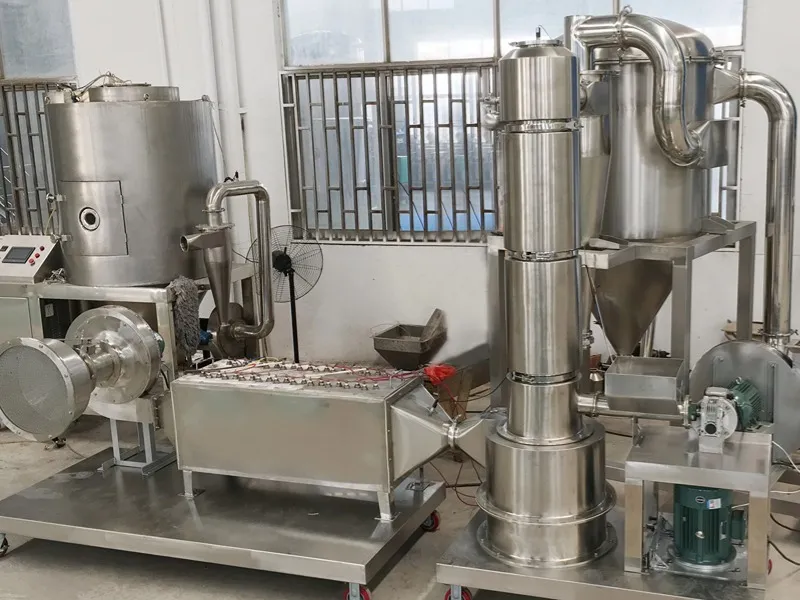
Equipment Overview
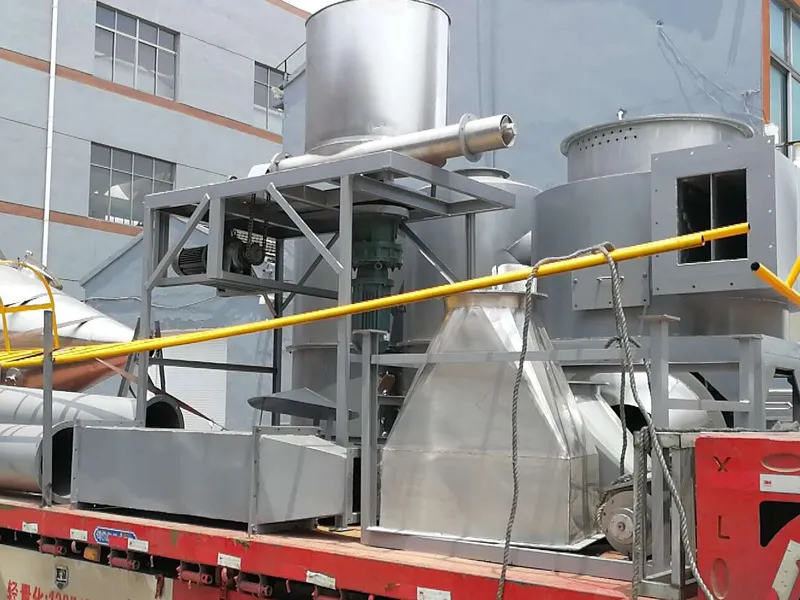
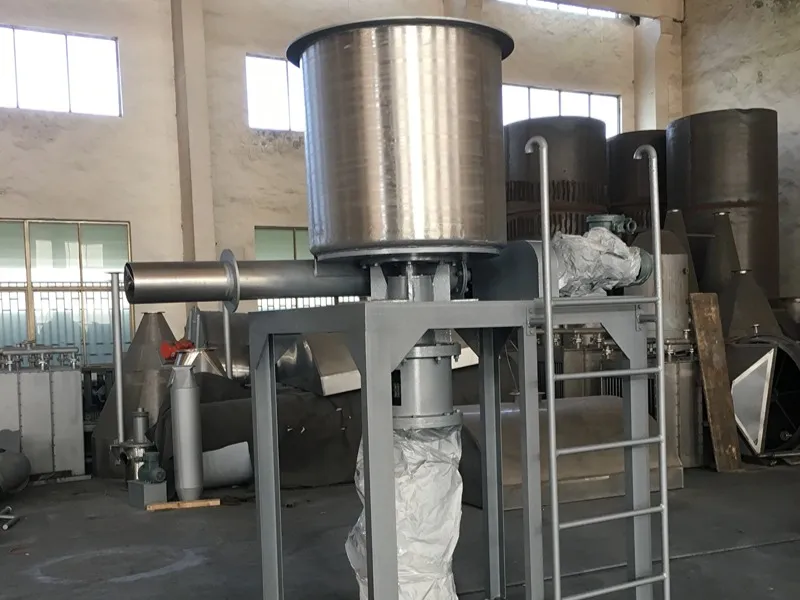
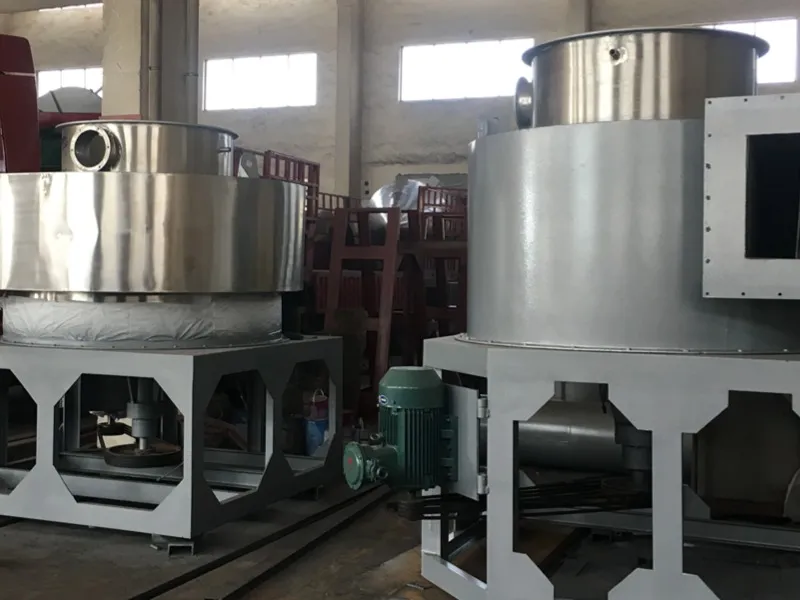
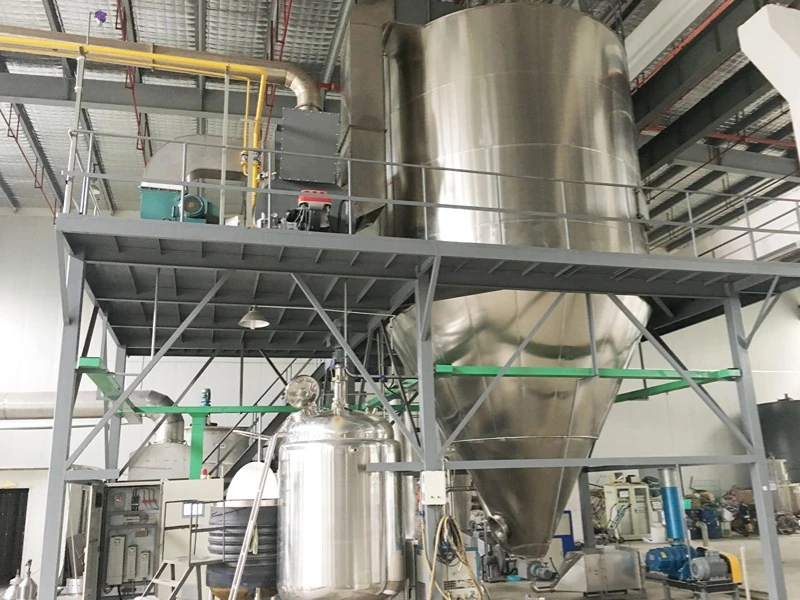
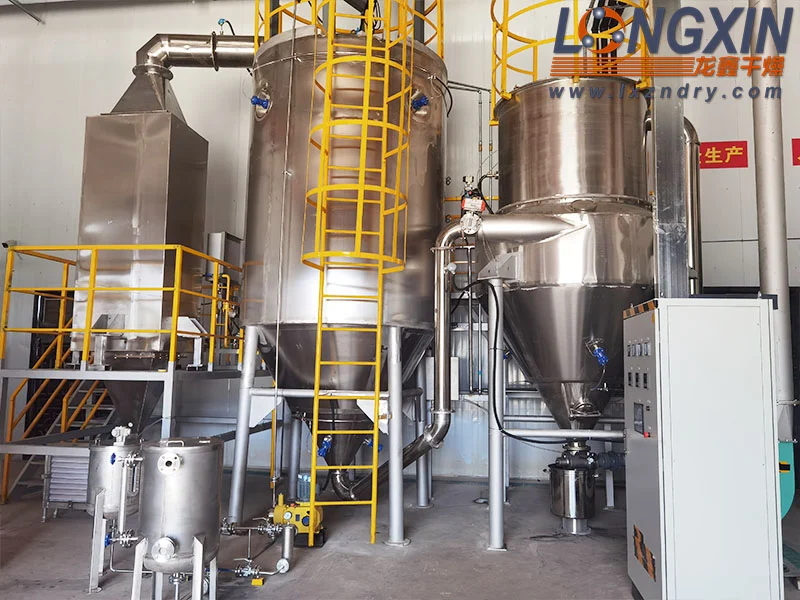
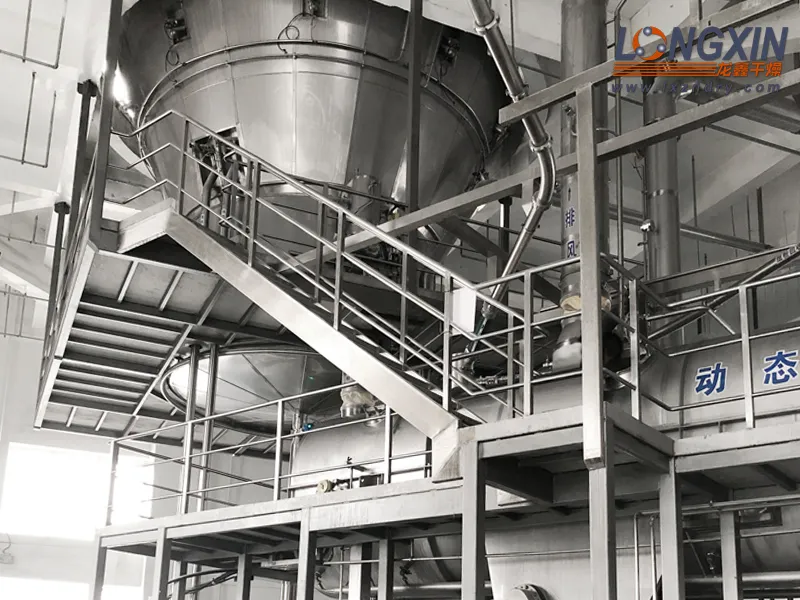
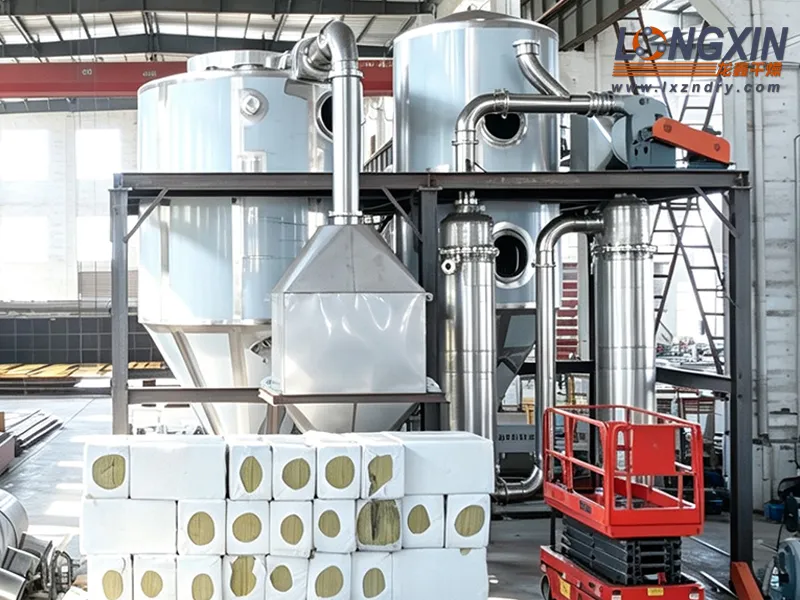
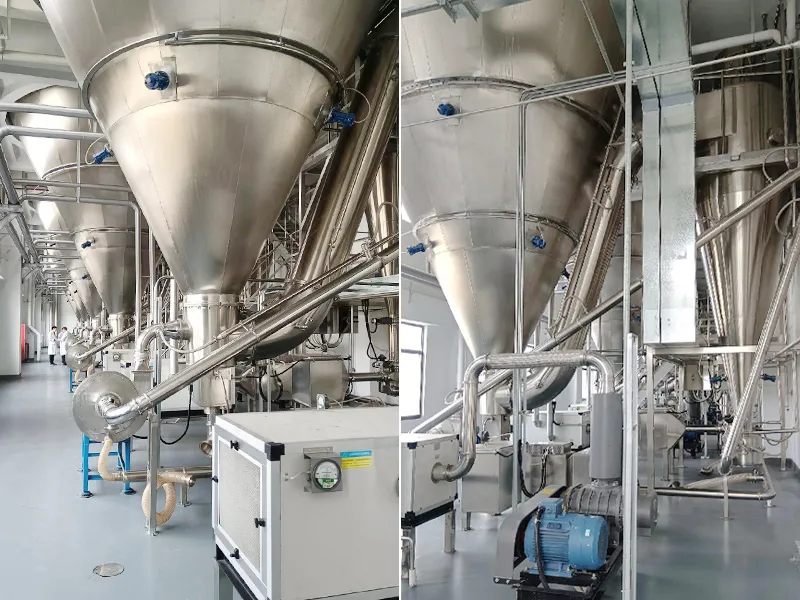
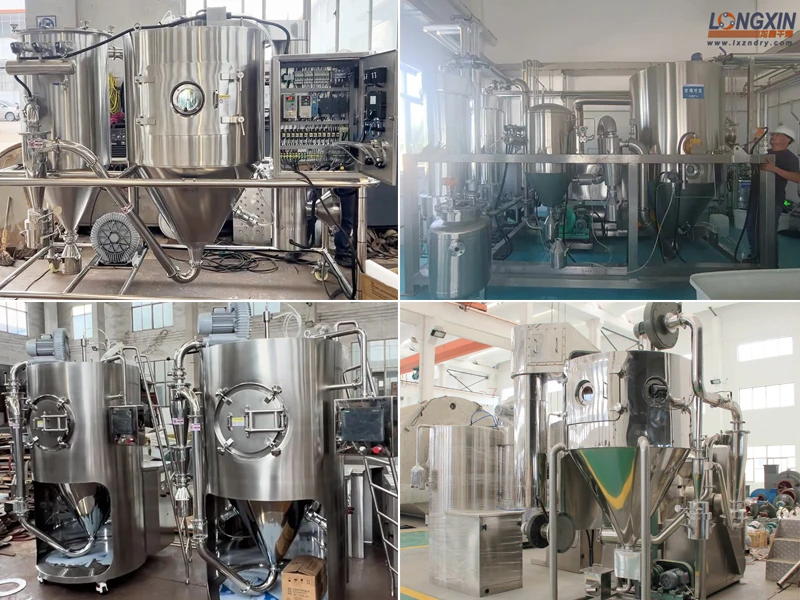
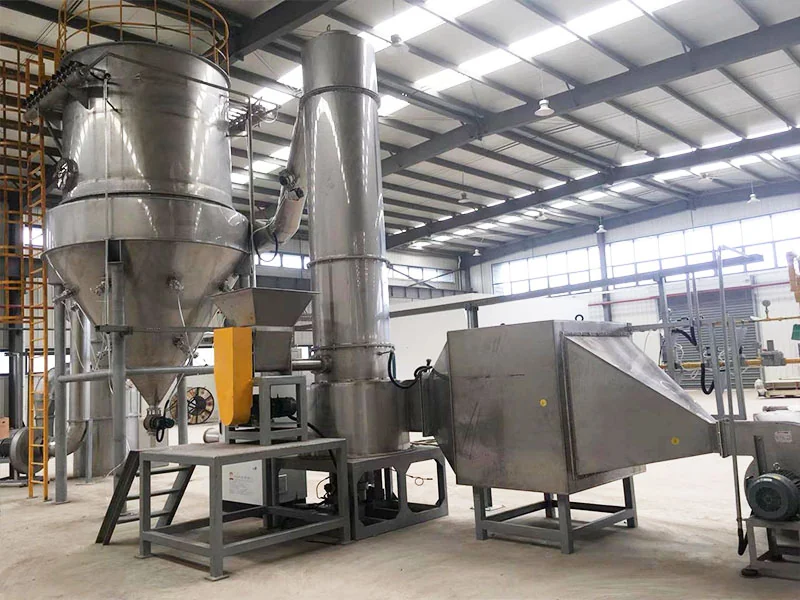
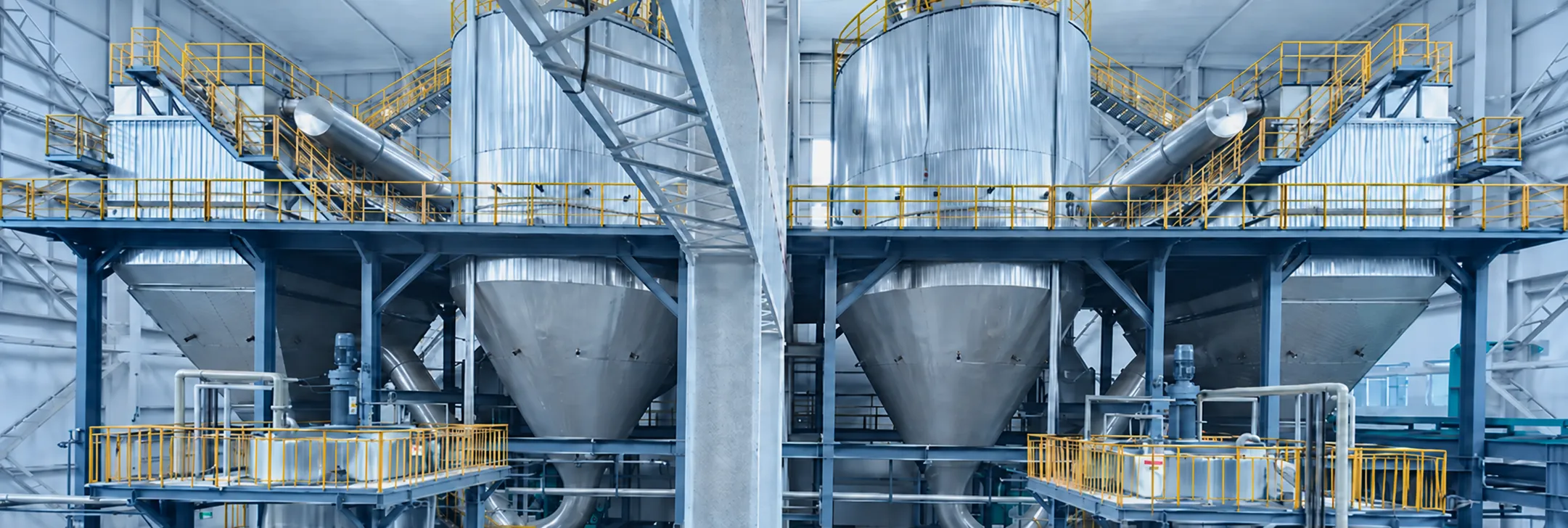
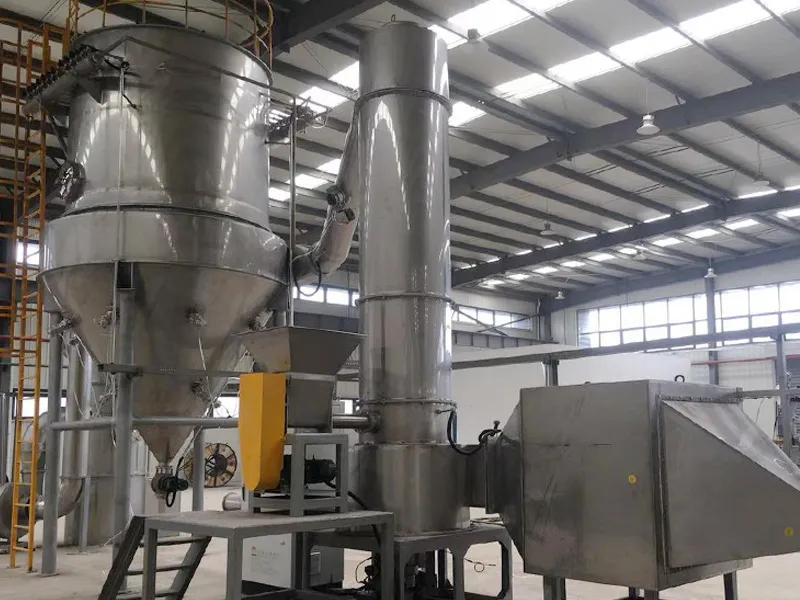
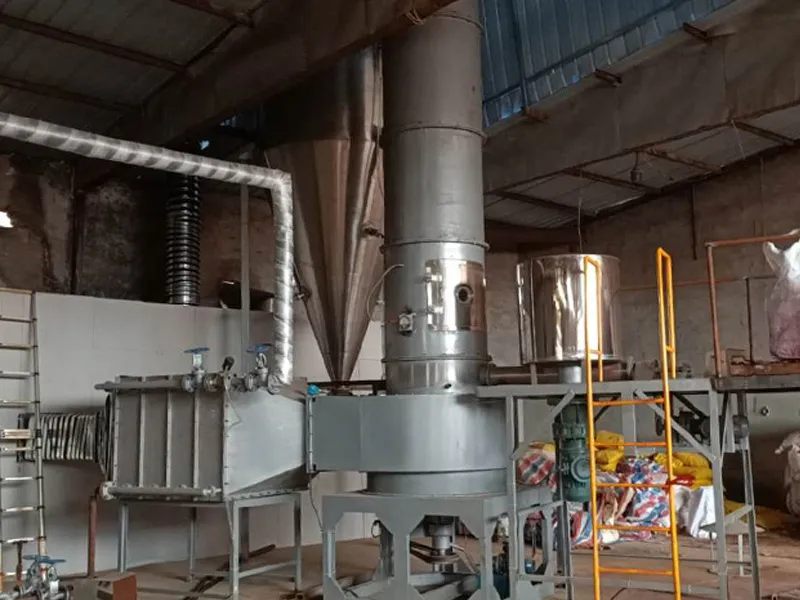
The closed-cycle spin flash dryer is a new type of enclosed dryer developed by Jiangsu Longxin on the basis of foreign technology. The nitrogen circulation spin flash dryer is drying equipment specially designed for handling flammable, explosive, toxic or heat-sensitive materials. Such equipment uses nitrogen as the drying medium instead of conventional air, thereby creating a low-oxygen environment, which greatly reduces the risk of oxidation, decomposition, combustion or even explosion of the material during drying and raises the safety factor of the equipment. It enables the drying of materials containing organic solvents and the recovery of those solvents in technical fields such as pharmaceuticals, biochemistry, chemicals and biology, and offers the practical advantages of safe production, high efficiency, low consumption, and energy saving and emission reduction. This system solves the difficult problems of organic solvent recovery and the drying of easily oxidized and toxic materials, and is suitable for drying flammable, explosive and toxic filter-cake, paste and thin-slurry materials as well as materials containing organic solvents, and for organic solvent recovery.
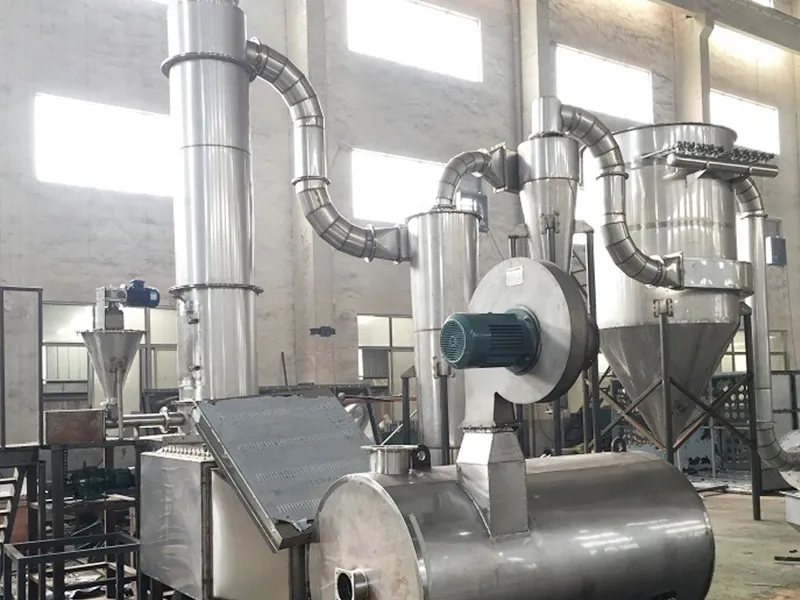
Closed-Cycle Spin Flash Dryer — Working Principle
(1) System preparation: before the drying operation begins, the system first completely displaces the internal air with nitrogen. This reduces the oxygen content inside the system and thereby lowers the risk of the material being oxidized or ignited by high temperature during drying.
(2) Nitrogen heating: the recirculated nitrogen is heated to the required temperature by the heating device and then fed into the spin flash dryer.
(3) Material feeding: wet material is fed into the dryer through a sealed feeding device (usually a sealed anti-blocking screw feeder). The feeder is usually of variable speed, so that the feed rate can be adjusted according to the material characteristics and drying requirements.
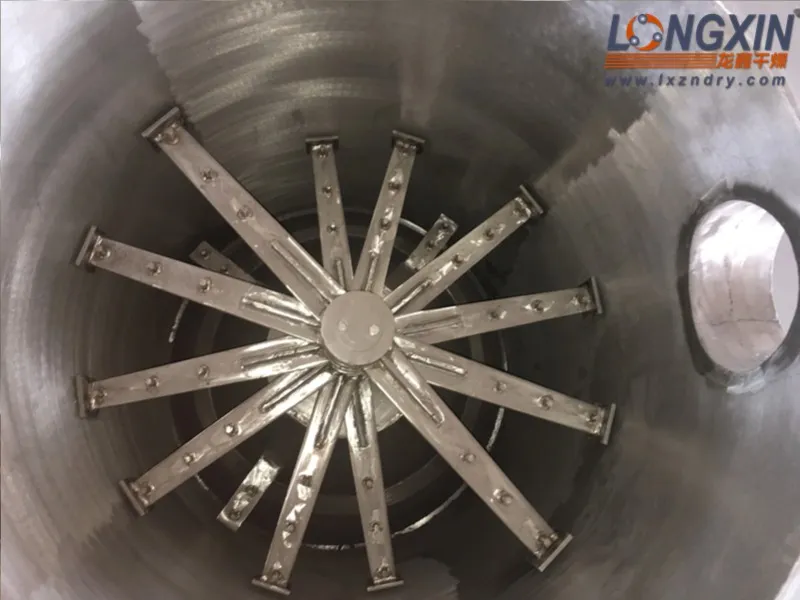
(4) Material crushing and drying: after entering the dryer, the material is immediately broken into fine particles by high-speed rotating blades or other forms of crushing device, while being impacted and carried upward by the hot nitrogen entering the dryer at high speed. During this process the moisture in the material evaporates rapidly, achieving fast drying.
(5) Classification and collection: oversized material is blocked by baffles (such as an elutriation ring) and falls back into the drying and crushing chamber for further processing until it is broken into sufficiently small particles. The dried fine powder is carried out of the dryer with the air stream and separated from it by a cyclone separator, bag filter or similar device for collection.
(6) Gas circulation and solvent recovery: the nitrogen leaving the dryer carries the evaporated solvent vapour and enters the condensation system. Here the solvent vapour is condensed into liquid and recovered, while the dry nitrogen is heated again and returned to the dryer for reuse.
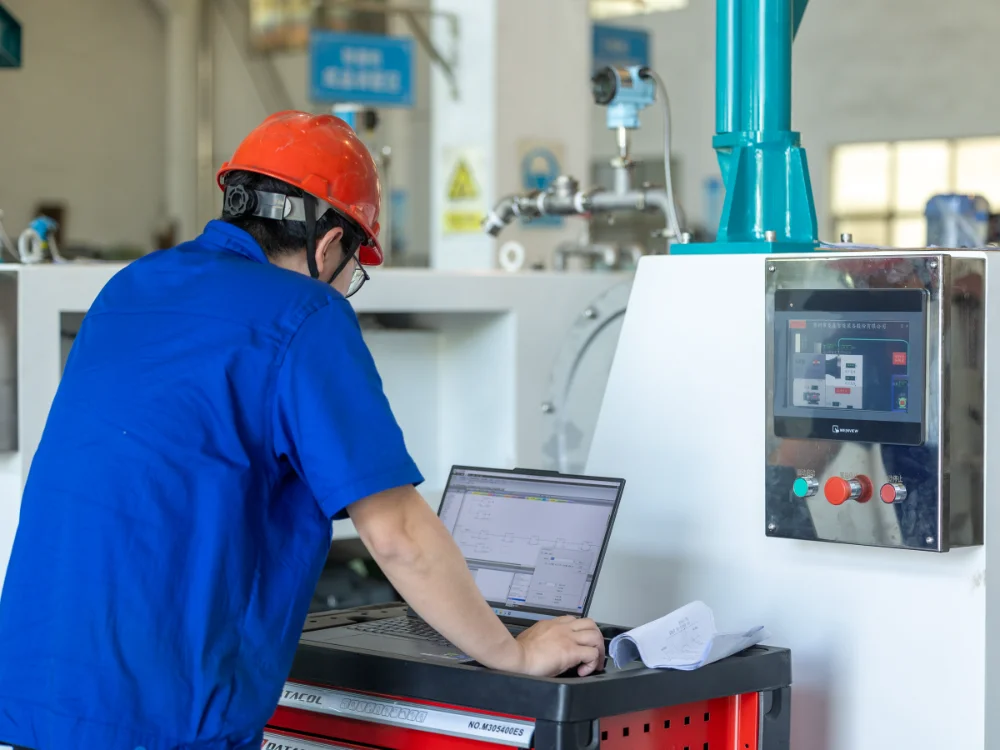
(7) Control system: the entire process is monitored by the control system to ensure that parameters such as nitrogen circulation, temperature and pressure remain within the set ranges and to guarantee the safety and efficiency of the drying process.
This drying method is particularly suitable for materials that contain organic solvents, or that are easily oxidized or heat-sensitive, because it not only provides an efficient drying solution but also ensures the safety of the operating environment.
Closed-Cycle Spin Flash Dryer — Process Flow Chart
Closed-Cycle Spin Flash Dryer — Performance Features
(1) High efficiency: because the material is mechanically crushed into tiny particles, the specific surface area is increased, making the drying rate faster.
This technology uses a rotary-grinding spin flash dryer; the material is refined by centrifugal force, shearing and impact and is in a highly dispersed state, with a relatively large relative velocity between the gas and solid phases, which intensifies mass and heat transfer. The hot air generates an intense rotating motion in the drying chamber, producing a strong scouring action on material on the chamber wall and eliminating wall sticking.
(2) Safety: by using nitrogen, the hazard of flammable and explosive materials is reduced.
This system is of fully enclosed construction, with an inert gas (such as nitrogen) charged inside. When drying anaerobic materials or materials containing flammable and explosive solvents, there is no oxygen in the gas, so combustion or oxidation cannot occur, effectively preventing fire or explosion accidents during production and making it safer than ordinary equipment. The system applies nitrogen sealing to all moving equipment and uses an oxygen analyser for on-line analysis of the system oxygen content, improving system safety.
(3) Environmental protection: the solvent is recovered, reducing the impact on the environment. Because of the closed-loop operation, no waste gas or dust is discharged into the atmosphere, so no environmental pollution is caused.
(4) After drying in the closed-cycle system, the product can easily be cooled within the original system and will not absorb moisture.
(5) The nitrogen circulation spin flash dryer is suitable for material drying in many industries, especially for materials that must be processed in an oxygen-free environment, such as chemicals, pharmaceuticals and food additives.
Nitrogen Circulation Spin Flash Dryer — Optimized Design
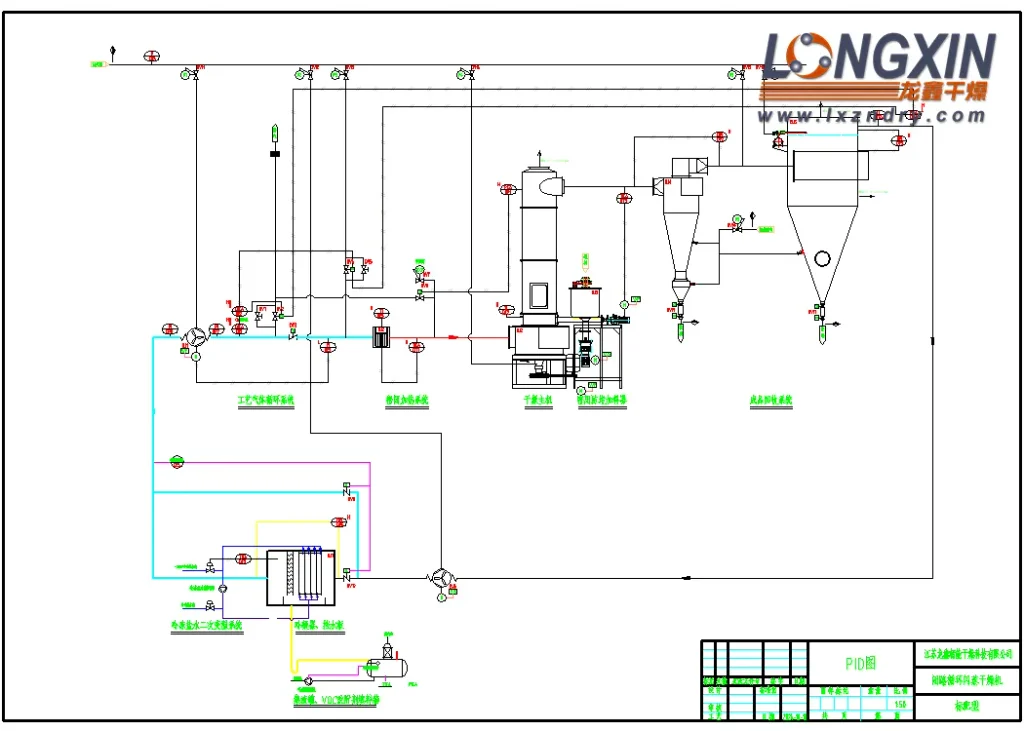
In closed-cycle spin flash drying, the drying medium is generally an inert gas such as nitrogen or carbon dioxide. The heated high-temperature inert gas enters the dryer and undergoes heat and mass exchange with the wet material; the wet material is dried and separated out through the cyclone separator and bag filter. The inert gas, which now has higher humidity and a lower temperature, enters the spray tower for cooling and dehumidification; the inert gas with lower moisture content is fed by the circulation fan into the heater for heating, and the cycle continues.
(1) Feeding of wet material
At the feed inlet, which is prone to leakage, a slight positive pressure should be designed in to prevent oxygen from the atmosphere entering. If a star (rotary) feeder is used, the wet material often blocks the feeder and makes it inoperable. If an ordinary screw feeder is used for feeding, material spurting at the feed inlet is serious, the environment is very poor, manual operation is impossible and feeding is very abnormal. Therefore, a double-screw feeder with staggered, intermeshing paddles is used, with a vertical screw press-feeding device arranged on the bin to form a material seal, eliminating the spurting phenomenon and thus ensuring uniform, quantitative, continuous and stable feeding.
(2) Dry product capture
For such light and fine materials, gas-solid separation is relatively difficult. In this closed-cycle drying system, if gas-solid separation is poor, material loss increases and it will have a considerable negative impact on the subsequent cooling/dehumidification system and heating system.
(3) Circulation fan
The total resistance of the closed-cycle drying system is relatively high; to reduce leakage into and out of the system, neither the positive nor the negative pressure in the system can be high. In this system, two fans are designed in series and placed separately: one between the bag filter and the spray tower, and the other between the filter and the heater. The shaft seal of the circulation fan has a great influence on the oxygen content of the drying medium; whether the shaft seal design succeeds determines whether the whole system can operate normally. After research and analysis, under conditions of relatively high temperature, a certain dust content and poor lubrication, a magnetic fluid seal can achieve a good sealing effect.
(4) Dehumidification of the drying medium
The drying medium must be dehumidified to a relatively low moisture content before it can be reused. Cooling dehumidification is generally used; the cooling may use chilled liquid or cooling water, but chilled-liquid cooling involves high investment and operating costs. The spray tower uses Pall ceramic ring packing, giving full and uniform gas-liquid contact and good results.
(5) Sealing of mechanical rotating parts
There are many mechanical rotating parts in the drying system, such as airlock valves, feeders and screws. Although their speeds are not high, there are many sealing points; if the seal design is poor, system leakage will be large. Experiments have shown that a double seal combining packing and air sealing gives good results.
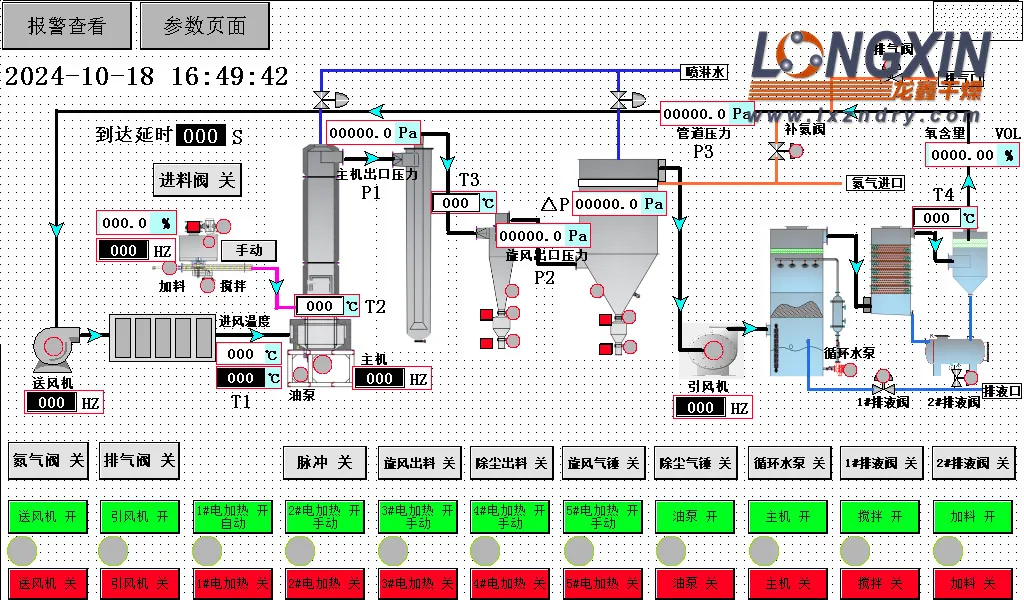
Closed-Cycle Spin Flash Dryer — PID Control Interface