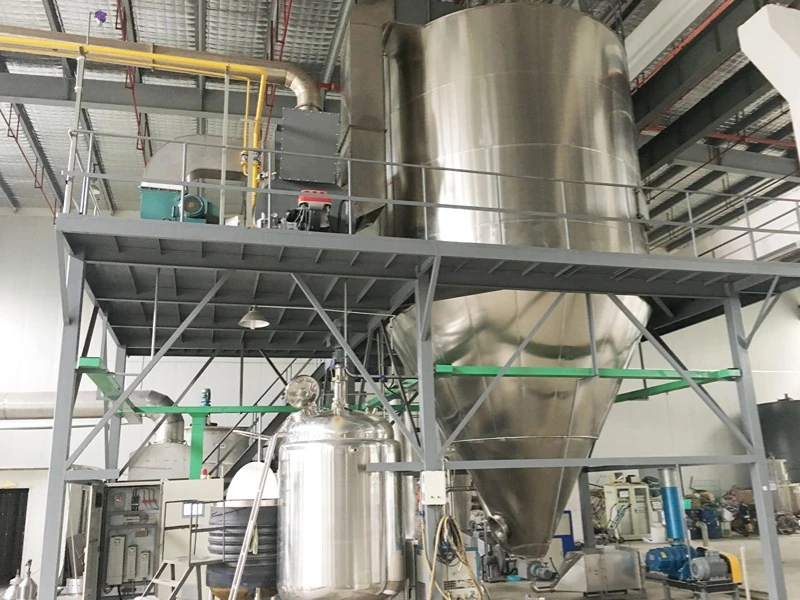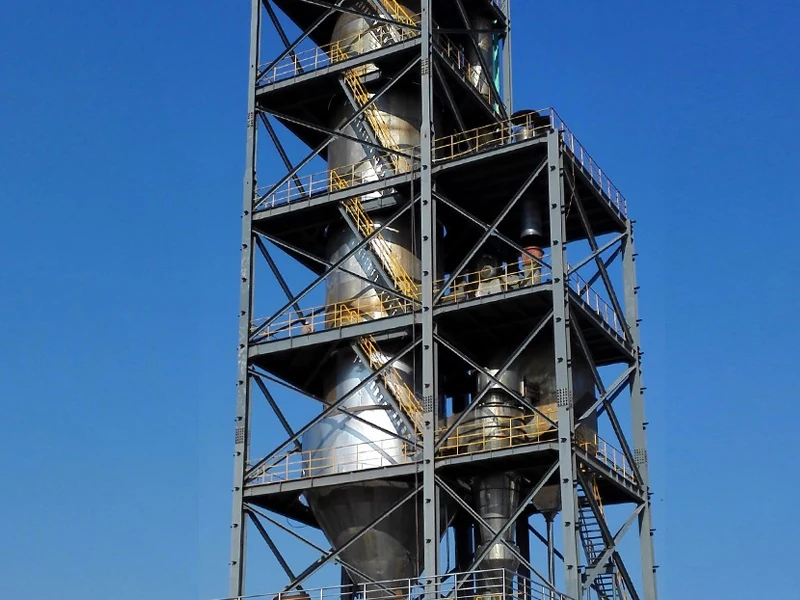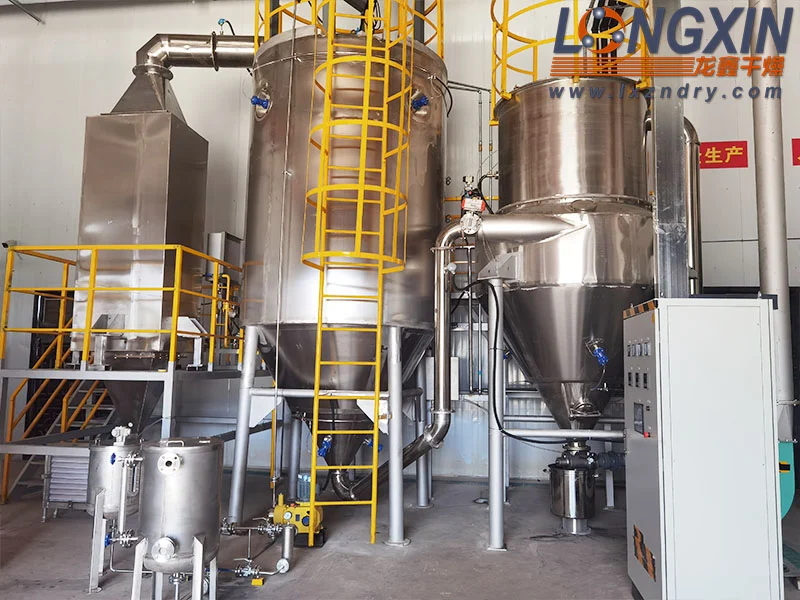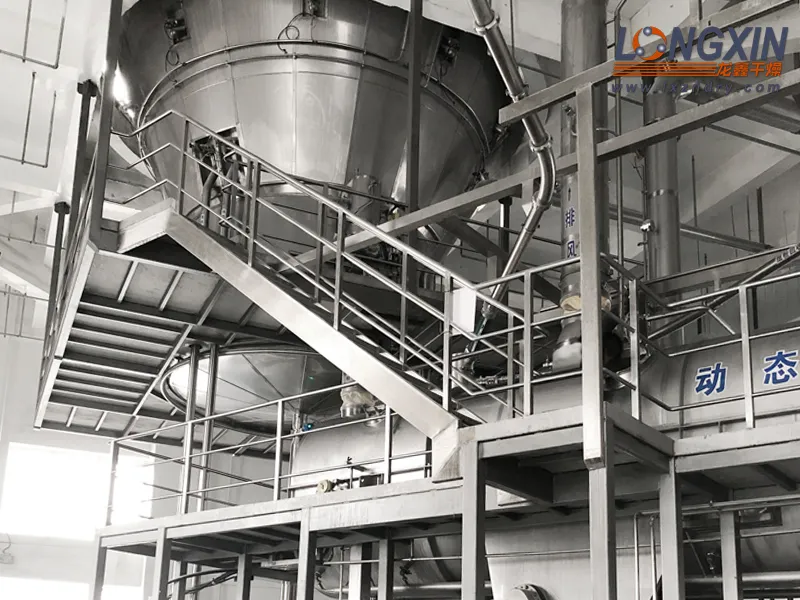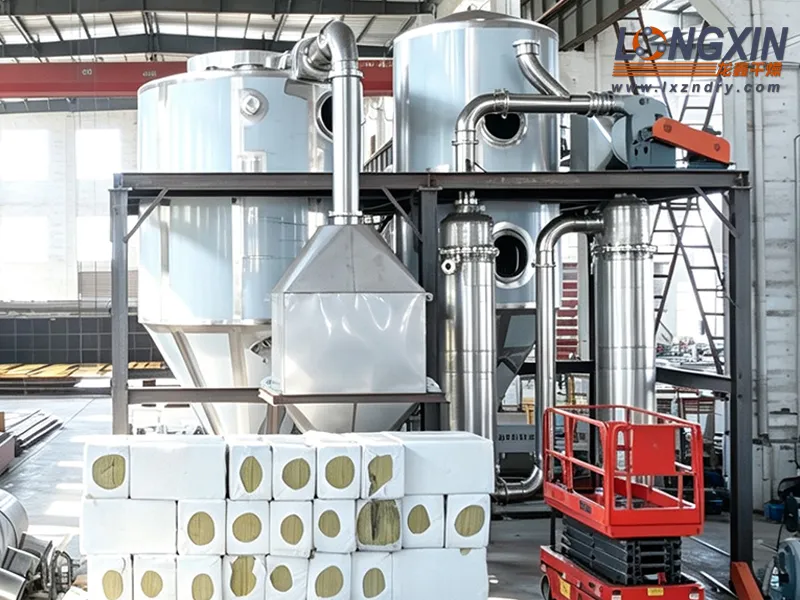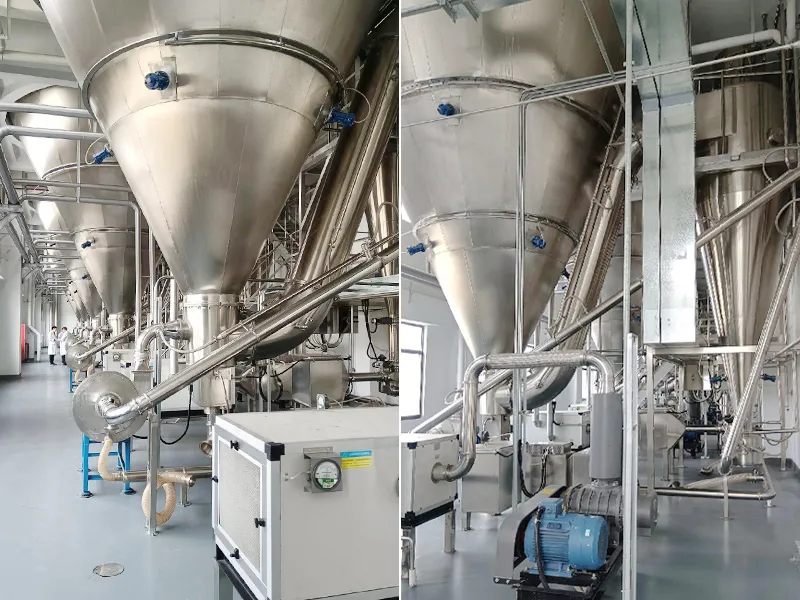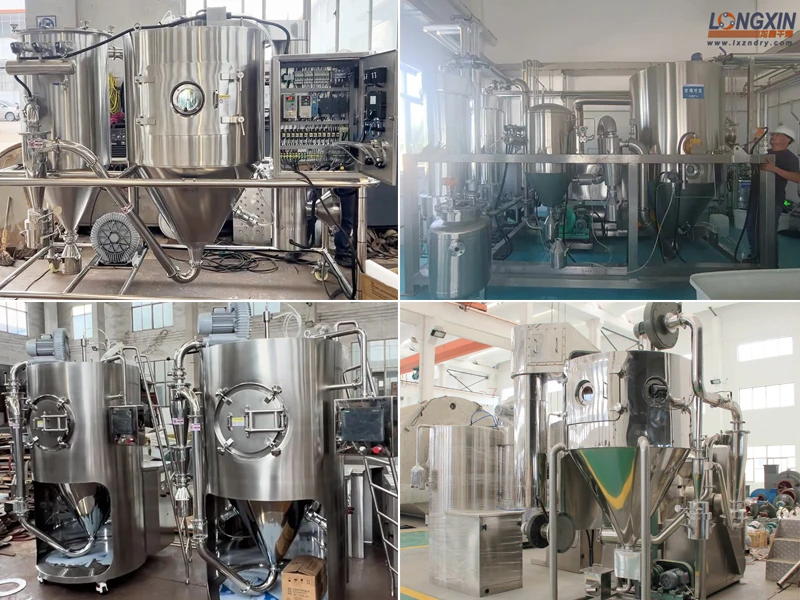
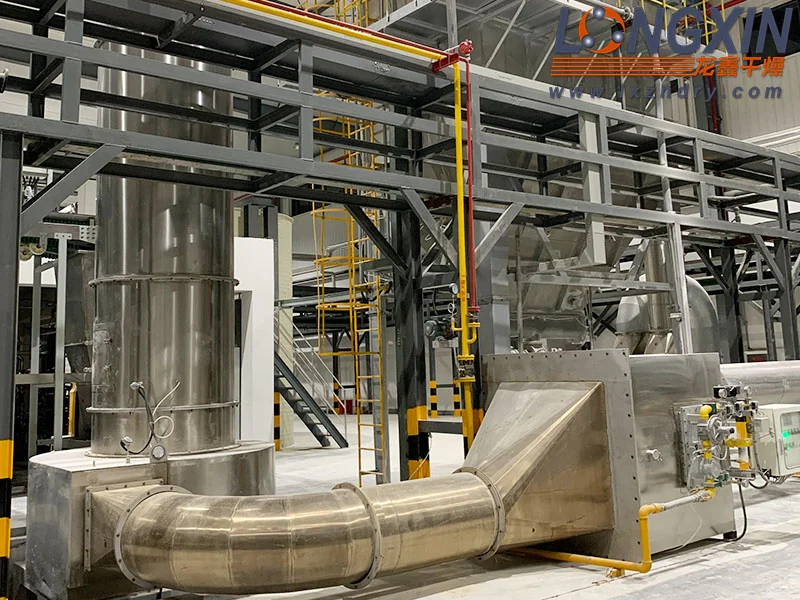
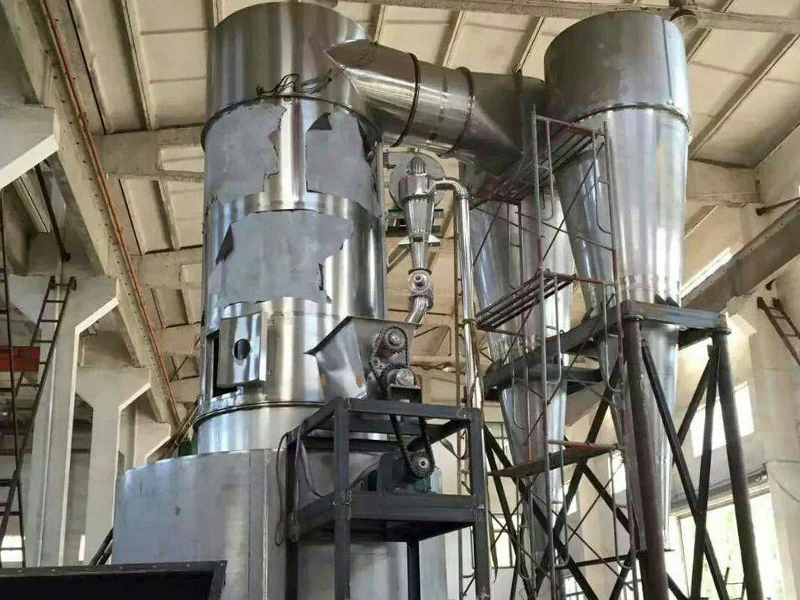
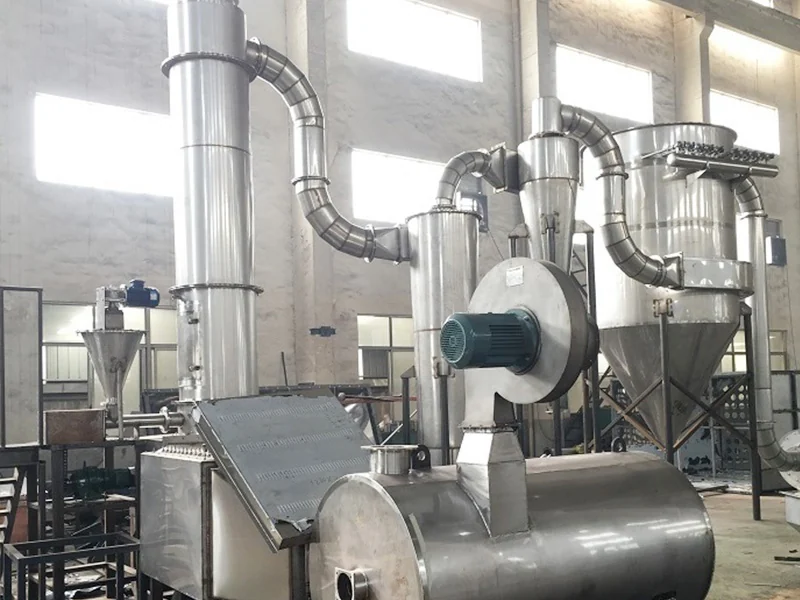
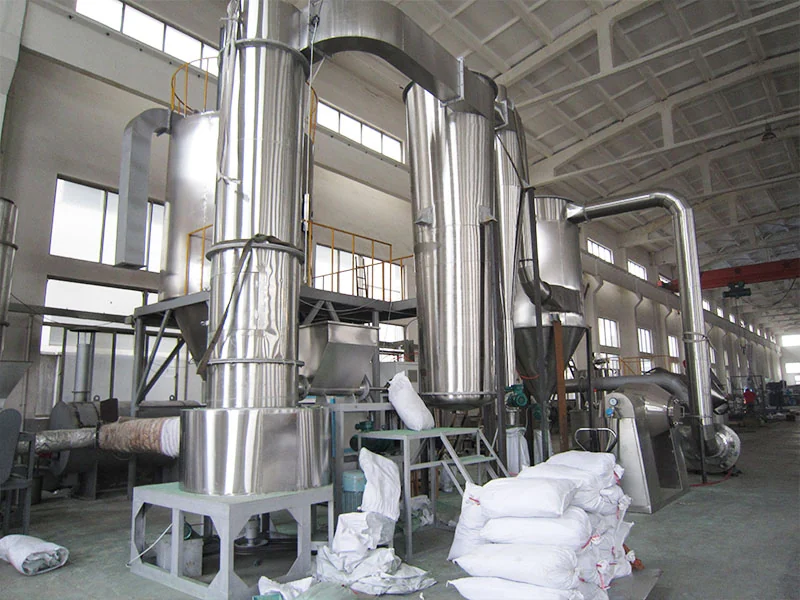
Equipment Overview
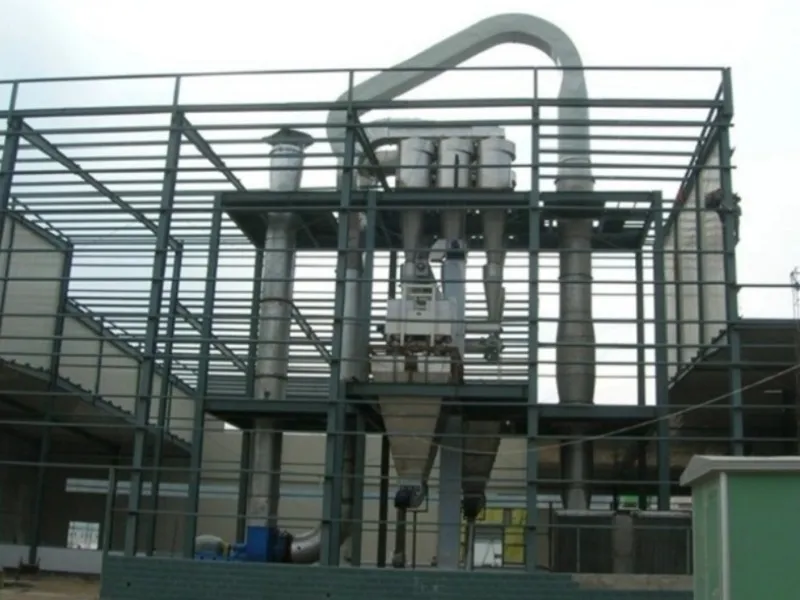
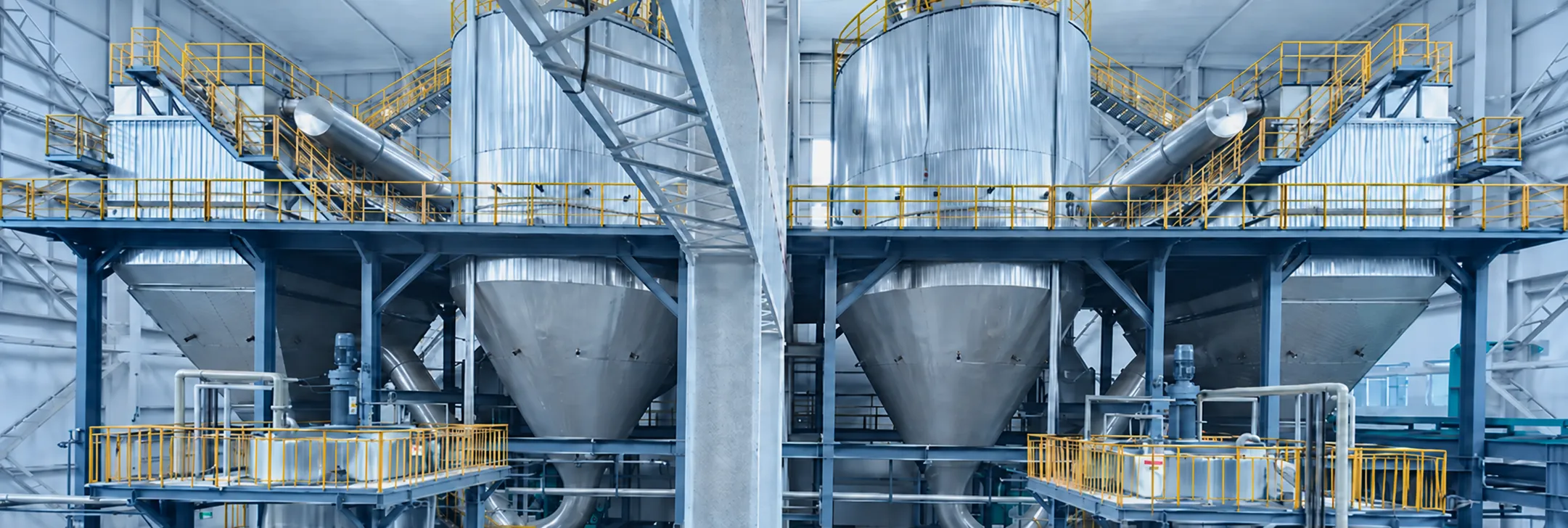
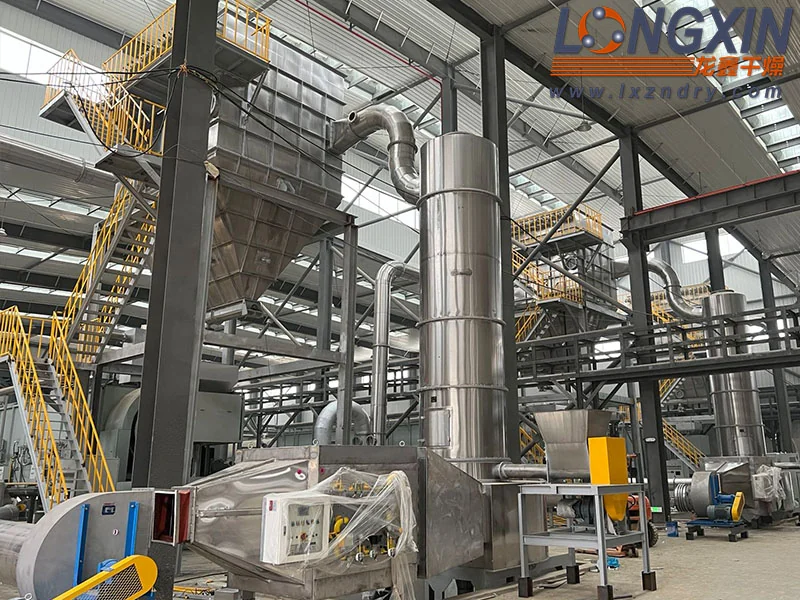
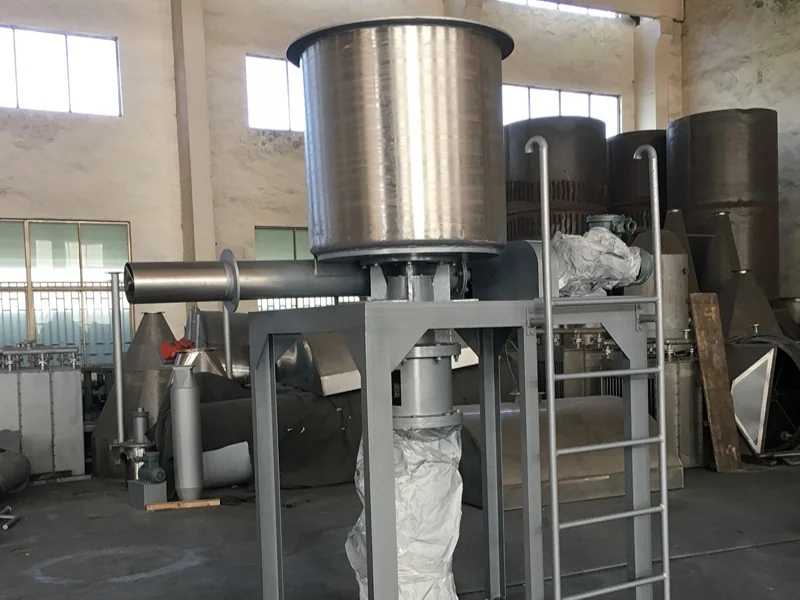
The Spin Flash Dryer is a new type of continuous drying equipment that integrates drying, pulverizing and classifying in one unit. It is especially suitable for drying filter-cake, paste and thin-slurry materials, and is particularly suited to materials that must be dried within a short time. The drying time of wet material inside the drying tower is only a few tens of seconds, during which moisture evaporates instantly. The quality of the dried product is closely related to the drying temperature, air velocity, air volume and crushing speed. Our company has developed an innovative design that controls the finished product's particle size and final moisture content by adjusting the tangential inlet air velocity, air volume and crushing speed of the flash dryer.
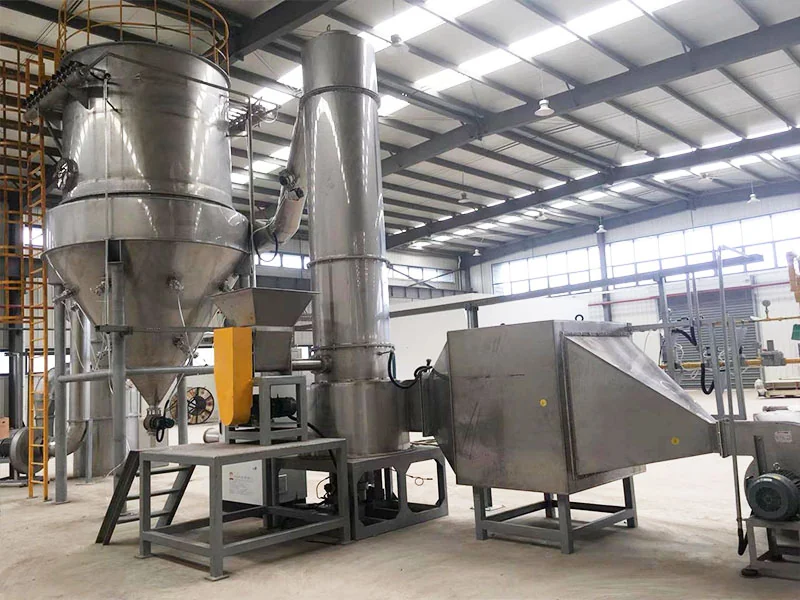
Working Principle
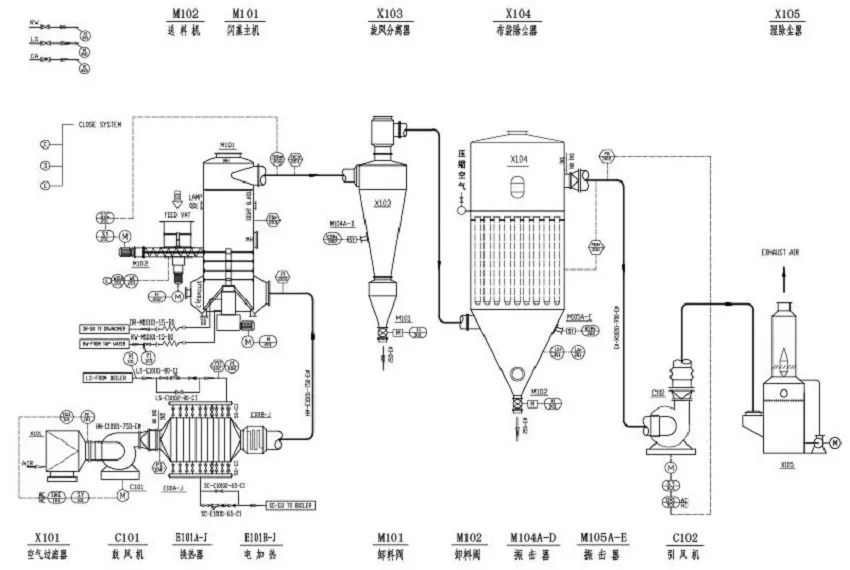
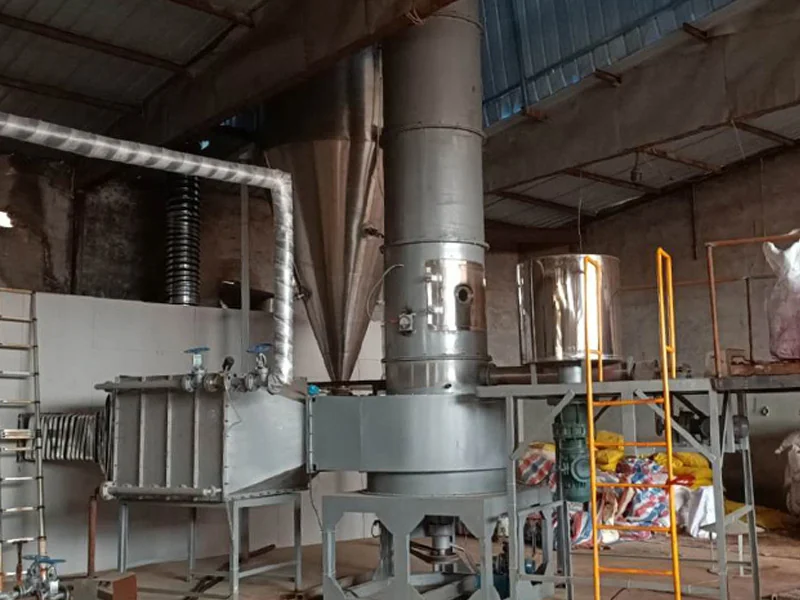
In the flash dryer, hot air enters the bottom of the dryer tangentially and, driven by the agitator, forms a powerful rotating air field. The material is fed into the dryer by a screw feeder and, under the strong action of the high-speed rotating agitator blades, is dispersed by impact, friction and shear forces; lumpy material is rapidly pulverized, then fully contacts the hot air, is heated and dried. Material with lower moisture content and smaller particle size rises together with the rotating airflow and is conveyed to the separator for gas–solid separation; the finished product is collected and packaged, while the tail gas is treated by the dust removal device before being discharged to atmosphere.
(1) Material feeding: the material to be dried is fed into the dryer through the feed inlet. The material may be wet granules, powder or paste.
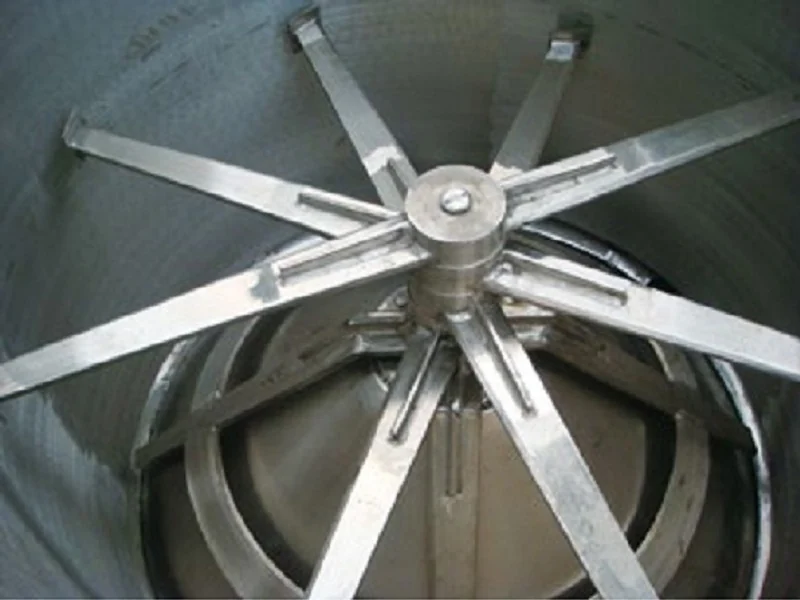
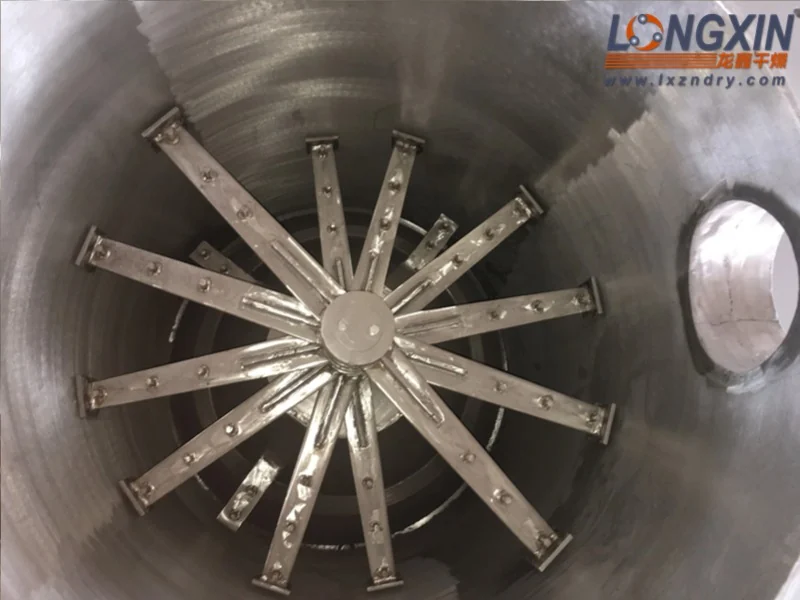
(2) Crushing and dispersion: after entering the dryer, the material meets the high-speed rotating crushing devices (such as propellers, blades or hammers). These devices rapidly crush the material into fine particles, increasing the surface area of the material and thereby accelerating the drying process.
(3) Hot air drying: at the same time, hot air is fed into the dryer through the hot air inlet. The hot air temperature is adjusted according to the material characteristics and the quality requirements of the final product. The hot air fully contacts the crushed material and quickly carries away the moisture or solvent in the material.
(4) Classification and collection: the dried material enters the classifying device together with the hot air (usually a cyclone separator). In this process the lighter, already dried fine powder is separated and discharged through the pipe, while larger particles that have not reached the required drying level are returned to the drying zone for further treatment until they meet the drying standard.
(5) Exhaust gas treatment: the exhaust gas after drying (containing water vapour or volatile organic compounds) is discharged through the exhaust system. It usually needs to be treated by a dust removal device (such as a bag filter) to remove solid particulate matter from the exhaust gas before being released into the atmosphere.
(6) Control system: used to control parameters such as drying temperature and air volume, ensuring stability of the drying process and consistency of product quality.
Equipment Features
Thanks to its high-efficiency, fast drying capability, the Spin Flash Dryer performs excellently in applications requiring drying to be completed within a short time.
(1) High efficiency and speed: drying can be completed in an extremely short time, making it suitable for large-volume production.
(2) Wide application range: suitable for a wide variety of materials, especially those requiring rapid drying and those that are heat-sensitive or prone to caking.
(3) Flexible operation: by adjusting the hot air temperature, air volume and the speed of the crushing devices, it can be adapted to the drying requirements of different materials.
(4) Easy maintenance: the structure is relatively simple, facilitating routine maintenance and servicing.
Application Range
(1) Organic materials: atrazine (an agricultural herbicide), lauric acid, benzoic acid, benzoin acid, fungicide, sodium oxalate, cellulose acetate, organic pigments, etc.
(2) Dyes: anthraquinone, black iron oxide, indigo pigment, butyric acid, titanium hydroxide, zinc sulfide, various azo dye intermediates.
(3) Inorganic materials: borax, calcium carbonate, hydroxides, copper sulfate, iron oxide, barium carbonate, antimony trioxide, various metal hydroxides, various heavy metal salts, synthetic cryolite, etc.
(4) Food: soybean protein, gelatinized starch, distillers' grains, wheat sugar, wheat starch, etc.
Technical Improvements
The Spin Flash Dryer unit is one of the main products manufactured by our company. Since the founding of our factory, the Spin Flash Dryer units we have produced have been delivered all over the country, spanning industries such as pigments, dyes, petroleum, building materials, food, feed, pesticides and their intermediates. Over the years we have encountered many materials that were difficult to feed, dry and separate; through scientific analysis and experimentation, all of these were ultimately brought to a satisfactory conclusion. To date we have unique drying solutions for materials of different properties, so we are confident and capable of meeting your company's material drying requirements.
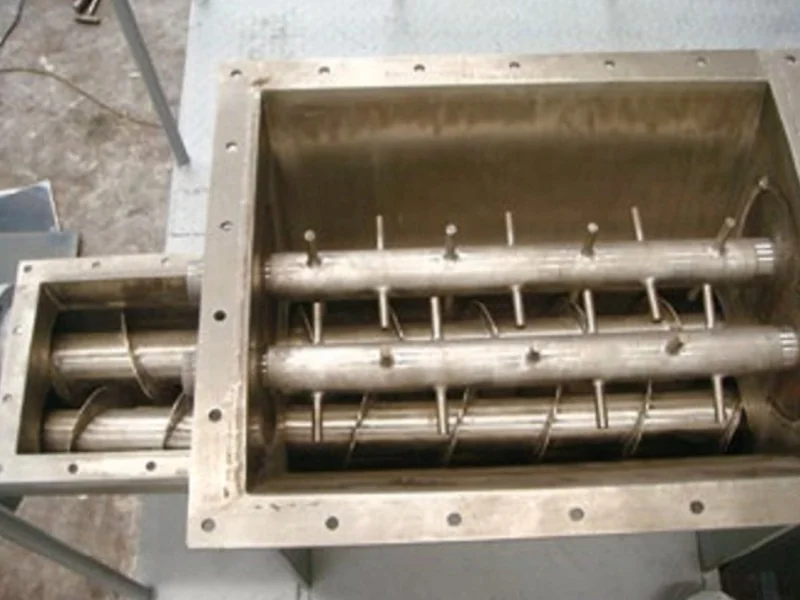
(1) A variety of feeding devices are available for selection; feeding is continuous and stable, with no bridging.
(2) A special cooling device is installed at the bottom of the dryer, preventing the material from deteriorating in the high-temperature zone at the bottom.
(3) Special air-pressure sealing and bearing cooling devices effectively extend the service life of the transmission parts.
(4) A special air distribution device reduces equipment resistance while balancing the air velocity inside the tower.
(5) The drying chamber is equipped with a classifying ring and swirl vanes, so that material fineness and final moisture content are adjustable and controllable.
(6) The circumferential air velocity in the drying chamber is high and the material residence time is short, effectively preventing wall sticking and deterioration of heat-sensitive materials.
XSG Type Spin Flash Dryer — Process Flow Chart 1: Bag-Type Dust Collector
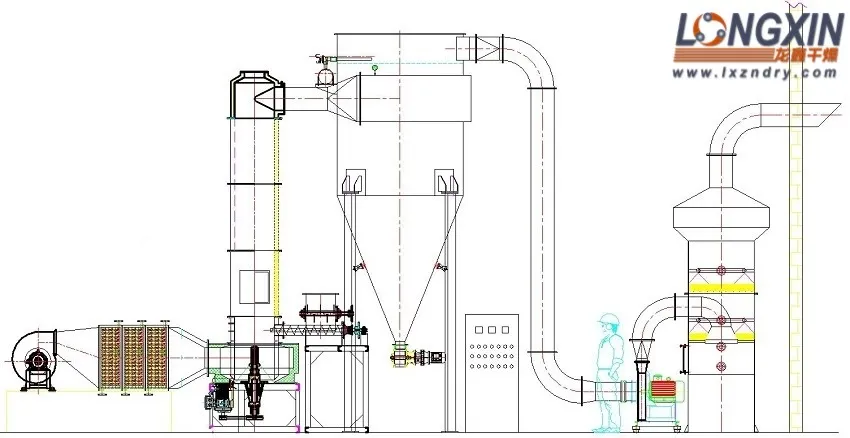
Process Flow Chart 2: Cyclone + Bag-Type Dust Collector + Water-Film Dust Collector