Enzyme preparations are heat-sensitive biological products whose activity and storage stability can be affected by feed condition, thermal exposure and powder moisture. A suitable drying system therefore needs to remove water quickly while maintaining controlled product temperature and stable powder recovery.
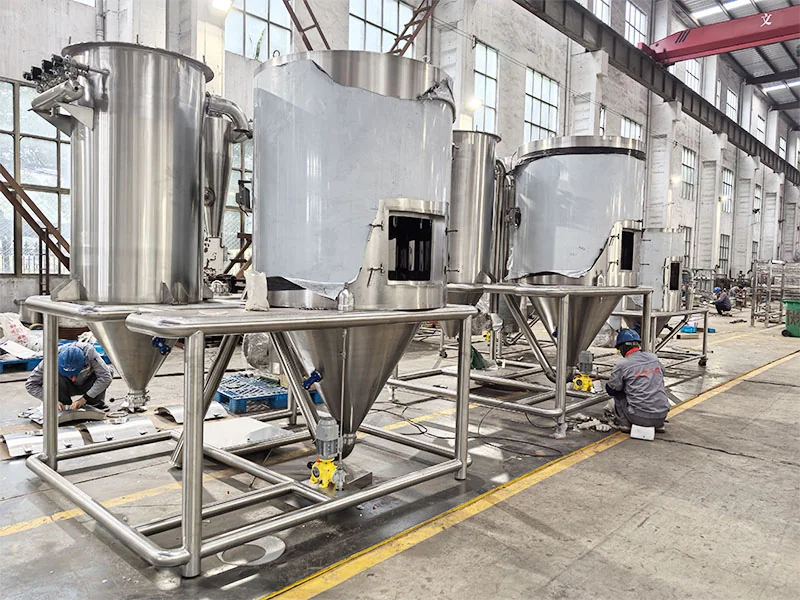
Longxin configures spray drying and granulation systems for enzyme solutions or suspensions according to enzyme thermal stability, feed concentration, viscosity, target moisture, required particle properties and production capacity. Centrifugal or pressure atomization can be selected after material evaluation.
Typical Process Flow
1. Feed Preparation
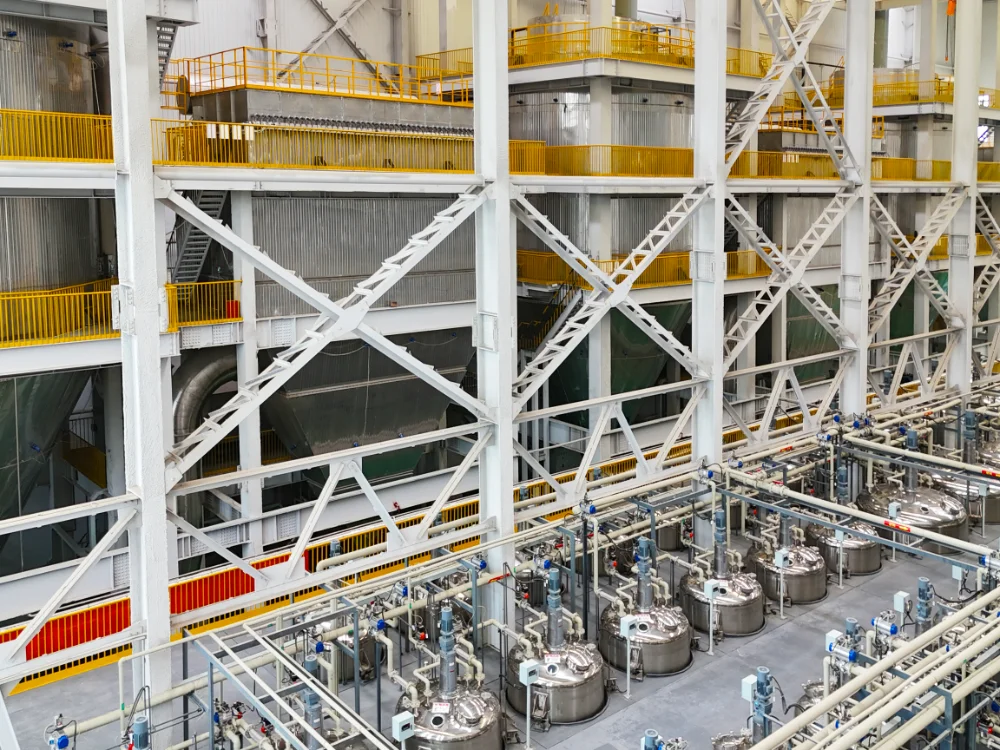
The enzyme solution or suspension is filtered and mixed before drying. Feed concentration, viscosity and pH should be controlled within a range suitable for stable atomization. Where required, the feed tank can be equipped with agitation and temperature control.
2. Air Filtration and Heating
Process air is filtered and heated to the required inlet condition. Because different enzymes have different thermal stability, the operating temperature should be determined from product data and drying trials rather than applying one fixed temperature range to all enzyme products.
3. Atomization
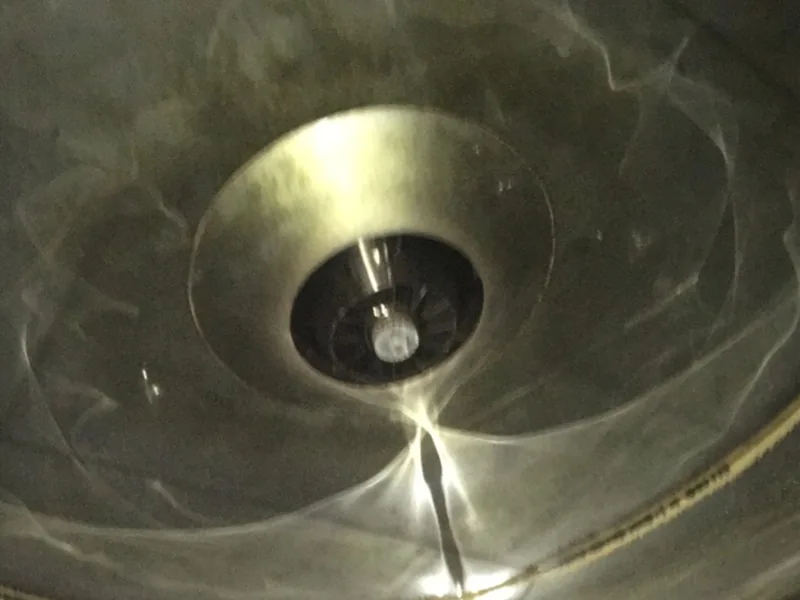
The prepared feed is transferred to a centrifugal atomizer or pressure nozzle. Atomization creates fine droplets with a large evaporation surface. Atomizer type, speed or pressure, and feed rate are adjusted to obtain the required droplet distribution and final powder characteristics.
4. Rapid Spray Drying
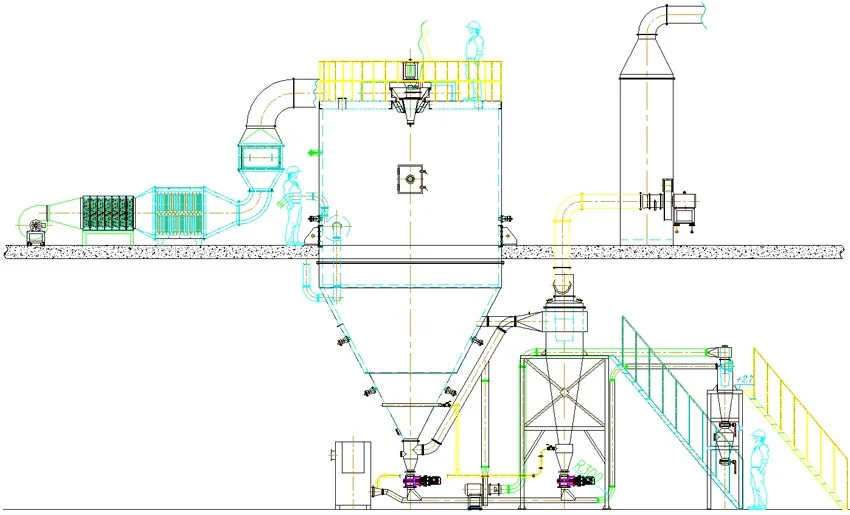
For heat-sensitive enzymes, a co-current air-flow arrangement is typically preferred because the wettest droplets first contact the hottest air while evaporative cooling helps limit product temperature. As drying progresses, the powder contacts progressively cooler air near the outlet.
5. Powder Recovery
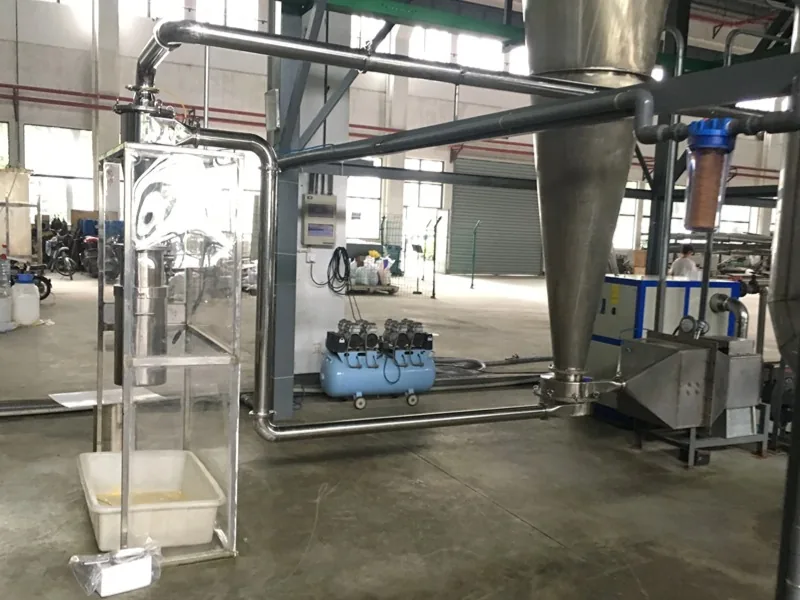
Dried product is collected from the chamber and downstream separation system. Fine powder carried with the exhaust air can be recovered by cyclone separation and/or filtration according to particle size, product value and emission requirements.
6. Cooling and Transfer
Where the powder needs to be cooled before packaging, a cooling conveying stage can be integrated after collection. This helps stabilize product temperature and can reduce the risk of moisture pick-up or caking during storage.
How the System Helps Protect Enzyme Activity
- Product-specific temperature selection: inlet and outlet conditions are set according to enzyme thermal stability and target moisture.
- Short drying exposure: spray atomization allows moisture to be removed rapidly from small droplets.
- Co-current drying option: helps reduce exposure of the driest product to the highest air temperature.
- Stable feed preparation: controlled concentration, viscosity and pH support more consistent atomization and drying.
- Continuous monitoring: temperature, pressure, feed rate and key system status can be monitored through the control system.
- Controlled powder recovery: chamber collection, cyclone separation and filtration can be configured to reduce fine-powder losses.
Typical System Components
- Feed preparation and filtration system
- Feed pump and piping
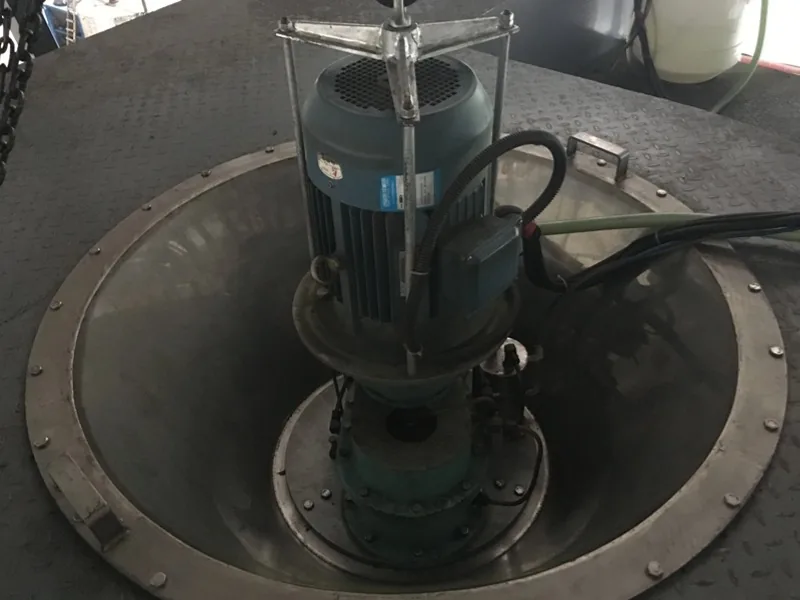
- Centrifugal atomizer or pressure nozzle
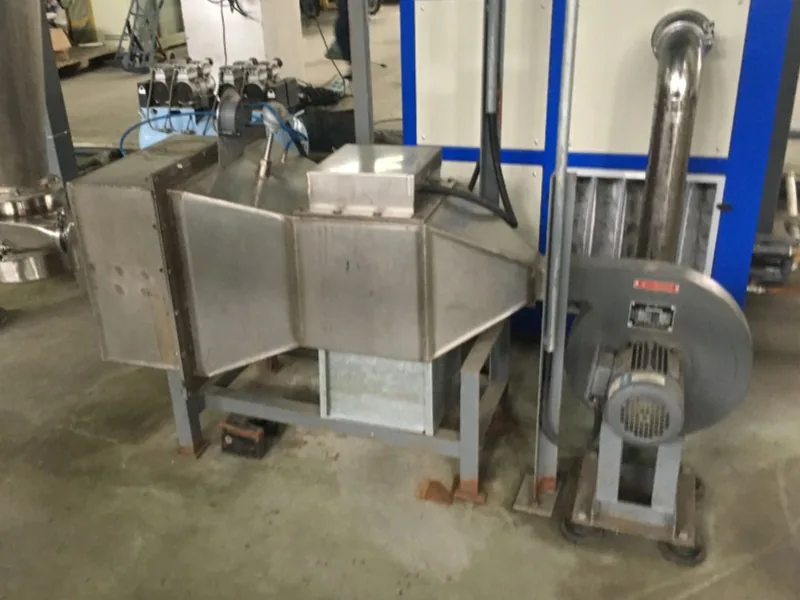
- Air filtration and heating system
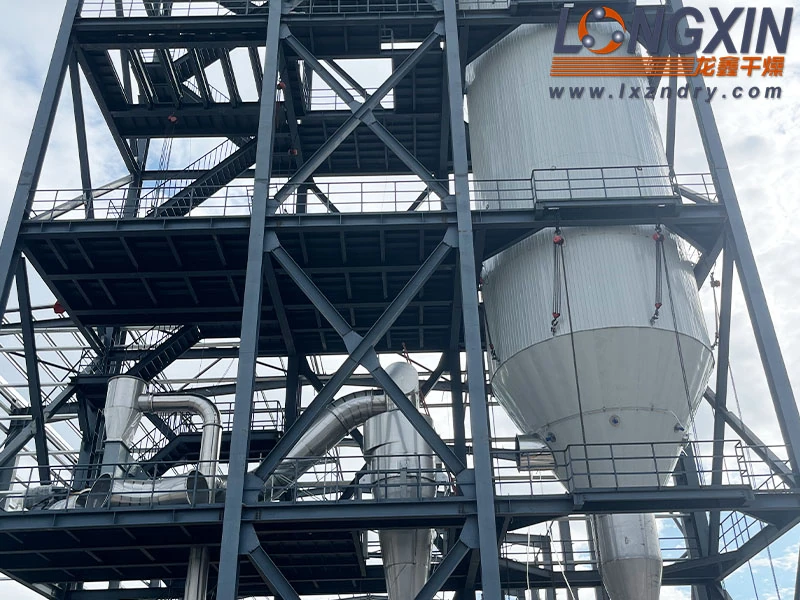
- Spray drying chamber
- Cyclone and/or bag-filter collection
- Optional air-sweep arrangement
- Cooling conveying system
- PLC/HMI process control
Process Parameters That Should Be Confirmed
The source material supplied for this project contains several different temperature and feed-rate ranges that appear to refer to different machines or operating scales. For a commercial enzyme project, the following data should be confirmed before equipment selection:
- Enzyme type and thermal stability
- Feed solids concentration and viscosity
- Feed pH and formulation
- Required throughput
- Target final moisture
- Target particle size and bulk density
- Required enzyme activity retention
- Powder recovery and cleaning requirements
Longxin can use material testing and process evaluation to determine suitable atomization and drying conditions before the industrial system is finalized.