
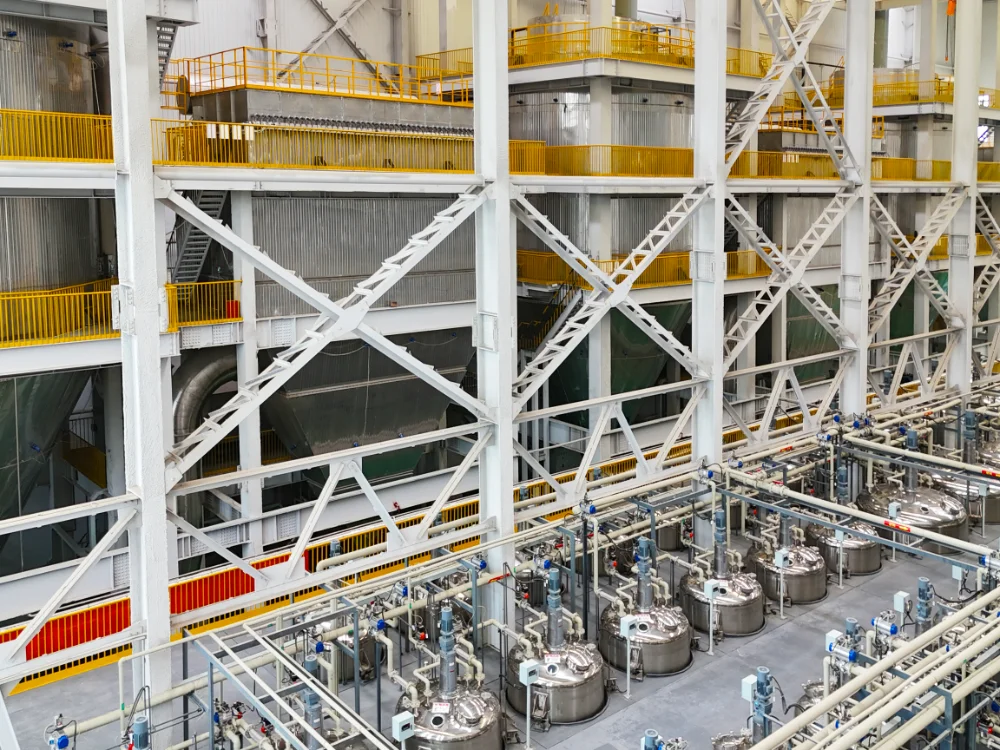
Polymer drying routes for emulsions, dispersions and suitable wet solids, selected according to feed form, thermal behavior and final moisture.
Polymers
Polymer drying routes for emulsions, dispersions and suitable wet solids, selected according to feed form, thermal behavior and final moisture.
Polymers
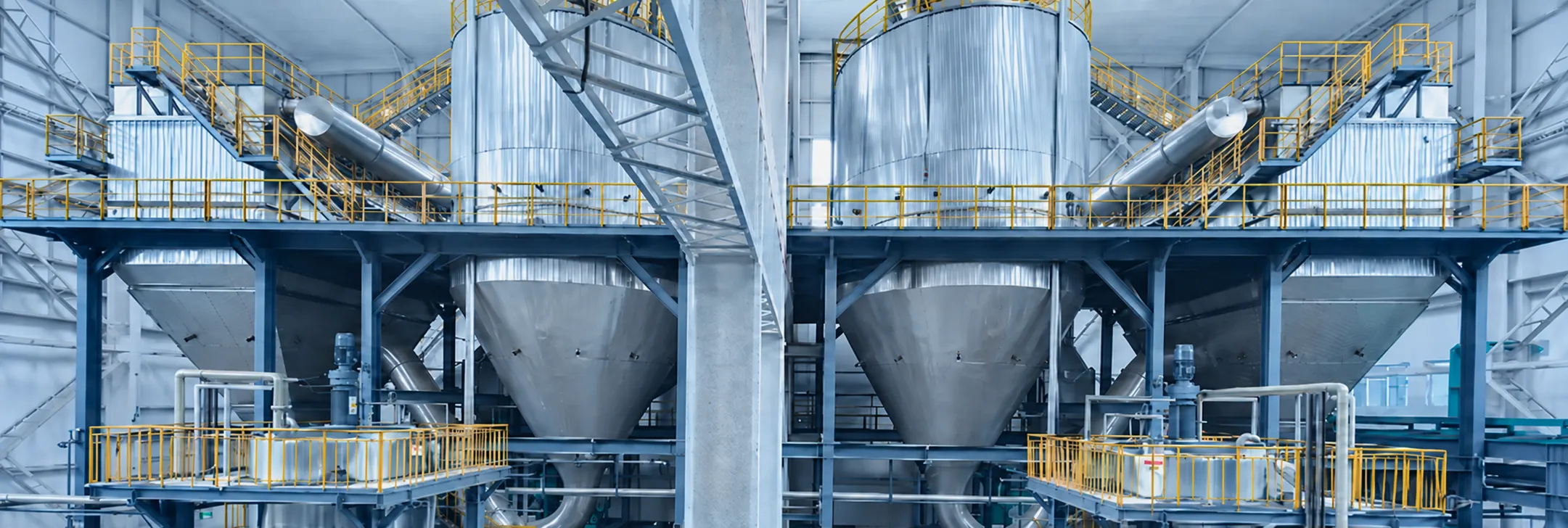
Polymer drying begins with the physical form of the feed. The PVC paste resin spray drying system atomizes an emulsion or dispersion, while the CPE two-stage drying system treats dewatered filter cake through airflow or flash pre-drying followed by fluid-bed drying and cooling. Resin grade, softening behavior and moisture load shape each route.
For suitable particulate feeds, the vibrating fluid bed dryer is an equipment reference for drying and cooling. A wet cake may require preparation before it can enter a fluid-bed stage. Specify feed consistency, initial and target moisture, product-temperature limits, throughput and cooling needs so that feeding, residence time, powder recovery and discharge conditions can be assessed as one process.
Solutions Center
Polymers
-
PVC Paste Resin Spray Drying System
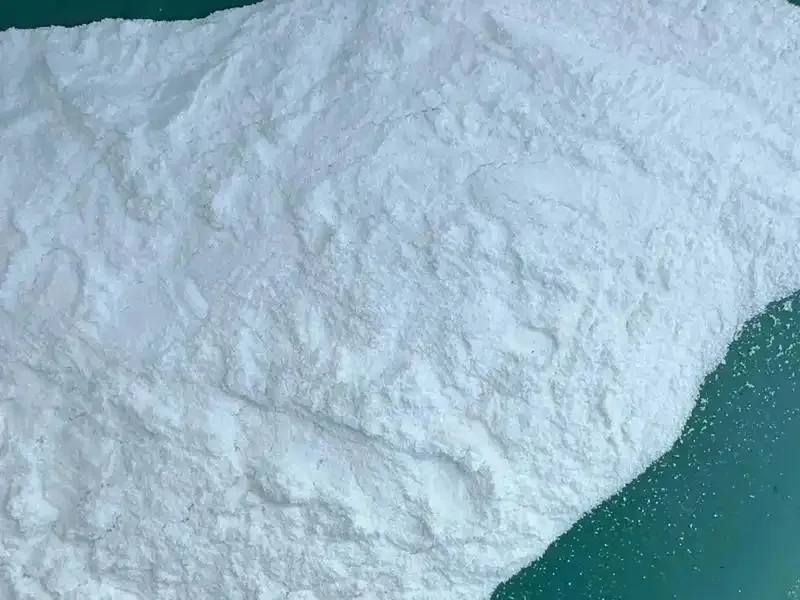
Longxin configures centrifugal spray drying for PVC paste resin emulsions and dispersions. Feed filtration, atomization, controlled hot-air contact and powder collection are coordinated to match the resin grade, residual moisture and target powder characteristics. Wall-protection and heat-recovery measures can be considered where the material and plant conditions support them.Read More → -
CPE Two-Stage Airflow & Fluid Bed Drying System
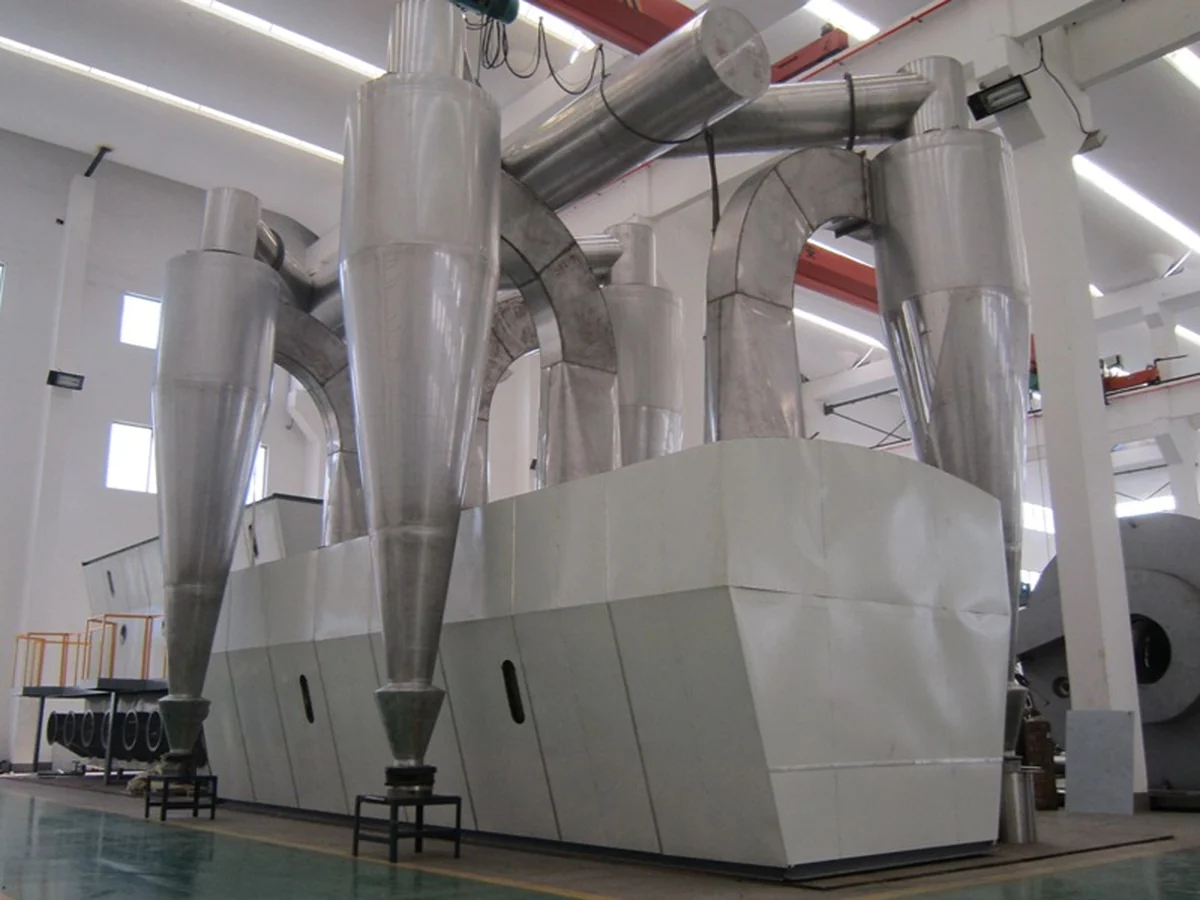
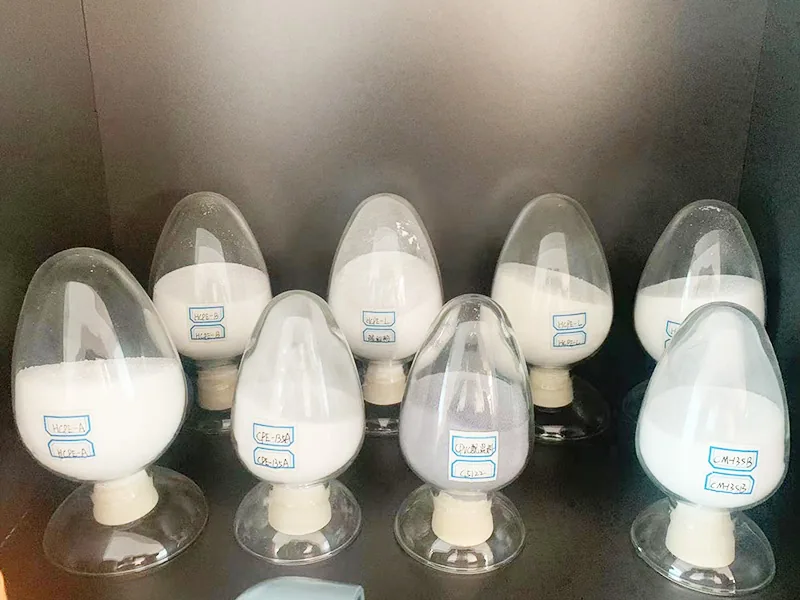
Longxin's CPE route starts with airflow or flash pre-drying of wet chlorinated polyethylene filter cake, then transfers material to multi-zone continuous fluid-bed drying and a separate cooling bed. The stages are coordinated to remove moisture while managing CPE temperature and agglomeration behavior. Wet-cake moisture, throughput, product-temperature limit and utilities determine the process design.Read More →