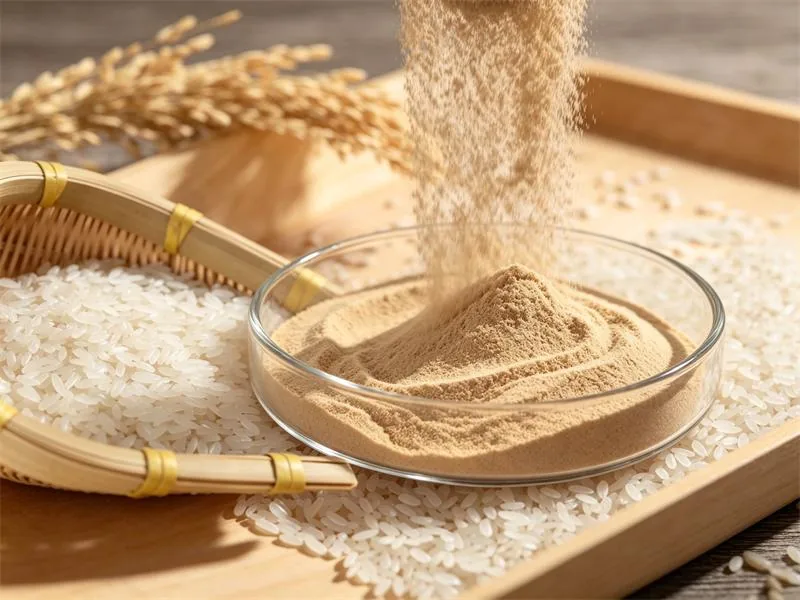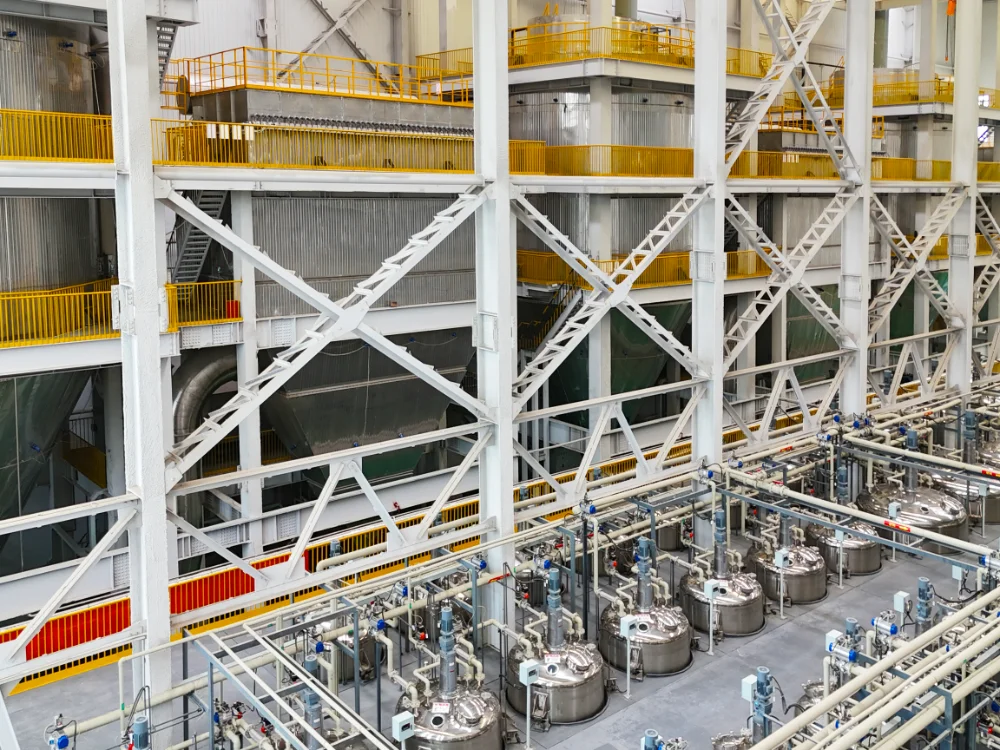
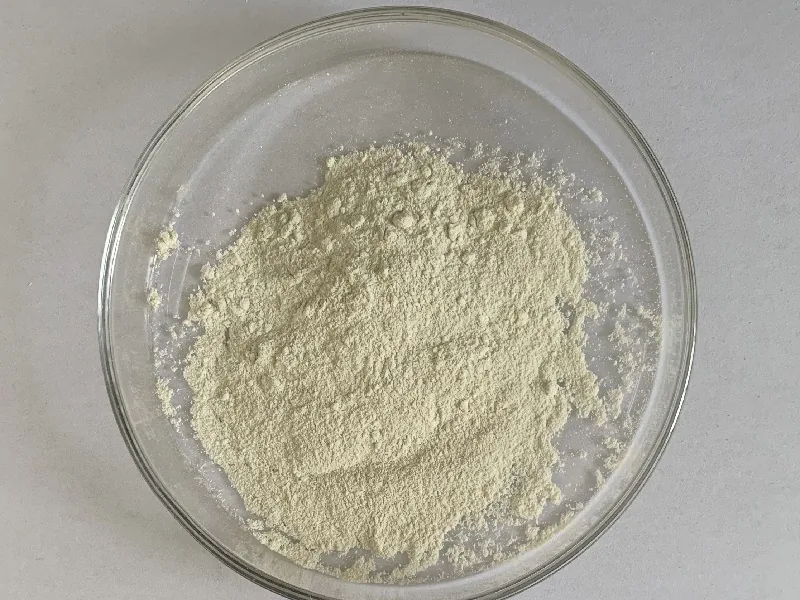
Corn peptide is produced from corn protein through hydrolysis and downstream separation or purification. After concentration, the peptide solution can be converted into a stable powder or granulated product for easier handling, dosing, storage and further processing.
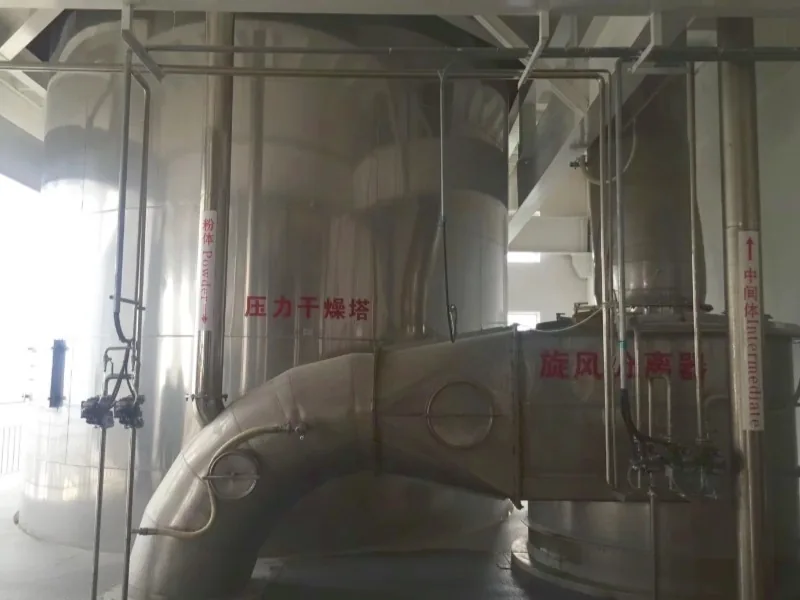
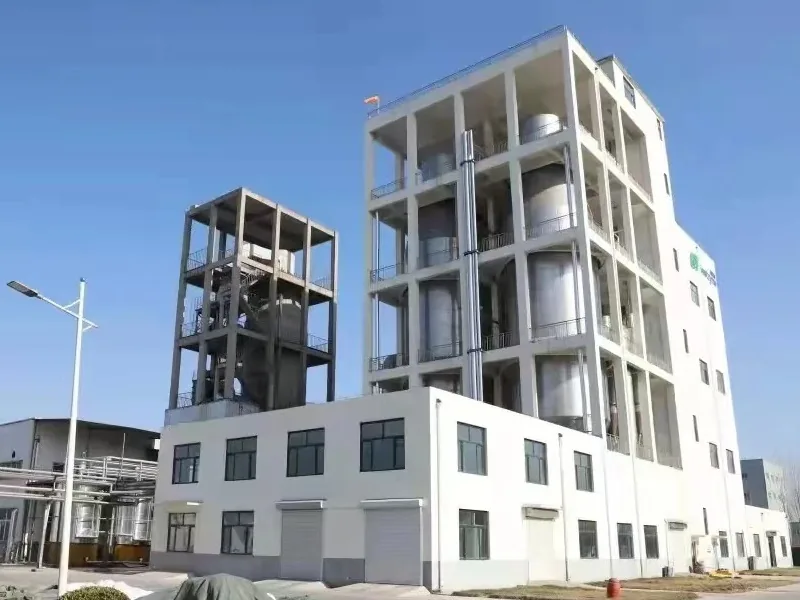
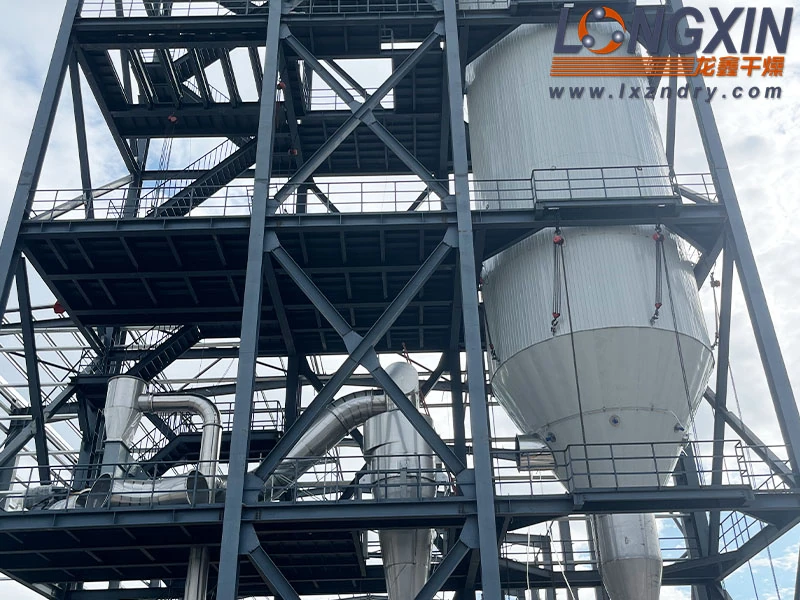
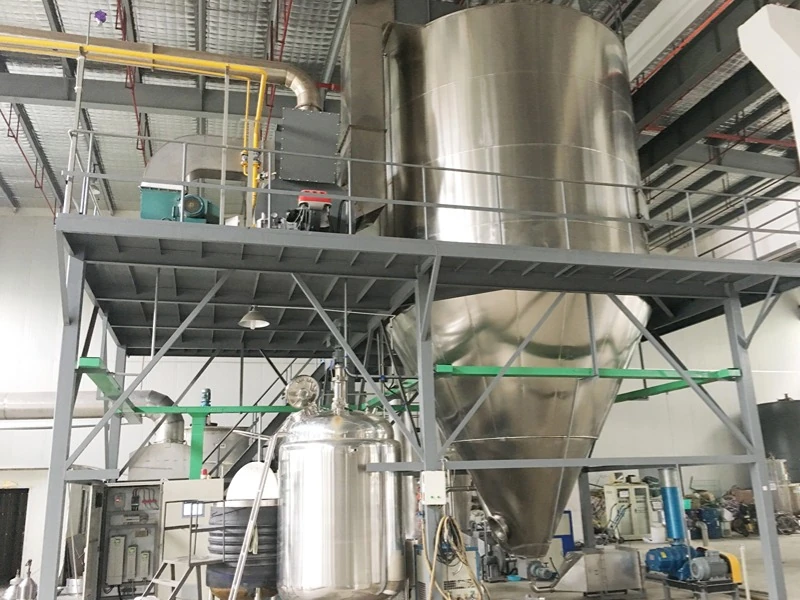
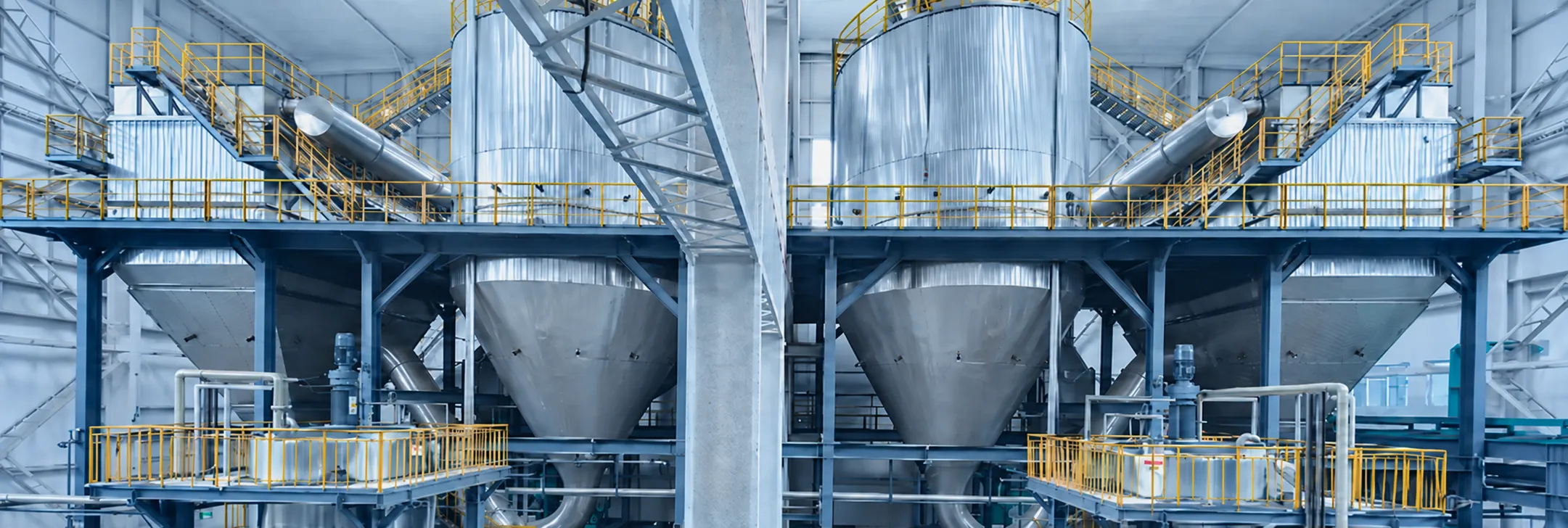
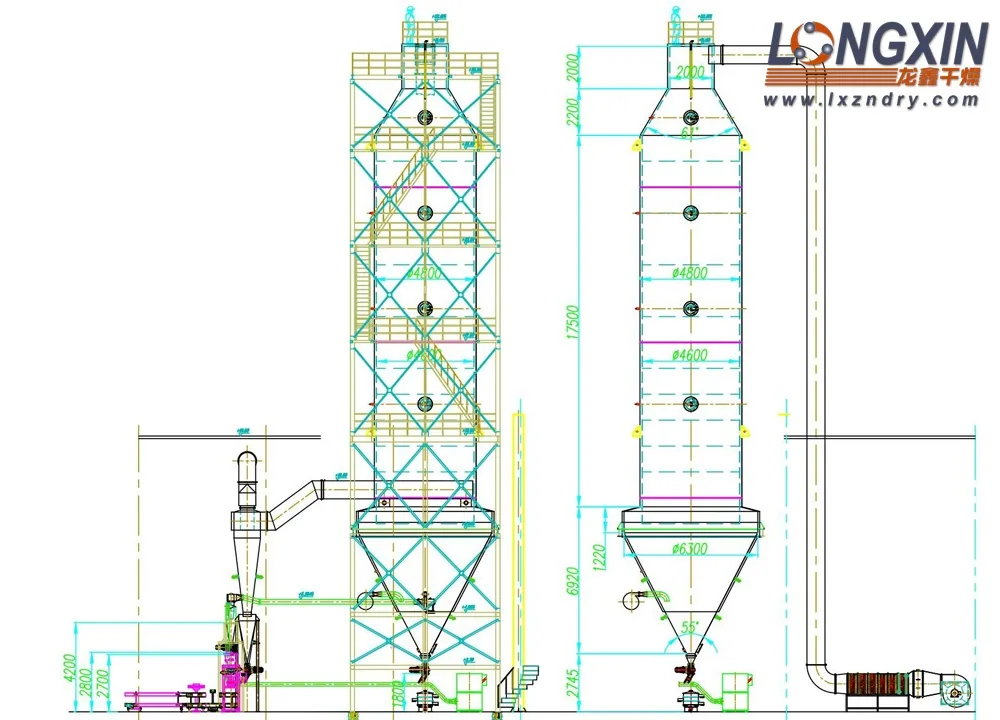
Longxin's pressure spray granulation and drying system uses high-pressure atomization to disperse the feed into fine droplets inside the drying tower. Depending on the target product, the system can be combined with particle growth, fluid-bed treatment, powder collection and cooling stages to achieve the required moisture, particle size and flowability.
Typical Process Flow
1. Feed Preparation
The corn peptide solution is prepared to a suitable concentration and viscosity for stable pressure atomization. Filtration can be used to remove particles that may affect the high-pressure pump or nozzle.
2. High-Pressure Atomization
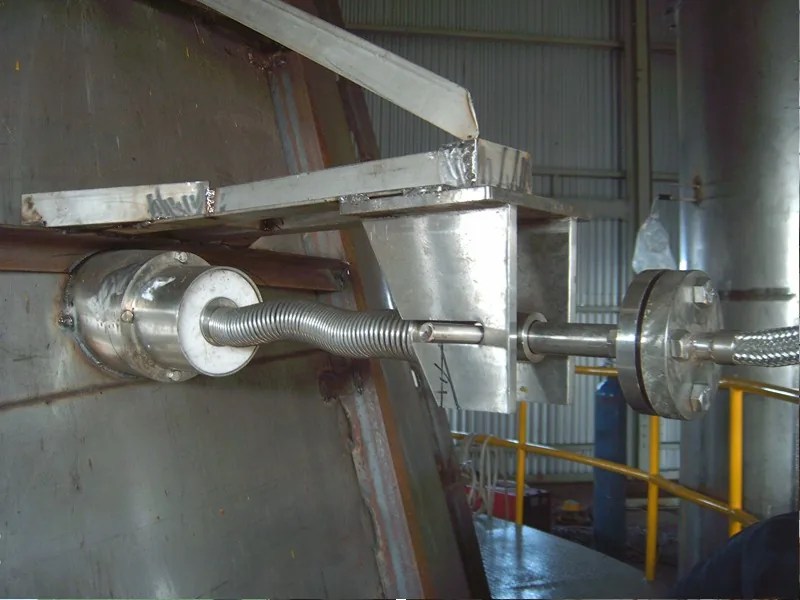
A high-pressure pump delivers the feed to the pressure nozzle. The nozzle converts the liquid into droplets with a controlled size distribution. Atomization pressure and nozzle configuration are selected according to feed properties and the desired powder or granule characteristics.
3. Hot-Air Distribution
Filtered and heated process air is distributed into the drying tower through an engineered air distributor. Stable air-flow distribution helps reduce local overheating and supports more uniform drying across the chamber.
4. Spray Drying and Particle Formation
The atomized droplets contact the process air and lose moisture rapidly. By adjusting feed condition, atomization, air-flow and tower operating parameters, the system can be configured to produce powder or promote larger granulated particles with improved handling properties.
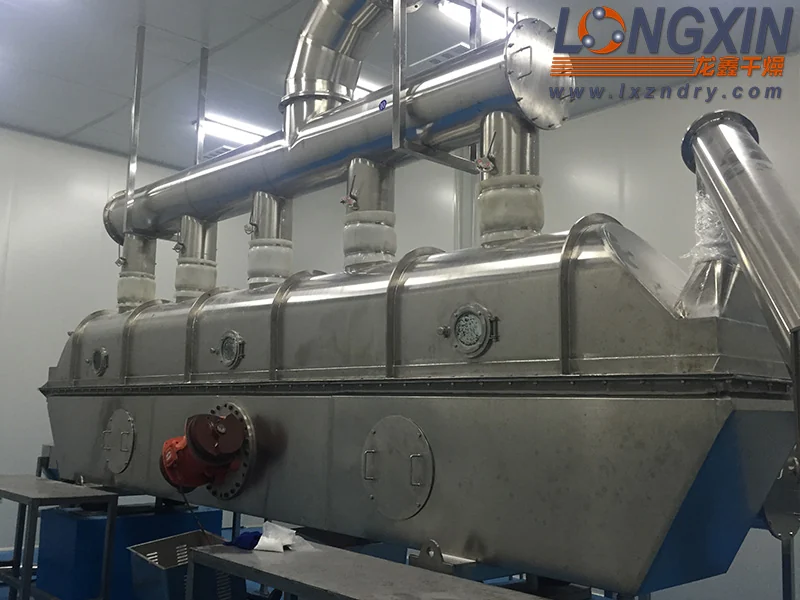
5. Optional Integrated Fluid-Bed Treatment
Where additional particle growth, final drying or cooling is required, a fluid-bed section can be integrated with the spray drying process. This provides another degree of control over final moisture, particle structure and product temperature.
6. Powder Recovery
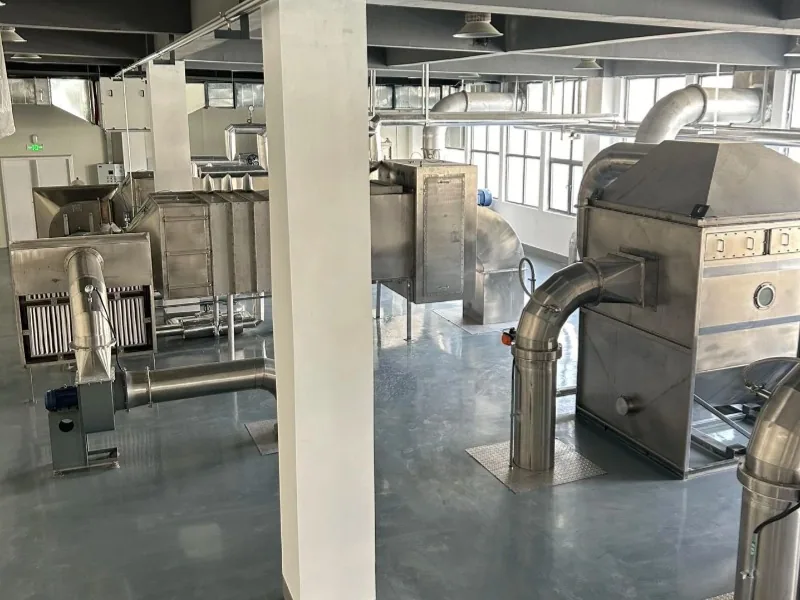
Product discharged from the tower is collected, while entrained fine powder can be recovered through cyclone separation and/or filtration. The recovery configuration is selected according to particle size, target yield and downstream handling requirements.
7. Cooling and Downstream Transfer
Before packaging, the dried product can be cooled and transferred to screening, blending or packing equipment. Controlled cooling helps stabilize the powder and reduce moisture pick-up during storage.
Key System Features
- Pressure-nozzle atomization: suitable for controlled droplet formation and scalable industrial production.
- Short thermal exposure: rapid spray drying helps limit unnecessary heat exposure of peptide products.
- Adjustable particle properties: atomization and drying conditions can be tuned for different particle-size and bulk-density targets.
- Optional granulation stage: fluid-bed or in-tower particle growth can be incorporated where improved flowability or larger granules are required.
- Stable air distribution: the hot-air system can be engineered to promote more uniform drying conditions inside the tower.
- Integrated powder recovery: cyclone and filtration stages can be configured for efficient fine-powder collection.
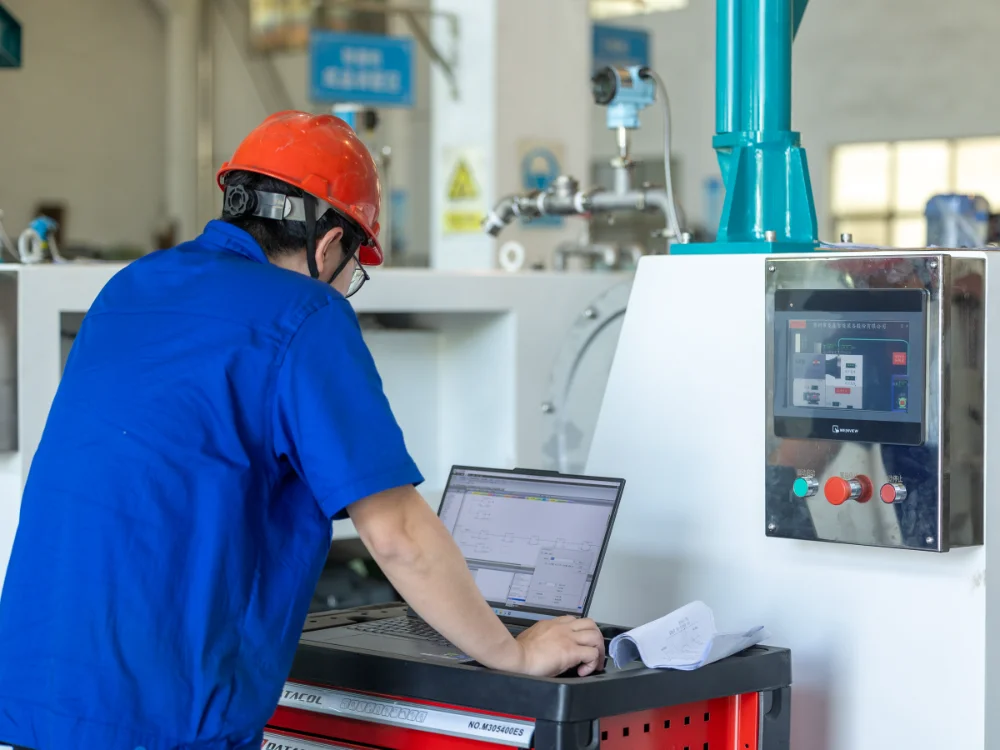
- Automated operation: feed pressure, temperatures, air flow and system status can be monitored through the control system.
Typical Applications
- Corn peptide powder
- Corn protein hydrolysate
- Other plant-protein peptide products
- Protein hydrolysates requiring spray drying or granulation
Engineering Inputs for Equipment Selection
Final system design should be based on actual process data rather than a generic dryer specification. Important inputs include:
- Feed solids content and viscosity
- Feed temperature and pH
- Required throughput
- Target final moisture
- Target particle-size distribution
- Bulk-density and flowability requirements
- Heat sensitivity of the peptide product
- Cleaning and hygiene requirements
- Downstream cooling, screening and packaging configuration
Longxin can support material testing and process evaluation before the final pressure spray drying and granulation system is selected.