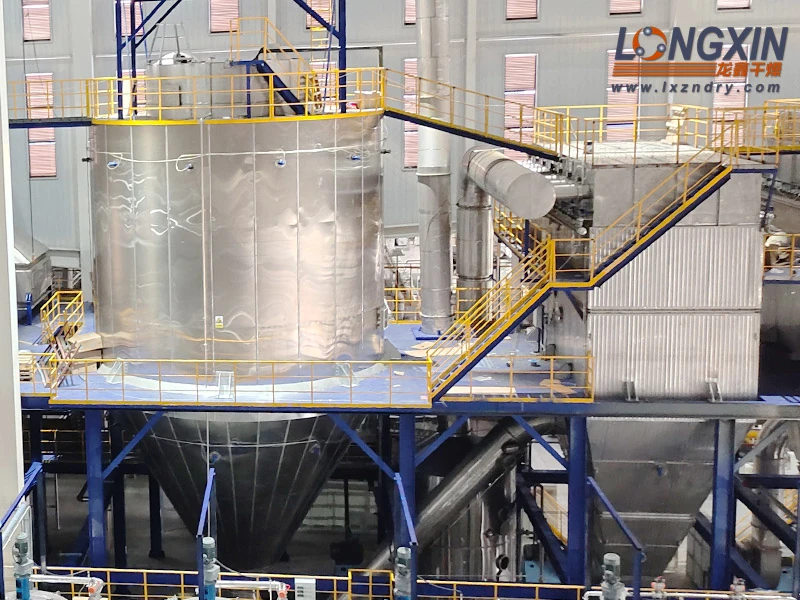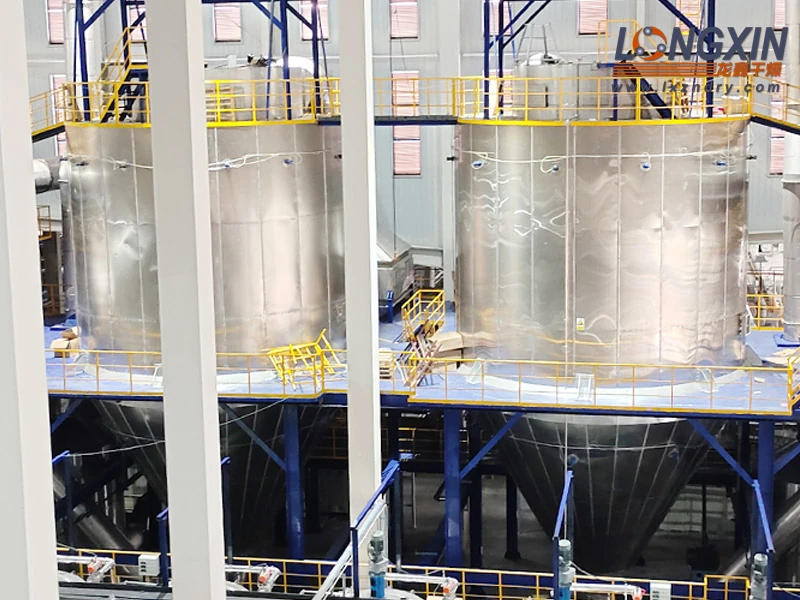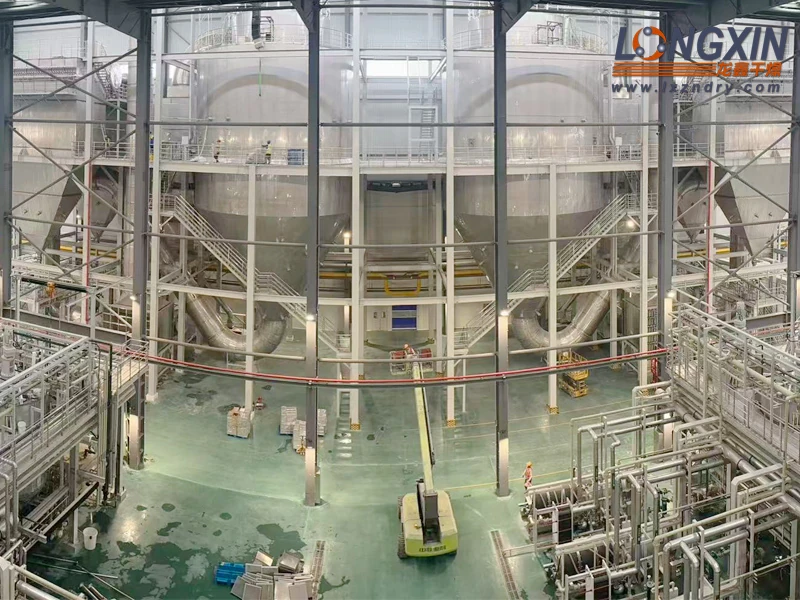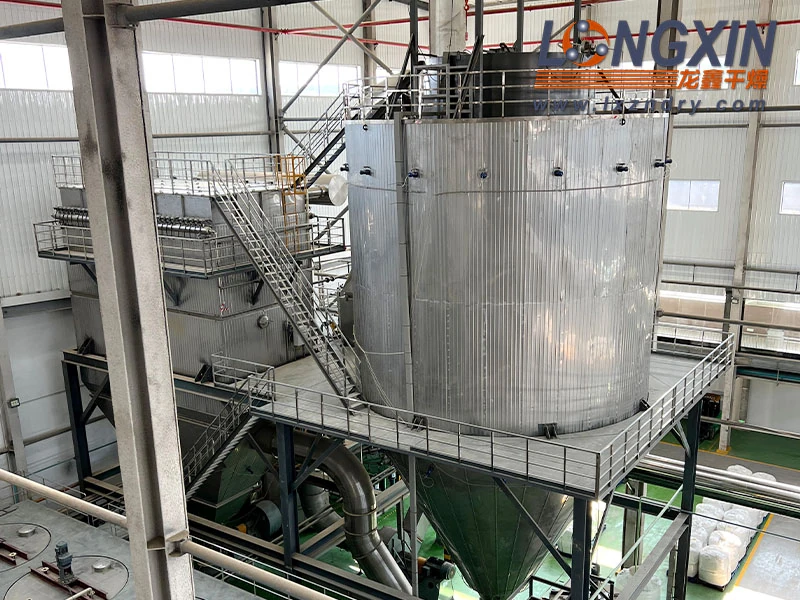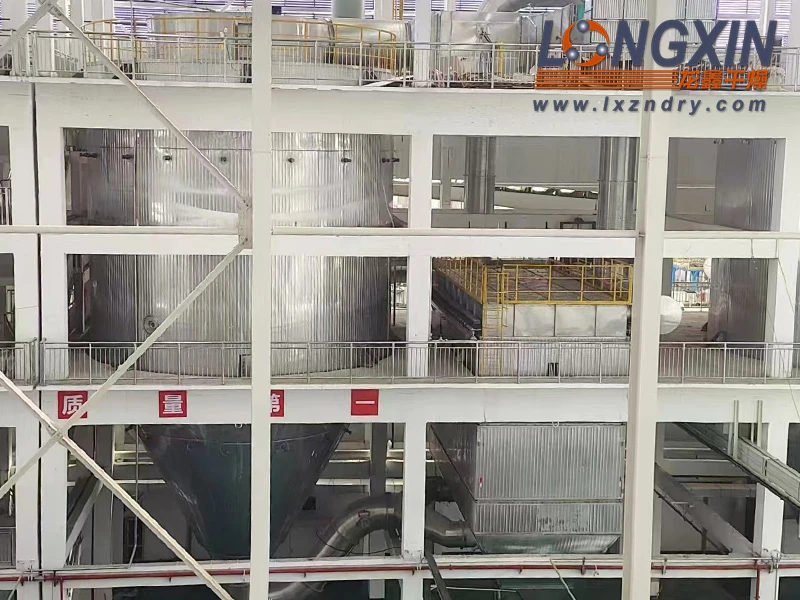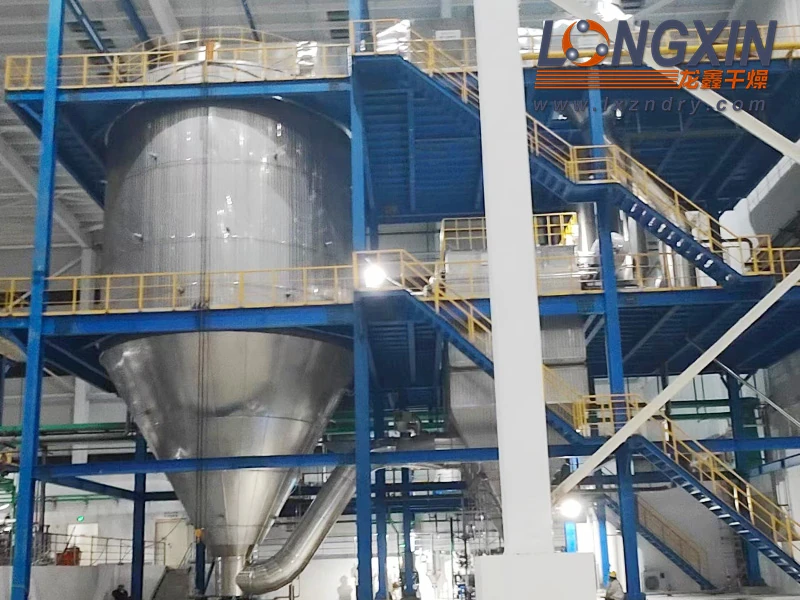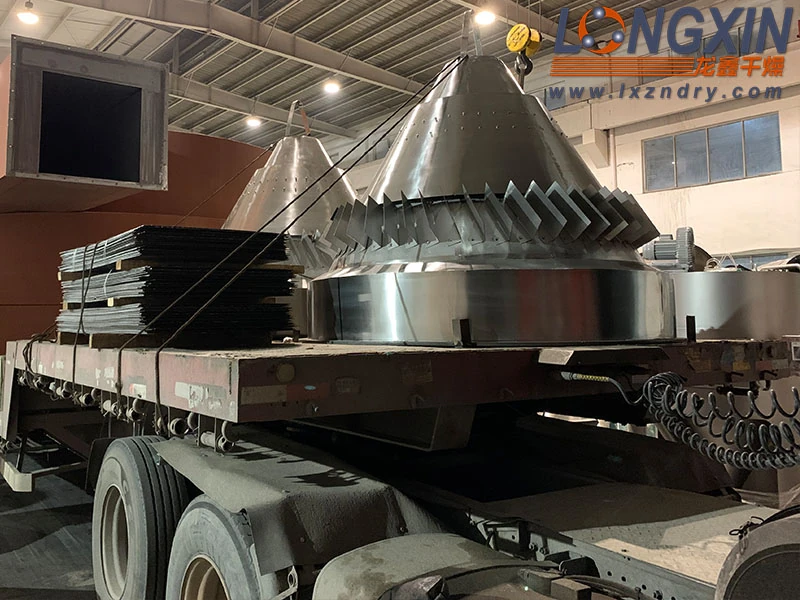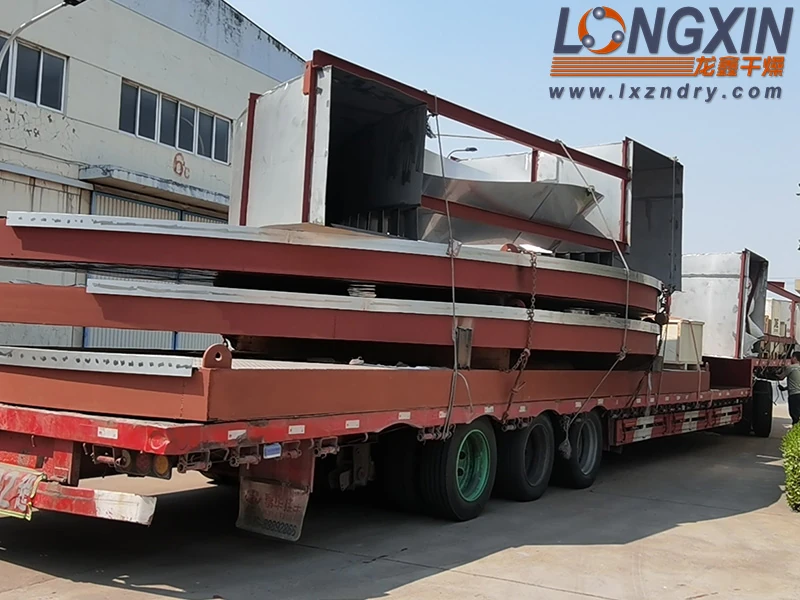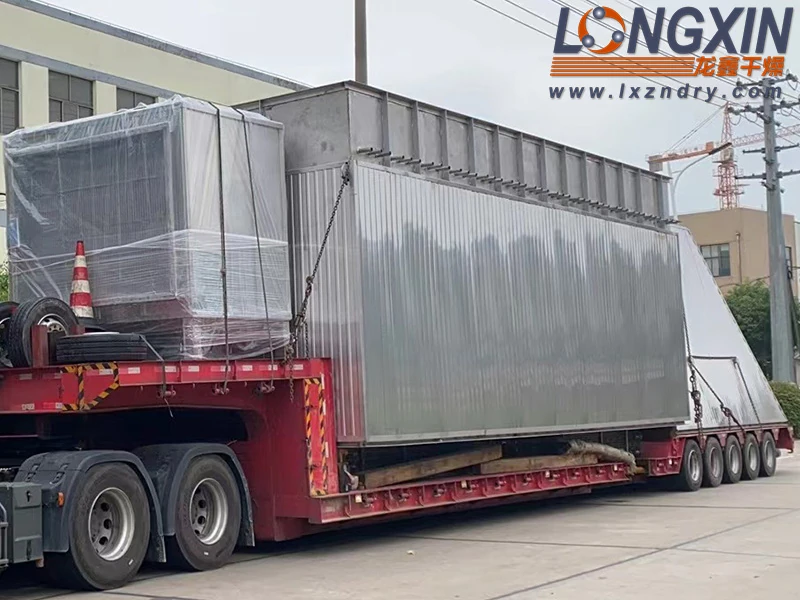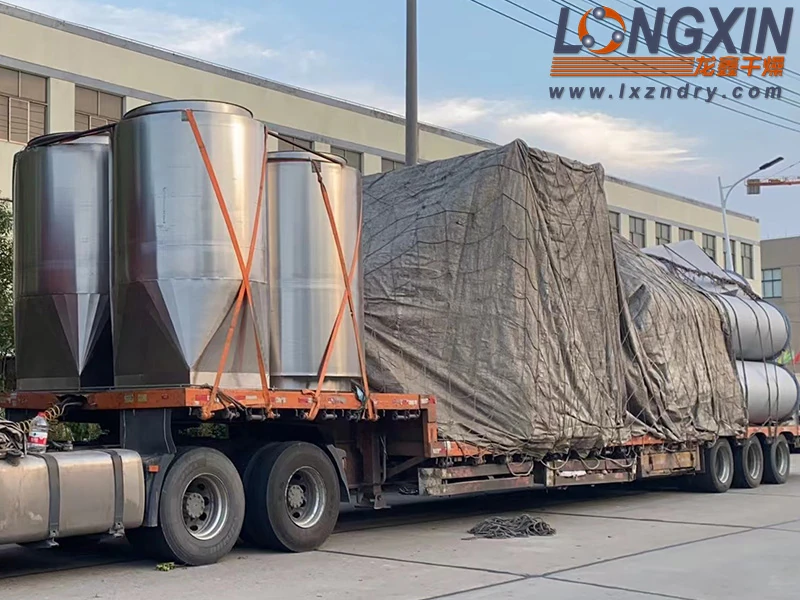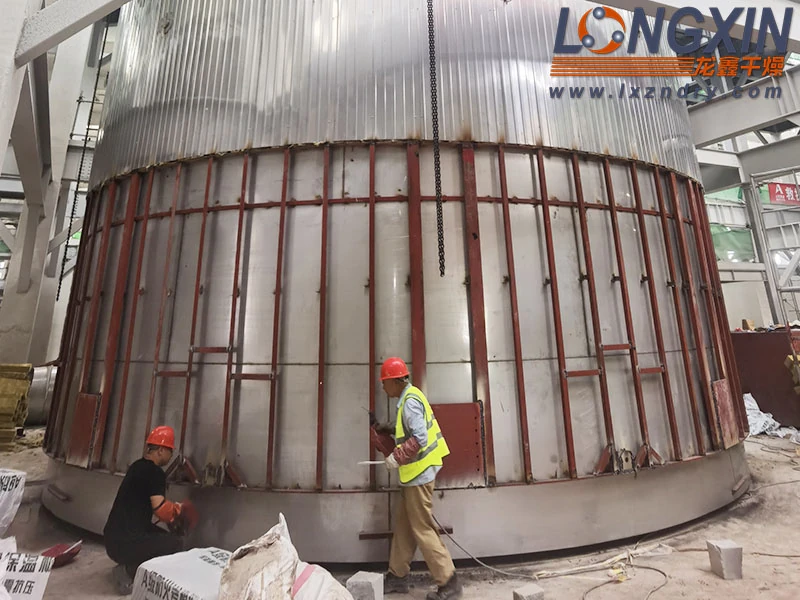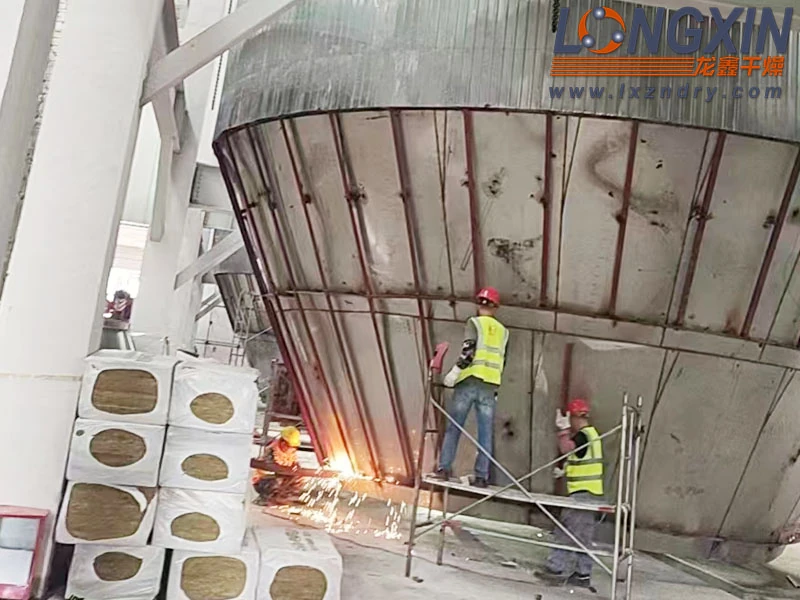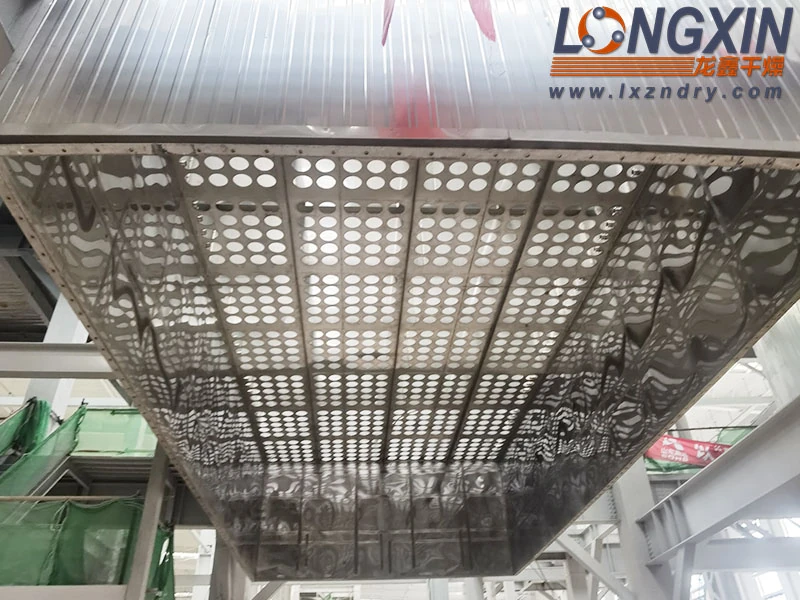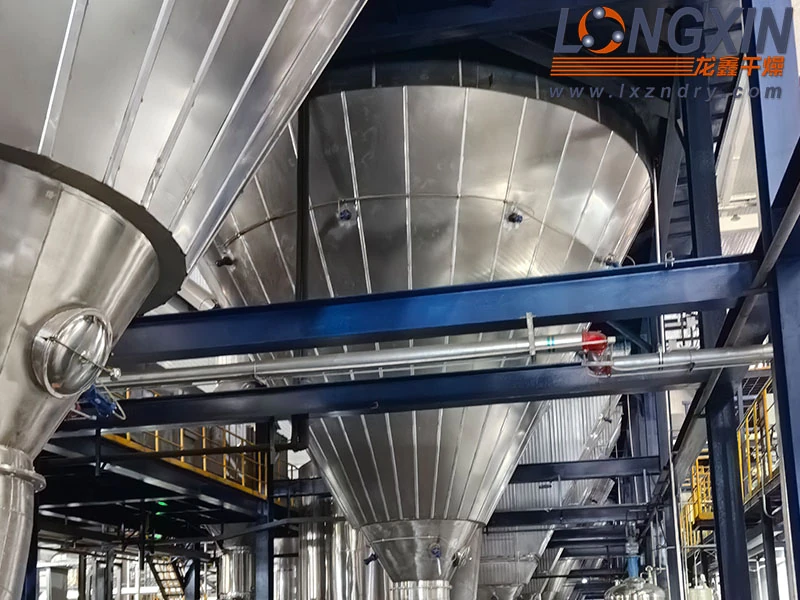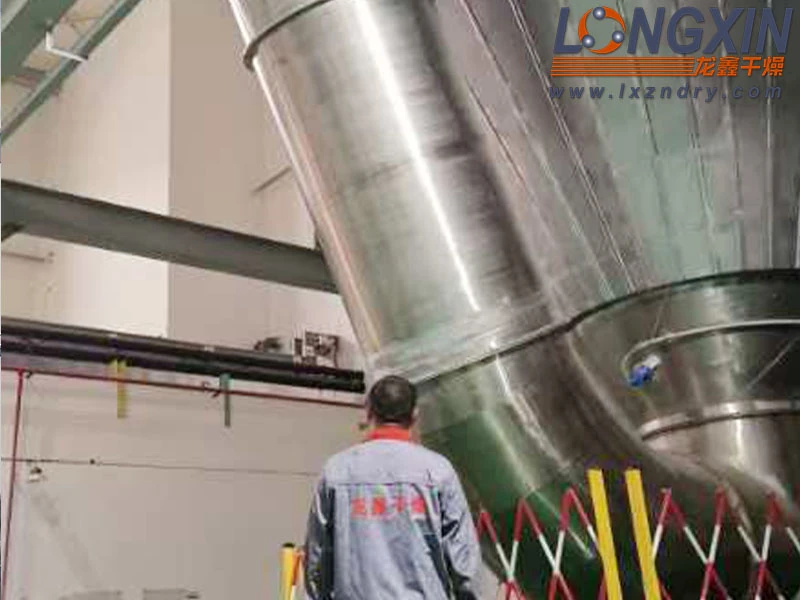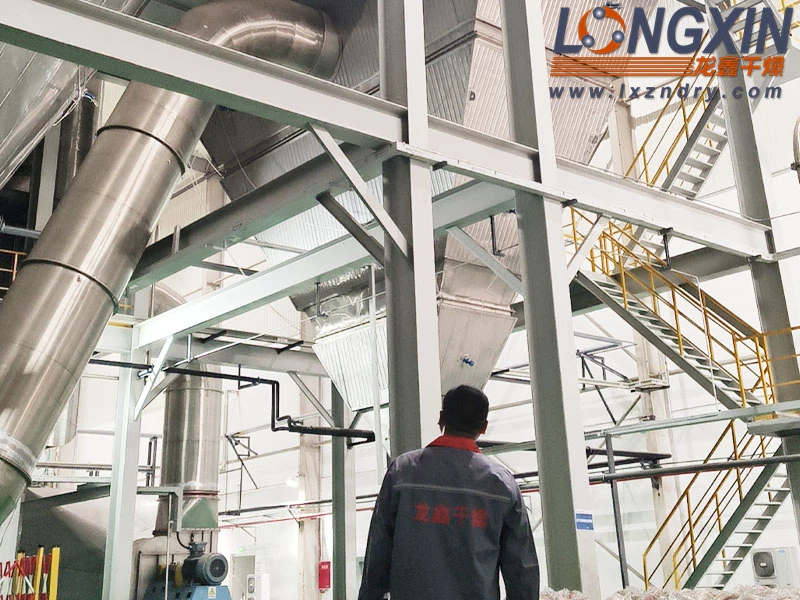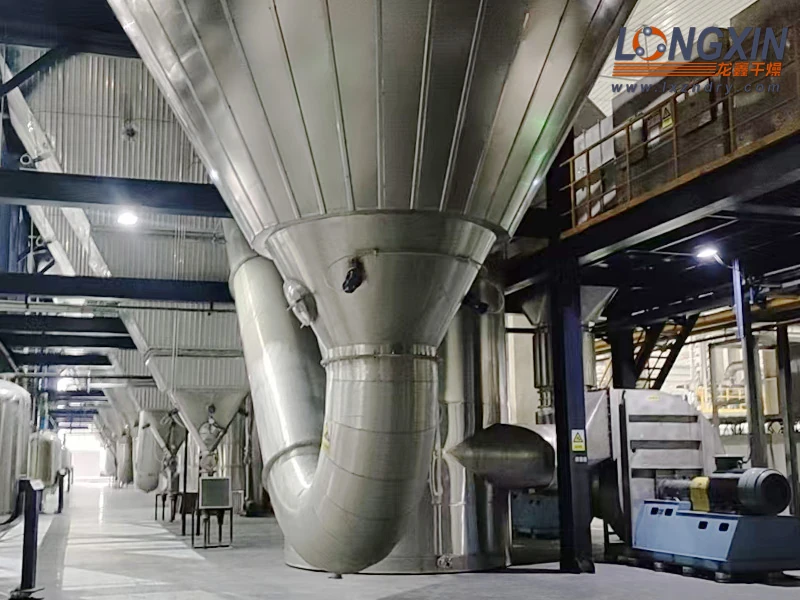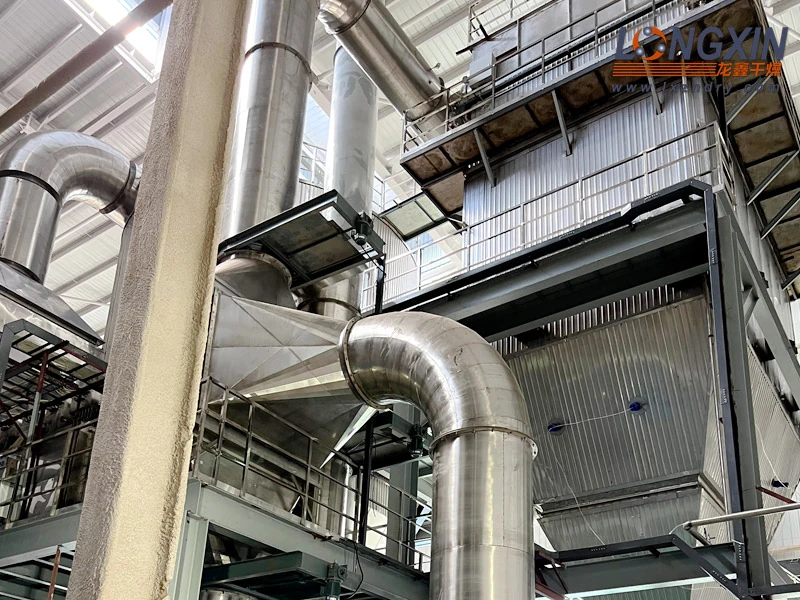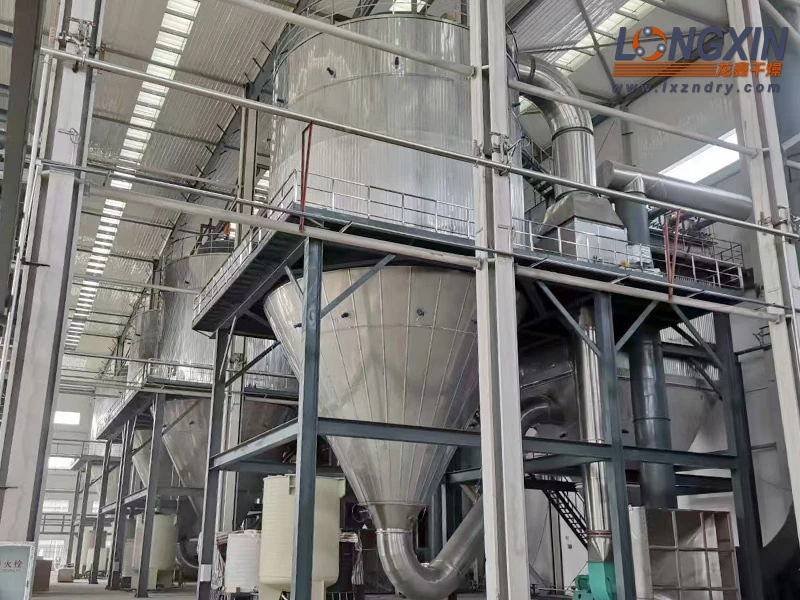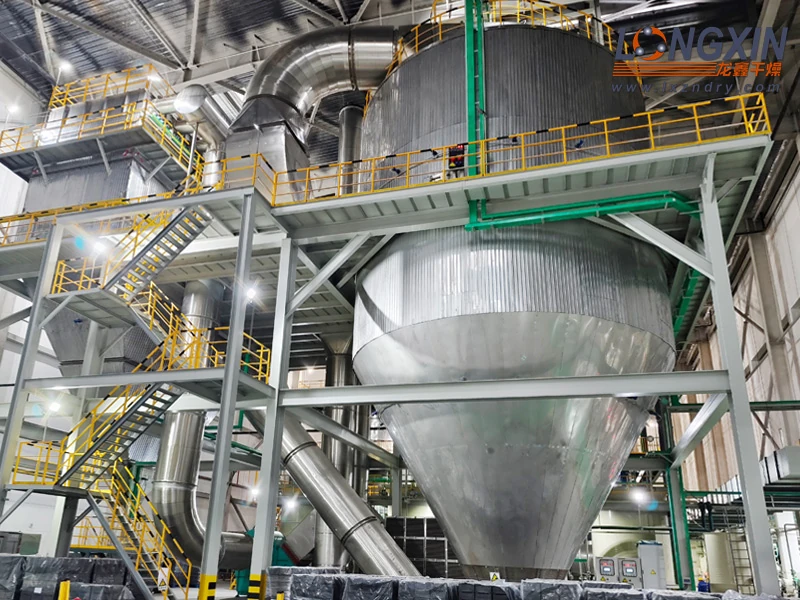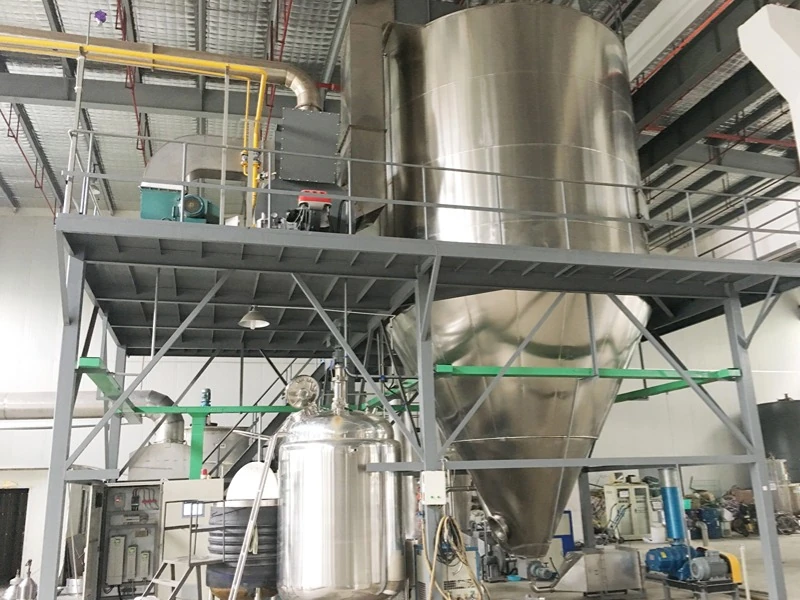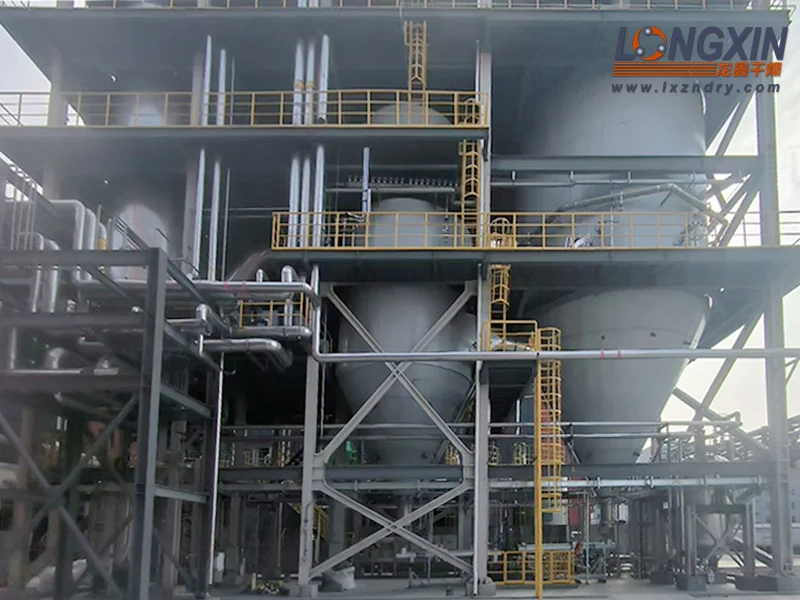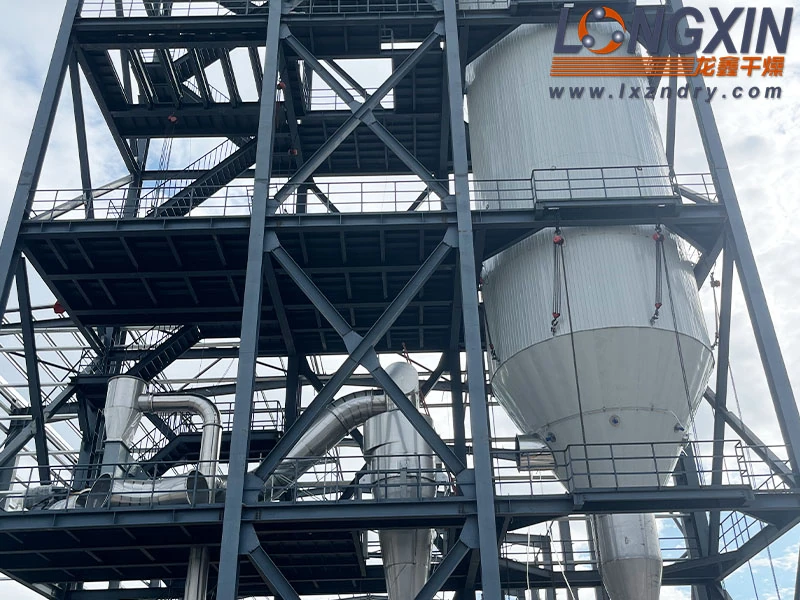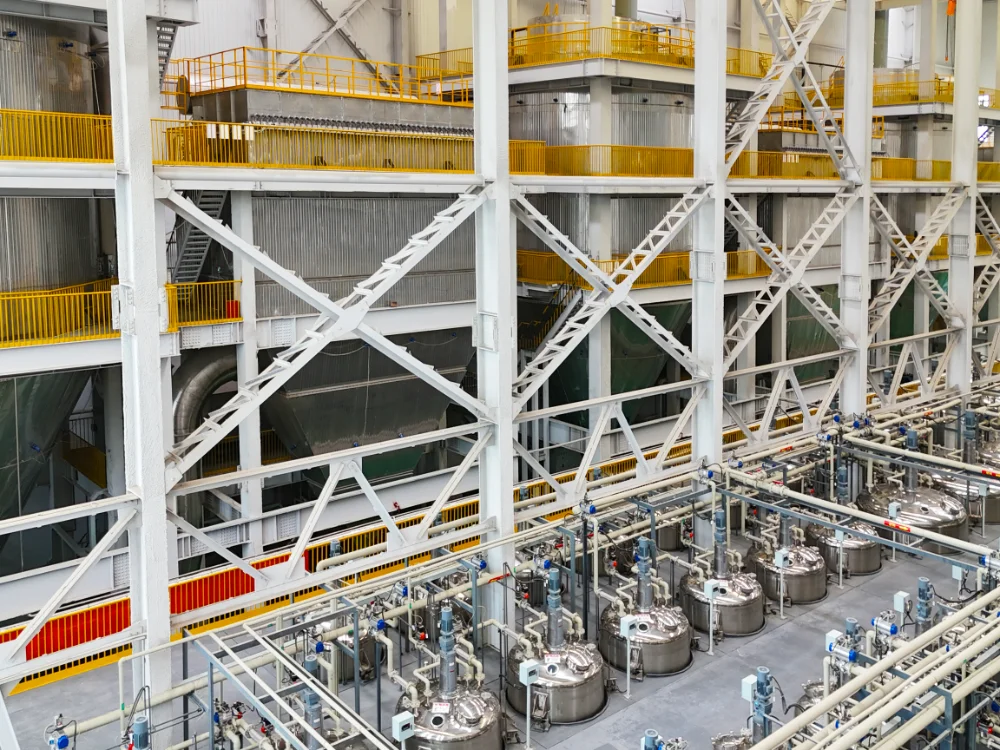
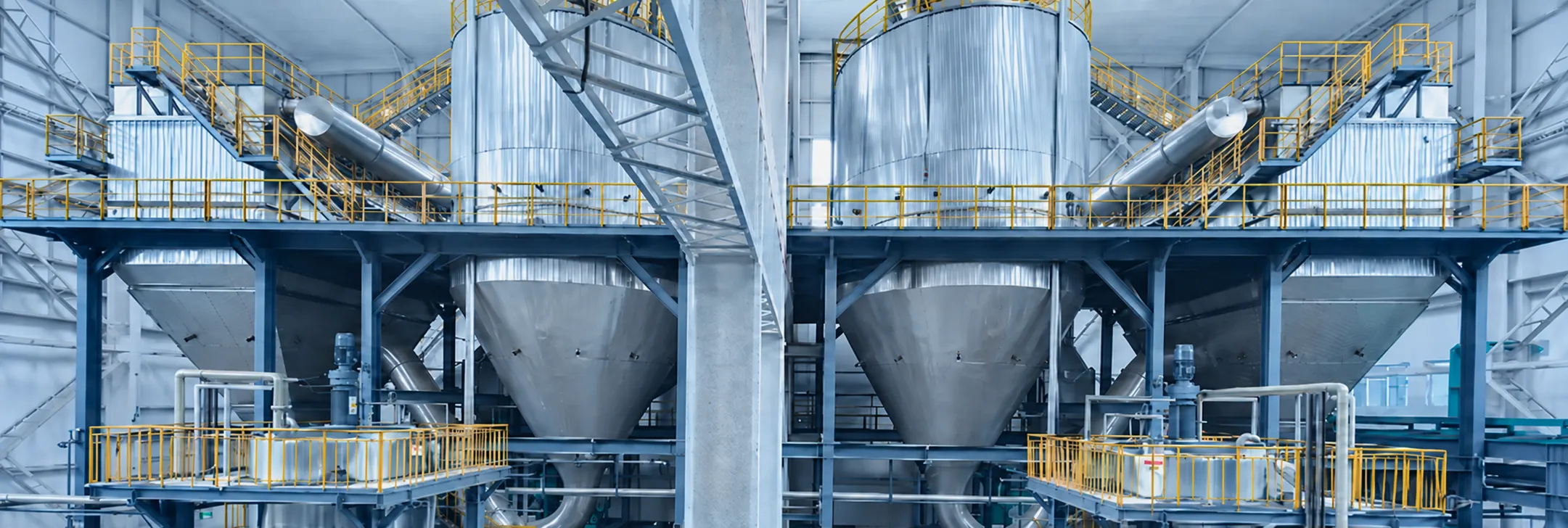
Jiangsu Longxin has conducted in-depth research into the material characteristics of lithium iron phosphate (LFP) and independently developed a new-generation ultrafine powder spray dryer specifically designed for LFP processing.
The technology is supported by proprietary patents, including ZL 2021 2 2093525.2 – Vortex-Type Liquid Distributor and ZL 2023 2 1168225.9 – Multi-Purpose Spray Dryer for Ultrafine Powder Preparation.
The system is engineered to meet the stringent requirements of LFP materials for particle size distribution, sphericity, and particle morphology. By addressing several limitations commonly encountered with conventional spray drying systems, the equipment enables precise control of product particle size.
Two typical particle size specifications can be achieved:
D50: 20–30 μm and D50: 5–10 μm.
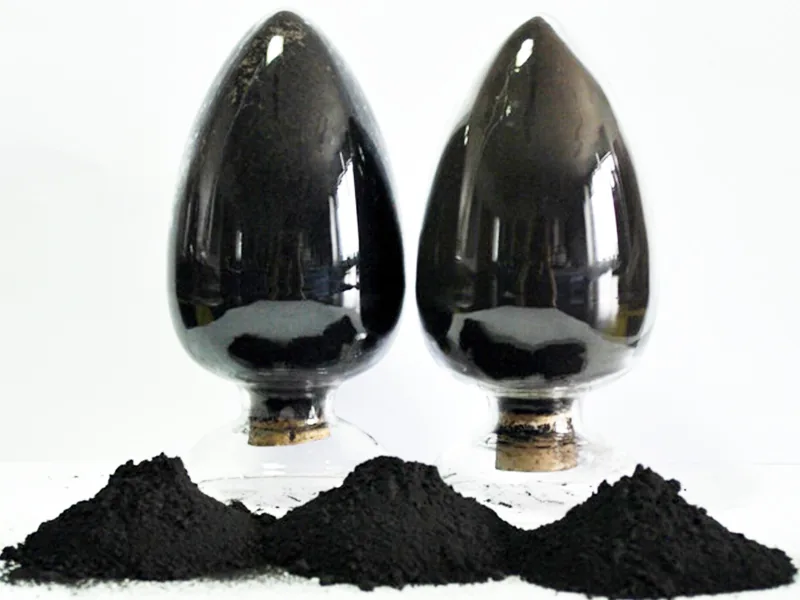
The resulting powder features high particle sphericity and a dense, solid spherical structure, helping to provide consistent powder characteristics for downstream lithium iron phosphate production.
The new-generation spray drying system has also been continuously improved in terms of energy utilization efficiency, drying performance, process control, and automation. These improvements enable the equipment to better meet the increasingly demanding production requirements of lithium iron phosphate battery materials and support the growing demand for high-performance LFP manufacturing equipment.
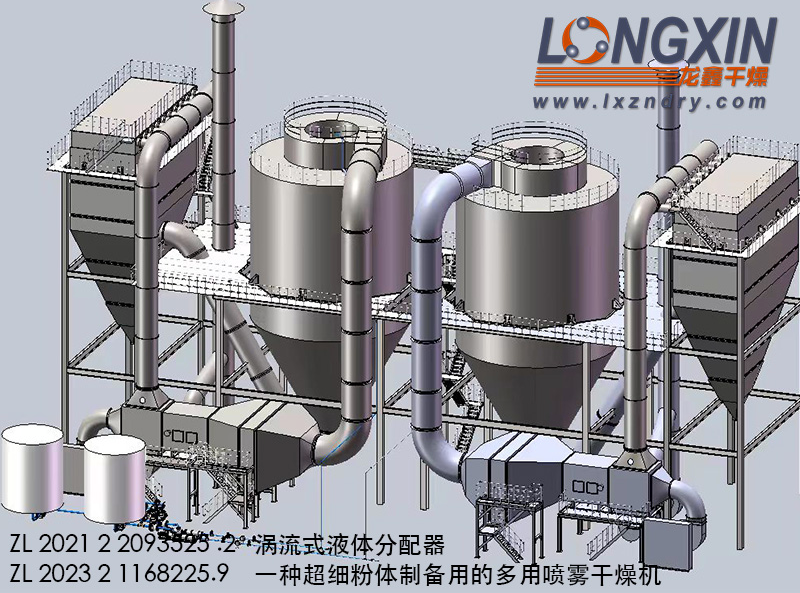
Working Principle of Ultrafine Lithium Iron Phosphate (LFP) Spray Dryer
1. Feed Atomization
The lithium iron phosphate slurry is delivered through the feeding system, typically by a feed pump, to the high-speed centrifugal atomizer installed at the top of the drying chamber.
The centrifugal atomizer operates at very high rotational speeds, generally reaching tens of thousands of revolutions per minute. Under centrifugal force, the slurry is discharged from the edge of the atomizing disc and rapidly stretched, dispersed, and broken into extremely fine droplets. This significantly increases the specific surface area of the feed material and creates favorable conditions for rapid drying.
2. Hot Air Supply and Contact
The process air first passes through a filtration system to remove dust and other impurities, helping maintain a clean drying environment. The filtered air is then heated to the required process temperature.
The heated air enters the drying chamber uniformly through the hot-air distributor at the top of the dryer, forming a controlled spiral airflow. The hot air comes into co-current contact with the atomized LFP slurry droplets. The inlet air temperature is typically adjustable within a range of approximately 130–300°C, depending on the feed properties and specific drying requirements.
3. Moisture Evaporation and Drying
Once the fine droplets come into contact with the hot air, their large surface area enables rapid heat and mass transfer. Moisture within the droplets evaporates quickly and is carried away by the drying air.
Within only a few seconds, most of the moisture is removed, and the droplets gradually dry and solidify into fine lithium iron phosphate precursor powder particles.
4. Product Collection
The dried LFP particles move downward with the airflow and are conveyed from the bottom of the drying chamber to the bag filter collection system.
Inside the bag filter, solid powder particles are separated from the exhaust air through high-efficiency filtration. The collected lithium iron phosphate powder is discharged as the final product, while the cleaned exhaust air is discharged from the spray drying system through the induced-draft fan.
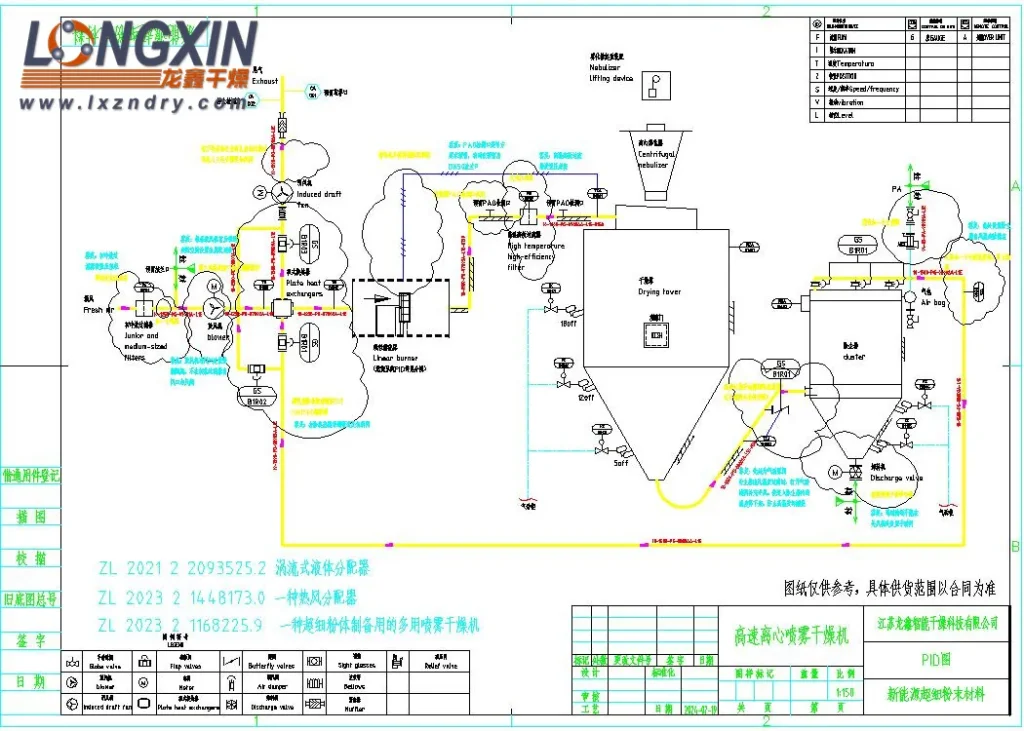
Technical Advantages of the Ultrafine Lithium Iron Phosphate (LFP) Spray Dryer
1. High Drying Efficiency
Rapid Atomization
The ultra-high-speed centrifugal atomizer rapidly converts the lithium iron phosphate slurry into extremely fine droplets, greatly increasing the specific surface area of the feed and significantly enlarging the contact area between the droplets and hot air. As a result, moisture can evaporate very quickly. For liquid feeds with a moisture content of approximately 60–80%, drying can typically be completed within only a few seconds, directly producing powder or granular products without the need for secondary drying, thereby improving overall production efficiency.
Uniform Drying
Hot air enters the drying chamber uniformly in a controlled spiral flow and comes into co-current contact with the atomized droplets. This ensures efficient and uniform heat transfer for each droplet, reducing the risk of localized under-drying or over-drying and helping maintain consistent product quality.
2. High Product Quality
High Product Purity
The drying process is carried out in a closed system, minimizing contact between the material and the external environment and reducing the risk of contamination. For applications requiring stricter atmosphere control, the system can also be configured with a closed-loop nitrogen circulation system. This is particularly important for lithium iron phosphate cathode materials, where product purity and process consistency are critical to downstream battery performance and manufacturing reliability.
Uniform Particle Size and Dense Particle Structure
Ultra-high-speed centrifugal atomization provides a relatively uniform droplet size distribution, helping produce LFP powder with consistent particle size, good flowability, and good dispersibility. Through precise process control, the particles can also be formed with a dense internal structure, which can improve bulk and tap density and support subsequent processing and material handling.
3. Convenient Operation and Process Control
High Degree of Automation
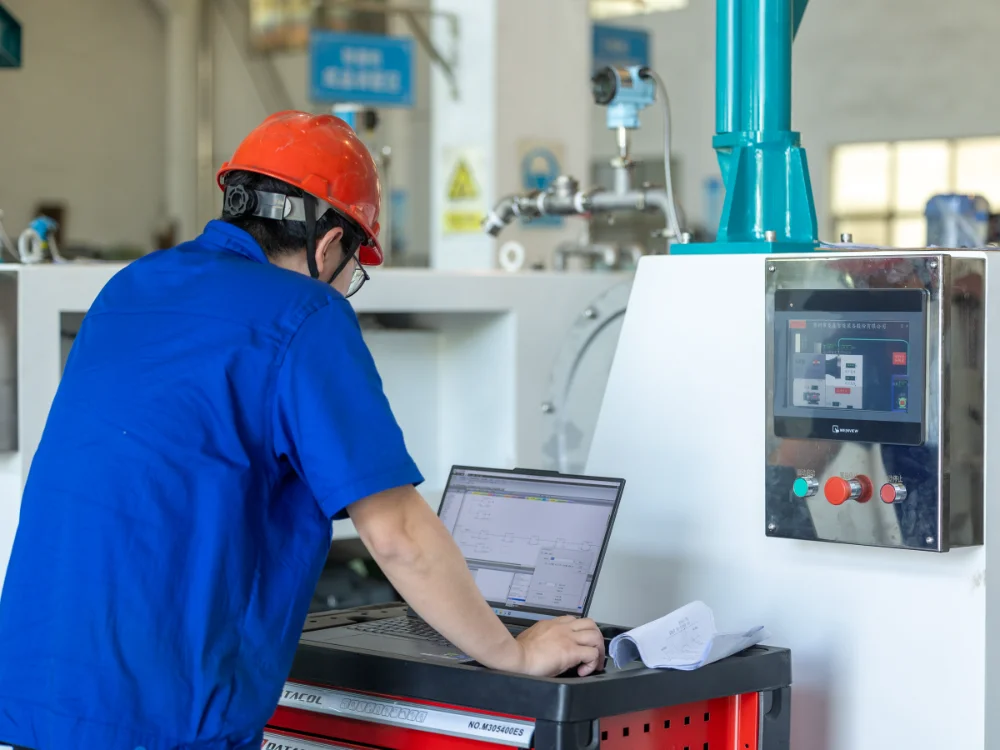
The system is typically equipped with an advanced PLC-based control system. Operators can set key process parameters such as feed rate, atomizer speed, inlet temperature, and exhaust temperature, after which the drying process can be automatically controlled. This reduces operating complexity and manual workload while improving process repeatability.
Flexible Parameter Adjustment
Operating parameters can be adjusted within defined ranges according to different feed properties and production requirements. This allows flexible control of key product characteristics such as particle size, bulk density, and residual moisture content, making the system suitable for different LFP formulations and production targets.
4. Energy Efficiency and Environmental Performance
Waste Heat Recovery
Optional waste heat recovery systems can recover part of the thermal energy from the drying process and reuse it for inlet air preheating or other heating requirements. This helps improve overall energy utilization efficiency and reduce energy consumption.
Efficient Dust Collection
The system can be equipped with high-efficiency dust collection equipment, such as pulse-jet bag filters, to capture fine powder generated during the drying process. This helps reduce dust emissions, maintain a cleaner production environment, and improve material recovery.
Wide Process Applicability
In addition to lithium iron phosphate materials, the spray drying system can be adapted to other battery electrode materials and similar powder-processing applications by adjusting equipment and process parameters. It can also be used to produce powders or granules from solutions, emulsions, suspensions, and paste-like feed materials.
Competitive Strengths of Longxin LFP Spray Drying Systems
Longxin's lithium iron phosphate spray drying systems have gained strong market recognition, supported by their process capability, manufacturing strength, and experience in large-scale industrial drying projects.
1. Technical Advantages
Precise Particle Size Control
Longxin's newly developed ultrafine LFP spray drying system provides enhanced particle size control and can produce two typical particle size ranges: D50 20–30 μm and D50 5–10 μm. By comparison, conventional spray drying systems used in similar applications commonly produce particles in the range of approximately D50 30–50 μm. Finer and more controllable particle size distribution allows manufacturers to better match different downstream LFP process requirements.
High Particle Sphericity
The system is designed to produce highly spherical, dense solid particles. Compared with the more irregular or hollow spherical particles that may occur in conventional spray drying, improved particle morphology can contribute to better powder flowability, packing characteristics, and process consistency in downstream battery material production.
Large-Scale Processing Capacity
Longxin spray drying systems can be configured for evaporation capacities ranging from approximately 25 to 8,000 kg/h, compared with the approximately 100–1,000 kg/h range commonly associated with conventional smaller-scale systems. This allows the equipment to support pilot production as well as large-scale industrial LFP manufacturing.
2. Manufacturing Capability and Qualifications
Strong Integrated Engineering Capability
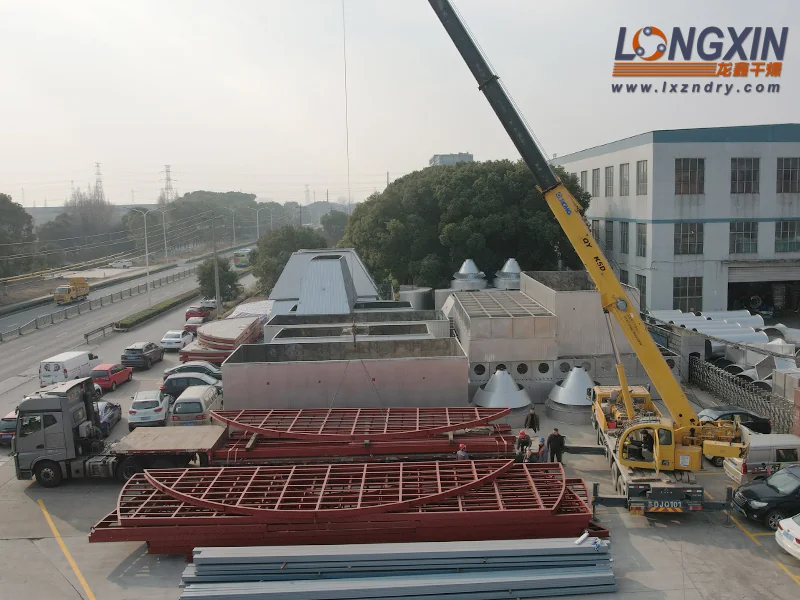
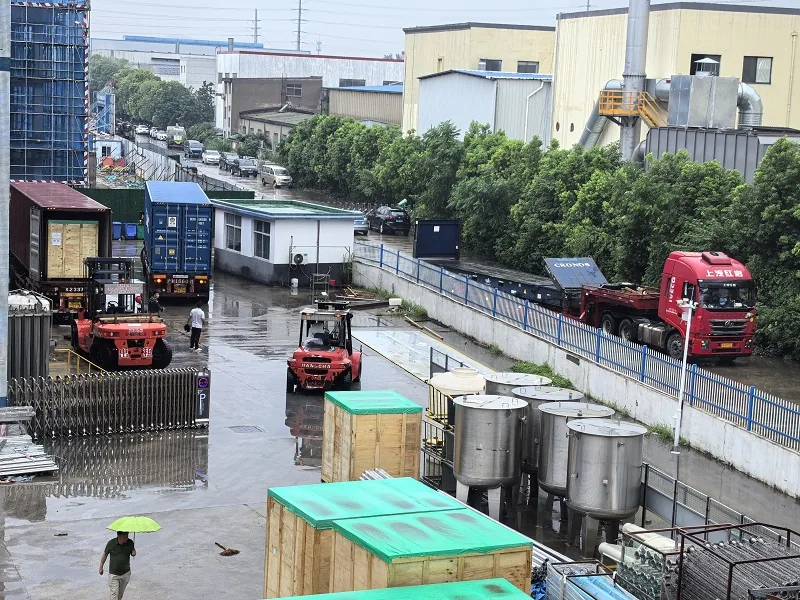
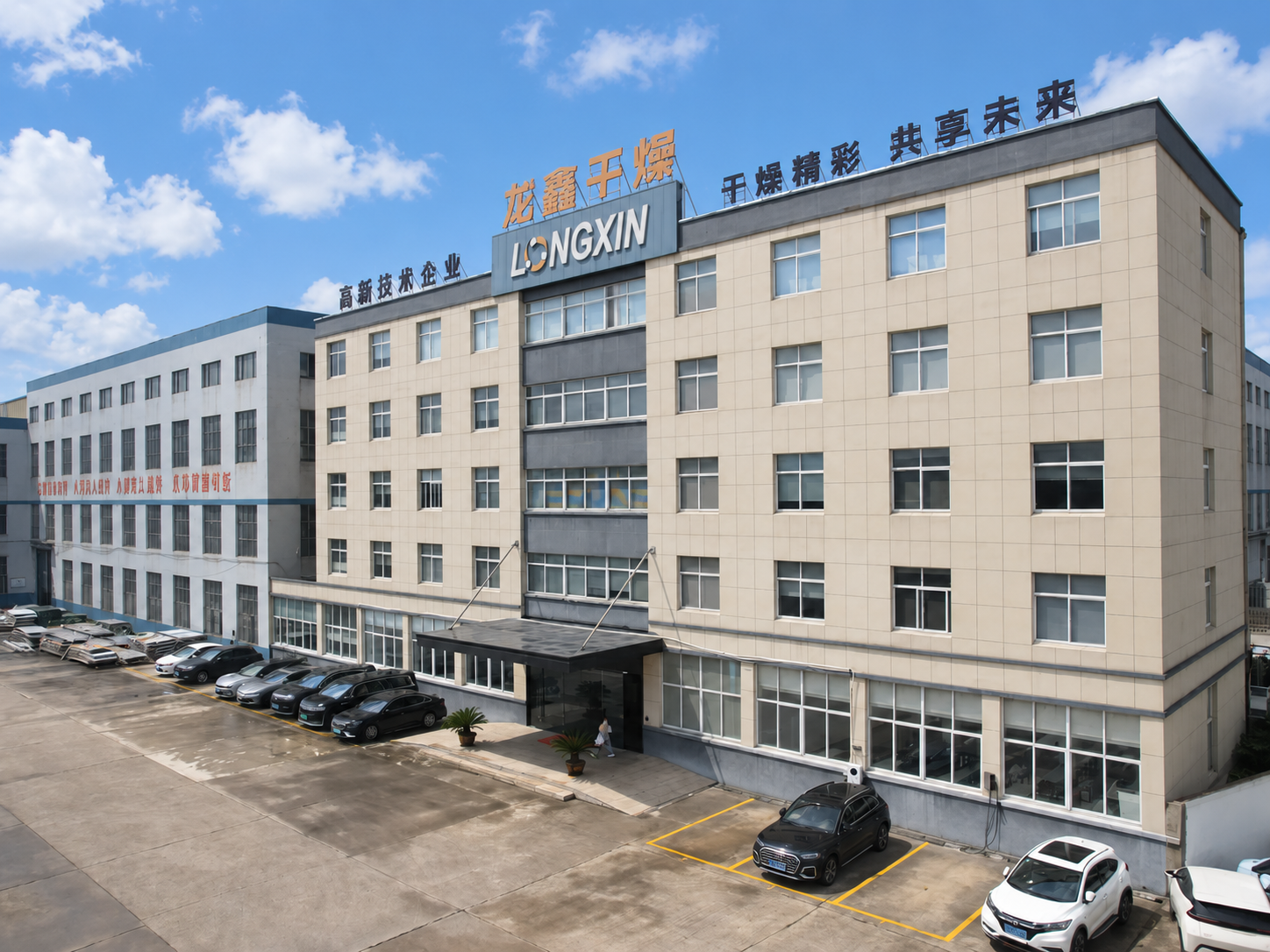
Longxin specializes in medium- and large-scale industrial drying projects and provides integrated services covering process design, equipment engineering, manufacturing, sales, service, and industrial thermal engineering. The company operates a modern machining and manufacturing facility of approximately 20,000 m², providing the production capability required for large-scale equipment and engineering projects.
Comprehensive Certifications and Qualifications
Longxin Group is recognized as a National High-Tech Enterprise and has obtained certifications including CE certification, ISO 9001:2015 Quality Management System certification, Occupational Health and Safety Management System certification, and Environmental Management System certification. These qualifications support standardized equipment manufacturing, quality control, and project execution.
Experienced Engineering Team
The company has an experienced technical team specializing in mechanical transmission, drying technology, process solution development, equipment structural design, manufacturing process engineering, electrical automation, production management, and customer service. This enables Longxin to provide customers with comprehensive technical support throughout equipment selection, engineering, installation, commissioning, and after-sales service.
3. Market Demand and Industry Development
Growing Demand from the LFP Industry
The continued expansion of electric vehicles and energy storage systems is driving demand for lithium-ion batteries and, consequently, lithium iron phosphate cathode materials. This creates increasing demand for high-capacity, controllable, and energy-efficient spray drying systems designed for LFP production.
Industry Experience and Customer Cooperation
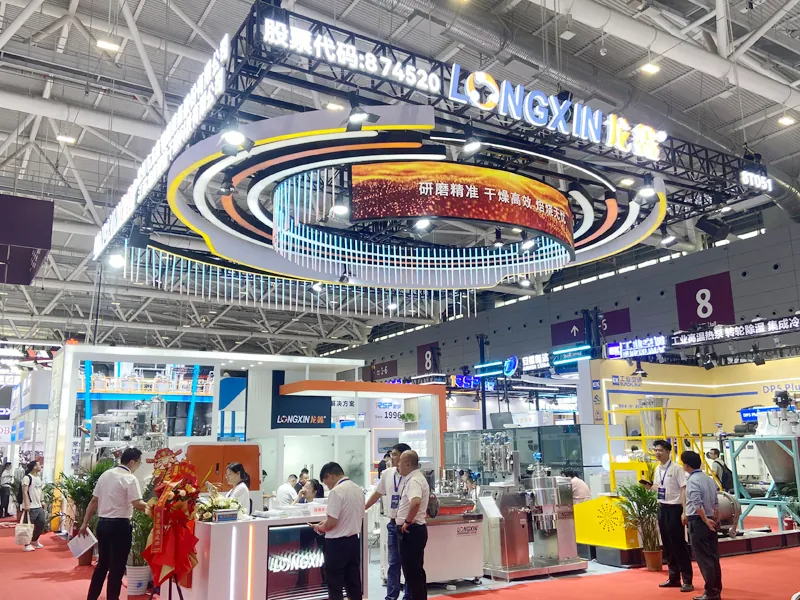
With extensive experience in drying system engineering and industrial project implementation, Longxin has established long-term cooperation with customers across multiple industries. Proven project experience, stable equipment performance, and ongoing technical support have contributed to the company's recognition in the industrial drying equipment market.
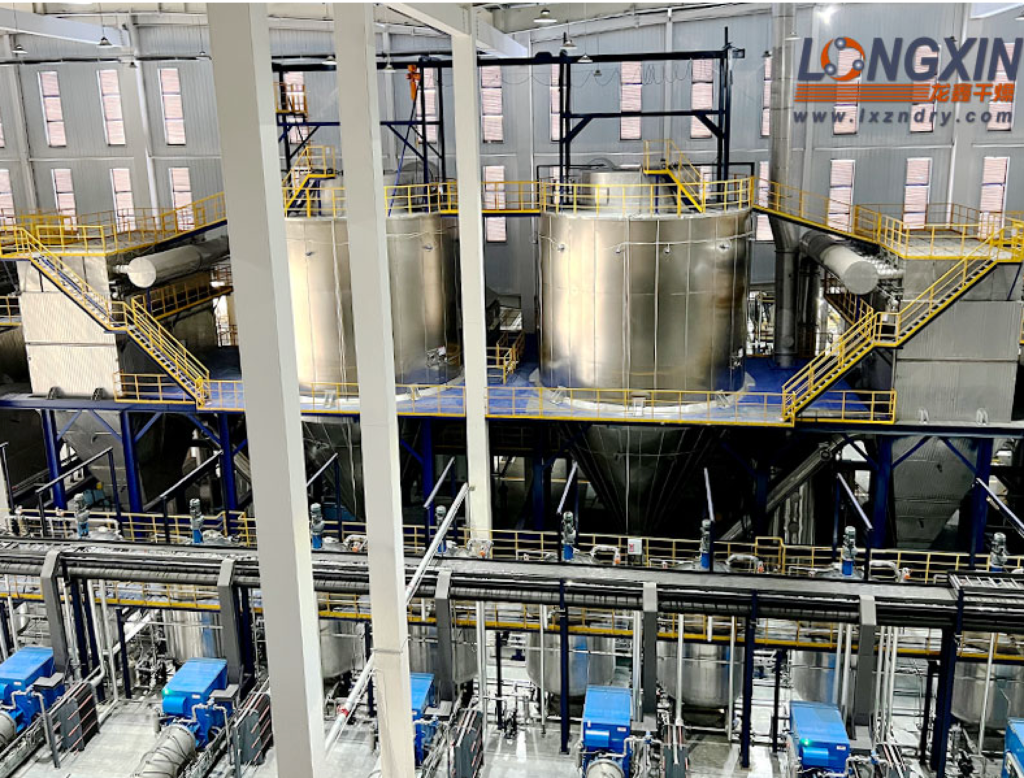
Jiangsu Longxin is committed to advancing technological innovation in drying equipment, industrial thermal systems, and intelligent equipment, and deeply values the trust placed in us by our customers.
Intellectual property is a vital foundation shared by both Longxin and our customers. At Longxin Group, we regard integrity, professionalism, and respect for intellectual property rights as fundamental principles of our business. We maintain a zero-tolerance policy toward infringement and take a firm stance against any unauthorized use, misappropriation, or violation of intellectual property rights.
Protecting intellectual property is not only a responsibility and obligation of Jiangsu Longxin, but also a long-term commitment to our customers and partners. We are determined to honor the trust of our customers through responsible business practices and to prevent any form of intellectual property infringement throughout our operations.