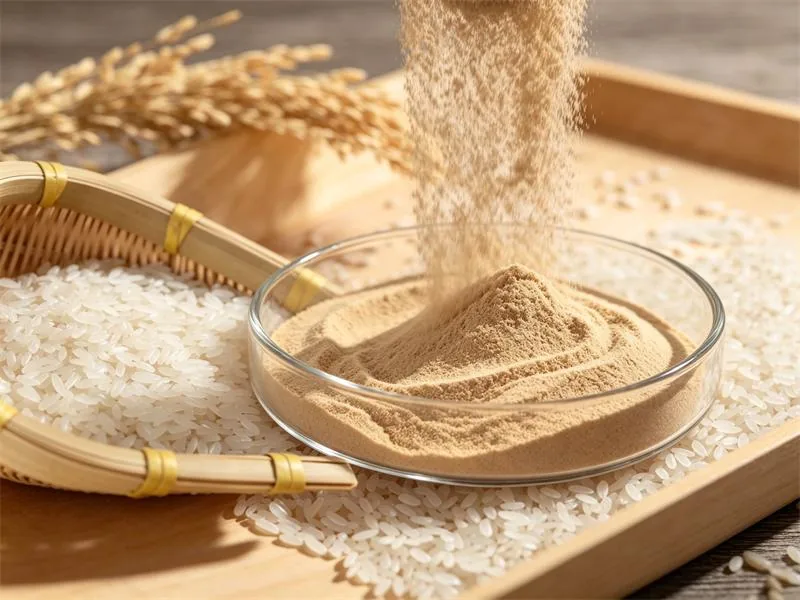
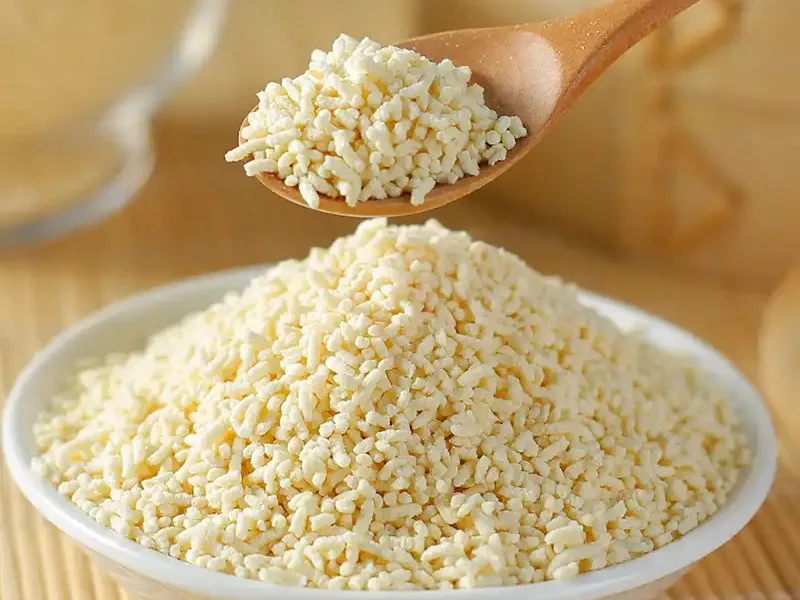
Chicken essence is a compound seasoning typically formulated from monosodium glutamate, chicken powder, chicken bone powder, salt, sugar, starch, nucleotide seasonings and other ingredients. To achieve consistent taste, flowability and particle quality, its production requires coordinated control of mixing, granulation, drying, screening and cooling.
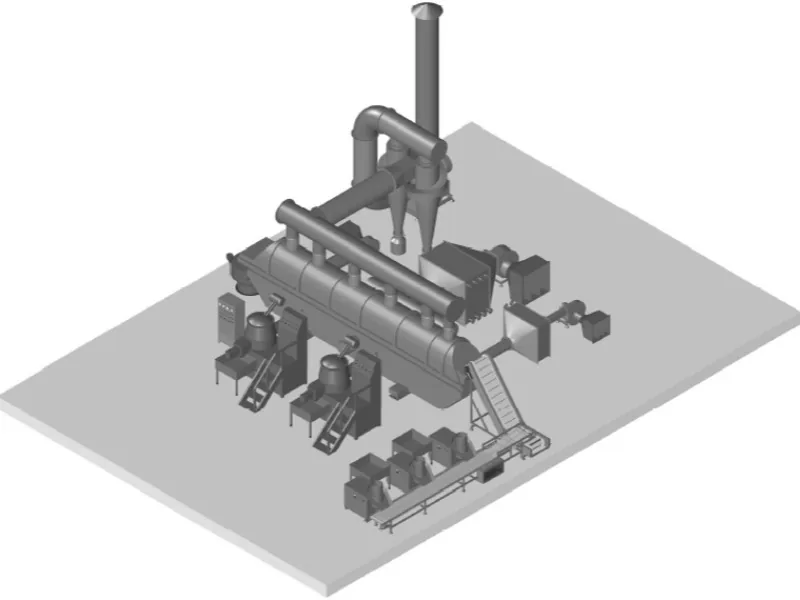
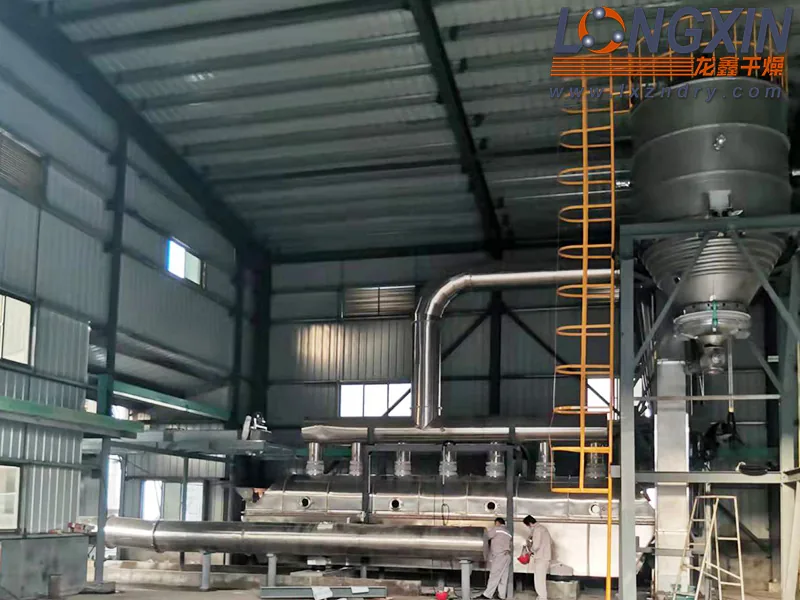
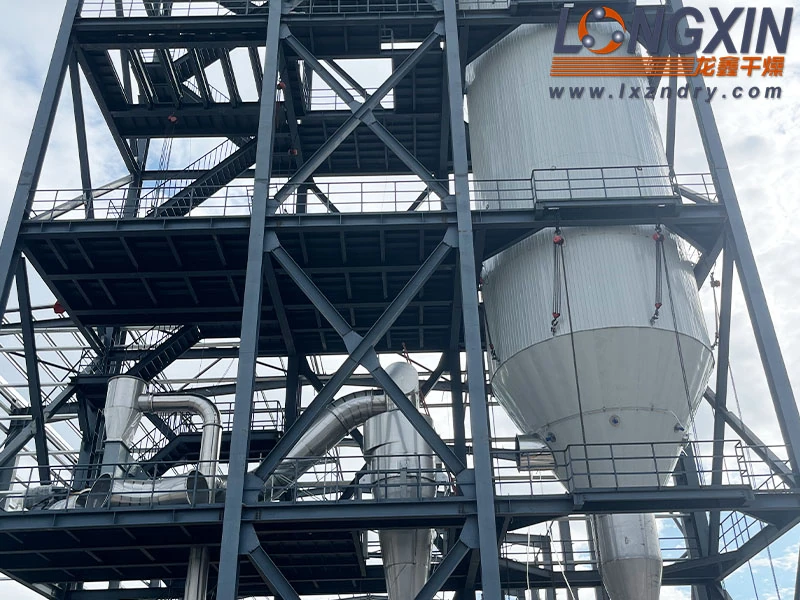
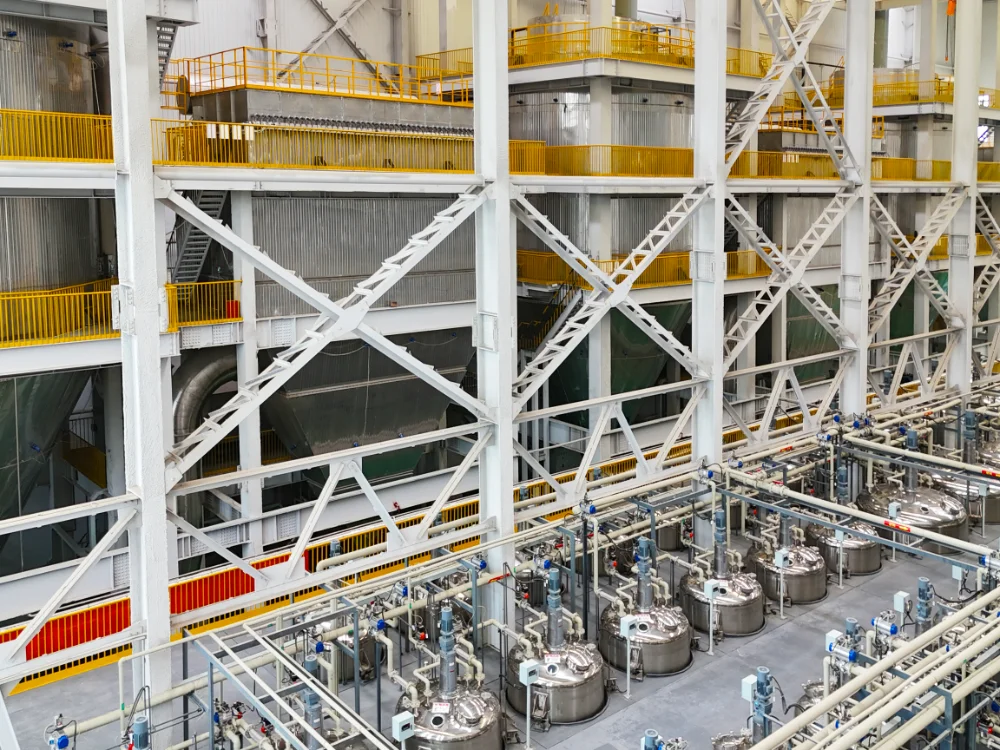
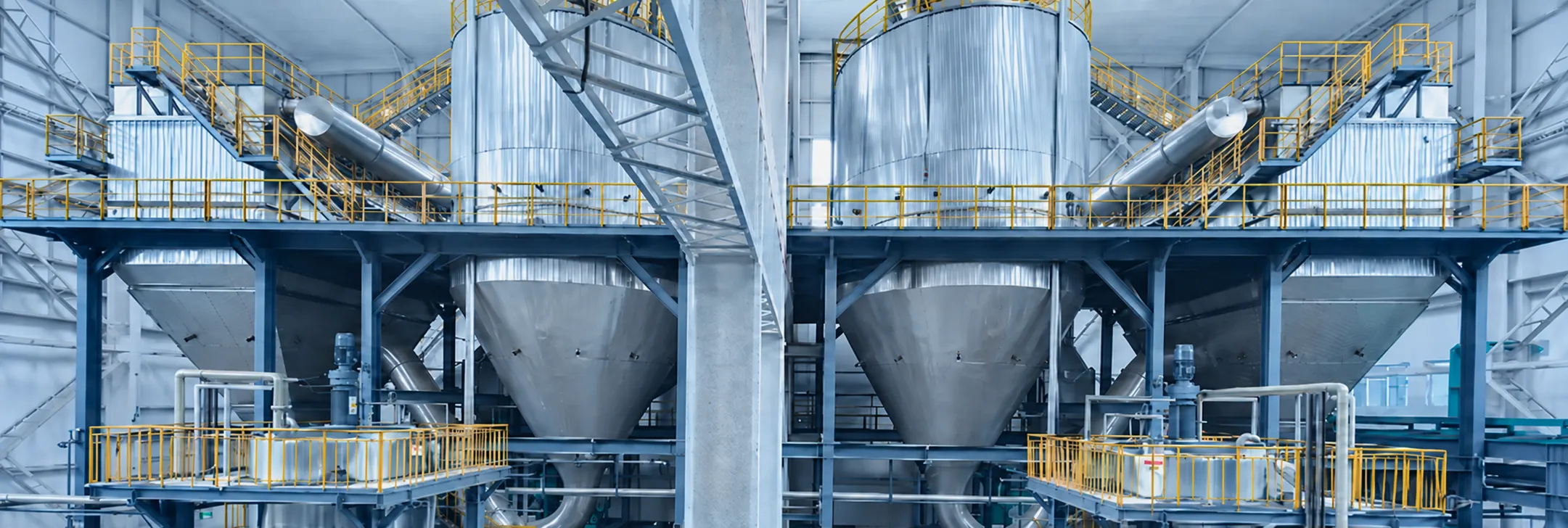
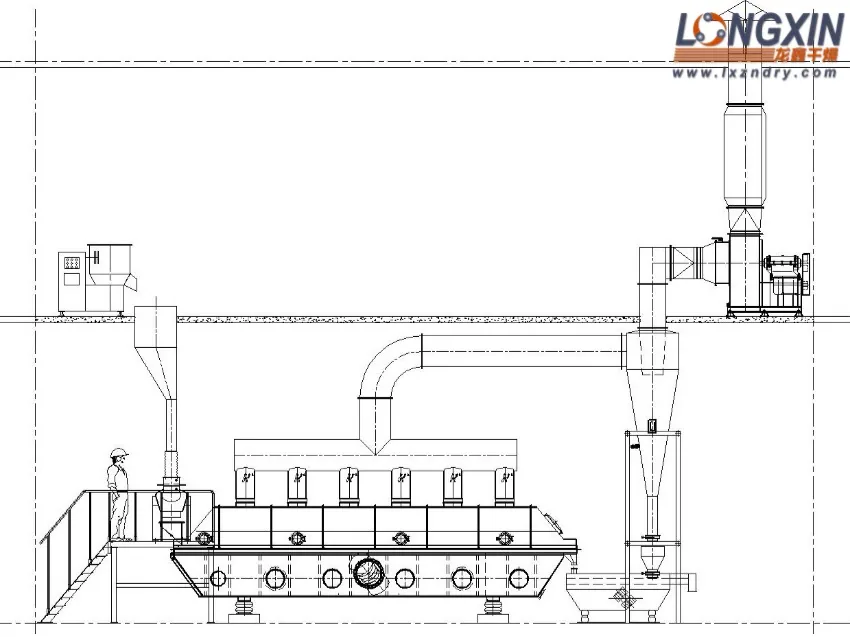
Longxin integrates these operations into a complete chicken essence granulation and drying line, reducing unnecessary material transfer between separate machines and improving process continuity. The line can be configured according to recipe, target particle size, moisture requirement and planned capacity.
Typical Process Flow
1. Raw Material Preparation
Raw materials are inspected and prepared before batching. Ingredients with oversized particles may be milled, while materials with excessive moisture can be pre-conditioned where required. Stable raw-material properties help improve subsequent mixing and granulation consistency.
2. Batching and Mixing
Ingredients are weighed according to the formulation and transferred to the mixer. Depending on the recipe and capacity, equipment such as conical screw mixers or ploughshare mixers can be used to achieve uniform distribution of flavoring and functional ingredients.
3. Granulation
The blended material is formed into granules using suitable granulation equipment. Binder may be added when required by the formulation. Granulation pressure, speed and screen size are selected according to the required particle structure and size.
For reference, the supplied process description indicates a typical chicken essence particle size of approximately 0.5–2 mm. Final values should be determined through product trials and customer specifications.
4. Fluid Bed Drying
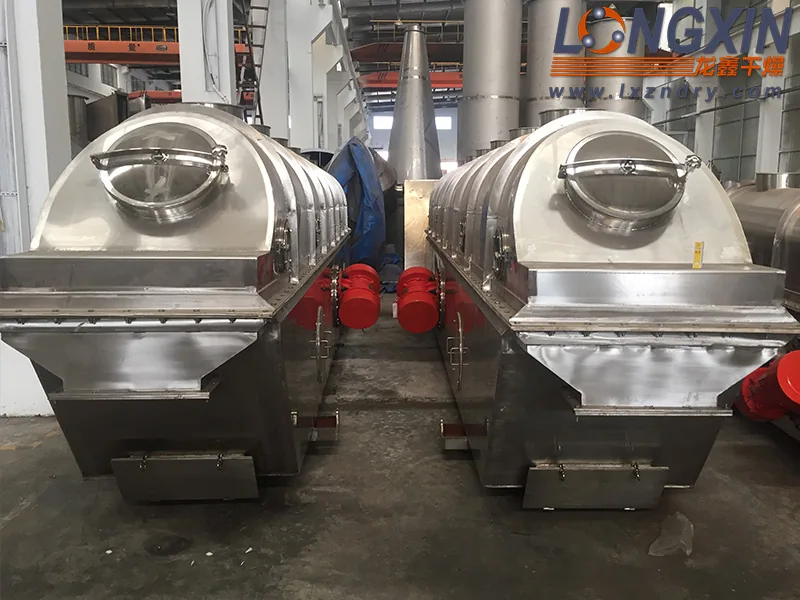
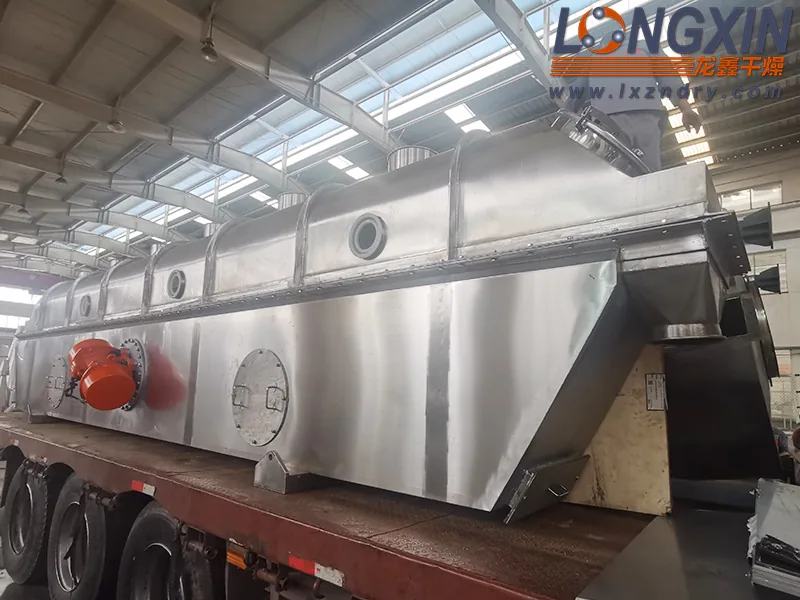
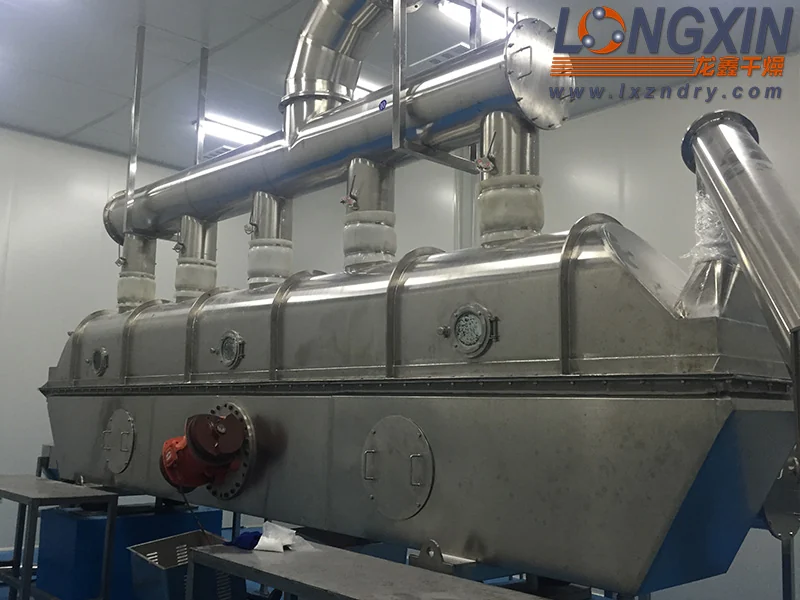
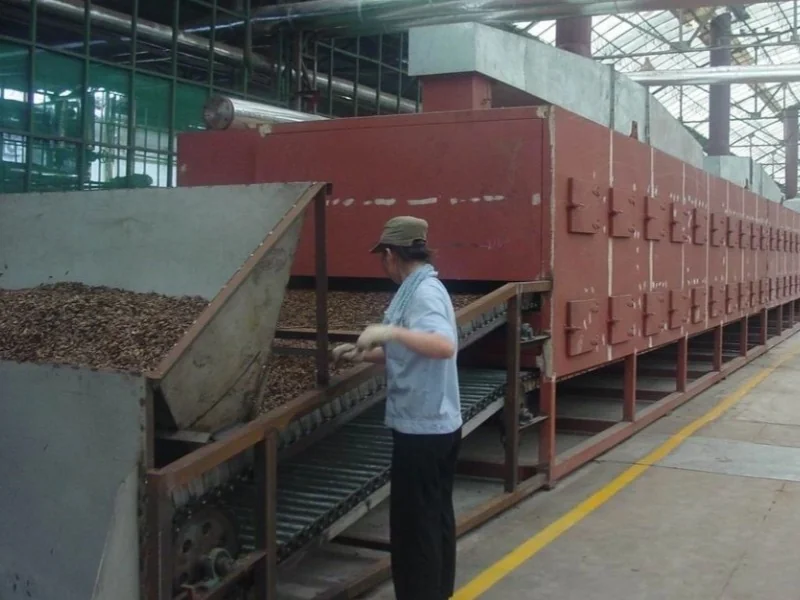
Wet granules are transferred to the drying section. Fluid-bed drying provides intensive contact between process air and the granules, enabling controlled moisture removal while maintaining relatively uniform treatment across the product bed.
The supplied process description uses 60–80°C as a typical drying-temperature range and approximately 3–5% as a reference final moisture range. Actual settings depend on formulation, heat sensitivity, particle size and production target.
5. Screening and Size Adjustment
Dried granules are screened to separate the target fraction from oversized and undersized particles. Off-size material can be reworked according to the customer's process design, helping maintain a more consistent finished-product particle distribution.
6. Cooling and Packaging Transfer
After drying and screening, the product is cooled before packaging. Cooling stabilizes the granules and helps reduce the risk of condensation or caking during subsequent storage and packing.
Key System Advantages
- Integrated process flow: mixing, granulation, drying, screening and cooling can be engineered as one coordinated line.
- Consistent granule quality: controlled granulation and drying support stable particle size, moisture and flowability.
- Reduced material handling: fewer transfer steps help reduce product loss and cross-contamination risk.
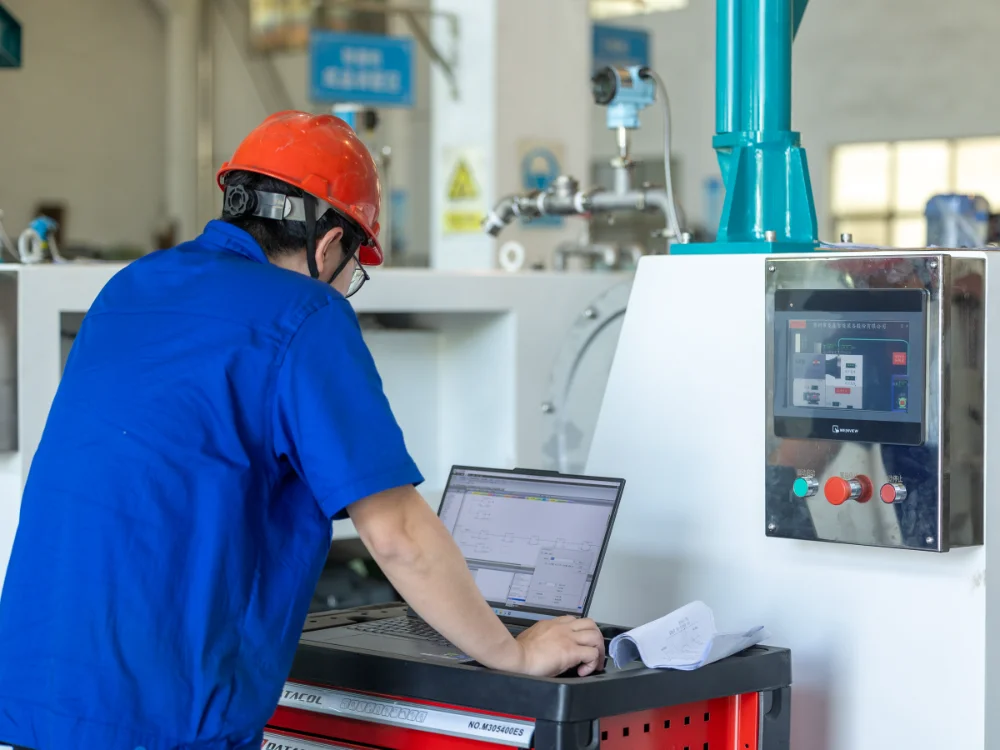
- Automated control: key parameters such as temperature, airflow, equipment speed and process status can be monitored through the control system.
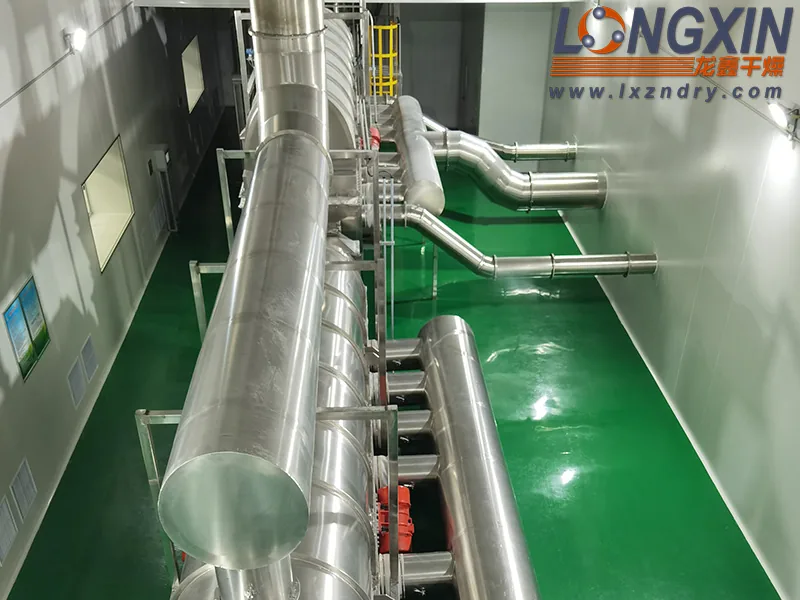
- Hygienic configuration: food-contact construction, enclosed conveying and dust-control measures can be selected according to project requirements.
- Flexible formulation: the line can be adapted for different seasoning recipes, granule sizes and production capacities.
Typical Applications
- Chicken essence granules
- Compound seasoning granules
- Soup and broth seasonings
- Low-salt or customized seasoning formulations
- Other granulated food seasoning products
Engineering Support
Final equipment selection depends on the formulation, bulk density, feed condition, binder system, target particle size, final moisture and required throughput. Longxin can support process testing and line configuration before finalizing the industrial system.