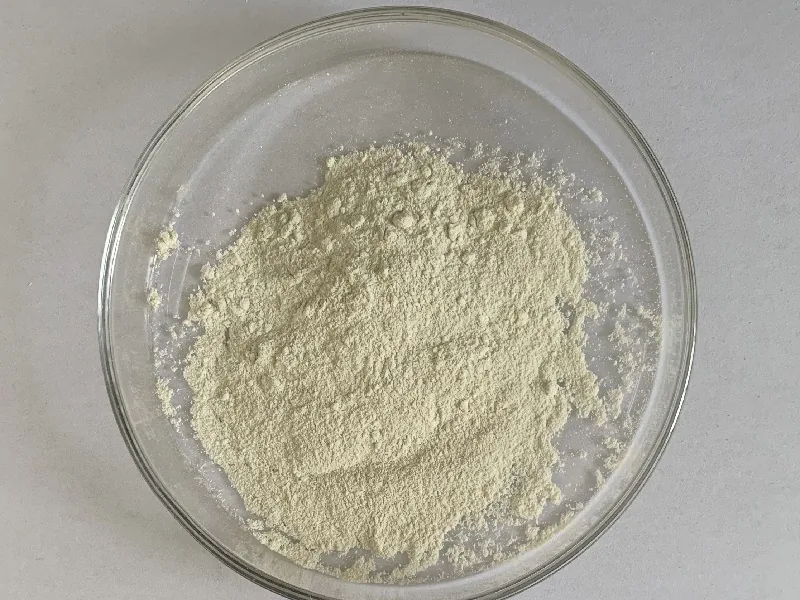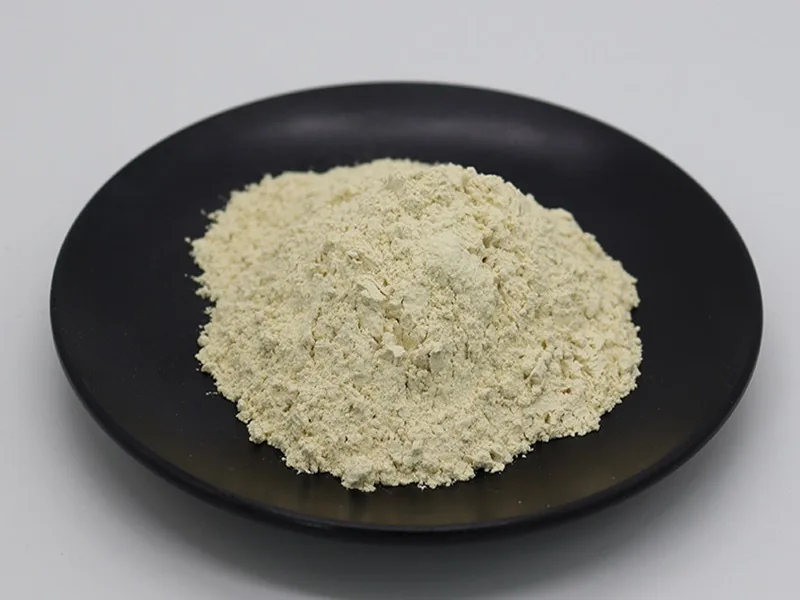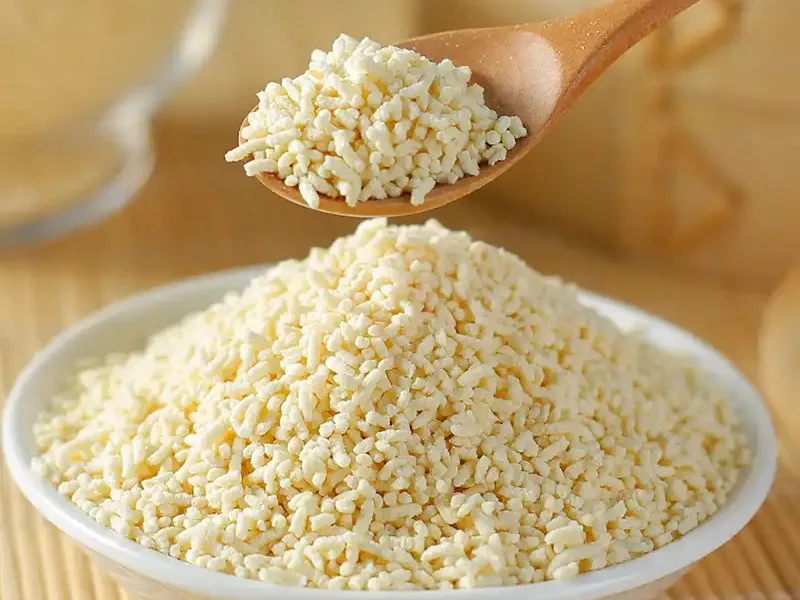
Broken rice is often treated as a low-value by-product, but it can be a useful raw material for rice protein, rice peptide and rice starch production. The commercial value of these products depends heavily on how well the process controls purification, thermal exposure, powder solubility, particle structure and recovery yield.
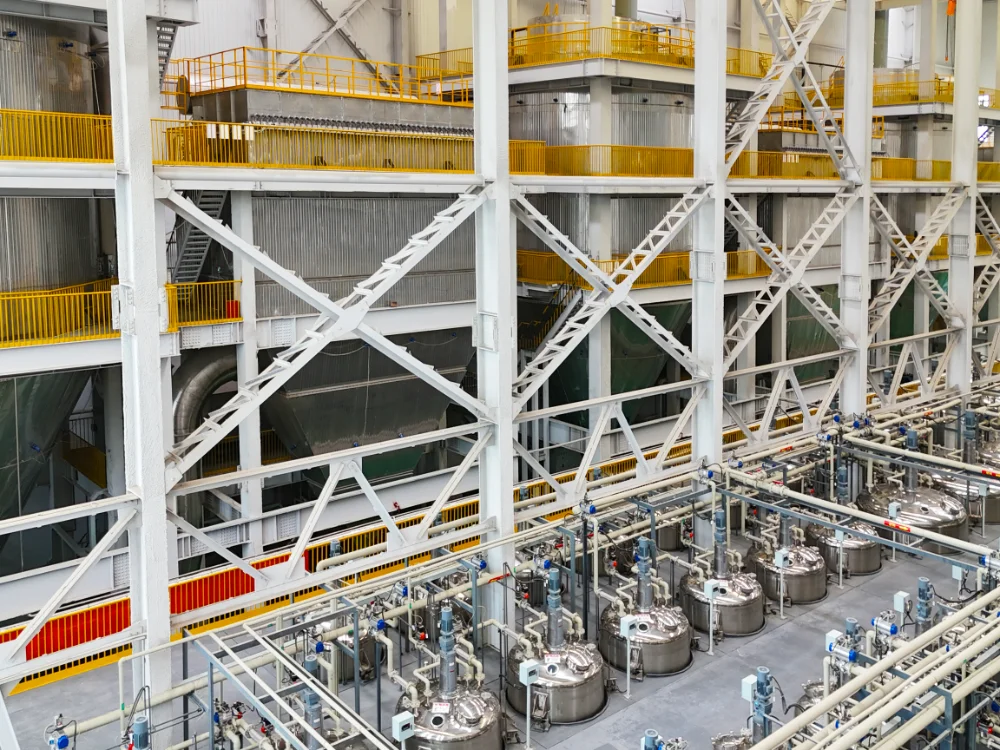
For processors, the key is to connect separation and purification with the right drying technology. Longxin combines filtration, washing and drying equipment with centrifugal spray dryers, pressure spray granulation systems, multi-stage fluidized spray dryers and flash dryers to build a process route around the final product requirement.
Why Rice Protein Processing Requires More Than Simple Drying
Rice protein is valued in food and nutrition applications because of its plant origin, relatively low allergenic potential and useful amino-acid profile. However, after extraction, the material can still contain residual starch, fiber, fat and soluble impurities. The slurry or peptide solution may also be heat sensitive, and the final powder often needs good flowability and fast dispersibility in water.
This creates four common process challenges:
• Purity: residual starch, fiber and other components need to be reduced before final drying.
• Thermal protection: excessive residence time or temperature can damage color, flavor and functional properties.
• Powder solubility: very fine spray-dried powder can be difficult to wet and disperse in beverage applications.
• Product recovery: fine particles and sticky components require suitable separation, wall-deposition control and dust collection.
Step 1: Integrated Filtration, Washing and Drying for Rice Protein Purification
An integrated filtration-washing-drying unit can combine several operations in one enclosed vessel. For rice protein purification, this arrangement can reduce open transfer between process steps and provide controlled washing of the protein cake before drying or redispersion.
The process can be configured to remove residual soluble impurities and reduce the amount of separate handling equipment. For food and high-value ingredient applications, enclosed operation can also simplify hygiene management and reduce exposure of the product to the surrounding environment.
Step 2: Spray Drying for Rice Protein and Rice Peptide Powders
Spray drying converts a pumpable liquid into powder within seconds. Because the droplet is exposed to hot air only for a short period, spray drying is widely used for heat-sensitive food ingredients when inlet and outlet conditions are properly controlled.
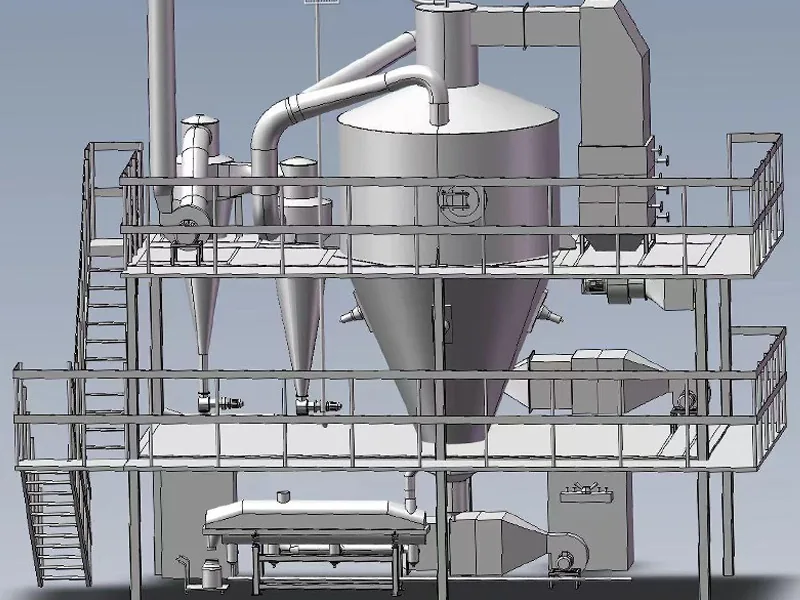
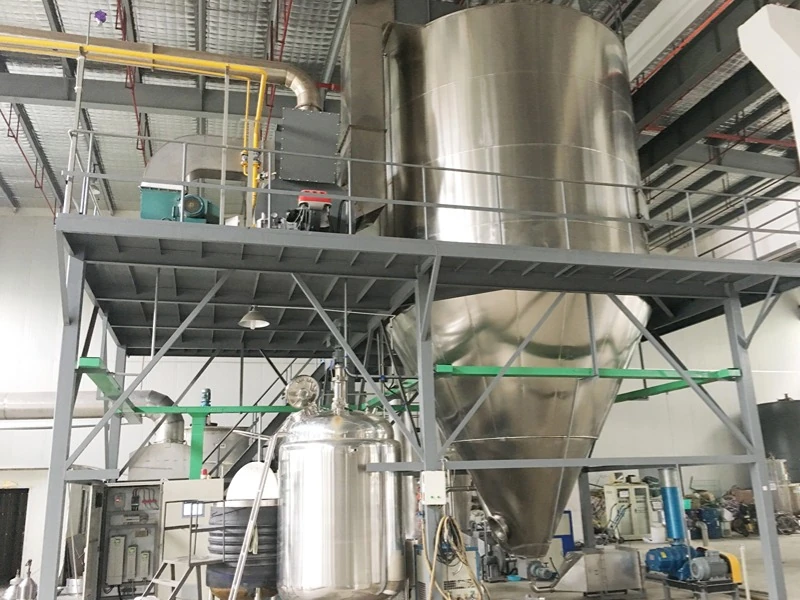
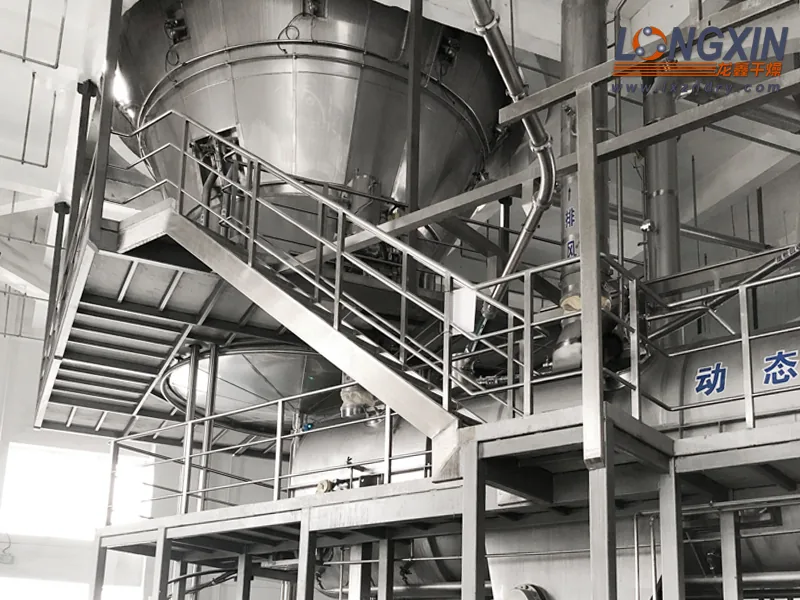
Centrifugal spray dryer
A high-speed centrifugal atomizer produces fine droplets and is suitable for many rice protein and rice peptide solutions. Co-current air flow can limit the thermal history of the product and produce a free-flowing powder with good dispersibility.
Pressure spray granulation dryer
When the target is a larger and more porous agglomerated powder, a pressure spray system can be used. Atomization pressure and nozzle configuration influence droplet size, while fine-powder return can promote agglomeration. The result can be a powder that wets and disperses more quickly in hot or cold water.
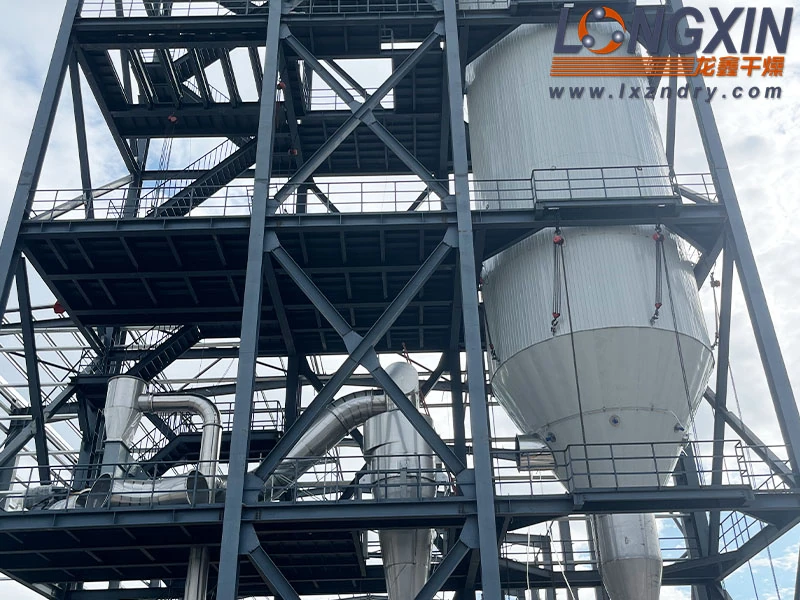
Multi-stage fluidized spray dryer
For premium instant products, spray drying can be combined with internal or external fluid-bed stages. The first stage removes most of the moisture, while fluidized drying, agglomeration and cooling help control final moisture, particle size and bulk behavior. This route is particularly useful when the finished powder must balance solubility, flowability and lower hygroscopicity.
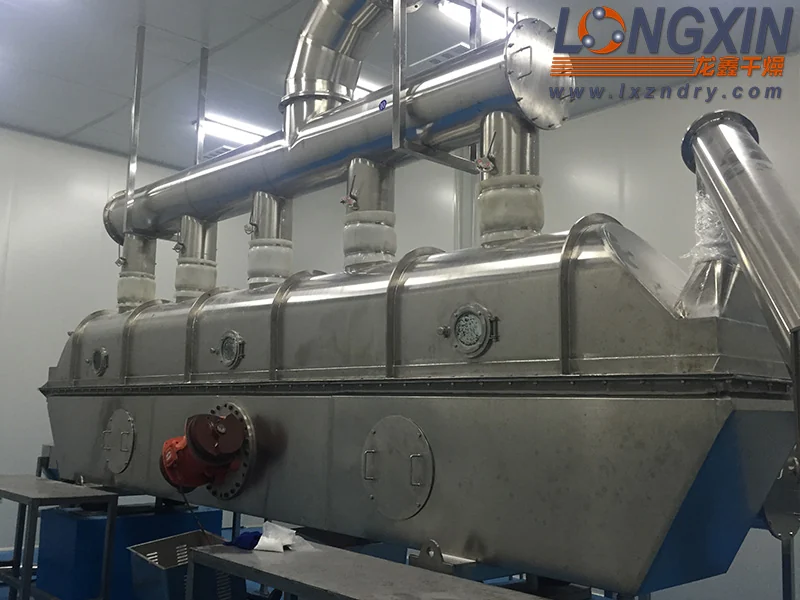
Step 3: Flash Drying for Rice Starch Co-Products
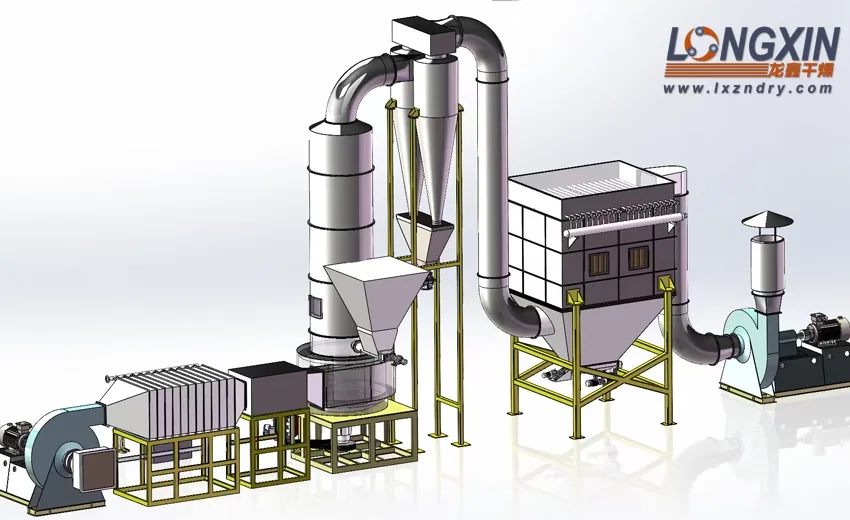
Rice starch separated from the protein process can also be upgraded rather than discarded. Flash drying uses a high-velocity hot-air stream to disperse and dry wet starch rapidly. When properly configured, it provides short residence time and continuous operation for producing a consistent dry starch powder.
How to Select the Right Drying Route
• Choose centrifugal spray drying when the priority is efficient conversion of a pumpable protein or peptide feed into fine powder.
• Choose pressure spray granulation when a larger agglomerated particle and improved instant properties are important.
• Choose multi-stage fluidized spray drying when the product requires tighter control of residual moisture, agglomeration and cooling.
• Choose flash drying for suitable wet starch cakes or granular by-products that can be dispersed rapidly in a hot-air stream.
From Broken Rice to a Higher-Value Ingredient Portfolio
A well-designed rice-processing line should treat protein, peptides and starch as connected product streams. By integrating purification, spray drying, granulation and starch drying, processors can reduce material loss and create several marketable ingredients from the same raw material.
Longxin can support process testing, equipment selection and production-line integration according to feed concentration, viscosity, thermal sensitivity, required particle size, final moisture and capacity. For new projects, pilot testing is especially useful for defining the operating window before commercial scale-up.