The continued growth of AI servers, high-speed communications and advanced electronics is increasing demand for high-performance ceramic components. For MLCC dielectric materials in particular, thinner dielectric layers require finer and more consistent ceramic powders. This puts greater pressure on two upstream steps: nano-scale slurry grinding and precision spray granulation.
A successful MLCC powder process must control both the primary particles in the slurry and the secondary granules used for forming. Longxin combines nano grinding and spray drying as one coordinated route for barium titanate, microwave dielectric ceramics, piezoelectric ceramics, LTCC/HTCC materials, rare-earth functional powders and other electronic-ceramic systems.
The Two Core Challenges in MLCC Ceramic Powder Processing
High-performance dielectric formulations depend on two linked requirements: the base powder must be fine and clean, and dopants must be distributed uniformly around the main ceramic phase. As particle size moves into the sub-micron and nano range, conventional ball milling or low-energy dispersion can struggle with agglomeration and broad particle-size distribution.
After grinding, the nano slurry must then be converted into a granulated powder with controlled size, good flowability and reliable redispersibility. If granulation is inconsistent, downstream tape casting, pressing and sintering can become less stable even when the initial slurry meets the particle-size target.
Nano Grinding for Barium Titanate and Electronic Ceramic Slurries
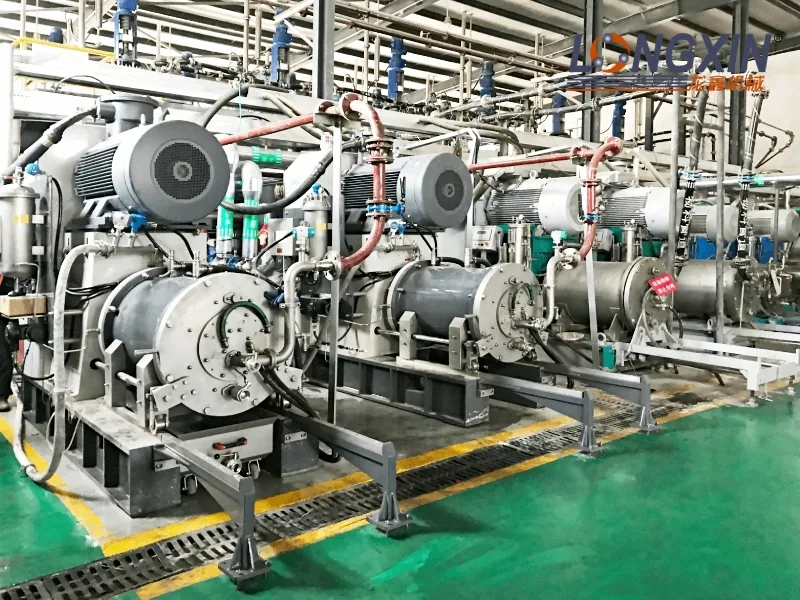
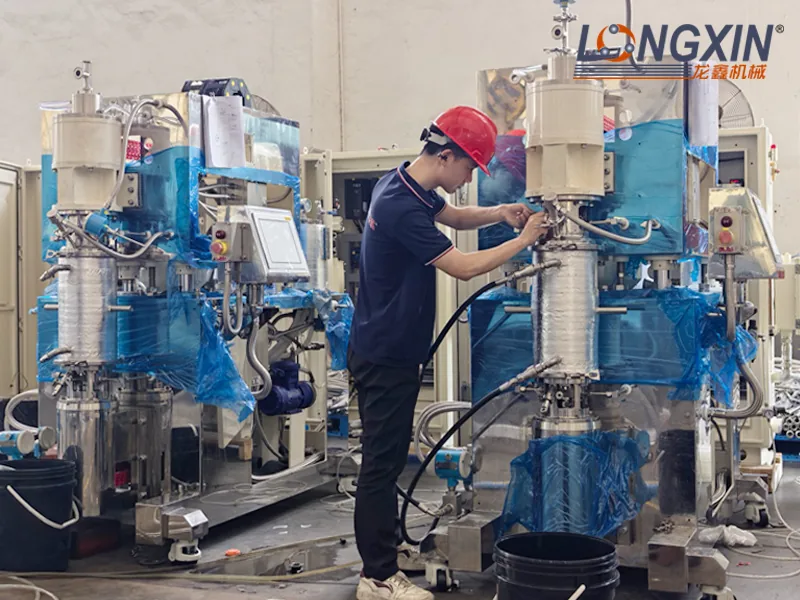
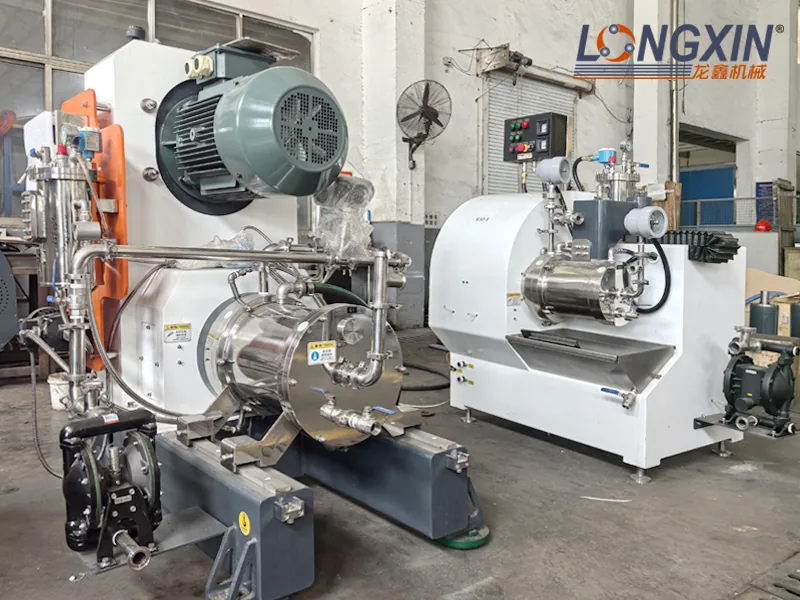
Pin-type nano mill
The pin-type mill uses a high-energy grinding chamber with close interaction between rotor, stator and grinding media. In a circulation process it can reduce barium titanate and related ceramic slurries into the sub-micron or nano range while maintaining high throughput.
• Compatible with fine zirconia grinding media, including approximately 0.3 mm beads for suitable formulations.
• Optional zirconia or silicon-carbide ceramic lining helps reduce iron and chromium contamination.
• Jacket cooling controls the grinding temperature and helps protect crystal structure and dielectric performance.
• Available from laboratory scale to continuous industrial production equipment.
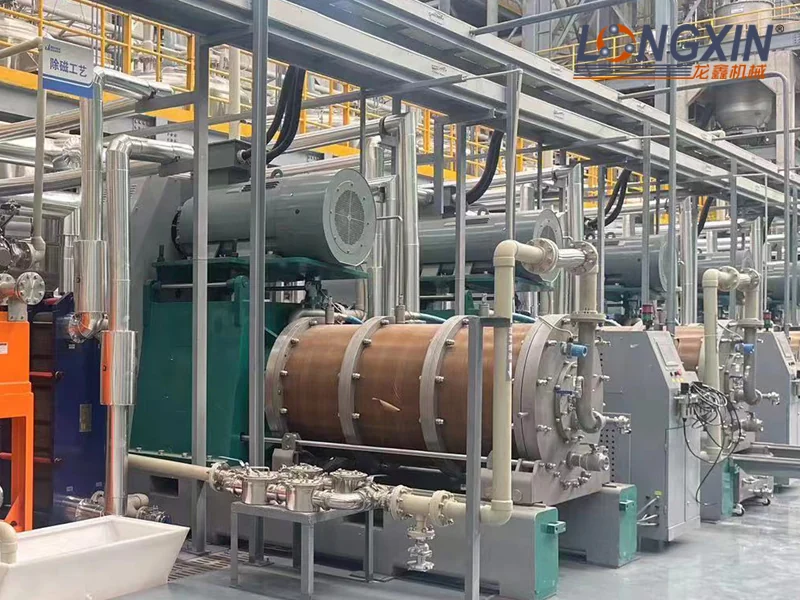
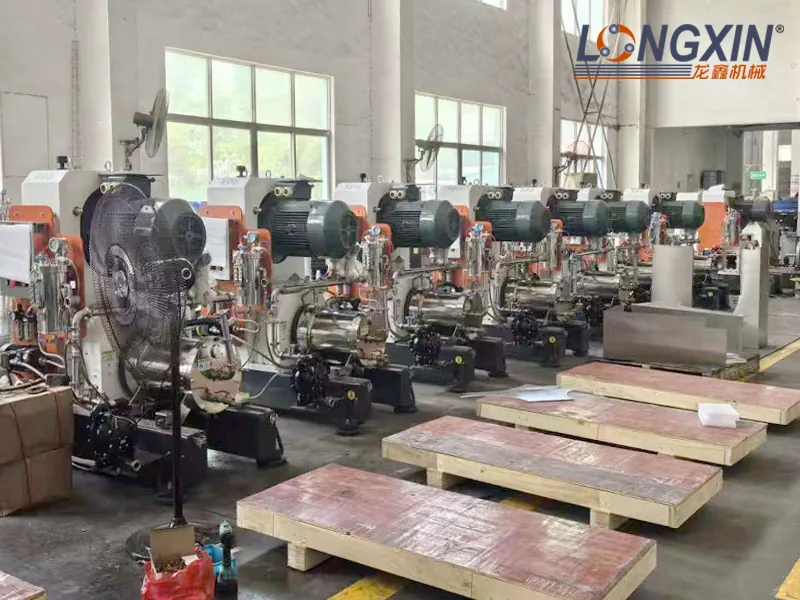
Dual-drive nano mill
A dual-drive configuration provides additional process flexibility for higher-viscosity and higher-solids slurries. Independent process adjustment can help reduce blockage risk and make it easier to change between dielectric powder, electrode slurry and composite ceramic formulations.
Vertical nano mill
Vertical designs can use screenless or low-blockage separation concepts for long-duration production. For suitable systems, the process route can target narrow particle-size distributions in the approximately 50-200 nm range while combining high-flow circulation with accurate cooling.
Precision Spray Granulation for MLCC and Advanced Ceramic Powders
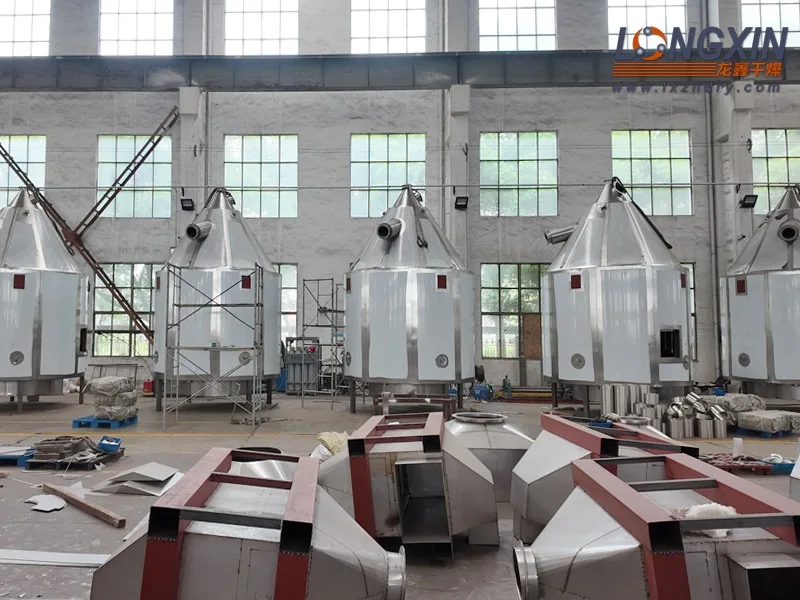
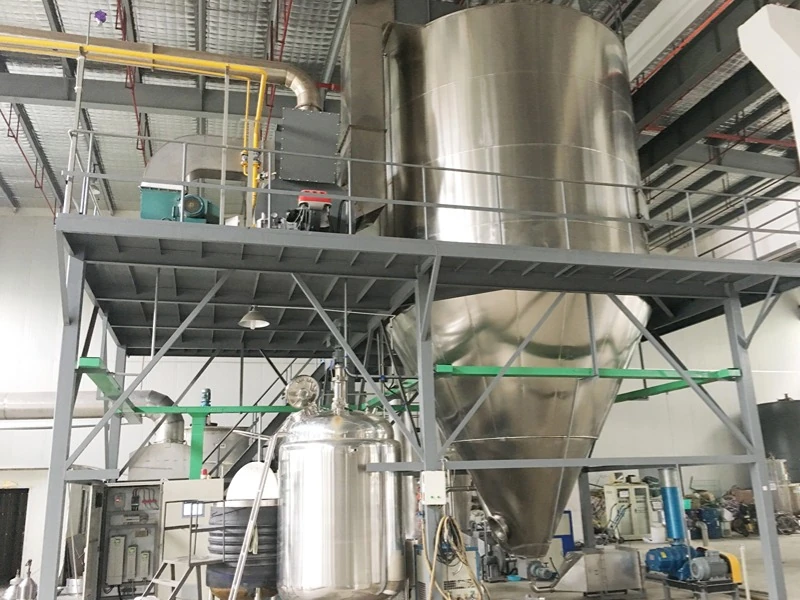
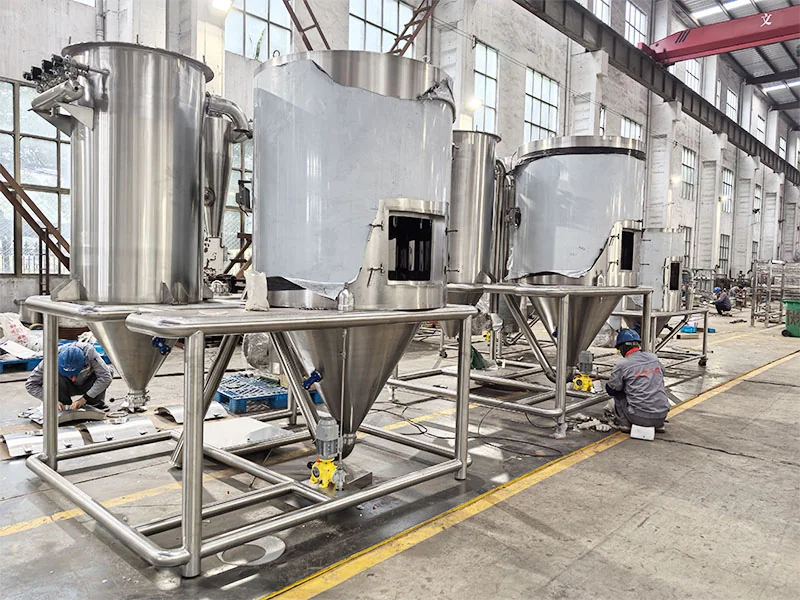
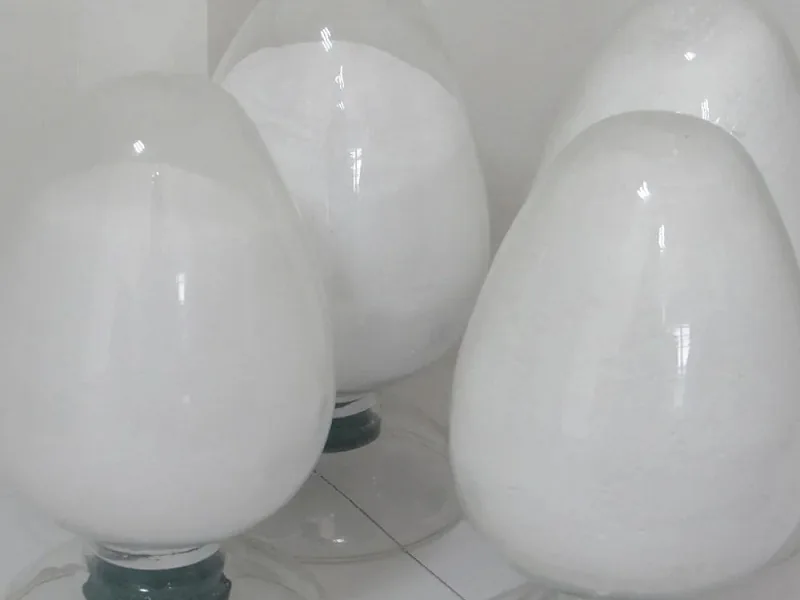
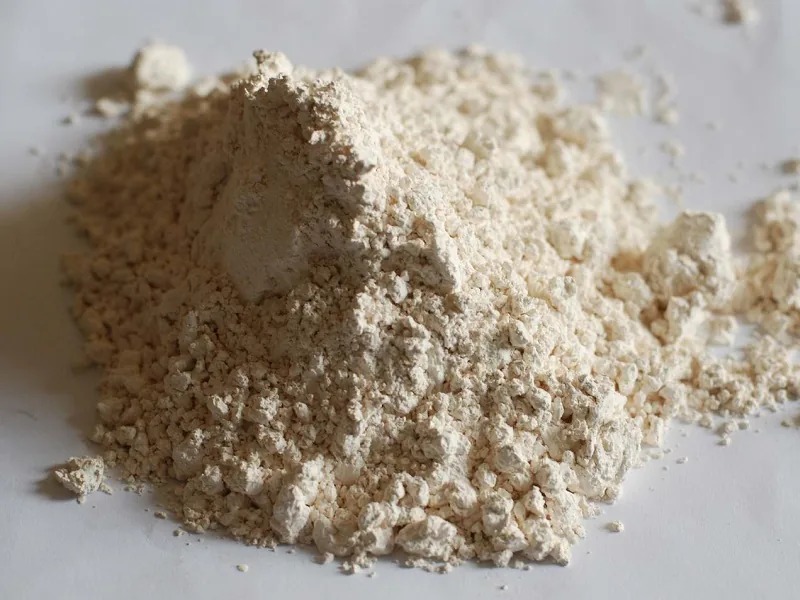
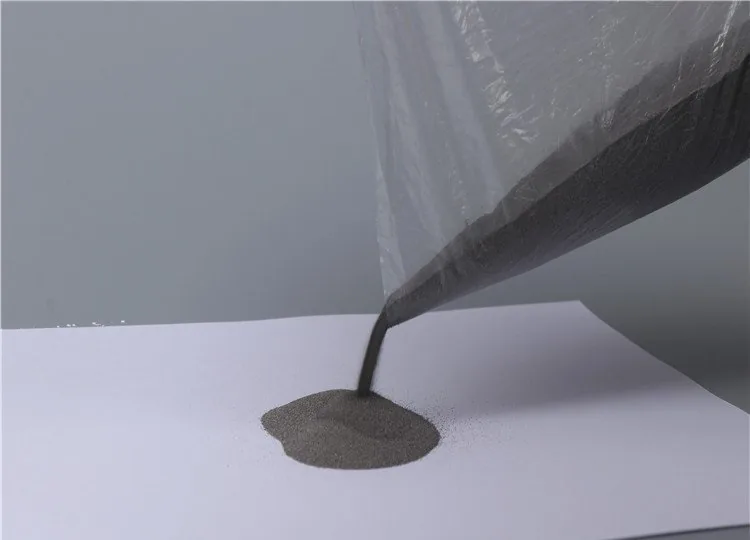
Spray drying transforms the qualified ceramic slurry into free-flowing granules suitable for forming. Compared with tray or oven drying, spray drying provides rapid moisture removal, continuous production and better control over granule morphology.
Centrifugal spray drying
A high-speed rotary atomizer allows granule size to be adjusted through atomizer speed, feed rate and slurry properties. This route is widely suited to MLCC dielectric powder, microwave dielectric ceramics, piezoelectric ceramics and LTCC powder systems. It can convert nano primary particles into soft spherical agglomerates that combine flowability with the ability to break down again during downstream processing.
Pressure spray drying
Pressure nozzles are useful for higher-solids ceramic slurries and for processes that require somewhat coarser granulated powder. Wear-resistant nozzle and product-contact designs are important because ceramic slurries can be dense and abrasive.
Two-fluid atomization
Two-fluid atomization uses high-velocity gas to break the liquid feed into fine droplets. It can be considered for ultra-fine ceramic powders or specialty coating powders that require a different droplet-size range from centrifugal or pressure atomization.
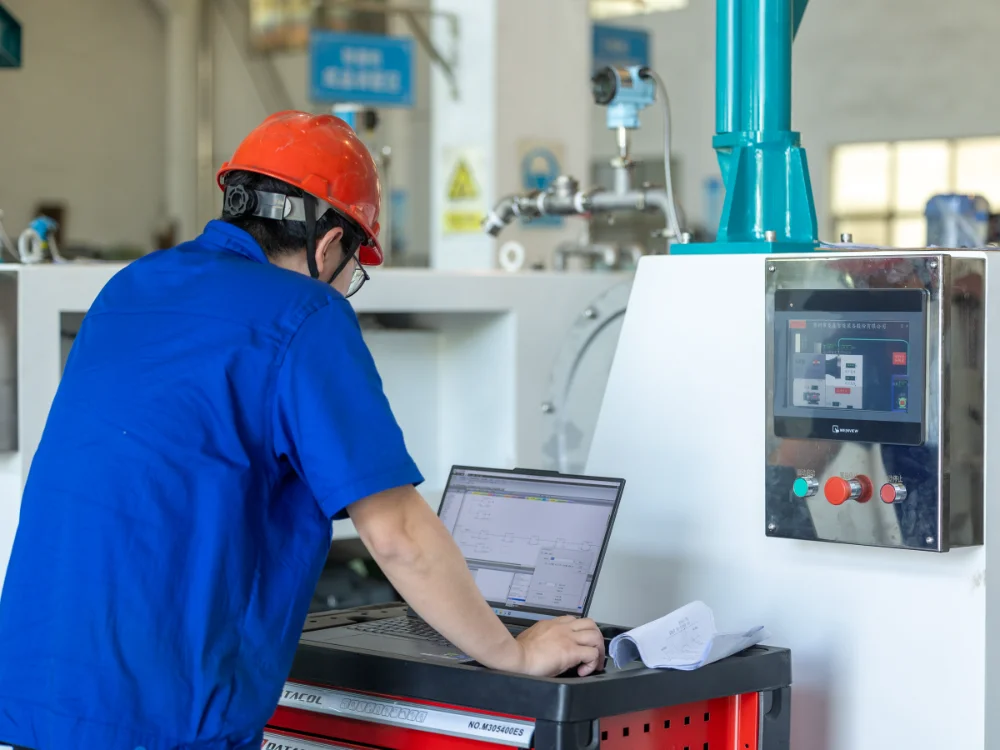
Automation for More Consistent Ceramic Powder Production
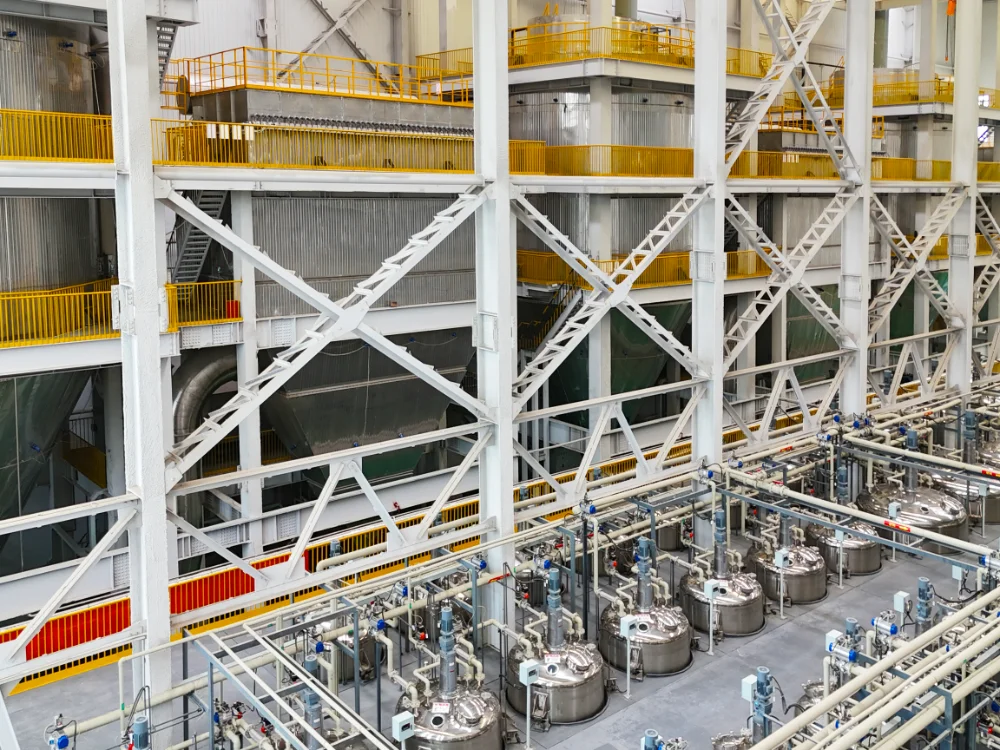
For continuous production, repeatability depends on controlling more than the dryer inlet temperature. Longxin spray-drying systems can monitor and regulate inlet and outlet temperature, air pressure, air velocity, pump speed and atomizer speed as part of a recipe-based control system.
• Remote monitoring and alarm diagnostics can be integrated for production support.
• Cyclone separation and bag filtration provide multi-stage powder recovery.
• Process data can be recorded for batch comparison and optimization.
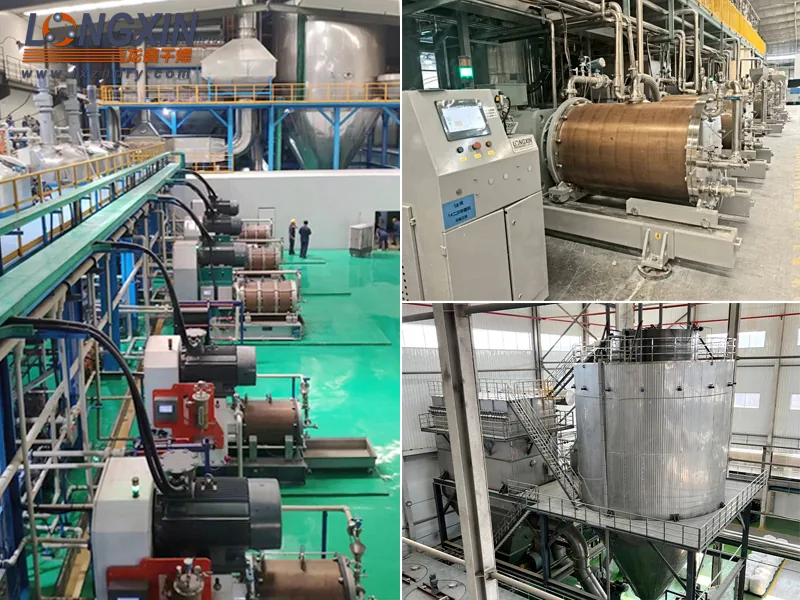
• Grinding, granulation, collection and control can be delivered as one integrated line to reduce interface risk between separate suppliers.
Where the Integrated Line Can Be Applied
• Barium titanate and MLCC dielectric ceramic powder.
• Microwave dielectric ceramics.
• Piezoelectric ceramic powders.
• LTCC and HTCC substrate materials.
• Rare-earth oxide and functional ceramic powders.
• Supercapacitor electrode materials and other advanced powder systems that require nano dispersion and controlled granulation.
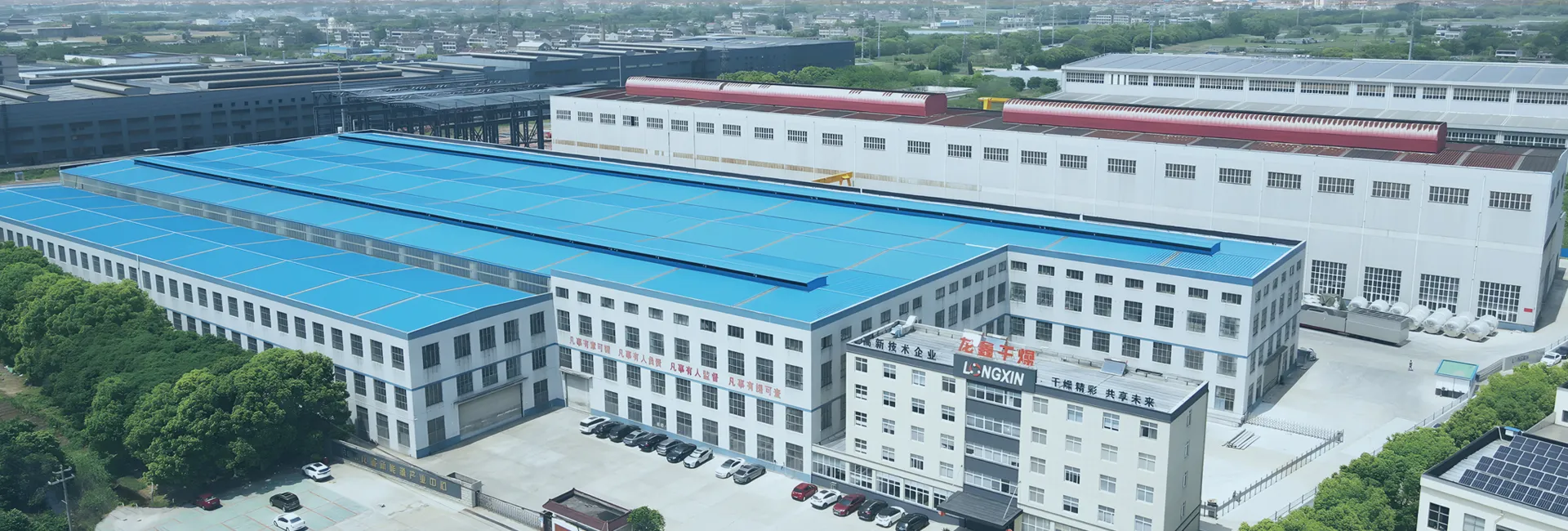
From Formula Development to Stable Production
For electronic ceramic manufacturers, the practical advantage of integrating nano grinding and spray granulation is process continuity. Slurry properties established in the grinding stage can be matched to the atomization and drying conditions needed for the target granule. This reduces the risk that a good nano slurry becomes an inconsistent powder after drying.Longxin supports material testing, process optimization, equipment selection and turnkey line integration. For customers developing finer MLCC powders or new LTCC/HTCC formulations, pilot validation can be used to confirm particle-size targets, slurry stability, contamination control, granule morphology and powder recovery before scaling to full production.