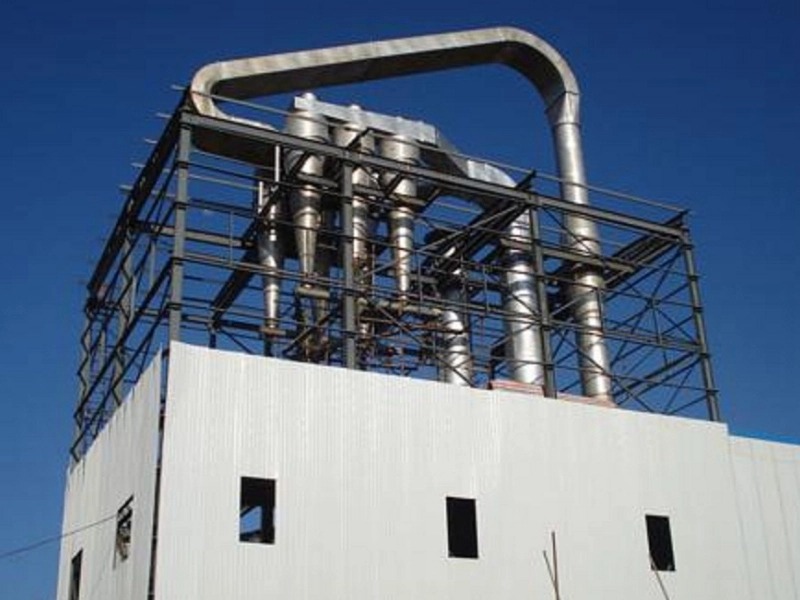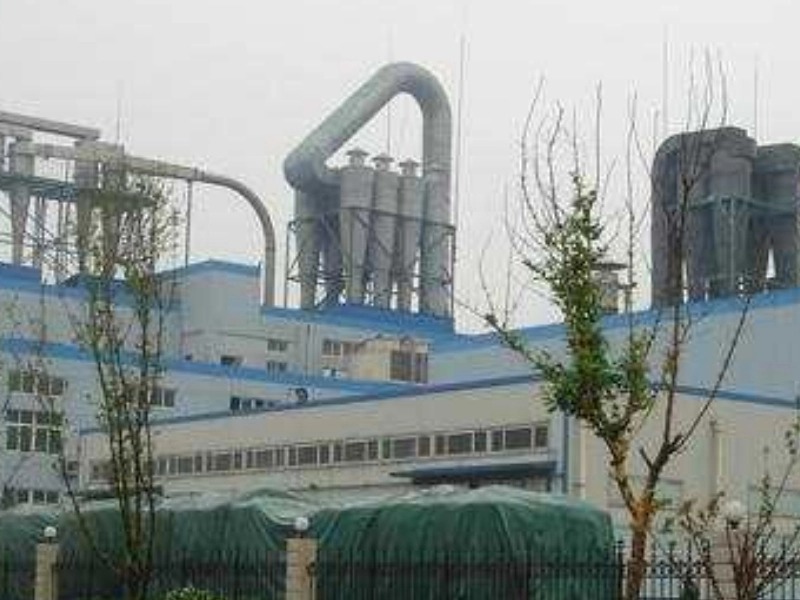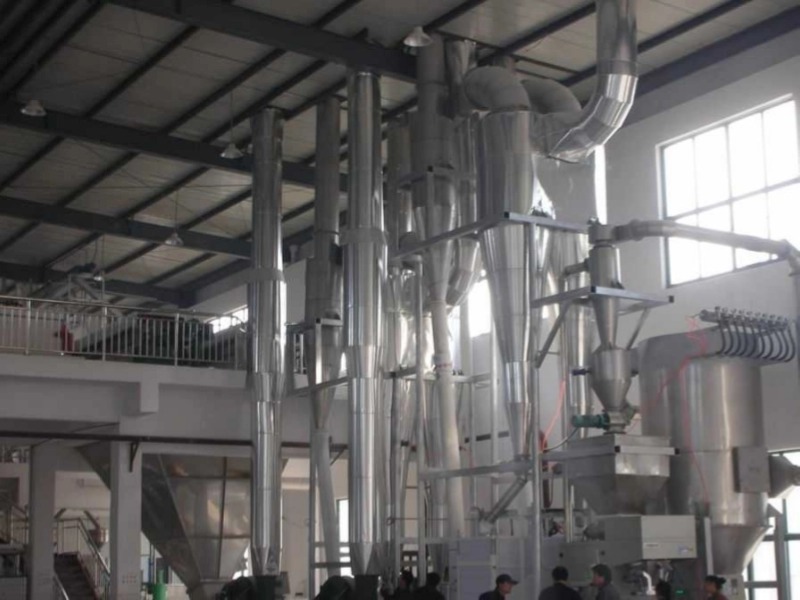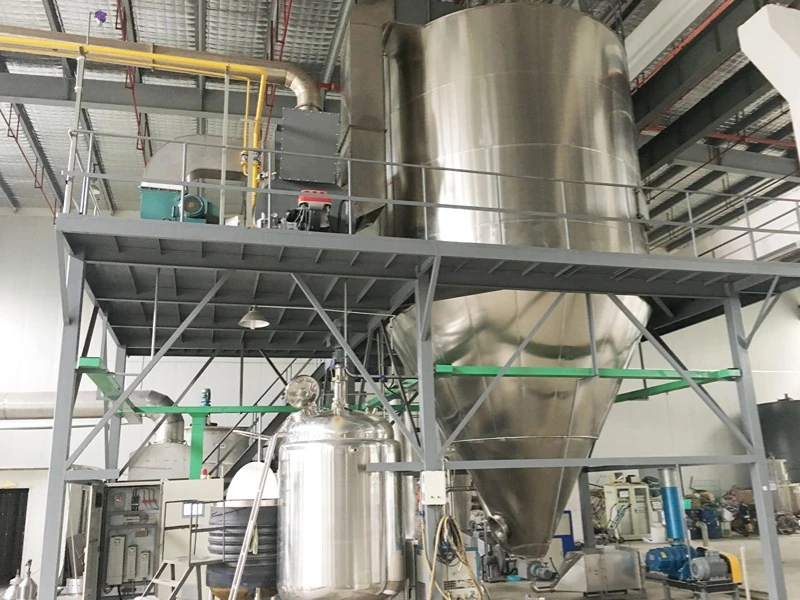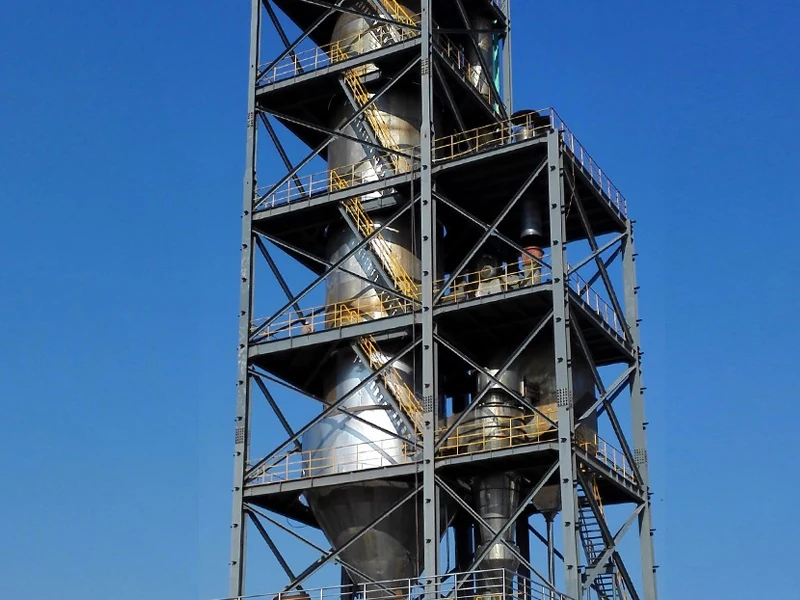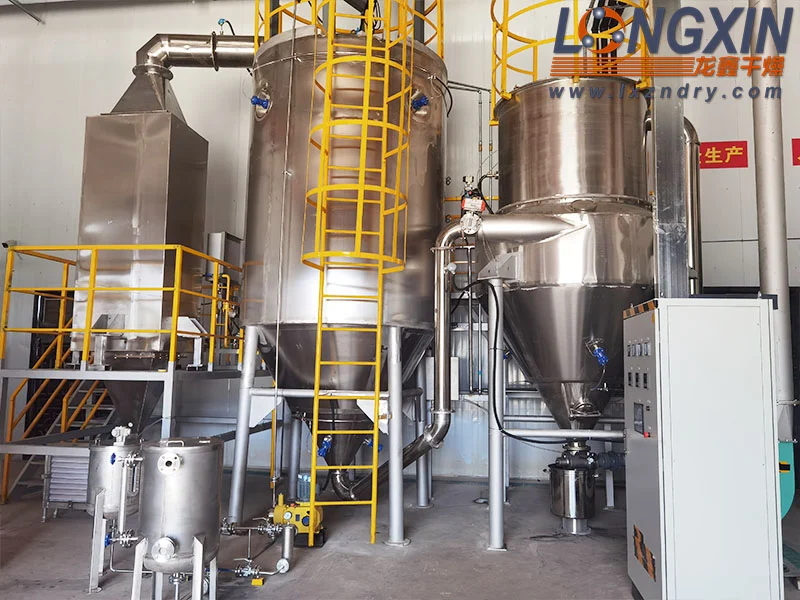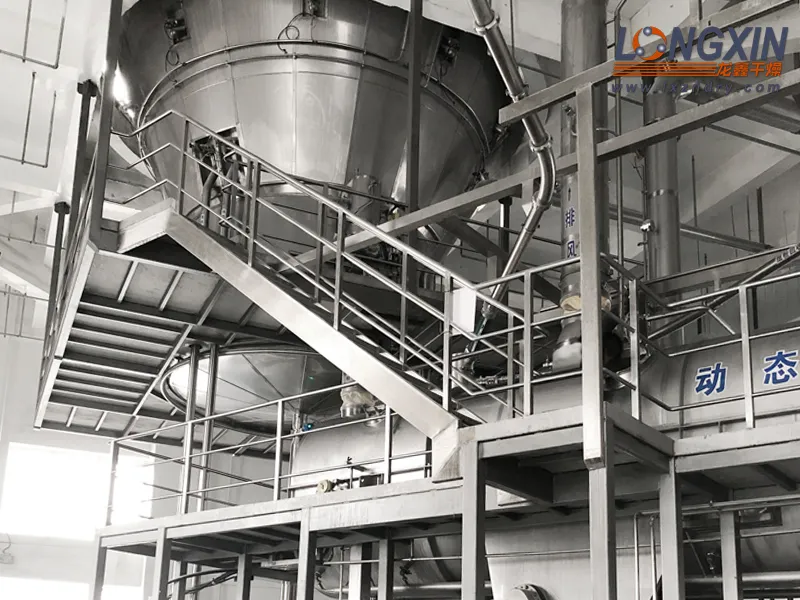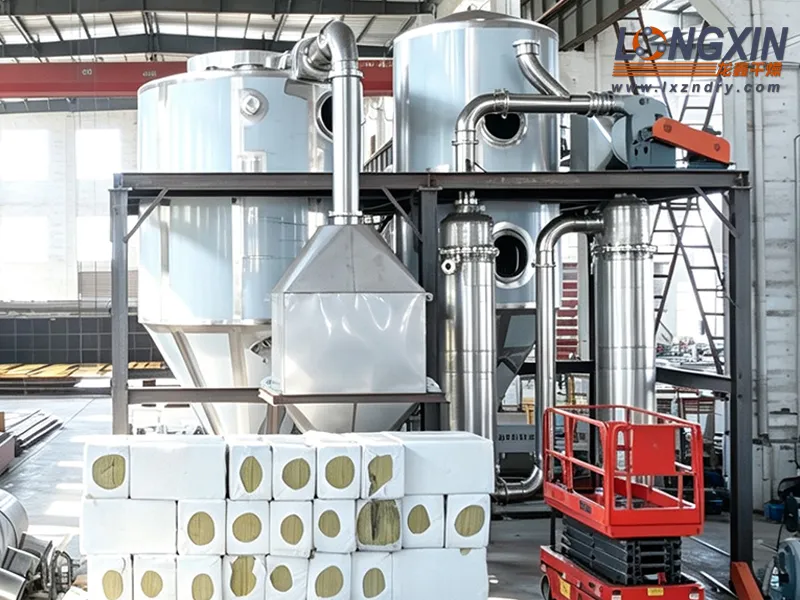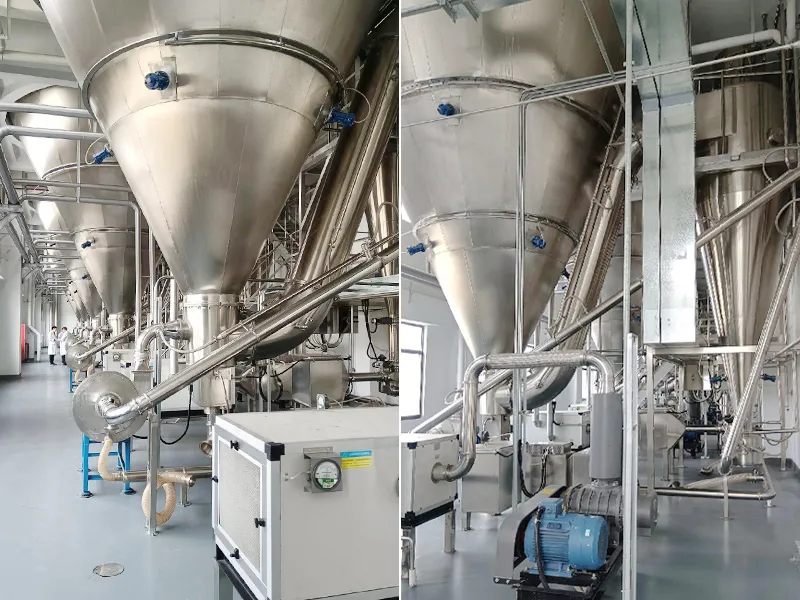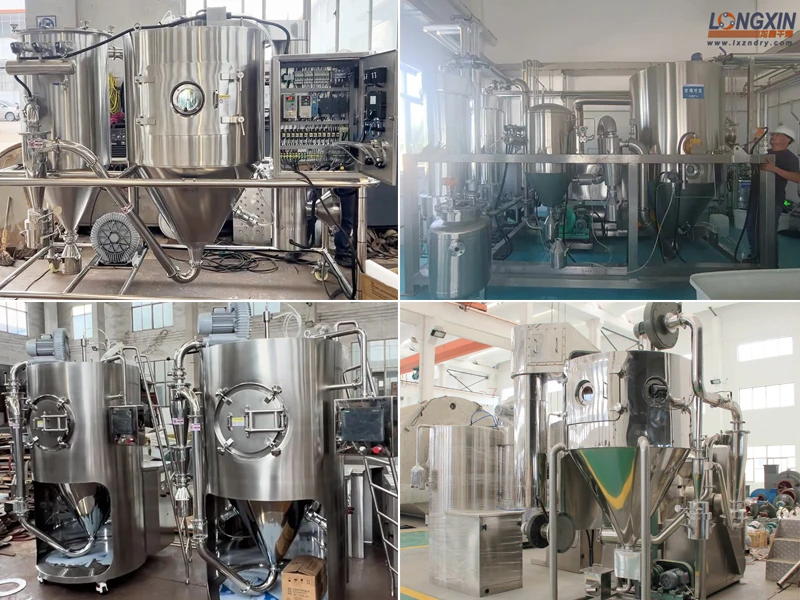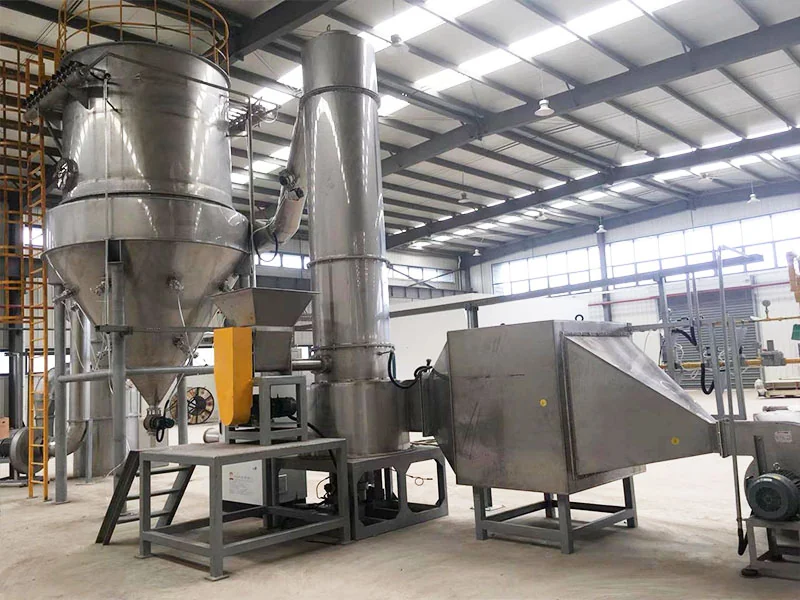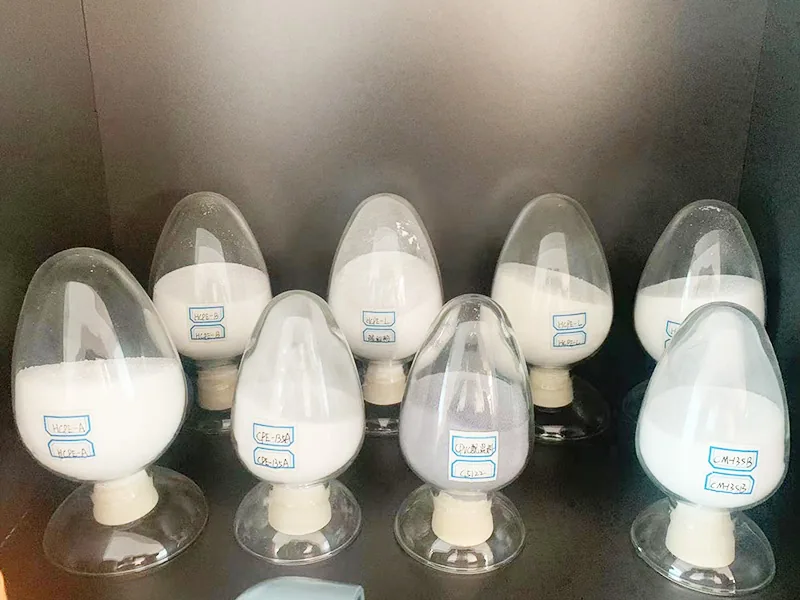
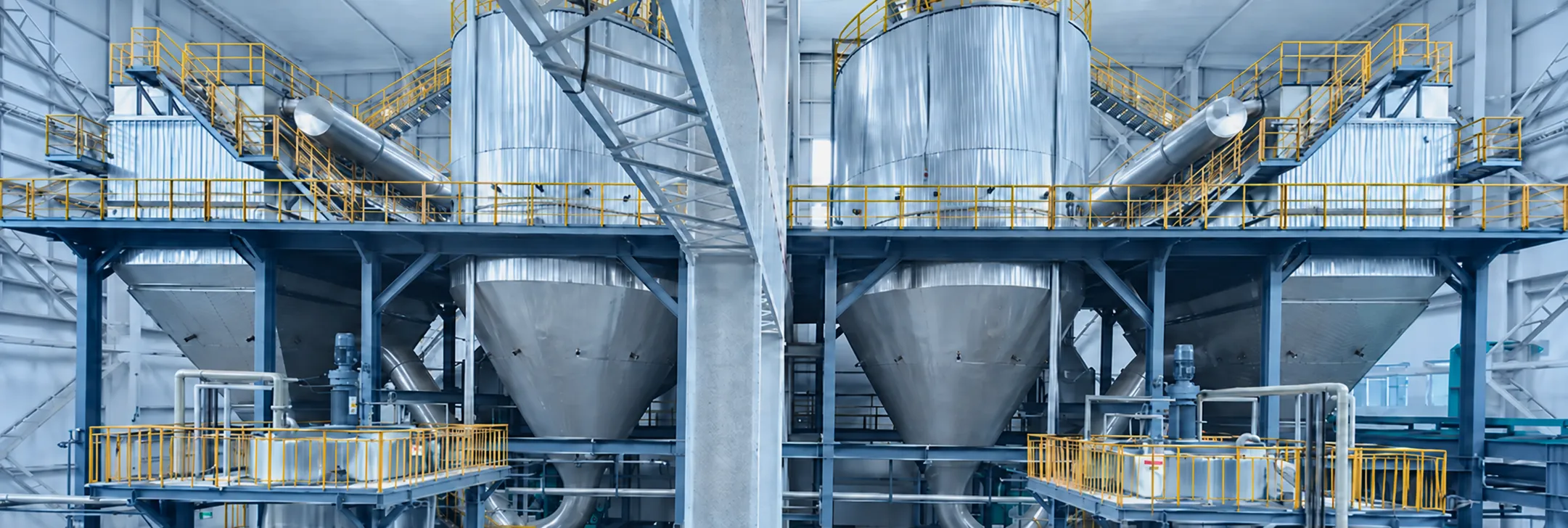
Flash drying, also known as "instant drying", is the application of dilute-phase conveying in solid fluidization to drying. It uses the rapid movement of heat-carrying air to drive the wet material and keep it suspended in the hot air, thereby intensifying the entire drying process and increasing the rates of heat and mass transfer. For material dried by flash drying, almost all unbound moisture can be removed. Moreover, the dried material does not deteriorate, and the output can be significantly higher than with drying by ordinary dryers, so users can achieve relatively high economic returns within a short period.
Flash Dryer — Performance Features
A flash dryer is a piece of equipment that achieves rapid drying by bringing a high-speed hot air stream into contact with the material. It is mainly used where efficient, rapid drying is required, and is particularly suitable for materials that are heat-sensitive or whose particle integrity must be preserved.
(1) Fast drying speed: because the air velocity is high, the contact time between material and hot air is short, so the drying rate is very high.
(2) Suitable for fine materials: particularly effective for fine particles and powdery materials, since these materials mix with the air stream more easily.
(3) Continuous operation: suitable for large-scale continuous production, with continuous feeding and discharging.
(4) Relatively high energy consumption: compared with other drying methods, a large amount of heat energy is needed to heat the gas and maintain the high-speed air stream, so energy consumption may be relatively high.
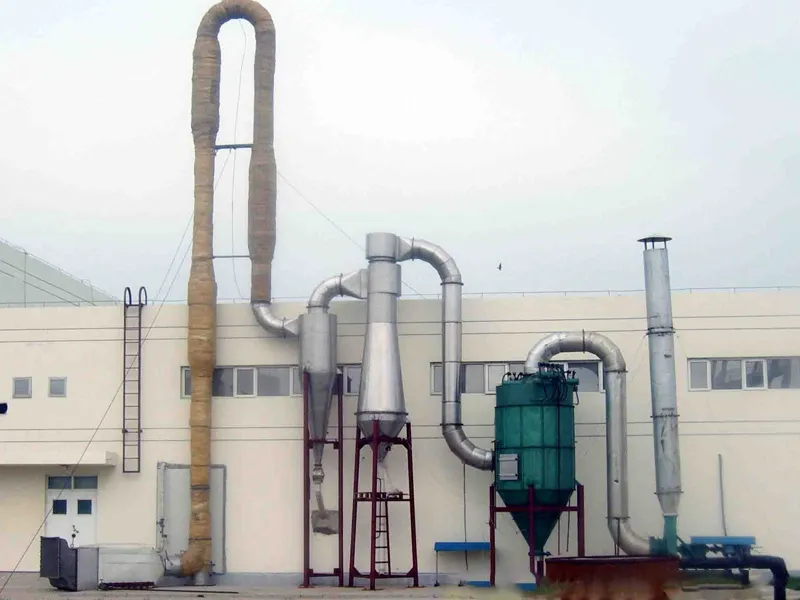
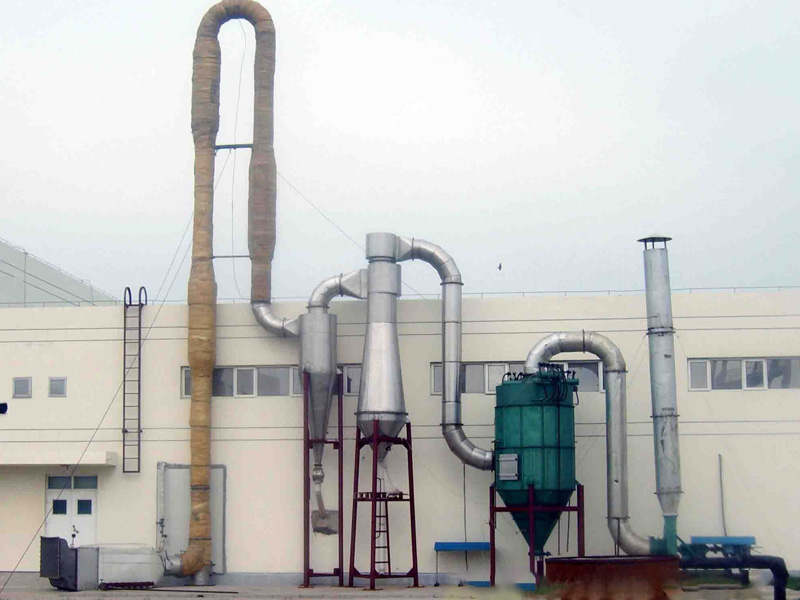
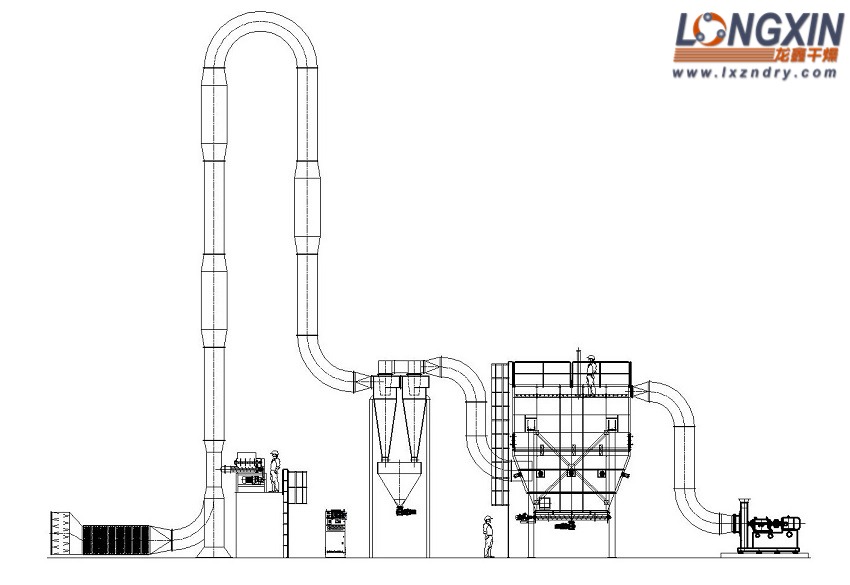
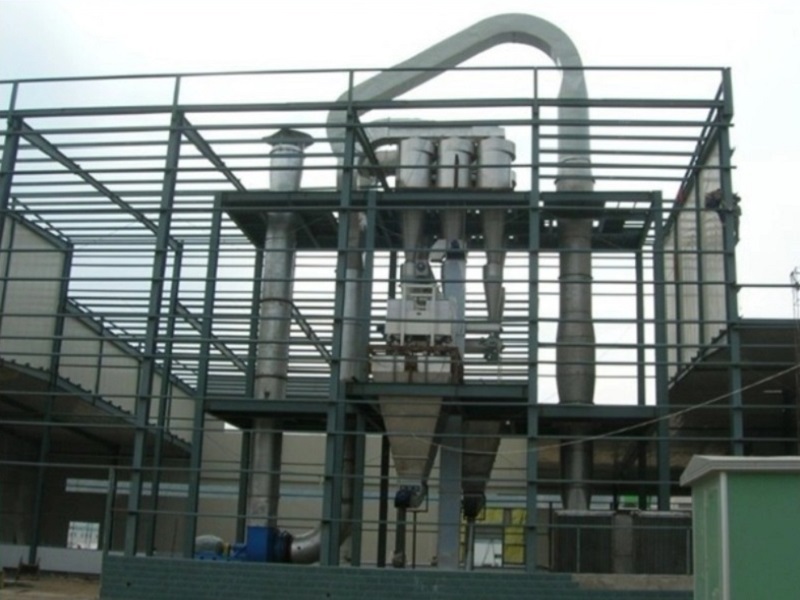
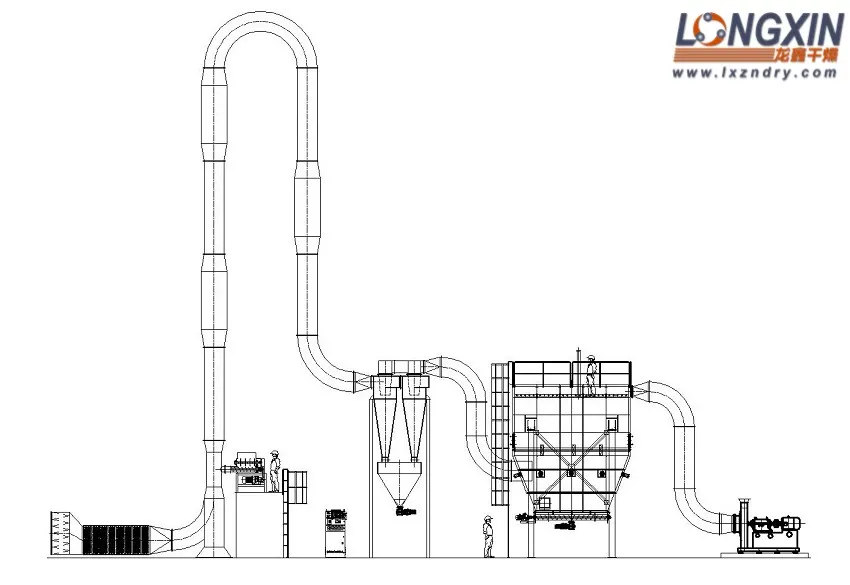
The pulse flash dryer is an improved form of conventional flash drying, characterized by a drying tube whose diameter alternately contracts and expands. The pulse drying tube makes full use of the high heat and mass transfer effect of the acceleration section to intensify the drying process. Compared with traditional continuous flash drying, the pulse flash dryer periodically changes the intensity or velocity of the air stream, so that the material is treated more evenly during drying, and both drying efficiency and product quality can potentially be improved.
Jiangsu Longxin researches, develops and manufactures pulse flash dryers. Through its distinctive design, the product has reached a relatively high level. The entire unit features a high degree of automation, low investment, low energy consumption, a relatively small demand for manpower and floor space, and wide versatility, making it a good modern piece of equipment.
QG Type Pulse Flash Dryer — Working Principle
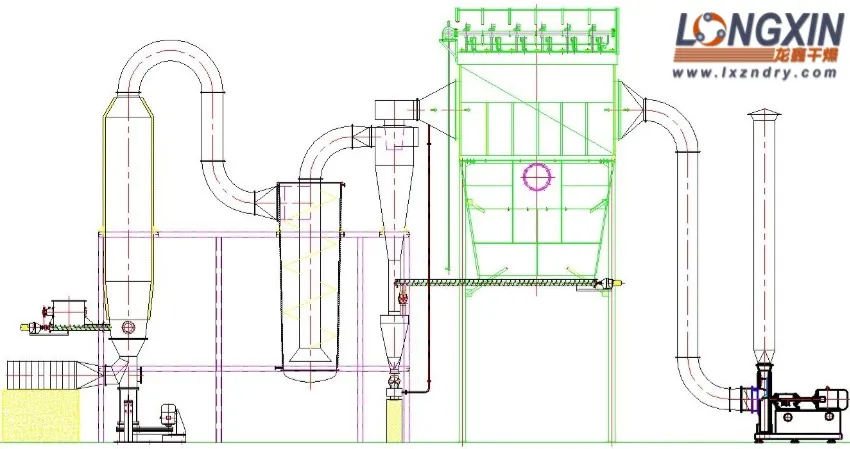
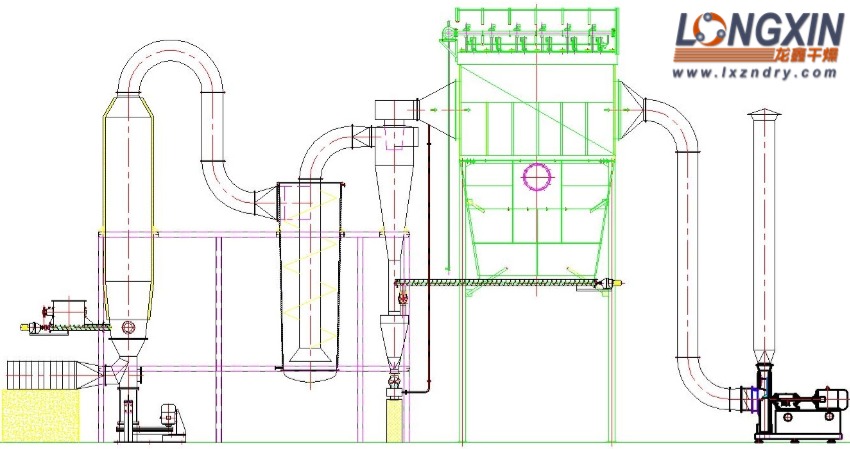
The fed material particles first enter the drying tube of smaller diameter, where the particles are accelerated. When their accelerating motion ends, the drying tube diameter suddenly expands and the particles enter the larger-diameter drying tube by inertia. During their movement the particles are continuously decelerated by resistance until deceleration ends. The drying tube then suddenly contracts, so the particles are accelerated again. In this way the tube diameter alternately contracts and expands repeatedly, and the particles' moving speed alternately accelerates and decelerates; the relative velocity between air and particles and the heat transfer area are both relatively large, thereby intensifying the rate of heat and mass transfer, while the reduction in air velocity inside the expanded tube correspondingly increases the drying time.
(1) Material feeding: the material to be dried is fed into the dryer through the feed inlet. The material may be granular, powdery or in other forms.
(2) Heating gas: outside air is heated to the required temperature by a heating device (such as an electric heater or burner) to provide sufficient heat energy to evaporate the moisture in the material.
(3) Drying process: under the action of the pulse air stream, the material fully contacts the hot air stream, which quickly carries away the moisture in the material and dries it. The pulse air stream helps the material disperse better inside the dryer and prevents the material from caking or adhering to the equipment wall, thereby improving drying efficiency.
(4) Separation and collection: the dried material is separated from the air stream by a cyclone separator, bag filter or other collection device. The purpose of the separation device is to separate the dried material particles from the air stream so that the dried material can be collected. The separated material is discharged through the discharge outlet and enters the subsequent processing or packaging stage.
(5) Exhaust gas treatment: the exhaust gas after drying (containing water vapour) is discharged from the equipment through the exhaust system. Before discharge, the exhaust gas usually undergoes dust removal or condensation treatment to remove solid particles from the exhaust gas or recover useful substances. The exhaust gas discharged must meet local environmental protection standards, and tail gas purification treatment may be required where necessary.
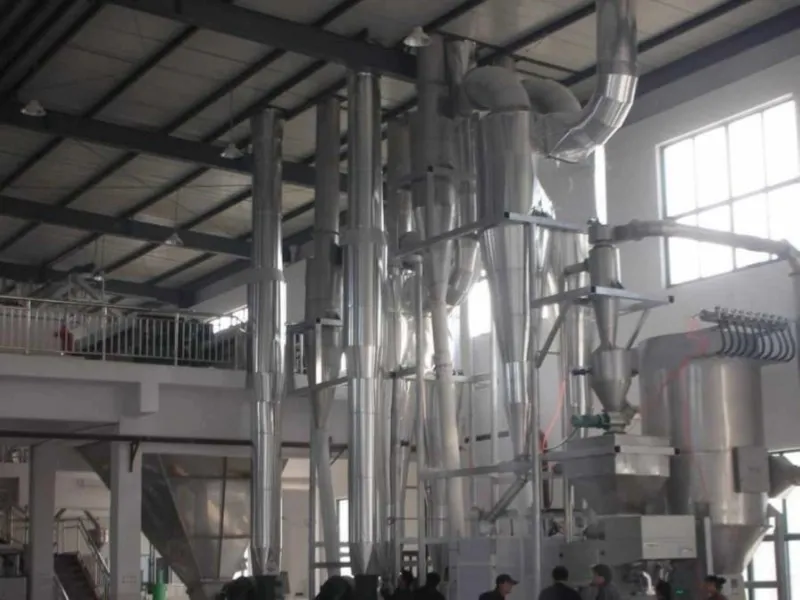
QG Type Pulse Flash Dryer — Technical Advantages
(1) High thermal efficiency; the material and hot air can fully contact each other, saving energy consumption to the greatest extent;
(2) Good at handling heat-sensitive materials: the contact time between material and air is short, and the bottom of the main unit is a high-temperature zone, where the air velocity is high and quickly carries the material away, avoiding the possibility of the material scorching and discolouring;
(3) Low system resistance, low fan power, good operating environment, low labour intensity;
(4) Simple transmission structure of the main unit and few mechanical maintenance points;
(5) All material is forced into the crusher, which can crush falsely caked material and prevent the air stream from failing to convey the material and blocking the air pipe;
(6) A high-efficiency cyclone structure using foreign technology ensures a material recovery rate of above 95%;
(7) The equipment can be designed in a fully negative-pressure mode or a combined positive/negative-pressure mode to suit different plant installation conditions.
QG Type Pulse Flash Dryer — Application Range
The pulse flash dryer is suitable for the drying and dehumidifying of powdery materials in the pharmaceutical, chemical, food, building materials, plastics and other industries, for example: starch, fish meal, salt, distillers' grains, feed, wheat gluten, plastic resin, mineral powder, coal powder, sugar chloric acid, A.S.C., benzoic acid, 2,3-acid, polyvinyl chloroacetate, polypropylene, sodium sulfate, sodium metabisulfite and many other materials. Our company provides consulting on flash drying equipment and also undertakes the design and manufacture of non-standard flash dryers.
JG Series Ring Dryer — Working Principle
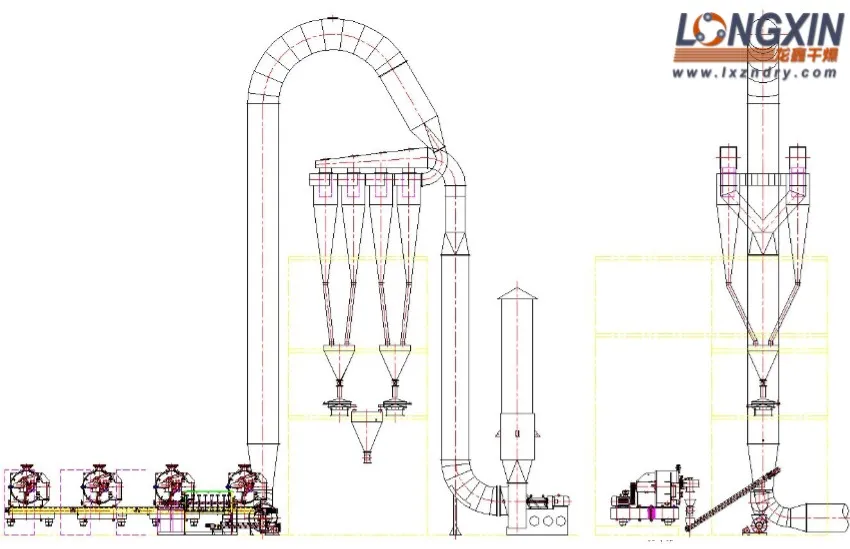
The JG series flash dryer can rapidly remove moisture (mainly surface moisture) from granular and powdery materials that are easy to dewater. In flash drying, because the material's residence time inside the dryer is short, the quality of the dried product can be controlled more effectively. Our factory's reinforced flash dryer consists of the basic model plus a set of intensifiers with steplessly adjustable speed. The wet material enters the intensifier through the screw feeder and mixes fully with the hot air stream; under the impact and propulsion of the high-speed rotating knives, the material is crushed into fine particles, moves toward the outlet while drying, and is then drawn by the air stream into the drying tube for further, more uniform drying. Wet, heavy particles that the air stream cannot lift are continuously crushed and dried until they can be drawn up by the air into the drying tube.
JG Series Ring Dryer — Main Applications
This machine is particularly suitable for materials with relatively high moisture content, materials in paste form, and materials that cannot be dried by other flash drying methods, for example: white carbon black, copolymers of vinyl acetate and vinyl chloride, cellulose acetate flock, catalysts, C.M.C, CT-1 resin, calcined gypsum, electrolytic manganese dioxide, anthraquinone sulfonic acid ammonium salt, fluorite, diatomite, silica gel catalyst, bone meal, kaolin, potassium perchlorate, sulfonamide drugs, synthetic resin, active gluten, activated clay, chemical filter cake, rutile-type titanium dioxide, sebacic acid, copper sulfate, aluminium sulfate, sodium sulfate, calcium phosphate, phosphate-esterified starch, dyes, calcium citrate, coal slurry, rice bran, clay, clay cement, urea, bentonite, spherical clay, aluminium hydroxide, barium hydroxide, calcium lactate, food, water-washed kaolin, cyanuric acid, gypsum slurry, lime, biological products, carbon black, calcium carbonate slurry, sludge residue, organic chemicals, aluminium stearate, iron oxide, organic fuel, corn gluten feed, wet mud slurry, mica powder, chemicals, pigments, potassium dichromate, pulp, distillers' grains residue, etc.
FG Series Two-Stage Flash Dryer — Working Principle
The working principle of the FG series flash dryer is to divide the drying of wet material into two stages. The raw material is first dried in stage one under positive pressure by a mixture of the tail gas from the two-stage drying and supplementary hot air; the used high-temperature, low-humidity tail gas is discharged outside the machine, and the semi-finished product after drying is dried in stage two under negative pressure by fresh hot air. The dried finished product is weighed and packaged. The used high-temperature, low-humidity tail gas serves as the medium for first-stage drying, thus completing a good cyclic drying process. The amount of supplementary hot air can be adjusted freely as required, so the machine has wide applicability.
FG Series Two-Stage Flash Dryer — Applicable Materials
This equipment is widely used for drying powdery and granular materials in the food, chemical, pharmaceutical, building materials and other industries. Products already dried with this series include: starch, glucose, fish meal, granulated sugar, edible sugar, distillers' grains, feed, wheat gluten, plastic resin, coal powder, dyes, etc.
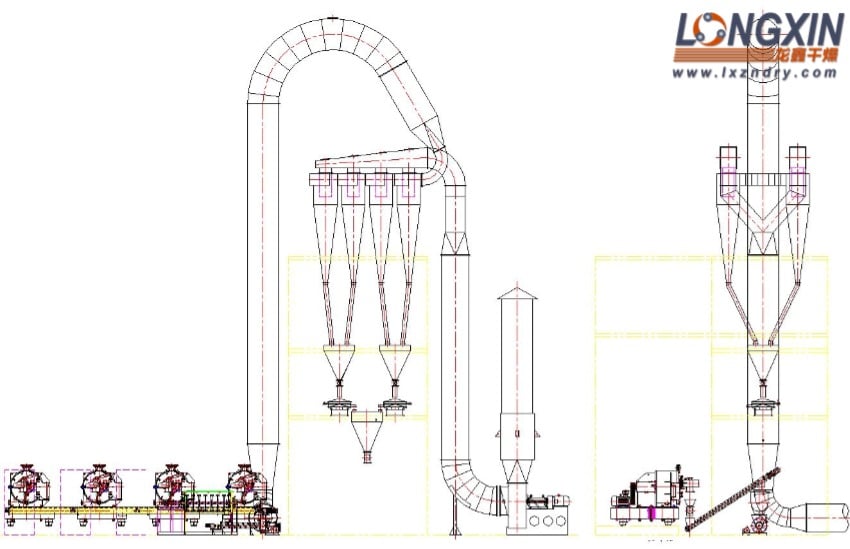
Flash Dryer — Process Flow Chart 1: Flash dryer
Flash Dryer — Process Flow Chart 2: Ring dryer
Flash Dryer — Process Flow Chart 3: Rotary Flash Dryer