Vacuum Drying and Mixing for Wet Powders, Filter Cakes and Pastes
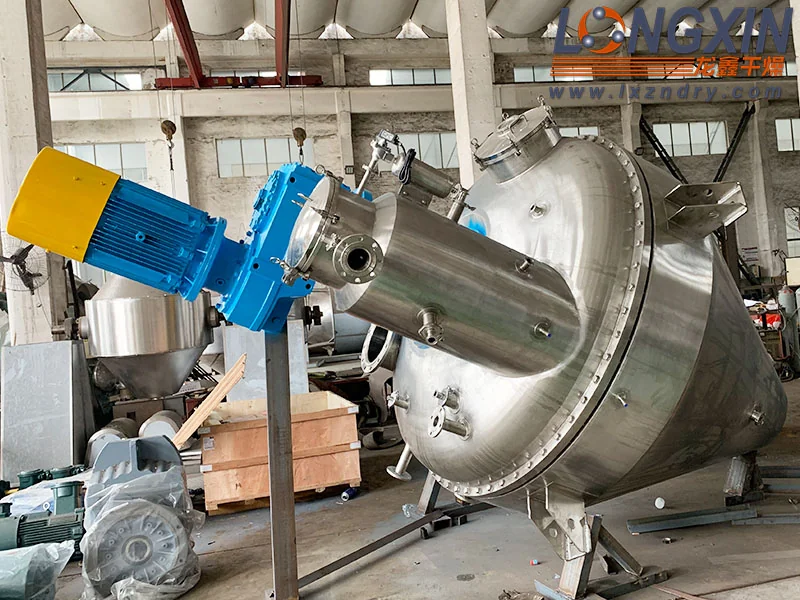
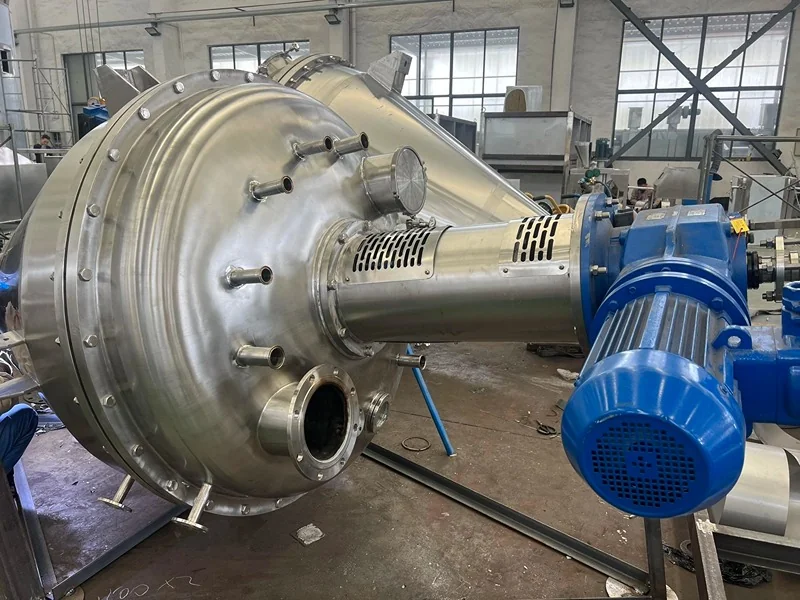
The Longxin DLG conical vacuum dryer combines vacuum drying, mixing and reduced-pressure solvent removal in an enclosed, stationary vertical vessel. An agitated bed brings material into repeated contact with the heated surfaces. A chopper can be incorporated where additional deagglomeration is required.
The design is intended for difficult-to-dry materials with high viscosity, limited heat penetration or a tendency to form lumps. Batch operation, agitator design and drying conditions are selected to suit the feed and the required final product.
How the Conical Vacuum Dryer Works
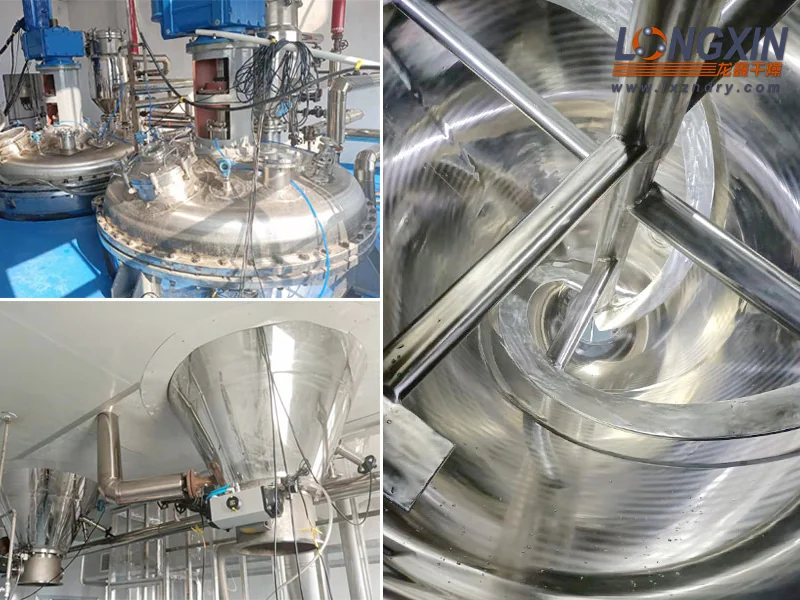
- Indirect heating: hot water, thermal oil or low-pressure steam supplies heat through the vessel jacket. In the internally heated configuration, the hollow shaft and helical agitator provide additional heat-transfer surfaces.
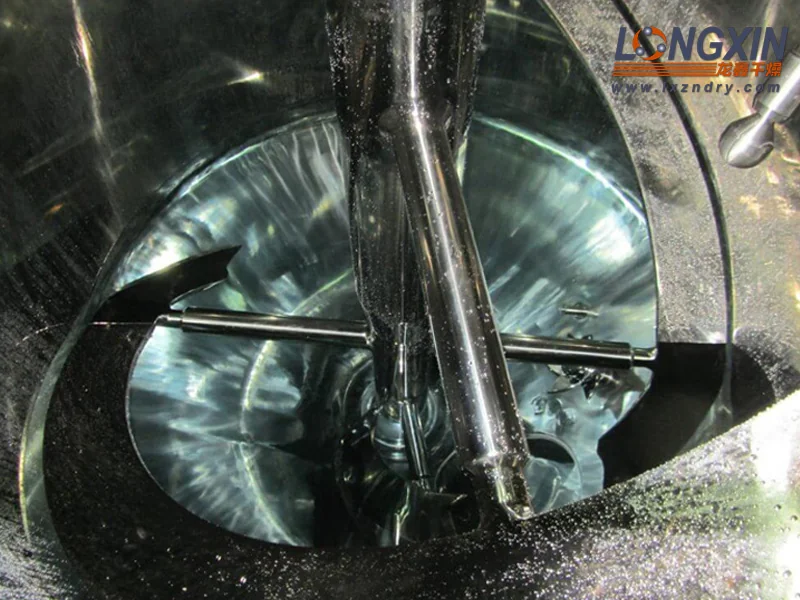
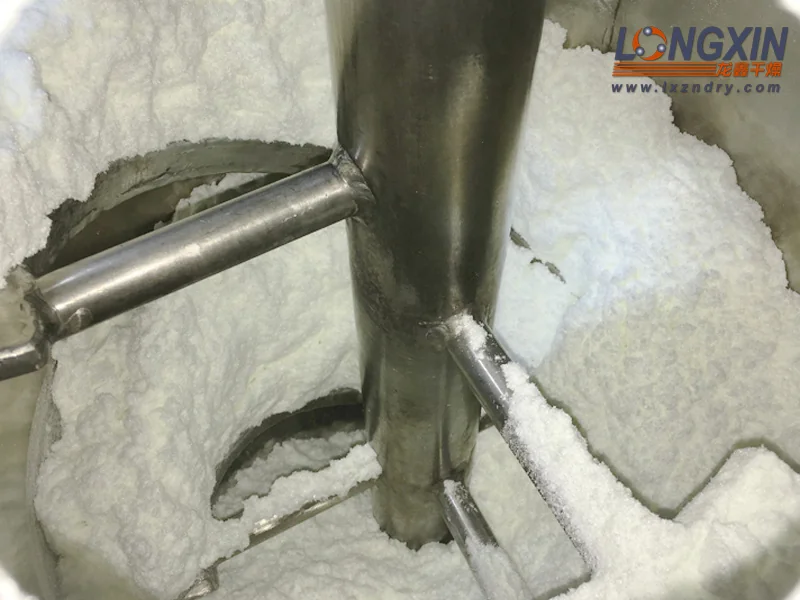
- Material circulation: a variable-speed, top-mounted drive rotates the agitator. Material is lifted along the conical wall and returns through the center under gravity, renewing contact with the heated surfaces.
- Vacuum evaporation: reduced pressure allows moisture or solvent to evaporate at a lower temperature. The vacuum system removes vapor through the outlet filter.
- Solvent recovery: a condenser and receiver can be added when the evaporated liquid needs to be collected.
- Controlled discharge: after drying, the bottom valve opens and agitation assists product discharge from the cone.
Main Components
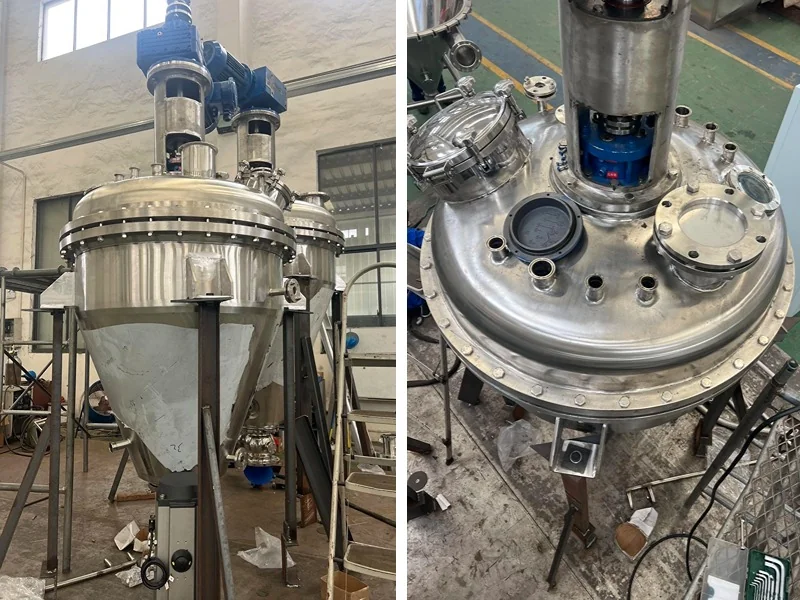
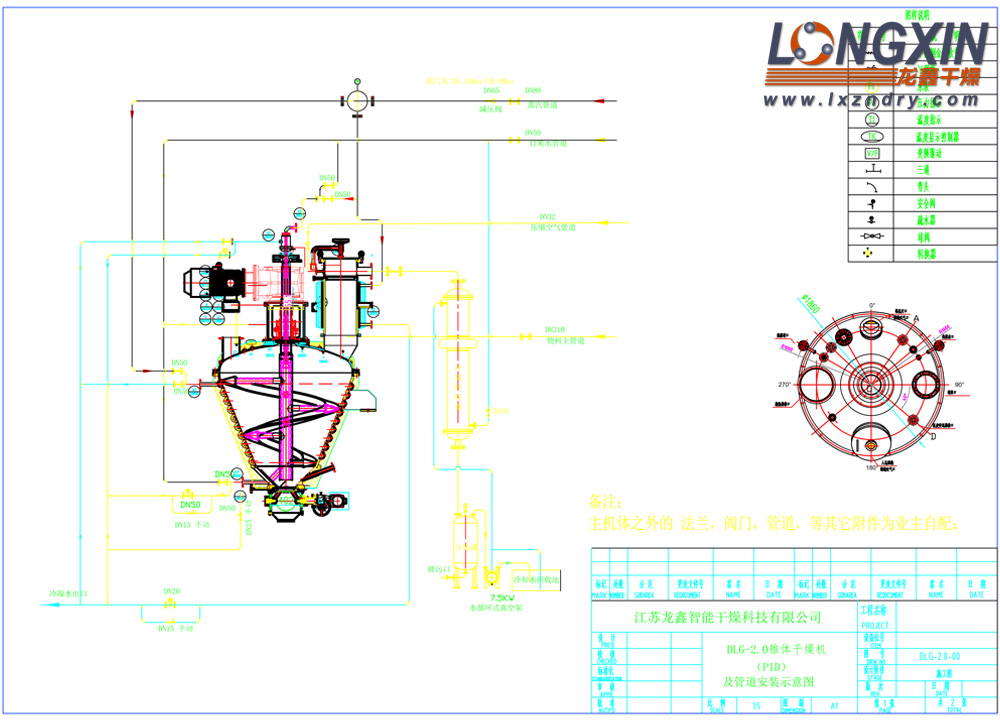
- Top drive and seal: a variable-frequency motor, helical gearbox and support frame drive the agitator. The described hygienic mechanical seal includes a collection and flushing chamber.
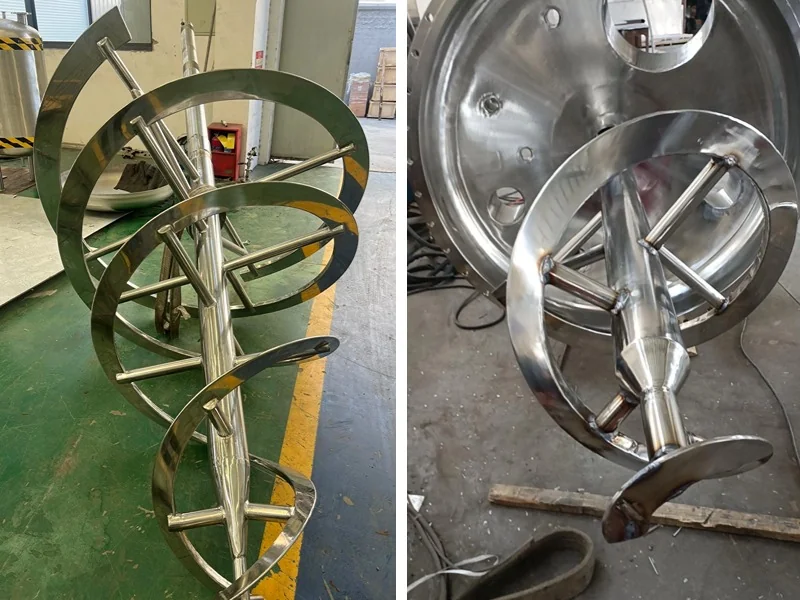
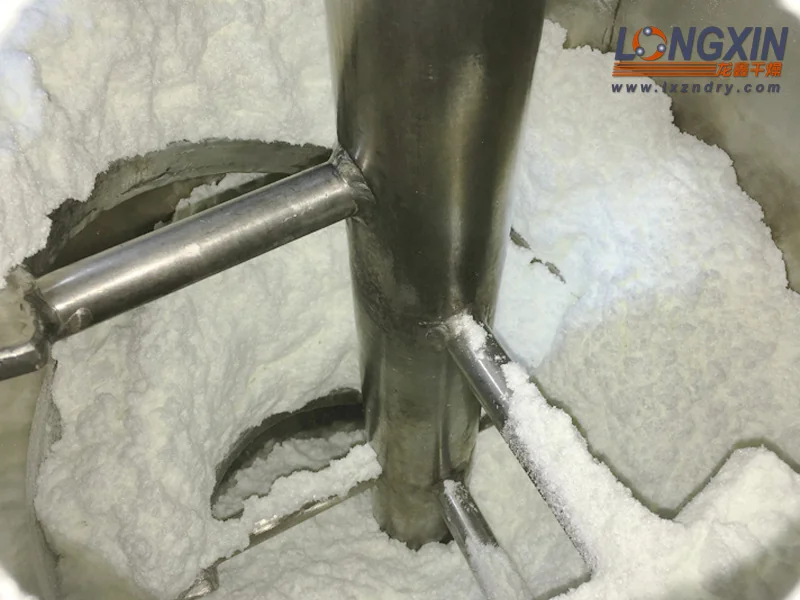
- Internally heated agitator: a hollow shaft, support arms and helical elements form a circuit for the heating medium. Close clearance to the vessel wall helps reduce material buildup.
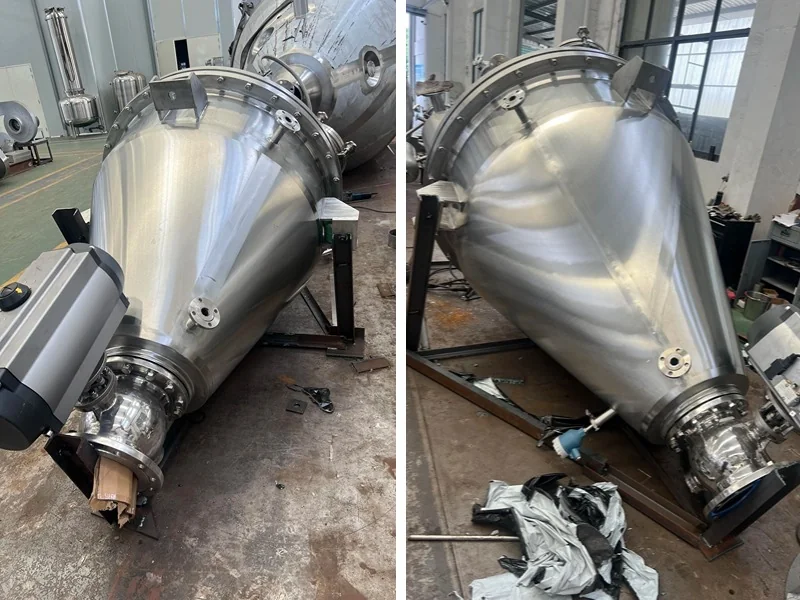
- Jacketed conical vessel: the smooth product-contact surface and bottom outlet support heat transfer and discharge. The supplied construction description specifies 316L stainless steel for product-contact parts.
- Access and process connections: the top head includes a DN400 hygienic manway and connections for charging, cleaning, vacuum, pressure measurement and viewing.
- Vacuum outlet filter: a sintered metal mesh filter limits powder carryover into the vapor line. A back-pulse arrangement is provided to clean the filter.
Process Features
- Heating suited to sensitive materials: vacuum operation and indirect heating allow the temperature profile to be matched to the product.
- Mixing throughout the batch: repeated lifting and downward circulation distribute material across the heated surfaces and help limit agglomeration.
- Agitation matched to crystal sensitivity: rotor geometry and speed can be selected to reduce unnecessary mechanical stress on fragile particles.
- Stationary vessel with fixed connections: the vertical arrangement accommodates fixed process pipework and avoids the clearance required for a rotating vessel.
- Top-mounted drive: the drive and bearing assembly remain above the product zone, with access for inspection and maintenance.
- Assisted bottom discharge: the conical vessel and controlled outlet help transfer the dried batch to downstream equipment.
Selecting the Agitator
Screw Agitator
A screw agitator is suited to a broad range of powders, filter cakes, pastes and slurries, including viscous feeds. Its conveying action moves material along the vessel wall to renew heat-transfer contact.
Paddle Agitator
A paddle arrangement is an option for less viscous materials. It supports material movement near the wall and can continue blending the product after the drying stage.
Ribbon Agitator
A ribbon arrangement is an option for free-flowing materials with relatively low initial moisture. The geometry is selected for the batch size, product flow behavior and required heat transfer.
Equipment Selection Considerations
When comparing conical, rotary double-cone and other agitated vacuum dryers, consider the feed viscosity, usable batch volume, heating area, cleaning access, product retention and discharge behavior. The stationary conical design supports fixed pipework and top access, while the internally heated agitator adds heat-transfer contact within the batch.
Drying time and energy consumption depend on the material, initial moisture or solvent content, vacuum level and heating conditions. Select the equipment from process requirements and material trials rather than vessel volume alone.
Typical Applications and Options
- Pharmaceuticals: wet intermediates and active pharmaceutical ingredients requiring controlled vacuum drying.
- Chemicals: wet powders, filter cakes and viscous products requiring enclosed drying and mixing.
- Metal-based materials: dense or sensitive powders with application-specific drying requirements.
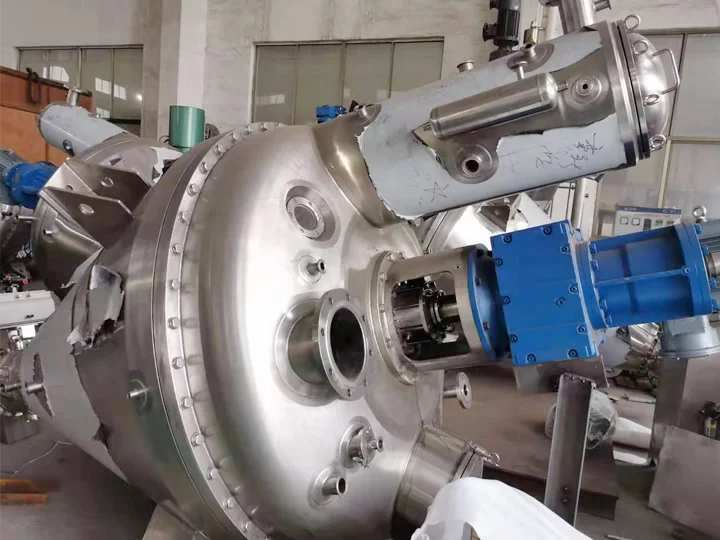
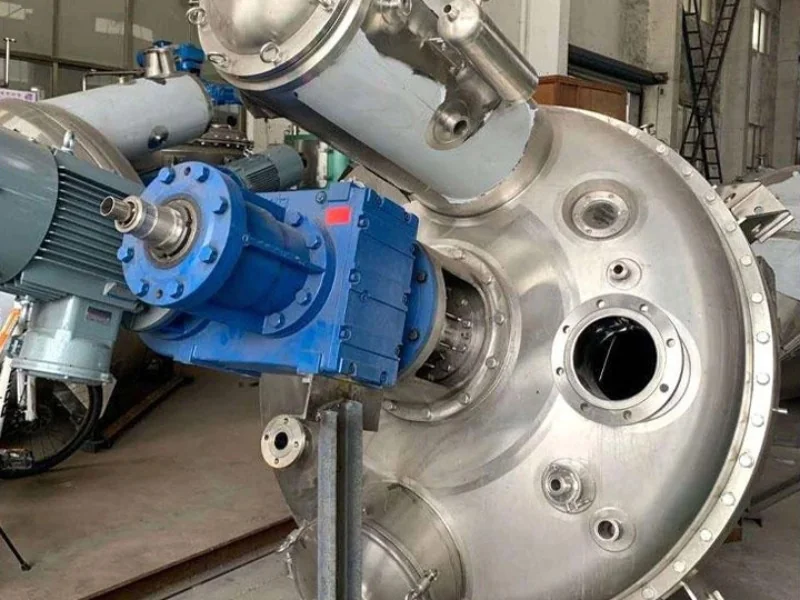
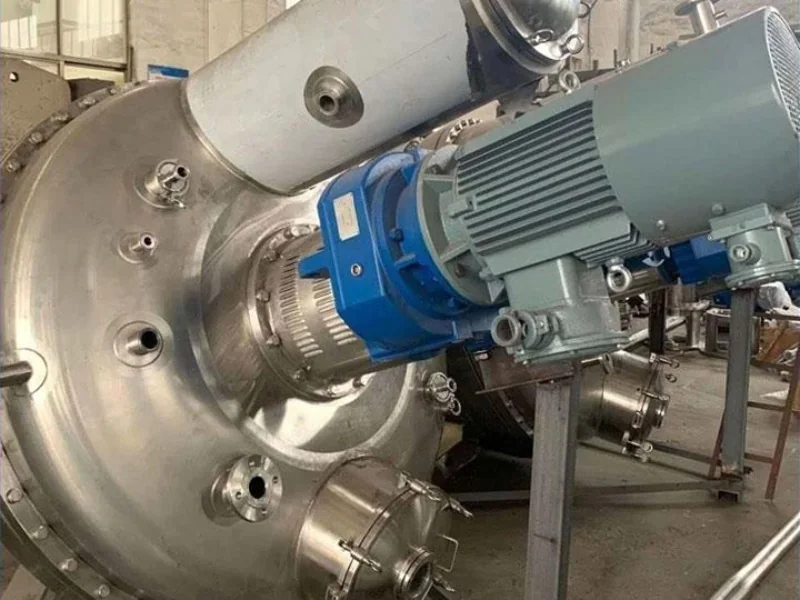
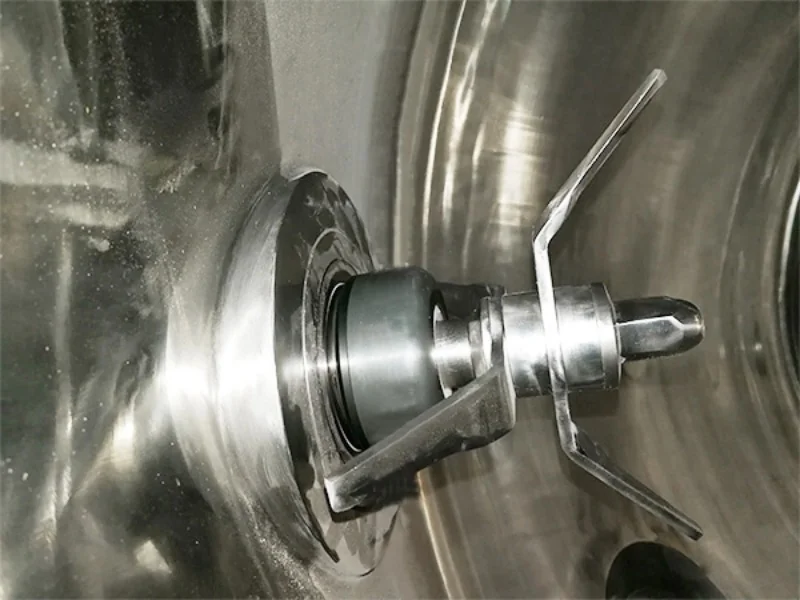
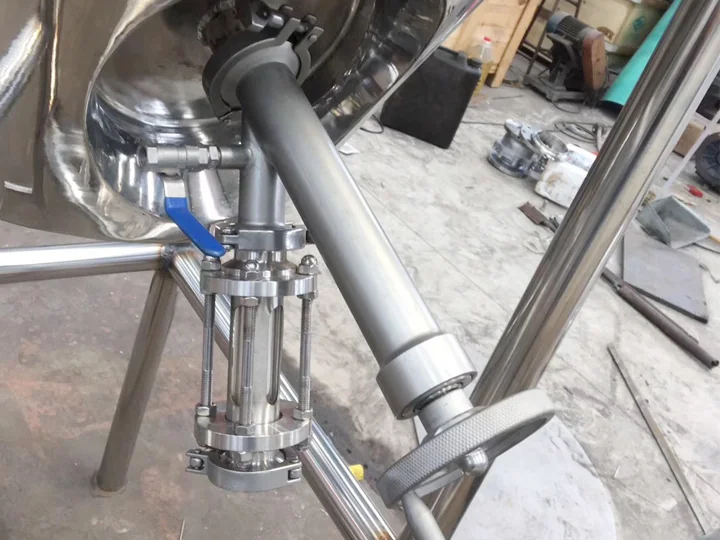
The gallery shows conventional and pulsed-vacuum configurations, internally heated agitators, a vacuum chopper and a sampling device. These components are selected to match the product and process.
Define Your Vacuum Drying Process
For equipment selection, provide the feed composition, solvent system, bulk density, viscosity, batch mass, initial and target moisture or solvent content, allowable product temperature and required cycle time. Also specify cleaning requirements, available heating and vacuum utilities, solvent recovery needs and installation space.
Selection Questions
Can a DLG vacuum dryer recover solvent?
A condenser and receiver can be added when evaporated solvent needs to be collected. The vacuum, vapor-handling and recovery arrangement must be specified for the actual solvent and process.
What should be provided for equipment selection?
Provide composition and solvent system, bulk density, viscosity, batch mass, initial and target moisture or solvent, allowable product temperature, cycle-time target, cleaning needs and available heating and vacuum utilities.
Related Equipment and Applications
Discuss your material and request an equipment recommendation.